The brief Weibo post does not say when Apple considered that capacity. The iPhone 18 Pro and iPhone 18 Pro Max feature 12GB of RAM, as confirmed through Xcode 27, matching the iPhone 17 Pro models. The iPhone Duo is also expected to have 12GB, but the Xcode data used to verify the Pro models did not yet include the foldable.
Rumors had pointed to 12GB for the iPhone 18 Pro well before launch. In April 2025, supply chain analyst Ming-Chi Kuopredicted that the iPhone 18 lineup would have 12GB of RAM. Analyst Jeff Pu projected the same capacity for the Pro models and Apple's first foldable iPhone in January. A March report from The Bell said Samsung would supply 12GB memory modules for the iPhone Duo.
The global memory shortage is the likely explanation for the apparent change. The March report described sharply rising prices for the 12GB modules, while Bloomberg's Mark Gurmanreported that memory costs led Apple to discuss a higher starting price for the foldable. Kuo also said DRAM shortages were forcing Apple to scale back its 2026 hardware shipment plans.
Der folgende Artikel ist über 7.200 Zeichen lang. Um ihn zugänglicher zu gestalten, habe ich ihn eingesprochen. Für Abonnenten von #one habe ich die Audiodatei zusätzlich in den persönlichen RSS-Feed eingestellt.
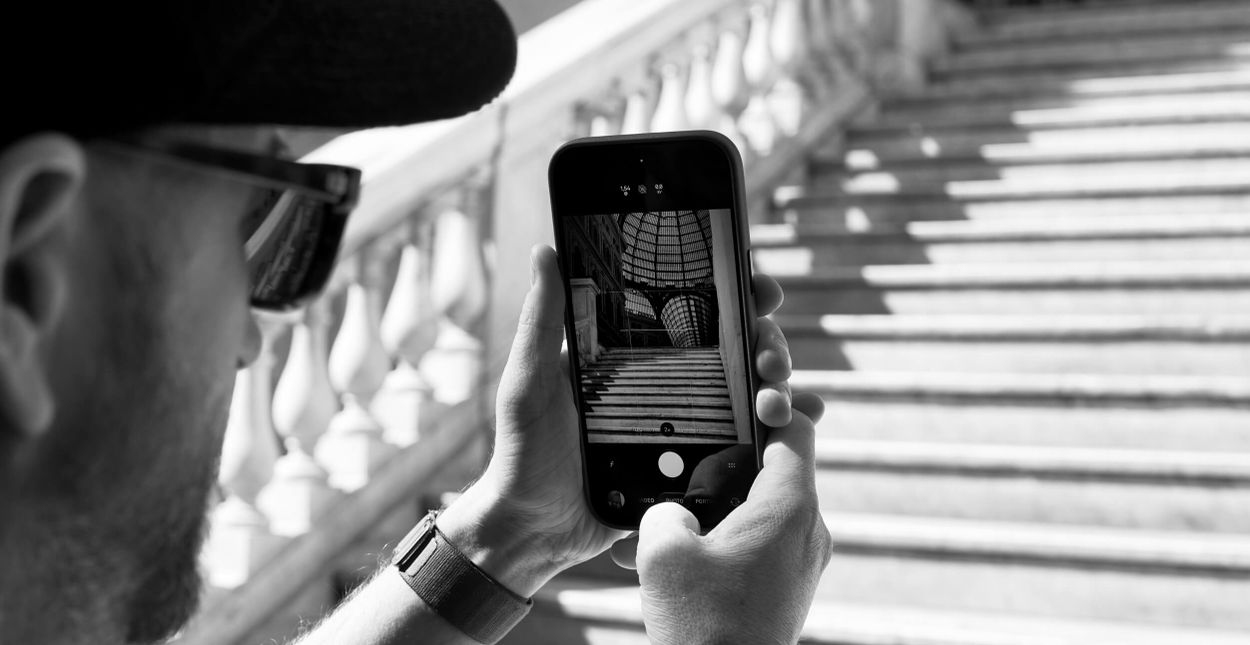
Einmal im Jahr treffe ich für ein Wochenende zwei Schulfreunde – immer in einer anderen europäischen Stadt unserer Wahl. In diesem Jahr einigten wir uns auf Neapel in Italien – ganz zufällig am ersten Wochenende mit dem iPhone 18 Pro Max.
Apples Ökosystem bleibt das Killer-Feature der iPhones. Kurz vor Abflug – innerhalb von wenigen Stunden – hing das Telefon frisch eingerichtet (!) in meinem Gerätefuhrpark. Es sprach mit meiner Apple Watch, war von selbst mit den AirPods verbunden, air-droppte Links zum iPad und synchronisierte die auf dem Mac erzeugten Dateien.
Dazu braucht es natürlich kein neues iPhone. Wer aber nur alle drei bis vier Jahre einmal zugreift – upgradet, verbessert genau dieses Zusammenspiel. Alles bleibt bekannt, aber alles wird besser.
Ist das langweilig? Vielleicht. Aber ist es genau das, was Käufer:innen nach zwanzig iPhone-Jahrgängen verlangen? Vielleicht.
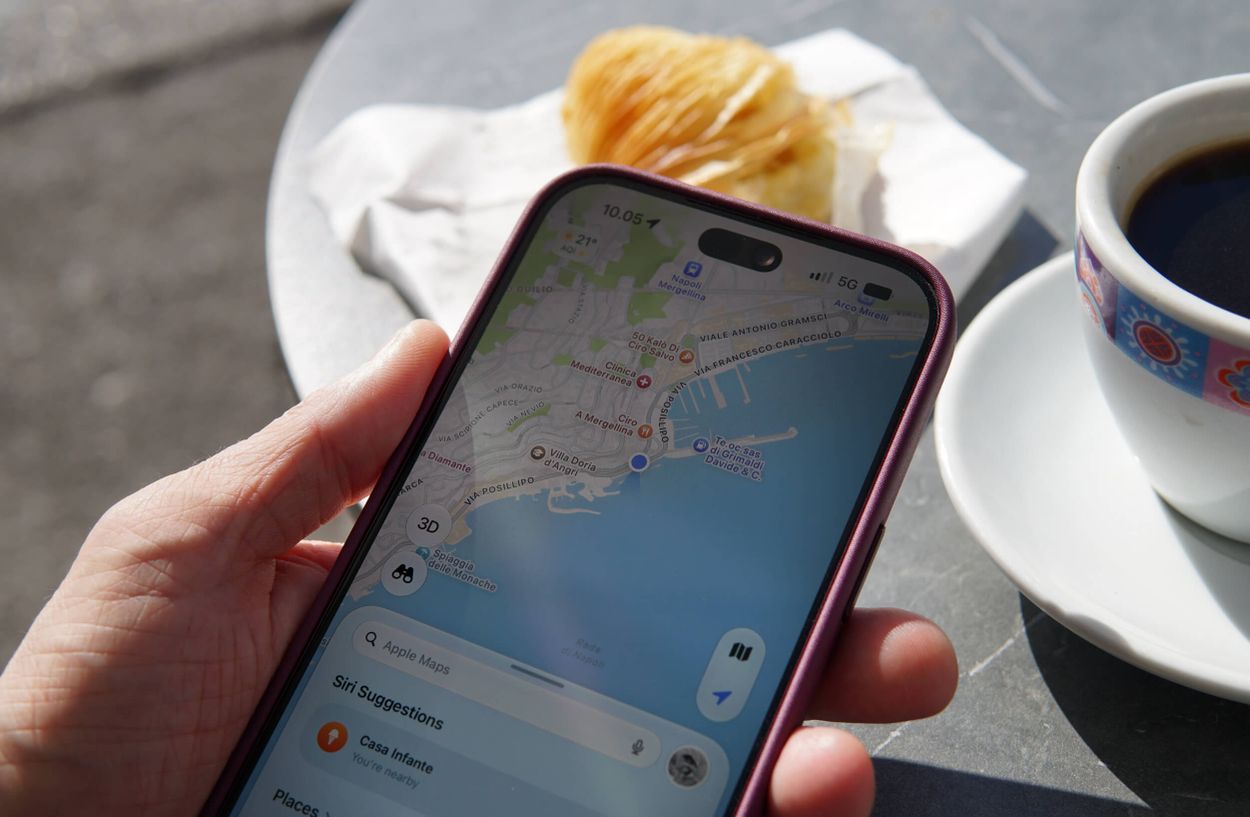
Pro Tag haben wir rund 20 Kilometer zu Fuß in der italienischen Großstadt abgerissen – mit Navigation, Open-Gate-Video-Aufnahmen, Übersetzungen und sehr viel Fotografie. Bei 25 Grad und direkter Sonneneinstrahlung bin ich nach rund 8 Stunden nicht nur mit rund 60 Prozent Akku ins Airbnb zurückgekehrt, sondern habe kein einziges Mal beobachtet, wie sich der Bildschirm von selbst runterdimmt. Die Dampfkammer im 17 Pro Max war klasse; im 18 Pro Max ist sie weltklasse.
Apple bewirbt den „dampfgekühlten A20 Pro Chip für anspruchsvollste KI Workloads“ – ich find’s schlicht beeindruckend, wie die Displayhelligkeit selbst unter knalliger Sonne am Mittelmeer konstant aufgedreht bleibt. Das dürfte auch an den neuen Materialien der „Vapor Chamber“ liegen, die die Wärme effektiver vom Display wegleiten.
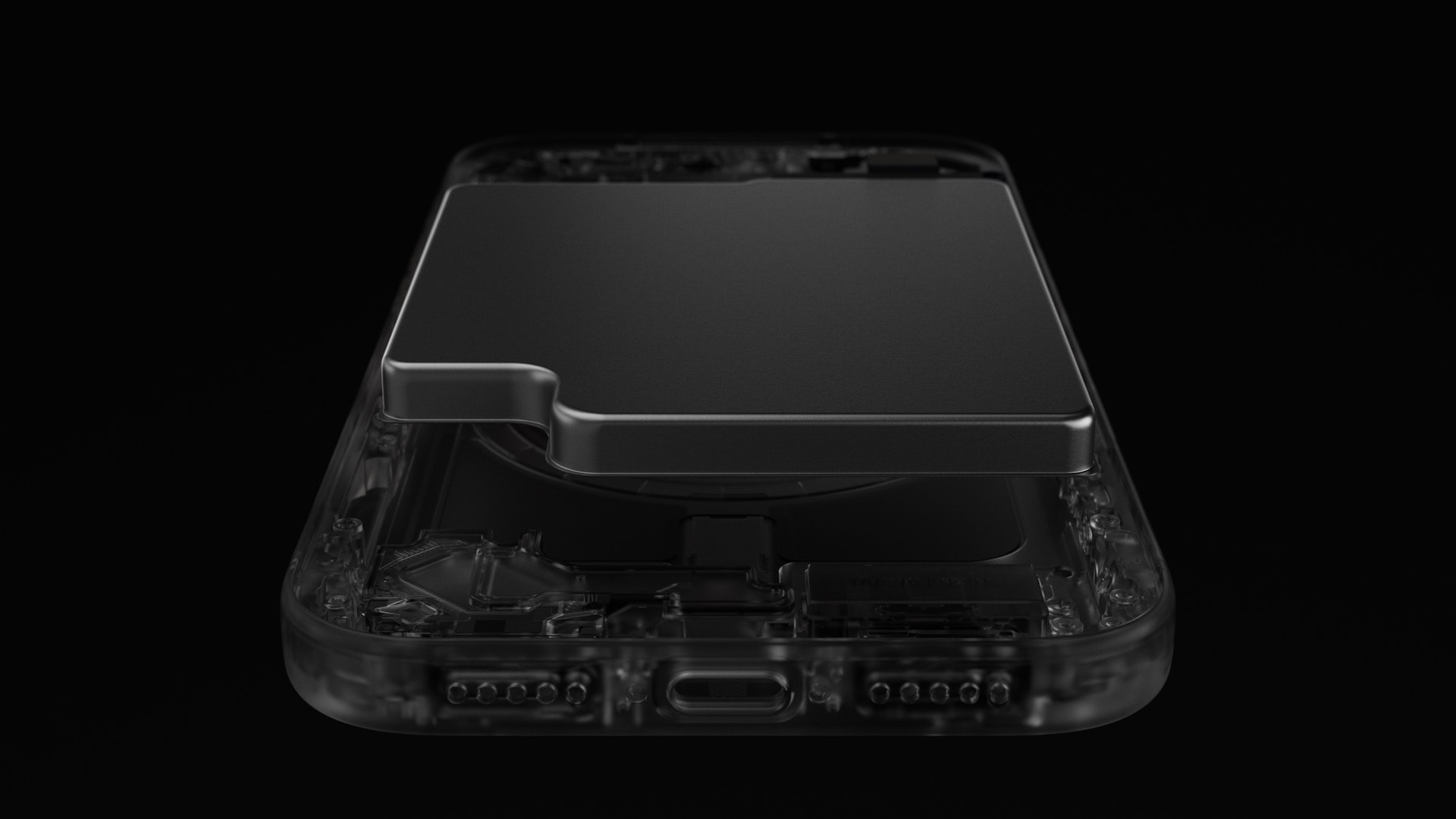
Aber apropos Chip: Apple platziert erstmals seinen 2-Nanometer-Stein direkt neben dem Speicher, anstatt ihn wie früher darüber zu stapeln. Es ist eine abermalige Verbesserung für den Wärmeleitpfad und ein zentrales Feature dieses Modells.
Scherzhaft behauptete ich in diversen Vorjahren: „Akku ist ein gelöstes Problem!“ Im iPhone 18 Pro Max ist das kein Jux mehr – insbesondere wenn man sich mit einem passenden Ladegerät in nur 15 Minuten rund 50 Prozent Ladestand wieder erarbeitet.
Neapel war die erste Reise, auf der ich trotz Zwischenstopp-Flug ganz bequem ohne externen Akkupack auskam. Das war auch gut; ich hatte nämlich keinen dabei …
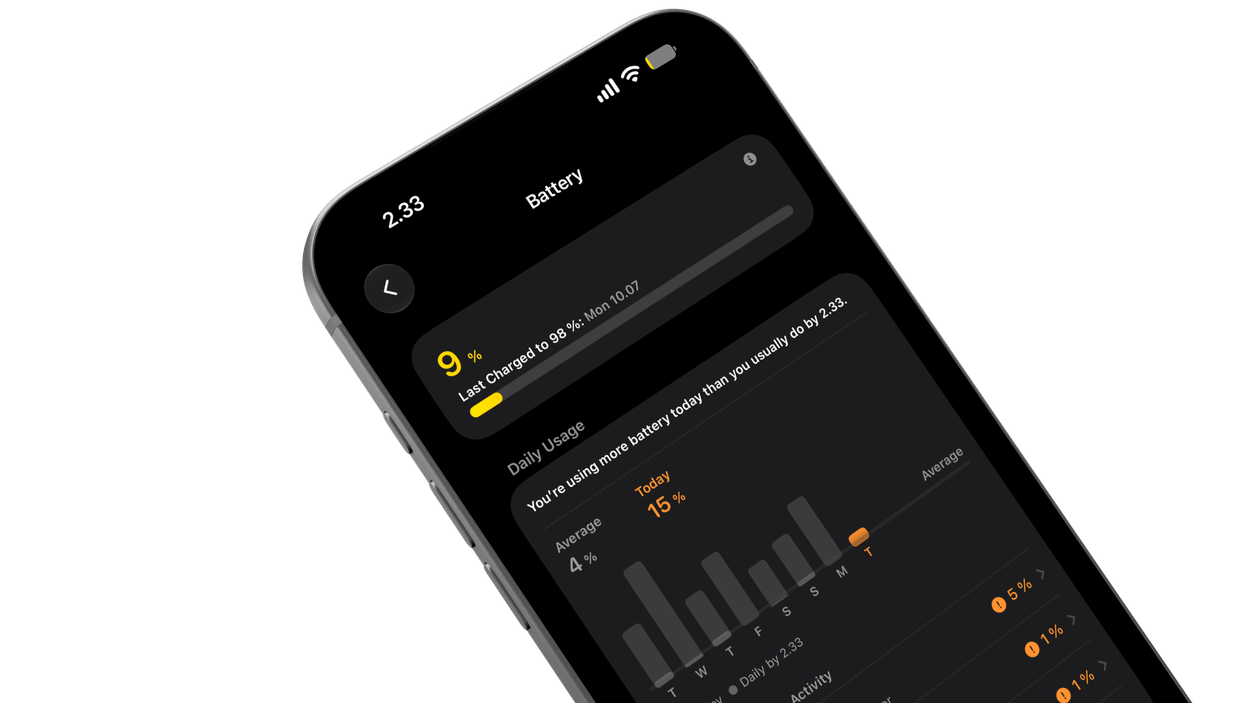
Am Abreisetag haben wir um 10 Uhr die Airbnb-Wohnung verlassen, sind sechs Stunden durch Neapel gelaufen, haben drei Stunden am Flughafen gewartet, zwei Flüge und eine Uber-Fahrt absolviert, nur um nachts um 2 Uhr mit 9-Prozent-Akku wieder zu Hause aufzuschlagen – komplett ohne Zwischenladung.
Mein Lieblingsfeature der neuen Kamera ist die Fokusverfolgung. Ganz im Ernst: Es ist absurd hilfreich, weil’s zu Fotos führt, die vorher so nicht funktionierten. Look at this!
Insgesamt sind es bewegte Bilder – also Videoaufzeichnungen – die diesmal große Sprünge machen. Angefangen beim Cinematic-Mode von regulärem Video1, 4K-Zeitrafferaufnahmen, Auto-FPS für Low-Light-4K-Videos, Pro-Controls sowie neue Algorithmen für Audio Mix. Ich verstehe nicht, warum man Hunderte von Euro in Gimbal-Kameras wie eine Osmo Pocket oder Insta360 Luna steckt und diese zusätzlich mit sich herumträgt, wenn das iPhone einen unterschätzten Actionmodus mitbringt.
Aber was steht dieses Jahr im Rampenlicht?
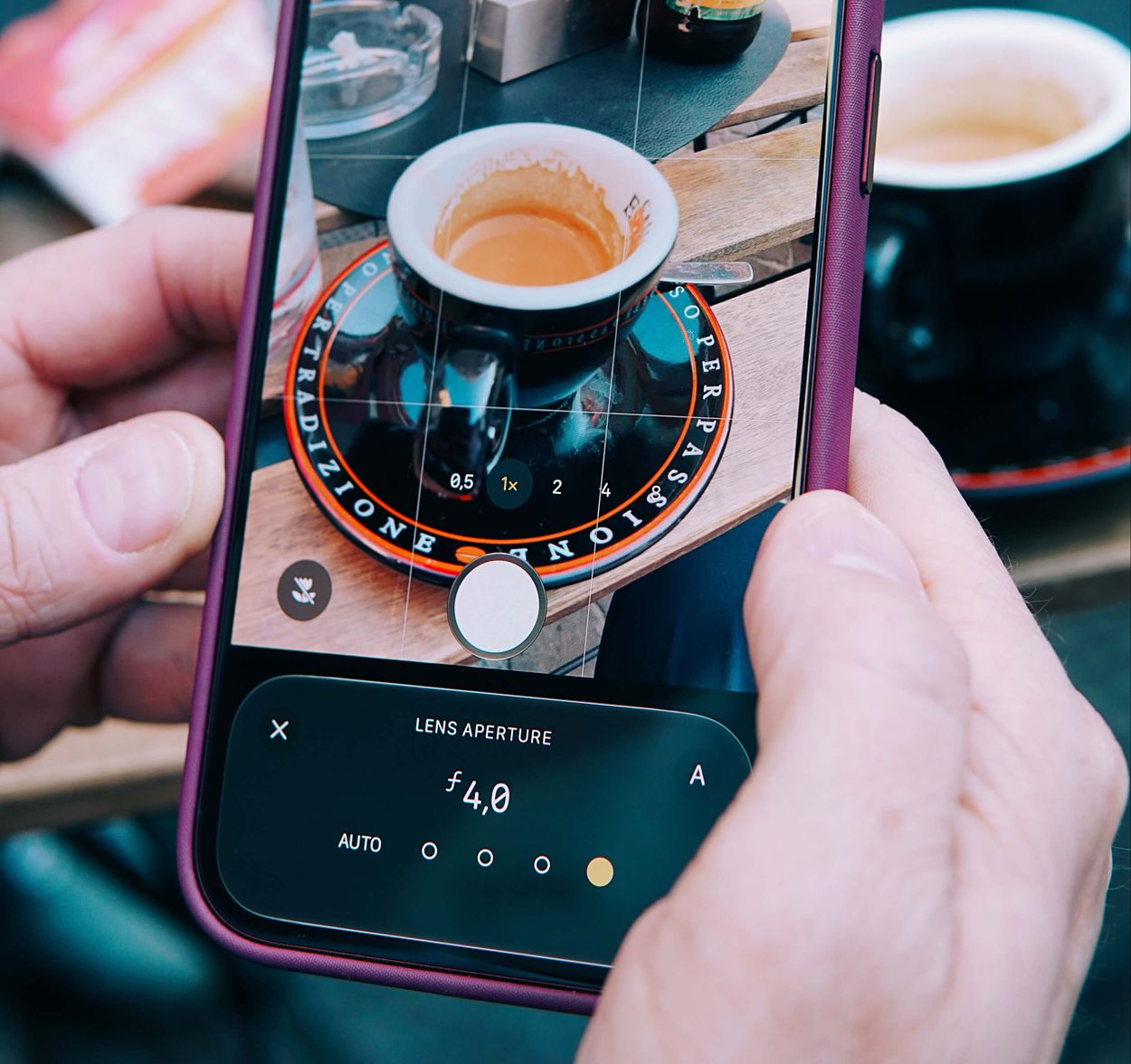
Die variable, physische Blende dominiert zweifellos Apples Werbung für das neue Modell. Fair enough: Marketing ist dafür ein Kinderspiel. Die haardünnen Lamellen sehen einfach total schick aus.
Allerdings stellt für mich die Qualität der Bilder – inklusive der fotografischen Stile – die Hardware so ein wenig in den Schatten.
Es macht mir einfach irrsinnig viel Freude, die Schnappschüsse am Ende des Tages durchzugehen und ihnen das letzte Quäntchen von digitalem Look & Feel auszuwringen. Der neue „Texture“-Reiter ist versteckt platziert, aber genau dafür eine aufregende Erweiterung.
„Photographic Styles“ sind bekanntlich kein Filter, die man über das gesamte Bild wirft. Gesichtstöne werden beachtet; keine Nase schaut nach der Bearbeitung verunglimpft aus. Apples neue Pipeline scheint zunehmend an die physischen Grenzen von Optik und Sensor zu stoßen.
Was mir in den ersten Tagen deutlich wurde: Die Kamera des iPhone 18 Pro Max produziert nicht direkt hübschere Bilder als Kameras aus älteren iPhones. Allerdings ist es damit einfacher, solch’ hübschere Bilder zu produzieren. Die neue Bildverarbeitung führt zu weniger plastikartigen und weniger aggressiv nachgeschärften Fotos.
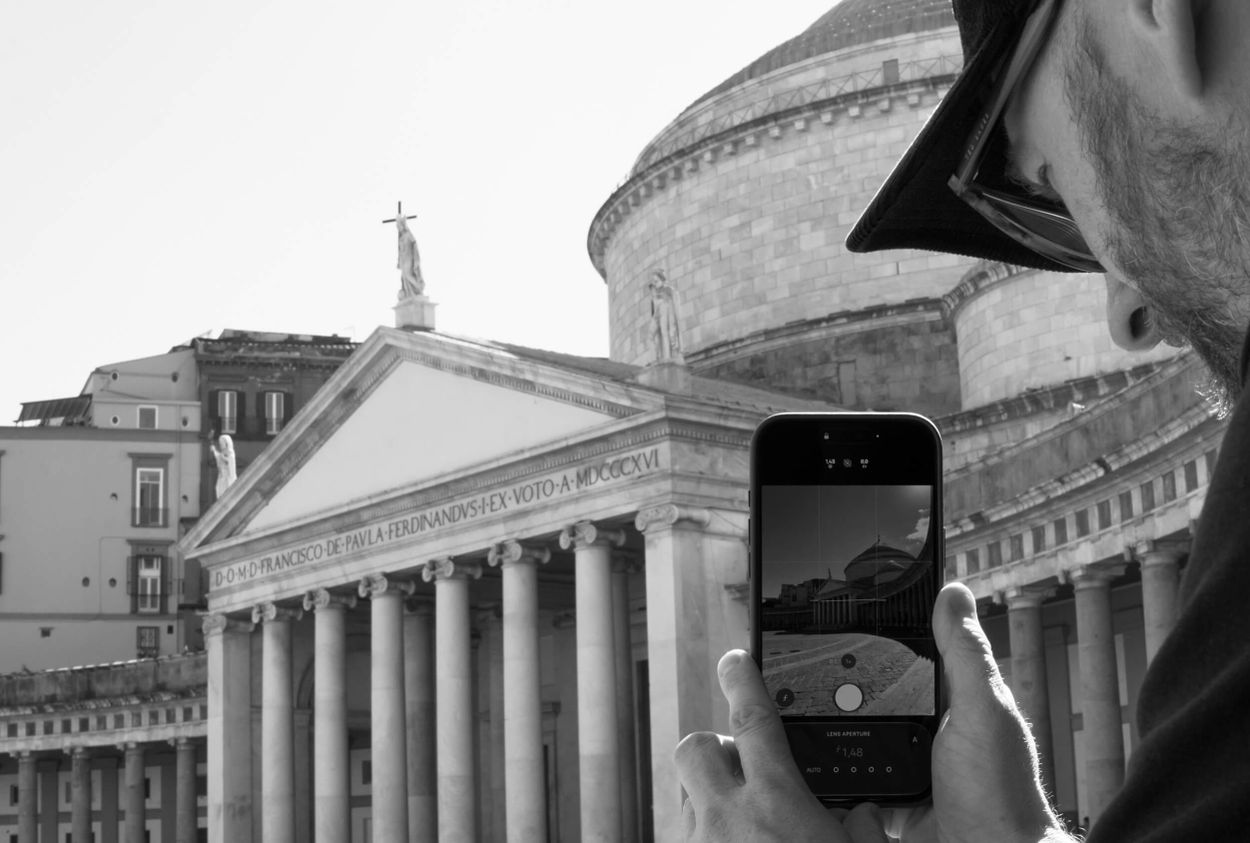
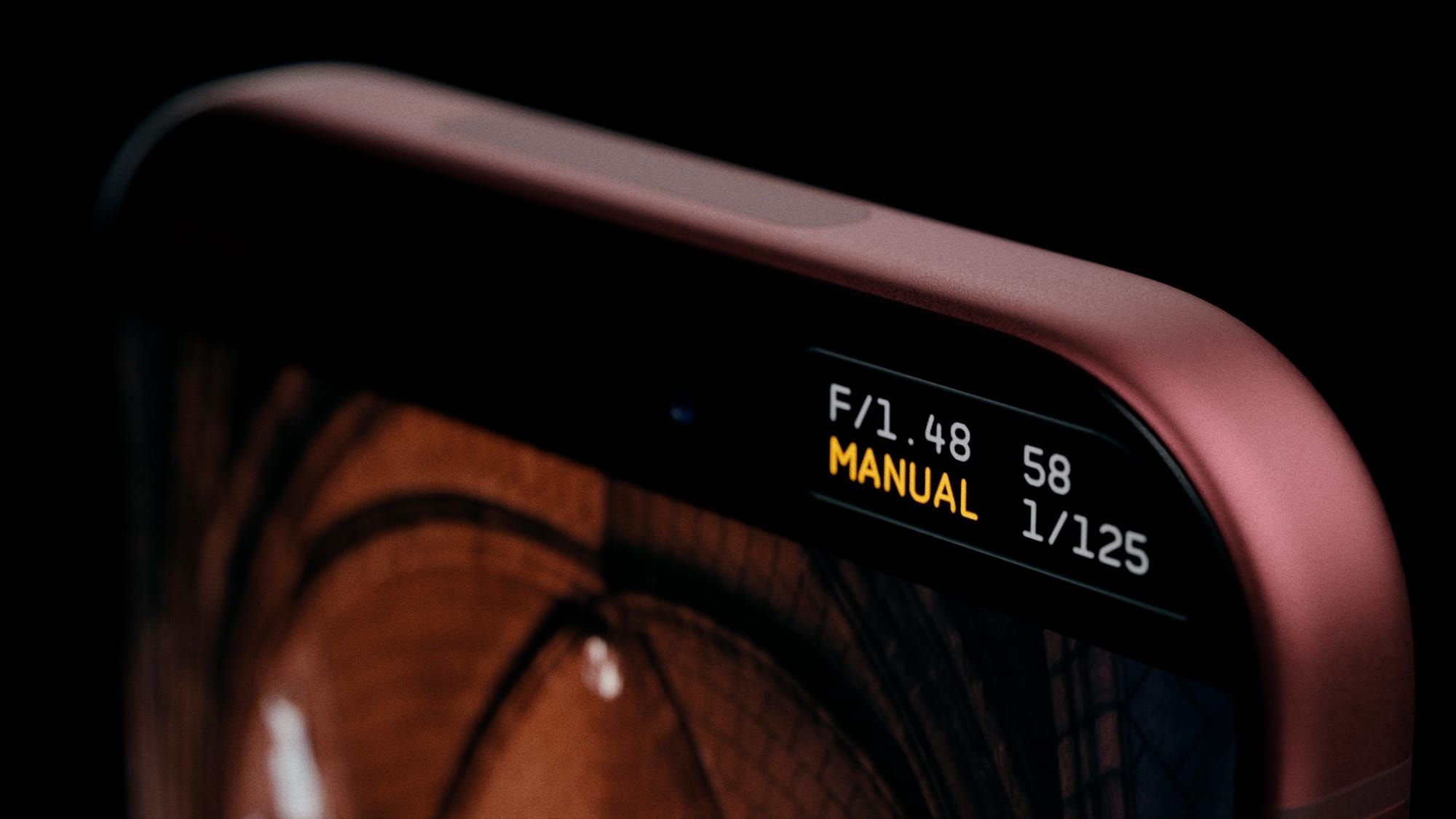
Zugegeben: Wer sich vorher bereits viel Mühe gab (und vielleicht ProRAWs nachträglich bearbeitet hat), gelangt zu vergleichbaren Ergebnissen. Das neue iPhone kann mit seiner ƒ/1.48-Blende mehr Licht einfangen und traut sich damit auch mehr zu. Dass sich diese Ergebnisse so mühelos erzielen lassen, liegt schlussendlich aber an der Software.
Software lässt auch eine andere Hardware-Änderung glänzen: die geschrumpfte Dynamic Island.
Gerade auf Reisen fällt auf, wie oft mehr als zwei Live-Aktivitäten sich um ein Plätzchen streiten – mit Flighty, Uber und einer Podcast-Wiedergabe nutzt man den neuen Platz bereits aus.
Auch zwei Live-Aktivitäten, die mehr Informationen zeigen und sich dadurch leichter antippen lassen, sind eine willkommene Neuerung.
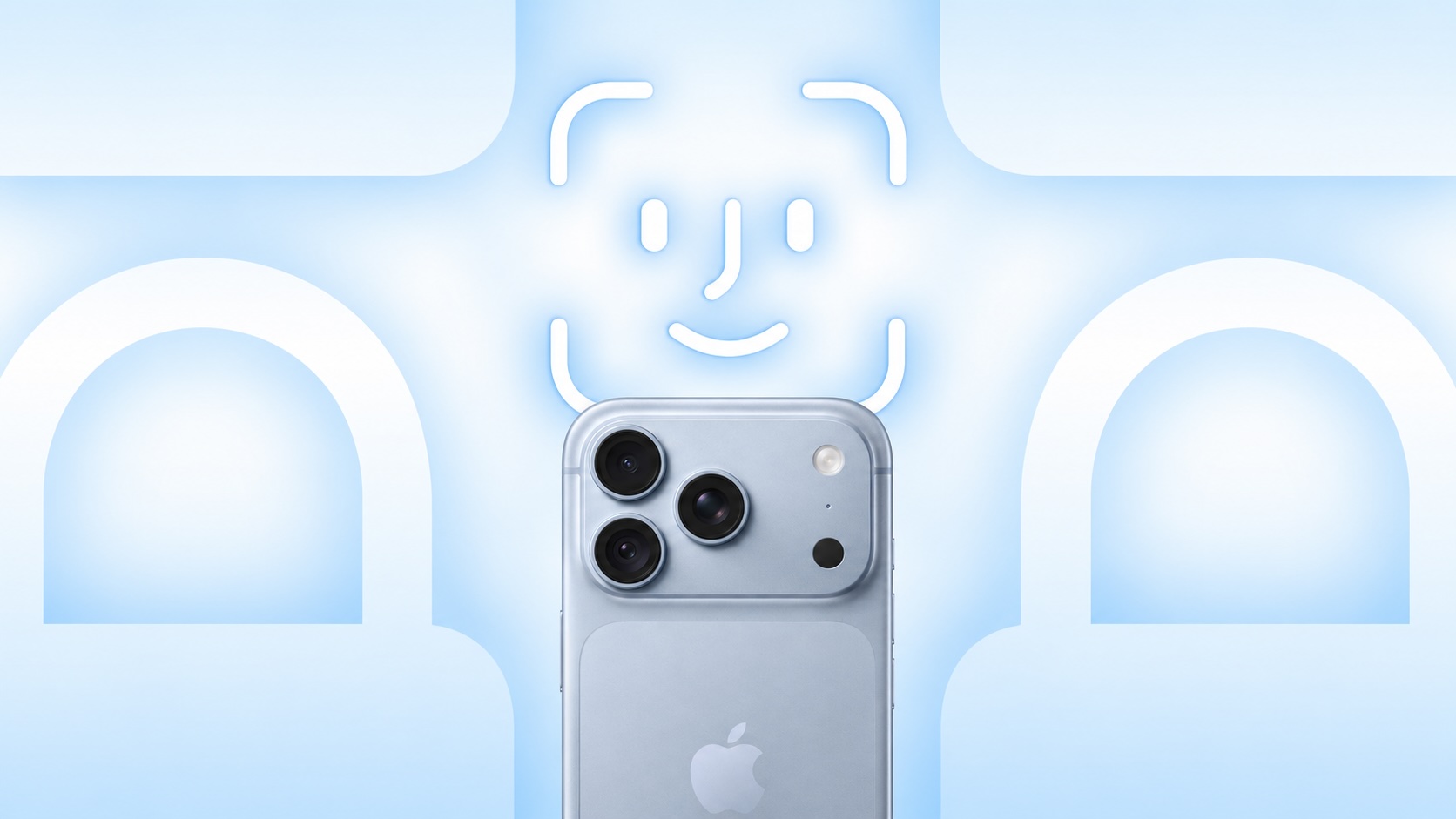
Der technische Trick? Die Infrarotkamera von Face ID wandert unter das Display. Es fehlt dort jede zweite Pixelreihe, die durch eine höhere Pixelhelligkeit in diesem kleinen Bildbereich kompensiert wird.
Optisch kann ich beim besten Willen keinen Unterschied zum restlichen Display erkennen, kämpfte in den ersten zwei Wochen aber mit vielen fehlgeschlagenen Erkennungen meiner Person.
Erst vor ein paar Tagen habe ich Face ID neu angelernt, ein alternatives Erscheinungsbild eingerichtet, die präzise Aufmerksamkeitsprüfung deaktiviert sowie das Entsperren mit der Apple Watch scharfgeschaltet. Probleme habe ich seitdem nicht mehr.
Ich beobachte jedoch weiter; für ein finales Urteil dieser Hardware-Komponente ist es zu früh. Insbesondere weil erst vor wenigen Tagen ein iOS-Bugfix (iOS 27.0.1) für ein Problem mit Face ID erschien.
Während internationale Reviews an dieser Stelle einen ausschweifenden Abschnitt über Siri AI einstreuen, lehne ich mich zurück. Allerdings unentspannt, weil ich „Siri AI in der EU“ erst einmal nicht sehe.
Dauerhaft tragbar erscheint mir der iOS-Fork für Europa allerdings auch nicht – selbst wenn dieser Bummer die derzeitige Realität darstellt. Und deshalb gilt wie immer: „Kaufe ein Gerät für das, was es heute kann – nicht für Funktionen, die irgendwann per Update kommen sollen.“
Und trotzdem bleibt das Telefon der wichtigste „Personal Computer“. Es ist das Gerät, das alternativlos ist. Keiner denkt darüber nach, ob er sein iPhone (für eine Reise) einpackt oder ob er es heute einmal zu Hause lässt.
Ich beneide jeden, der in diesem Jahr von einem iPhone 14 oder 15 aufs Pro-18 wechselt. Es ist nicht einfach nur ein besseres Gadget, sondern ein Alltags-Upgrade. Das zeigte sich nicht nur an einem Wochenende in Neapel, sondern auch danach, wenn der Urlaub vorbei ist und man wieder nach Hause muss.
Als Alternative zum Kinomodus empfehle ich in Apple Log zu filmen. LUTs und Farben sind oft der größere Unterschied fürs Bild als die Trennung zum Hintergrund.
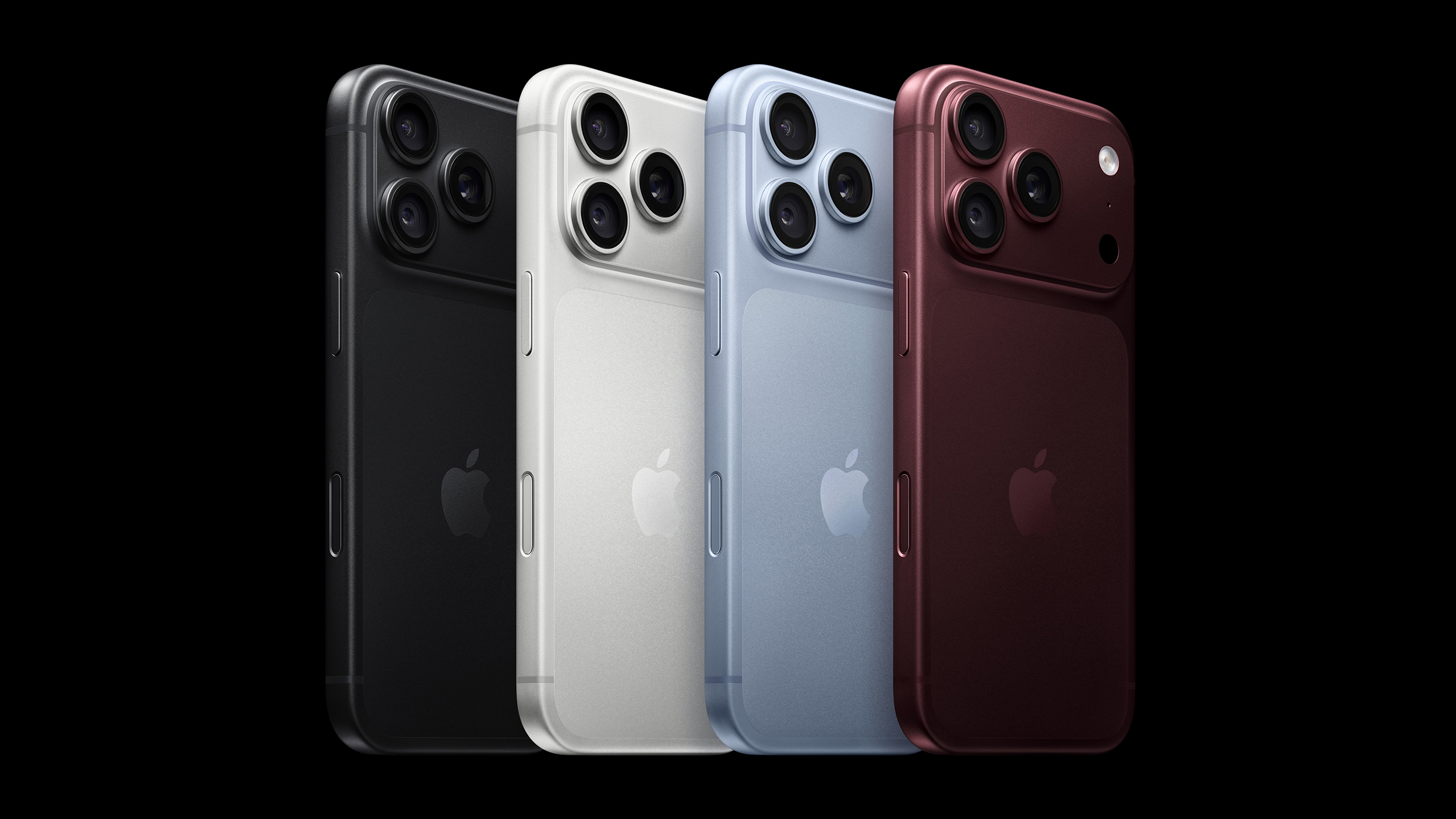
Apple's iPhone 18 Pro and iPhone 18 Pro Max models come in four distinct color options, so which should you choose?
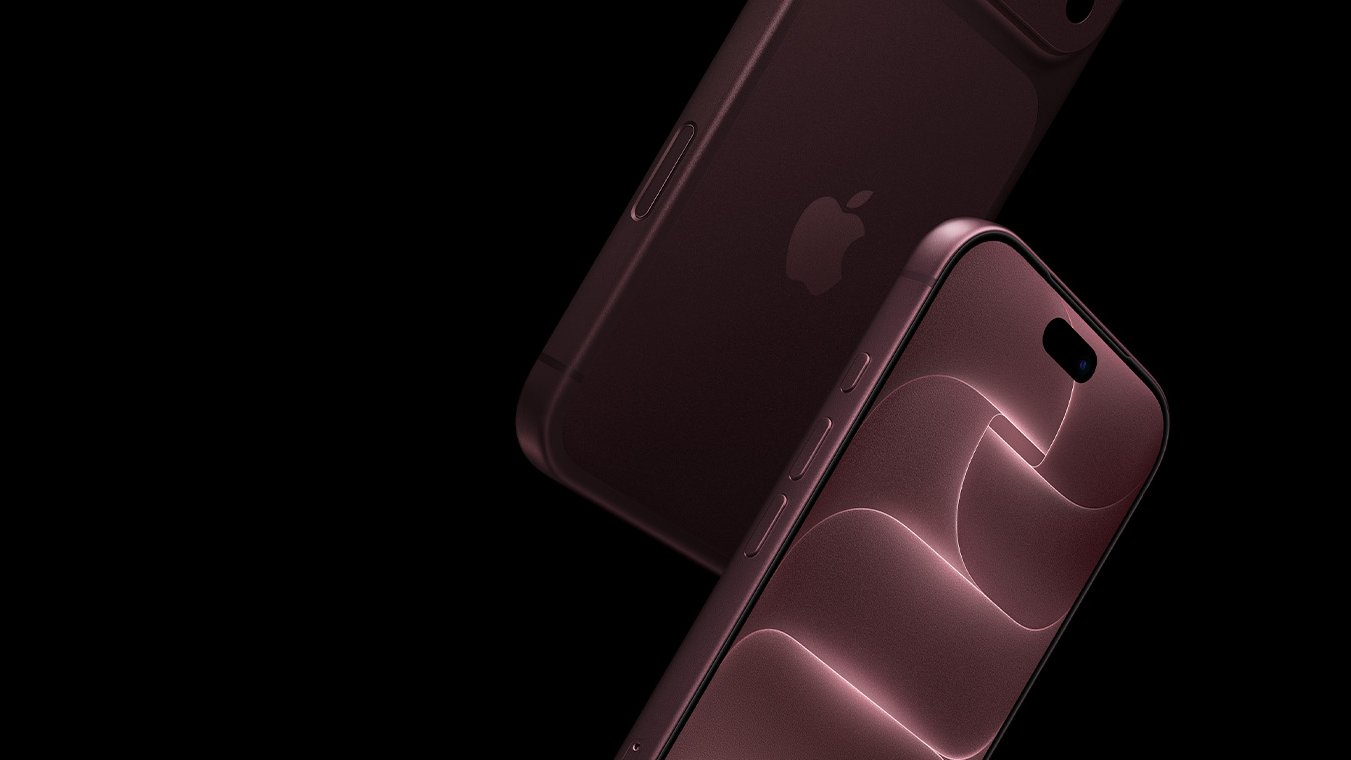
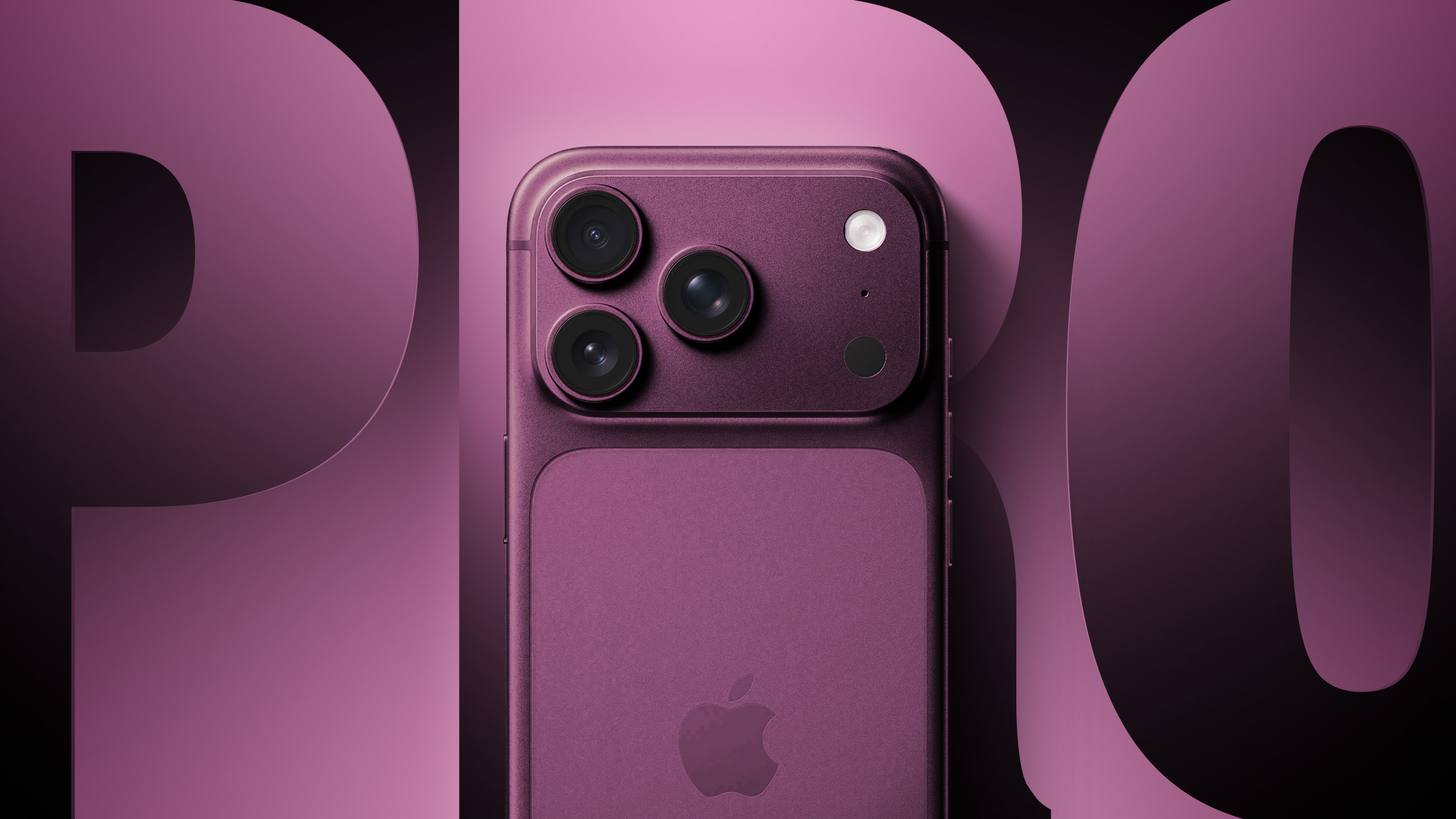
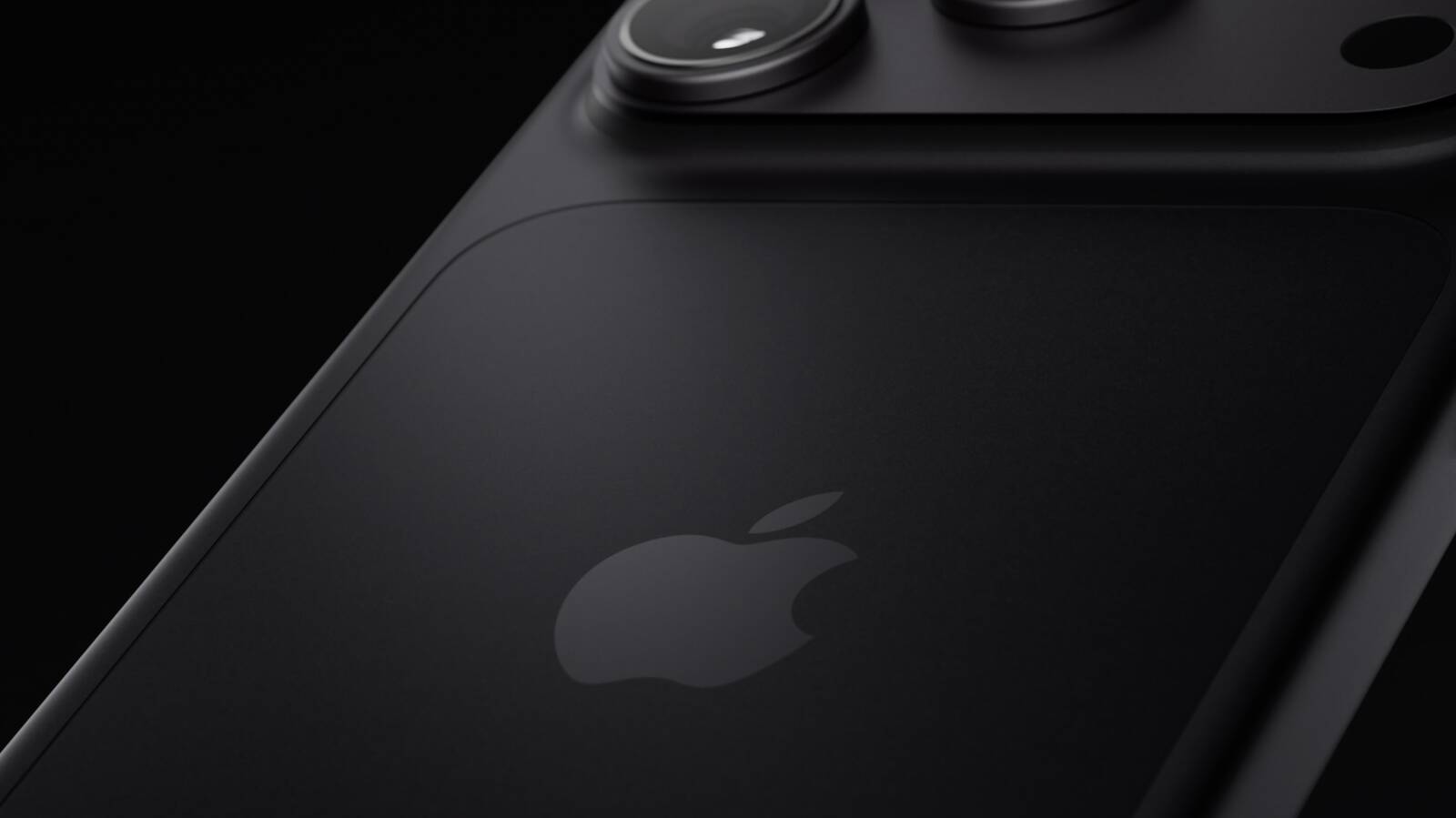
The iPhone 18 Pro models come in Black, Silver, Glacier, and Burgundy. The aluminum and glass backs are more closely matched than on the iPhone 17 Pro, although the different materials remain somewhat visible.
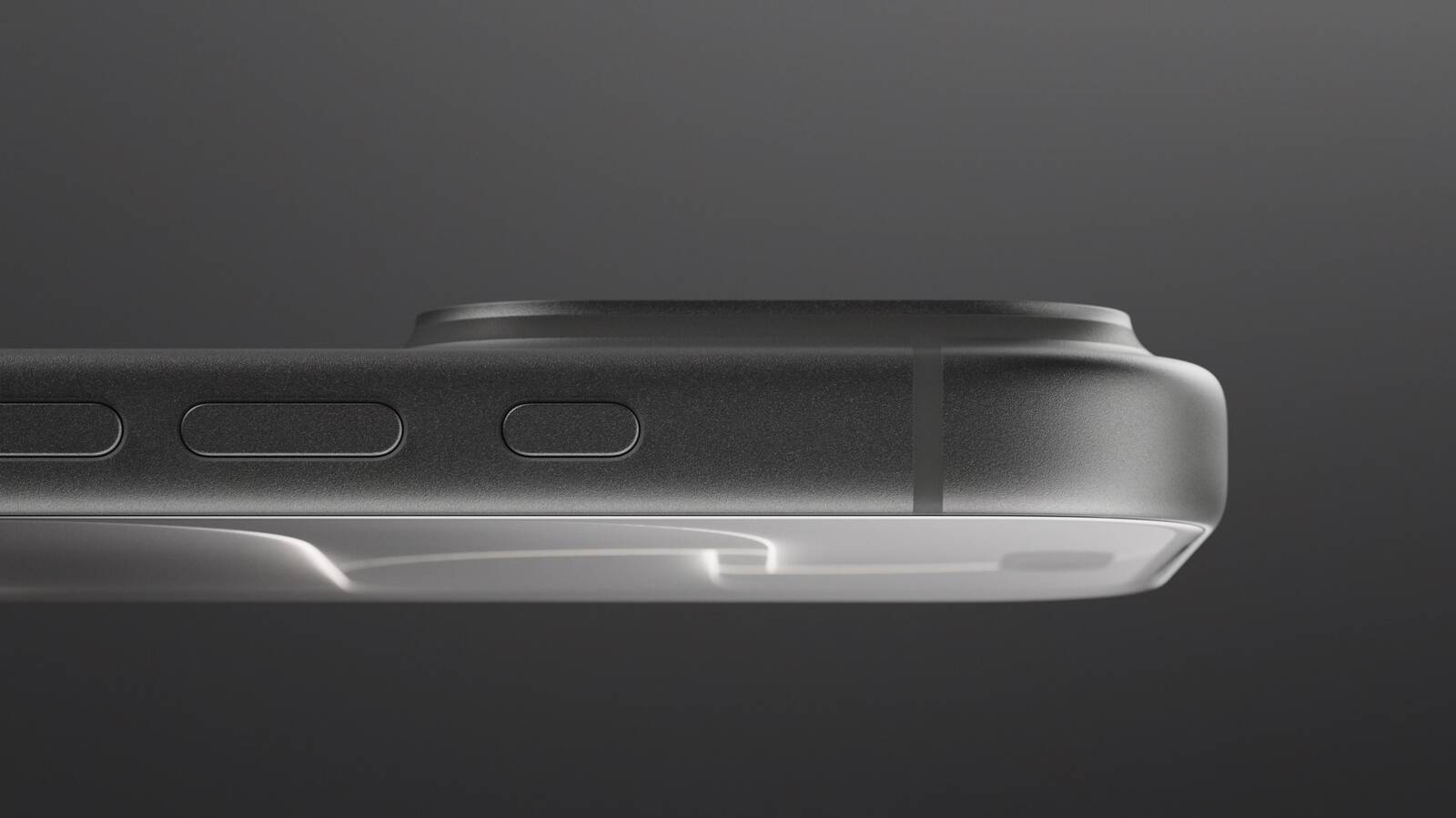
You should also consider if you plan to use a case with your device and, if so, which one. The iPhone 18 Pro's large, full-width camera plateau stands out on most cases, exposing more of the device's color. Choosing a complimentary color should be your first priority.
Burgundy
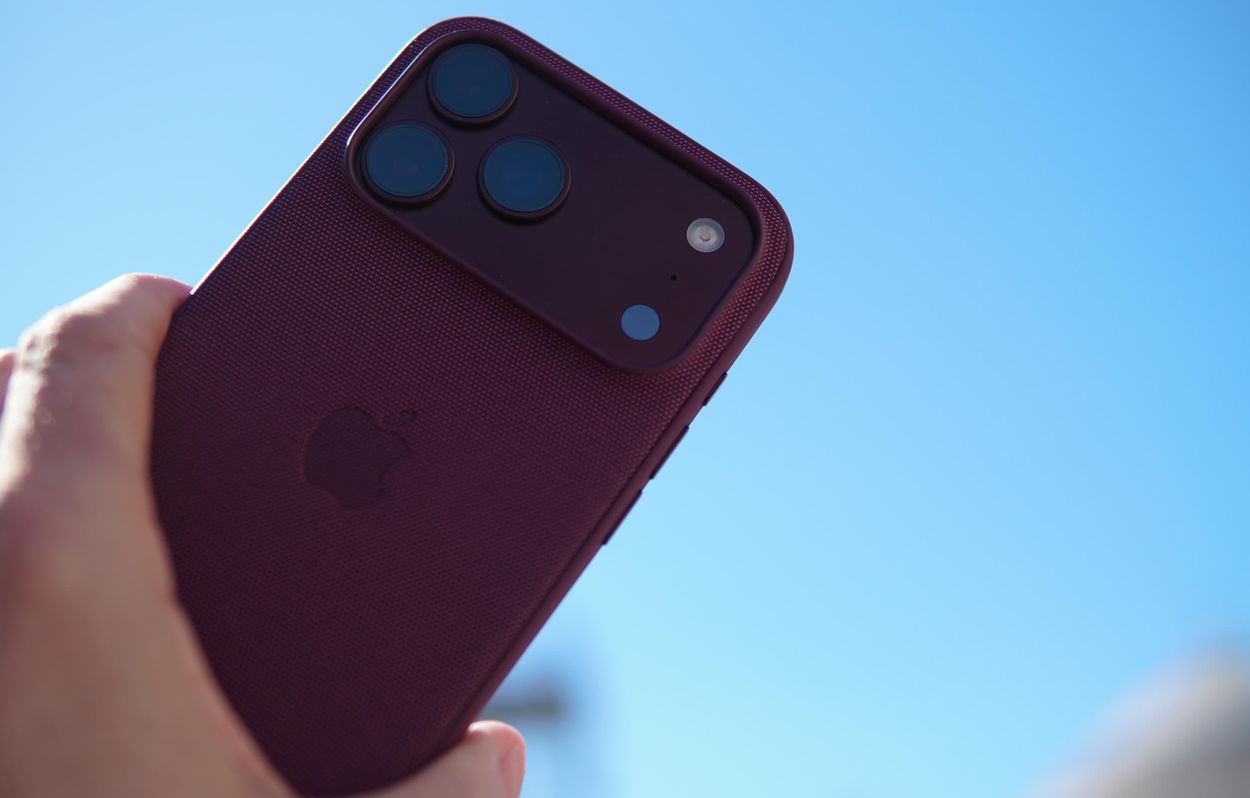
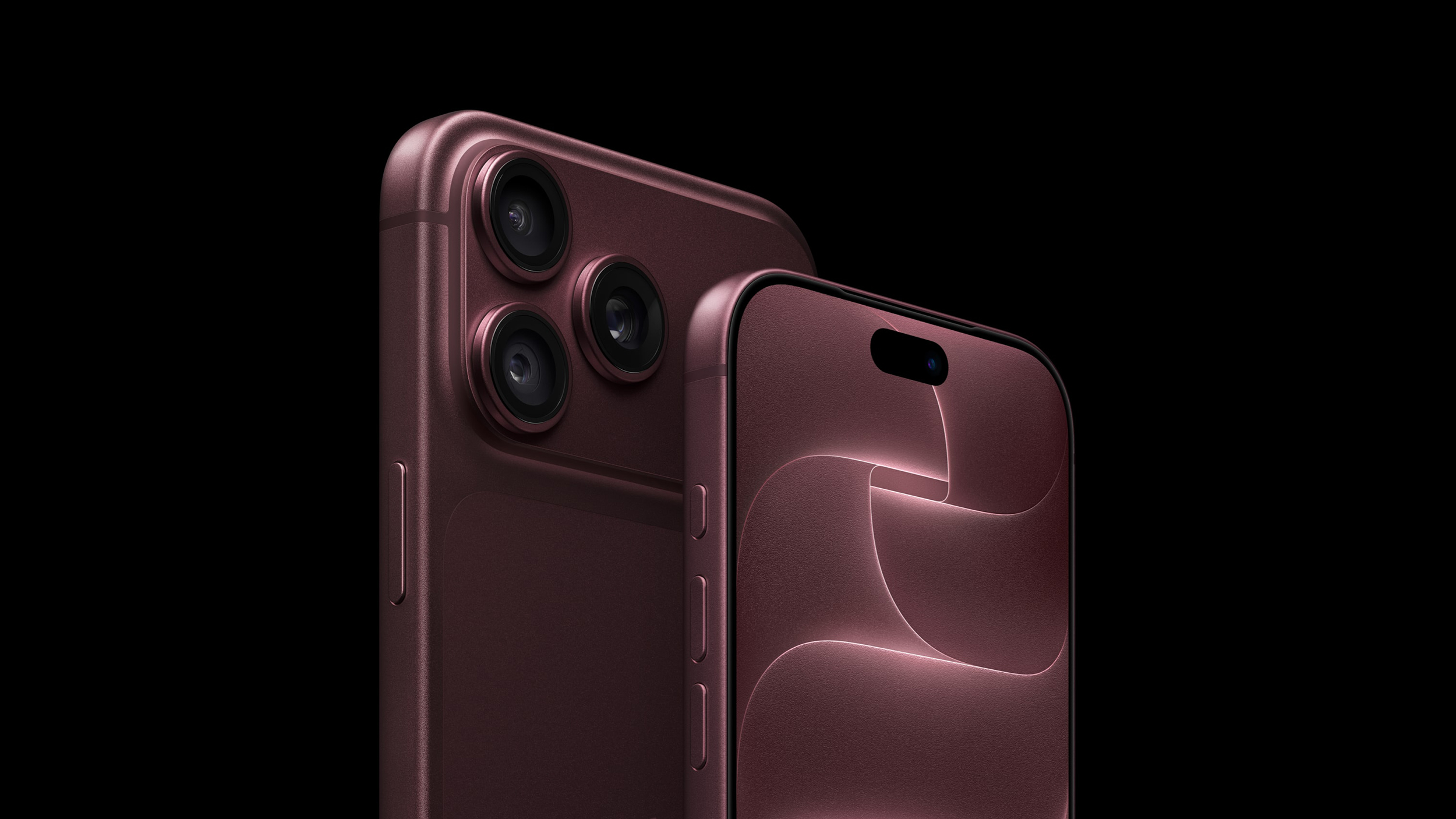
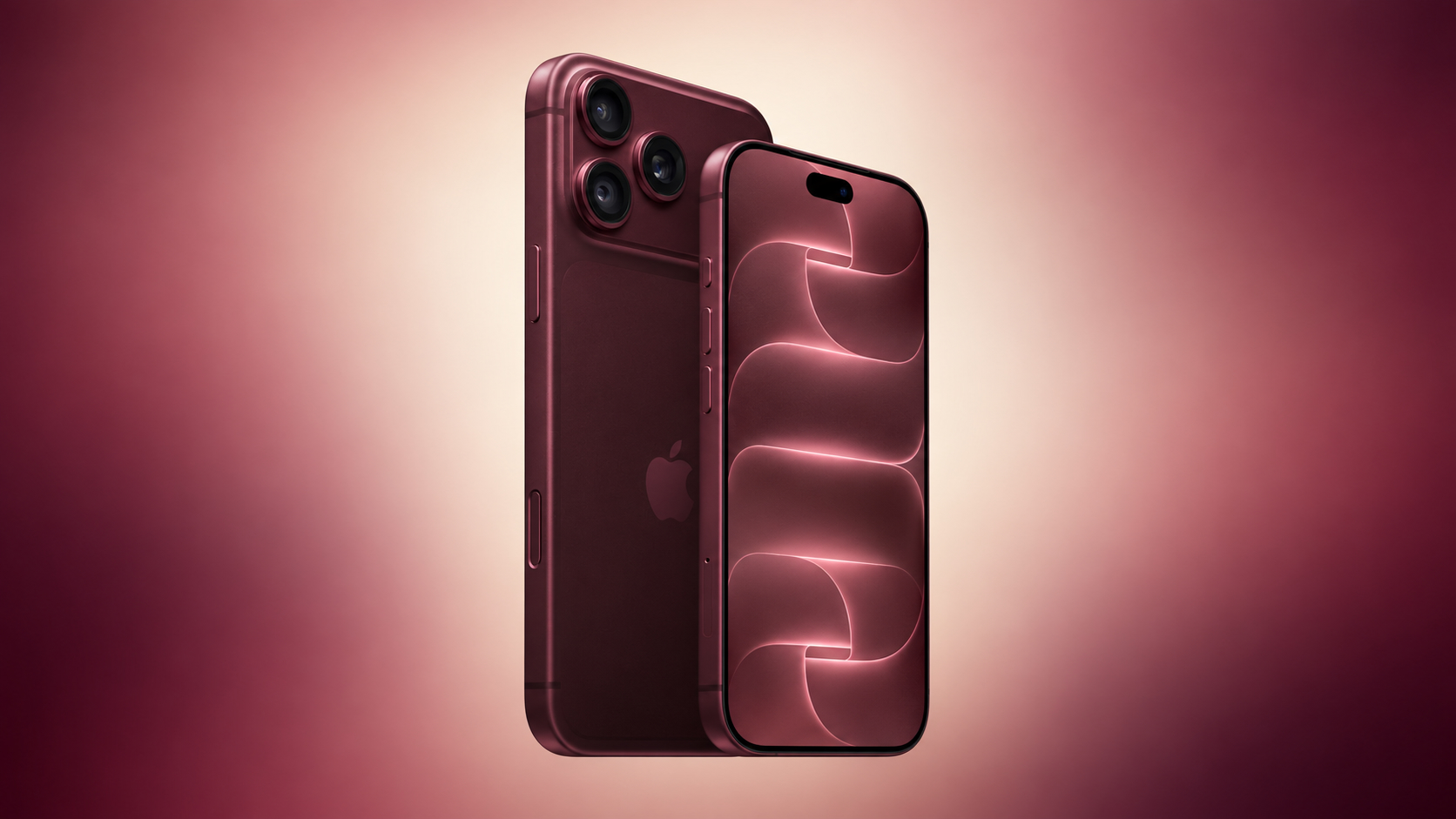
Burgundy is the most distinct and expressive iPhone 18 Pro finish, and it is much darker than the iPhone 17 Pro's equivalent Cosmic Orange. It looks closer to wine or plum than a vivid red.
Burgundy is the standout shade in the iPhone 18 Pro lineup, designed to be bold and attention-grabbing. It is the most noticeable iPhone 18 Pro color, and the most likely to indicate that you have the latest generation device—there has never been an iPhone color option like it before.
Apple offers Burgundy Silicone and TechWoven cases if you want the phone and case to look closely coordinated. With a contrasting case, the large, exposed plateau becomes a prominent patch of red-purple. That is worth considering if you like to change between bright case colors: Burgundy will remain part of every combination.
A clear case shows more of the finish, although Apple's white MagSafe ring covers part of the back. Burgundy is the clearest way to distinguish this generation by color, but anyone hoping for a bright red iPhone may be disappointed.
Choose Burgundy if you want a distinctive, dark color that remains noticeable even when the phone is in a case.
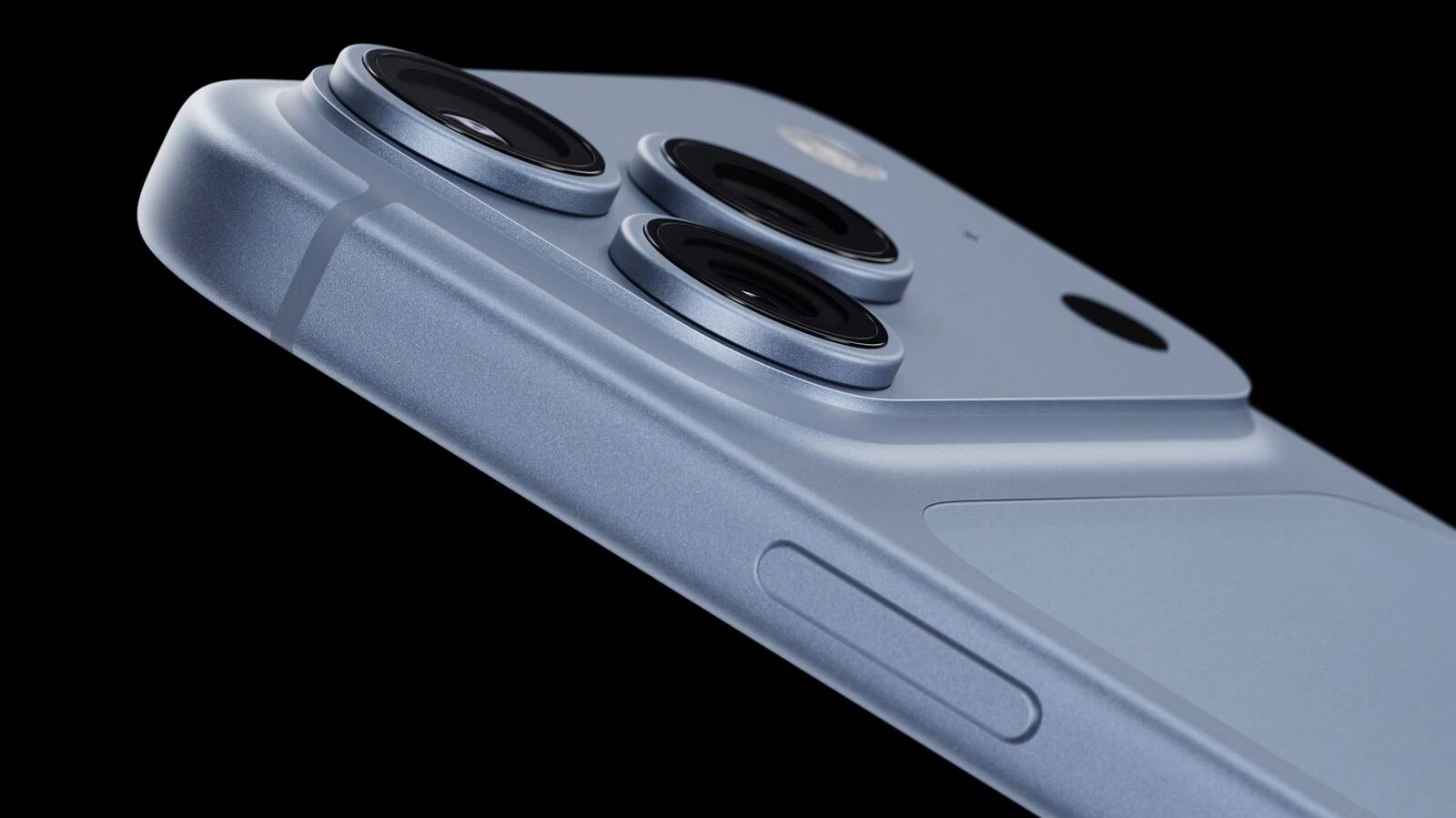
Glacier
Glacier is a cool, pale blue that gives the iPhone a much softer look than Burgundy. It is much lighter than the iPhone 17 Pro's Deep Blue, yet it does not disappear into Silver; in-person, it still looks distinctly blue.
Glacier is a useful middle ground if you want gentle color with some saturation, without making it the strongest feature of the phone. The exposed camera plateau gives an opaque case a light blue accent, while a clear case reveals most of the finish. Apple's clear case has a large white MagSafe ring, however, so it does not leave the back completely unobstructed.
Apple sells blue cases in shades such as Crisp Blue and Chambray Blue, but neither is named Glacier. If you want the case and phone to match precisely, it may be best to compare them in person; otherwise, a clear or neutral case lets Glacier stand on its own.
Choose Glacier if you want an iPhone with a fresh, subtle, and light appearance.
Silver
Silver is the most classic, versatile, and timeless option, but also the most practical. The finish gives off a clean and bright look that pairs well with virtually any case or wallpaper, and it reflects light more than the other three colors, making it quite neutral.
Its aluminum has a metallic sheen that leans toward white in some lighting conditions. This year, the two rear materials are the same tone, making the new model look much more cohesive than the two-tone Silver iPhone 17 Pro.
Silver is also the most adaptable color for cases. The exposed silver plateau provides a crisp, light accent against a dark case and sits more quietly beside a pale one. The color is likely to age well since it goes well with any case and embodies Apple's most traditional colors.
It is also the only finish of the three that pairs well with Apple's own clear case. The clear case's white MagSafe ring is less of a visual interruption here than it is against Black or Burgundy. If you frequently change cases, Silver is unlikely to compete with your next choice.
Unlike Burgundy or Black, Silver minimizes the appearance of damage. When the anodized layer chips or scratches, the raw aluminum underneath is very close in tone, so imperfections blend in far better. For users who prioritize long-term durability of appearance, Silver is the most forgiving finish. It may not be as dramatic as Burgundy or as sleek as Black, but it is the safest choice for maintaining a "like-new" look over years of use.
Choose Silver if you want a classic, flexible look that mitigates the signs of damage.
Black
Black returns after the iPhone 17 Pro offered Deep Blue as its darkest option. It offers a dark, neutral look without Deep Blue's blue cast.
A black case makes the exposed camera plateau blend into the rest of the phone. A light or colorful case has the opposite effect, framing a broad dark section across the top. Apple's clear case also makes its white MagSafe ring particularly noticeable against Black, so it is less suited to an uninterrupted all-black look.
If a deep chip or scratch exposes bare aluminum, its lighter color would stand out against this finish, especially on the plateau that Apple's cases leave uncovered. Anyone using the device without a case should be prepared for more noticeable damage. If visible marks would bother you and you plan to go without a case, Silver may be a better fit.
Choose Black if you want a dark, stealthy, and professional look, but be willing to accept signs of wear and tear.
Award-winning camera app Halide Mark III has been updated to version 3.2, bringing dedicated support for iPhone 18 Pro by broadening user control over the device's new variable aperture camera system.
Apple's stock Camera app lets iPhone 18 Pro owners choose from a four-stop variable aperture ranging from ƒ/1.48 to ƒ/4.0, delivering around 50 percent better low-light performance and giving users more optical control over depth of field.
Halide 3.2 does away with that four-stop limitation and instead lets you select any ƒ-stop setting within the camera's full range.
There are two styles of aperture control in the app. The first is Aperture Priority mode, where you can set the ƒ-stop and the app handles the shutter speed and ISO to properly expose the shot.
The other style is Manual mode, which gives users full control over all three settings. This includes ISO settings – something that Apple's stock Camera app doesn't offer manual control over. Halide has said it is also considering adding f-stop presets in future updates, based on user feedback.
Elsewhere in this update though, Halide 3.2 adds two new film simulations, or photographic looks: Dawn and Quicksilver. Dawn features "filmic warmth in mid-tones and highlights, paired with rich yet gentle shadows and subtle complementary cool colors."
Quicksilver is described as a "high contrast and muted color" that simulates a "silver-retention alternative process." Halide's developers call it an "excellent midpoint between color and stark black-and-white."
Lastly, version 3.2 introduces a new 16:9 aspect ratio shooting mode for those who want to use a wider framing.
Sales of iPhone 18 Pro models in China were 12% higher in the three days after launching than sales of iPhone 17 Pro models were during their entire first week last year, according to Counterpoint Research.
The strong start helped Apple claim the top spot in the country's smartphone market for the week of September 14 to 20, handing it a 33% share. But the news could get even better for Apple's China market prospects this month: The iPhone Duo goes on sale October 23, and Chinese consumers have a much stronger appetite for foldable devices compared to the rest of the world.
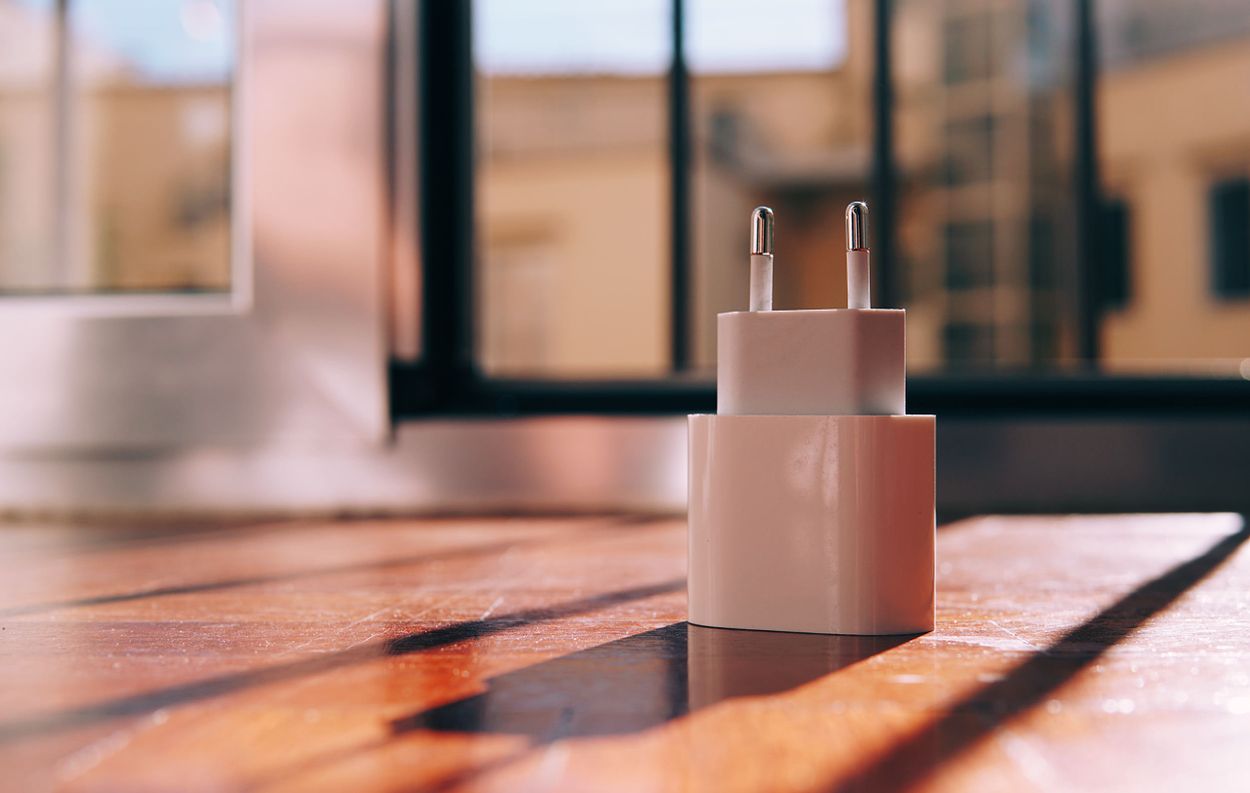
One of the recurring marketing blurbs from Apple was the claim “Up to 50% charge in around 15 minutes.” This line resonates because this strategy maps to how most humans construct their charging strategy: “Crap, I’ve got 5% charge and 15 minutes… am I screwed?”
Apple: No, you’re fine. You’ll have 50% charge in 15 minutes.
While that’s clear, the hardware recipe to get maximum charging is quite specific. The iPhone 18 Pro and Pro Max are the first iPhones to use Adjustable Voltage Supply, which is a spec from the USB Promoter Group. Simply put: the spec allows the phone to ask for the exact voltage it would like.
Diese Tabelle war mir bereits im März einen Link wert.
Für das 18-Pro-Max-Modell gelten aufgrund des Akkus nicht nur neue Versandvorschriften (mit einem cleveren Software-Kniff!), sondern auch schnellere Ladezeiten.
Die höchste Ladegeschwindigkeit bekommt man für beide 18er-Modelle mit Netzteilen, die sowohl USB Power Delivery 3.2 sowie eine anpassbare Spannungsversorgung („Adjustable Voltage Supply“) liefern.
AVS („Adjustable Voltage Supply“) ist der Nachfolger von PPS für USB-PD 3.1 und Leistungen bis 240 Watt. Hier lassen sich Spannungen, sofern unterstützt, mit bis zu 48 V flexibel einstellen. Gedacht war das ursprünglich vor allem für leistungsstarke Geräte wie Notebooks. Mit dem iPhone 18 Pro Max landet AVS nun aber erstmals im Smartphone-Bereich.
Mit „AVS in SPR“ (Standard Power Range) laden die Neuen in 15 Minuten auf 50 Prozent und in 55 Minuten auf 100 Prozent – beim 17-Pro-Max waren es noch 81 Minuten. In der ersten Ladephase zieht das kleinere 18 Pro rund 40 bis 45 Watt, während das größere Pro Max die 50-Watt-Marke überschreitet.
A subset of iPhone 18 Pro Max users in the U.S. are experiencing issues with AT&T cellular connectivity and/or eSIM provisioning, according to complaints across the MacRumors Forums, Reddit, and the Apple Support Community.
Affected users are unable to connect to the AT&T network for phone calls, text messages, or data.
Notably, the U.S. version of the iPhone 18 Pro Max is the only new iPhone released this month that is equipped with a Qualcomm cellular modem. The smaller iPhone 18 Pro and the iPhone Duo are equipped with Apple's C2 modem worldwide, as is the iPhone 18 Pro Max in all other countries. However, it is unclear if this is a contributing factor.
Photographer and videographer Tyler Stalman joins us on this week's episode of The MacRumors Show to examine whether the iPhone 18 Pro's camera is a compelling reason to upgrade, how its new features affect everyday shooting, and what photographers gain or give up with the iPhone Duo.
The iPhone 18 Pro's Main camera combines a new 48-megapixel sensor, a faster variable-aperture lens, and updated image processing. The variable aperture offers settings of ƒ/1.48, ƒ/1.8, ƒ/2.8, and ƒ/4.0. The iPhone 17 Pro has a fixed ƒ/1.78 aperture, so the new lens's widest setting admits about 45% more light on aperture values alone, or just over half an exposure stop. Apple claims around 50% better low-light performance for the complete Main camera system.
At ƒ/2.8 or ƒ/4.0, people standing at different distances in a group shot can remain sharper, provided there is enough light to compensate for the smaller opening. A narrower aperture can also let video use a slower shutter speed in bright conditions, producing more natural motion blur. At ƒ/1.48, the camera has more light for indoor photos and potentially shorter Night mode exposures. The wider opening should also reduce the need for Night mode at all in some situations. The camera defaults to ƒ/1.8, close to the 17 Pro's fixed aperture, but the new sensor and processing still affect photos taken at that setting.
The Pro Controls add manual aperture, shutter speed, and white balance adjustments, plus a live histogram directly in the native Camera app. Users can pin their most-used settings to the top of the viewfinder, which is a major practical improvement for professionals. For example, shutter speed offers control over frozen action or intentional motion blur, while white balance can help stop greenery being made too blue by automatic settings or maintain a consistent look between video clips.
Photographic Styles 3 goes further with the ability to adjust tone and color while preserving skin tones, and new controls add Soft Skin, Glow, and Film textures, with grain that can be paired with any of them. The Film setting aims to reproduce more of an analog photograph's character, including its grain and the glow around bright highlights. The strength of the effects can be adjusted, and the style can be changed after capture. Tyler has tested the iPhone 18 Pro's film look against a film SLR loaded with Kodak Portra 400.
Apple Reference Image signs data from the iPhone 18 Pro's new Main camera sensor at capture, creating a secure digital negative that can be compared with an editable photo. Meanwhile, iOS 27's Photos tools can change perspective with Reframe, generate scenery beyond a picture's original edges with Extend, or remove larger objects with Clean Up. Reference Image leaves room for creative editing while giving photographers a way to show what the sensor captured, provided they enabled the mode before taking the shot.
Meanwhile, the iPhone Duo's camera system has a 48-megapixel Main camera with a fixed ƒ/1.6 aperture and the same 48-megapixel Ultra Wide camera as the iPhone 18 Pro. Its Main camera shares a 26mm focal length, ƒ/1.6 aperture, and Hybrid Focus Pixels with the iPhone 17e, leading some to question why Apple's most expensive iPhone appears to have camera hardware similar to an entry-level model. That said, the Duo has sensor-shift optical image stabilization, which the 17e lacks, and Apple has not disclosed enough sensor details to establish that the two phones use identical hardware.
Compared with the iPhone 18 Pro, the iPhone Duo also lacks a dedicated Telephoto lens, variable aperture, manual Pro Controls, Reference Image, and professional formats including ProRAW and ProRes. The iPhone Duo's folding design makes a different case for its camera. Smart Take can capture a group photo when everyone is posing, Kid Cue plays animations on the outer display to draw a child's attention, and Duo Preview lets subjects see a live view of a photo being taken of them with the rear camera. The phone can also stand partly open for hands-free shots.
Looking to the future, Apple is rumored to be working on a custom image sensor that could arrive as soon as next year with the 20th-anniversary iPhone.
If you haven't already listened to the previous episode of The MacRumors Show, catch up to hear our iPhone Duo debate and discussion about early impressions of the AirPods 5, and the merits of Apple's latest iPhone and Apple Watch upgrades.
The MacRumors Show is on X @MacRumorsShow, so be sure to give us a follow to keep up with the podcast. You can also email us at podcast@macrumors.com or head over to The MacRumors Show forum thread. Remember to rate and review the podcast, and let us know what subjects and guests you would like to see in the future.
Tim Cook legte charmant für Ternus auf, der dann aber auch direkt verwandelte. Er platzierte das iPhone direkt zum Anpfiff im absoluten Mittelpunkt – von Apple selbst, aber auch als „intelligente und persönliche Zentrale“. Die Aussage war klar: Du brauchst keine anderen KI-Computer!
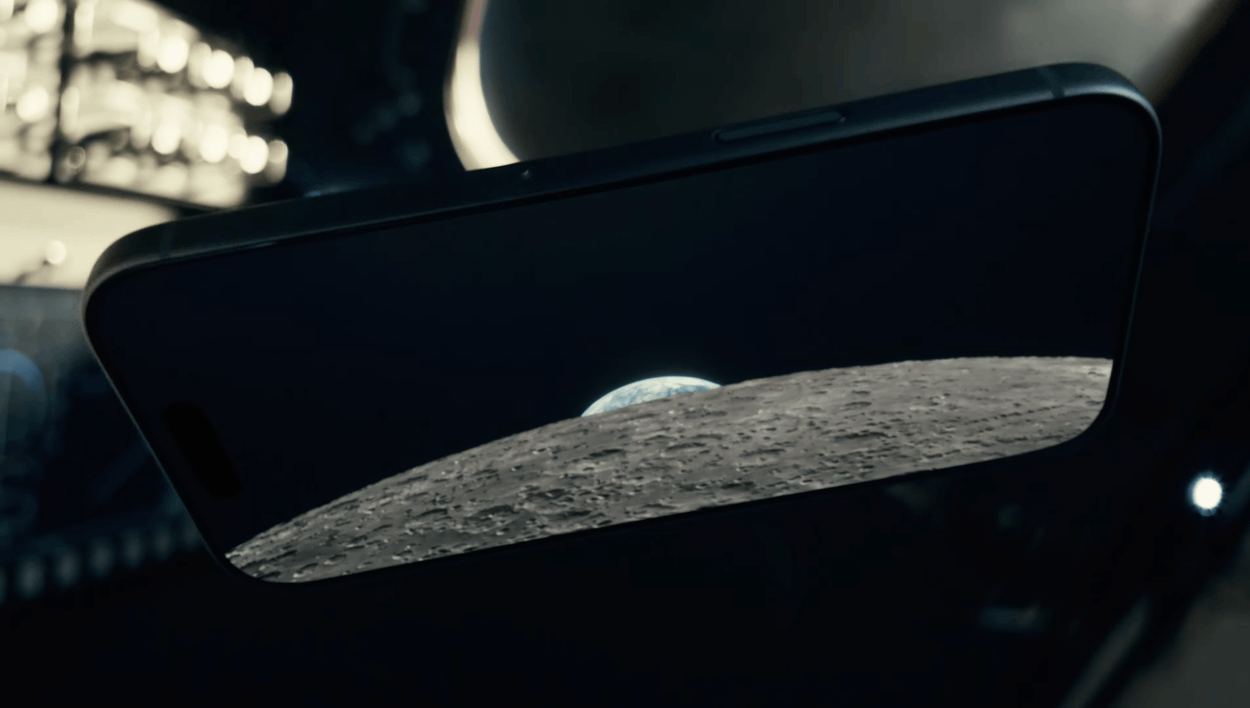
„When you have been to the moon. Where do you go next?“
Das Duo zeigt der Industrie den korrekten Fold-Formfaktor – nicht nur mit seiner Reisepassgröße, sondern auch durch die Gleichberechtigung beider Displays. Apples Foldable stellt erstmals die wirklich schwierige Frage: „Warum zwei Bildschirme?“
Das iPhone Air diente mit seiner Hardware im letzten Jahr als vorgeschaltetes Experiment; die Software ist jedoch das Alleinstellungsmerkmal für die neue Form.
Ohne Vorlauf, mit nur wenigen frühzeitig eingeweihten Entwicklerpartnern sowie einer Preismarke, die jeder rechtfertigen muss, wird es zweifellos ein holpriger Anlauf. Wir wissen nicht einmal, ob Apple alle seine eigenen Apps zum Start im Oktober vorbereitet hat.
Und der Preis ist der Preis. Dieses Telefon wird mit seiner zweiten Generation und einem möglicherweise überstandenen RAMageddon nicht günstiger. Der Preis bleibt der Preis.
Deshalb ist die Software so wichtig; sie entscheidet darüber, ob man damit mehr macht als mit Apples wohl bestem iPhone ever – dem 18 Pro (Max).
Diese Animation … „I can’t.“
Die Kompromisse fallen überraschend überschaubar aus. Wer die Pro-Video- und Fotofunktionen vermisst, ist hier nicht die Zielgruppe. Kein Action Button, kein Face ID und das insgesamt reduzierte Kamerasystem werfen trotzdem die Frage auf: Warum mehr bezahlen für weniger?
Plus, Mini und Air hatten nie eine Chance, sich besser zu verkaufen als Apples Standard- und Pro-Modelle. Zugegeben: Das war auch nie ihre Aufgabe.
Aber welche Aufgabe hat das Duo? Es ist zu anders, um nur ein weiteres Modell in der Aufstellung zu sein. Es ist nicht nur eine andere Verpackung der gleichen Idee.
Das ist derzeit nur Marketing; aber ist das auch ein ausgerufenes Ziel? Bleibt es mehr als zwei Generationen im Line-up, um dafür auch nur annähernd eine Chance zu bekommen? Mit dem Duo lebt etwa das Standby-Feature wieder auf, das nach seiner ersten Vorstellung vor drei Jahren quasi vergessen wurde.
Das Duo ist Apples Chance, eigene Produkte zu kannibalisieren – von kleinen iPads bis zu großen Telefonen. Es bietet die Möglichkeit, sich breiter aufzustellen und die Abhängigkeit vom klassischen iPhone-Geschäft auf mehr Schultern zu verteilen.
Deshalb die Frage: Neues iPhone oder tatsächlich neuer Computer?
Apple has been phasing out the SIM card tray on iPhones, with the latest models relying solely on eSIM technology in select countries.
According to Apple, the iPhone 18 Pro and iPhone 18 Pro Max support eSIMs only in these countries and regions:
Bahrain
Canada
Guam
Japan
Kuwait
Mexico
Oman
Qatar
Saudi Arabia
United Arab Emirates
United States
U.S. Virgin Islands
iPhone 17 Pro models are eSIM-only in the same countries, so there is no change this year.
iPhone 18 Pro models continue to have a tray for a physical SIM card in all other countries around the world, including in the U.K. and the rest of Europe.
If you are unaware, an eSIM is essentially a digital version of a SIM card.
Apple says eSIM-only iPhone models are equipped with a larger battery that fills the space formerly occupied by the physical SIM card tray. Earlier today, we reported on the iPhone 18 Pro and iPhone 18 Pro Max battery capacities listed on EU regulatory labels, but note that these figures are for models that still have a SIM card tray.
Apple started phasing out SIM cards starting with the iPhone 14 series, in the U.S. only at first.
iPhone 18 Pro and iPhone 18 Pro Max models sold in European countries, Australia, New Zealand, Singapore, South Korea, and elsewhere still have nano-SIM card trays alongside eSIM support. In China, the devices support one of the following combinations: two nano-SIM cards, one nano-SIM card and one eSIM, or two eSIMs.
iPhone Duo features an eSIM-only design worldwide.
When the iPhone 14 series launched in 2022, Apple promoted eSIMs as being more secure than physical SIM cards, as they cannot be removed from an iPhone that is lost or stolen. In addition, at least eight eSIMs can be managed on an iPhone at once, eliminating the need to obtain, carry, and swap SIM cards while traveling.
Apple is required to publish energy labels on its iPhone product pages in the EU, and they reveal the official mAh battery capacities for the devices.
Here are the battery capacities for the iPhone 18 Pro and iPhone 18 Pro Max models that still have a SIM card tray, according to Apple:
iPhone 18 Pro: 4,056 mAh (+1.7% vs. iPhone 17 Pro's 3,988 mAh)
iPhone 18 Pro Max: 5,391 mAh (+11.7% vs. iPhone 17 Pro Max's 4,823 mAh)
Notably, the iPhone 18 Pro Max has received a much larger battery life increase than the iPhone 18 Pro did compared to the previous generation.
eSIM-only models of the iPhone 18 Pro and iPhone 18 Pro Max will be available in Bahrain, Canada, Guam, Japan, Kuwait, Mexico, Oman, Qatar, Saudi Arabia, the United Arab Emirates, the U.S., and the U.S. Virgin Islands. The devices have a SIM card tray in all other countries around the world, including in the U.K. and the rest of Europe.
eSIM-only iPhone models are equipped with a slightly larger battery that fills the space occupied by the physical SIM card tray.
eSIM-only battery capacities for the iPhone 18 Pro models have yet to be confirmed.
Despite rumors of an increase in thickness, the iPhone 18 Pro Max has the same physical dimensions as the iPhone 17 Pro Max. It is 163.4mm x 78mm x 8.75mm, but it did get 16 grams heavier.
Apple says the iPhone 18 Pro Max weighs 249 grams, while the iPhone 17 Pro Max weighed 233 grams, making it the heaviest non-folding iPhone to date. It is heavier than the iPhone 14 Pro Max, which was previously Apple's weightiest iPhone at 240 grams.
The iPhone 18 Pro weighs 211 grams, up from 206 grams in the prior-generation model. Apple may have increased battery size even though dimensions didn't change, or the new vapor chamber cooling system may be heavier heavier.
There's a bigger vapor chamber in the iPhone 18 Pro models that takes up three times more surface area to dissipate more heat. The A20 Pro is able to deliver up to 40 percent better sustained performance than the A19 Pro thanks to the next-generation vapor chamber and "more thermally conductive materials."
The 18 Pro Max battery offers up to six hours more video playback than the battery in the iPhone 17 Pro Max.
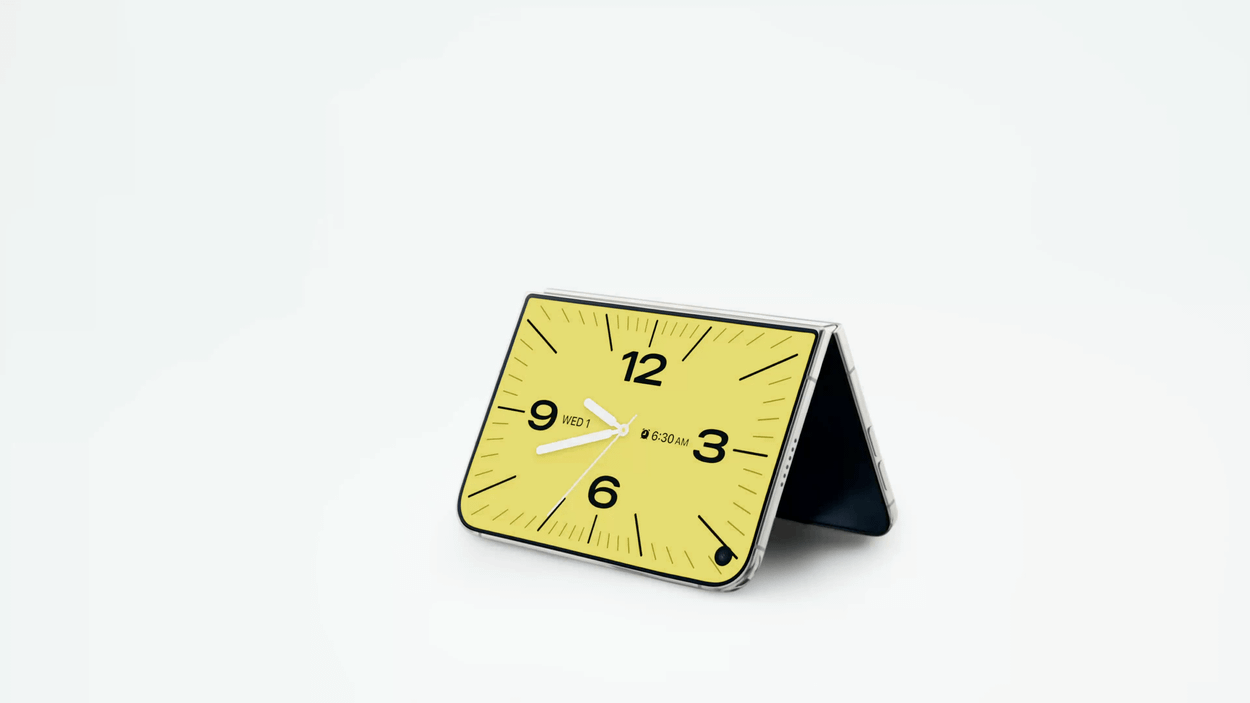
Even though it's 249 grams, the iPhone 18 Pro Max is still a little bit lighter than the iPhone Duo, which weighs 254 grams. The iPhone Duo is Apple's heaviest iPhone to date.
Cases for the iPhone 17 Pro models should fit the iPhone 18 Pro models given that the dimensions are the same.
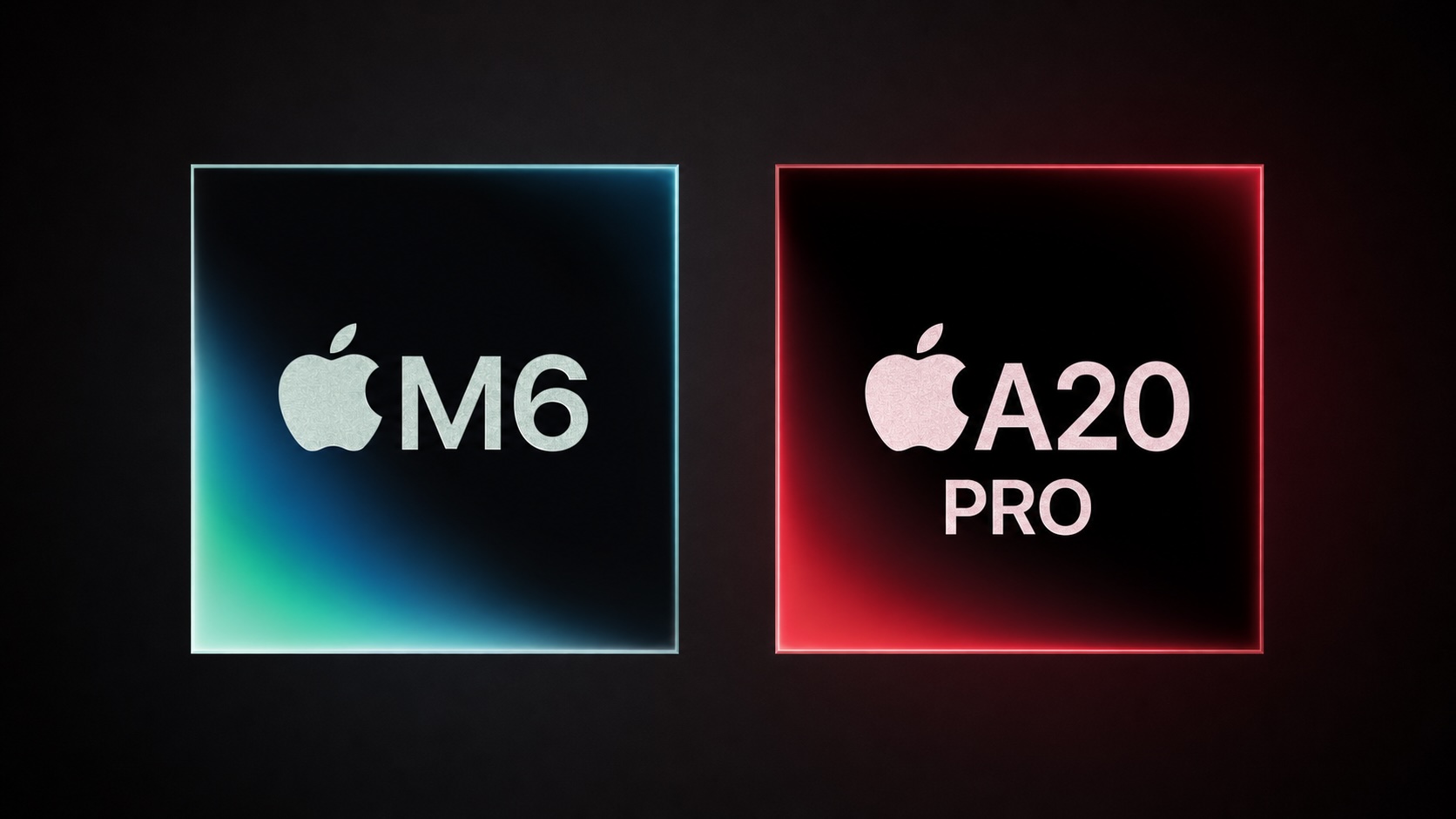
Apple announced the M6 chip last week, just ahead of its September iPhone event, providing the clearest indication yet of what the A20 will bring to the iPhone 18 lineup.
Apple silicon generations share much of their architecture across the A-series and the M-series, so a new A-series chip normally functions as a partial preview of the M-series chip that follows it. This year the order reversed; the M6 was revealed on August 25, ahead of the A20 Pro expected in the iPhone 18 Pro this month.
Recent reports place the A20 Pro at up to 18% faster and up to 30% more power efficient than the A19 Pro, which is broadly similar to the M6 over the M5.
Apple's First 2nm iPhone Chip
The M6 is Apple's first chip built on TSMC's 2nm (N2) process, with the second almost certain to be the A20. Being a smaller manufacturing process, N2 has higher transistor density, allowing Apple to pack more performance into a smaller area.
Apple has historically debuted new nodes on the A-series, since iPhone volume validates yields, so introducing N2 in an $899 Mac mini represents a change. As such, reports that the A20 and A20 Pro will move to N2 are now supported by a shipping product rather than analyst predictions. The consequence for the iPhone event is that the "Apple's first 2nm chip" claim is no longer available.
Dual Neural Engine?
The iPhone's Neural Engine has remained at 16 cores and approximately 35 trillion operations per second since the A17 Pro, spanning three generations. The M6 introduces a Dual 16-core Neural Engine, which Apple says system frameworks can address simultaneously for up to 2x the peak compute of previous generations.
The change corresponds with the reported move to WMCM packaging, which integrates memory onto the same wafer as the CPU, GPU, and Neural Engine to shorten the path between them. It is possible that die area and thermal constraints may limit a dual engine to the A20 Pro.
GPU AI Gains Are Now Incremental
Apple said the M5 delivered over 4x the peak GPU compute for AI compared to the M4, reflecting the introduction of Neural Accelerators within each GPU core. The M6 is rated at nearly 30% over the M5.
The A19 Pro recorded a comparable 4x improvement on the iPhone 17 Pro last September for the same architectural reason. Second-generation Neural Accelerators consequently appear to represent a refinement rather than another step change, suggesting the A20 Pro will not repeat the A19 Pro's headline figure.
Graphics Improvements Should Carry Across
The M6 adds 50% increased geometry rates, an updated shader core architecture, revised Dynamic Caching, and hardware-accelerated ray tracing. These are architectural changes and comparable graphics work has historically appeared across both the A-series and M-series within the same generation.
Memory Bandwidth Suggests a Modest A20 Gain
Memory bandwidth determines how quickly data moves between the memory and the processor, and it is the main constraint on running large language models on device. The M6 provides up to 170GB/s, which Apple describes as a 10% increase over the M5's 153.6GB/s.
That increase is small enough to indicate Apple is using a faster grade of the same LPDDR5X memory rather than moving to the newer LPDDR6 standard, which would have delivered a far larger jump. Reports indicate Apple is sourcing high-speed LPDDR5X from Samsung for the iPhone 18 lineup, and the M6 is consistent with that.
The implication for the A20 is that memory bandwidth is unlikely to improve dramatically. The A19 Pro is rated at 76.8GB/s, and a similar 10% uplift would take the A20 Pro to roughly 85GB/s. Any meaningful gain in how quickly the iPhone 18 Pro loads and runs on-device models is therefore more likely to come from WMCM packaging shortening the distance data travels than from the memory itself.
AV1 Encode Remains Absent
The M6 Media Engine supports hardware-accelerated H.264, HEVC, ProRes, and ProRes RAW, with AV1 decode but no AV1 encode, matching the M5. The omission on a new process node in a desktop chip makes its inclusion in the A20 Pro highly unlikely.
Apple's September event will take place on Wednesday, September 9 at 10:00 a.m. Pacific Time. Apple will announce its 2026 iPhone lineup, and this year is a big one. Along with the slab-style iPhones we've been using for years, Apple is going to debut its first foldable device. We'll also get new Apple Watches, a new set of AirPods, and possibly some other surprises.
Everything we expect to see at the "Surprise and Shine" event is below.
Foldable iPhone
Apple's 2026 iPhone lineup will include its first foldable device. We don't know what Apple will call it, but rumors suggest it might be named the iPhone Ultra.
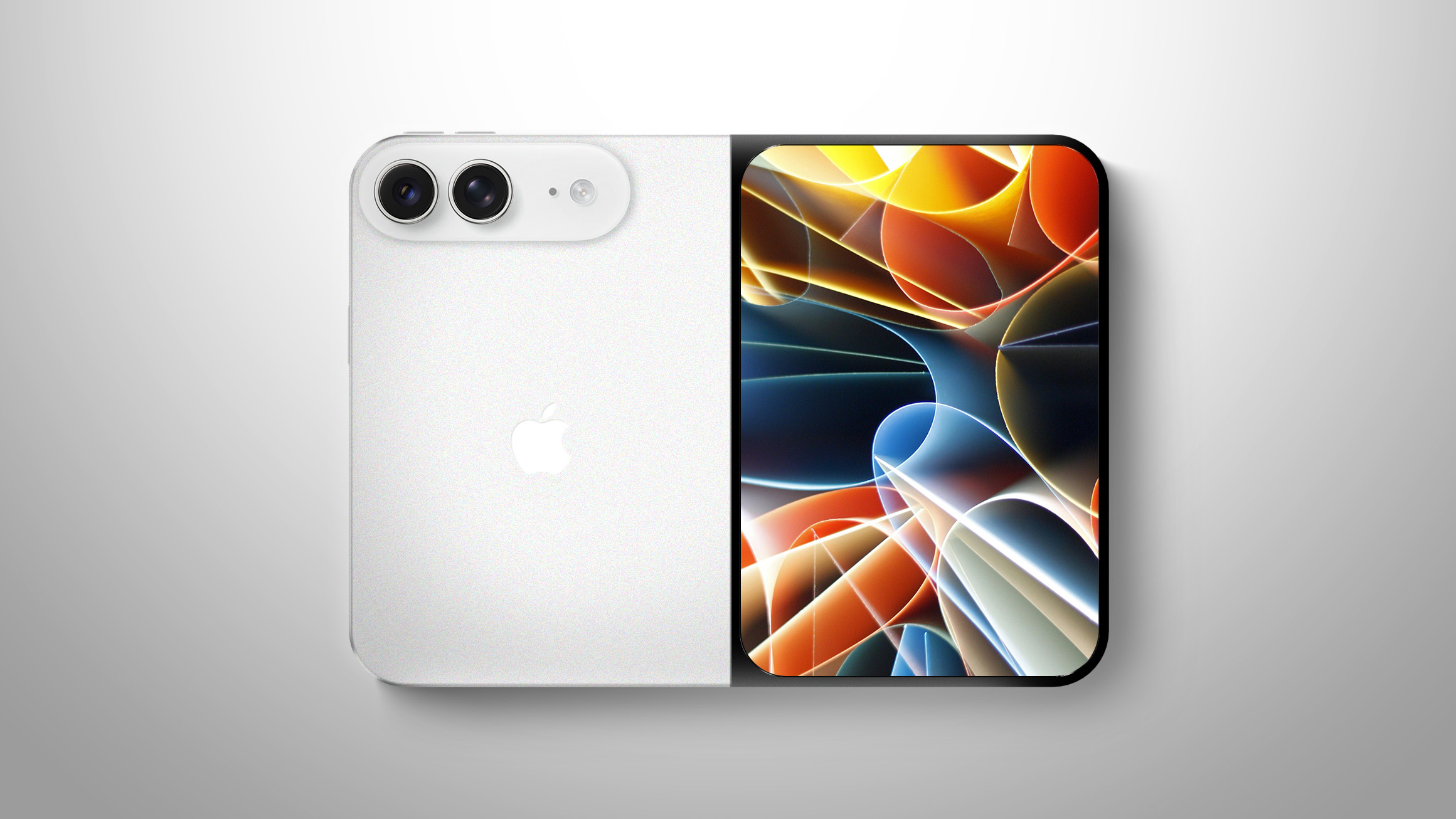
Apple has designed a book-style foldable that has an iPad-like layout when it's opened up. It will have a ~5.5-inch OLED outer display, which is what you'll use when the iPhone is closed. It will unfold into a larger OLED display that's approximately 7.8 inches.
The design is wider than it is tall when it's open, and you can picture it as something like an iPad mini that folds in half. Samsung's recent Galaxy Z Fold8 matches the foldable iPhone rumors, so it may be the best look at the size and layout of Apple's device.
Apple wanted a crease-free design, but that doesn't seem to be possible with a foldable yet. The iPhone Ultra will instead have a minimal crease and a durable liquid metal hinge. Foldables are delicate and hinges can be a weak point, so Apple focused on durability. Rumors indicate Apple could have some tricks to keep the crease less visible over time, such as optically clear adhesive that will fill in any micro-cracks caused by repeated folding.
When unfolded, the iPhone Ultra could be as thin as 4.5mm, making it Apple's thinnest iPhone to date. That would make it 9mm when folded, which is close to the thickness of the 8.75mm iPhone 17 Pro Max. With a chassis that thin, Apple had to make design compromises.
There is reportedly no space for the TrueDepth camera system for Face ID, so it's going to use Touch ID instead. There will be a Touch ID side button, similar to the iPad Air and iPad mini. Though Face ID isn't included, there will be front cameras for both the inner and outer displays.
Apple also didn't have room for a three-lens rear camera system, so the iPhone Ultra won't have a telephoto lens. Rumors suggest it will have an Ultra Wide lens and a Wide lens located on the back of the device, so the rear camera works whether the iPhone Ultra is folded or unfolded.
The iPhone Ultra will have a 2nm A20 Pro chip. The A20 Pro is expected to be around 18 percent faster and up to 30 percent more power efficient than the A19 Pro, and it could have a 7-core GPU, a wider memory interface, and a larger L2 cache for its efficiency cores. We're expecting 12GB of RAM.
Apple's 2026 iPhones could use its house-designed C2 modem, which is expected to be faster and more efficient than the C1X. It's not yet clear if Apple has added mmWave technology to the C2, and if it hasn't, foldable iPhone models sold in the U.S. could use Qualcomm modems instead. mmWave 5G isn't widely used outside of the U.S., but it is an expected feature for U.S. iPhones. The other alternative is limiting the foldable iPhone to sub–6GHz 5G speeds worldwide.
Each half of the iPhone Ultra will have a battery inside, and it could have a total capacity in the 5,400 to 5,800 mAh range. The iPhone 17 Pro Max has a 5,088 mAh battery for comparison.
Apple isn't taking risks with color. The iPhone Ultra will come in silver/white and a second color that's been described as a very deep shade of indigo that's close to black.
Software could make or break the iPhone Ultra, and Apple has been telling developers to design their apps for a variety of sizes and aspect ratios to accommodate the two foldable screens. The iPhone Ultra is likely to support multitasking, side-by-side apps, and sidebars, much like the iPad.
Apple's first foldable won't be cheap. According to rumors, it will cost at least $2,000, and higher-capacity models could be upwards of $2,500.
iPhone 18 Pro and iPhone 18 Pro Max
The iPhone 18 Pro models will look a lot like the iPhone 17 Pro models, with no major design changes expected. There are rumors that the iPhone 18 Pro Max might be a little bit thicker and heavier because of a larger battery, but iPhone 17 Pro cases are expected to fit the iPhone 18 Pro models. The camera plateau could be slightly thicker to accommodate a new variable aperture lens.
Apple has new colors planned, including a dark cherry shade, light blue, and silver. Rumors suggest there won't be a black iPhone 18 Pro option.
With the iPhone 17 Pro models, there's a clear color contrast between the frosted glass back and the aluminum casing, but that might be more subtle with the iPhone 18 Pro. While the overall shape isn't being updated, the iPhone 18 Pro and Pro Max could have a smaller Dynamic Island. There were early rumors about under-display Face ID with no Dynamic Island at all, but that's not going to happen.
There may be a noticeable increase in battery life due to the larger capacity battery rumored for the 18 Pro Max (5,567 mAh), plus efficiency improvements from the 2nm A20 Pro chip it's supposed to get and an upgrade in display technology. Rumors say Apple is using an LTPO+ display that's more efficient than the current OLED display.
Apple plans to upgrade the main rear camera with a DSLR-like variable aperture, giving users more control over the light that reaches the lens. An option for a smaller aperture in bright lighting could improve exposure, while a larger aperture in lower lighting conditions would let in more light to reduce grain and produce sharper images. A variable aperture also gives more control over background blur. Some rumors suggest this might be a feature exclusive to the iPhone 18 Pro Max, but it's not clear if that's accurate.
Apple could use a three-layer stacked image sensor developed by Samsung, which would make the camera more responsive and improve low-light performance. The Telephoto lens could have a wider aperture to let in more light, but no changes are rumored for the Ultra Wide lens or the front-facing camera.
There might be changes to the Camera Control button. Apple is supposedly simplifying it to eliminate the capacitive layer that lets you swipe to adjust camera settings on the button.
As with the foldable iPhone, some or all of the iPhone 18 Pro models could get Apple's C2 modem, but again, it's possible U.S. models will have Qualcomm modems for mmWave 5G.
Compared to the iPhone 17 Pro models, the iPhone 18 Pro models will be more expensive. Apple is paying more for memory and storage, and prices for Macs and iPads already went up. We could see a price increase ranging from $100 to $300.
Apple Watch Series 12
The Apple Watch Series 12 won't design changes, but Apple could bring back the ceramic case option. We're expecting an updated processor that could bring improvements to health and fitness tracking.
Apple is testing a feature that would let the heart rate sensor continuously collect data throughout the day, powering a new Health app feature that could show wellness-related info similar to what the Oura Ring offers.
Apple Watch Ultra 4
Like the Apple Watch Series 12, the Apple Watch Ultra 4 will have no major changes. It's likely to get the same upgraded processor and related changes.
AirPods 5
References to AirPods 5 were found in the macOS 26.7 release candidate, and the new earbuds could launch alongside the iPhone 18 Pro models. Apple could add an updated H3 chip for improved sound quality and lower latency, and we're likely to still get an ANC version and a non-ANC version.
Possible Product Launches
Home hub - Apple is working on a home hub with a 7-inch square display, an integrated camera, presence detection sensors, and more. It will control smart home devices, but it will also run apps. Rumors suggest it can be used to make video calls, play content, and interact with Siri AI, the new version of Siri in iOS 27. Apple has been waiting to launch the home hub because Siri AI is a central feature of the new device.
Apple TV 4K - There's a new Apple TV with a faster processor in the works, and it could come at the September event. No design changes are expected, but an updated chip could support Siri AI and new gameplay features. There are also signs of a new remote in Apple code.
HomePod mini - The HomePod mini is due for a refresh, and it's also expected to get a faster processor. We haven't heard word of design changes, but it could come in new colors.
Software Updates
At the September 9 event, Apple will announce the release dates for iOS 27, iPadOS 27, macOS Golden Gate, tvOS 27, watchOS 27, and visionOS 27. Apple will also likely seed release candidate versions of the updates to developers and public beta testers following the event.
Based on historical release timelines, iOS 27 and its sister updates could come out as soon as September 14.
What Not to Expect
There are several other products rumored to be launching before the end of 2026, but they'll likely come at a second event in October or November. There's also a notable omission from the lineup, because Apple is going to delay the iPhone 18.
iPhone 18 - The standard iPhone 18 will not launch in September 2026, with Apple instead planning to debut it in spring 2027 alongside the iPhone 18e and the iPhone Air 2. In the fall, we're only getting the iPhone 18 Pro, iPhone 18 Pro Max, and foldable iPhone.
Apple Watch SE 4 - There won't be a new Apple Watch SE 4 this year.
M6 MacBook Pro - A new entry-level MacBook Pro with an M6 chip is coming before the end of the year, but not at the September event.
M6 iMac - There's also an M6 iMac rumored to be coming in 2026, but Apple is likely to hold a Mac event to announce it, or do it via press release at a later date.
OLED MacBook Pro - We've been waiting on an OLED touchscreen MacBook Pro, and it's rumored for late 2026 or early 2027. It's not a candidate for Apple's September event.
OLED iPad mini - There's an OLED iPad mini in development, and it's expected to launch before the end of October. It's another one that's unlikely for an iPhone event.
Apple's New CEO
New Apple CEO John Ternus has presented at Apple events before, but the iPhone event will be the first he hosts as CEO in place of Tim Cook.
Cook was Apple's CEO for 15 years, so a transition to Ternus leading an event is a major change.
Cook is now Apple's executive chairman, and he may not make an appearance during the event at all.
iPhone Preorders
Apple almost always holds preorders on the Friday after an event, but this year, that Friday is 9/11. It's unlikely Apple will do iPhone preorders on Friday because of the date, so orders could happen on Saturday instead. The last time iPhone preorders overlapped with the 9/11 date in 2015, Apple pushed orders to Saturday.
If Apple follows the same pattern, the iPhone 18 Pro models and the iPhone Ultra could be available for preorder on Saturday, September 12. Back in 2015, Apple started preorders at 12:01 a.m. Pacific Time, but in recent years, preorders have started at 5:00 a.m. Pacific Time. Preorders this year could take place at 5:00 a.m. on September 12.
The new iPhones will likely launch on Friday, September 18, regardless of preorder date.
How to Watch
Apple's "Surprise and Shine" event will start at 10:00 a.m. Pacific Time on Wednesday, September 9. Apple will livestream the event on its website, on YouTube, and through the Apple TV app on supported devices.
For those unable to watch the livestream, MacRumors will have full event coverage on MacRumors.com and the MacRumorsLive X account. We'll also take a much closer look at all of the new products after the event.
The event begins at 10:00 a.m. Pacific Time at the Apple Park campus in Cupertino, California, and will be streamed on Apple's website, on YouTube, and through the Apple TV app. It is the first keynote since John Ternus succeeded Tim Cook as chief executive on September 1. Rumors suggest at least six new products will arrive at the event.
The Apple Watch Series 12 is expected to add a new chip, improved fitness tracking, better battery life, continuous heart-rate collection, and redesigned Health and Fitness experiences. A ceramic case option may return in white or dark gray, but no major redesign or Touch ID is now expected.
The Apple Watch Ultra 4 should receive the same new chip and health upgrades, again without a redesign. Apple may also expand its existing satellite connectivity features on the device with satellite Apple Maps and photo sharing in Messages.
AirPods 5 is expected to arrive in two versions, with and without active noise cancellation. Both may use an H3 chip for improved sound and lower latency, but are not expected to add the AirPods Pro 3's heart-rate sensor.
The iPhone 18 Pro should retain the iPhone 17 Pro's design while gaining an A20 Pro chip on TSMC's 2nm process, with RAM integrated on the same wafer. Other expected upgrades include a LTPO+ display, Samsung image sensor, simplified Camera Control without a capacitive layer, a narrower Dynamic Island, 12GB of RAM, 256GB base storage, and 5G satellite internet. It may use Apple's C2 modem outside the U.S., while U.S. models will likely retain Qualcomm hardware for mmWave connectivity.
The foldable iPhone, likely called the "iPhone Ultra," is expected to be the biggest announcement, using a wide passport-style design with 5.5-inch outer and 7.8-inch inner displays, an iPad-like 4:3 aspect ratio, and a nearly invisible screen crease. It may feature a titanium-and-aluminum chassis, liquid-metal hinge, vapor-chamber cooling, A20 Pro chip, dual 5,400mAh to 5,800mAh batteries, Touch ID power button instead of Face ID, rear wide and ultra wide cameras, dual selfie cameras in hole-punch cutouts, and the Camera Control button, with 256GB, 512GB, and 1TB storage options. It is also expected to be more repairable than rival foldables.
The MacRumors Show is on X @MacRumorsShow, so be sure to give us a follow to keep up with the podcast. You can also email us at podcast@macrumors.com or head over to The MacRumors Show forum thread. Remember to rate and review the podcast, and let us know what subjects and guests you would like to see in the future.

 Anmelden



 – dem 18 Pro (Max).