❌

Normale Ansicht

Heute empfangen — 15. Oktober 2026 ⏭ MacRumors: Mac News and Rumors - All Stories

Greg Joswiak Says Apple Isn't Focused on Making AI for 'Lunatic Fringe'

In an interview with TIME's Andrew R. Chow, Apple's marketing chief Greg Joswiak said Apple Intelligence is meant for "everyday people" as opposed to the "lunatic fringe."


The full sentence: "In the midst of a populist AI backlash, they contend that they are building a modest but personalized and privacy-preserving form of AI that will actually help ordinary people as opposed to merely dazzling Silicon Valley's 'lunatic fringe,' as Greg Joswiak, senior vice president of worldwide marketing, puts it."

Joswiak apparently believes Apple Intelligence is not for "die-hard AI believers chasing superintelligence," as Chow described it.

"We love them, and they can use it too, but that's not our target," said Joswiak. "It's how to make it better for everyday people."

Joswiak added that "we don't feel threatened" in regards to Apple facing competition in the AI industry. "The fact that we can do the integration that we can means we can create just a better experience than anybody else," he said.
This article, "Greg Joswiak Says Apple Isn't Focused on Making AI for 'Lunatic Fringe'" first appeared on MacRumors.com

Discuss this article in our forums

  •  

Amazon Offers $120 Discount on AirPods Max 2, $50 Off AirPods Pro 3

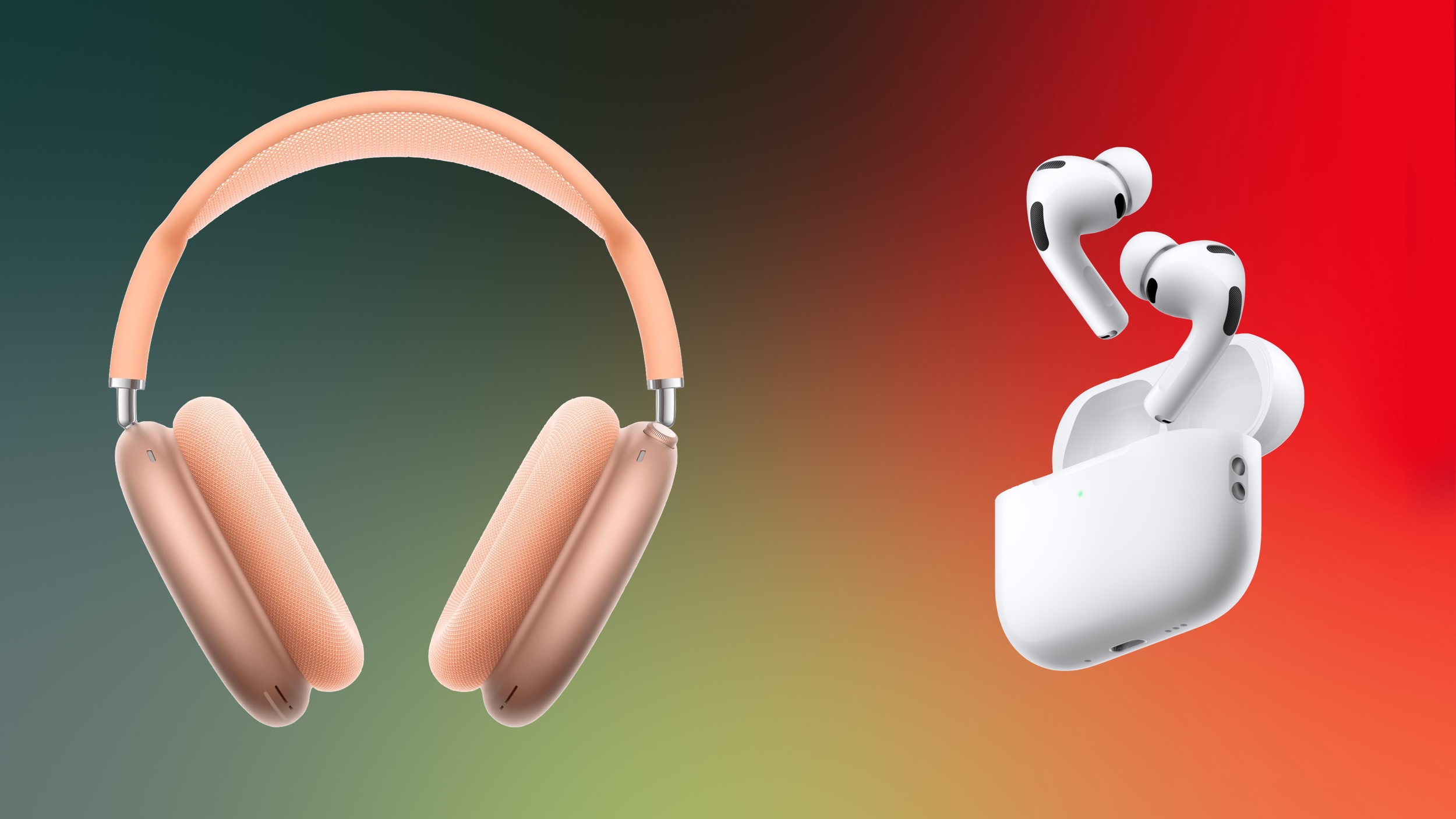
Amazon has a few notable markdowns on AirPods models this week, including the AirPods Max 2 and AirPods Pro 3. In regards to the AirPods Max 2, Amazon's deal today is matching the Prime Day low price we saw earlier this month.

Note: MacRumors is an affiliate partner with some of these vendors. When you click a link and make a purchase, we may receive a small payment, which helps us keep the site running.

You can get the AirPods Max 2 on sale for $429.00, down from $549.00. This is one of the lowest prices we've ever seen on the AirPods Max 2, and the sale is available in Blue, Midnight, Orange, Purple, and Starlight colors.


For the AirPods Pro 3, you can get this model for $199.00, down from $249.00. This is a second-best price on the AirPods Pro 3, but if you missed the all-time low price during Prime Day and want a model now, it's still a solid $50 discount.


This model of the AirPods Pro launched in September 2025 and has 2x better Active Noise Cancellation than the previous generation, better audio quality, a revised fit that's meant to improve comfort and stability, Live Translation for in-person conversations, and heart rate sensing for workouts.

Head to our full Deals Roundup to get caught up with all of the latest deals and discounts that we've been tracking over the past week.


Deals Newsletter


Interested in hearing more about the best deals you can find as we head into the holidays? You can sign up for our Deals Newsletter and we'll keep you updated so you don't miss the biggest deals of the season!


Related Roundup: Apple Deals

This article, "Amazon Offers $120 Discount on AirPods Max 2, $50 Off AirPods Pro 3" first appeared on MacRumors.com

Discuss this article in our forums

  •  

Apple CEO John Ternus Featured on Cover of TIME Magazine: 'New Era'

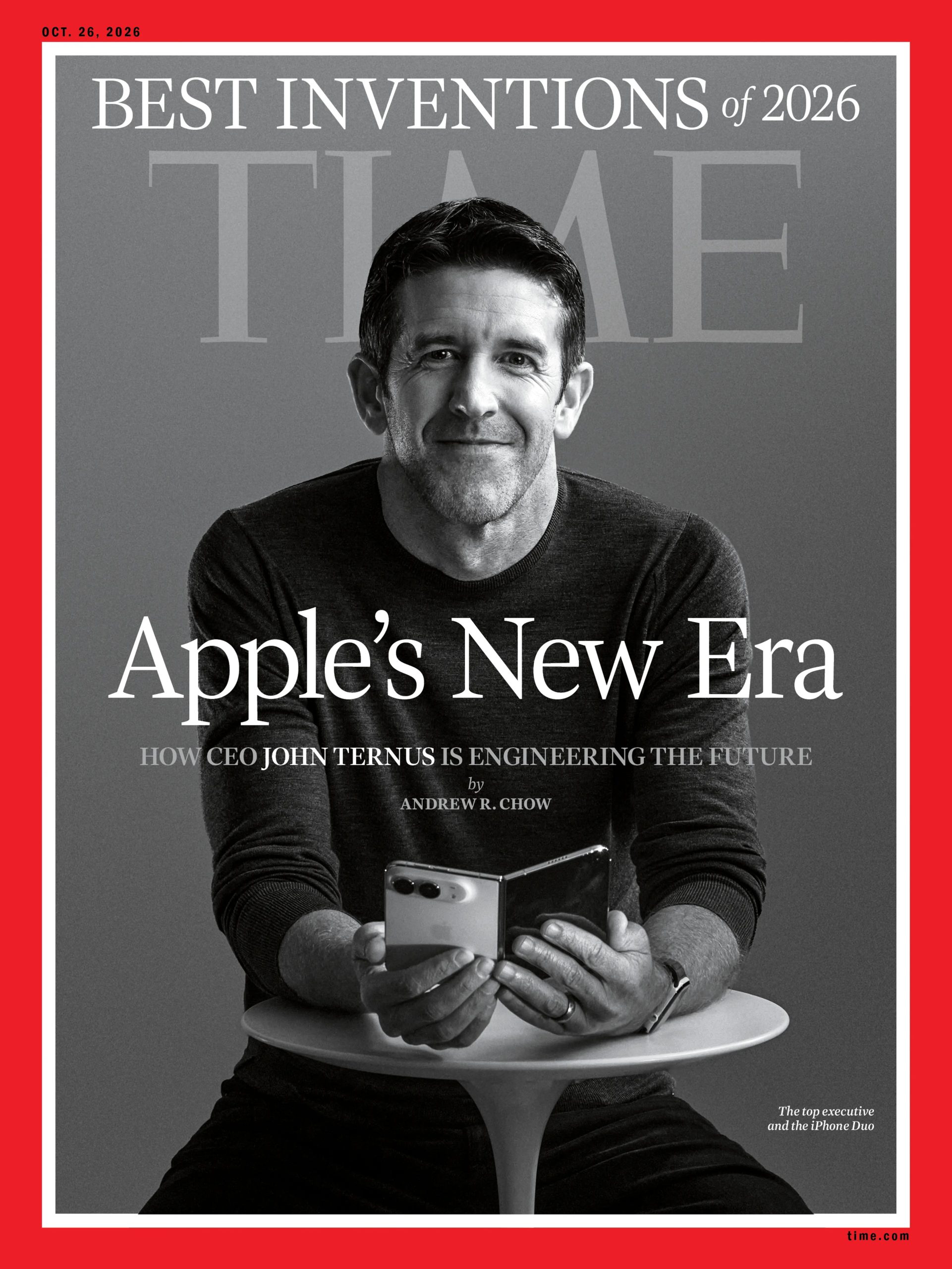
Apple CEO John Ternus has been featured on the cover of TIME Magazine's "Best Inventions of 2026" edition, available October 26.


Ternus, who joined Apple in 2001 and was formerly its senior vice president of hardware engineering, succeeded Tim Cook as the company's CEO on September 1. This paved the way for Ternus to unveil the iPhone Duo just eight days later.

Ternus believes the iPhone Duo stands apart from other foldable smartphones.

"The other examples in the world felt kind of cheap and crappy," said Ternus, in an interview with TIME's Andrew R. Chow.

Ternus was eight years old when his father purchased an Apple II computer. "I started playing games on it and fell in love with Apple," he said.

Cook remains at Apple as executive chairman, with his primary focus being engaging with policymakers around the world. "He has great relationships and loves Apple," Ternus said of Cook. "So wherever he can help, he is happy to help."

In a separate interview, Cook said he is "not meddling" with Ternus.

Apple's large language models that power Siri AI are "based on Google's Gemini models and cloud technology," according to a joint announcement from Apple and Google earlier this year. When asked about this, Ternus said Apple does not always have to make the whole widget, with the company focused on areas it can provide "differentiation."

"There's not really a goal that we have to make every single thing in a product," he said. "We make the things where we can really bring differentiation."

Apple also tries to remain focused.

"You can't do everything," Ternus added. "So we kind of try to constrain ourselves to the stuff that matters most—and then put all of our effort into those things."

The full magazine cover is below.


This article, "Apple CEO John Ternus Featured on Cover of TIME Magazine: 'New Era'" first appeared on MacRumors.com

Discuss this article in our forums

  •  

Apple Announces Deadline to 'Get Ready' to Pre-Order the iPhone Duo

Apple today announced that customers have until 9 p.m. Pacific Time today to "get ready" for their iPhone Duo pre-order.

By completing this process via Apple's online store or the Apple Store app, Apple said customers can "check out with a single click" when iPhone Duo pre-orders go live on Friday, October 16 at 5 a.m. Pacific Time. The device launches on Friday, October 23.
Related Roundup: iPhone Duo
Related Forum: iPhone

This article, "Apple Announces Deadline to 'Get Ready' to Pre-Order the iPhone Duo" first appeared on MacRumors.com

Discuss this article in our forums

  •  

MKBHD is 'Not Convinced' About Apple's New HomeView, Here's Why

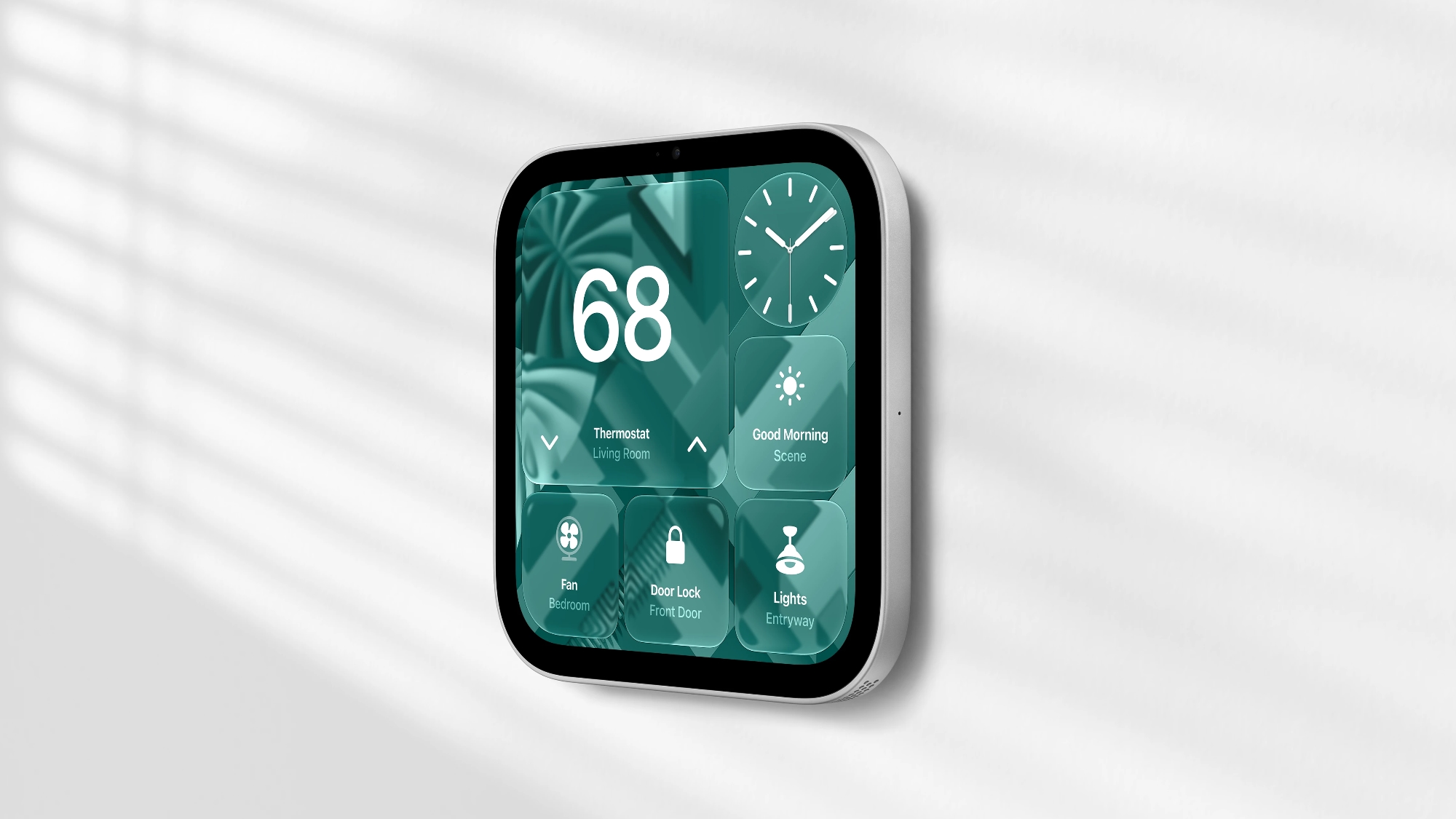
Apple this week introduced an all-new HomeView smart home hub, but popular tech reviewer Marques Brownlee is "not convinced" about it.


In his HomeView impressions video on his YouTube channel MKBHD, Brownlee said "I cannot figure any group that this is actually ideal for."

HomeView has a lot of overlap with other Apple devices, including the iPhone, iPad, Apple Watch, and HomePod. Brownlee said the HomeView does not provide enough "extra value," leading him to believe that the device should be "a skip for most people."


HomeView lacks an App Store, which limits its usefulness, but it can also display CarPlay-enabled audio and video apps from a paired iPhone.

Do you think the HomeView is a useful addition to the Apple ecosystem? Let us know your thoughts in the comments section.
Related Roundup: Apple HomeView
Tag: MKBHD
Buyer's Guide: HomeView (Buy Now)

This article, "MKBHD is 'Not Convinced' About Apple's New HomeView, Here's Why" first appeared on MacRumors.com

Discuss this article in our forums

  •  

Apple's Wall-Mounted HomeView Ships Without a Power Adapter

Apple's wall-mounted HomeView will ship without a power adapter, USB-C cable, or mount, requiring customers to purchase compatible accessories separately.


In a support document posted on October 14, Apple outlined different power requirements for the two versions of its new smart home hub. The tabletop HomeView requires a USB-C power adapter rated for at least 30W, supporting an output of 15V at 2A or higher. The wall-mounted model requires at least 20W, with support for 9V at 2.22A or higher.

The tabletop model includes a 30W power adapter and a 1.5-meter USB-C cable. The wall-mounted version's box contains only the device and documentation.

Customers choosing the wall-mounted HomeView will need a compatible third-party mount and power solution. Depending on the mount, the device can use a separate USB-C cable and power adapter or a hardwired connection to line power.

If the power requirements are not met, HomeView will display a "Power Adapter Not Supported" message, accompanied by a lightning bolt and yellow warning triangle. For a wall-mounted unit, Apple suggests testing the device outside its mount with a compatible USB-C cable and adapter. If it works when connected directly, customers should contact the mount manufacturer or their professional installer.

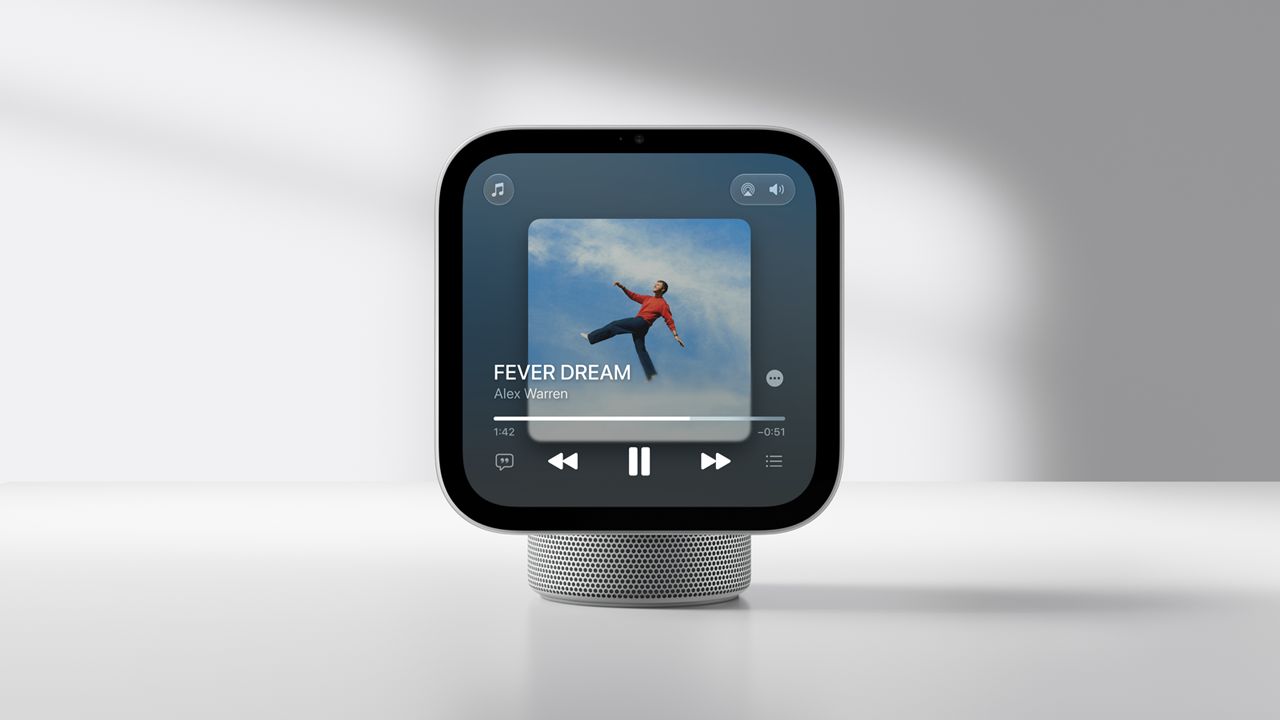
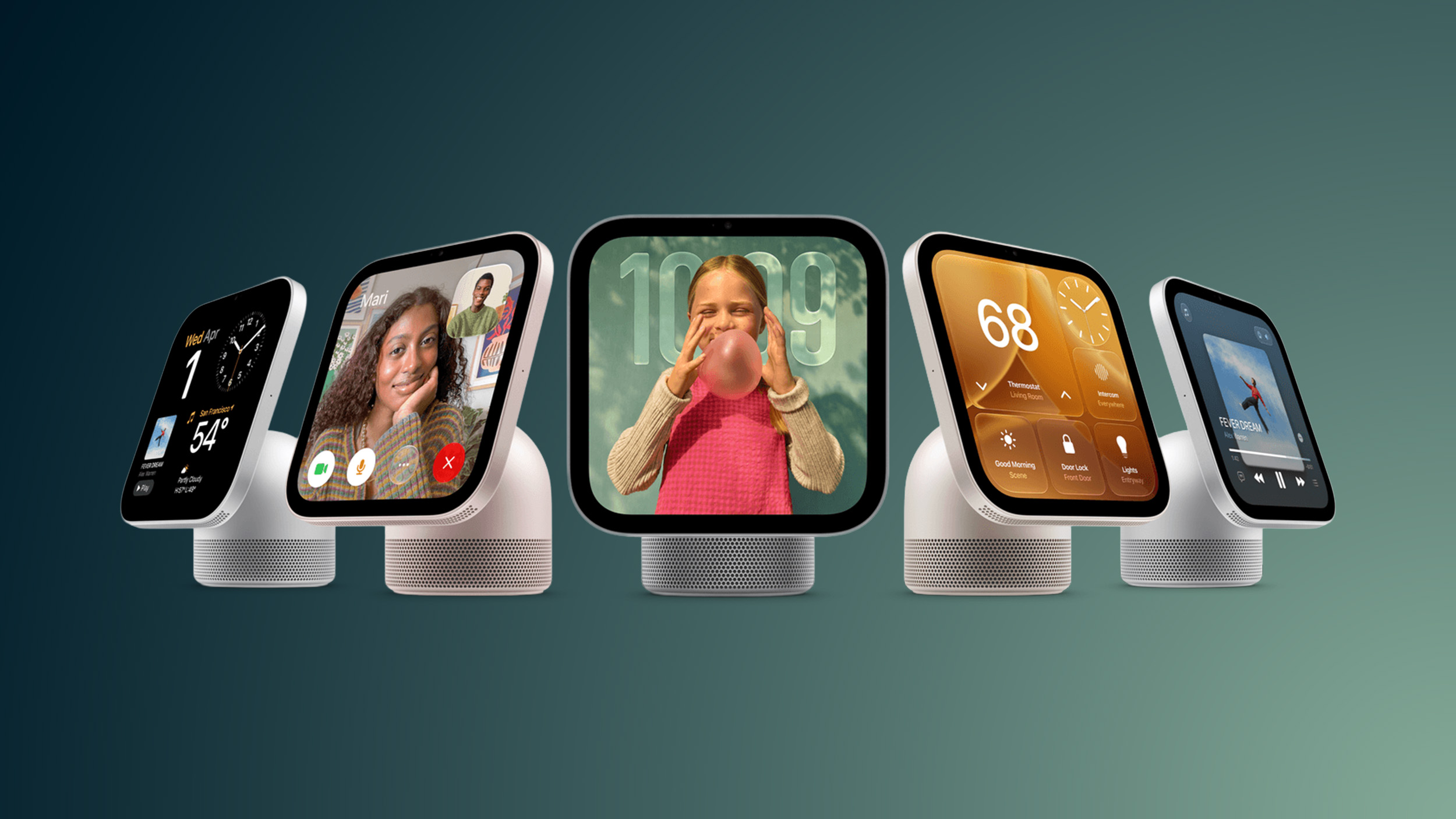
Apple introduced the HomeView earlier this week, featuring a 7-inch Liquid Retina display, an A18 chip, and Siri AI. Both models are available to pre-order for $299 in the United States, with availability beginning on November 13.
Related Roundup: Apple HomeView
Buyer's Guide: HomeView (Buy Now)

This article, "Apple's Wall-Mounted HomeView Ships Without a Power Adapter" first appeared on MacRumors.com

Discuss this article in our forums

  •  

Rare Apple-1 With Steve Jobs Letter Sells for $1.15 Million

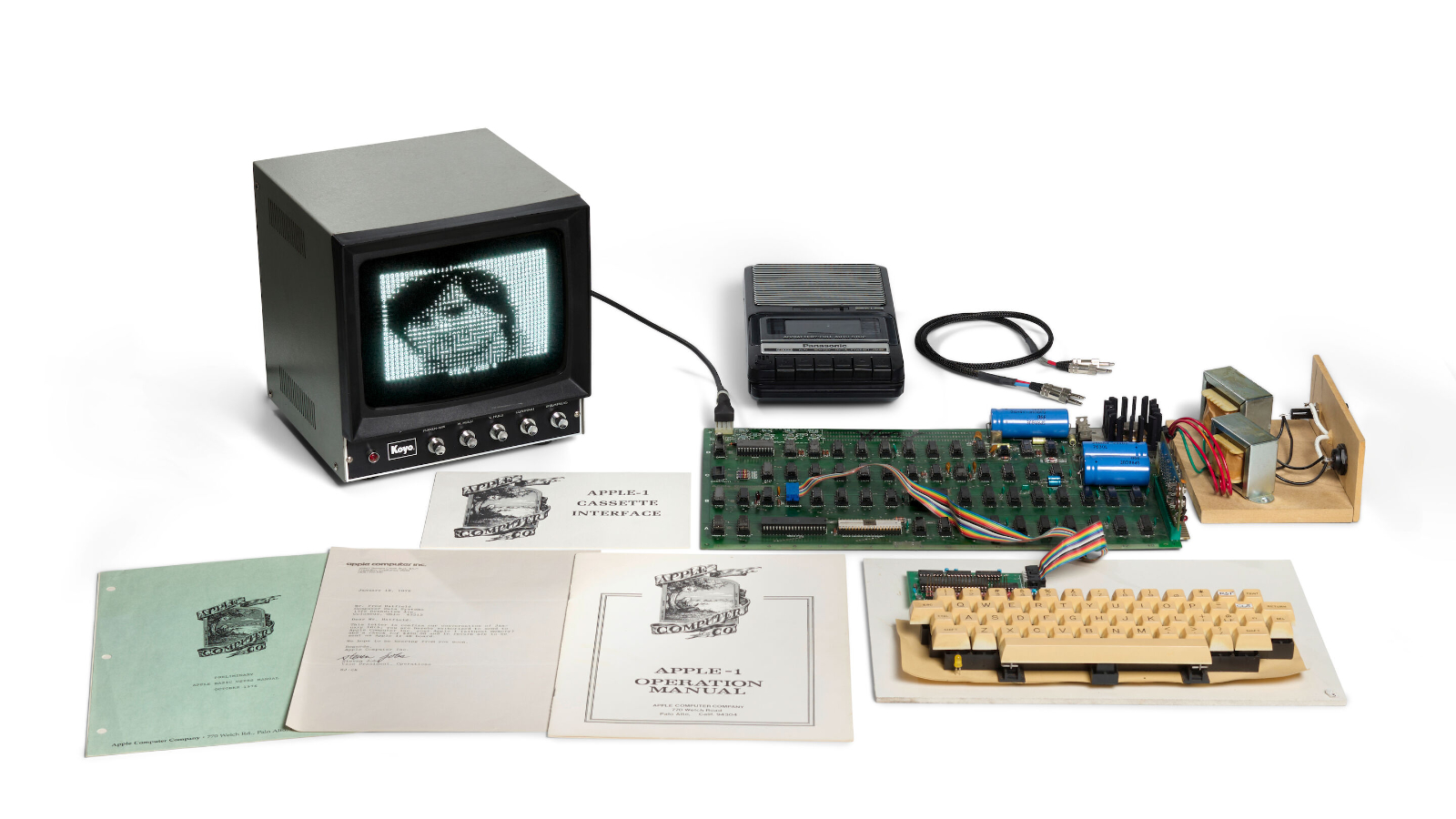
The "Hatfield" Apple-1 has sold for $1,148,200 including the buyer's premium, setting a world auction record for a commercially sold Apple-1, according to Bonhams.


Two bidders competed for 28 minutes before the October 14 auction closed, taking the working computer beyond its $500,000 to $800,000 estimate.

The machine takes its name from original owner Fred Hatfield, who complained to Apple about the lack of software for the Apple-1. A letter included in the sale contains Steve Jobs' 1978 reply, offering an Apple II motherboard in exchange for the Apple-1 and another $400. Hatfield kept his computer.

He eventually sold it privately for $40,000 while it needed repairs. The buyer restored it and obtained Steve Wozniak's signature on the motherboard before it set an auction record in 2013. Bonhams lists that earlier sale as approximately $686,000.

Apple-1 prototypes have fetched more in the past. The "Celebration" board, which sold for $815,000 in 2016, sold for $2.75 million in January 2026.
This article, "Rare Apple-1 With Steve Jobs Letter Sells for $1.15 Million" first appeared on MacRumors.com

Discuss this article in our forums

  •  

Apple Now Inviting Media to October 28 'Launch Experience'

Apple has begun inviting selected members of the media to a product launch experience in Los Angeles on Wednesday, October 28, according to Bloomberg's Mark Gurman.


In a post on X, Gurman described the gathering as an "all-day product launch experience" for touchscreen MacBooks, a new iPad mini, and Macs equipped with M6 chips.

Gurman previously reported that Apple would introduce the devices "on or around" Tuesday, October 27, with an online video presentation and a hands-on experience for the media. His latest post specifies October 28 for the media gathering, but does not say whether the product announcements will take place that day or beforehand.

The touchscreen MacBooks are expected to be redesigned 14-inch and 16-inch MacBook Pro models, featuring OLED displays, a Dynamic Island, and significantly lighter designs. While earlier rumors suggested Apple could use the "MacBook Ultra" name, Gurman's report from earlier this month suggested the devices would remain in the ‌MacBook Pro‌ family.

Alongside the redesigned high-end machines, Apple is expected to introduce M6 versions of the 14-inch ‌MacBook Pro‌ and iMac. The new ‌iPad mini‌ is expected to gain an OLED display, a front-facing camera positioned for landscape video calls, and a redesigned speaker system.
Related Roundups: iMac, iPad mini, MacBook Pro
Related Forums: iMac, iPad, MacBook Pro

This article, "Apple Now Inviting Media to October 28 'Launch Experience'" first appeared on MacRumors.com

Discuss this article in our forums

  •  

iPhone Duo's A20 Pro Chip Benchmarked Ahead of Launch

The iPhone Duo unsurprisingly offers performance similar to the iPhone 18 Pro, according to an early iPhone Duo benchmark shared on Geekbench 7. Both devices are equipped with Apple's 2nm A20 Pro chip with a 6-core CPU and a 7-core GPU.


The benchmarked ‌iPhone Duo‌ (iPhone19,4) is running iOS 27.1, as expected, and it had a single-core score of 3986 and a multi-core score of 11067. That's in line with multiple benchmarks collected from ‌iPhone 18 Pro‌ and ‌iPhone 18 Pro‌ Max models.

Scores vary from test to test, so while the result does fall short of the top ‌iPhone 18 Pro‌ benchmark scores, we're only viewing a single score. The ‌iPhone Duo‌ has the same 6-core CPU with a 4.93GHz base frequency that's identified in ‌iPhone 18 Pro‌ benchmarks, and it lists 11.30GB memory, which means 12GB of RAM.

While the ‌iPhone Duo‌ and ‌iPhone 18 Pro‌ models use the same A20 Pro chip, there could be differences in real-world performance based on thermal management, the ‌iPhone Duo‌'s two screens vs. a single screen, and other factors.

Apple says the A20 Pro offers up to 20 percent faster CPU performance than the A19 Pro and up to 40 percent faster GPU performance. GPU speeds were not tested.

Pre-orders for the ‌iPhone Duo‌ will start on October 16, and a launch will follow on October 23.
Related Roundup: iPhone Duo
Related Forum: iPhone

This article, "iPhone Duo's A20 Pro Chip Benchmarked Ahead of Launch" first appeared on MacRumors.com

Discuss this article in our forums

  •  

10 HomeView Features You Might Have Missed

Apple plans to launch the HomeView on November 13, so we have a month to go until we can learn more about it. Right now, we're limited to the information Apple has shared and what members of the media learned during limited hands-on time.


We've rounded up some interesting HomeView tidbits you might have missed.

  • Recipe walkthroughs - HomeView makes Safari recipes easier to follow by pulling out the ingredients and steps. You can tap on a "Start Cooking" button to get step-by-step instructions you can use as you cook. The device also supports multiple voice-activated timers.

  • Siri access - You can say Siri (English only) or Hey ‌Siri‌ for hands-free access, but there are also options for activating ‌Siri‌ with a swipe down from the top of the display or using Type to ‌Siri‌.

  • Apple Intelligence - HomeView has some Apple Intelligence features built in. You or members of your household can use ‌Siri‌ AI for general knowledge questions if you don't have an ‌Apple Intelligence‌ iPhone or iPad, but you do need one for any requests involving personal context.

  • Guests - Personal data is private, but guests can control smart home accessories, check the weather, set timers, and play music. Visitors can also AirPlay audio to the HomeView using peer-to-peer discovery.

  • Adaptable interface - HomeView can tell when someone is approaching and parts of the interface will change based on proximity. If someone is across the room, it shows less information in a larger view. As the person approaches, the view can change to show more information.

  • Faces - HomeView has multiple customizable faces similar to watch faces. Apple says some faces can "wake with you in the morning, wind down with you at night." The Snoopy face, for example, has different animations based on time of day, weather, and holidays.

  • Third-party apps - There's no App Store, but the HomeView has CarPlay-like software capabilities. It can show CarPlay audio and video apps from a linked iPhone. There are no ‌CarPlay‌ video apps except for Apple TV, so app developers will need to add support.

  • Handoff - You can transfer songs, podcasts, calls, videos, and recipes from the iPhone to the HomeView.

  • Live Activities - HomeView supports Live Activities, so if you have a timer running or get an incoming Intercom message, content will be visible while you use other apps.

  • Sensors and HomeKit - The HomeView has temperature and humidity sensors that can be used in Home app scenes and automations. It also serves as a home hub for controlling HomeKit and Matter devices when you're away from home.


HomeView is available for pre-order now, and it will launch on November 13. It is priced at $299 and comes in either a tabletop version with a speaker base or a wall-mounted version.
Related Roundup: Apple HomeView
Buyer's Guide: HomeView (Buy Now)

This article, "10 HomeView Features You Might Have Missed" first appeared on MacRumors.com

Discuss this article in our forums

  •  

Apple Becomes Second Company to Close Above $5 Trillion

Apple today closed with a market capitalization above $5 trillion, making it the second company to do so after Nvidia.


As noted by The Wall Street Journal, Apple's market cap has exceeded $5 trillion six times before today during intraday trading, but this is the first time the company stayed above the mark at closing.

Apple closed at $342.96, for a market cap of $5.005 trillion. The new valuation comes just over a month after John Ternus took over for Tim Cook as Apple CEO, and two days ahead of iPhone Duo pre-orders.

While Apple surpassed Nvidia to briefly become the most valuable company in the world in July, Nvidia has since retaken the title and continues to hold the top spot with a market cap of $5.33 trillion.
Tag: AAPL

This article, "Apple Becomes Second Company to Close Above $5 Trillion" first appeared on MacRumors.com

Discuss this article in our forums

  •  

Which Apple Home Devices Get Siri AI, and When

There's been some confusion about which of Apple's new and existing home devices will support Siri AI and when, because ‌Siri‌ AI isn't going to be available at launch on some products.


Devices With Siri AI


  • HomeView - Available at launch (November 13)

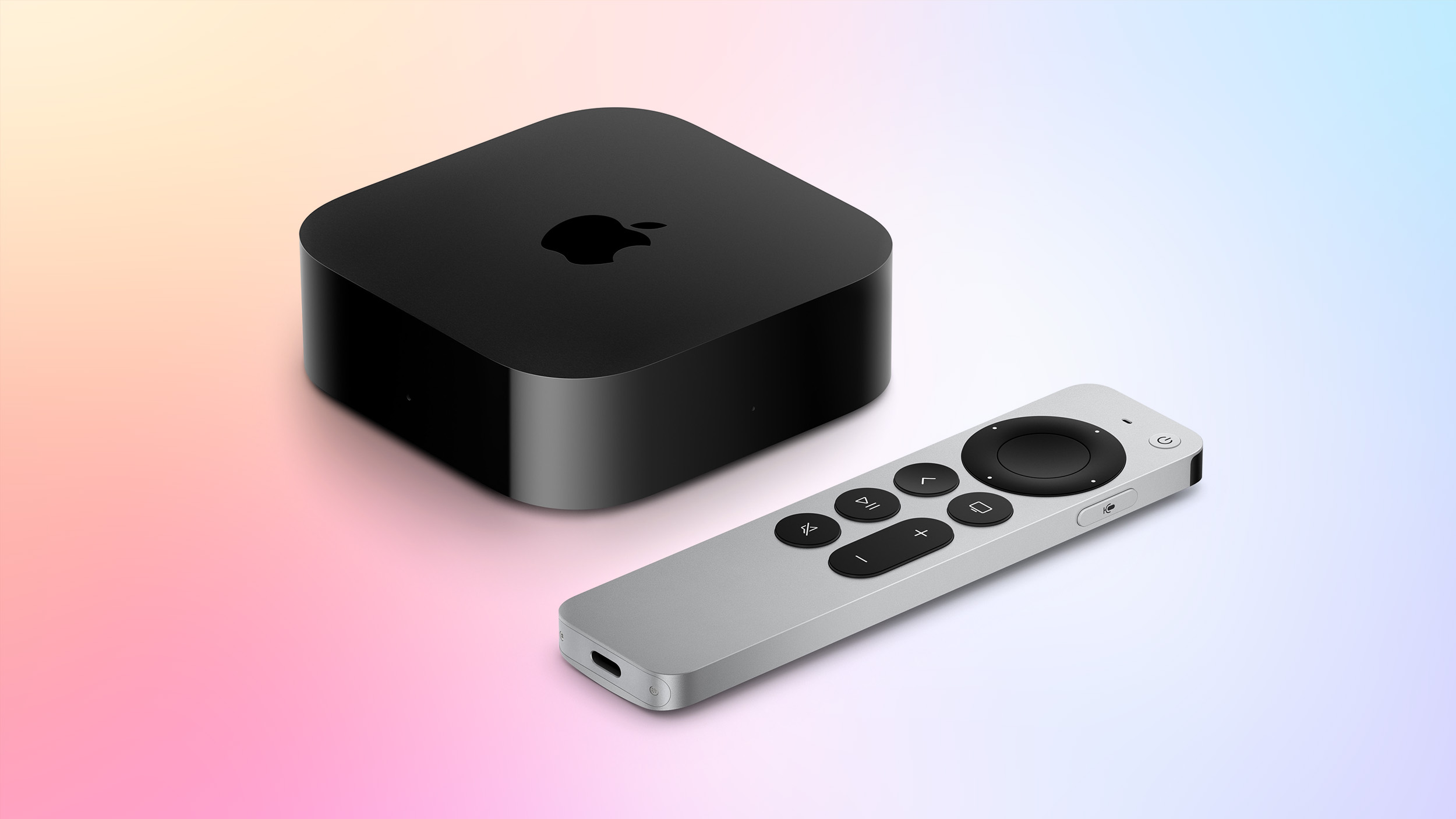
  • Apple TV 4K (4th generation) - Available at launch (November 13)

  • Apple TV 4K (3rd generation) - Available in tvOS 27.2

  • Apple TV 4K (2nd generation) - Available in tvOS 27.2

  • HomePod mini 2 - Ships October 30, ‌Siri‌ AI coming in a future software update


Despite a report from CNET suggesting the first HomePod mini would support Siri AI, Apple has since confirmed that's not the case.

No Siri AI Support


  • Original HomePod mini

  • Original HomePod

  • Original Apple TV 4K (no tvOS 27)

  • Apple TV HD (no tvOS 27)


Unconfirmed


Siri AI Requirements


On the ‌HomePod‌ and Apple TV 4K models that support ‌Siri‌ AI, the home owner in the Home app must have an Apple Intelligence-enabled iPhone or iPad on the latest version of the software. ‌Siri‌ AI has to be turned on, and it has to be set to a supported language. Other members of the household don't need an Apple Intelligence-enabled device once ‌Siri‌ AI is turned on, except for personal requests.

HomeView does not require an Apple Intelligence-enabled iPhone or ‌iPad‌ for ‌Siri‌ AI, except for requests that use personal context.

‌Siri‌ AI for HomeView, ‌Apple TV‌ 4K, and HomePod mini 2 is English only and is limited to the United States, Australia, Canada, India, New Zealand, Singapore, South Africa, and the UK at launch.

EU Restrictions


‌Siri‌ AI is not available in the EU on the iPhone and ‌iPad‌, so ‌Siri‌ AI won't be available for home devices that support it. HomeView isn't even launching in the EU.

Siri AI Beta


Apple is still calling ‌Siri‌ AI a beta, and it will be in beta when it's available on HomeView, ‌Apple TV‌ 4K, and ‌HomePod mini 2‌.
This article, "Which Apple Home Devices Get Siri AI, and When" first appeared on MacRumors.com

Discuss this article in our forums

  •  

Apple's Long-Delayed HomeView Was Already Being Tested in 2024

Apple's new HomeView underwent regulatory testing in October 2024, and it was running what would now be known as HomeView software version 18, according to an FCC document uncovered by MacRumors contributor Aaron Perris.

The document provides the clearest evidence yet that the HomeView was held up due to Siri AI's delayed launch. Apple initially previewed the more intelligent version of Siri at WWDC 2024, but in March 2025 the company announced that it needed more time to get it ready. Siri AI finally launched this September.
Related Roundup: Apple HomeView
Buyer's Guide: HomeView (Buy Now)

This article, "Apple's Long-Delayed HomeView Was Already Being Tested in 2024" first appeared on MacRumors.com

Discuss this article in our forums

  •  
Gestern empfangen — 14. Oktober 2026 ⏭ MacRumors: Mac News and Rumors - All Stories

Apple Intelligence Coming to China in December With iOS 27.3

Apple plans to bring Apple Intelligence to China in iOS 27.3 after two years of regulatory delays, reports Bloomberg. The launch will include basic ‌Apple Intelligence‌ features for things like photo editing, but Siri AI won't be available. Image Playground and the newer version of Genmoji will be missing, plus text generation tools will be limited.


The South China Morning Post today reported that China's Ministry of Industry and Information Technology recently gave Apple network access permits to add Alibaba's Qwen and Tongyi Wanxiang models to the iPhone Duo, iPhone 18 Pro, and earlier iPhones, paving the way for an ‌Apple Intelligence‌ debut.

Apple introduced the first ‌Apple Intelligence‌ features in iOS 18.1, but they have been missing from China since launch. Apple received initial clearance to launch ‌Apple Intelligence‌ in China in July, but needed additional clearance for a consumer launch.

China restricts foreign AI technology, which meant Apple had to partner with Alibaba and Baidu to launch ‌Apple Intelligence‌ in the country. Apple also has to allow the Chinese government to approve ongoing updates to the AI models.

Competing smartphone makers in China like Huawei have long offered artificial intelligence features, and Apple has been at a disadvantage without comparable tools.

iOS 27.3 is expected in December.
Related Roundups: iOS 27, iPadOS 27
Related Forum: iOS 27

This article, "Apple Intelligence Coming to China in December With iOS 27.3" first appeared on MacRumors.com

Discuss this article in our forums

  •  

Apple Invites App Updated With Two New Features

The free Apple Invites app for the iPhone was updated today with two new features: hosts can now more easily manually add guests to an event and mark their RSVP status, and the app's Home Screen widget now supports the extra large size option.


Released in February 2025, the Apple Invites app makes it easy to invite people to events, such as birthday parties and baby showers. The ability to create an event in the app requires subscribing to an iCloud+ plan with at least 50GB of storage for $0.99 per month, but anyone who receives an event link can RSVP for free on any device.

Apple's full release notes for version 1.12.1 of the app:
• Hosts can now more easily manually add guests to the event and mark their RSVP status, so your guest list stays accurate even when someone confirms outside the app.

• Invites widget now supports the extra large size to give you more options to countdown on your Home Screen.

• This update contains bug fixes and performance improvements.
The update is available now in the App Store.
This article, "Apple Invites App Updated With Two New Features" first appeared on MacRumors.com

Discuss this article in our forums

  •  

OpenAI Says Ex-Employee Showed Its Device Plans to Apple

OpenAI today suggested Apple could be using its trade secrets, the very thing Apple is already suing OpenAI for. In a court filing, OpenAI accused an ex-employee of giving sensitive data about an unreleased product to Apple.


The unnamed employee joined OpenAI from Apple and then returned after six months. OpenAI claims the person sent "over a hundred highly confidential files" to personal accounts, including manufacturing data and detailed images of at least one unreleased product. The former employee allegedly "made a presentation" on OpenAI product plans for Apple's senior leadership "months ago," and OpenAI is worried Apple could use that information to further its work on AI devices.
OpenAI is very concerned that its trade secret and confidential information is now circulating inside Apple, where Apple engineers can shape Apple's upcoming products based on OpenAI's confidential and innovative work. OpenAI has raised these issues directly with Apple, but to date, Apple has not provided OpenAI with the requested assurances that Apple is not in possession of, and has not used, OpenAI's trade secret and confidential information.

OpenAI asked the court for permission to investigate and pursue counterclaims if necessary. Apple told Reuters it has found no evidence to support OpenAI's claims and it has policies in place to ensure new employees do not use confidential information from previous employers.

Apple and OpenAI have been involved in a tense legal battle since Apple sued OpenAI in July. Apple says OpenAI employees Chang Liu and Tang Tan stole trade secrets from Apple to develop new AI hardware. OpenAI called the lawsuit "careless, aggressive and oddly personal," stating that it does not "have, nor want, any of their trade secrets" because it is "much more interested in building innovative products and technologies that push the frontier."

Yesterday, the court partially granted Apple's request for expedited discovery. OpenAI has up to two weeks to hand over forensic evidence as well as materials used when interviewing former Apple employees. Liu, Tan, and Alyssa Peng, Liu's former Apple colleague, will need to sit for depositions after Apple gets the requested information.

Judge Edward Davila, who is overseeing the case, said during a hearing today that he is "highly likely" to grant a preliminary injunction prohibiting OpenAI from using Apple's allegedly stolen trade secrets. Bloomberg says an injunction would "mark a potential setback" for OpenAI's hardware development efforts.
Tag: OpenAI

This article, "OpenAI Says Ex-Employee Showed Its Device Plans to Apple" first appeared on MacRumors.com

Discuss this article in our forums

  •  

Discover the Best Cases and Screen Protectors for Your New iPhone Duo

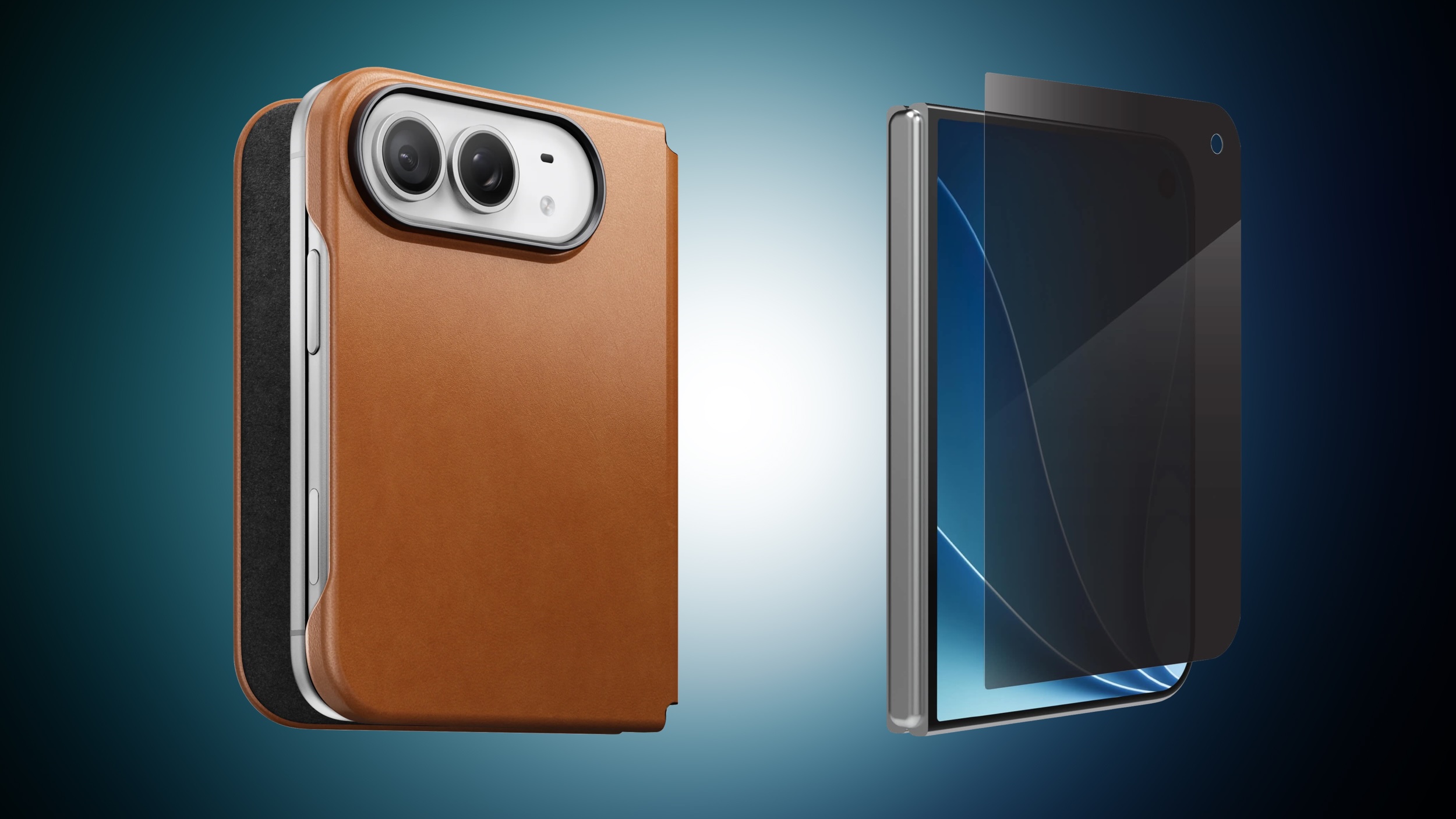
iPhone Duo pre-orders kick off this Friday, and in anticipation of the event we've gathered all of the best cases and screen protectors you can get for your new iPhone Duo. This includes accessories from popular brands like OtterBox, Speck, ZAGG/Mophie, and more.

Note: MacRumors is an affiliate partner with some of these vendors. When you click a link and make a purchase, we may receive a small payment, which helps us keep the site running.

Most of these retailers aren't offering discounts on iPhone Duo cases yet, but at ZAGG you can get 20 percent off your order when you purchase any two items, including iPhone Duo accessories. This is a perfect opportunity to get a case and screen protector for the smartphone at a discounted rate.


Otherwise, you'll find the full list of retailers offering accessories for the iPhone Duo below. Shoppers should note that some of these devices are up for pre-order right now and will launch in November or later, but many are shipping cases for the Duo right now.

  • Amazon - iPhone Duo cases from Spigen, Speck, ZAGG, and more

  • AT&T - Discounts on iPhone Duo cases and screen protectors from Speck, Spigen, and more

  • Best Buy - iPhone Duo cases from Dbrand, OtterBox, Spigen, Kate Spade, and more

  • Burton Goods - Save on leather cases for iPhone Duo

  • ESR - iPhone Duo Silicone Leather case with Flex Stand

  • Nomad - Leather Folio cases for iPhone Duo

  • OtterBox - Defender cases for iPhone Duo

  • Speck - Presidio Cases for iPhone Duo

  • Target - iPhone Duo cases from ZAGG, Case-Mate, and Kate Spade

  • ZAGG - Save 20% when you buy 2 items from ZAGG, including iPhone Duo cases and screen protectors


If you're on the hunt for more discounts, be sure to visit our Apple Deals roundup where we recap the best Apple-related bargains of the past week.


Deals Newsletter


Interested in hearing more about the best deals you can find as we head into the holidays? You can sign up for our Deals Newsletter and we'll keep you updated so you don't miss the biggest deals of the season!


Related Roundup: Apple Deals

This article, "Discover the Best Cases and Screen Protectors for Your New iPhone Duo" first appeared on MacRumors.com

Discuss this article in our forums

  •  

Apple Store Near Los Angeles Closed Due to 'Events Beyond Our Control'

Apple Del Amo in Torrance (Los Angeles area) has been temporarily closed for a few days, and Apple has now added the following notice to the store's page: "We'll be right back. Our store is temporarily closed due to events beyond our control."

According to Reddit comments, the store allegedly suffered extensive water damage following a roof leak in the shopping mall.
This article, "Apple Store Near Los Angeles Closed Due to 'Events Beyond Our Control'" first appeared on MacRumors.com

Discuss this article in our forums

  •  

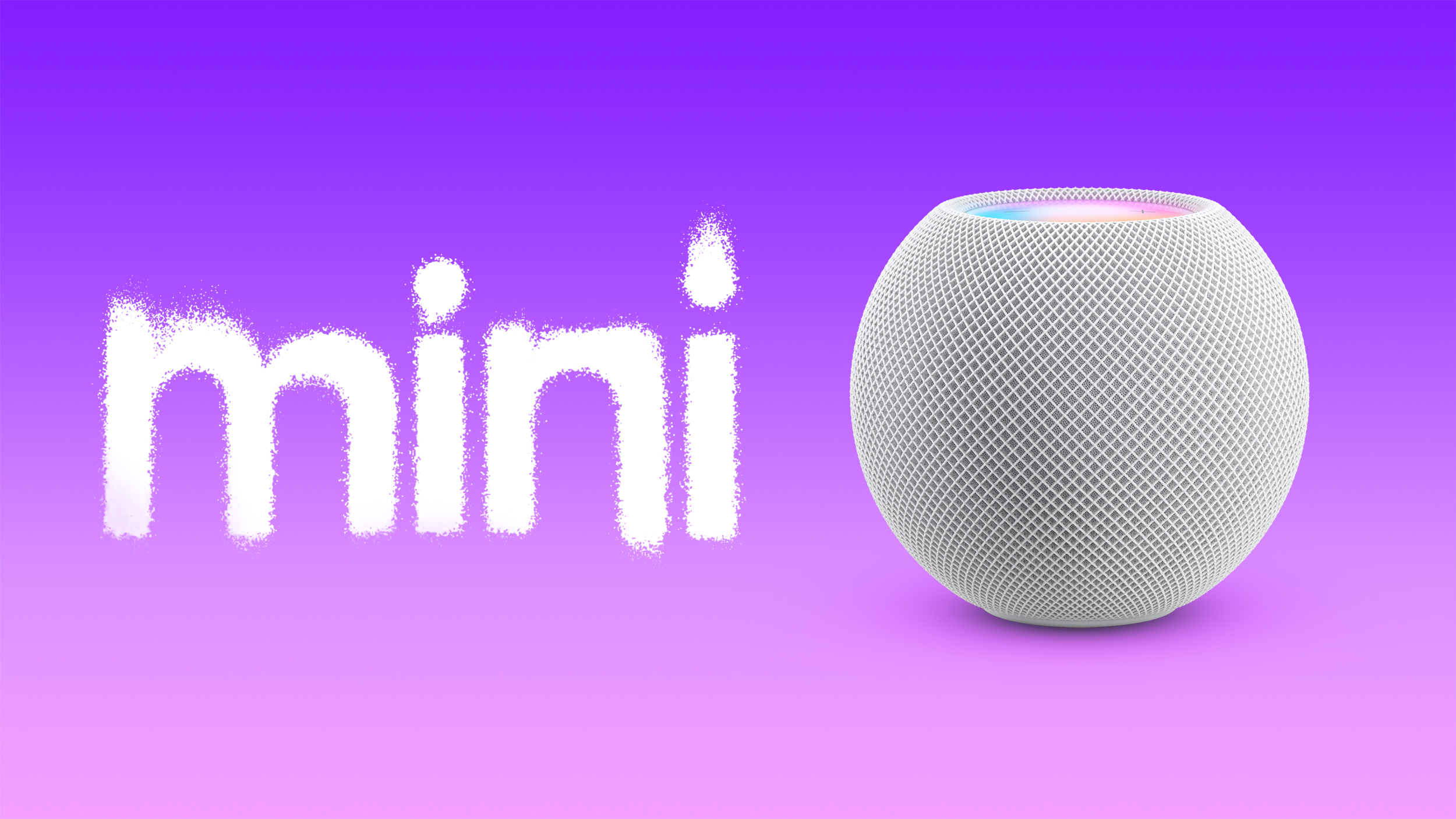
No, HomePod Mini 1 Won't Support Siri AI as CNET Reported

Update – 10:30 a.m. Pacific Time: CNET has corrected its article and now says only the HomePod mini 2 will support Siri AI. Original article follows.


Siri AI will apparently not be limited to the new HomePod mini 2, with support also coming to the first-generation HomePod mini in a software update later this year, according to a report today from CNET's Jeff Carlson.


"The HomePod Mini 2 also gets a faster S10 processor, which should help with processing Siri AI requests," he said. "However, the current S5-powered HomePod Mini will also get Siri AI compatibility later this year, along with updates to iOS 27.2."

Fine print on Apple's website does not mention this detail, at least as far as we have seen, so we have reached out to the company for comment.

For the Apple TV 4K, Apple's fine print did mention that Siri AI support will extend back to the second-generation Apple TV 4K from 2021, but we have not found any explicit fine print mention about Siri AI coming to the HomePod mini (1st generation).

Apple said setting up Siri AI on the HomePod mini 2 will require a paired iPhone or iPad model with Apple Intelligence support.

A paired device iPhone or iPad with Apple Intelligence support is also required for any requests involving a user's personal context, according to Apple. However, once Siri AI is enabled on the HomePod mini, the company said that even users without an Apple Intelligence-enabled iPhone or iPad can access Siri AI's broad world knowledge, richer and more natural conversations, and improved music discovery.

HomePod mini 2 launches on Friday, October 30, with pre-orders underway. It has an S10 chip, up from the S5 chip in the previous model.
Related Roundup: HomePod mini 2
Tags: CNET, Siri, Siri AI
Buyer's Guide: HomePod Mini (Buy Now)

This article, "No, HomePod Mini 1 Won't Support Siri AI as CNET Reported" first appeared on MacRumors.com

Discuss this article in our forums

  •  

iPhone Duo Compromises: Everything You Have to Give Up

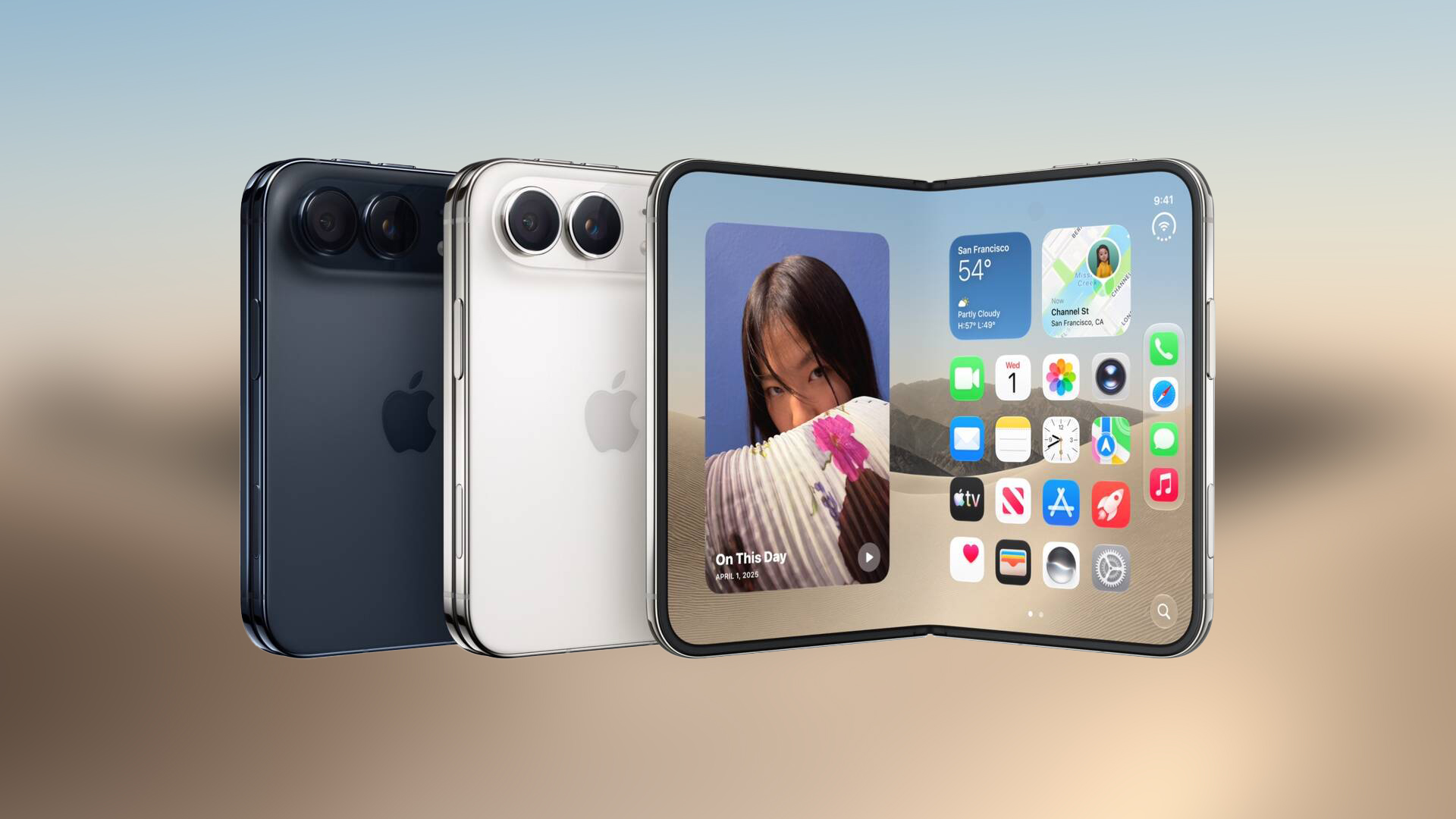
Apple's $1,999 iPhone Duo asks buyers to pay more for a folding screen while accepting almost 40 compromises compared with the iPhone 18 Pro and ‌iPhone 18 Pro‌ Max, spanning camera capabilities, everyday usability, and ownership costs.
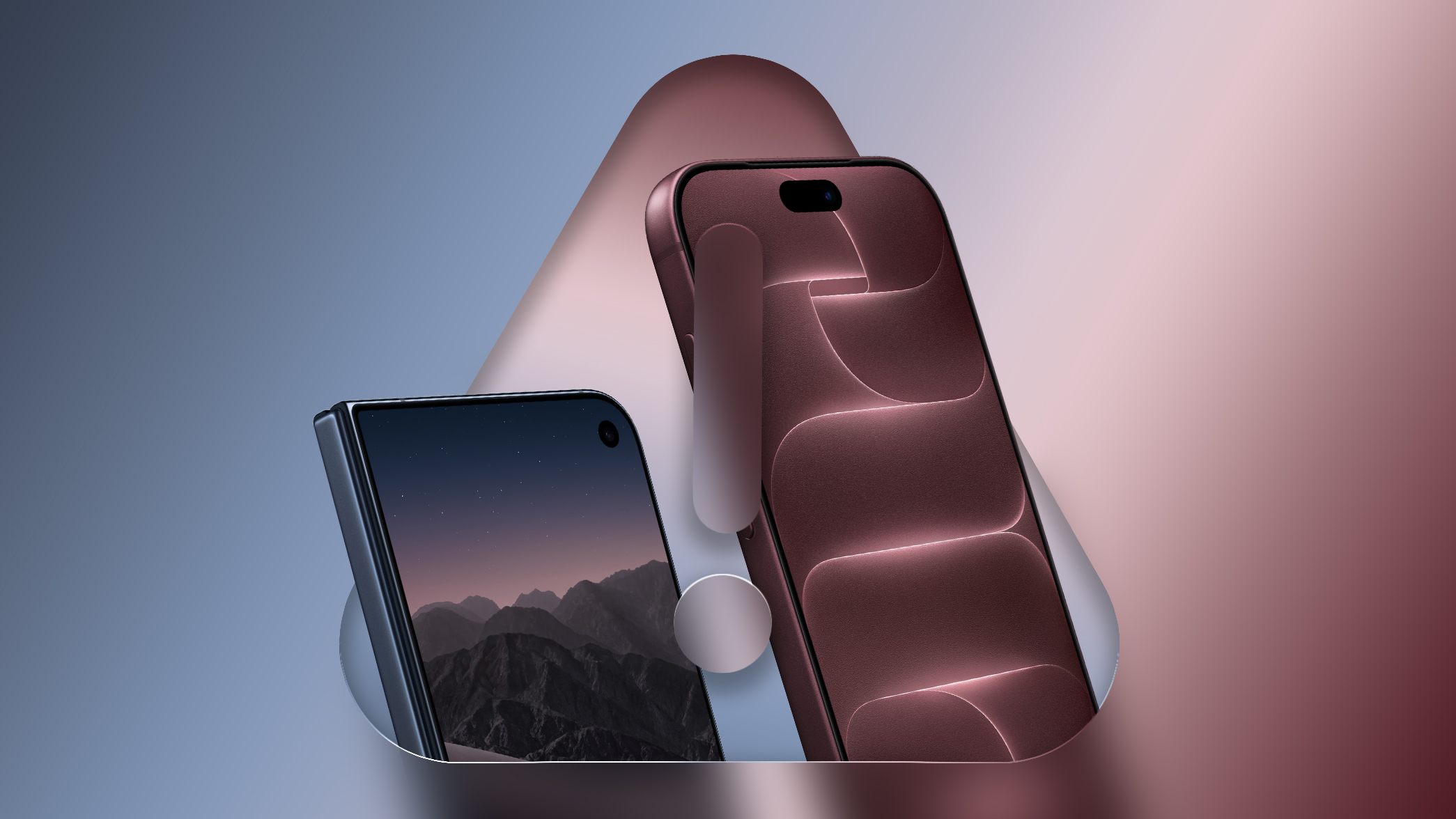

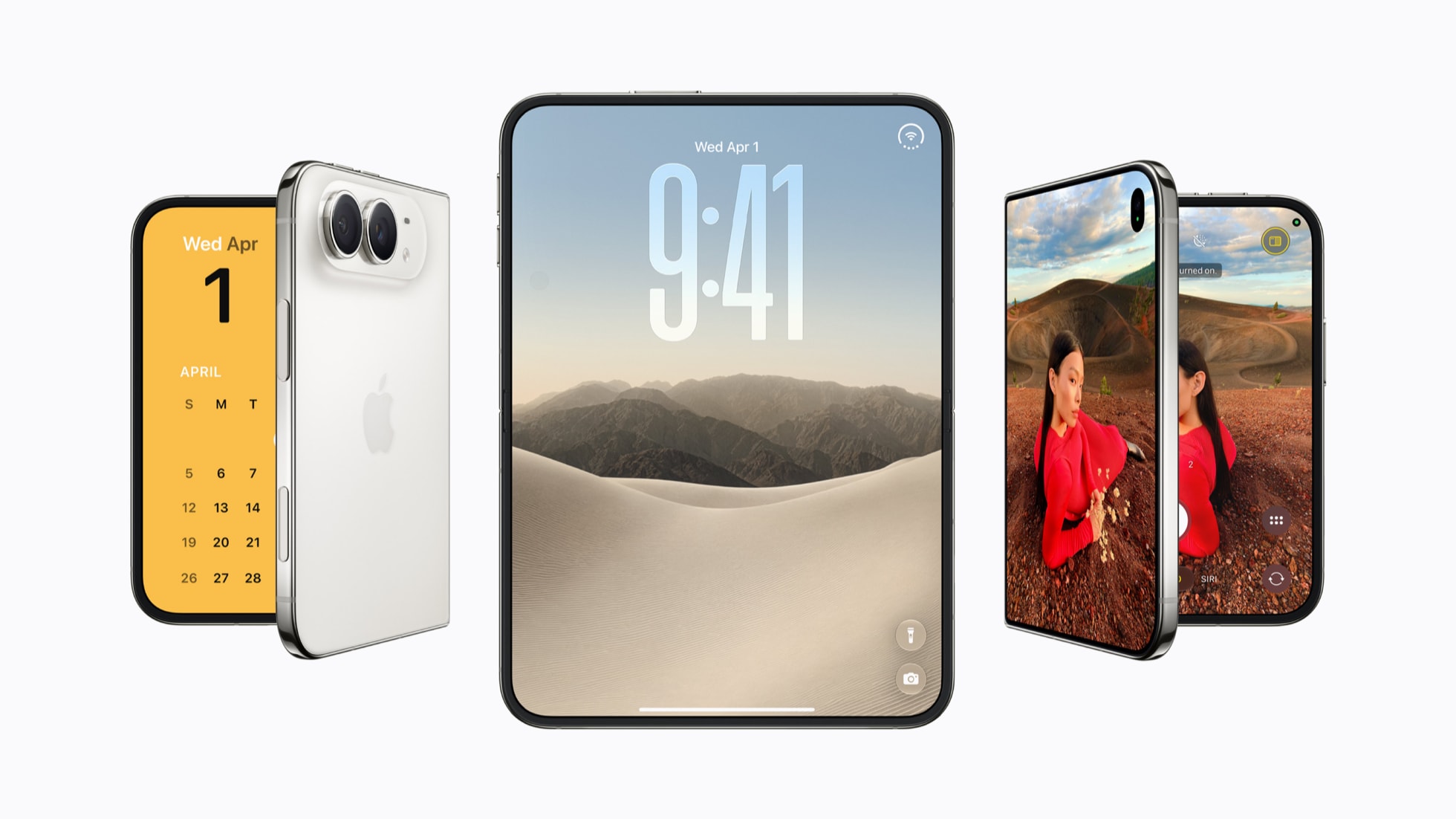
At equivalent storage capacities, the ‌iPhone Duo‌ costs $800 more than the ‌iPhone 18 Pro‌ and $700 more than the Pro Max. Its main attraction is a radically different design: a 5.4-inch outer display opens into a 7.6-inch inner display, providing more space for reading and viewing content, with the ability to use apps side by side.

All three devices share a number of key features, including the A20 Pro chip, ProMotion displays with refresh rates up to 120Hz, a 48-megapixel Ultra Wide camera, MagSafe, and USB-C with USB 3 speeds. However, choosing the foldable means giving up some familiar features and accepting differences in how the phone feels, works, and fits into a daily routine.

General Compromises


The general compromises concern the phone's controls, displays, dimensions, battery life, and cost. Some change interactions that iPhone owners perform throughout the day, while others affect particular preferences or longer-term ownership expenses. When choosing the ‌iPhone Duo‌ over an ‌iPhone 18 Pro‌ or Pro Max, users must be prepared to give up:


  • Face ID: Facial authentication is replaced by Touch ID in the side button, changing how users unlock their phone and authenticate purchases and apps.

  • The Action button: The ‌iPhone Duo‌ drops the customizable button used for functions such as Silent mode, the flashlight, Focus modes, and Shortcuts. Camera Control remains available, but there is no dedicated physical mute control.

  • MagSafe wallet compatibility: Apple lists ‌MagSafe‌ cases and wireless chargers as compatible with the ‌iPhone Duo‌, but omits the wallet compatibility it lists for the Pro models due to the device's shape.

  • Physical SIM support in some markets: The ‌iPhone Duo‌ is eSIM-only worldwide. Pro models sold in markets such as the UK and Australia retain a nano-SIM slot, giving buyers the option of using physical SIM cards.

  • A larger screen without unfolding: The ‌iPhone Duo‌'s outer display measures 5.4 inches, compared with 6.3 inches on the ‌iPhone 18 Pro‌ and 6.9 inches on the Pro Max. Accessing its larger 7.6-inch screen requires opening the device.

  • The Pro displays' pixel density on the larger screen: The ‌iPhone Duo‌'s inner display has a density of 430 pixels per inch, compared with 460 ppi on both Pro models. Its outer display retains 460 ppi.

  • A crease-free display: The ‌iPhone Duo‌'s folding screen has a crease that remains visible in certain lighting, despite Apple's efforts to minimize it. The Pro models have a conventional display without a fold through the center.

  • Simpler display maintenance: The ‌iPhone Duo‌'s outer screen has Ceramic Shield 2, while the inner screen uses a different construction with a polymer cover layer. That layer is replaceable if it wears or becomes damaged, introducing an additional service item absent from the Pro models. In the U.S., a cover-layer replacement costs $49 without AppleCare+ coverage or $19 with coverage.

  • A thinner, narrower, and lighter phone: Although shorter when closed, the ‌iPhone Duo‌ is 84.1mm wide and 11.3mm thick, compared with widths of 71.9mm and 78mm and a thickness of 8.75mm on the Pro models. At 254 grams, it is also 43 grams heavier than the Pro and five grams heavier than the Pro Max.

  • The Pro Max's longer typical-use battery life: The ‌iPhone Duo‌ is rated for up to 24 hours of typical use, matching the smaller Pro but falling short of the Pro Max's 30 hours.

  • Longer video playback when using the larger display: With its inner screen, the ‌iPhone Duo‌ is rated for up to 31 hours of video playback and 26 hours of streaming, compared with 36 and 33 hours on the Pro and 45 and 40 hours on the Pro Max. Using the outer display improves those figures to 44 and 37 hours, exceeding the smaller Pro's ratings.

  • Faster wired charging: The ‌iPhone Duo‌ reaches up to 50% charge in around 20 minutes, compared with around 15 minutes on both Pro models.

  • Higher sustained-performance: Apple quotes up to 35% better sustained performance than the iPhone 17 Pro for the ‌iPhone Duo‌, compared with up to 40% for the ‌iPhone 18 Pro‌ models.

  • More color choices: The ‌iPhone Duo‌ comes in Night Sky and Star White. The Pro models offer Black, Silver, Glacier, and Burgundy.

  • A higher proportion of recycled content: The ‌iPhone Duo‌ contains 35% recycled content, compared with 40% on the Pro models.

  • A lower purchase price: The ‌iPhone Duo‌ costs $800 more than the ‌iPhone 18 Pro‌ and $700 more than the Pro Max at equivalent storage capacities. Its $1,999 starting price buys 256GB, while a 1TB Pro Max costs $1,899.

  • Lower single-device AppleCare premiums: In the U.S., ‌AppleCare‌+ with Theft and Loss costs $19.99 per month or $199.99 annually for the ‌iPhone Duo‌, compared with $14.99 per month or $149.99 annually for either Pro model.

  • Lower covered screen-repair fees: Under U.S. ‌AppleCare‌ coverage, accidental damage to the ‌iPhone Duo‌'s inner display carries a $99 service fee, compared with $29 for screen-only damage on the Pro models. The ‌iPhone Duo‌'s outer-display damage fee remains $29.

  • Lower repair fees without AppleCare+ coverage: Apple's U.S. estimates include $999 for inner-display damage, compared with screen-repair fees of $329 for the Pro and $379 for the Pro Max. "Other damage" is estimated at $1,499, compared with $849 and $899 respectively. Back-glass repair is also more expensive, at $199 rather than $159 for either Pro model.

  • Lower battery replacement costs: Apple's U.S. out-of-warranty battery service fee is $229 for the ‌iPhone Duo‌, compared with $129 for either Pro model.


These differences vary considerably in importance. Losing Face ID or the Action button may be more disruptive to an established routine than having fewer color choices, while the wider, thicker body is something buyers will encounter every time they pick up the closed phone. Buyers moving from a Pro Max also need to consider whether the larger inner display is worth giving up its longer typical-use battery life.

The financial differences extend beyond the initial purchase. Higher ‌AppleCare‌ premiums, repair fees, and battery replacement costs can increase the expense of owning the ‌iPhone Duo‌ over several years, so buyers should consider how they intend to maintain and protect the device alongside its purchase price.

Camera and Capture Compromises


The camera compromises range from fewer zoom options and simpler front cameras to the loss of professional capture formats. Some affect everyday photography, while others matter primarily to users with specific editing and production workflows. When buying the ‌iPhone Duo‌ over an ‌iPhone 18 Pro‌ or Pro Max, customers must be prepared to forgo:


  • A dedicated Telephoto camera: The ‌iPhone Duo‌ lacks the Pro models' 48-megapixel 4x Telephoto camera, including its tetraprism design and 3D sensor-shift stabilization, and the 12-megapixel optical-quality 8x crop it enables. Its longest optical-quality zoom setting is a 2x crop from the Main camera. Digital photo zoom tops out at 10x rather than 40x, while video zoom reaches 6x rather than 24x.

  • A variable aperture: The ‌iPhone Duo‌'s Main camera has a fixed f/1.6 aperture. The Pro models offer f/1.48, f/1.8, f/2.8, and f/4.0 settings, giving users more control over light capture and depth of field.

  • The Pro Main camera's stabilization and focusing hardware: The ‌iPhone Duo‌ uses sensor-shift optical image stabilization and Hybrid Focus Pixels, compared with second-generation sensor-shift stabilization and 100% Focus Pixels on the Pro models.

  • Wider Main-camera framing: The ‌iPhone Duo‌'s Main camera has a 26mm equivalent focal length rather than 24mm, producing a slightly tighter view. Its 2x crop is also tighter, at 52mm rather than 48mm.

  • A LiDAR Scanner: The ‌iPhone Duo‌ omits the depth-sensing hardware available on both Pro models for photography, augmented reality, and scanning experiences.

  • Adaptive True Tone flash: The ‌iPhone Duo‌ has a standard True Tone flash instead of the Pro models' adaptive version.

  • Pro Controls: The ‌iPhone Duo‌ does not have the Pro models' full suite of aperture, shutter speed, white balance, and histogram controls.

  • ProRAW photography: The ‌iPhone Duo‌ does not offer Apple's ProRAW capture, including on its front camera.

  • Apple Reference Image capture: The ‌iPhone Duo‌ cannot capture the signed reference images used to help establish whether a photo has been altered.

  • Spatial photos and videos: The ‌iPhone Duo‌ cannot capture spatial photos or spatial video. Both Pro models support spatial video recording at 1080p at 30 fps.

  • ProRes and ProRes RAW recording: These professional video formats are unavailable in the ‌iPhone Duo‌'s native camera feature set, including for front-facing capture. The Pro models support ProRes recording up to 4K at 120 fps from the rear camera and 4K at 60 fps from the front camera with external recording.

  • Apple Log 2 and ACES: The ‌iPhone Duo‌ omits Apple Log 2 and Academy Color Encoding System support for rear and front-camera recording, limiting the professional color workflows otherwise available on the Pro models.

  • Genlock: The ‌iPhone Duo‌ lacks the Pro models' support for synchronizing video capture with other cameras using supported accessories.

  • Studio-quality four-mic array: Apple specifies four studio-quality microphones for the Pro models, but does not list the same specification for the ‌iPhone Duo‌. The foldable still supports Spatial Audio recording, wind noise reduction, and Audio Mix.

  • A higher-resolution outer front camera: The ‌iPhone Duo‌'s outer Center Stage camera is 12 megapixels with a smaller f/2.2 aperture, compared with 18 megapixels and f/1.9 on the Pro models.

  • A fully featured front camera when unfolded: The inner under-display camera is limited to 1080p video at 30 or 60 fps and lacks Night mode, portrait photography, and Photographic Styles. The Pro models' front camera supports 4K Dolby Vision recording and these photography features.


The missing Telephoto camera is a practical limitation even for buyers who never use professional formats, since it reduces the options for photographing subjects they cannot get close to. The variable aperture adds another form of control over how a scene is captured. For users who already rely on ProRAW, ProRes, or Log recording, the ‌iPhone Duo‌ also changes what they can capture and how they can edit it afterward.

Are the Compromises Worth It?


The ‌iPhone Duo‌ can justify these compromises if its inner display meaningfully improves things you already do on your phone. Reading long articles, reviewing documents, comparing information in two apps, editing photos, or watching video could all become much more comfortable with a larger screen. If those are activities you would regularly unfold the device for, its defining feature could be more valuable to you than several of the capabilities it lacks.

It is therefore important for prospective customers to assess what they plan to use the ‌iPhone Duo‌'s internal display for and how often they would do so. A handful of activities you repeat throughout the day makes a stronger case for the foldable than an occasional task you would usually handle on an iPad or Mac.

Hands-on demo time should also be helpful, and include time using the phone closed. Check whether you are comfortable with its width, thickness, weight, outer display, and ‌Touch ID‌ button, then unfold it and try the activities you expect to benefit from the larger screen. The device needs to suit both the quick interactions that make up much of phone use and the longer sessions that take advantage of its inner display.

The large number of compromises alone should not determine your decision. If you never record ProRes video, losing it may have no consequence, while giving up a telephoto camera you use every day could be decisive.

There is also value in being enthusiastic about Apple's radically new take on the iPhone. Wanting to explore a folding design and new ways of using familiar apps is a reasonable part of the buying decision, even without a specific productivity benefit.

The ‌iPhone Duo‌ makes the most sense for buyers who expect to use its inner display frequently, enjoy adapting to the new form factor, and are comfortable with the features and money they give up to get it. For buyers who expect to spend most of their time on the outer display, or who place greater importance on camera versatility, the ‌iPhone 18 Pro‌ models may be a stronger fit at a lower price.

‌iPhone Duo‌ pre-orders open on Friday, October 16, with availability starting on October 23.
Related Roundup: iPhone Duo
Related Forum: iPhone

This article, "iPhone Duo Compromises: Everything You Have to Give Up" first appeared on MacRumors.com

Discuss this article in our forums

  •  
❌