
❌

Normale Ansicht

The MacRumors Show: Was HomeView Worth the Wait?

Apple this week finally announced the HomePod mini 2, a new Apple TV 4K, and its "HomeView" smart home hub. On this week's episode of The MacRumors Show, we talk through our reactions to the announcements.

Subscribe to The MacRumors Show YouTube channel for more videos

Apple's HomeView costs $299 and combines a 7-inch square display with Siri AI, FaceTime, music playback, and smart home controls. It has had something of a mixed reception from YouTubers and the wider Apple community, with some of the criticism centering on what it adds for someone who already owns an iPhone, iPad, Apple Watch, or HomePod.

A screen for timers, photos, music, and home controls will be useful for many, but it is harder to explain why someone wearing an Apple Watch would reach across a kitchen counter to set a timer, or why they would type a message on HomeView instead of taking out their iPhone. Apple's promotional video puts some of those less convincing uses front and center.

There are many details to like about the design. The display can show photos and customizable faces, dim to just 0.3 nits in the dark, and adjust its interface as someone approaches. In the kitchen, guided recipes turn webpages into step-by-step instructions, with voice-controlled timers available while cooking.

HomeView makes more sense as a replacement for an Echo Show or Nest Hub, particularly for anyone tired of poor ecosystem integration and ads on their smart display. For people who have never wanted one, it may be less obvious what Apple has added to change their minds.

HomeView recognizes up to six people and switches to their apps and personal information. Its privacy protections mean personal content normally appears only when the user is recognized and their paired device is nearby and recently unlocked. ‌Siri‌ AI can answer general questions without an Apple Intelligence-compatible device, but personal requests still require one.

There is no App Store, either. Compatible third-party audio and video apps appear through a connected iPhone or ‌iPad‌, using a CarPlay-like system. For services such as Spotify and Audible, that means relying on another device rather than installing an app directly on HomeView.

The wall-mounted version costs the same $299 despite losing the tabletop model's speaker base, woofer, and passive radiators. Mounts start at $59.95, and the box includes no power adapter or cable. It could be a welcome replacement for an ‌iPad‌ mounted on a wall, but putting several around a home quickly becomes expensive.

Six years after the original ‌HomePod‌ mini, the HomePod mini 2 adds an S10 chip, Sound Glow lighting, and support for ‌Siri‌ AI while retaining the same basic speaker hardware. Its $149 price is roughly 50% higher than the original's $99 launch price, following a June increase to $129.

The new model can serve as a default Mac speaker on models with Wi-Fi 6E or later. ‌Siri‌ AI is likely to make a bigger difference to everyday use, but it will arrive later, after the speaker launches on October 30.

The new Apple TV 4K also asks buyers to pay more for a familiar product. At $299, it adds the A19 chip, built-in microphones, and an updated ‌Siri‌ Remote. ‌Siri‌ AI is also coming to older models, while the new remote can be bought separately for $59.

The starting price is now more than twice the $129 entry point available before June's increases. The new model includes 128GB of storage, Ethernet, and Thread, and the equivalent outgoing model had already reached $249. Even so, $299 is a substantial outlay for a streaming box when many existing owners have little reason to replace theirs.

Support for four HomePods is one reason to upgrade. The new ‌Apple TV‌ can use matching front and rear pairs of ‌HomePod mini 2‌ or second-generation full-sized HomePods for surround sound. Buying the box, two full-sized HomePods, and two ‌HomePod mini 2‌ speakers at Apple's U.S. prices totals $1,295. These are products people can keep for years, but that also makes keeping an existing setup an attractive option.

The Apple Home Collection, developed with LG and Schneider Electric, adds another set of expensive purchases. One-tap setup and a lock that uses Ultra Wideband to unlock as someone approaches are useful features. Whether they justify paying more than for other HomeKit accessories is another matter, especially when buying equipment for an entire home.

Apple is reportedly still working on a robotic home display and its own camera, separate from the LG and Schneider products. The camera is said to detect activity and presence without recording video.

We also look ahead to the rumored OLED MacBook, where a lighter design and a new display could matter more than the touchscreen. It is expected to be announced later this month. We also briefly return to the iPhone Duo, including whether its folding display and software changes make a more convincing case for trying a new kind of Apple device.

The MacRumors Show has its own YouTube channel, so make sure you're subscribed to keep up with new episodes and clips.

You can also listen to ‌The MacRumors Show‌ on Apple Podcasts, Spotify, Overcast, or other podcast apps. You can also copy our RSS feed directly into your player.


If you haven't already listened to the previous episode of The MacRumors Show, catch up to hear our predictions about the HomeView, ‌HomePod mini 2‌, and new ‌Apple TV‌ 4K prior to their official announcement.

Subscribe to ‌The MacRumors Show‌ for new episodes every week, where we discuss some of the topical news breaking here on MacRumors, often joined by familiar guests such as Tyler Stalman, Michael Fisher, Kayci Lacob, Kevin Nether, John Gruber, Mark Gurman, Jon Prosser, Luke Miani, Matthew Cassinelli, Brian Tong, Quinn Nelson, Jared Nelson, Eli Hodapp, Mike Bell, Sara Dietschy, iJustine, Jon Rettinger, Andru Edwards, Arnold Kim, Ben Sullins, Marcus Kane, Christopher Lawley, Frank McShan, David Lewis, Sam Kohl, Federico Viticci, Thomas Frank, Jonathan Morrison, Ross Young, Ian Zelbo, and Rene Ritchie.

‌The MacRumors Show‌ is on X @MacRumorsShow, so be sure to give us a follow to keep up with the podcast. You can also email us at podcast@macrumors.com or head over to The MacRumors Show forum thread. Remember to rate and review the podcast, and let us know what subjects and guests you would like to see in the future.
Related Roundup: Apple HomeView
Buyer's Guide: HomeView (Buy Now)

This article, "The MacRumors Show: Was HomeView Worth the Wait?" first appeared on MacRumors.com

Discuss this article in our forums

  •  

Developers Question Scope of Potential Apple Antitrust Settlement

Developers are questioning whether a settlement of the U.S. government's antitrust case against Apple would meaningfully loosen the company's control over the iPhone, according to The Information.


The report highlights PayPal and Epic Games among the companies that have raised concerns with the Department of Justice (DOJ). Officials have reportedly indicated that they favor a negotiated resolution and have asked developers to suggest improvements to how the iPhone works with other companies' products.

These discussions largely center on interoperability, including access for competing accessories and payment services. The concern among developers and antitrust lawyers cited in the report is how much Apple would actually have to change. Rival smartwatches, for example, lack much of the integration available to the Apple Watch, while competing payment apps reportedly still face disadvantages despite gaining access to near-field communication (NFC) technology for contactless payments.

When the DOJ filed its lawsuit in March 2024, it alleged that restrictions affecting messaging, digital wallets, smartwatches, cloud gaming, and multipurpose apps helped Apple unlawfully protect its smartphone monopoly. Apple rejected these allegations and argued that the government's proposed intervention would threaten its ability to design integrated products.

Some of the capabilities at issue have changed since the lawsuit began. Apple added Rich Communication Services (RCS) support to Messages with iOS 18, improving communication with Android phones. It also expanded access to the iPhone's NFC capabilities for third-party contactless transactions starting with iOS 18.1.

According to The Information, Apple offered interoperability concessions during an earlier attempt to avert the lawsuit. The company could still resist the broader changes developers want, leaving the current negotiations without an agreement. Proton said it doubted Apple would accept terms developers would regard as satisfactory.
This article, "Developers Question Scope of Potential Apple Antitrust Settlement" first appeared on MacRumors.com

Discuss this article in our forums

  •  

iPhone 18 Pro vs. iPhone Duo Buyer's Guide: Which Should You Choose?

Apple's new iPhone lineup presents an unusual choice: Pay more for a folding display, or spend less on a phone with more advanced cameras and fewer hardware compromises.


Alongside the iPhone 18 Pro and ‌iPhone 18 Pro‌ Max, which start at $1,199 and $1,299 respectively, Apple now offers the $1,999 iPhone Duo, its first foldable iPhone. All three feature the A20 Pro chip, but their different designs and capabilities make the decision more complicated than simply choosing a screen size.

The ‌iPhone Duo‌'s $700 premium over the ‌iPhone 18 Pro‌ Max buys a 7.6-inch folding display, Split View multitasking with two apps side by side, and a design that can stand on its own for watching video and making FaceTime calls. It also supports StandBy without being connected to a charger. These capabilities, alongside the appeal of a radically new kind of iPhone, are its strongest reasons for consideration.

The Pro models offer a more versatile camera system, Face ID, the Action button, and substantially lower prices. Our guide helps to answer the question of how to decide which of these iPhones is best for you.

All three models still share a large amount of hardware. The shared features include:


  • A20 Pro chip with a 6-core CPU, 7-core GPU with Neural Accelerators, dual 16-core Neural Engine, and hardware-accelerated ray tracing

  • Apple C2 modem (except on the ‌iPhone 18 Pro‌ Max in the United States), N1 wireless networking chip, and the second-generation Ultra Wideband chip

  • Super Retina XDR OLED displays with ProMotion up to 120Hz, Always-On display, Dynamic Island, and 3,000 nits of peak outdoor brightness

  • Ceramic Shield 2 on the Pro models' front displays and the ‌iPhone Duo‌'s outer display, Ceramic Shield backs, and IP68 water and dust resistance to a maximum depth of 6 meters for up to 30 minutes

  • Camera Control, a 48MP Fusion Ultra Wide camera at 13mm and f/2.2, Photographic Styles 3, Dual Capture, smart focus tracking, and 48MP macro photography

  • iOS 27, Apple Intelligence, and Siri AI support, subject to feature, language, and regional availability

  • Emergency SOS, Roadside Assistance, Messages, and Find My via satellite, plus Crash Detection

  • USB-C with USB 3 speeds, MagSafe and Qi2 wireless charging up to 25W, and eSIM support

  • 256GB, 512GB, 1TB, and 2TB storage options


The comparison below outlines the key differences between the Pro models and the ‌iPhone Duo‌:

Display


‌iPhone 18 Pro‌ and ‌iPhone 18 Pro‌ Max ‌iPhone Duo‌
iPhone 18 Pro: 6.3-inch display
iPhone 18 Pro Max: 6.9-inch display
7.6-inch inner folding display and 5.4-inch outer display
iPhone 18 Pro: 2622-by-1206 resolution at 460 ppi
iPhone 18 Pro Max: 2868-by-1320 resolution at 460 ppi
Outer display: 1398-by-2034 resolution at 460 ppi
Inner display: 1878-by-2670 resolution at 430 ppi
Approximately 2.17:1 aspect ratio (19.6:9) Outer display: Approximately 1.45:1
Inner display: Approximately 1.42:1
Rigid display without a folding crease Folding inner display with a replaceable polymer cover layer and a crease that can be visible in certain lighting
Nano-texture finish and wide-angle OLEDs on the inner display
Split View multitasking with two apps side by side
Apple Pencil (USB-C) support coming later in 2026


Design and Build


‌iPhone 18 Pro‌ and ‌iPhone 18 Pro‌ Max ‌iPhone Duo‌
Aluminum unibody Polished titanium frame with a 3D-printed hinge cover
Fixed body Hinge supports partially open positions for watching video, taking photos, and making calls
Action button
‌Face ID‌ enabled by TrueDepth technology Touch ID in the side button
Dual ambient light sensors Four ambient light sensors
‌MagSafe‌ accessory compatibility listed by Apple: cases, wallets, and wireless chargers ‌MagSafe‌ accessory compatibility listed by Apple: cases and wireless chargers
eSIM-only in the United States; nano-SIM and eSIM in selected other markets, including the UK eSIM-only worldwide
Black, Silver, Glacier, and Burgundy options Night Sky and Star White options
Made with 40% recycled content, including 85% recycled aluminum in the enclosure, 100% recycled rare earth elements in all magnets, 80% recycled steel in the battery enclosure and vapor chamber chassis, and 100% recycled tungsten in the Taptic Engine Made with 35% recycled content, including 100% recycled aluminum in the internal structural frame, 85% recycled titanium in the enclosure, and 100% recycled titanium in the 3D-printed hinge cover
50% of manufacturing electricity sourced from renewable electricity 60% of manufacturing electricity sourced from renewable electricity


Dimensions and Weight


‌iPhone 18 Pro‌ ‌iPhone 18 Pro‌ Max ‌iPhone Duo‌
Height 5.91 inches (150.0 mm) 6.43 inches (163.4 mm) 4.64 inches (117.8 mm), open or closed
Width 2.83 inches (71.9 mm) 3.07 inches (78.0 mm) 3.31 inches (84.1 mm) closed
6.48 inches (164.6 mm) open
Depth 0.34 inch (8.75 mm) 0.34 inch (8.75 mm) 0.44 inch (11.3 mm) closed
0.21 inch (5.2 mm) open
Weight 7.44 ounces (211 grams) 8.78 ounces (249 grams) 8.96 ounces (254 grams)


Rear Cameras


‌iPhone 18 Pro‌ and ‌iPhone 18 Pro‌ Max ‌iPhone Duo‌
48MP Pro Fusion camera system 48MP Dual Fusion camera system
48MP Fusion Main camera: 24mm, second-generation sensor-shift optical image stabilization, and 100% Focus Pixels 48MP Fusion Main camera: 26mm, sensor-shift optical image stabilization, and Hybrid Focus Pixels
Variable aperture on Main camera: f/1.48, f/1.8, f/2.8, and f/4.0 Fixed f/1.6 aperture on Main camera
12MP optical-quality 2x sensor crop at 48mm from the Main camera 12MP optical-quality 2x sensor crop at 52mm from the Main camera
48MP Fusion Telephoto camera: 100mm (4x), f/2.8, tetraprism, and 3D sensor-shift optical image stabilization and autofocus
12MP optical-quality 8x sensor crop at 200mm, f/2.8, from the Fusion Telephoto camera
LiDAR scanner
0.5x, 1x, 2x, 4x, and 8x lens and optical-quality zoom options 0.5x, 1x, and 2x lens and optical-quality zoom options
8x optical-quality zoom in and 2x optical zoom out, for a 16x optical-quality zoom range 2x optical-quality zoom in and 2x optical zoom out, for a 4x optical-quality zoom range
Digital zoom up to 40x for photos and up to 24x for video Digital zoom up to 10x for photos and up to 6x for video
Adaptive True Tone flash True Tone flash
Four studio-quality microphones Microphone configuration not specified by Apple
Smart Take and Duo Preview


Pro Capture Features and Formats


‌iPhone 18 Pro‌ and ‌iPhone 18 Pro‌ Max ‌iPhone Duo‌
Pro controls for lens aperture, shutter speed, white balance, and viewing histogram Manual controls including white balance and focus
ProRAW
Apple Reference Image, using the Fusion Main camera only; availability varies by region
Spatial photos
Spatial video recording at 1080p at 30 fps
ProRes video recording up to 4K at 120 fps with external recording
ProRes RAW video recording
Apple Log 2
Academy Color Encoding System (ACES)
Genlock with supported accessories
Image formats captured: HEIF, JPEG, and DNG Image formats captured: HEIF and JPEG
Video formats recorded: HEVC, H.264, ProRes, and ProRes RAW Video formats recorded: HEVC and H.264
Video playback formats listed by Apple include HEVC, H.264, AV1, and ProRes Video playback formats listed by Apple include HEVC, H.264, and AV1


Front Cameras


‌iPhone 18 Pro‌ and ‌iPhone 18 Pro‌ Max ‌iPhone Duo‌
18MP Center Stage front camera, f/1.9 12MP Center Stage outer camera, f/2.2
Autofocus with Focus Pixels on the front camera Outer front camera autofocus not specified by Apple
Front camera Pro controls, ProRAW, ProRes, ProRes RAW, Apple Log 2, and Academy Color Encoding System
Kid Cue on the outer display
Under-display ‌FaceTime‌ camera on the inner display, f/1.8, limited to 1080p video at 30 or 60 fps, without Night mode, portrait photography, or Photographic Styles
Duo ‌FaceTime‌
Optical zoom with the rear camera in ‌FaceTime‌ Zoom with the rear camera in ‌FaceTime‌


Battery and Charging


‌iPhone 18 Pro‌ and ‌iPhone 18 Pro‌ Max ‌iPhone Duo‌
Built-in rechargeable battery Dual built-in rechargeable batteries
iPhone 18 Pro: Up to 24 hours typical use
iPhone 18 Pro Max: Up to 30 hours typical use
Up to 24 hours typical use
iPhone 18 Pro: Up to 36 hours video playback
iPhone 18 Pro Max: Up to 45 hours video playback
Up to 44 hours video playback using the outer display
Up to 31 hours using the inner display
iPhone 18 Pro: Up to 33 hours streamed video playback
iPhone 18 Pro Max: Up to 40 hours streamed video playback
Up to 37 hours streamed video playback using the outer display
Up to 26 hours using the inner display
Up to 50% charge in around 15 minutes Up to 50% charge in around 20 minutes


The figures above are Apple's U.S. battery ratings. These wired fast-charging figures require a compatible 60W-capable adapter or higher, sold separately.

Price


‌iPhone 18 Pro‌ ‌iPhone 18 Pro‌ Max ‌iPhone Duo‌
256GB $1,199 $1,299 $1,999
512GB $1,399 $1,499 $2,199
1TB $1,799 $1,899 $2,599
2TB $2,399 $2,499 $3,199


For many buyers, the ‌iPhone 18 Pro‌ or ‌iPhone 18 Pro‌ Max is the better choice. They offer the same A20 Pro chip as the ‌iPhone Duo‌, a more versatile camera system, and a substantially lower price. Choose the Pro if you prefer a smaller, lighter phone, or pay $100 more for the Pro Max if you want a larger screen and longer battery life.

The camera system is the clearest reason to choose a Pro model. Its variable aperture adjusts automatically during everyday photography, while also giving photographers greater control over depth of field. The dedicated Telephoto camera provides much more flexibility for distant subjects, from performances and sporting events to travel photography. These advantages matter even if you never use professional capture formats.

Buyers who rely on ProRAW, ProRes, Apple Log 2, or the Pro models' full manual-control suite have an even stronger reason to choose an ‌iPhone 18 Pro‌. While the ‌iPhone Duo‌ does offer some manual camera controls, its selection of tools and formats is much more limited.

The ‌iPhone Duo‌ is worth considering if you would regularly unfold it for reading, documents, viewing photos, watching video, or using two apps side by side. Think through a typical day and identify your specific tasks that would benefit from the inner display, such as keeping a reference document open while writing an email. ‌Apple Pencil‌ support could also make it useful for handwritten notes and annotations, but that support is coming later in 2026.

Being able to prop the phone up for a call or video, give someone a live preview while photographing them, or use StandBy away from a charger may be useful throughout the day. Buyers who want to experience Apple's first foldable may also value the novelty and flexibility of the design, even without a specific productivity need.

You still need to be comfortable with the changes to everyday features. ‌Touch ID‌ replaces ‌Face ID‌, and there is no Action button for a customizable shortcut. The outer front camera has a lower resolution than the Pro models' camera, while the inner camera is designed around ‌FaceTime‌ and lacks several photography features. If selfies or front-camera video are important to you, those differences deserve consideration alongside the rear cameras.

Try to assess the ‌iPhone Duo‌ when it is closed as well as open. Despite its smaller outer display, it is wider and thicker than either Pro model and slightly heavier than the ‌iPhone 18 Pro‌ Max. Handling it in person in an Apple Store should help establish whether its width, folded thickness, and weight suit the way you normally carry and use your phone.

Battery life also depends on how you use the two displays. Apple's U.S. figures put the ‌iPhone Duo‌ level with the smaller Pro for typical use, below the Pro Max. Its long outer-display video playback rating does not carry over to the inner display, so buyers planning to spend much of the day unfolded should pay particular attention to those separate figures.

The price gap remains significant at every storage tier. A 1TB ‌iPhone 18 Pro‌ Max costs $100 less than the entry-level ‌iPhone Duo‌, which has 256GB of storage. At the same capacity, the ‌iPhone Duo‌ costs $700 more than the Pro Max or $800 more than the Pro. Buyers who need substantial local storage therefore have another reason to favor a Pro model.

The premium can also extend to repairs and coverage. In the United States, Apple's estimated inner-display repair fee is $999 without AppleCare+, compared with $329 for the ‌iPhone 18 Pro‌'s display and $379 for the Pro Max's. Battery service costs $229, compared with $129 for either Pro model. A separate replacement of the inner display's cover layer is listed at $49 without coverage or $19 with ‌AppleCare‌+.

Standalone ‌AppleCare‌+ with Theft and Loss also costs more for the ‌iPhone Duo‌, at $19.99 per month in the United States rather than $14.99 for either Pro model. Buyers planning to insure their phone should include that recurring difference when comparing ownership costs.

Choose the ‌iPhone Duo‌ if its inner display would meaningfully improve the things you do on your phone, or if experiencing Apple's latest radical rethink of the iPhone is itself worth the premium and compromises to you. If you expect to spend most of your time on the outer display, the Pro models are easier to justify: You would otherwise be paying substantially more while making limited use of the feature that most distinguishes the ‌iPhone Duo‌.

The ‌iPhone 18 Pro‌ and ‌iPhone 18 Pro‌ Max are available now. ‌iPhone Duo‌ pre-orders begin at 5 a.m. Pacific Time on October 16, ahead of launch on October 23.
Related Roundups: iPhone 18 Pro, iPhone Duo
Related Forum: iPhone

This article, "iPhone 18 Pro vs. iPhone Duo Buyer's Guide: Which Should You Choose?" first appeared on MacRumors.com

Discuss this article in our forums
  •  

Apple Store Down Ahead of iPhone Duo Pre-Orders

Apple's online store is down ahead of iPhone Duo pre-orders, which begin at 5:00 a.m. Pacific Time on Friday, October 16.


"We love that early energy," reads the Apple Store's message when visiting the U.S. website. "Almost ready for you. Pre-order begins at 5:00 a.m. PT. See you soon." Apple has been opening pre-orders at 5:00 a.m. Pacific Time for several years, rather than the 12:01 a.m. start time it previously used.

Customers in more than 70 countries and regions, including Australia, Canada, China, France, Germany, India, Japan, Mexico, the UAE, the UK, and the U.S., will be able to pre-order the ‌iPhone Duo‌ when the store comes back online.

The ‌iPhone Duo‌ is Apple's first foldable iPhone and comes in Star White and Night Sky. It is available in 256GB, 512GB, 1TB, and 2TB storage capacities. Here's what to know before placing an order:


In the United States, the ‌iPhone Duo‌ starts at $1,999. The device launches on Friday, October 23, when deliveries to customers and in-store availability begin. Availability will expand to 28 additional countries and regions on Friday, October 30.
Related Roundup: iPhone Duo
Buyer's Guide: iPhone Duo (Buy Now)
Related Forum: iPhone

This article, "Apple Store Down Ahead of iPhone Duo Pre-Orders" first appeared on MacRumors.com

Discuss this article in our forums
  •  

Apple's Wall-Mounted HomeView Ships Without a Power Adapter

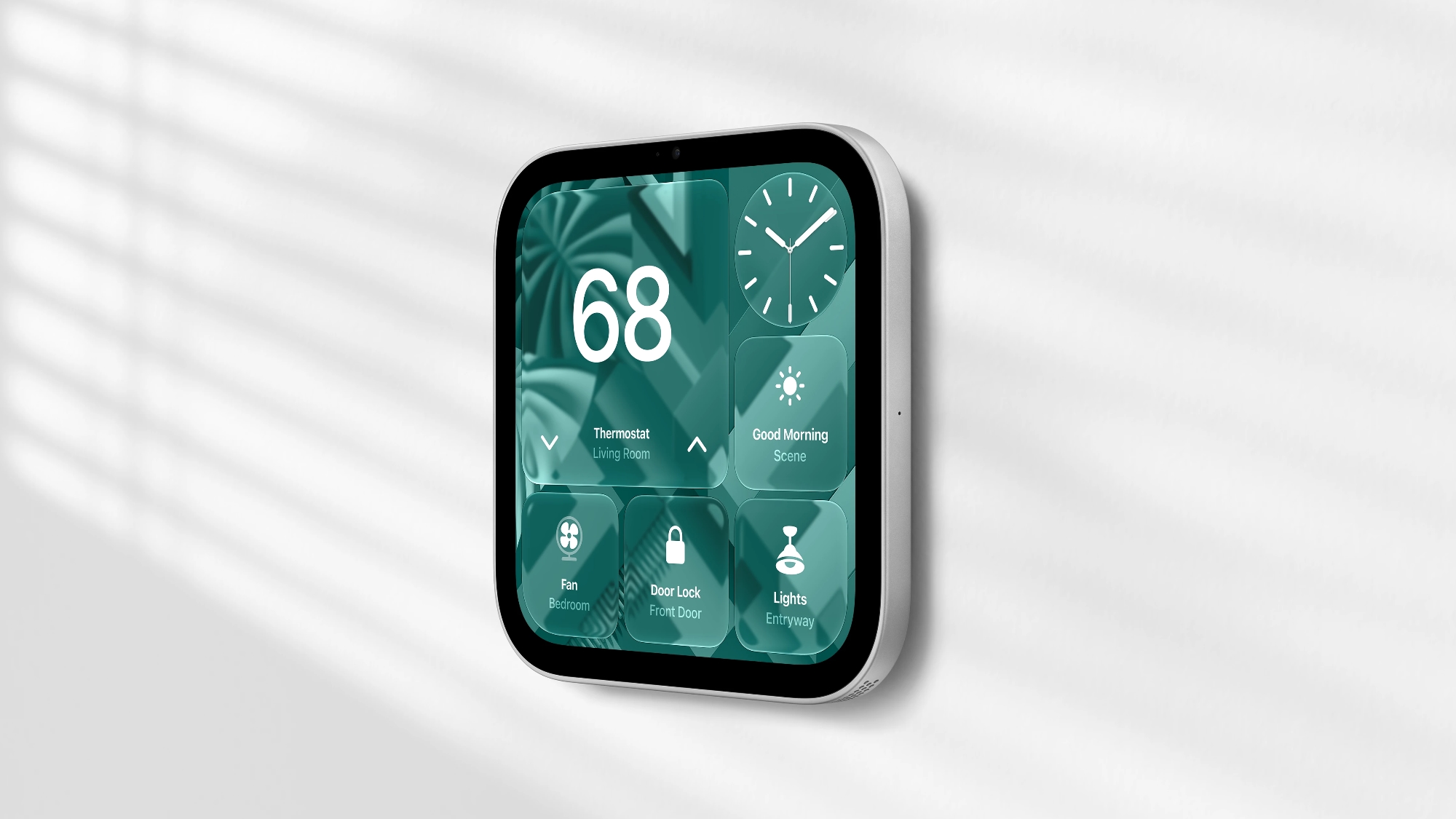
Apple's wall-mounted HomeView will ship without a power adapter, USB-C cable, or mount, requiring customers to purchase compatible accessories separately.


In a support document posted on October 14, Apple outlined different power requirements for the two versions of its new smart home hub. The tabletop HomeView requires a USB-C power adapter rated for at least 30W, supporting an output of 15V at 2A or higher. The wall-mounted model requires at least 20W, with support for 9V at 2.22A or higher.

The tabletop model includes a 30W power adapter and a 1.5-meter USB-C cable. The wall-mounted version's box contains only the device and documentation.

Customers choosing the wall-mounted HomeView will need a compatible third-party mount and power solution. Depending on the mount, the device can use a separate USB-C cable and power adapter or a hardwired connection to line power.

If the power requirements are not met, HomeView will display a "Power Adapter Not Supported" message, accompanied by a lightning bolt and yellow warning triangle. For a wall-mounted unit, Apple suggests testing the device outside its mount with a compatible USB-C cable and adapter. If it works when connected directly, customers should contact the mount manufacturer or their professional installer.

Apple introduced the HomeView earlier this week, featuring a 7-inch Liquid Retina display, an A18 chip, and Siri AI. Both models are available to pre-order for $299 in the United States, with availability beginning on November 13.
Related Roundup: Apple HomeView
Buyer's Guide: HomeView (Buy Now)

This article, "Apple's Wall-Mounted HomeView Ships Without a Power Adapter" first appeared on MacRumors.com

Discuss this article in our forums
  •  

Rare Apple-1 With Steve Jobs Letter Sells for $1.15 Million

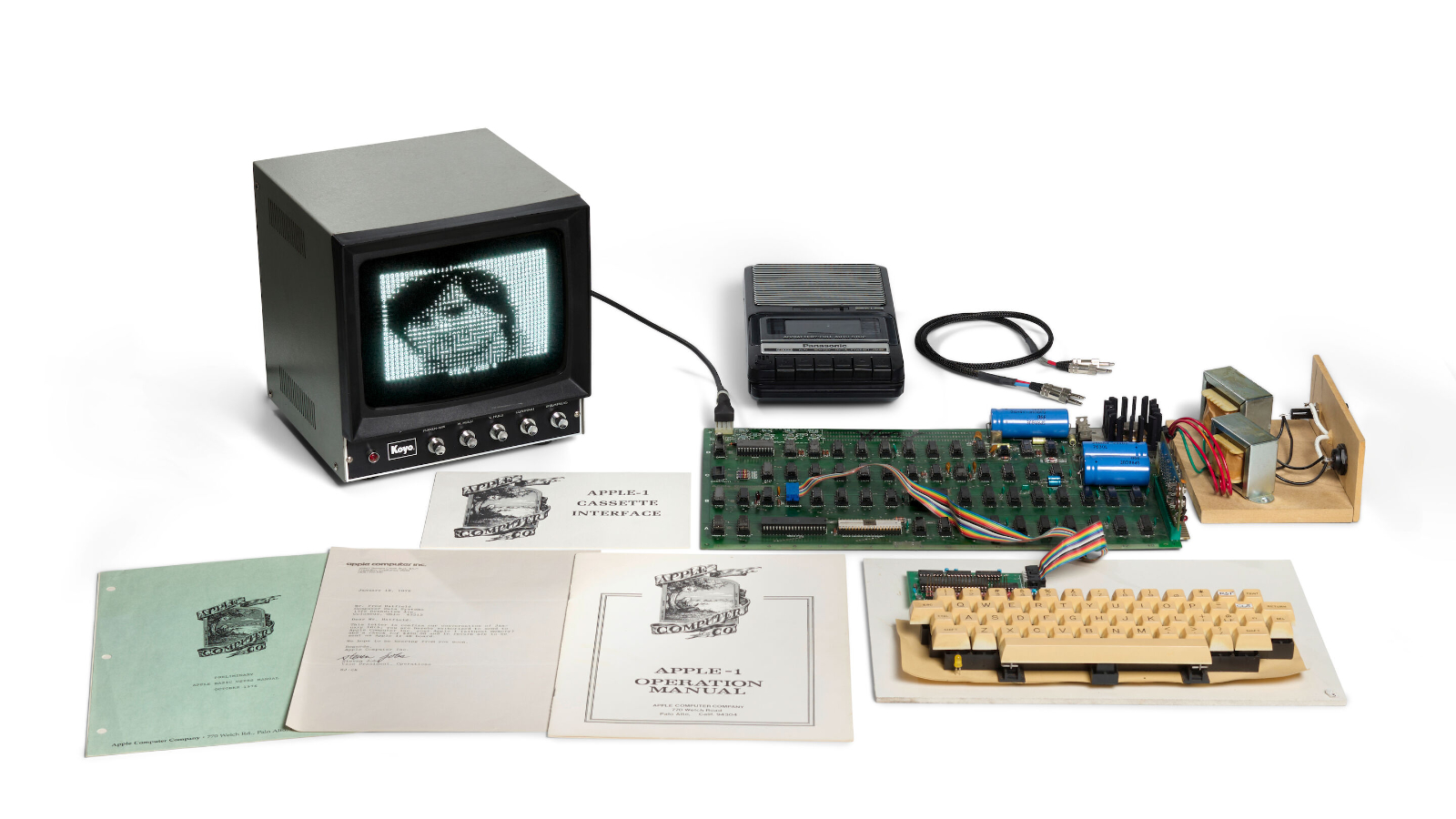
The "Hatfield" Apple-1 has sold for $1,148,200 including the buyer's premium, setting a world auction record for a commercially sold Apple-1, according to Bonhams.


Two bidders competed for 28 minutes before the October 14 auction closed, taking the working computer beyond its $500,000 to $800,000 estimate.

The machine takes its name from original owner Fred Hatfield, who complained to Apple about the lack of software for the Apple-1. A letter included in the sale contains Steve Jobs' 1978 reply, offering an Apple II motherboard in exchange for the Apple-1 and another $400. Hatfield kept his computer.

He eventually sold it privately for $40,000 while it needed repairs. The buyer restored it and obtained Steve Wozniak's signature on the motherboard before it set an auction record in 2013. Bonhams lists that earlier sale as approximately $686,000.

Apple-1 prototypes have fetched more in the past. The "Celebration" board, which sold for $815,000 in 2016, sold for $2.75 million in January 2026.
This article, "Rare Apple-1 With Steve Jobs Letter Sells for $1.15 Million" first appeared on MacRumors.com

Discuss this article in our forums
  •  

Apple Now Inviting Media to October 28 'Launch Experience'

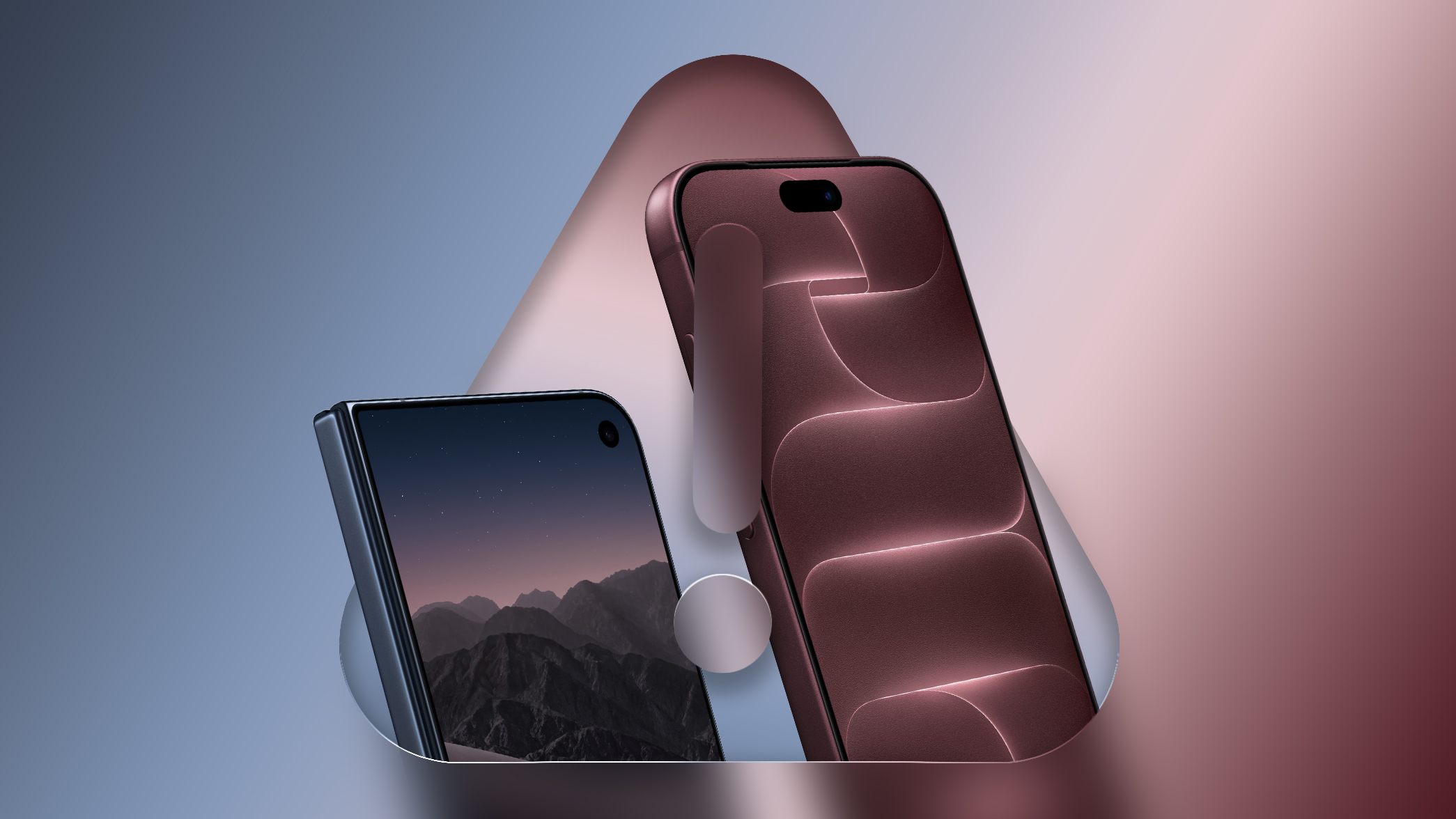
Apple has begun inviting selected members of the media to a product launch experience in Los Angeles on Wednesday, October 28, according to Bloomberg's Mark Gurman.


In a post on X, Gurman described the gathering as an "all-day product launch experience" for touchscreen MacBooks, a new iPad mini, and Macs equipped with M6 chips.

Gurman previously reported that Apple would introduce the devices "on or around" Tuesday, October 27, with an online video presentation and a hands-on experience for the media. His latest post specifies October 28 for the media gathering, but does not say whether the product announcements will take place that day or beforehand.

The touchscreen MacBooks are expected to be redesigned 14-inch and 16-inch MacBook Pro models, featuring OLED displays, a Dynamic Island, and significantly lighter designs. While earlier rumors suggested Apple could use the "MacBook Ultra" name, Gurman's report from earlier this month suggested the devices would remain in the ‌MacBook Pro‌ family.

Alongside the redesigned high-end machines, Apple is expected to introduce M6 versions of the 14-inch ‌MacBook Pro‌ and iMac. The new ‌iPad mini‌ is expected to gain an OLED display, a front-facing camera positioned for landscape video calls, and a redesigned speaker system.
Related Roundups: iMac, iPad mini, MacBook Pro
Related Forums: iMac, iPad, MacBook Pro

This article, "Apple Now Inviting Media to October 28 'Launch Experience'" first appeared on MacRumors.com

Discuss this article in our forums
  •  

iPhone Duo Compromises: Everything You Have to Give Up

Apple's $1,999 iPhone Duo asks buyers to pay more for a folding screen while accepting almost 40 compromises compared with the iPhone 18 Pro and ‌iPhone 18 Pro‌ Max, spanning camera capabilities, everyday usability, and ownership costs.


At equivalent storage capacities, the ‌iPhone Duo‌ costs $800 more than the ‌iPhone 18 Pro‌ and $700 more than the Pro Max. Its main attraction is a radically different design: a 5.4-inch outer display opens into a 7.6-inch inner display, providing more space for reading and viewing content, with the ability to use apps side by side.

All three devices share a number of key features, including the A20 Pro chip, ProMotion displays with refresh rates up to 120Hz, a 48-megapixel Ultra Wide camera, MagSafe, and USB-C with USB 3 speeds. However, choosing the foldable means giving up some familiar features and accepting differences in how the phone feels, works, and fits into a daily routine.

General Compromises


The general compromises concern the phone's controls, displays, dimensions, battery life, and cost. Some change interactions that iPhone owners perform throughout the day, while others affect particular preferences or longer-term ownership expenses. When choosing the ‌iPhone Duo‌ over an ‌iPhone 18 Pro‌ or Pro Max, users must be prepared to give up:


  • Face ID: Facial authentication is replaced by Touch ID in the side button, changing how users unlock their phone and authenticate purchases and apps.

  • The Action button: The ‌iPhone Duo‌ drops the customizable button used for functions such as Silent mode, the flashlight, Focus modes, and Shortcuts. Camera Control remains available, but there is no dedicated physical mute control.

  • MagSafe wallet compatibility: Apple lists ‌MagSafe‌ cases and wireless chargers as compatible with the ‌iPhone Duo‌, but omits the wallet compatibility it lists for the Pro models due to the device's shape.

  • Physical SIM support in some markets: The ‌iPhone Duo‌ is eSIM-only worldwide. Pro models sold in markets such as the UK and Australia retain a nano-SIM slot, giving buyers the option of using physical SIM cards.

  • A larger screen without unfolding: The ‌iPhone Duo‌'s outer display measures 5.4 inches, compared with 6.3 inches on the ‌iPhone 18 Pro‌ and 6.9 inches on the Pro Max. Accessing its larger 7.6-inch screen requires opening the device.

  • The Pro displays' pixel density on the larger screen: The ‌iPhone Duo‌'s inner display has a density of 430 pixels per inch, compared with 460 ppi on both Pro models. Its outer display retains 460 ppi.

  • A crease-free display: The ‌iPhone Duo‌'s folding screen has a crease that remains visible in certain lighting, despite Apple's efforts to minimize it. The Pro models have a conventional display without a fold through the center.

  • Simpler display maintenance: The ‌iPhone Duo‌'s outer screen has Ceramic Shield 2, while the inner screen uses a different construction with a polymer cover layer. That layer is replaceable if it wears or becomes damaged, introducing an additional service item absent from the Pro models. In the U.S., a cover-layer replacement costs $49 without AppleCare+ coverage or $19 with coverage.

  • A thinner, narrower, and lighter phone: Although shorter when closed, the ‌iPhone Duo‌ is 84.1mm wide and 11.3mm thick, compared with widths of 71.9mm and 78mm and a thickness of 8.75mm on the Pro models. At 254 grams, it is also 43 grams heavier than the Pro and five grams heavier than the Pro Max.

  • The Pro Max's longer typical-use battery life: The ‌iPhone Duo‌ is rated for up to 24 hours of typical use, matching the smaller Pro but falling short of the Pro Max's 30 hours.

  • Longer video playback when using the larger display: With its inner screen, the ‌iPhone Duo‌ is rated for up to 31 hours of video playback and 26 hours of streaming, compared with 36 and 33 hours on the Pro and 45 and 40 hours on the Pro Max. Using the outer display improves those figures to 44 and 37 hours, exceeding the smaller Pro's ratings.

  • Faster wired charging: The ‌iPhone Duo‌ reaches up to 50% charge in around 20 minutes, compared with around 15 minutes on both Pro models.

  • Higher sustained-performance: Apple quotes up to 35% better sustained performance than the iPhone 17 Pro for the ‌iPhone Duo‌, compared with up to 40% for the ‌iPhone 18 Pro‌ models.

  • More color choices: The ‌iPhone Duo‌ comes in Night Sky and Star White. The Pro models offer Black, Silver, Glacier, and Burgundy.

  • A higher proportion of recycled content: The ‌iPhone Duo‌ contains 35% recycled content, compared with 40% on the Pro models.

  • A lower purchase price: The ‌iPhone Duo‌ costs $800 more than the ‌iPhone 18 Pro‌ and $700 more than the Pro Max at equivalent storage capacities. Its $1,999 starting price buys 256GB, while a 1TB Pro Max costs $1,899.

  • Lower single-device AppleCare premiums: In the U.S., ‌AppleCare‌+ with Theft and Loss costs $19.99 per month or $199.99 annually for the ‌iPhone Duo‌, compared with $14.99 per month or $149.99 annually for either Pro model.

  • Lower covered screen-repair fees: Under U.S. ‌AppleCare‌ coverage, accidental damage to the ‌iPhone Duo‌'s inner display carries a $99 service fee, compared with $29 for screen-only damage on the Pro models. The ‌iPhone Duo‌'s outer-display damage fee remains $29.

  • Lower repair fees without AppleCare+ coverage: Apple's U.S. estimates include $999 for inner-display damage, compared with screen-repair fees of $329 for the Pro and $379 for the Pro Max. "Other damage" is estimated at $1,499, compared with $849 and $899 respectively. Back-glass repair is also more expensive, at $199 rather than $159 for either Pro model.

  • Lower battery replacement costs: Apple's U.S. out-of-warranty battery service fee is $229 for the ‌iPhone Duo‌, compared with $129 for either Pro model.


These differences vary considerably in importance. Losing Face ID or the Action button may be more disruptive to an established routine than having fewer color choices, while the wider, thicker body is something buyers will encounter every time they pick up the closed phone. Buyers moving from a Pro Max also need to consider whether the larger inner display is worth giving up its longer typical-use battery life.

The financial differences extend beyond the initial purchase. Higher ‌AppleCare‌ premiums, repair fees, and battery replacement costs can increase the expense of owning the ‌iPhone Duo‌ over several years, so buyers should consider how they intend to maintain and protect the device alongside its purchase price.

Camera and Capture Compromises


The camera compromises range from fewer zoom options and simpler front cameras to the loss of professional capture formats. Some affect everyday photography, while others matter primarily to users with specific editing and production workflows. When buying the ‌iPhone Duo‌ over an ‌iPhone 18 Pro‌ or Pro Max, customers must be prepared to forgo:


  • A dedicated Telephoto camera: The ‌iPhone Duo‌ lacks the Pro models' 48-megapixel 4x Telephoto camera, including its tetraprism design and 3D sensor-shift stabilization, and the 12-megapixel optical-quality 8x crop it enables. Its longest optical-quality zoom setting is a 2x crop from the Main camera. Digital photo zoom tops out at 10x rather than 40x, while video zoom reaches 6x rather than 24x.

  • A variable aperture: The ‌iPhone Duo‌'s Main camera has a fixed f/1.6 aperture. The Pro models offer f/1.48, f/1.8, f/2.8, and f/4.0 settings, giving users more control over light capture and depth of field.

  • The Pro Main camera's stabilization and focusing hardware: The ‌iPhone Duo‌ uses sensor-shift optical image stabilization and Hybrid Focus Pixels, compared with second-generation sensor-shift stabilization and 100% Focus Pixels on the Pro models.

  • Wider Main-camera framing: The ‌iPhone Duo‌'s Main camera has a 26mm equivalent focal length rather than 24mm, producing a slightly tighter view. Its 2x crop is also tighter, at 52mm rather than 48mm.

  • A LiDAR Scanner: The ‌iPhone Duo‌ omits the depth-sensing hardware available on both Pro models for photography, augmented reality, and scanning experiences.

  • Adaptive True Tone flash: The ‌iPhone Duo‌ has a standard True Tone flash instead of the Pro models' adaptive version.

  • Pro Controls: The ‌iPhone Duo‌ does not have the Pro models' full suite of aperture, shutter speed, white balance, and histogram controls.

  • ProRAW photography: The ‌iPhone Duo‌ does not offer Apple's ProRAW capture, including on its front camera.

  • Apple Reference Image capture: The ‌iPhone Duo‌ cannot capture the signed reference images used to help establish whether a photo has been altered.

  • Spatial photos and videos: The ‌iPhone Duo‌ cannot capture spatial photos or spatial video. Both Pro models support spatial video recording at 1080p at 30 fps.

  • ProRes and ProRes RAW recording: These professional video formats are unavailable in the ‌iPhone Duo‌'s native camera feature set, including for front-facing capture. The Pro models support ProRes recording up to 4K at 120 fps from the rear camera and 4K at 60 fps from the front camera with external recording.

  • Apple Log 2 and ACES: The ‌iPhone Duo‌ omits Apple Log 2 and Academy Color Encoding System support for rear and front-camera recording, limiting the professional color workflows otherwise available on the Pro models.

  • Genlock: The ‌iPhone Duo‌ lacks the Pro models' support for synchronizing video capture with other cameras using supported accessories.

  • Studio-quality four-mic array: Apple specifies four studio-quality microphones for the Pro models, but does not list the same specification for the ‌iPhone Duo‌. The foldable still supports Spatial Audio recording, wind noise reduction, and Audio Mix.

  • A higher-resolution outer front camera: The ‌iPhone Duo‌'s outer Center Stage camera is 12 megapixels with a smaller f/2.2 aperture, compared with 18 megapixels and f/1.9 on the Pro models.

  • A fully featured front camera when unfolded: The inner under-display camera is limited to 1080p video at 30 or 60 fps and lacks Night mode, portrait photography, and Photographic Styles. The Pro models' front camera supports 4K Dolby Vision recording and these photography features.


The missing Telephoto camera is a practical limitation even for buyers who never use professional formats, since it reduces the options for photographing subjects they cannot get close to. The variable aperture adds another form of control over how a scene is captured. For users who already rely on ProRAW, ProRes, or Log recording, the ‌iPhone Duo‌ also changes what they can capture and how they can edit it afterward.

Are the Compromises Worth It?


The ‌iPhone Duo‌ can justify these compromises if its inner display meaningfully improves things you already do on your phone. Reading long articles, reviewing documents, comparing information in two apps, editing photos, or watching video could all become much more comfortable with a larger screen. If those are activities you would regularly unfold the device for, its defining feature could be more valuable to you than several of the capabilities it lacks.

It is therefore important for prospective customers to assess what they plan to use the ‌iPhone Duo‌'s internal display for and how often they would do so. A handful of activities you repeat throughout the day makes a stronger case for the foldable than an occasional task you would usually handle on an iPad or Mac.

Hands-on demo time should also be helpful, and include time using the phone closed. Check whether you are comfortable with its width, thickness, weight, outer display, and ‌Touch ID‌ button, then unfold it and try the activities you expect to benefit from the larger screen. The device needs to suit both the quick interactions that make up much of phone use and the longer sessions that take advantage of its inner display.

The large number of compromises alone should not determine your decision. If you never record ProRes video, losing it may have no consequence, while giving up a telephoto camera you use every day could be decisive.

There is also value in being enthusiastic about Apple's radically new take on the iPhone. Wanting to explore a folding design and new ways of using familiar apps is a reasonable part of the buying decision, even without a specific productivity benefit.

The ‌iPhone Duo‌ makes the most sense for buyers who expect to use its inner display frequently, enjoy adapting to the new form factor, and are comfortable with the features and money they give up to get it. For buyers who expect to spend most of their time on the outer display, or who place greater importance on camera versatility, the ‌iPhone 18 Pro‌ models may be a stronger fit at a lower price.

‌iPhone Duo‌ pre-orders open on Friday, October 16, with availability starting on October 23.
Related Roundup: iPhone Duo
Related Forum: iPhone

This article, "iPhone Duo Compromises: Everything You Have to Give Up" first appeared on MacRumors.com

Discuss this article in our forums
  •  

AppleCare+ Launched 15 Years Ago Today

AppleCare+ became available for the first time 15 years ago today, on October 14, 2011, alongside the iPhone 4S, following its announcement ten days earlier. The previous $69 AppleCare Protection Plan in the United States extended hardware repair coverage and technical support to two years, but excluded accidental damage.

‌AppleCare‌+ cost $99, retaining that two-year term while adding coverage for two accidental damage incidents, each with a $49 service fee. It covered damage from drops and liquid contact, but excluded theft and loss.
This article, "AppleCare+ Launched 15 Years Ago Today" first appeared on MacRumors.com

Discuss this article in our forums
  •  

Apple Reportedly Planning Large iPhone 18 Production Run

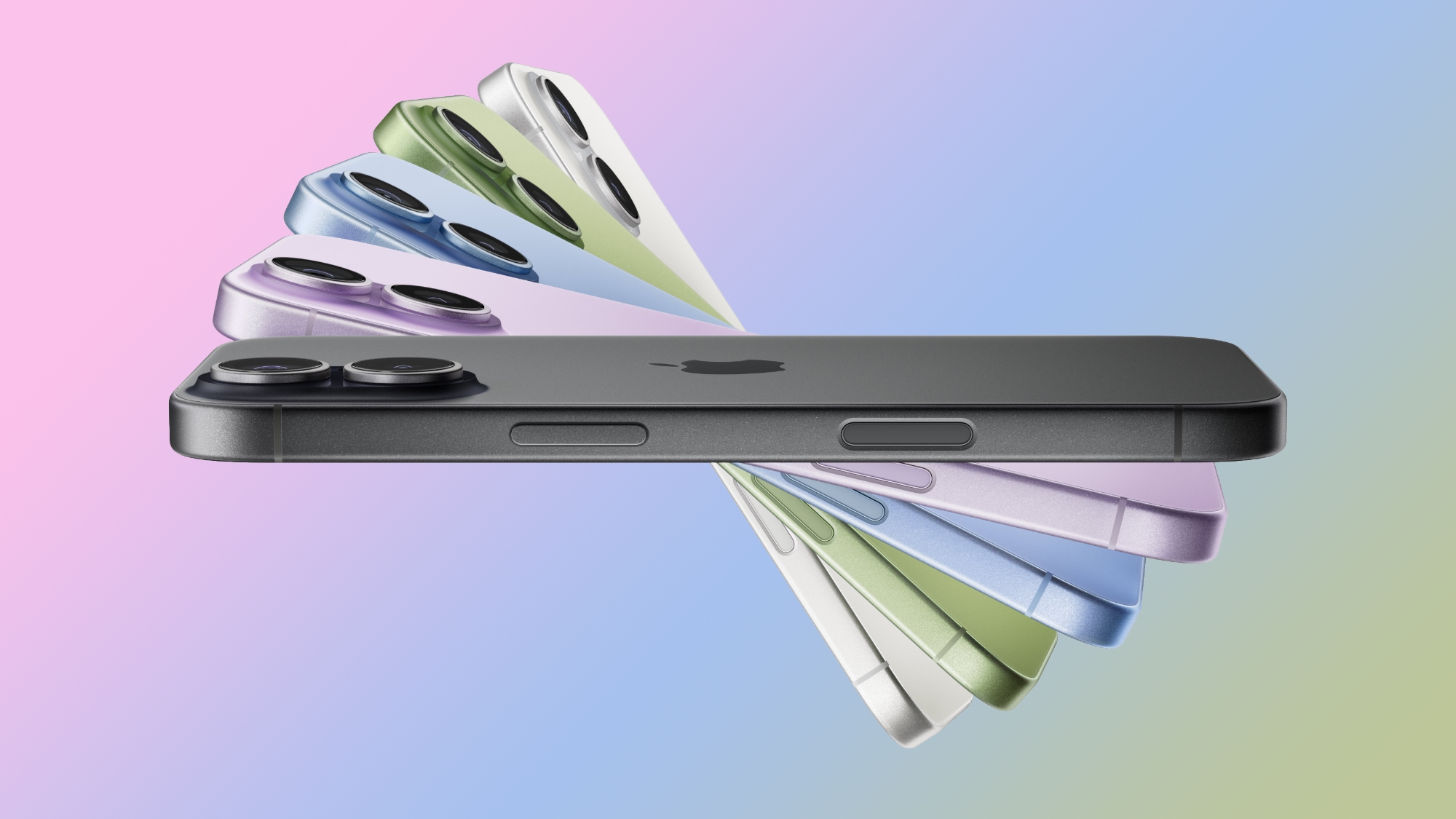
Apple is reportedly preparing a substantial production run for the standard iPhone 18, following the iPhone 17's success as the world's best-selling smartphone.


In a new Weibo post, the leaker known as "Fixed Focus Digital" claimed that production of the standard ‌iPhone 18‌ is scheduled to start in late November, describing the volume of inventory being prepared as "quite large."

Its predecessor has likely given Apple considerable reason for confidence. Following the ‌iPhone 17‌'s initial pre-order weekend, Apple reportedly instructed two suppliers to increase daily output by at least 30%, according to The Information. Counterpoint Research later reported that the standard ‌iPhone 17‌ led global smartphone sales in both the first and second quarters of 2026. It accounted for 6% of worldwide smartphone unit sales in each quarter, outselling even the ‌iPhone 17‌ Pro Max and ‌iPhone 17‌ Pro.

The ‌iPhone 18‌ is expected to retain a broadly similar design, with potential upgrades including a smaller Dynamic Island, the A20 chip, and Apple's C2 modem. It is expected to be unveiled alongside the iPhone 18e and iPhone Air 2 in spring 2027. A late-November production start would give Apple several months to build inventory ahead of launch.
Related Roundup: iPhone 18
Related Forum: iPhone

This article, "Apple Reportedly Planning Large iPhone 18 Production Run" first appeared on MacRumors.com

Discuss this article in our forums
  •  

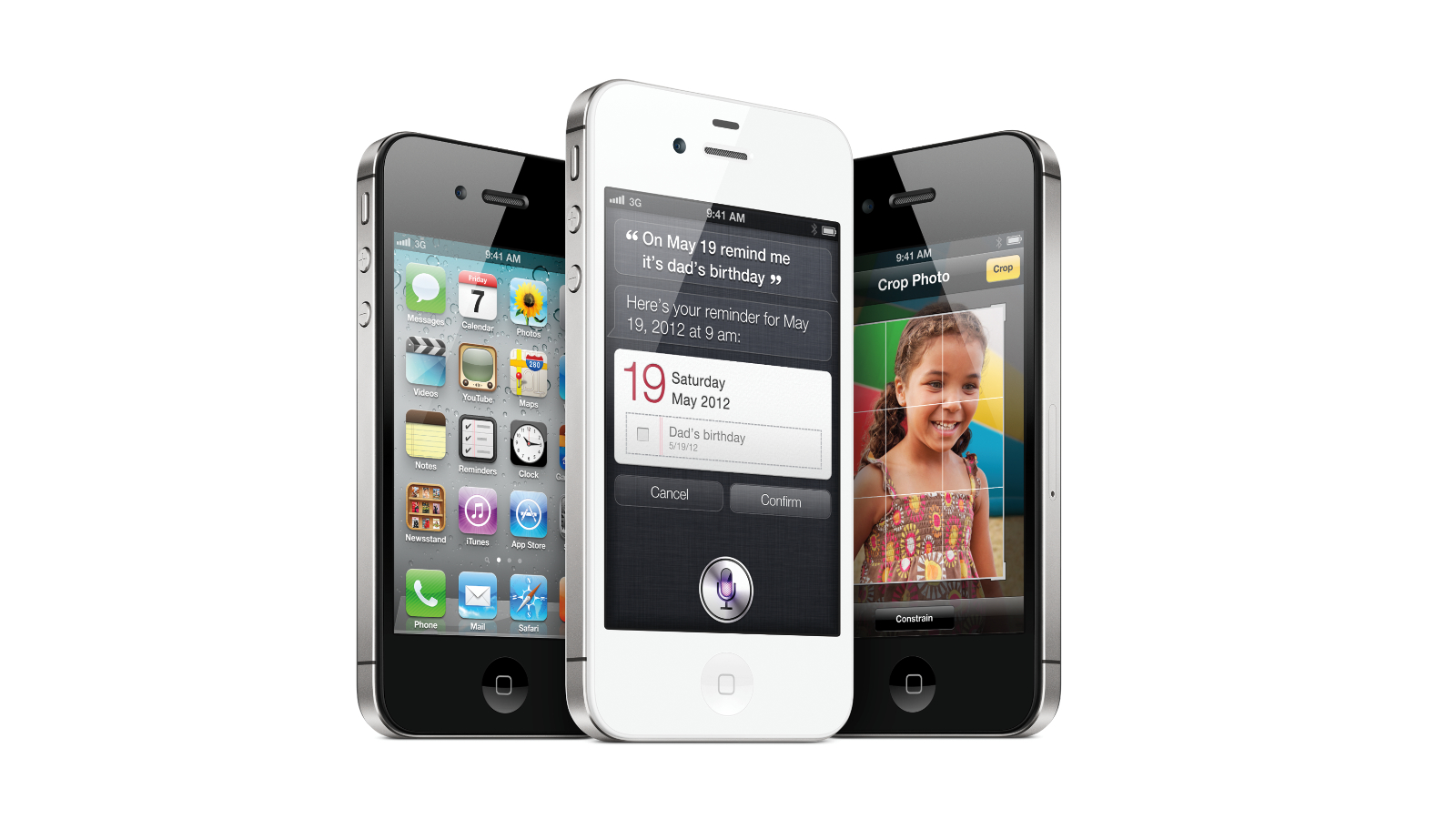
Apple Launched iPhone 4S With Siri 15 Years Ago Today

Today marks the 15th anniversary of the iPhone 4S launch, introducing Siri as a built-in feature of the iPhone for the first time.


The iPhone 4S went on sale on October 14, 2011, ten days after its announcement. It initially launched in the United States, Australia, Canada, France, Germany, Japan, and the United Kingdom, retaining the iPhone 4's glass and stainless steel design while introducing substantial internal improvements.

The device's defining addition was Siri, which allowed users to make calls, send messages, create reminders, schedule appointments, and ask questions using natural language. Apple highlighted the assistant's ability to interpret requests in context, such as understanding that a question about needing an umbrella was a request for the weather forecast.

‌Siri‌ initially launched in beta, supporting English localized for the United States, United Kingdom, and Australia, alongside French and German. The assistant was exclusive to the iPhone 4S, so owners of older iPhones could not access it simply by installing iOS 5.

‌Siri‌ had already existed as a standalone iPhone app, which launched in February 2010. Apple acquired the company in April that year before integrating its technology into iOS directly. Following the iPhone 4S announcement, Apple removed the original app from the App Store and notified existing users that its service would stop working on October 15.

Beyond ‌Siri‌, the iPhone 4S introduced Apple's dual-core A5 chip, which it said delivered up to twice the CPU performance and seven times the graphics performance of the iPhone 4. Its rear camera increased from five to eight megapixels, with an f/2.4 aperture and support for 1080p video recording. A revised antenna system could switch between antennas for transmitting and receiving, while maximum supported HSDPA download speeds doubled to 14.4 Mbps.

The iPhone 4S shipped with iOS 5, which had become available two days earlier alongside iCloud. The software update introduced iMessage, Notification Center, and Reminders, as well as wireless software updates and on-device setup.

Available in black and white, the iPhone 4S came in 16GB, 32GB, and a new 64GB configuration. U.S. prices started at $199, $299, and $399, respectively, with a qualifying two-year carrier contract. Apple subsequently announced that it had sold more than four million units during its first three days of availability, more than double the iPhone 4's opening sales over the same period.
Tag: Siri
Related Forum: iPhone

This article, "Apple Launched iPhone 4S With Siri 15 Years Ago Today" first appeared on MacRumors.com

Discuss this article in our forums
  •  

Apple HomeView Includes Temperature and Humidity Sensors

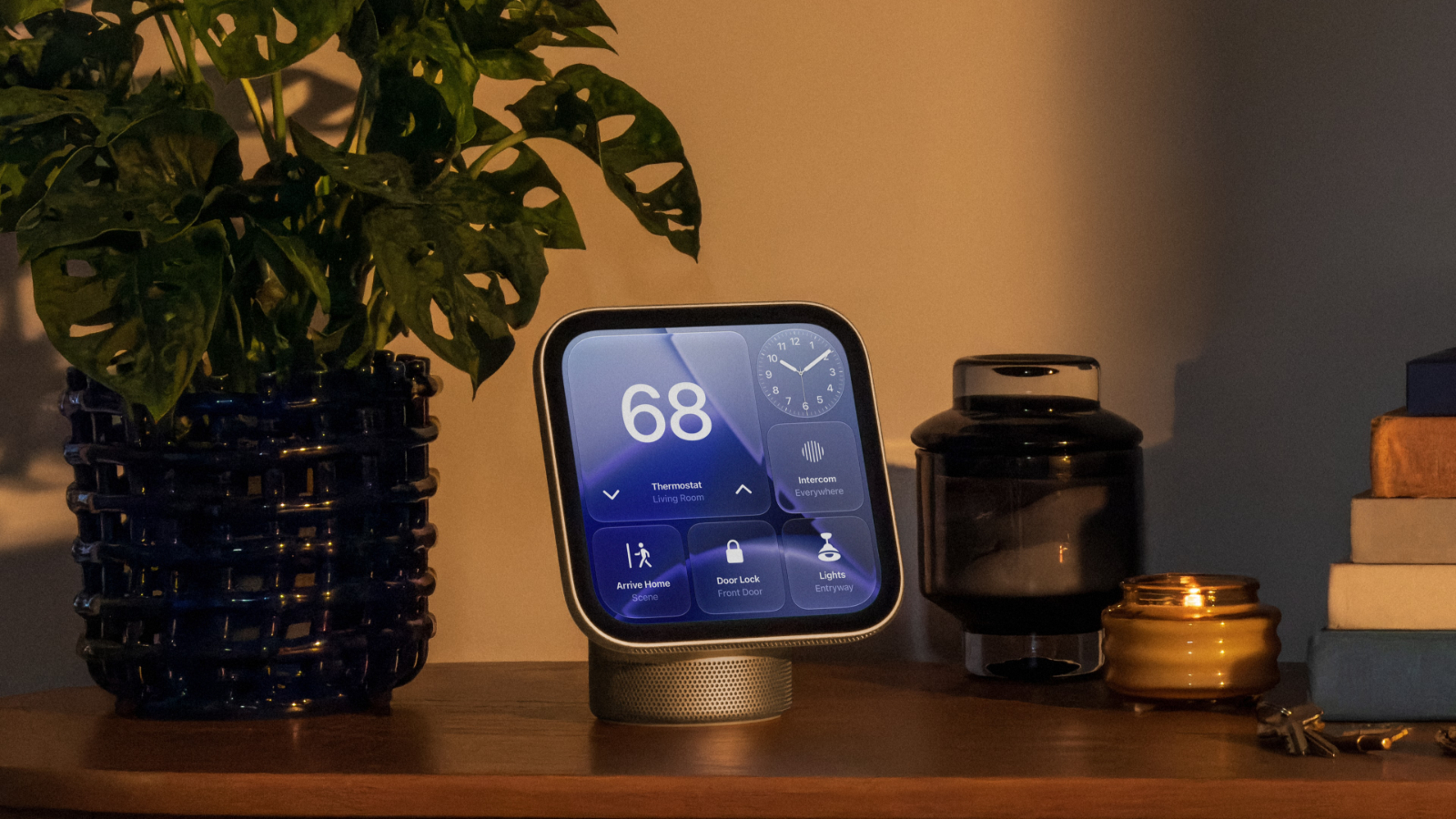
Apple's new HomeView includes temperature and humidity sensing, allowing the smart home hub to monitor indoor conditions and supply readings to the new thermostats developed with LG Electronics and Schneider Electric.


Apple's technical specifications confirm that both the tabletop and wall-mounted HomeView have a temperature and humidity sensor. The hardware is listed alongside the ambient light sensor and accelerometer.

There are several limitations for the HomeView's readings. Temperature and humidity sensing is optimized for indoor domestic environments with ambient temperatures around 59°F to 86°F, and relative humidity around 30% to 70%.

Accuracy may decrease when HomeView plays audio at high volume for an extended period. The sensors also require time to calibrate immediately after startup before results appear.

According to Apple, the LG and Schneider Electric thermostats in the "Apple Home Collection" can obtain temperature and humidity readings from multiple rooms using sensors built into HomeView, HomePod, and ‌HomePod‌ mini, as well as dedicated sensors from either manufacturer. The thermostats also support Adaptive Temperature in the Home app, which uses on-device intelligence from iPhone to adjust settings based on whether someone is home, winding down for the night, or away.

LG's Temperature Sensor and the Schneider Home Room Sensor will each start at $39.95 in the United States, while the companies' thermostats will each start at $199.95. Both HomeView models cost $299 in the United States and launch on November 13.
Related Roundup: Apple HomeView
Buyer's Guide: HomeView (Buy Now)

This article, "Apple HomeView Includes Temperature and Humidity Sensors" first appeared on MacRumors.com

Discuss this article in our forums

  •  

HomePod Mini vs. HomePod Mini 2 Buyer's Guide: All Differences Compared

Apple yesterday announced the HomePod mini 2, introducing the compact smart speaker's first major hardware update in six years.


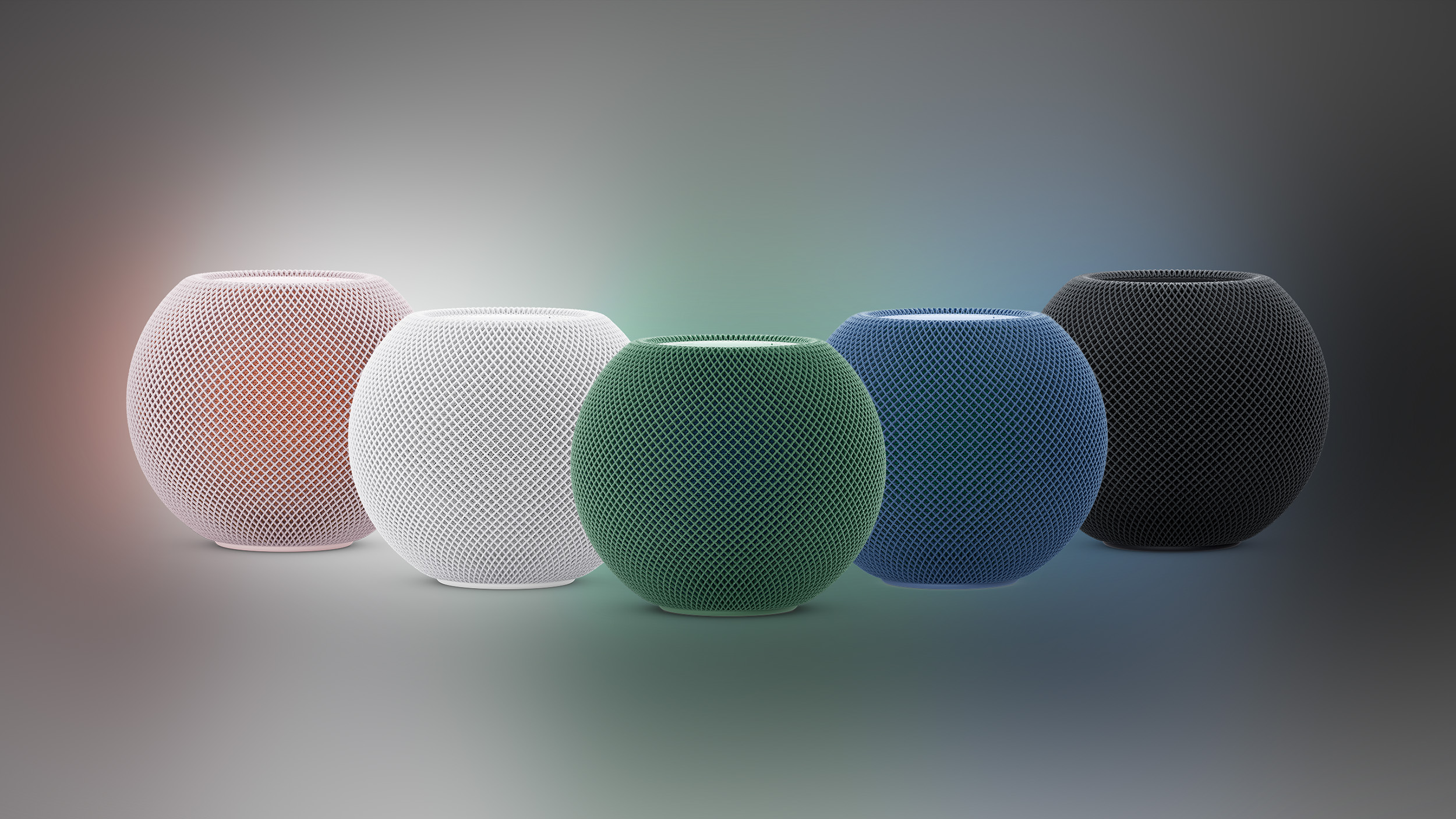
The new model retains the original's spherical design, but adds an S10 chip, faster wireless connectivity, Sound Glow lighting, new Mac and home theater capabilities, and support for Siri AI in a future software update.

The HomePod mini 2 costs $149 in the United States, $20 more than its predecessor's last Apple price of $129. While the original launched for $99 in 2020, Apple raised its price in June 2026. With many core features carried over, is the new model worth upgrading to, and should you consider a discounted original instead?

Both generations feature a full-range driver, two passive radiators, and an acoustic waveguide for 360-degree sound. They also share temperature and humidity sensors, Thread networking, Ultra Wideband proximity features, AirPlay multiroom audio, stereo pairing, Intercom, smart home control, and Sound Recognition. Their dimensions remain identical at 3.3 inches tall and 3.9 inches wide, and both include a 20W power adapter.

Here are the differences between the original HomePod mini and ‌HomePod mini 2‌:


‌HomePod‌ mini (2020) ‌HomePod mini 2‌ (2026)
Backlit touch surface with status and ‌Siri‌ lighting Backlit touch surface with Sound Glow animations that respond to music, album artwork, and soundscapes
S5 chip (from 2019's Apple Watch Series 5, made with TSMC's N7 7nm process, based on Apple's A12 Bionic chip from iPhone XS) S10 chip (from 2024's Apple Watch Series 10, made with TSMC's N4 4nm process, based on Apple's A16 Bionic chip from iPhone 14 Pro)
Computational audio Enhanced computational audio
Four-microphone design Three-microphone design
‌Siri‌ ‌Siri‌ AI support
Wi-Fi 4 (802.11n) Wi-Fi 6E (802.11ax)
Bluetooth 5.0 Bluetooth 6
Mac audio playback via ‌AirPlay‌ Can serve as the default speaker for Macs with Wi-Fi 6E or later, individually or in a stereo pair
Four-speaker surround sound with Apple TV 4K (4th generation), including automatic calibration of audio timing and levels
Weighs 0.76 pound (345 grams) Weighs 0.74 pound (335 grams)
White, midnight, blue, yellow, and orange; previously available in space gray White, midnight, blue, pink, and green
89% fiber-based packaging 100% fiber-based packaging
Introduced in October 2020 Introduced in October 2026
Discontinued (initially priced at $99, later raised to $129) $149


Is It Worth Upgrading From HomePod Mini to HomePod Mini 2?


For most existing ‌HomePod‌ mini owners, there is no general-purpose reason to replace a working original ‌HomePod‌ mini immediately. The original retains the main features needed for voice commands, music playback, timers, Intercom, and smart home automations. Sound Glow and the new finishes may appeal to enthusiasts, but they are very small reasons to replace speakers throughout a home.

For buyers primarily interested in sound quality, Apple's specifications provide limited grounds for judging the size of the improvement. The basic driver arrangement remains the same, and the original already used computational audio to tune playback in real time. Apple has not quantified the acoustic gains from the S10 chip.

The clearest upgrade case is using the ‌HomePod mini 2‌ as a default Mac speaker. If your Mac supports Wi-Fi 6E or later and you want ‌HomePod‌ speakers for games, calls, and everyday computer audio, the new model offers a capability the original's ‌AirPlay‌ connection does not provide.

The four-speaker surround sound system is another notable reason to choose the newer generation. It requires the fourth-generation ‌Apple TV‌ 4K and matching front and rear speaker pairs running the latest software. You can use four ‌HomePod mini 2‌ speakers, or combine a pair with a pair of full-sized second-generation HomePods. Original ‌HomePod‌ minis are excluded, and the required ‌Apple TV‌ 4K launches on November 13.

‌Siri‌ AI is perhaps the most consequential improvement, offering more natural conversations, broader general knowledge, improved music discovery, and the ability to act on personal context across supported apps. However, it will not be available at launch, and Apple has not yet announced a release date for the feature.

Apple's requirements specify that the owner of the home in the Home app must have an Apple Intelligence-enabled iPhone or iPad with ‌Siri‌ AI enabled. Personal context requests require the individual user's compatible paired device, although other household members can use conversational and general knowledge features once ‌Siri‌ AI is enabled. Initial availability is planned in English in the United States, Australia, Canada, India, New Zealand, Singapore, South Africa, and the United Kingdom.

Should You Buy HomePod Mini or HomePod Mini 2?


The ‌HomePod mini 2‌ should be the default choice for most new buyers when the price difference is small. If remaining original stock costs $129, paying another $20 provides the new Mac and surround sound capabilities, faster connectivity, Sound Glow, and eligibility for the forthcoming ‌Siri‌ AI update.

A substantially discounted original ‌HomePod‌ mini remains worth considering for straightforward music playback or adding smart home control to another room. Its value is strongest when you will use the shared features and have little interest in the new features.

Buying another original also makes sense if you already own one and want to create a stereo pair. Apple requires matching models for stereo pairing, so an original ‌HomePod‌ mini and a ‌HomePod mini 2‌ cannot form a stereo pair.

‌HomePod mini 2‌ pre-orders are now open, with availability beginning October 30.
Related Roundup: HomePod mini 2
Buyer's Guide: HomePod Mini (Buy Now)

This article, "HomePod Mini vs. HomePod Mini 2 Buyer's Guide: All Differences Compared" first appeared on MacRumors.com

Discuss this article in our forums
  •  

Apple Watch Sleep Apnea Notifications Launch in China

Apple today launched sleep apnea notifications in mainland China, following approval from the country's National Medical Products Administration. The feature is supported on the Apple Watch Series 9, Ultra 2, SE 3, and newer.

The Apple Watch uses its accelerometer to monitor breathing disturbances during sleep, analyzing the data every 30 days for signs of moderate to severe sleep apnea. Users who receive a notification can export a PDF report to discuss potential diagnosis and treatment with their doctor.
Tag: China
Related Forum: Apple Watch

This article, "Apple Watch Sleep Apnea Notifications Launch in China" first appeared on MacRumors.com

Discuss this article in our forums
  •  

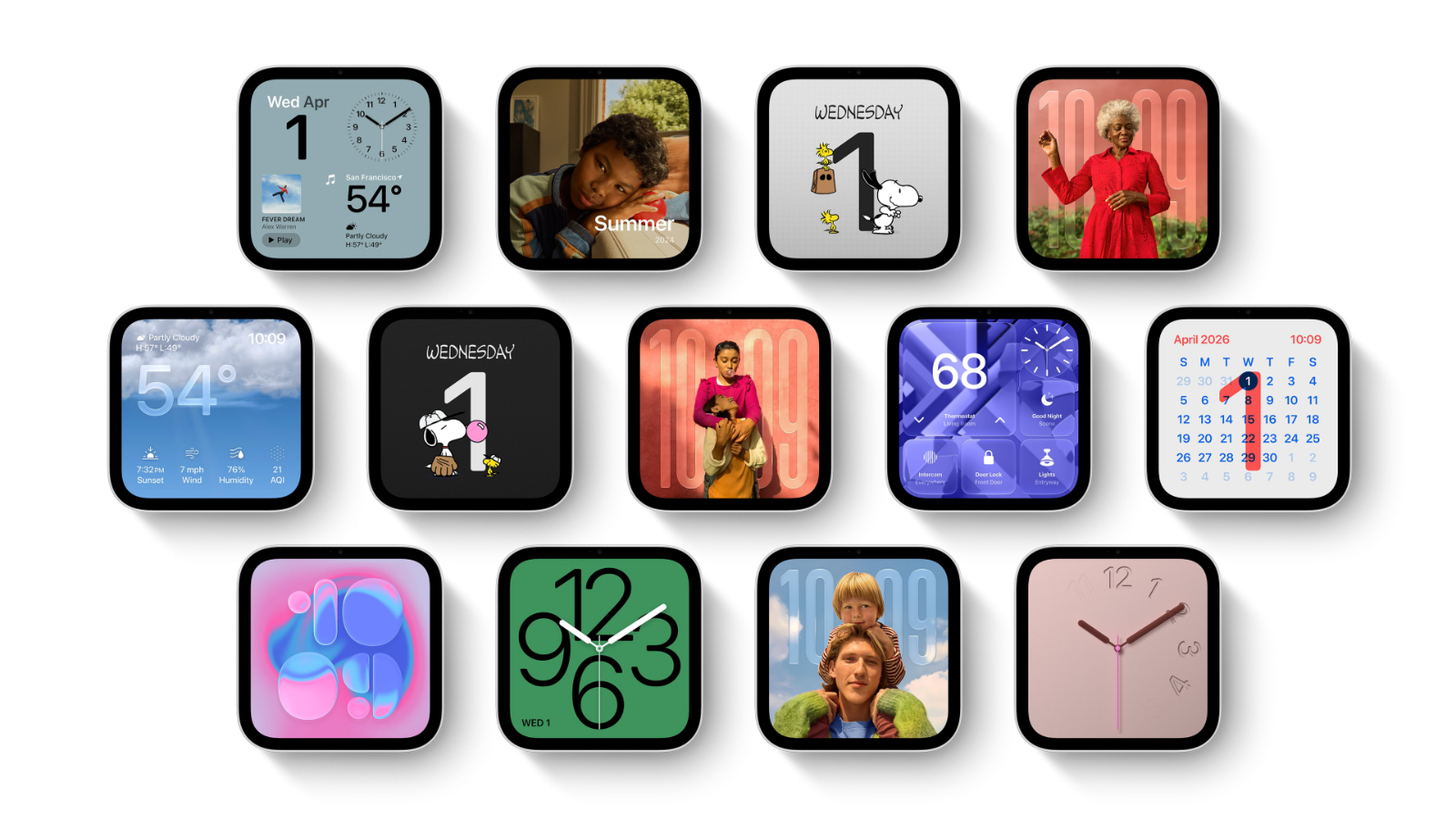
HomeView's Faces Include Snoopy, Photos, and Interactive Artwork

Apple's HomeView includes customizable faces for photos, animations, and smart home controls.


Faces Apple has named so far include:


  • Photos

  • Flow

  • Snoopy

  • Calendar

  • Weather

  • Home Modular

  • Home Camera


Other clock and widget layouts appear in Apple's promotional images, but have not yet been named. Apple says that selected faces change throughout the day, with different appearances for mornings and evenings.

The ‌Photos‌ face turns the HomeView into a digital picture frame, displaying a single image or rotating through a collection. It uses Portrait-style depth effects to keep the subject sharp while blurring the foreground and background. Shared albums also allow friends and family to contribute pictures remotely.

For an animated display, the Flow face responds to physical presence and movement, changing its colors and light as people move nearby. The Snoopy face features animations that reflect the time of day, weather, sporting events, and holidays.

Other faces provide direct access to smart home information. Home Modular offers quick access to favorite accessories, while Home Camera can livestream up to nine camera feeds simultaneously.

The HomeView's interface adjusts to the user's distance, presenting simpler information that can be read from across the room and more detail as they move closer. Its 7-inch Liquid Retina display also automatically adjusts brightness, ranging from 500 nits down to 0.3 nits for use at night.

Both the tabletop and wall-mounted HomeView models launch on November 13 and cost $299 in the U.S.
Related Roundup: Apple HomeView
Tag: Photos
Buyer's Guide: HomeView (Buy Now)

This article, "HomeView's Faces Include Snoopy, Photos, and Interactive Artwork" first appeared on MacRumors.com

Discuss this article in our forums
  •  

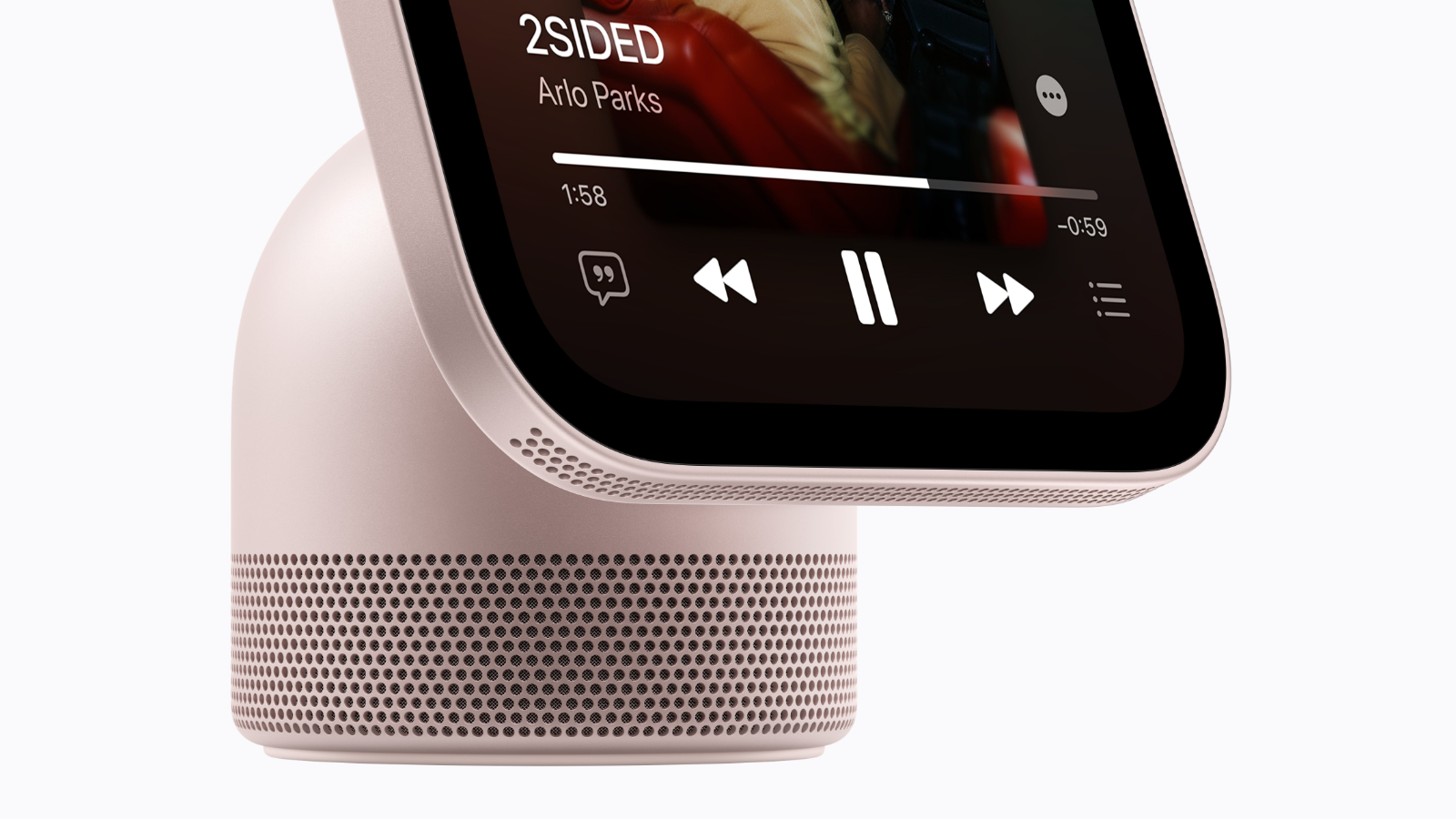
HomeView Can Dim to Apple's Lowest-Ever Display Brightness

The HomeView can dim its display to just 0.3 nits for use on a nightstand or in dark environments, making it Apple's lowest-ever display brightness.


The 7-inch Liquid Retina display automatically adjusts its brightness as lighting conditions change, reaching up to 500 nits in bright rooms. Its 0.3-nit minimum allows it to dim substantially at night. True Tone also helps the screen adapt to changing ambient light.

Previously, Apple's dimmest display technology went down to just 1 nit. This feature debuted on the Apple Watch Series 9 and Ultra 2, and subsequently came to the iPhone.

The tabletop HomeView model features a stainless steel hinge that lets users tilt the display as required. Its interface responds to distance, showing simpler information from across the room and more detail as users move closer.

The HomeView also offers customizable faces, including weather information, photos, and animated designs. Apple says selected faces change throughout the day, adapting their appearance for mornings and evenings.

Apple's HomeView models launch on November 13 and cost $299 in the United States.
Related Roundup: Apple HomeView
Buyer's Guide: HomeView (Buy Now)

This article, "HomeView Can Dim to Apple's Lowest-Ever Display Brightness" first appeared on MacRumors.com

Discuss this article in our forums
  •  

New Apple TV 4K Adds Far-Field Microphones for Hands-Free Siri

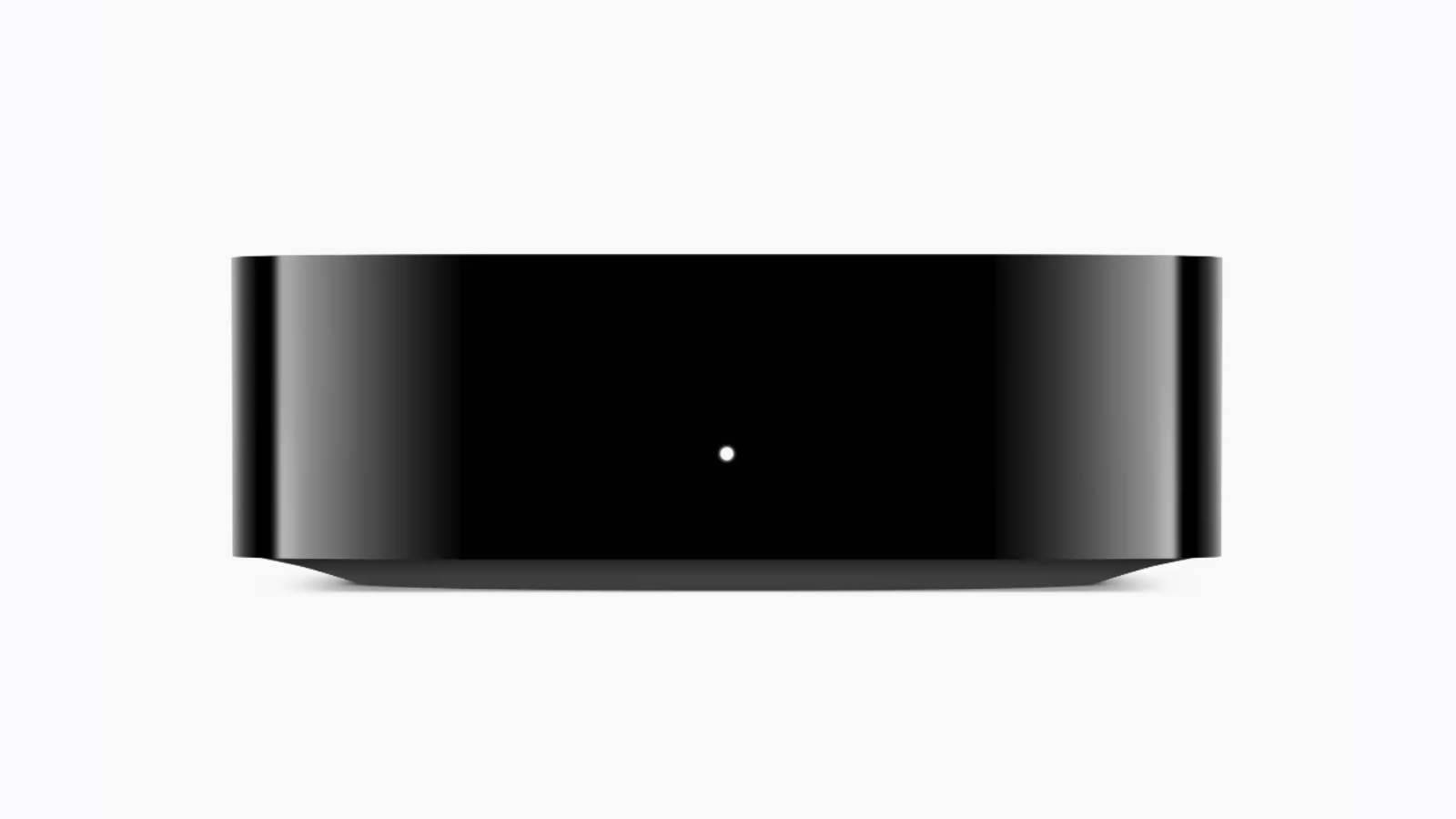
Apple's new fourth-generation Apple TV 4K includes three built-in far-field microphones, allowing users to find something to watch and control playback without picking up the Siri Remote.


Users can activate the voice assistant by saying "Hey ‌Siri‌" or "‌Siri‌," including while a movie or TV show is playing. Apple says advanced echo cancellation separates the user's voice from background sound, helping the device recognize requests over the TV's audio.

The microphones also enable hands-free control of compatible smart home accessories and scenes. With ‌Siri‌ AI, users can search for entertainment conversationally and ask follow-up questions about what they are watching, with answers appearing in a compact overlay over the video.

Apple says the new Apple TV 4K and its A19 chip include Secure Exclaves, which are protected processing environments that handle microphone data separately from the rest of the system. According to Apple, data processed and analyzed inside these environments cannot be accessed by tvOS, apps, users, or Apple itself.

Far-field ‌Siri‌ support varies by region and language. The feature is supported when the primary tvOS language is set to English, Mandarin Chinese, Dutch, Finnish, French, German, Hebrew, Norwegian, or Swedish.

The new ‌Apple TV‌ 4K is available to preorder today for $299 in the United States, with availability beginning November 13.
Related Roundup: Apple TV
Tag: Siri
Buyer's Guide: Apple TV (Buy Now)

This article, "New Apple TV 4K Adds Far-Field Microphones for Hands-Free Siri" first appeared on MacRumors.com

Discuss this article in our forums
  •  

Apple Details HomeView's Audio Hardware

Apple's new HomeView supports Spatial Audio, with different speaker systems for its tabletop and wall-mounted models.


The tabletop model features two custom full-range drivers in its display, with a down-firing woofer and two force-canceling passive radiators housed in the domed base. Apple says this arrangement delivers clear sound with extended bass, distributing the audio hardware between the screen and its stand.

The HomeView's A18 chip and built-in sensors power computational audio that continuously adjust loudness and bass response. According to Apple, this processing helps maintain consistent, balanced sound at different volume levels.

The wall-mounted HomeView uses two custom drivers and computational audio tuned specifically for placement on a wall, but lacks the added speaker hardware in the tabletop models' base. It still supports Spatial Audio.


For music playback, HomeView supports multiroom audio alongside other HomeView devices, HomePod, HomePod mini, and AirPlay-compatible speakers. Handoff lets users transfer music from an iPhone by placing it in front of the HomeView's display. Apple Music displays animated album artwork and lyrics, while Apple Podcasts and compatible third-party audio apps can provide additional content.

The HomeView also features four beamforming microphones for Siri requests and FaceTime calls. Apple says the microphone array can pick up voices from across the room while reducing background noise.

Both HomeView models launch on November 13 and cost $299 in the U.S.
Related Roundup: Apple HomeView
Buyer's Guide: HomeView (Buy Now)

This article, "Apple Details HomeView's Audio Hardware" first appeared on MacRumors.com

Discuss this article in our forums

  •  

Apple Shares Videos for HomeView, Apple TV 4K, and HomePod Mini 2

Apple today shared four new videos on its YouTube channel highlighting the newly announced HomeView smart home hub, fourth-generation Apple TV 4K, and HomePod mini 2.


The longest video, "Welcome Apple HomeView: Designed for life at home," follows a family through a busy morning. It shows Siri helping retrieve a French toast recipe sent in Messages, locate misplaced keys, and check evening plans, alongside a FaceTime call with grandparents.


A second, shorter HomeView video provides an overview of the device's features, including personalized experiences for up to six users, ‌FaceTime‌ calls, Spatial Audio, and smart home controls. It also highlights the 7-inch Liquid Retina display and its customizable collection of display faces.


The HomePod mini 2 video focuses on the speaker's sound and compact design, showing its green, pink, blue, midnight, and white finishes. It also promotes multiroom audio and ‌Siri‌ AI, which Apple says will arrive on ‌HomePod mini‌ 2 in a future software update.


The Apple TV 4K video highlights Dolby Vision and HDR10+ playback, hands-free ‌Siri‌ control using built-in microphones, and the ability to play a sound to locate the updated ‌Siri‌ Remote. Apple also promotes the new four-speaker surround sound setup, which supports ‌HomePod mini‌ 2 and second-generation HomePod speakers in matching front and rear pairs.

Today's announcements also included the Apple Home Collection, a lineup of cameras, a door lock, thermostats, and sensors developed with LG and Schneider.

The HomeView, new ‌Apple TV‌ 4K, and ‌HomePod mini‌ 2 are available to pre-order today. The ‌HomePod mini‌ 2 launches on October 30, while the HomeView and new ‌Apple TV‌ 4K launch on November 13.

This article, "Apple Shares Videos for HomeView, Apple TV 4K, and HomePod Mini 2" first appeared on MacRumors.com

Discuss this article in our forums

  •  

HomeView Comes in Four Colors, but Wall-Mounted Model Gets Just Two

Apple's new HomeView smart home hub comes in four colors, but the wall-mounted model offers only two finishes.


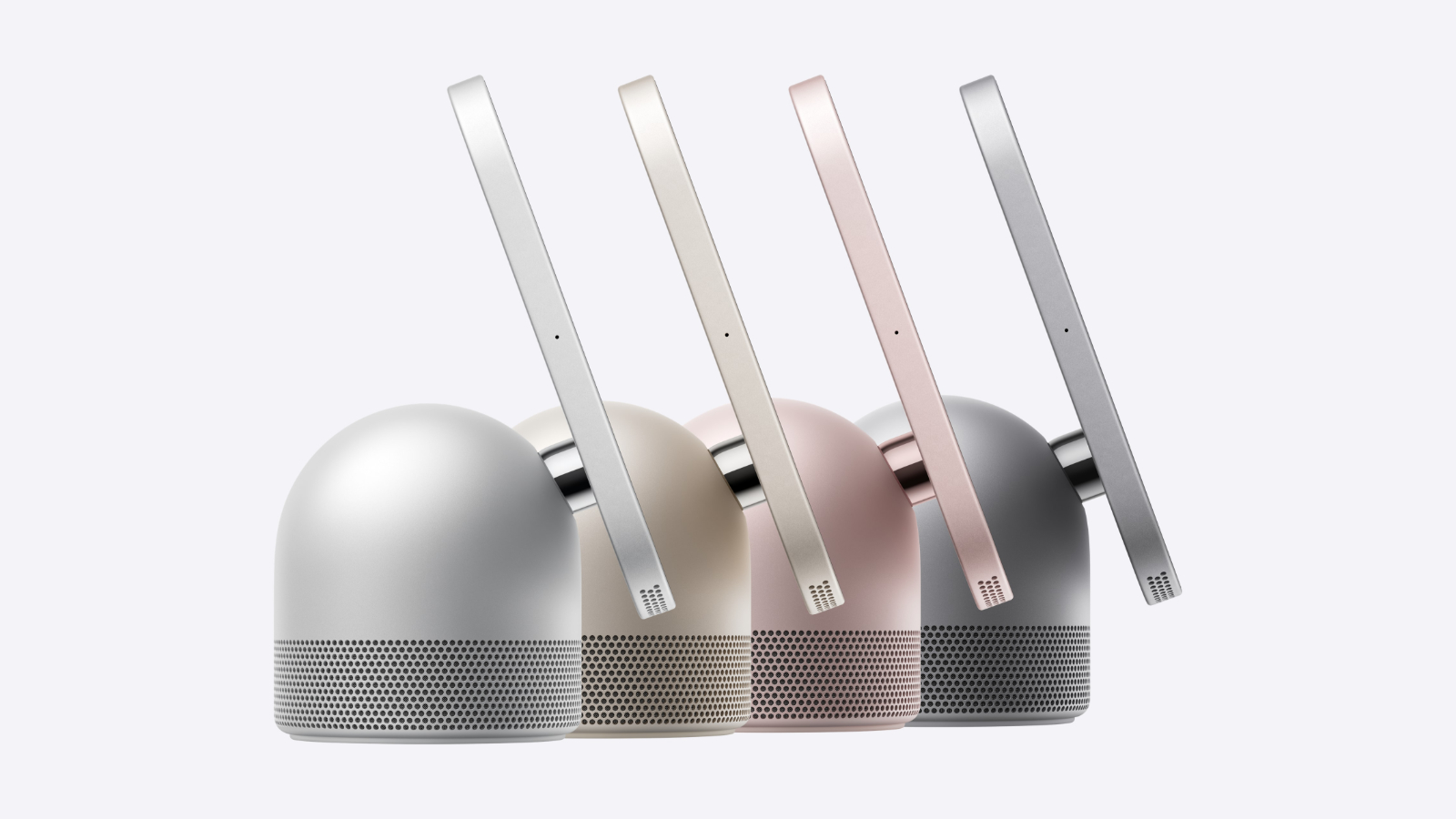
The tabletop HomeView is available in silver, starlight, rose pink, and space gray. Each finish comes with a matching USB-C cable.

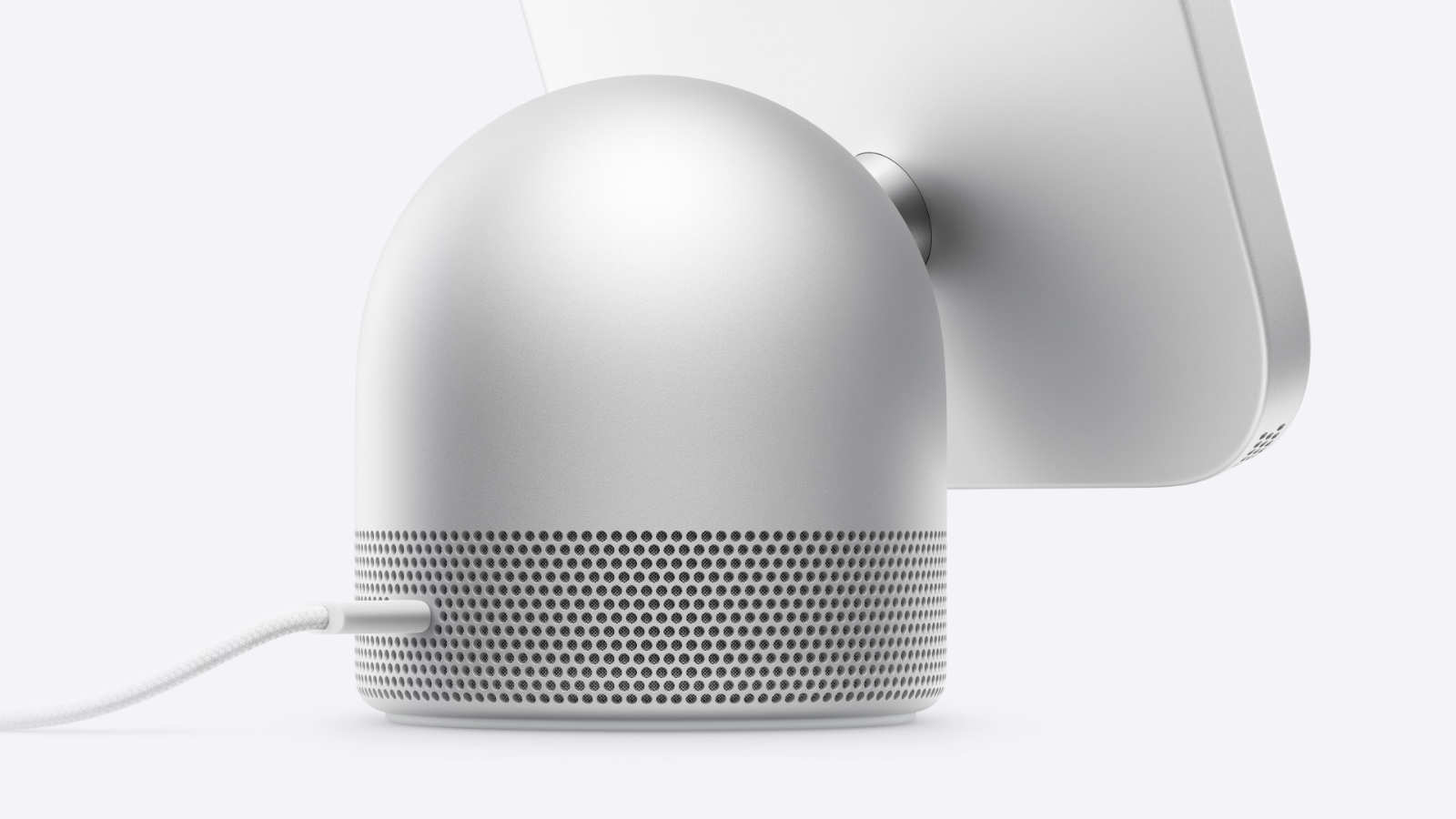
The device features an anodized aluminum design, with a 7-inch Liquid Retina display attached to a domed speaker base. A stainless steel hinge allows the screen to tilt for viewing on a countertop, nightstand, or side table.

The wall-mounted HomeView is limited to silver and space gray, leaving starlight and rose pink exclusive to the tabletop version. It features the same 7-inch display and attaches to a wall using mounts from Schneider Home.

Both HomeView models launch on November 13 and cost $299 in the U.S.
Related Roundup: Apple HomeView
Buyer's Guide: HomeView (Buy Now)

This article, "HomeView Comes in Four Colors, but Wall-Mounted Model Gets Just Two" first appeared on MacRumors.com

Discuss this article in our forums

  •  
❌