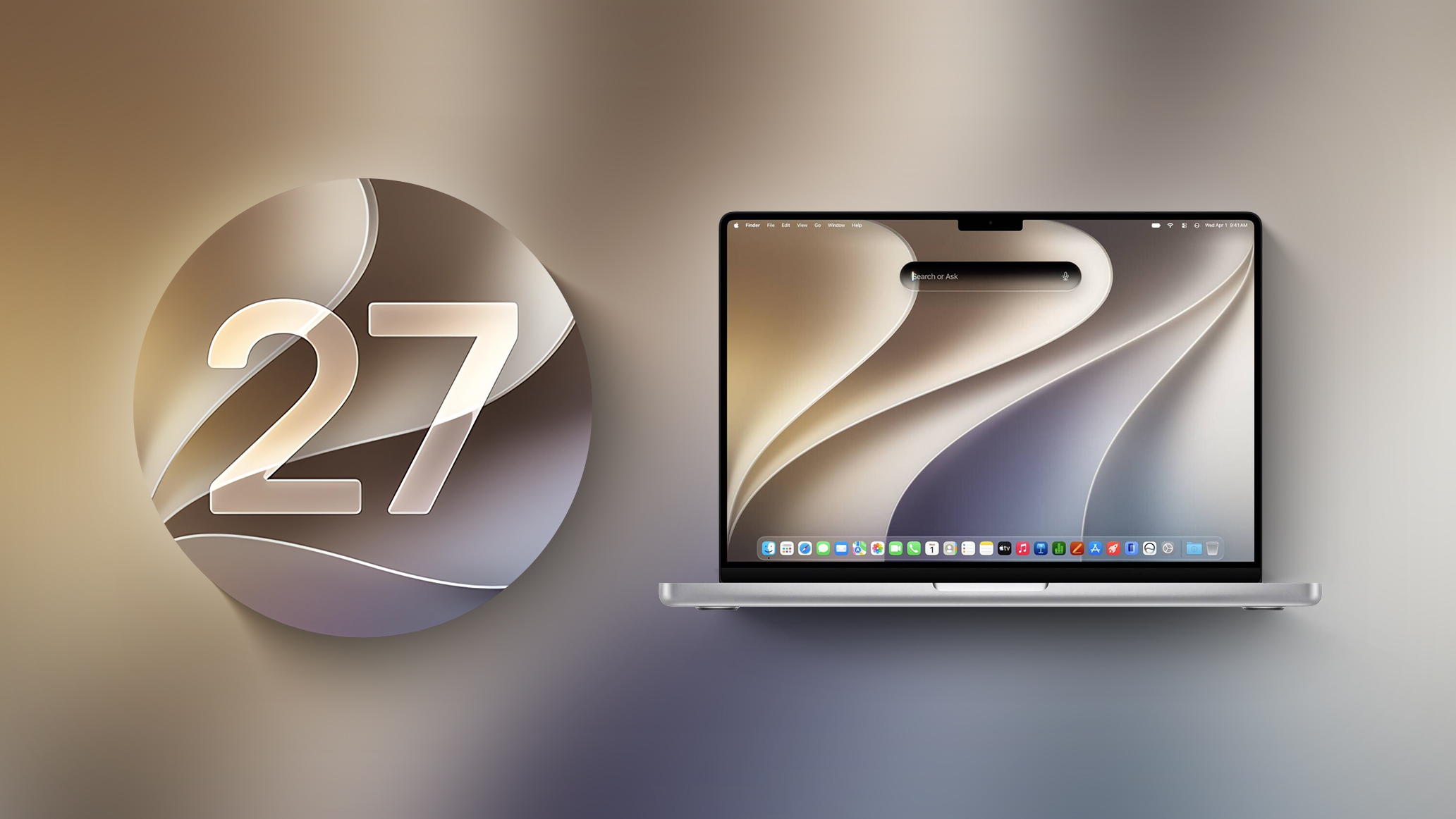
With macOS Golden Gate, Apple phased out several legacy features and services, cutting support for older devices and accessories. More cuts are coming in macOS 28 as Apple continues to root out lingering Intel features.
Here's everything that's been dropped.
Support for Intel Macs - macOS Golden Gate is the first version of macOS that runs only on Apple silicon Macs. Intel Macs can't run it and are limited to macOS Tahoe. Apple still plans to offer security updates through fall 2028.
Boot Camp Assistant - Since macOS Golden Gate doesn't run on Intel Macs, it doesn't support Boot Camp. Apple silicon Macs require virtualization software like Parallels or VMware Fusion to run Windows.
Rosetta 2 (Temporarily) - Upgrading to macOS Golden Gate removes Rosetta, but if you have an app installed that requires it, you can reinstall it. macOS Golden Gate is the last version of macOS that will have full Rosetta support.
Apple Filing Protocol - Apple deprecated AFP back in macOS Sequoia 15.5, and there is no AFP client at all in macOS Golden Gate.
Time Capsule Backups - With no support for AFP, Time Capsule no longer works with Macs running macOS Golden Gate. Time Capsule requires AFP or SMBv1, but Time Machine backups now use the SMBv2 or SMBv3 protocol.
AirPort Utility - AirPort Utility is no longer included when you install macOS Golden Gate. If you had the app before updating, you can still use it, but Apple makes no guarantee that it still works. AirPort Utility lets users manage AirPort base stations like the AirPort Extreme and AirPort Express.
macOS 28, which is expected in fall 2027, will largely drop support for Rosetta 2. Most apps that rely on Rosetta will not open on Macs running macOS 28, though Apple is making an exception for some legacy games that are unmaintained.
In macOS Golden Gate, you'll see a warning when using any app that relies on Rosetta, so you're aware that the app won't continue to work in the future without a developer update. You can also see which apps are affected by going to Settings > General > About > Intel-Based Apps and then clicking on Details.
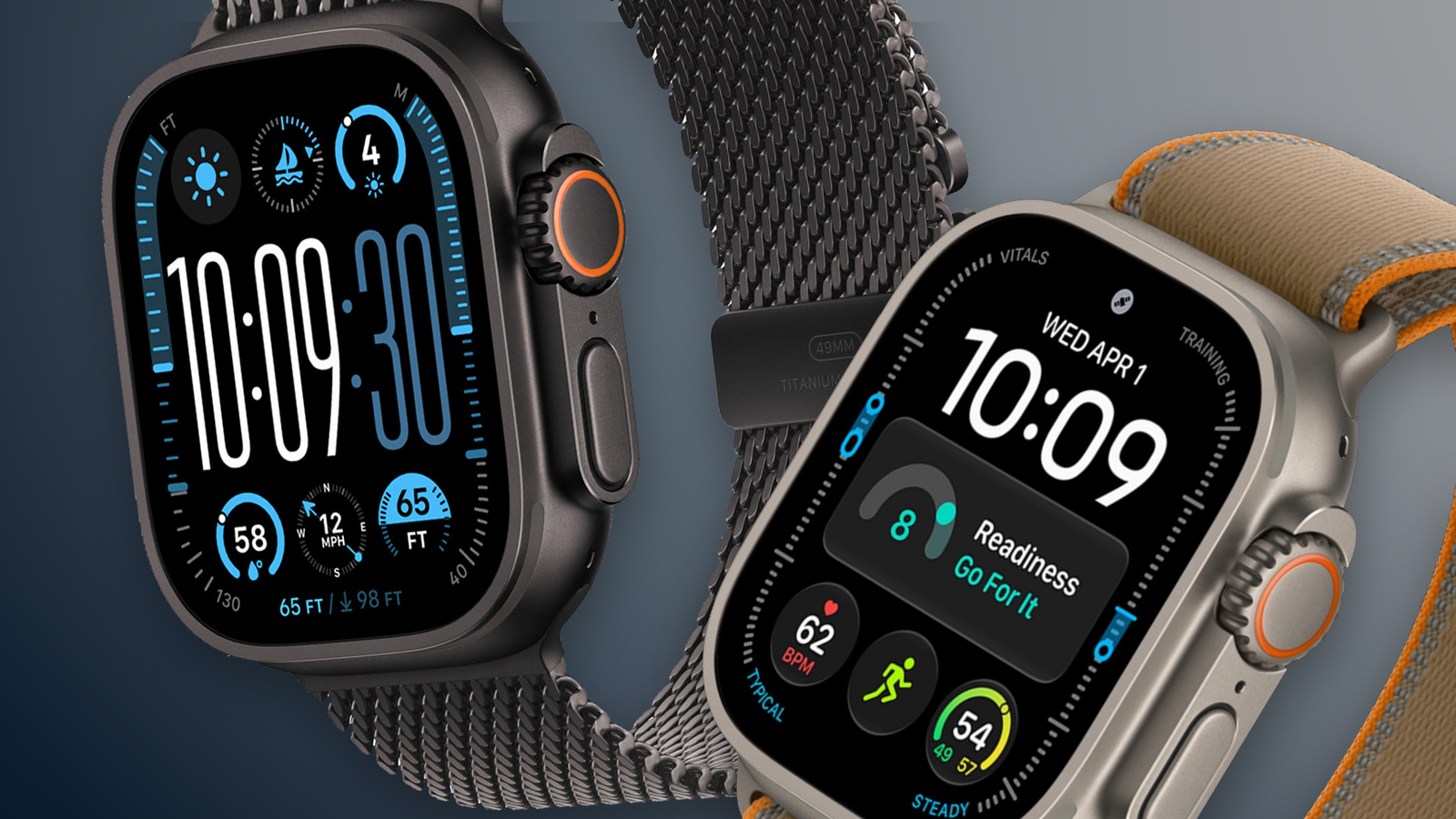
The Apple Watch Ultra 4 arrives three years after the Ultra 2. Across those two generations, Apple added satellite connectivity, a larger display, new health sensors, and longer battery life. Are those changes enough to justify replacing an Ultra 2 or paying more for the newest model?
Both watches retain a 49mm titanium case, an Action button, a siren, a 3,000-nit display, dual-frequency GPS, and support for recreational diving to 40 meters. The Apple Watch Ultra 4 starts at $799 in the U.S. Apple has discontinued the Ultra 2, although its refurbished store currently lists it from $589. Here are the key differences between the two models:
Wide-angle LTPO3 OLED display with 1Hz always-on refresh
410 by 502 pixels; 1,185 sq mm display area
422 by 514 pixels; 1,245 sq mm display area (5% larger)
S9 chip
S11 chip
2GB RAM
4GB RAM
Electrical heart sensor and third-generation optical heart sensor
Health Sensing System with new electrical and always-on optical heart sensors
Background heart-rate measurements
Background heart-rate measurements every five seconds
Heart-rate variability (HRV) measurements
More frequent measurements of overall HRV and Recovery HRV
Overnight Vitals view
Overnight and daytime Vitals views
Readiness app
Step tracking
More accurate all-day step tracking and a Steps watch-face complication
LTE and UMTS cellular connectivity
LTE and 5G cellular connectivity
Emergency SOS, Messages, and Find My via satellite
Audio Intelligence: Sound Recognition, automatic music identification, Live Rewind, and Siri Recap
Up to 36 hours of normal use
Up to 50 hours of normal use
Up to 72 hours in Low Power Mode
Up to 84 hours in Low Power Mode
Up to 12 hours of standard outdoor workout tracking
Up to 18 hours of standard outdoor workout tracking
Up to 17 hours of outdoor workout tracking in Low Power Mode with full GPS and heart-rate readings
Up to 25 hours in Extended Workout mode with full GPS and heart-rate readings
Up to 35 hours of outdoor workout tracking with fewer GPS and heart-rate readings
Up to 45 hours in Max Extended Workout mode, with GPS readings every second
Charges from 0 to 80% in about one hour
Charges from 0 to 80% in about 45 minutes
Natural titanium: 61.4 grams; black titanium: 61.8 grams
Natural titanium: 63.0 grams; black titanium: 63.1 grams
Dual-frequency GPS supporting GPS, GLONASS, Galileo, QZSS, and BeiDou
Dual-frequency GPS supporting GPS, Galileo, QZSS, and BeiDou
Now discontinued
Starts at $799
Is It Worth Upgrading From Ultra 2 to Ultra 4?
Most Apple Watch Ultra 2 owners should keep their watch if its battery still covers their usual days and workouts. It supports watchOS 27 and Siri AI, and continues to get new features through software updates.
The new Health Sensing System is the strongest reason to upgrade an Ultra 4. It measures heart rate every five seconds throughout the day and collects HRV data more frequently, enabling Recovery HRV, daytime Vitals, and the Readiness app. If you will use those insights to adjust your training or better understand changes in your daily condition, the Apple Watch Ultra 4 offers a substantially improved health-tracking experience.
The S11 chip strengthens the case to upgrade. Alongside twice the memory, it enables more accurate all-day step counts, a Steps complication, and Audio Intelligence. Sound Recognition can alert you to important surrounding sounds on your wrist, while music recognition can identify songs automatically.
Satellite connectivity and longer battery life add further reasons to switch, especially if you spend time beyond cellular coverage or record long workouts. Apple's ratings increase from 36 to 50 hours of normal use and from 12 to 18 hours of standard outdoor workout tracking. The slightly larger display and faster charging are welcome improvements, but the new sensing and chip-enabled features make the bigger difference.
Should You Buy an Ultra 2 or Ultra 4?
For most people buying an Apple Watch Ultra now, future-proofing is the strongest reason to choose the latest model. Its S11 chip, 4GB of RAM, and Health Sensing System already enable Readiness, more detailed recovery metrics, and Audio Intelligence features. Live Rewind and Siri Recap are due later in 2026. If you plan to keep your watch for several years through successive software updates, that newer hardware makes the $799 model easier to justify.
The Apple Watch Ultra 2 remains a credible value option at a substantial discount. At Apple's current $589 refurbished price, it costs $210 less than a new Ultra 4 while retaining the same design and core features. Choose it if those existing capabilities meet your needs and you are comfortable passing up the Ultra 4's hardware-exclusive features.
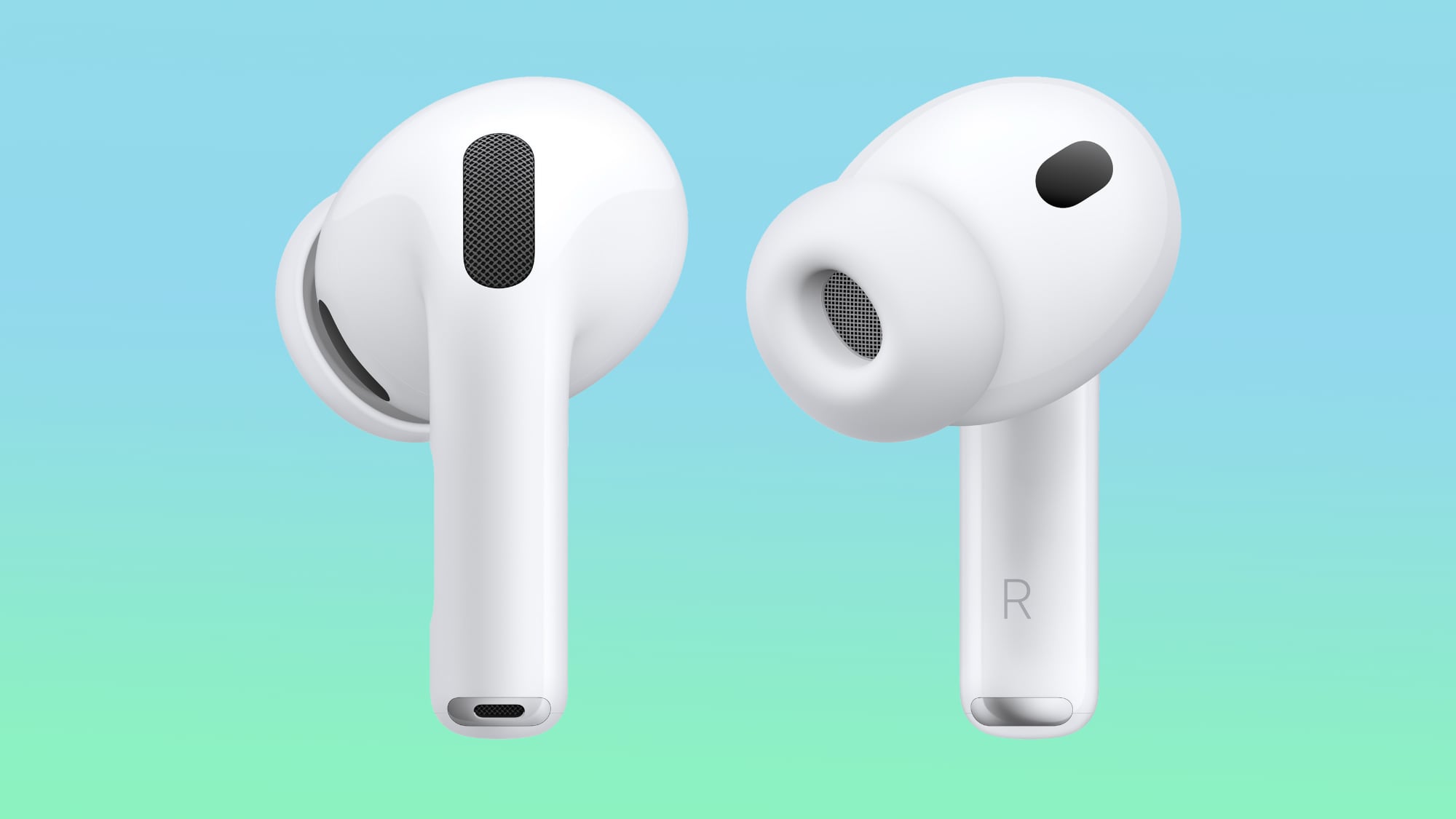
Amazon has the AirPods Pro 3 available for $199.00 this week, down from $249.00. We haven't tracked an all-time low price on this model since Prime Day over the summer, but this is still a solid $50 markdown.
Note: MacRumors is an affiliate partner with some of these vendors. When you click a link and make a purchase, we may receive a small payment, which helps us keep the site running.
This model of the AirPods Pro launched in September 2025 and has 2x better Active Noise Cancellation than the previous generation, better audio quality, a revised fit that's meant to improve comfort and stability, Live Translation for in-person conversations, and heart rate sensing for workouts.
Head to our full Deals Roundup to get caught up with all of the latest deals and discounts that we've been tracking over the past week.
Deals Newsletter
Interested in hearing more about the best deals you can find in 2026? Sign up for our Deals Newsletter and we'll keep you updated so you don't miss the biggest deals of the season!
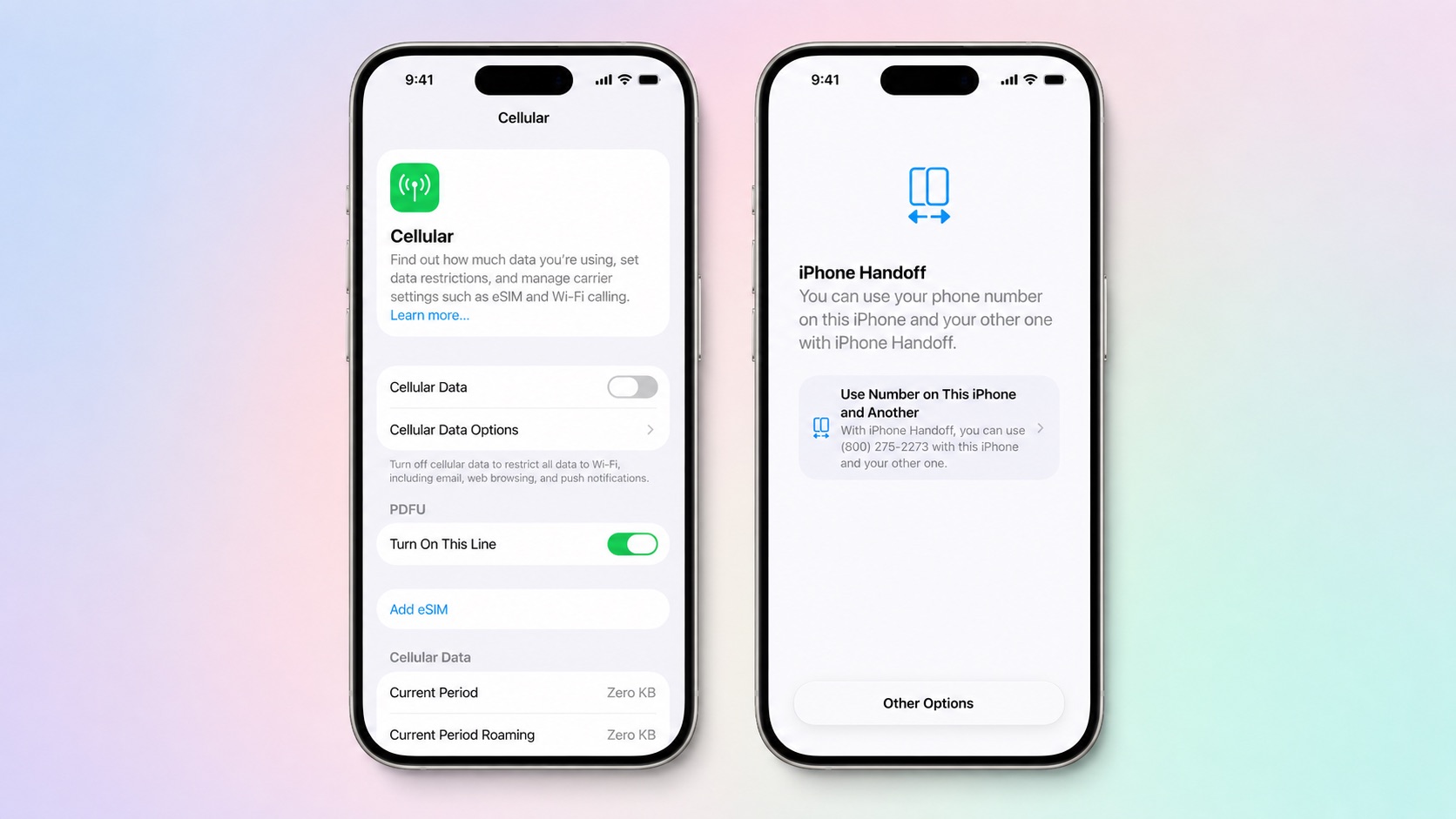
Apple in iOS 27 introduced iPhone Handoff, a new eSIM feature that allows you to use the same number on two iPhones and seamlessly swap between them. The number is only active on one iPhone at a time, so it's not like having two independently active lines.
It's also different from Apple's existing Handoff feature for continuing an app task on another Apple device. Here's what you need to know about the new iPhone Handoff feature.
What Moves Between the Two iPhones?
When you switch phones with iPhone Handoff, your calls, voicemail, messages (including iMessage, RCS, SMS, and MMS) and Find My location move to the active iPhone. You'll see a "Switched to this iPhone" message on the screen to confirm the change.
Other data synced with iCloud will automatically update across your devices, and third-party apps work across both devices, though some third-party apps may require a separate sign-in or take time to sync. Any banking apps you use may also ask you to approve access on the other device.
What Do You Need for iPhone Handoff?
Both iPhones must be running iOS 27 or later. They'll also need to be:
Connected to Wi-Fi
Sharing the same Apple Account
Using Messages in iCloud for messages sync
Signed into FaceTime and iMessage with the same Apple Account
iPhone Handoff works with Dual SIM as long as both eSIMs are from carriers that support iPhone Handoff. Both eSIMs must be set up for iPhone Handoff separately, one at a time. Once set up, both eSIMs switch together simultaneously when you unlock your iPhone.
Which Carriers Support iPhone Handoff?
iPhone Handoff is available through T-Mobile in the United States and Telekom in Germany. Verizon (U.S.) and EE (U.K.) will support iPhone Handoff later this year.
AT&T has so far not committed to supporting iPhone Handoff, with a company spokesperson recently pointing to the carrier's existing eSIM activation and transfer options instead.
How Much Does iPhone Handoff Cost?
T-Mobile is charging customers $5 per month to use iPhone Handoff.
In Germany, Deutsche Telekom is charging €6.95 per month for iPhone Handoff, but only on plans that do not already include multi-SIM functionality. An added multi-SIM costs €6.95 per month (one is included with the current MagentaMobil L plan and two with XL).
No other carriers have announced pricing yet.
How Do You Set It Up?
iPhone Handoff can be enabled when setting up a new iPhone. At the "Set Up Cellular" screen, choose "Use Number on This iPhone and Another," then follow the prompts on both phones.
If both iPhones are already set up, open Settings ➝ Cellular on the phone you want to add. Tap Set Up Cellular or Add eSIM, choose Use Number on This iPhone and Another, and follow the prompts. You then get to choose which device is your main iPhone (ideally, the one you use most often) and which is your secondary iPhone.
After setup, unlock either phone to make your number active on it.
What Should You Know Before Switching?
If you have an Apple Watch, it won't switch its pairing to the other device when your phone number moves, so make sure you pair it with the iPhone you expect to use most. Also, some Wallet items, including certain transit passes and IDs, may only work on one device at a time.
Carrier account management and some services like Call Forwarding and Caller ID will remain tied to your main iPhone.
Can I Replace an iPhone That Uses iPhone Handoff?
Yes, but you need to transfer the eSIM from either iPhone to the replacement device. The below steps should be followed while your new iPhone is placed next to your existing devices that use iPhone Handoff.
On your new iPhone (replacement), open the Settings app.
Tap Cellular and then tap Set up Cellular or Add eSIM.
Select an iPhone and tap Continue.
Tap Transfer. (If your carrier doesn't support eSIM transfer from a companion iPhone, you must enroll in iPhone Handoff again: On your iPhone that you are transferring the eSIM from, tap Continue, and follow the onscreen prompts.)
Tap Continue.
Follow the onscreen prompts on both devices.
The eSIM will deactivate on the old iPhone you transferred from.
What If I Want to Stop Using iPhone Handoff?
If you want to stop using iPhone Handoff at any time, you need to contact your carrier. Simply deleting an eSIM from your iPhone may not stop the carrier from charging you for the service.
watchOS 27.0.1 can be downloaded through the Settings app on the watch or the Apple Watch app on a connected iPhone. Software can only be installed when the Apple Watch is on the charger and has over 50 percent battery.
Apple's release notes say the update fixes bugs, including an issue that could cause the Apple Watch to restart unexpectedly.
After today's iPhone event, Apple invited members of the media to test out the new iPhone Duo. We were able to take a look, and we have some initial thoughts to share.
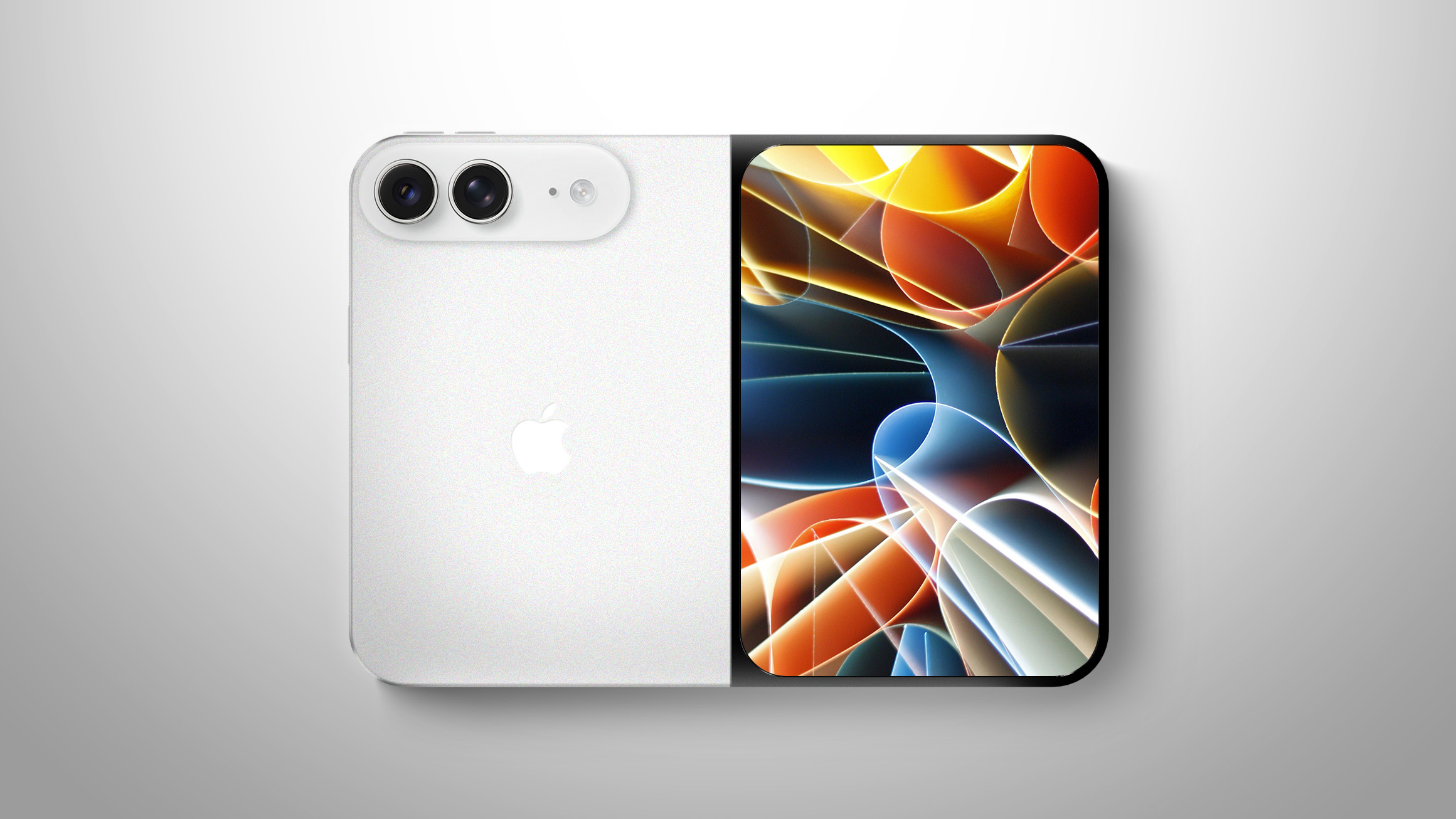
The iPhone Duo is priced starting at $1,999, and it feels like it. This is a premium device that's thin, but feels sturdy. The outer display is 5.4 inches, so it's smaller than the iPhone 18 Pro when it's closed, but the inner display is 7.6 inches.
Apple used a nano-texture polymer for the inside display, and the material cuts glare but also reduces the visibility of the crease. The display layer has a micro lens texture written pixel by pixel using maskless laser lithography for a perceptually flat, matte surface. It does indeed minimize the look and feel of the fold in the middle of the iPhone Duo.
You can still see the crease and it's visible in certain lighting, but Apple did a better job than Samsung at hiding it. Of course, foldable creases can become more visible as a device folds and unfolds, so it will be interesting to see how the iPhone Duo holds up over time. Apple says there are viscoelastic adhesives that let the layers glide over each other, so that might help.
There's no visible camera cutout on the inner display of the iPhone Duo, because Apple put it under the screen. It's invisible on a lighter screen, but when the display is darker, you can see the camera area somewhat.
Apple knew software would be important, and apps adapt well to the new form factor. The main controls are on the side of the displays and there's a new vertical dock. The status bar tucks in the corner, which makes sense for a foldable, and everything is where you want it for one-handed use.
You can run two apps side by side, or two instances of the same app (like two Safari pages), but there's no option to resize them. They each take up one half of the display. Two apps can be locked together as a pair so they launch together in the future and you can swipe over to other apps.
Apps work when the iPhone Duo is open, closed, and half-folded too. You can prop the iPhone Duo up and controls will move to the bottom of the display. iOS can adapt to the orientation and angle of the device, and it slides content away from the crease to make sure everything is easy to tap regardless of position. Audio also tunes automatically based on position.
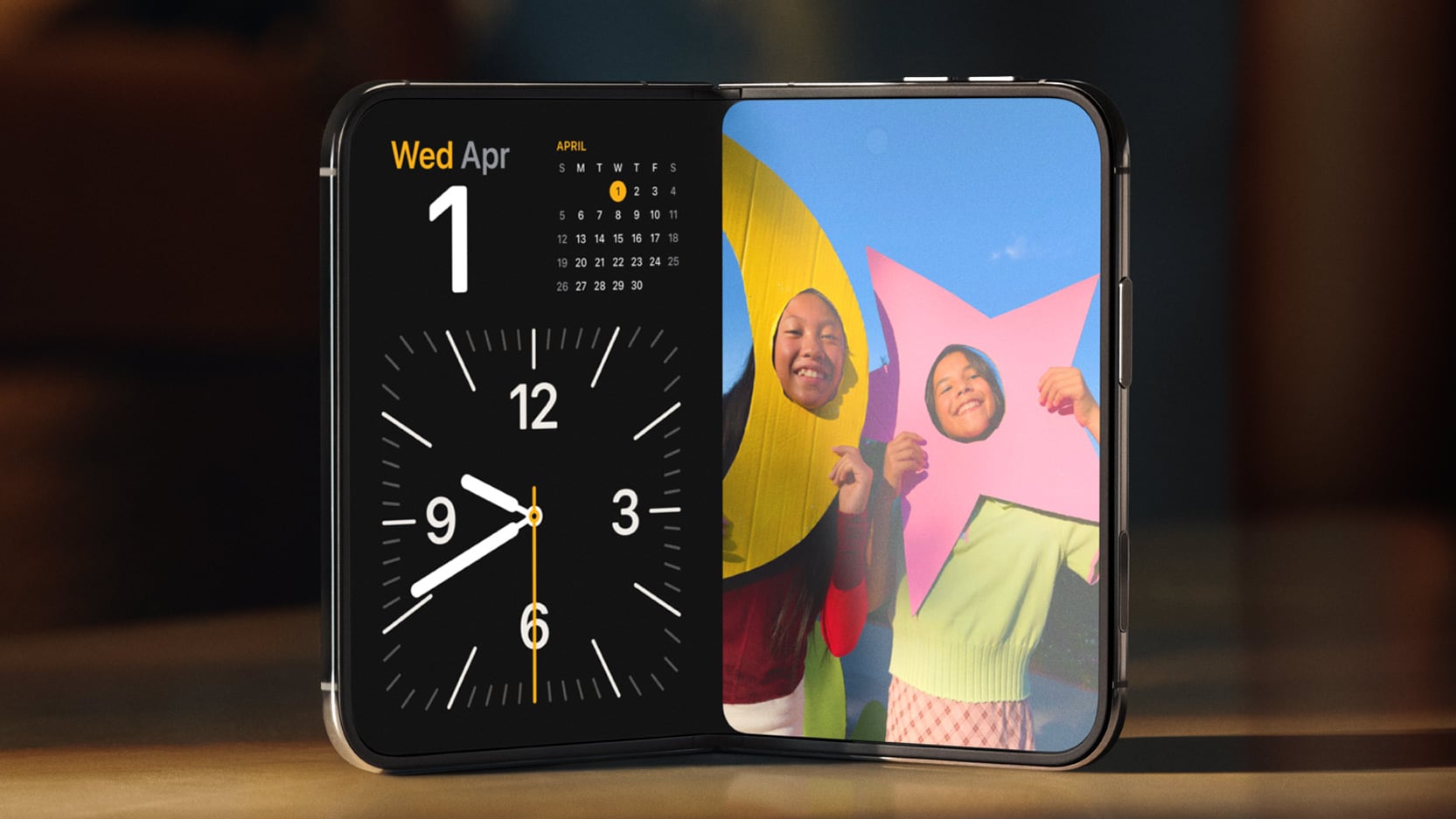
StandBy works even when the iPhone Duo isn't charging. You just need to fold the Duo in half in a tent orientation and you'll see widgets, music, calendar, weather, and more. It works as a bedside clock too, and there's even a new glow alarm clock feature.
There are only two cameras in the iPhone Duo. It has a 48MP Fusion Main camera and a 48MP Ultra Wide camera, but no Telephoto camera. There is 2x zoom, but that's just a cropped-in view from the Main camera. The outer display front camera is 12MP.
You can do some unique things with the iPhone Duo's camera setup. Apple added 4K Dolby Vision time lapses, a feature that works well with the iPhone Duo since it can prop itself up for longer shots. A Smart Take option uses AI to capture a shot when everyone is in frame, so you can set it up, run over to get in a group photo, and have the iPhone automatically take a picture. The outer display can show Peanuts animations to get children to smile (Kid Cue), and when you're taking a photo of someone, they can see themselves on the outer display and give you feedback on the shot setup (Duo Preview). FaceTime can also use both displays and someone can join a FaceTime call with you using the outer display camera, so you don't have to crowd together in one camera (FaceTime Duo).
The iPhone Duo has the same A20 Pro chip as the iPhone 18 Pro, and Apple's new C2 modem that's faster and more efficient than the C1X. The C2 supports mmWave 5G speeds in the United States.
The $1,999 starting price is for 256GB storage. You can get up to 2TB, but that option will cost you $3,199. iPhone Duo pre-orders start on Friday, October 16, with a launch to follow on October 23.
Apple's "Surprise and Shine" event took place today, and the company introduced the iPhone 18 Pro and Pro Max, the new foldable iPhone Duo, new Apple Watch models, and AirPods 5. It took Apple over an hour to announce everything, but we have an 11-minute recap for those who want a quick but detailed overview of everything.
The Apple Watch Series 12, Apple Watch Ultra 4, and AirPods 5 are available for pre-order today. Pre-orders for the iPhone 18 Pro and iPhone 18 Pro Max will begin on Saturday, September 12 at 5:00 a.m. Pacific Time. The new devices will launch on September 18.
Pre-orders for the iPhone Duo will start on October 16, with a launch to follow on October 23.
Apple is adding a new iPhone Handoff feature in iOS 27 that will let you use the same number on two iPhones and swap between them as needed. iPhone Handoff requires carrier support, and Apple says there may be carrier fees when setting it up.
The new iPhone Handoff option was mentioned at today's event and in the iPhone Duo press release, and it turns out it's going to be limited at launch. Apple says it will only be available on T-Mobile in the U.S. and Deutsche Telekom in Germany when iOS 27 comes out.
To use iPhone Handoff, you need two iPhones running iOS 27 or later that are connected to Wi-Fi and signed into the same Apple account with FaceTime, iMessage, and Messages in iCloud turned on.
iPhone Handoff can be enabled during new iPhone setup, or in the Settings app. When you set up a new iPhone, you can make your current iPhone your secondary iPhone.
With iPhone Handoff enabled, one iPhone is the main iPhone and the other iPhone is the secondary iPhone that shares the same number. Some carrier services like Call Forwarding, Caller ID, and account management can only be managed on the main iPhone. iPhone Handoff also does not swap your Apple Watch from one iPhone to another.
Moving between a main iPhone and secondary iPhone happens automatically when you unlock one of the devices. Apple says your phone number will automatically become active, and you'll see the message "Switched to this iPhone" to confirm.
A phone number can only be active on one iPhone at a time when using iPhone Handoff. Payment cards in the Wallet app and car keys can work across both iPhones, but Apple warns some Wallet items like transit passes, IDs, or corporate badges might only work on one iPhone at a time.
iPhone Handoff works with Dual SIM as long as both eSIMs are from carriers that support iPhone Handoff. Both eSIMs will switch together simultaneously when you unlock your iPhone. Each eSIM has to be set up separately.
Once set up, iPhone Handoff remains activated until you contact your carrier to turn it off. More information can be found in Apple's support document for the feature.
iOS 27 is set to launch on Monday, September 14. T-Mobile has not announced iPhone Handoff pricing.
Ahead of the launch of the foldable iPhone Duo, rumors suggested Apple was focused on eliminating the crease between the device's two displays. All foldables have a visible crease, and it often becomes easier to see over time from constant folding and unfolding.
On the iPhone Duo product page, one of Apple's FAQs concerns the crease. "Does the inner display of iPhone Duo show a crease where it folds?" reads the question.
Apple's response says the display is "wonderfully flat and smooth," but it doesn't say there's no crease at all and actually skirts the question it asks.
iPhone Duo features a wonderfully flat and smooth inner display with custom nano-texture finish technology to reduce glare and reflections for an uninterrupted viewing experience. The optically clear adhesives let the display layers glide as the screen folds, minimizing stress and crease.
In the press release for the device, Apple says that the Duo's nano-texture display is meant to minimize the visibility of the crease.
A premium nano-texture finish reduces glare and reflections, creating a matte surface that minimizes crease visibility and feels great to touch.
Apple does not list a fold cycle count anywhere in its press release or on its website, but it does say the hinge offers "smooth, balanced resistance for long-lasting reliability." Apple also says the hinge has more than 100 components, while the iPhone Duo has support ribs and a titanium panel under the display.
Apple competitor Samsung does list fold cycles for its foldable devices. The new Galaxy Z Fold8, which has the same general shape as the iPhone Duo, is rated for 500,000 folds.
The iPhone Duo is set to launch on October 23, with pre-orders starting on October 16.
The Apple Watch Series 12 and Apple Watch Ultra 4 feature a refreshed band lineup for the fall, adding new colors and materials.
Here's a breakdown of what's new across the band lineup:
Sport Band: New Navy Blue, Magenta, Olive, Burgundy, Wildflower Blue, Pale Succulent, Sand, and Black colors for Apple Watch Series 12.
Sport Band (ceramic hardware): Sand and Navy Blue to match the new ceramic Apple Watch Series 12 models; not available as a standalone purchase.
Sport Loop: New Olive, Burgundy, Limestone, Magenta, and Chambray Blue colors, plus a new inkjet-printed plaid pattern in Burgundy and Light Umber.
Nike Sport Band and Nike Sport Loop: Five new colors; Essential White, Chalk Calm, Pavement Grey, After Dark Black, and Green Spark.
Milanese Loop: New Radiant Gold and Natural colors to match the titanium case, plus a new Dark Bronze option, priced at $99.
Link Bracelet: A new stainless steel bracelet in Radiant Gold and Natural, priced at $349.
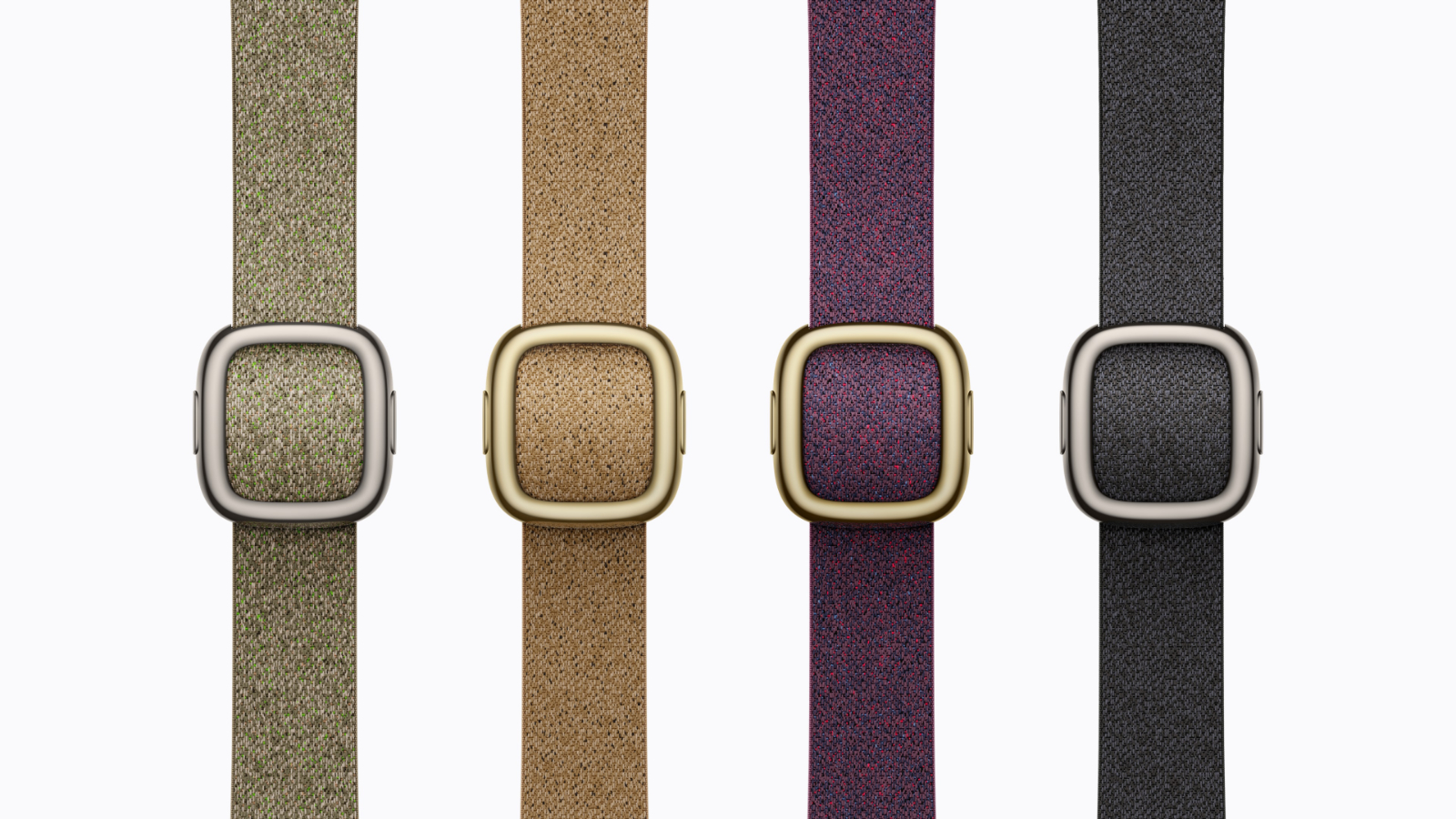
Modern Buckle: New woven material with flecks of color, in Mulberry, Camel, Sage, and Navy Blue, now available with gold hardware for the first time alongside natural hardware, priced at $199 (42mm only).
Magnetic Link: Available in Wildflower Blue, Burgundy, Camel, and Midnight, priced at $99.
Solo Loop: New Wildflower Blue, Burgundy, Olive, and Navy Blue colors, priced at $49.
Braided Solo Loop: New Olive, Magenta, Wildflower Blue, Burgundy, Navy Blue, and Black colors, priced at $99.
Trail Loop: New Dark Umber, Sand, and Burgundy colors for the Apple Watch Ultra 4, priced at $99 (49mm only).
Alpine Loop: New Desert, Dark Olive, and Burgundy colors for the Ultra 4, priced at $99 (49mm only).
Ocean Band: Now made from a translucent silicone material, offered in Translucent Gray, Translucent Kelp, and Translucent Black, priced at $99 (49mm only).
Hermès Noir Satin Clou de Selle: A new band with a gold-finish clasp and saddle stud, exclusively paired with the new Hermès radiant gold titanium case, priced at $499.
Hermès Rocabar Club: A new knitted H pattern band inspired by horse-jumping competitions, in four Bleu Nuit colorways paired with Gris Titane, Orange, Bleu Brighton, and Vert accents, priced at $499.
Hermès En Mer: A new water-resistant knit band for the Apple Watch Ultra 4 with a pillowed stripe and titanium buckle, in Argile, Bordeaux, Bleu Nuit, and Orange colorways, priced at $549 (49mm only).
Hermès Scub'H Diving: A new rubber band for the Ultra 4 with circular porthole-like cutouts, in Vert Vertigo, Gris Titane, and Bleu De Malte colorways, priced at $549 (49mm only).
Hermès Grand H Titane: A new titanium version of the Grand H bracelet for the Apple Watch Ultra 4, priced at $2,199 (49mm only).
Hermès Kilim Single Tour: Bleu De Malte, Cuivre, and Béton colorways, priced at $499.
The new Apple Watch bands are available to order today, with availability in stores beginning Friday, September 18.
Apple is required to publish energy labels on its iPhone product pages in the EU, and they reveal the official mAh battery capacities for the devices.
Here are the battery capacities for the iPhone 18 Pro and iPhone 18 Pro Max models that still have a SIM card tray, according to Apple:
iPhone 18 Pro: 4,056 mAh (+1.7% vs. iPhone 17 Pro's 3,988 mAh)
iPhone 18 Pro Max: 5,391 mAh (+11.7% vs. iPhone 17 Pro Max's 4,823 mAh)
Notably, the iPhone 18 Pro Max has received a much larger battery life increase than the iPhone 18 Pro did compared to the previous generation.
eSIM-only models of the iPhone 18 Pro and iPhone 18 Pro Max will be available in Bahrain, Canada, Guam, Japan, Kuwait, Mexico, Oman, Qatar, Saudi Arabia, the United Arab Emirates, the U.S., and the U.S. Virgin Islands. The devices have a SIM card tray in all other countries around the world, including in the U.K. and the rest of Europe.
eSIM-only iPhone models are equipped with a slightly larger battery that fills the space occupied by the physical SIM card tray.
eSIM-only battery capacities for the iPhone 18 Pro models have yet to be confirmed.
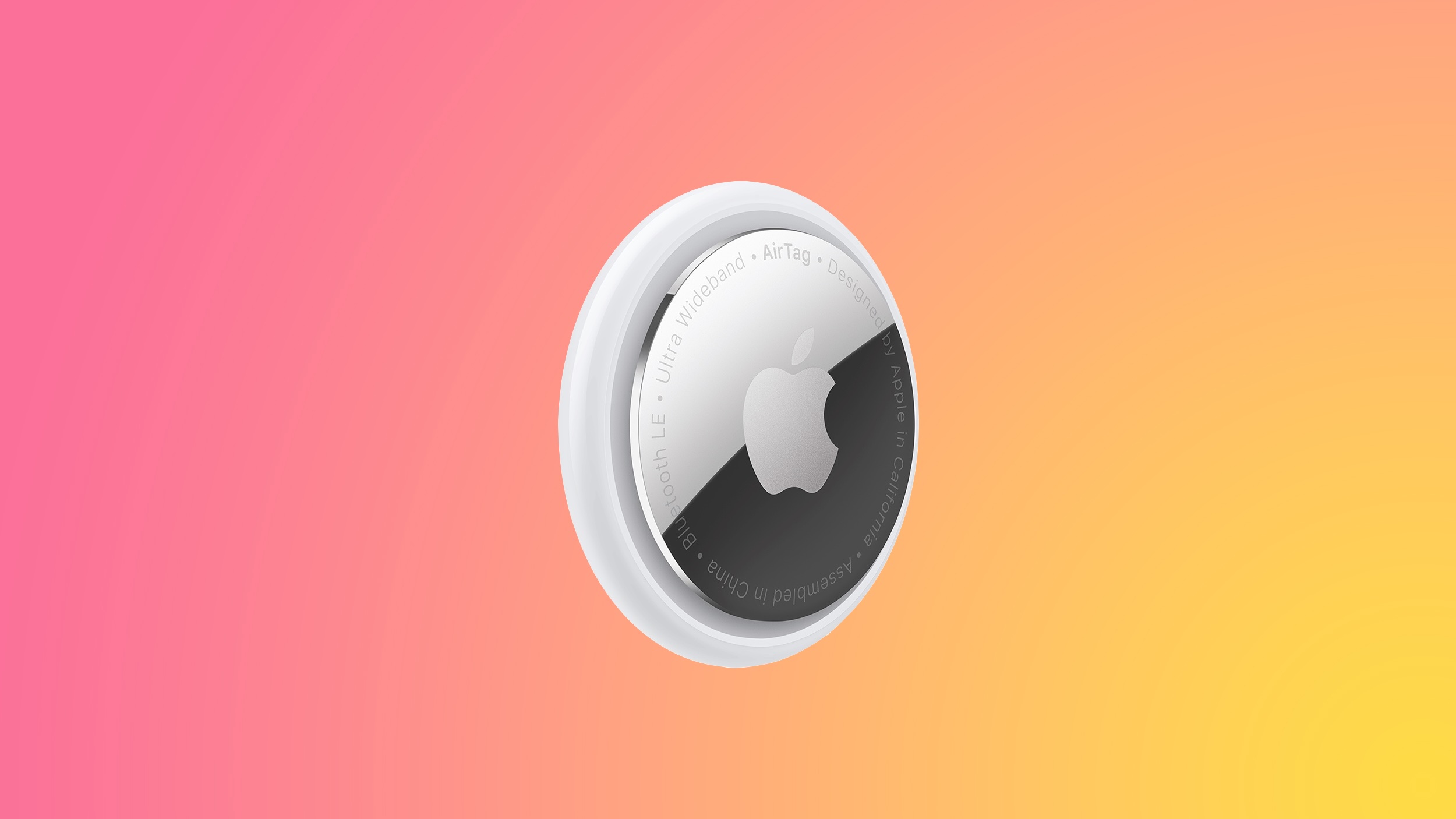
Apple's AirTag 2 is on sale for $79.99 this weekend on Amazon, down from $99.00. This deal is on the 4-Pack of the AirTag 2, and it's a match of the record low price for the accessory, beating the previous low by about $5.
Note: MacRumors is an affiliate partner with Amazon. When you click a link and make a purchase, we may receive a small payment, which helps us keep the site running.
We're also tracking a smaller deal on the AirTag 2 1-Pack, available for $24.00, down from $29.00. This is another record low price on the AirTag 2.
The new AirTag is equipped with a second-generation Ultra Wideband chip, enabling the Precision Finding feature to work up to 50% farther away from an item compared to the previous-generation model.
If you're on the hunt for more discounts, be sure to visit our Apple Deals roundup where we recap the best Apple-related bargains of the past week.
Deals Newsletter
Interested in hearing more about the best deals you can find in 2026? Sign up for our Deals Newsletter and we'll keep you updated so you don't miss the biggest deals of the season!
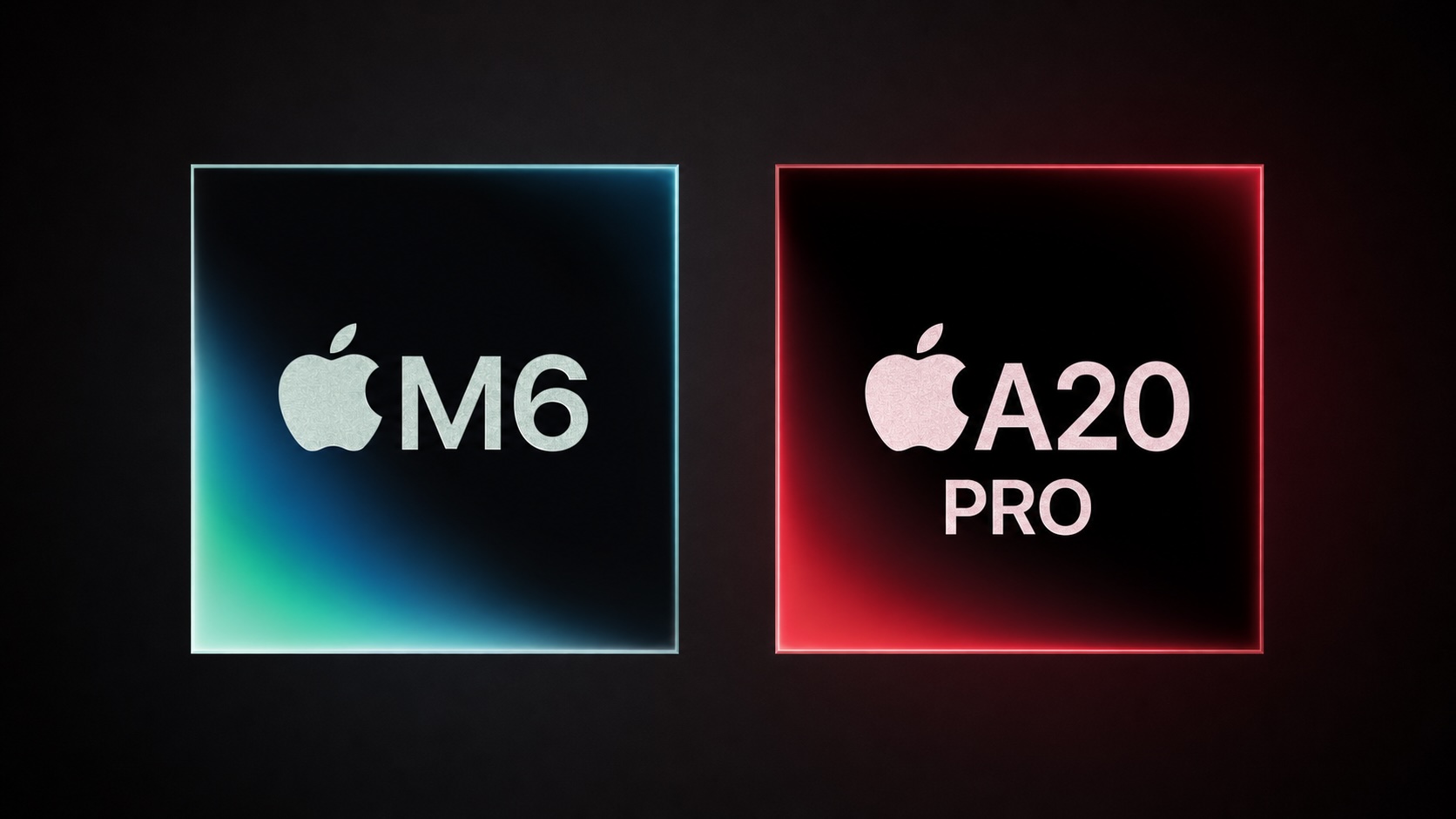
Apple announced the M6 chip last week, just ahead of its September iPhone event, providing the clearest indication yet of what the A20 will bring to the iPhone 18 lineup.
Apple silicon generations share much of their architecture across the A-series and the M-series, so a new A-series chip normally functions as a partial preview of the M-series chip that follows it. This year the order reversed; the M6 was revealed on August 25, ahead of the A20 Pro expected in the iPhone 18 Pro this month.
Recent reports place the A20 Pro at up to 18% faster and up to 30% more power efficient than the A19 Pro, which is broadly similar to the M6 over the M5.
Apple's First 2nm iPhone Chip
The M6 is Apple's first chip built on TSMC's 2nm (N2) process, with the second almost certain to be the A20. Being a smaller manufacturing process, N2 has higher transistor density, allowing Apple to pack more performance into a smaller area.
Apple has historically debuted new nodes on the A-series, since iPhone volume validates yields, so introducing N2 in an $899 Mac mini represents a change. As such, reports that the A20 and A20 Pro will move to N2 are now supported by a shipping product rather than analyst predictions. The consequence for the iPhone event is that the "Apple's first 2nm chip" claim is no longer available.
Dual Neural Engine?
The iPhone's Neural Engine has remained at 16 cores and approximately 35 trillion operations per second since the A17 Pro, spanning three generations. The M6 introduces a Dual 16-core Neural Engine, which Apple says system frameworks can address simultaneously for up to 2x the peak compute of previous generations.
The change corresponds with the reported move to WMCM packaging, which integrates memory onto the same wafer as the CPU, GPU, and Neural Engine to shorten the path between them. It is possible that die area and thermal constraints may limit a dual engine to the A20 Pro.
GPU AI Gains Are Now Incremental
Apple said the M5 delivered over 4x the peak GPU compute for AI compared to the M4, reflecting the introduction of Neural Accelerators within each GPU core. The M6 is rated at nearly 30% over the M5.
The A19 Pro recorded a comparable 4x improvement on the iPhone 17 Pro last September for the same architectural reason. Second-generation Neural Accelerators consequently appear to represent a refinement rather than another step change, suggesting the A20 Pro will not repeat the A19 Pro's headline figure.
Graphics Improvements Should Carry Across
The M6 adds 50% increased geometry rates, an updated shader core architecture, revised Dynamic Caching, and hardware-accelerated ray tracing. These are architectural changes and comparable graphics work has historically appeared across both the A-series and M-series within the same generation.
Memory Bandwidth Suggests a Modest A20 Gain
Memory bandwidth determines how quickly data moves between the memory and the processor, and it is the main constraint on running large language models on device. The M6 provides up to 170GB/s, which Apple describes as a 10% increase over the M5's 153.6GB/s.
That increase is small enough to indicate Apple is using a faster grade of the same LPDDR5X memory rather than moving to the newer LPDDR6 standard, which would have delivered a far larger jump. Reports indicate Apple is sourcing high-speed LPDDR5X from Samsung for the iPhone 18 lineup, and the M6 is consistent with that.
The implication for the A20 is that memory bandwidth is unlikely to improve dramatically. The A19 Pro is rated at 76.8GB/s, and a similar 10% uplift would take the A20 Pro to roughly 85GB/s. Any meaningful gain in how quickly the iPhone 18 Pro loads and runs on-device models is therefore more likely to come from WMCM packaging shortening the distance data travels than from the memory itself.
AV1 Encode Remains Absent
The M6 Media Engine supports hardware-accelerated H.264, HEVC, ProRes, and ProRes RAW, with AV1 decode but no AV1 encode, matching the M5. The omission on a new process node in a desktop chip makes its inclusion in the A20 Pro highly unlikely.
After years of rumors, the highly anticipated foldable iPhone is almost here, but that's not all we're expecting to see at next week's big event, and we've got full coverage of expectations for the "Surprise and Shine" event.
Beyond the event, this week also saw John Ternus take over from Tim Cook as Apple CEO, while we learned a bit more about what's coming in iOS 27 and how Apple has been trying to respond to massive demand for its desktop Macs amid the surge in AI computing, so read on below for all of the details!
Top Stories
iPhone Ultra, iPhone 18 Pro, and More: Apple's September 9 Event Preview
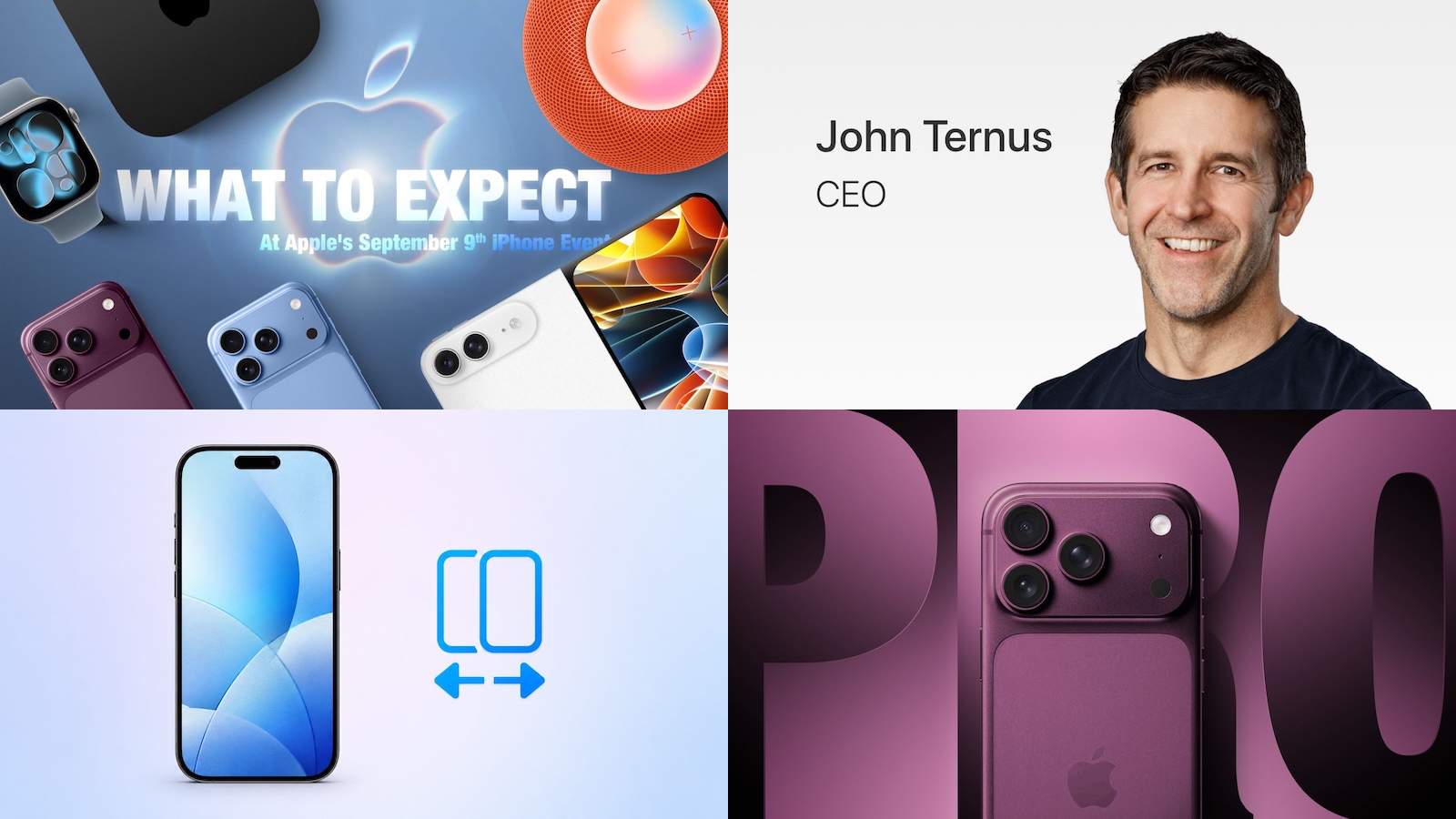
Apple's September event will take place on Wednesday, September 9, at 10:00 a.m. Pacific Time. At the event, Apple will announce its 2026 iPhone lineup, and this year is a big one. Along with the slab-style iPhones we've been using for years, Apple is going to debut its first foldable device. We'll also get new Apple Watches, a new set of AirPods, and possibly some other surprises.
Everything we expect to see at the "Surprise and Shine" event is recapped in our event guide and overview video, so make sure to check it out.
Read John Ternus' First Memo to Apple Employees as CEO
In his first memo to employees as CEO, Ternus thanked employees for a warm welcome, expressed thanks to Cook for his contributions to Apple and assisting with the transition, and shared excitement about the future including "a huge launch" next week.
iPhone 18 Pro Pre-Orders May Start at an Unusual Time
Following next Wednesday's event, pre-orders for the new iPhone hardware may start at an unusual time. Pre-orders for the new iPhone models typically start at 5:00 a.m. Pacific Time on the Friday immediately following the event, but this year that falls on the 25th anniversary of the 9/11 terrorist attacks.
As it did back in 2015 when pre-orders would also have fallen on the 11th, Apple will reportedly push things back this year and begin accepting pre-orders at midnight Pacific Time on Saturday, September 12.
iOS 27 Introduces New 'iPhone Handoff' Feature
Back at WWDC in June, Apple made the briefest of mentions about iOS 27 offering the ability to share a phone number between devices, and now we know how that feature will work.
MacRumors forum member pdfu this week shared a video showing how users will set up the feature, dubbed iPhone Handoff, from the Cellular section of the Settings app. iPhone Handoff will require carrier support, with the user's main eSIM remaining on their primary phone and a companion eSIM being sent to another iPhone. Once activated, a single phone number will be used across both devices, with the phone number automatically switching back and forth to whichever device is unlocked at the moment.
Foldable iPhone Ultra Likely Has MagSafe Charging
In addition to the iPhone 18 Pro and Pro Max, next week's event will also see the long-awaited introduction of Apple's first foldable iPhone. The device will sacrifice a few features in order to enable its ultra-thin profile, and until recently it was thought that MagSafe charging might be one of those things.
Apple Caught Off Guard by AI Demand for Mac Mini and Mac Studio
Apple's unusually timed announcement of new Mac mini and Mac Studio models last week was driven by unexpectedly strong enterprise appetite for AI hardware, according to The Information. Apple normally releases new Mac models in the fall, closer to October or November, but Apple pulled Mac announcements ahead of the anticipated arrival of new iPhone models as it has sought to meet strong demand for its desktop Macs.
Apple highlighted the Mac mini and Mac Studio's shift toward business buyers back in June, with a "Business at the Park" event involving executives from major companies Ford, Disney, and Anthropic. The Mac mini was said to be the "darling" of the event.
A surge in demand for Mac hardware to run AI models has coincided with the global memory shortage, leaving many Mac mini and Mac Studio configurations out of stock for months and making the new models a priority to allow Apple to offer improved performance and higher production volumes.
MacRumors Newsletter
Each week, we publish an email newsletter like this highlighting the top Apple stories, making it a great way to get a bite-sized recap of the week hitting all of the major topics we've covered and tying together related stories for a big-picture view.
Apple's September event will take place on Wednesday, September 9 at 10:00 a.m. Pacific Time. Apple will announce its 2026 iPhone lineup, and this year is a big one. Along with the slab-style iPhones we've been using for years, Apple is going to debut its first foldable device. We'll also get new Apple Watches, a new set of AirPods, and possibly some other surprises.
Everything we expect to see at the "Surprise and Shine" event is below.
Foldable iPhone
Apple's 2026 iPhone lineup will include its first foldable device. We don't know what Apple will call it, but rumors suggest it might be named the iPhone Ultra.
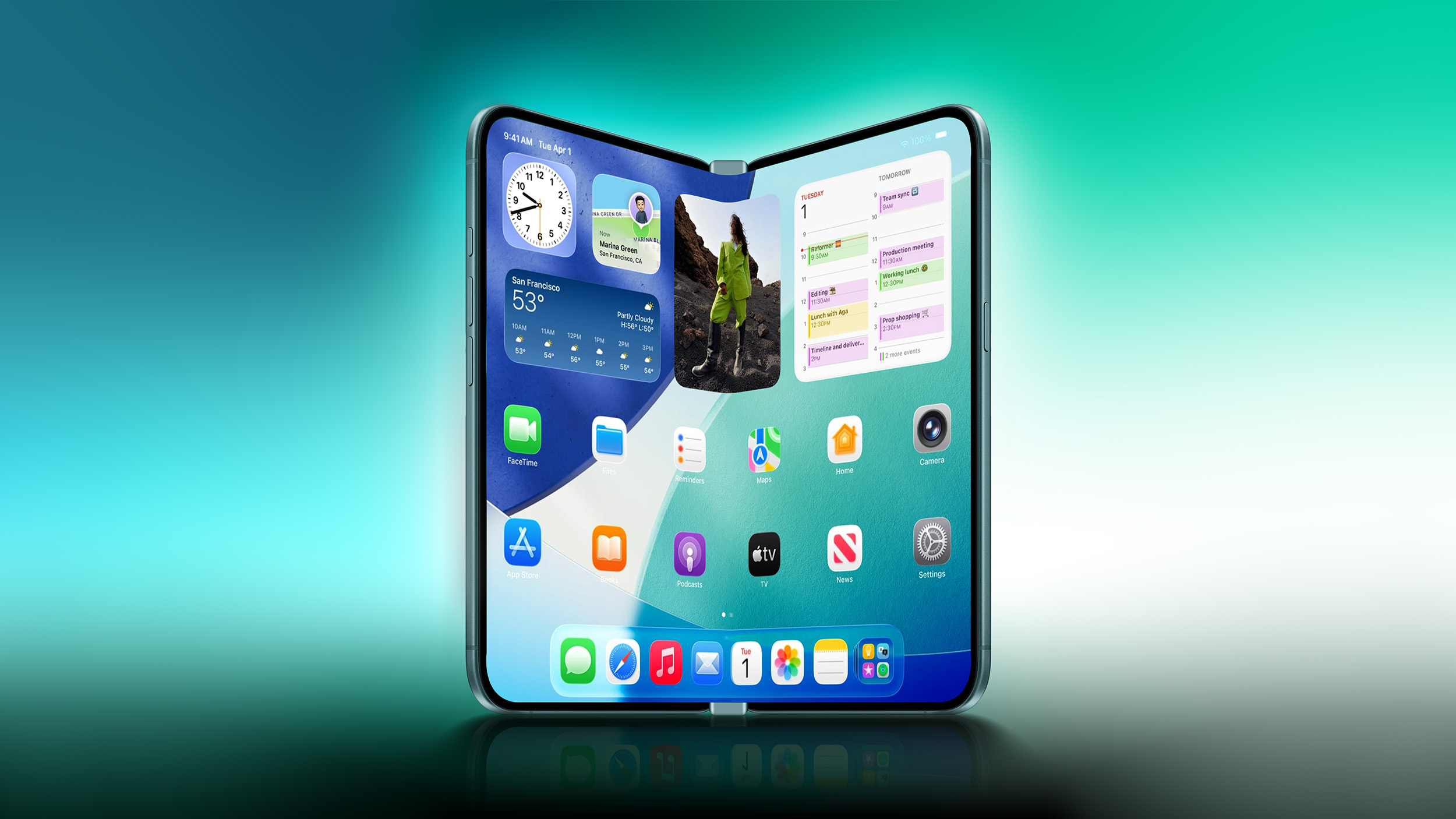
Apple has designed a book-style foldable that has an iPad-like layout when it's opened up. It will have a ~5.5-inch OLED outer display, which is what you'll use when the iPhone is closed. It will unfold into a larger OLED display that's approximately 7.8 inches.
The design is wider than it is tall when it's open, and you can picture it as something like an iPad mini that folds in half. Samsung's recent Galaxy Z Fold8 matches the foldable iPhone rumors, so it may be the best look at the size and layout of Apple's device.
Apple wanted a crease-free design, but that doesn't seem to be possible with a foldable yet. The iPhone Ultra will instead have a minimal crease and a durable liquid metal hinge. Foldables are delicate and hinges can be a weak point, so Apple focused on durability. Rumors indicate Apple could have some tricks to keep the crease less visible over time, such as optically clear adhesive that will fill in any micro-cracks caused by repeated folding.
When unfolded, the iPhone Ultra could be as thin as 4.5mm, making it Apple's thinnest iPhone to date. That would make it 9mm when folded, which is close to the thickness of the 8.75mm iPhone 17 Pro Max. With a chassis that thin, Apple had to make design compromises.
There is reportedly no space for the TrueDepth camera system for Face ID, so it's going to use Touch ID instead. There will be a Touch ID side button, similar to the iPad Air and iPad mini. Though Face ID isn't included, there will be front cameras for both the inner and outer displays.
Apple also didn't have room for a three-lens rear camera system, so the iPhone Ultra won't have a telephoto lens. Rumors suggest it will have an Ultra Wide lens and a Wide lens located on the back of the device, so the rear camera works whether the iPhone Ultra is folded or unfolded.
The iPhone Ultra will have a 2nm A20 Pro chip. The A20 Pro is expected to be around 18 percent faster and up to 30 percent more power efficient than the A19 Pro, and it could have a 7-core GPU, a wider memory interface, and a larger L2 cache for its efficiency cores. We're expecting 12GB of RAM.
Apple's 2026 iPhones could use its house-designed C2 modem, which is expected to be faster and more efficient than the C1X. It's not yet clear if Apple has added mmWave technology to the C2, and if it hasn't, foldable iPhone models sold in the U.S. could use Qualcomm modems instead. mmWave 5G isn't widely used outside of the U.S., but it is an expected feature for U.S. iPhones. The other alternative is limiting the foldable iPhone to sub–6GHz 5G speeds worldwide.
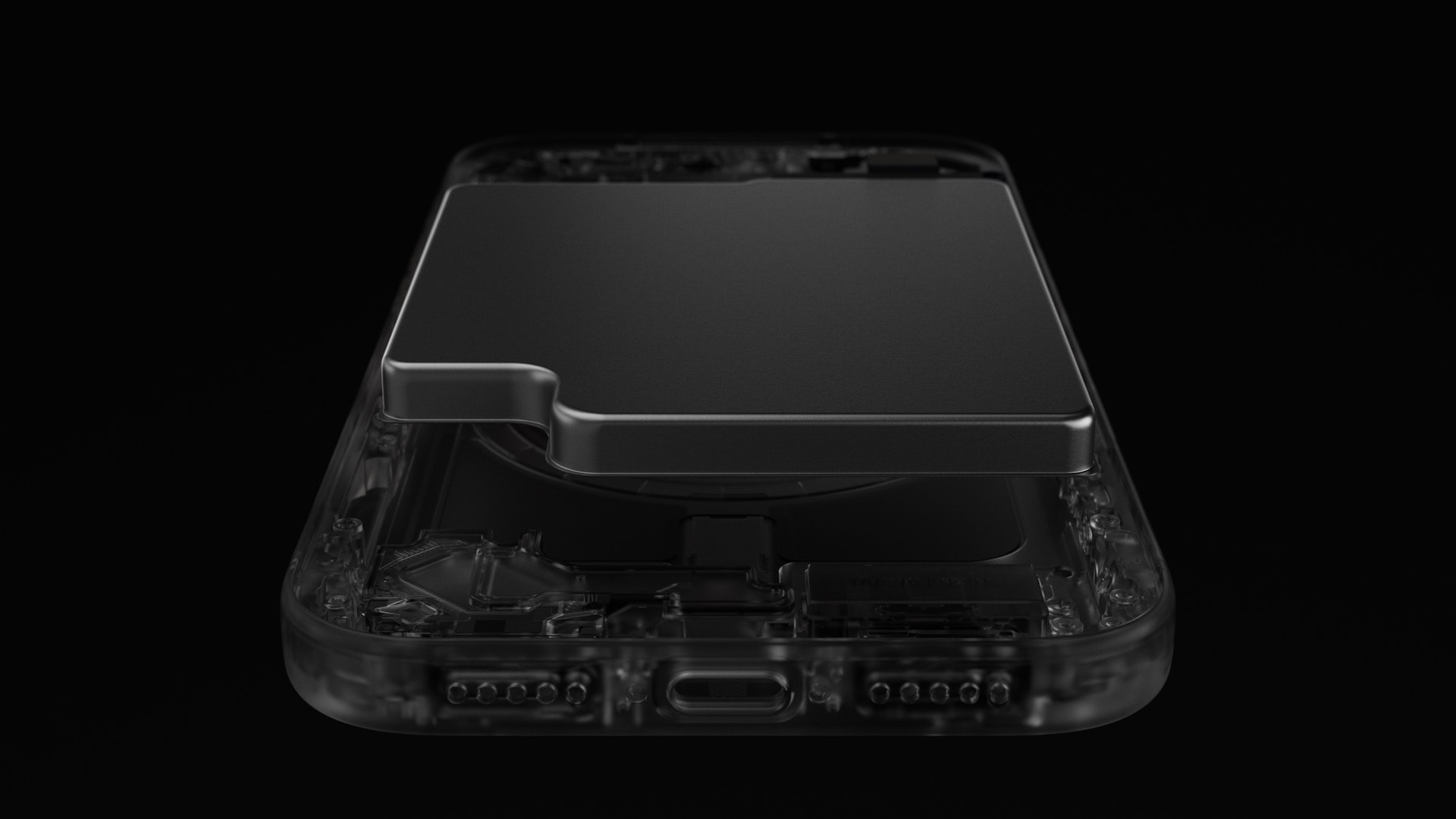
Each half of the iPhone Ultra will have a battery inside, and it could have a total capacity in the 5,400 to 5,800 mAh range. The iPhone 17 Pro Max has a 5,088 mAh battery for comparison.
Apple isn't taking risks with color. The iPhone Ultra will come in silver/white and a second color that's been described as a very deep shade of indigo that's close to black.
Software could make or break the iPhone Ultra, and Apple has been telling developers to design their apps for a variety of sizes and aspect ratios to accommodate the two foldable screens. The iPhone Ultra is likely to support multitasking, side-by-side apps, and sidebars, much like the iPad.
Apple's first foldable won't be cheap. According to rumors, it will cost at least $2,000, and higher-capacity models could be upwards of $2,500.
iPhone 18 Pro and iPhone 18 Pro Max
The iPhone 18 Pro models will look a lot like the iPhone 17 Pro models, with no major design changes expected. There are rumors that the iPhone 18 Pro Max might be a little bit thicker and heavier because of a larger battery, but iPhone 17 Pro cases are expected to fit the iPhone 18 Pro models. The camera plateau could be slightly thicker to accommodate a new variable aperture lens.
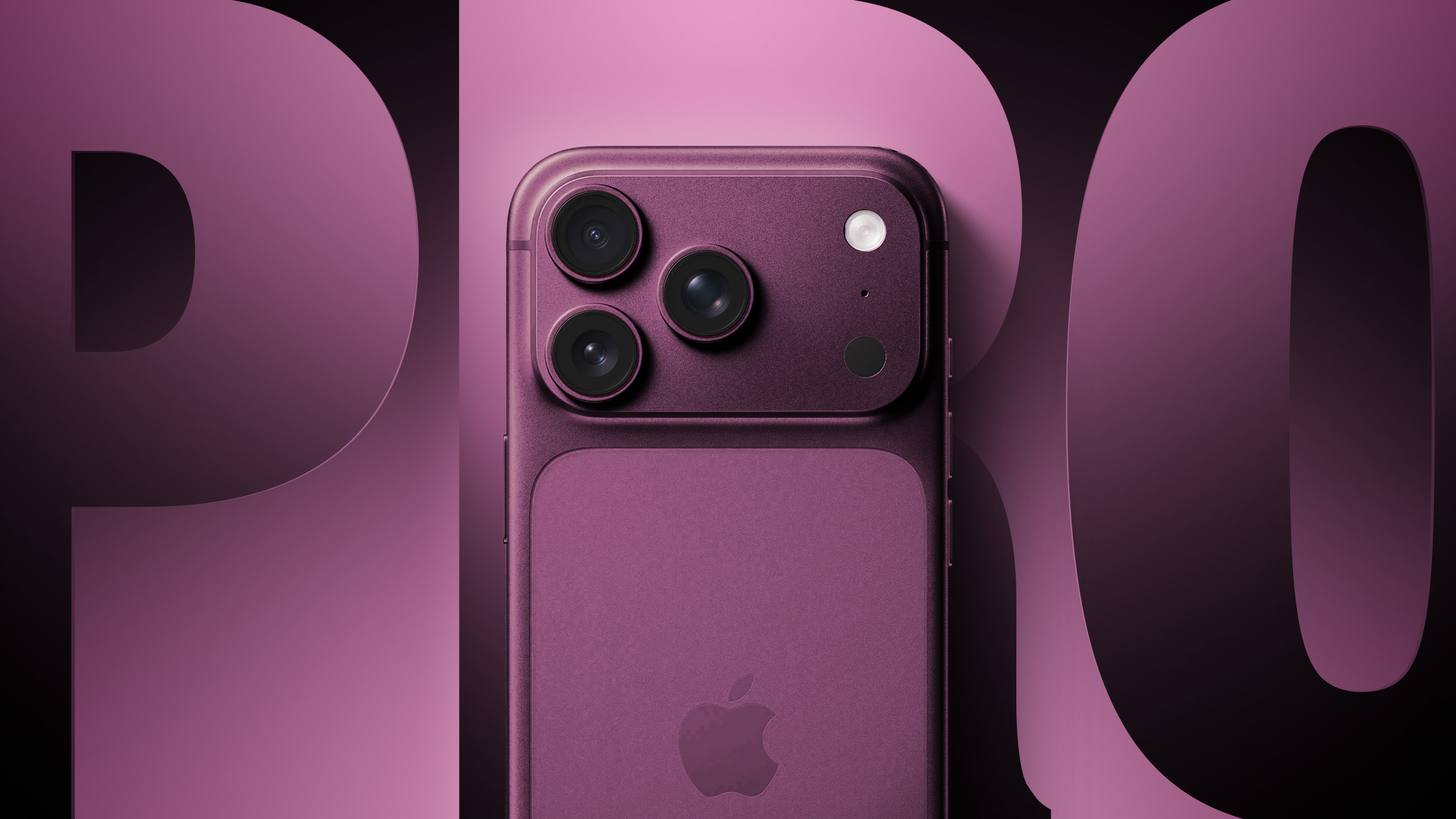
Apple has new colors planned, including a dark cherry shade, light blue, and silver. Rumors suggest there won't be a black iPhone 18 Pro option.
With the iPhone 17 Pro models, there's a clear color contrast between the frosted glass back and the aluminum casing, but that might be more subtle with the iPhone 18 Pro. While the overall shape isn't being updated, the iPhone 18 Pro and Pro Max could have a smaller Dynamic Island. There were early rumors about under-display Face ID with no Dynamic Island at all, but that's not going to happen.
There may be a noticeable increase in battery life due to the larger capacity battery rumored for the 18 Pro Max (5,567 mAh), plus efficiency improvements from the 2nm A20 Pro chip it's supposed to get and an upgrade in display technology. Rumors say Apple is using an LTPO+ display that's more efficient than the current OLED display.
Apple plans to upgrade the main rear camera with a DSLR-like variable aperture, giving users more control over the light that reaches the lens. An option for a smaller aperture in bright lighting could improve exposure, while a larger aperture in lower lighting conditions would let in more light to reduce grain and produce sharper images. A variable aperture also gives more control over background blur. Some rumors suggest this might be a feature exclusive to the iPhone 18 Pro Max, but it's not clear if that's accurate.
Apple could use a three-layer stacked image sensor developed by Samsung, which would make the camera more responsive and improve low-light performance. The Telephoto lens could have a wider aperture to let in more light, but no changes are rumored for the Ultra Wide lens or the front-facing camera.
There might be changes to the Camera Control button. Apple is supposedly simplifying it to eliminate the capacitive layer that lets you swipe to adjust camera settings on the button.
As with the foldable iPhone, some or all of the iPhone 18 Pro models could get Apple's C2 modem, but again, it's possible U.S. models will have Qualcomm modems for mmWave 5G.
Compared to the iPhone 17 Pro models, the iPhone 18 Pro models will be more expensive. Apple is paying more for memory and storage, and prices for Macs and iPads already went up. We could see a price increase ranging from $100 to $300.
Apple Watch Series 12
The Apple Watch Series 12 won't design changes, but Apple could bring back the ceramic case option. We're expecting an updated processor that could bring improvements to health and fitness tracking.
Apple is testing a feature that would let the heart rate sensor continuously collect data throughout the day, powering a new Health app feature that could show wellness-related info similar to what the Oura Ring offers.
Apple Watch Ultra 4
Like the Apple Watch Series 12, the Apple Watch Ultra 4 will have no major changes. It's likely to get the same upgraded processor and related changes.
AirPods 5
References to AirPods 5 were found in the macOS 26.7 release candidate, and the new earbuds could launch alongside the iPhone 18 Pro models. Apple could add an updated H3 chip for improved sound quality and lower latency, and we're likely to still get an ANC version and a non-ANC version.
Possible Product Launches
Home hub - Apple is working on a home hub with a 7-inch square display, an integrated camera, presence detection sensors, and more. It will control smart home devices, but it will also run apps. Rumors suggest it can be used to make video calls, play content, and interact with Siri AI, the new version of Siri in iOS 27. Apple has been waiting to launch the home hub because Siri AI is a central feature of the new device.
Apple TV 4K - There's a new Apple TV with a faster processor in the works, and it could come at the September event. No design changes are expected, but an updated chip could support Siri AI and new gameplay features. There are also signs of a new remote in Apple code.
HomePod mini - The HomePod mini is due for a refresh, and it's also expected to get a faster processor. We haven't heard word of design changes, but it could come in new colors.
Software Updates
At the September 9 event, Apple will announce the release dates for iOS 27, iPadOS 27, macOS Golden Gate, tvOS 27, watchOS 27, and visionOS 27. Apple will also likely seed release candidate versions of the updates to developers and public beta testers following the event.
Based on historical release timelines, iOS 27 and its sister updates could come out as soon as September 14.
What Not to Expect
There are several other products rumored to be launching before the end of 2026, but they'll likely come at a second event in October or November. There's also a notable omission from the lineup, because Apple is going to delay the iPhone 18.
iPhone 18 - The standard iPhone 18 will not launch in September 2026, with Apple instead planning to debut it in spring 2027 alongside the iPhone 18e and the iPhone Air 2. In the fall, we're only getting the iPhone 18 Pro, iPhone 18 Pro Max, and foldable iPhone.
Apple Watch SE 4 - There won't be a new Apple Watch SE 4 this year.
M6 MacBook Pro - A new entry-level MacBook Pro with an M6 chip is coming before the end of the year, but not at the September event.
M6 iMac - There's also an M6 iMac rumored to be coming in 2026, but Apple is likely to hold a Mac event to announce it, or do it via press release at a later date.
OLED MacBook Pro - We've been waiting on an OLED touchscreen MacBook Pro, and it's rumored for late 2026 or early 2027. It's not a candidate for Apple's September event.
OLED iPad mini - There's an OLED iPad mini in development, and it's expected to launch before the end of October. It's another one that's unlikely for an iPhone event.
Apple's New CEO
New Apple CEO John Ternus has presented at Apple events before, but the iPhone event will be the first he hosts as CEO in place of Tim Cook.
Cook was Apple's CEO for 15 years, so a transition to Ternus leading an event is a major change.
Cook is now Apple's executive chairman, and he may not make an appearance during the event at all.
iPhone Preorders
Apple almost always holds preorders on the Friday after an event, but this year, that Friday is 9/11. It's unlikely Apple will do iPhone preorders on Friday because of the date, so orders could happen on Saturday instead. The last time iPhone preorders overlapped with the 9/11 date in 2015, Apple pushed orders to Saturday.
If Apple follows the same pattern, the iPhone 18 Pro models and the iPhone Ultra could be available for preorder on Saturday, September 12. Back in 2015, Apple started preorders at 12:01 a.m. Pacific Time, but in recent years, preorders have started at 5:00 a.m. Pacific Time. Preorders this year could take place at 5:00 a.m. on September 12.
The new iPhones will likely launch on Friday, September 18, regardless of preorder date.
How to Watch
Apple's "Surprise and Shine" event will start at 10:00 a.m. Pacific Time on Wednesday, September 9. Apple will livestream the event on its website, on YouTube, and through the Apple TV app on supported devices.
For those unable to watch the livestream, MacRumors will have full event coverage on MacRumors.com and the MacRumorsLive X account. We'll also take a much closer look at all of the new products after the event.
Apple could release a home security system and service in 2027, according to Bloomberg.
The company is designing a privacy-forward home security camera that will "use AI to monitor the surrounding environment instead of actual video footage." It will apparently work with a new home security and monitoring service, but no additional detail on the service is included.
Apple is planning to release a home hub for controlling smart home devices before the end of the year, and rumors have previously suggested there's a camera in the works to go along with it. Early rumors indicated it would be a wireless camera with Siri integration and a connection to the home hub that's in development.
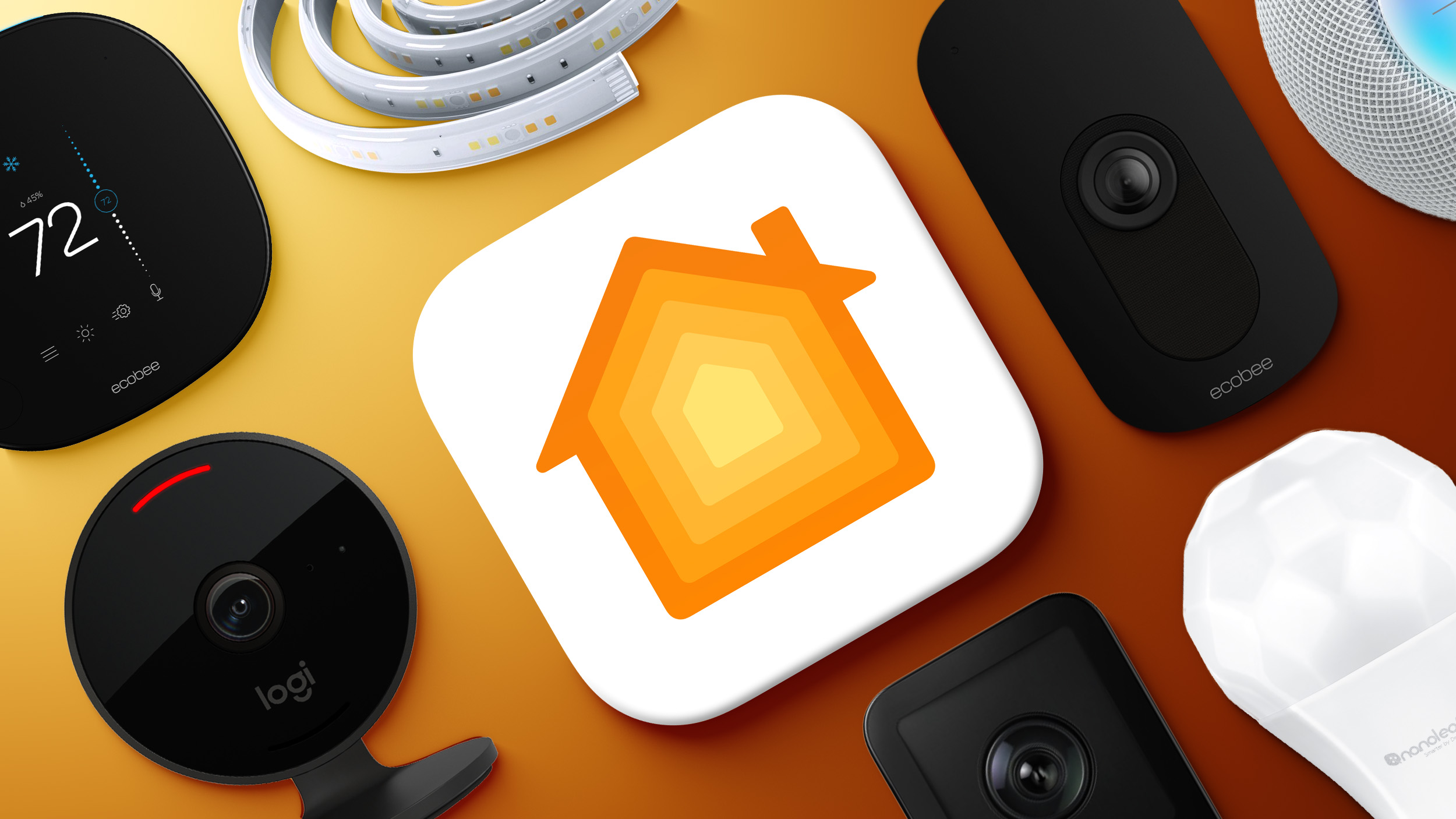
Apple already has HomeKit Secure Video, an Apple Home feature for third-party cameras. HomeKit Secure Video features end-to-end encryption and uses iCloud to securely stream and store video from compatible HomeKit cameras.
In iOS 27, Apple is upgrading its HomeKit camera features. The Home app is able to generate written summaries for motion alerts, plus it can surface highlights and group footage from different cameras together. The new features require a 2TB or higher iCloud+ plan, while HomeKit Secure Video requires a 50GB plan or better.
We're less than a week away from the debut of Apple's first foldable iPhone, and rumors have been picking up as the event date approaches. Here's the latest.
Crease - Some of the early language about the foldable iPhone's crease suggested Apple might have found a way to make it invisible, but later rumors are more realistic. The crease is minimal, but Apple hasn't found a magic way to get rid of it.
Touch ID - Touch ID is still expected for the foldable iPhone. Apple didn't have room for the Face ID hardware because the device is rumored to be just 4.5mm thick. There will be volume buttons at the top of the iPhone Ultra, with a Touch ID side button for unlocking.
Software - iOS 27makes it clear Apple is making sure apps will work with the foldable iPhone. There's a big push for app resizability and layout flexibility. The iPhone is expected to support multitasking, sidebars, and side-by-side app usage.
Cameras - Camera rumors haven't changed. We're expecting a two-lens camera setup with Wide and Ultra Wide lenses.
Chips - Early rumors said Apple would transition to the C2 and move away from Qualcomm, but it looks like Apple might still use Qualcomm modems in the United States. It hinges on whether the C2 supports mmWave 5G. The iPhone Ultra will also adopt Apple's A20 Pro chip, the same as the iPhone 18 Pro models.
Colors - The foldable iPhone is expected in white/silver and dark blue.
Apple Pencil - Apple tested an Apple Pencil with the foldable iPhone, but it's probably not going to launch.
Launch Timing - Rumors on iPhone Ultra launch timing and production have been mixed, with some sources reporting delays. Gurman says he will be "very surprised" if the device doesn't launch at the same time as the iPhone 18 Pro models or "very close to it." It's still possible supplies could be constrained, leading to long waits for those who don't pre-order early.
Price - The iPhone Ultra is expected to cost over $2,000, possibly up to $2,500 depending on storage capacity.
Apple will introduce the iPhone Ultra and the iPhone 18 Pro models at its "Surprise and Shine" event that will be held on Wednesday, September 9.
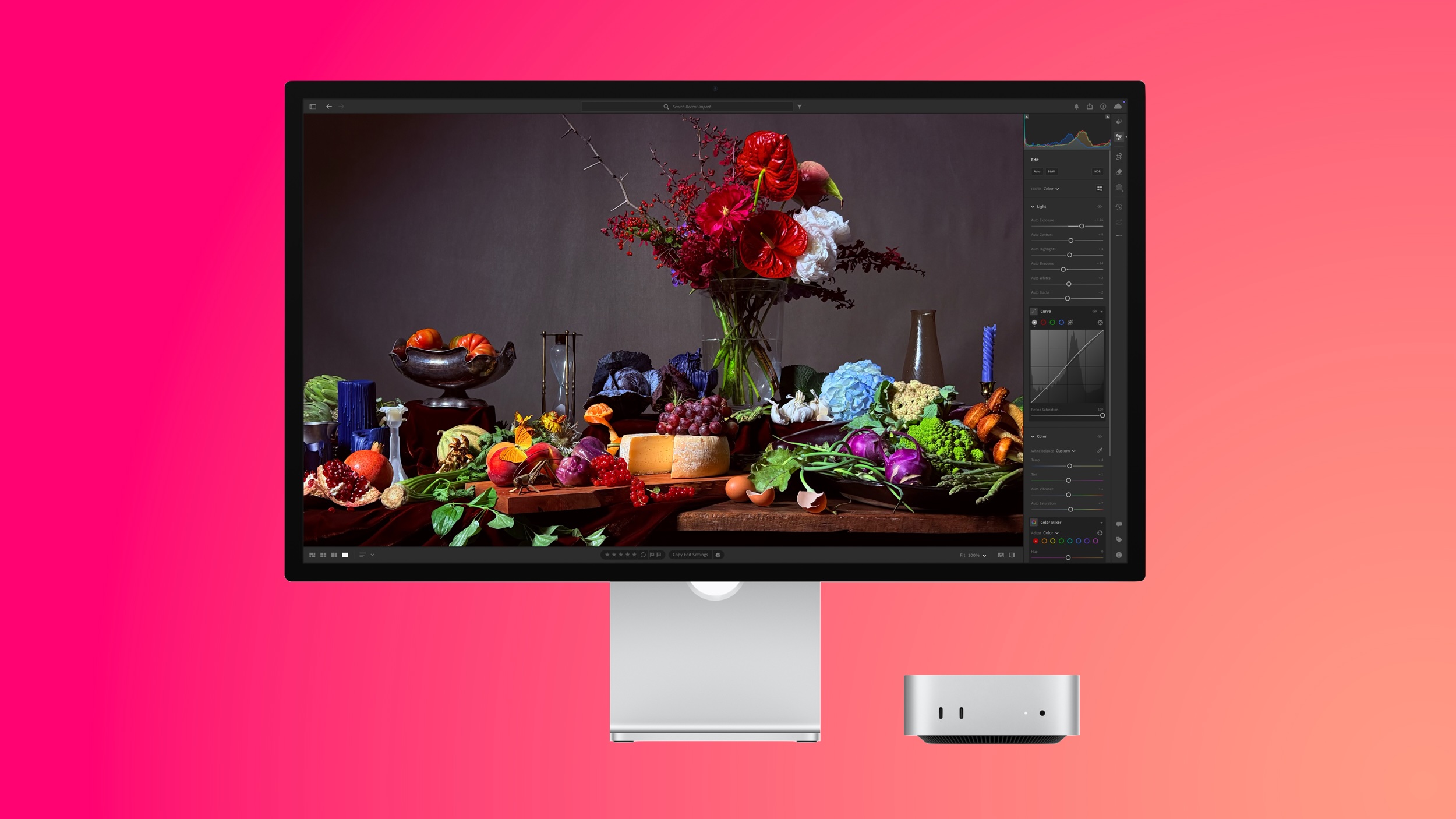
Amazon today has introduced a big discount on the Apple Studio Display with Nano-Texture Glass and Tilt-Adjustable Stand, available for $1,684.88 with an on-page coupon, down from $1,899.00. This is the first time in nearly three months we've seen any notable discounts on the 2026 Studio Display lineup.
Note: MacRumors is an affiliate partner with some of these vendors. When you click a link and make a purchase, we may receive a small payment, which helps us keep the site running.
Amazon's discount today beats the previous all-time low price by over $100. There are a few other Studio Displays with markdowns on Amazon for Labor Day, but none reach the steep discount of this model. Remember that you will need to clip the on-page coupon in order to see the final sale price.
Note: You won't see the deal price until checkout.
Apple refreshed the Studio Display lineup back in March, featuring two Thunderbolt 5 ports, built-in 12-megapixel Center Stage camera with Desk View, a six-speaker sound system, and more.
If you're on the hunt for more discounts, be sure to visit our Apple Deals roundup where we recap the best Apple-related bargains of the past week.
Deals Newsletter
Interested in hearing more about the best deals you can find in 2026? Sign up for our Deals Newsletter and we'll keep you updated so you don't miss the biggest deals of the season!
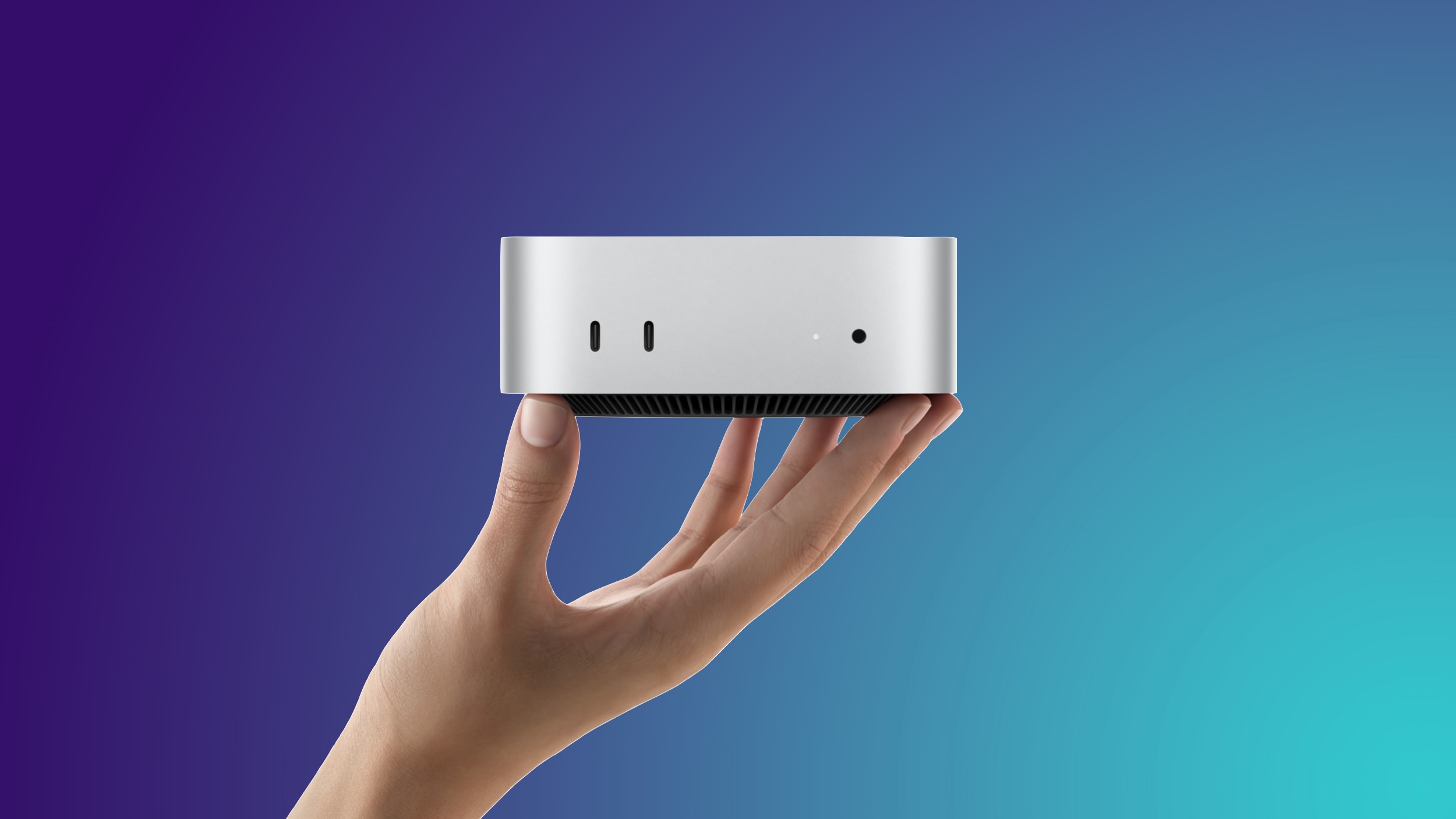
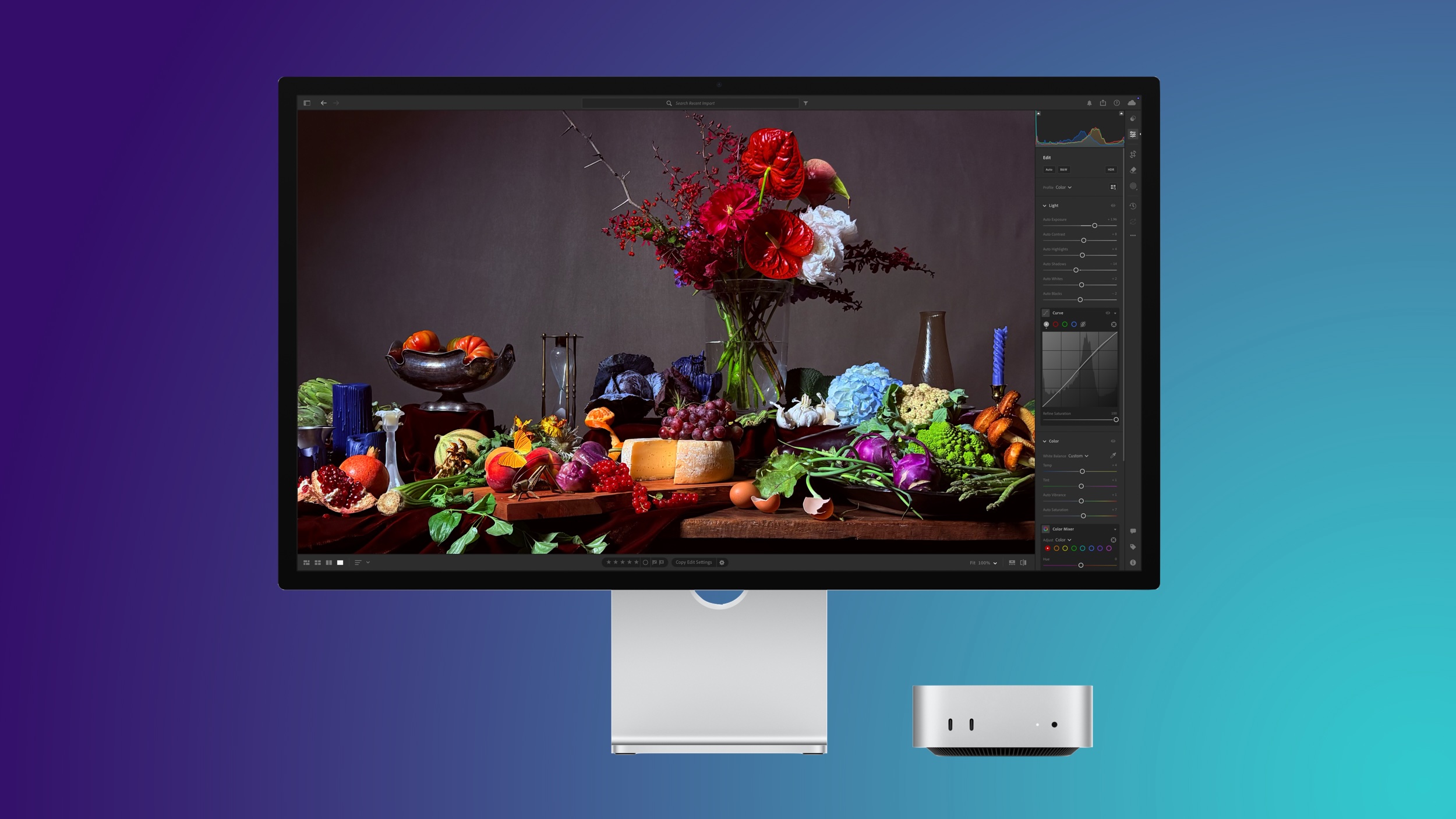
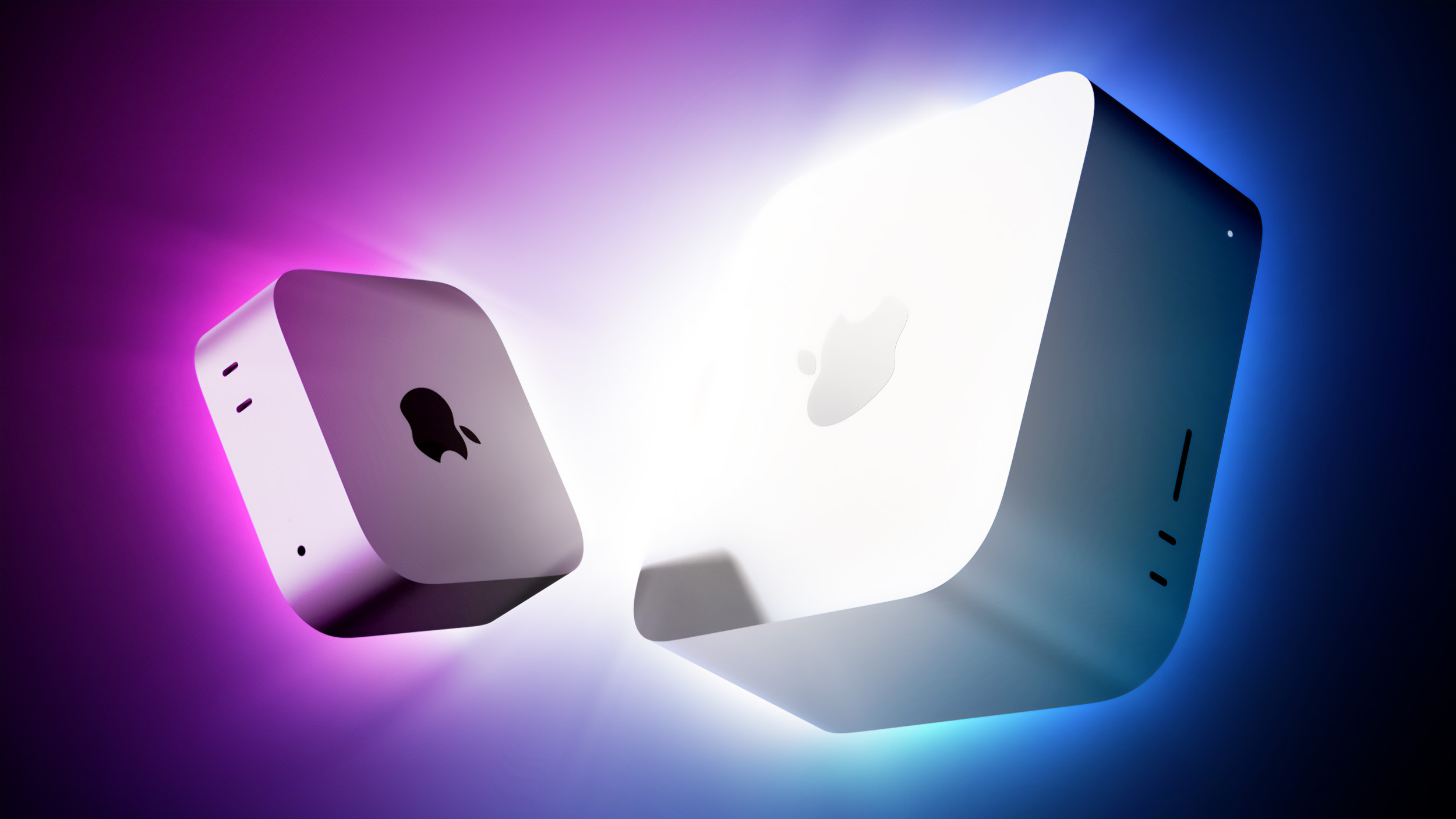
It's Labor Day weekend, and we're tracking big discounts across a wide variety of Apple and Apple-related products, including some of the best prices of the year on Studio Displays. You can also still get pre-order discounts on the new Mac minis on Amazon.
Note: MacRumors is an affiliate partner with some of these vendors. When you click a link and make a purchase, we may receive a small payment, which helps us keep the site running.
Mac Mini Pre-Orders
What's the deal? Take up to $29 off Mac mini pre-orders
Amazon this week introduced the first cash discounts on Apple's brand new Mac mini, with discounts including two of the M6 models as well as the M5 Pro model. All of these deals are pre-order discounts on the 2026 Mac mini, which officially launches on September 22.
Studio Display
What's the deal? Take up to $330 off Apple Studio Displays
Amazon this week introduced major discounts on the Apple Studio Display and Apple Studio Display XDR, providing up to $330 off these monitors. If you're shopping for the Studio Display, be sure to clip the on-page coupon on Amazon to get the final deal price.
Amazon Labor Day Sale
What's the deal? Save on popular accessories at Amazon
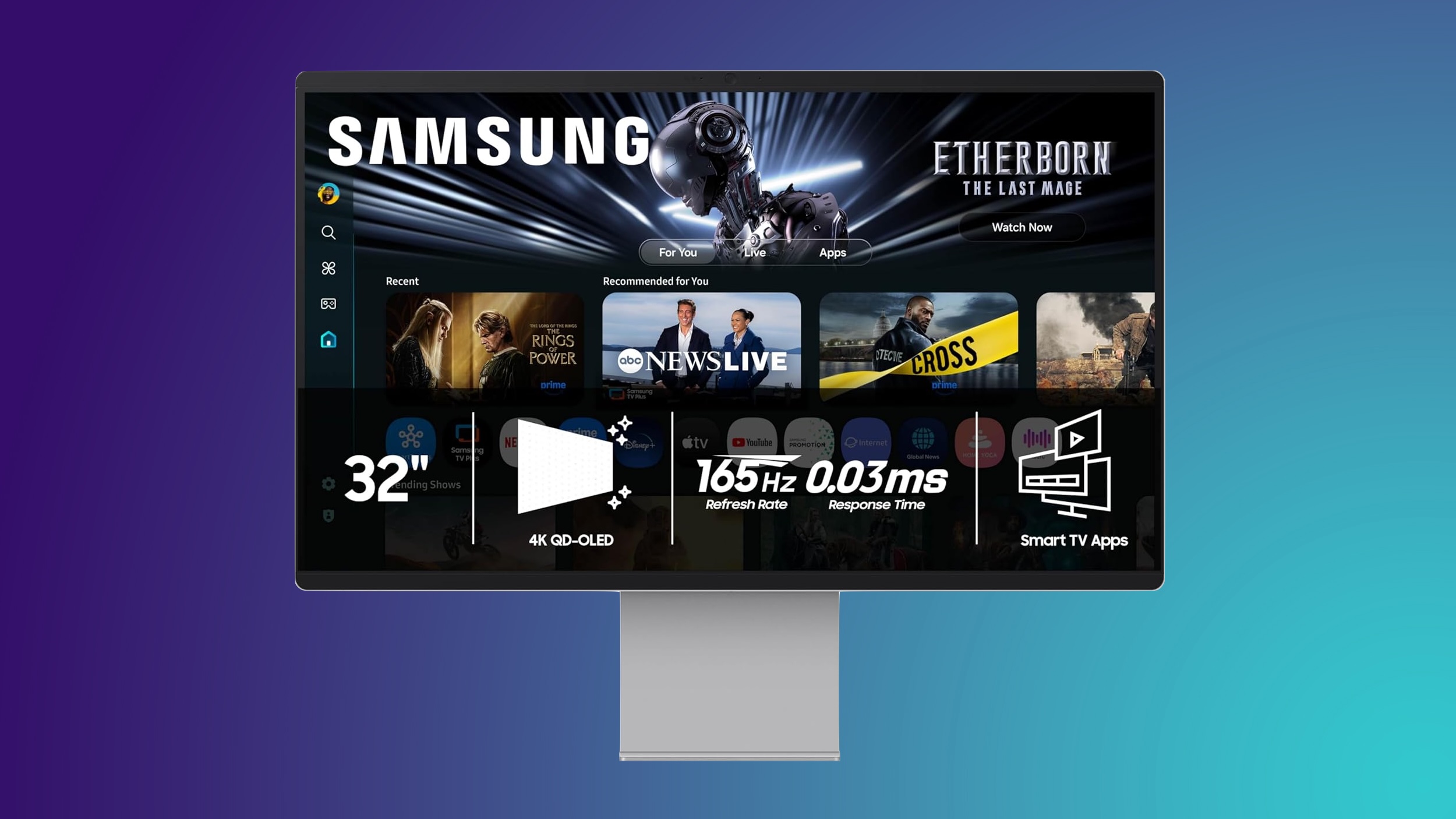
There's a big accessory sale happening on Amazon this week, with the year's best prices on Anker chargers, Samsung monitors, Sonos audio products, and much more.
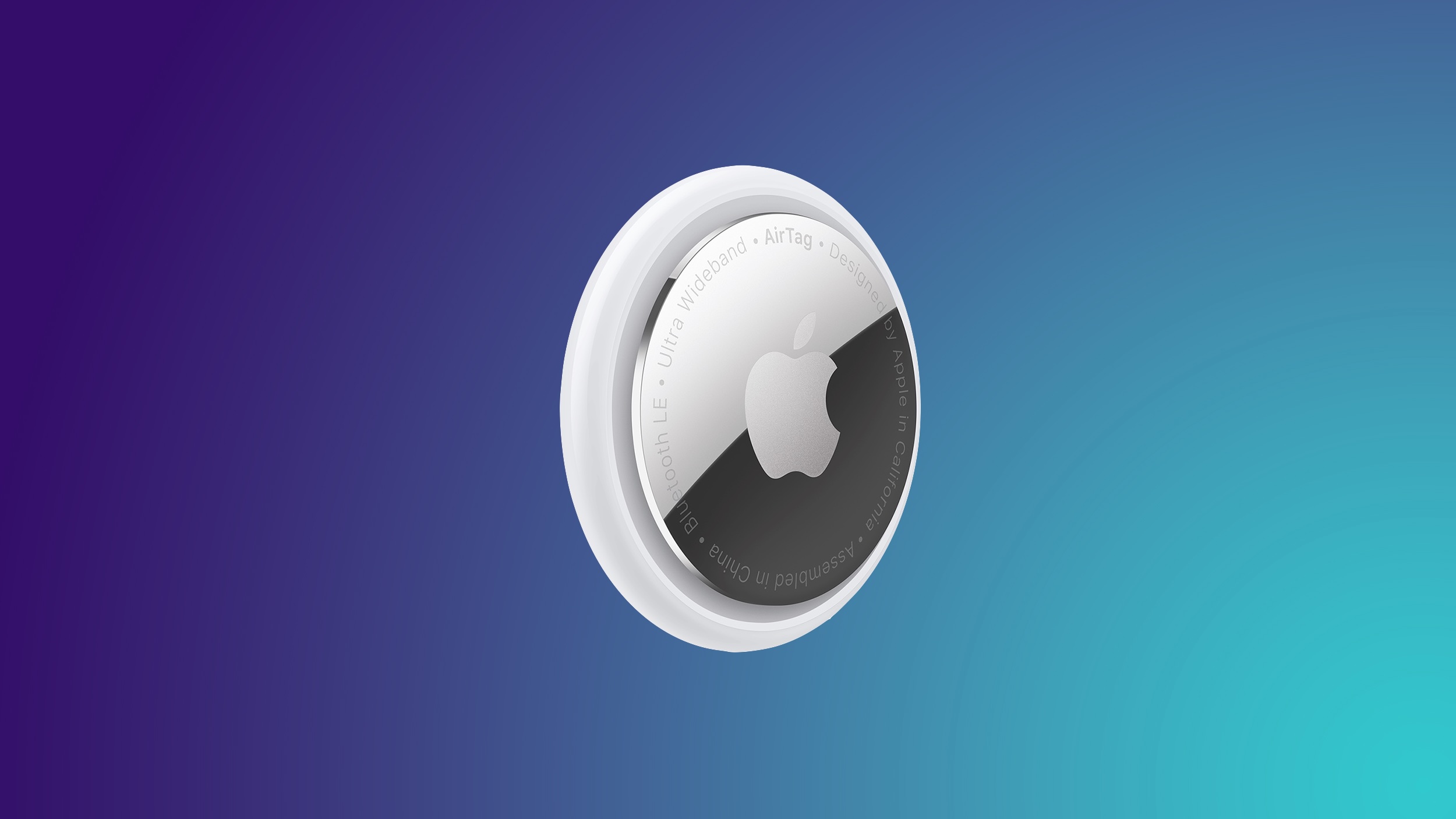
Apple's AirTag 2 is on sale for $79.99 this week on Amazon, down from $99.00. This deal is on the 4-Pack of the AirTag 2, and it's a new record low price for the accessory, beating the previous low by about $9.
If you're on the hunt for more discounts, be sure to visit our Apple Deals roundup where we recap the best Apple-related bargains of the past week.
Deals Newsletter
Interested in hearing more about the best deals you can find in 2026? Sign up for our Deals Newsletter and we'll keep you updated so you don't miss the biggest deals of the season!
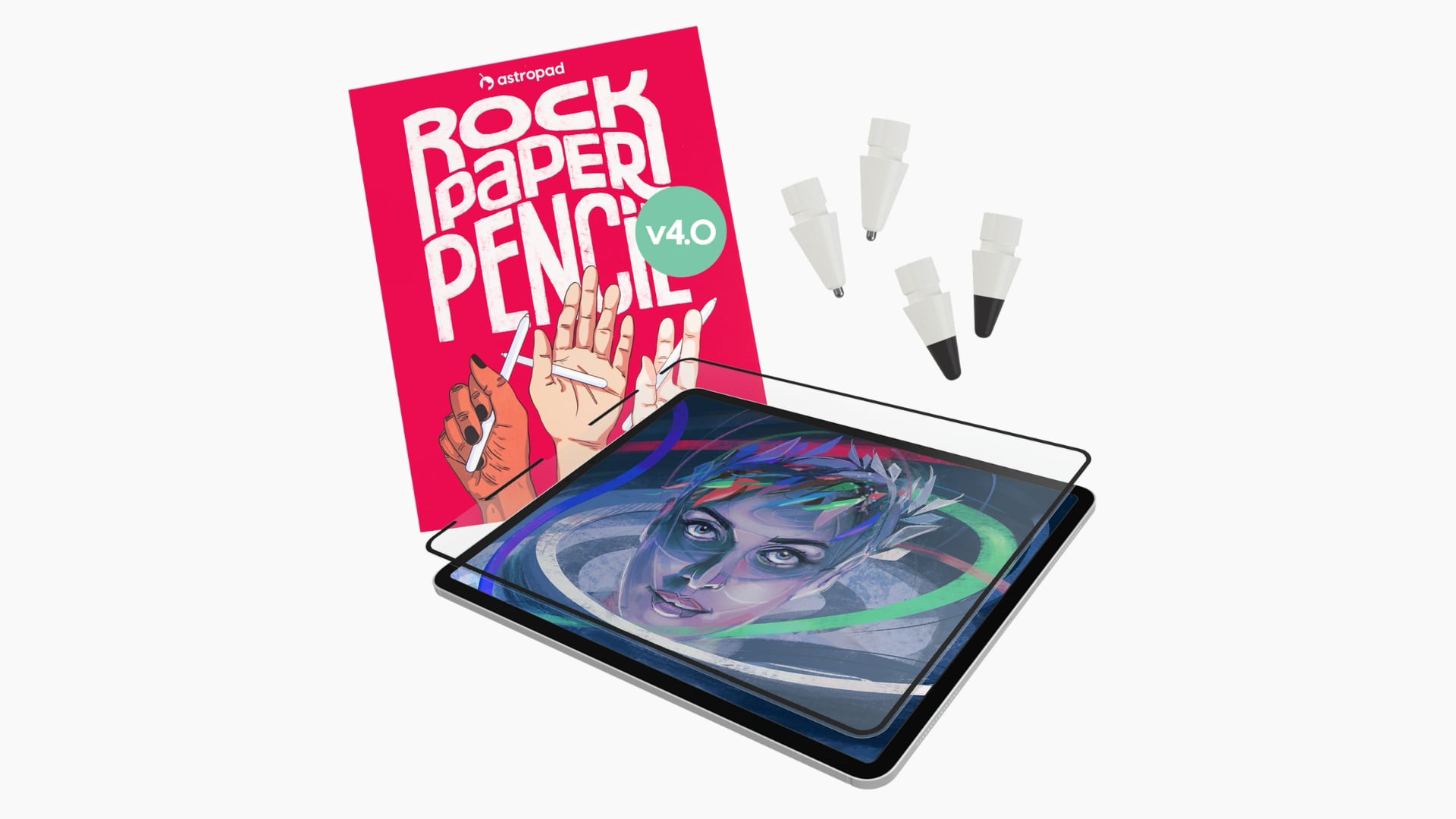
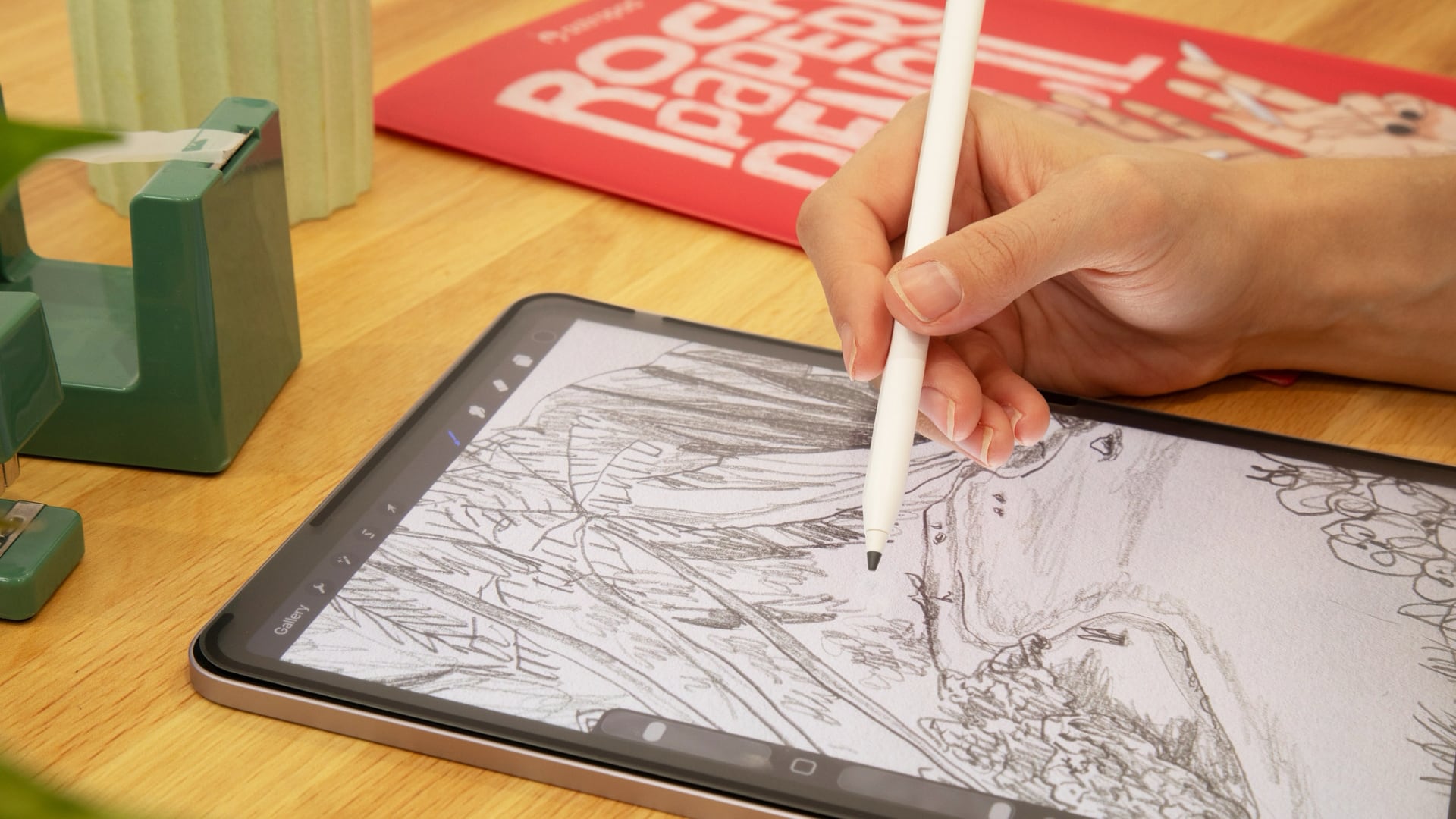
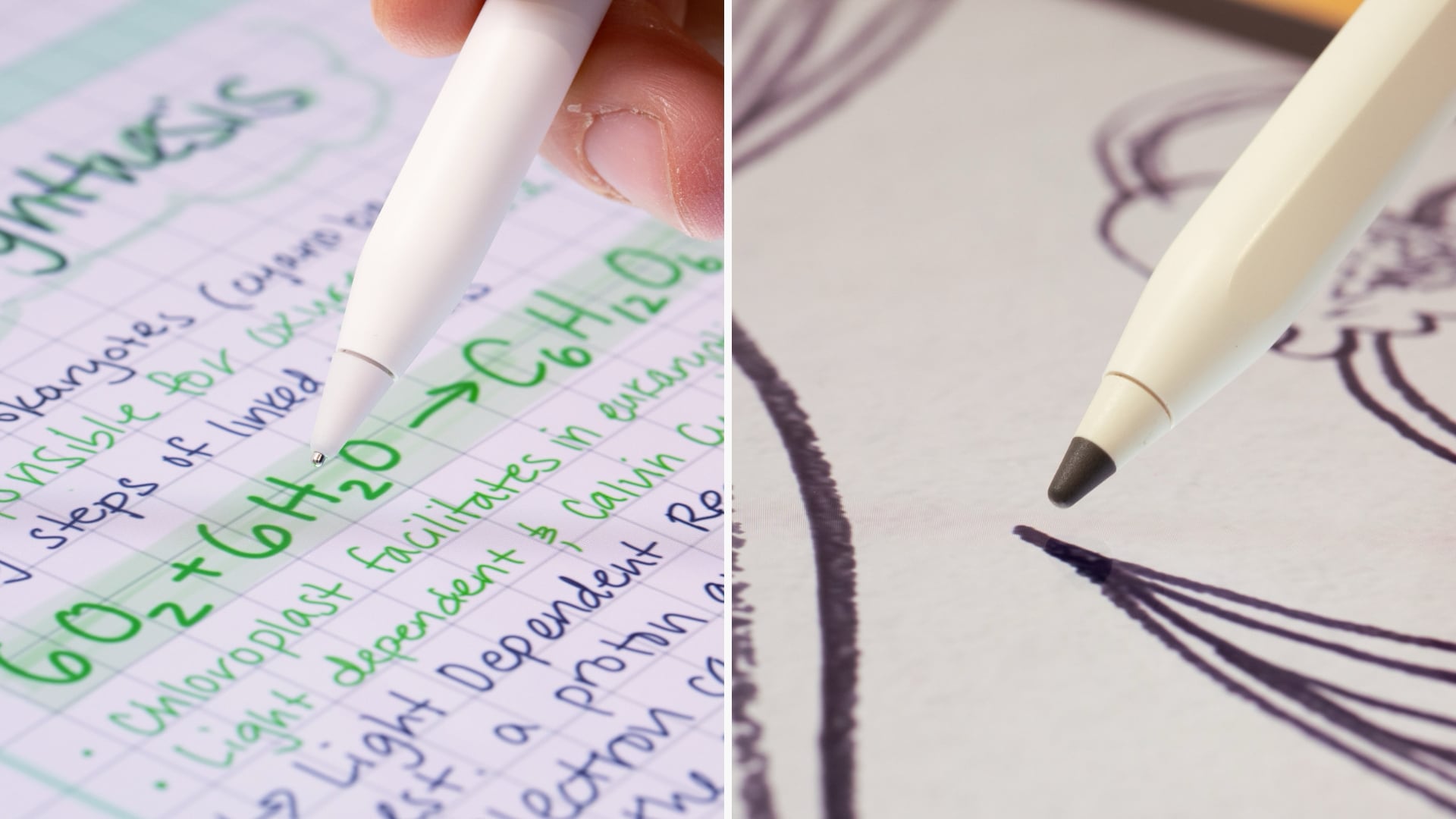
The $49.99 Rock Paper Pencil is a screen protector and Apple Pencil tip combo that makes writing on your iPad feel like writing on a piece of paper instead of a slippery glass display. It's a more comfortable and natural writing and drawing experience.
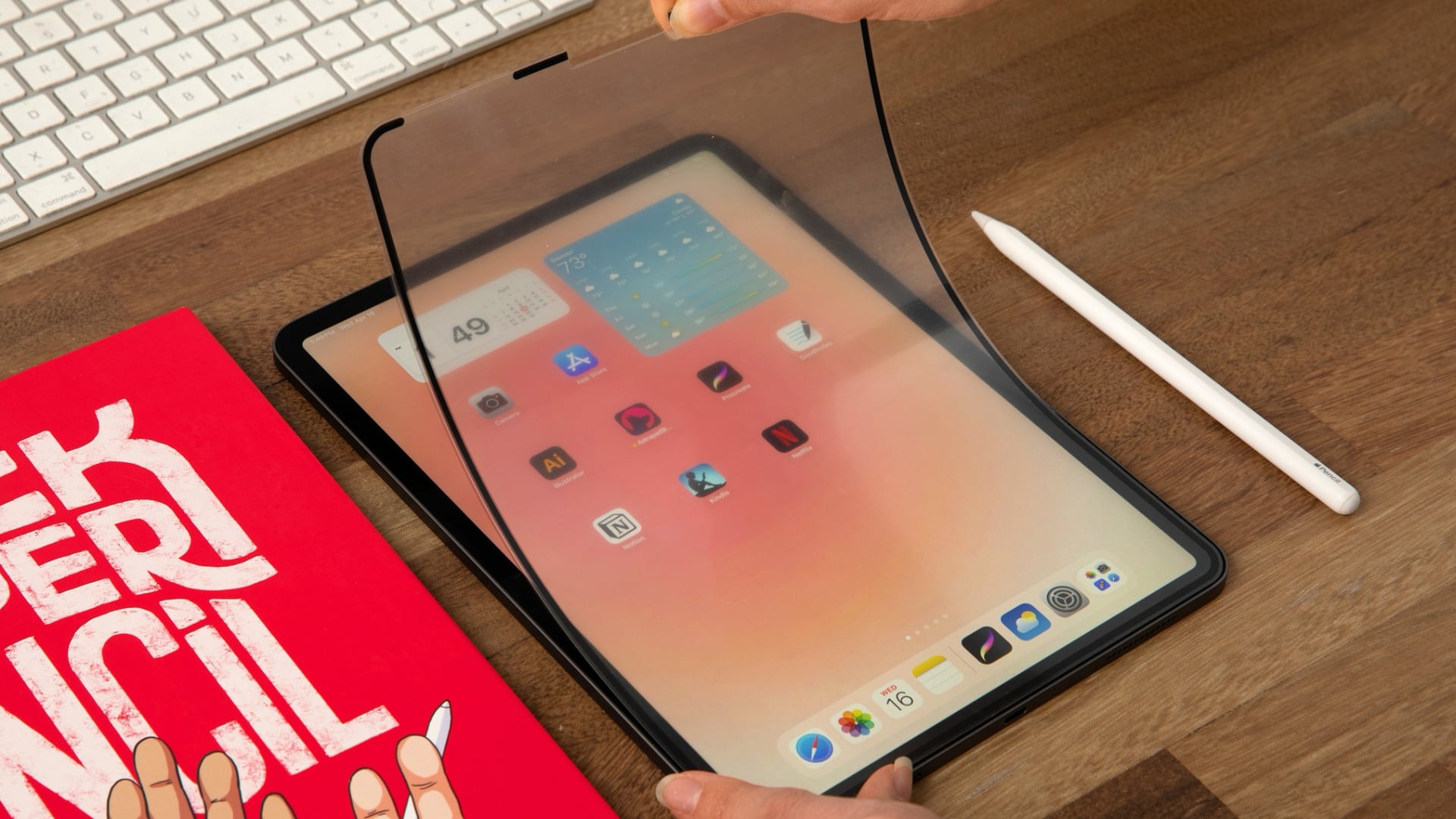
A non-adhesive paper-textured screen protector attaches to the iPad's display, with a custom tip added to the Apple Pencil. The paper-like feel of the screen comes from a microscopic texture that adds friction to improve control.
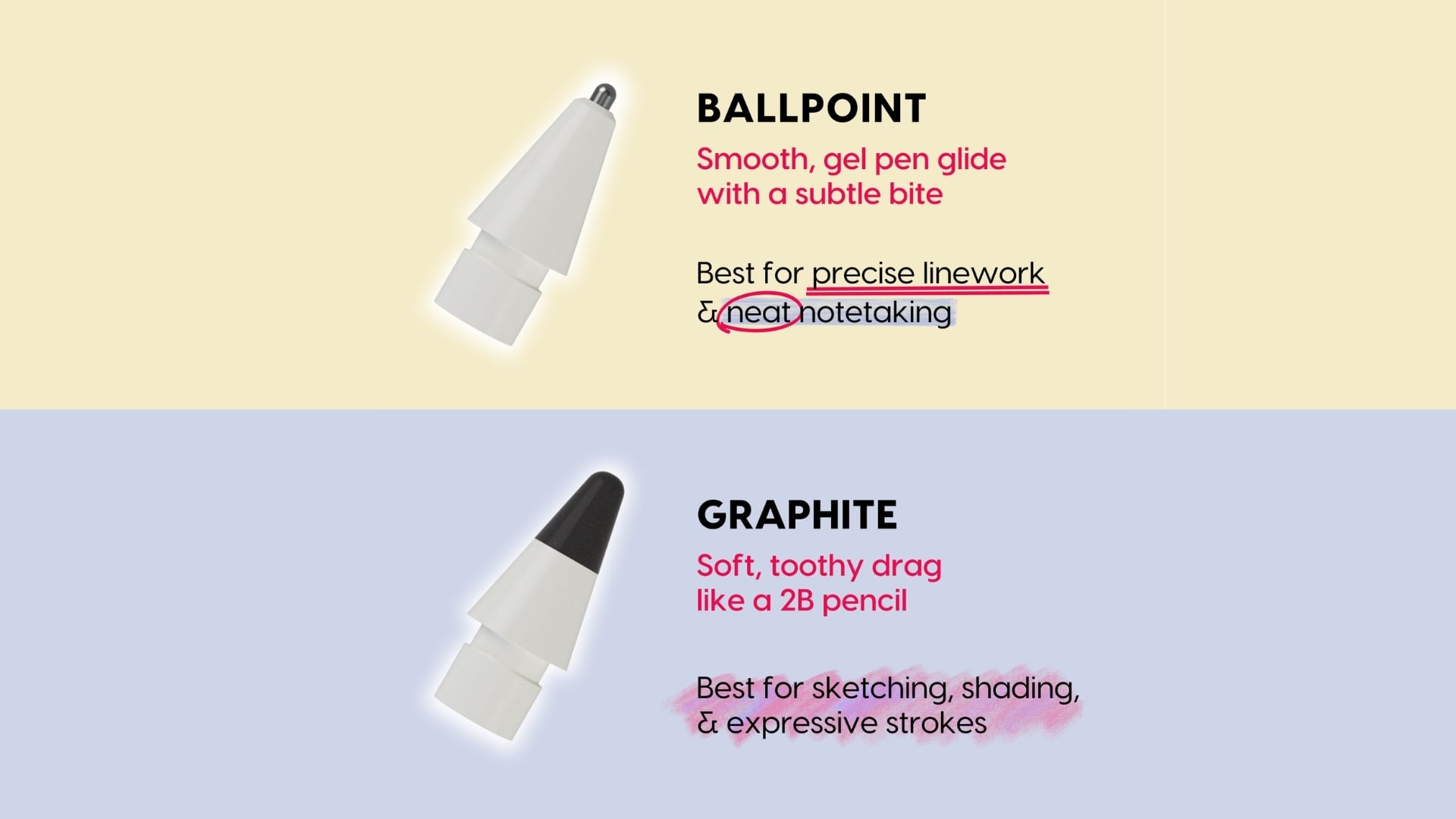
Astropad this week launched the fourth iteration of Rock Paper Pencil, and it now comes with tips that have a different feel. There's a new graphite tip that's meant to feel like writing with a 2B pencil, which Astropad says is ideal for sketching and shading. It even sounds like writing with a pencil on paper when you use it. There's also a ballpoint tip that feels like using with a smooth gel pen. It's ideal for writing and linework. Two of each kind of tip are included in the kit.
When you want to use your iPad for watching videos or playing games, you can take off the screen protector and store it away in a protective sleeve. It attaches to the iPad with Astropad's NanoCling technology, so there's no adhesive to deal with.
For those who dislike the unnatural feel of writing or drawing on a glass surface with a plastic Apple Pencil tip, Rock Paper Pencil is worth checking out.
Rock Paper Pencil is compatible with all of Apple's M2, M3, M4, and M5 iPads, as well as many older iPads.
We have a Rock Paper Pencil kit, an M4 iPad Air, and an Apple Pencil Pro for one lucky MacRumors reader. To enter to win, use the widget below and enter an email address. Email addresses will be used solely for contact purposes to reach the winner(s) and send the prize(s). You can earn additional entries by subscribing to our weekly newsletter, subscribing to our YouTube channel, following us on Twitter, following us on Instagram, following us on Threads, or visiting the MacRumorsFacebook page.
Due to the complexities of international laws regarding giveaways, only U.S. residents who are 18 years or older, UK residents who are 18 years or older, and Canadian residents who have reached the age of majority in their province or territory are eligible to enter. All federal, state, provincial, and/or local taxes, fees, and surcharges are the sole responsibility of the prize winner. To offer feedback or get more information on the giveaway restrictions, please refer to our Site Feedback section, as that is where discussion of the rules will be redirected.
The contest will run from today (September 4) at 9:00 a.m. Pacific Time through 9:00 a.m. Pacific Time on September 11. The winner will be chosen randomly on or shortly after September 11 and will be contacted by email. The winner will have 48 hours to respond and provide a shipping address before a new winner is chosen.

 Anmelden
 Note: MacRumors is an affiliate partner with some of these vendors. When you click a link and make a purchase, we may receive a small payment, which helps us keep the site running.
 Note: MacRumors is an affiliate partner with Amazon. When you click a link and make a purchase, we may receive a small payment, which helps us keep the site running.

 Note: MacRumors is an affiliate partner with some of these vendors. When you click a link and make a purchase, we may receive a small payment, which helps us keep the site running.
 Note: MacRumors is an affiliate partner with some of these vendors. When you click a link and make a purchase, we may receive a small payment, which helps us keep the site running.