❌

Lese-Ansicht

HomeView Can Dim to Apple's Lowest-Ever Display Brightness

The HomeView can dim its display to just 0.3 nits for use on a nightstand or in dark environments, making it Apple's lowest-ever display brightness.
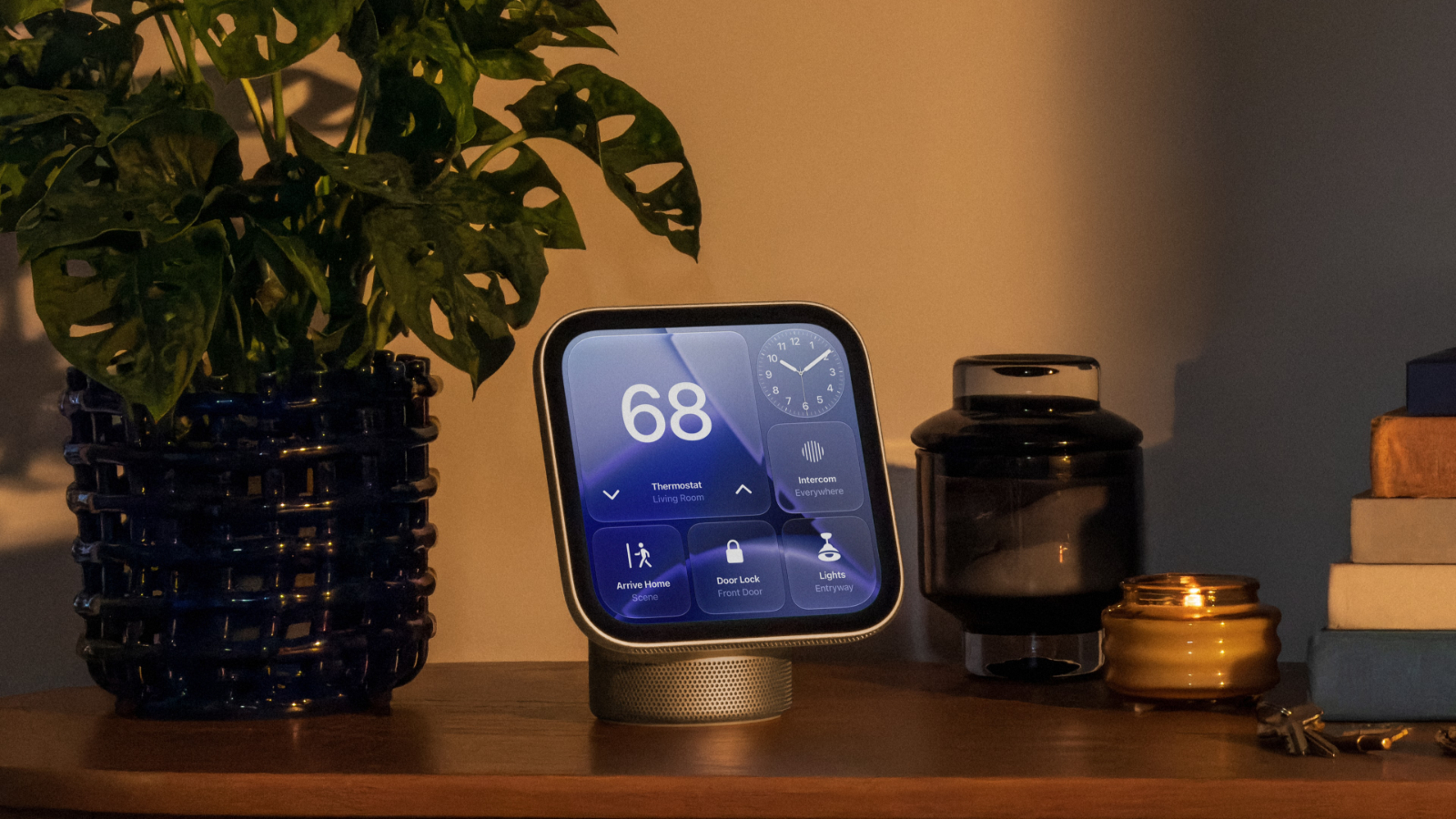

The 7-inch Liquid Retina display automatically adjusts its brightness as lighting conditions change, reaching up to 500 nits in bright rooms. Its 0.3-nit minimum allows it to dim substantially at night. True Tone also helps the screen adapt to changing ambient light.

Previously, Apple's dimmest display technology went down to just 1 nit. This feature debuted on the Apple Watch Series 9 and Ultra 2, and subsequently came to the iPhone.

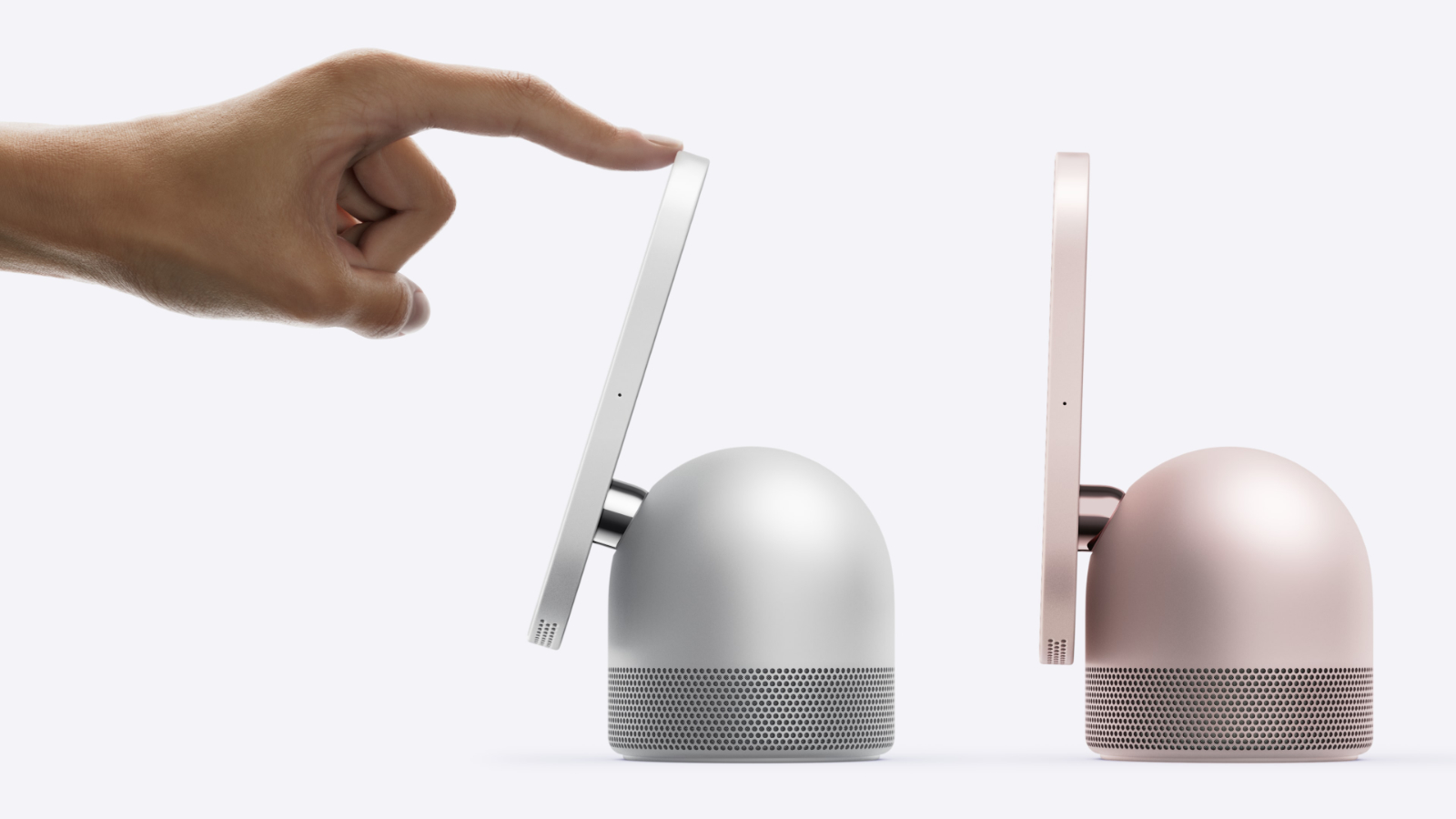
The tabletop HomeView model features a stainless steel hinge that lets users tilt the display as required. Its interface responds to distance, showing simpler information from across the room and more detail as users move closer.

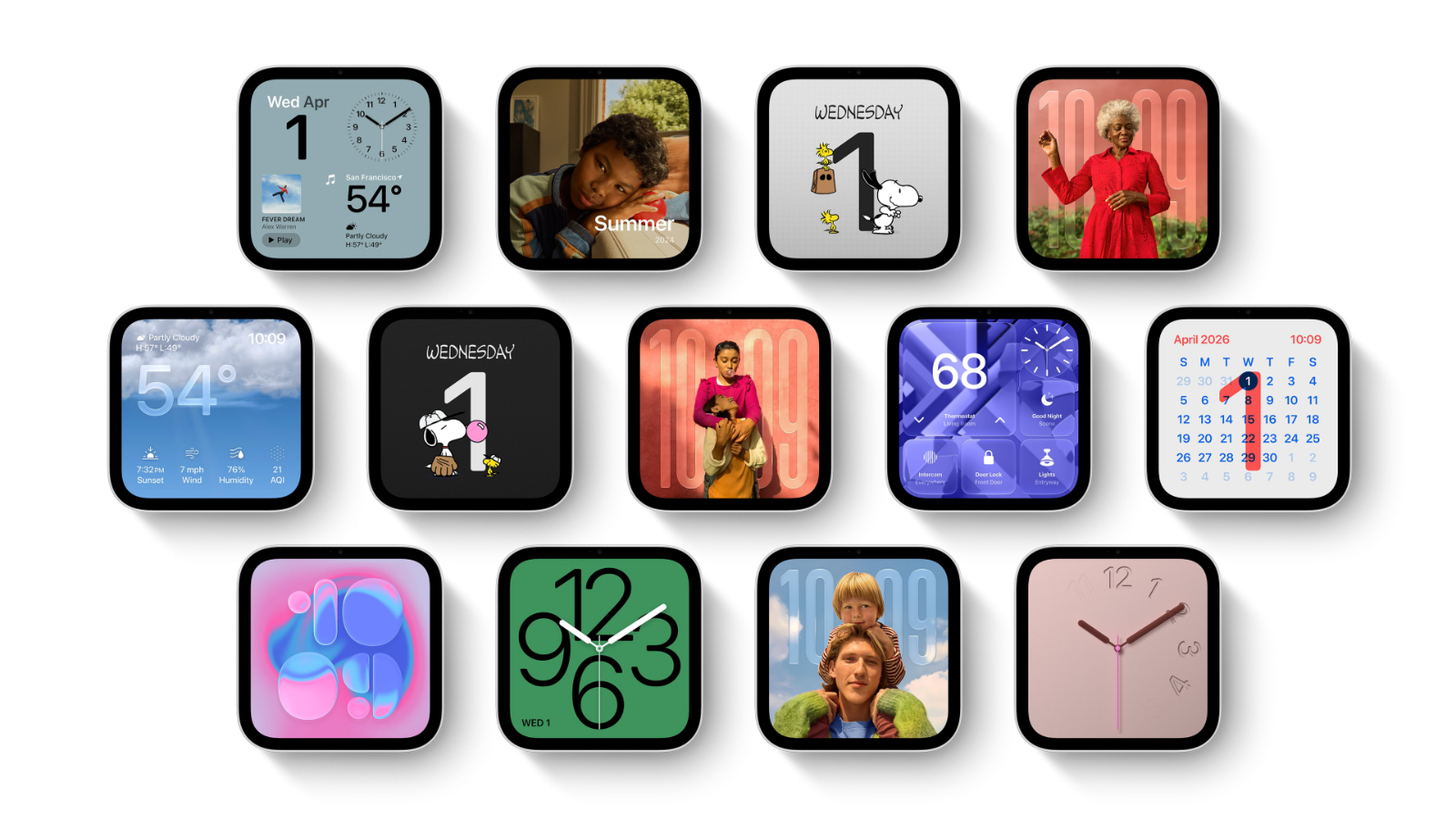
The HomeView also offers customizable faces, including weather information, photos, and animated designs. Apple says selected faces change throughout the day, adapting their appearance for mornings and evenings.

Apple's HomeView models launch on November 13 and cost $299 in the United States.
Related Roundup: Apple HomeView
Buyer's Guide: HomeView (Buy Now)

This article, "HomeView Can Dim to Apple's Lowest-Ever Display Brightness" first appeared on MacRumors.com

Discuss this article in our forums
  •  

New Apple TV 4K Adds Far-Field Microphones for Hands-Free Siri

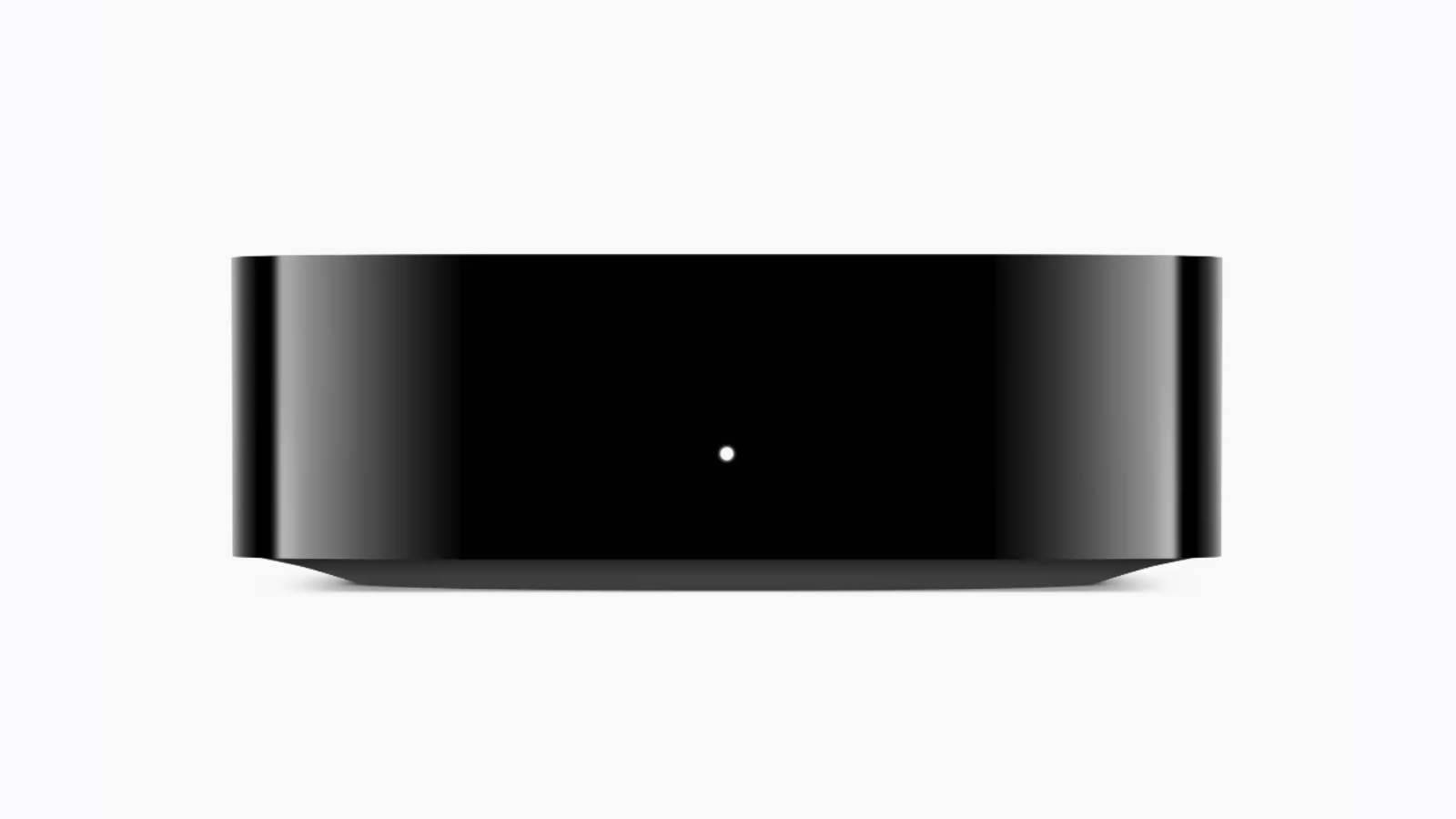
Apple's new fourth-generation Apple TV 4K includes three built-in far-field microphones, allowing users to find something to watch and control playback without picking up the Siri Remote.


Users can activate the voice assistant by saying "Hey ‌Siri‌" or "‌Siri‌," including while a movie or TV show is playing. Apple says advanced echo cancellation separates the user's voice from background sound, helping the device recognize requests over the TV's audio.

The microphones also enable hands-free control of compatible smart home accessories and scenes. With ‌Siri‌ AI, users can search for entertainment conversationally and ask follow-up questions about what they are watching, with answers appearing in a compact overlay over the video.

Apple says the new Apple TV 4K and its A19 chip include Secure Exclaves, which are protected processing environments that handle microphone data separately from the rest of the system. According to Apple, data processed and analyzed inside these environments cannot be accessed by tvOS, apps, users, or Apple itself.

Far-field ‌Siri‌ support varies by region and language. The feature is supported when the primary tvOS language is set to English, Mandarin Chinese, Dutch, Finnish, French, German, Hebrew, Norwegian, or Swedish.

The new ‌Apple TV‌ 4K is available to preorder today for $299 in the United States, with availability beginning November 13.
Related Roundup: Apple TV
Tag: Siri
Buyer's Guide: Apple TV (Buy Now)

This article, "New Apple TV 4K Adds Far-Field Microphones for Hands-Free Siri" first appeared on MacRumors.com

Discuss this article in our forums
  •  

Apple Details HomeView's Audio Hardware

Apple's new HomeView supports Spatial Audio, with different speaker systems for its tabletop and wall-mounted models.


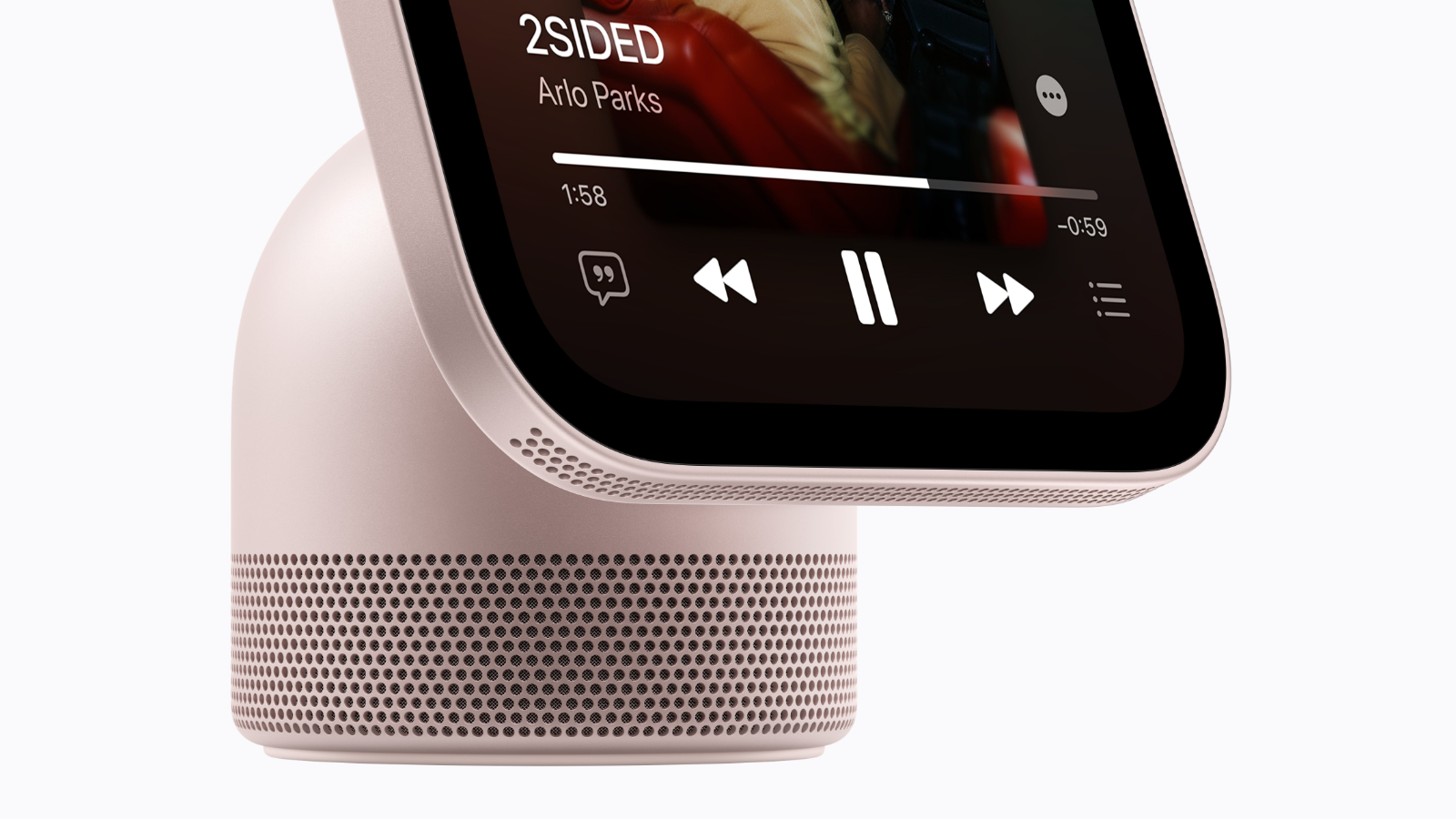
The tabletop model features two custom full-range drivers in its display, with a down-firing woofer and two force-canceling passive radiators housed in the domed base. Apple says this arrangement delivers clear sound with extended bass, distributing the audio hardware between the screen and its stand.

The HomeView's A18 chip and built-in sensors power computational audio that continuously adjust loudness and bass response. According to Apple, this processing helps maintain consistent, balanced sound at different volume levels.

The wall-mounted HomeView uses two custom drivers and computational audio tuned specifically for placement on a wall, but lacks the added speaker hardware in the tabletop models' base. It still supports Spatial Audio.


For music playback, HomeView supports multiroom audio alongside other HomeView devices, HomePod, HomePod mini, and AirPlay-compatible speakers. Handoff lets users transfer music from an iPhone by placing it in front of the HomeView's display. Apple Music displays animated album artwork and lyrics, while Apple Podcasts and compatible third-party audio apps can provide additional content.

The HomeView also features four beamforming microphones for Siri requests and FaceTime calls. Apple says the microphone array can pick up voices from across the room while reducing background noise.

Both HomeView models launch on November 13 and cost $299 in the U.S.
Related Roundup: Apple HomeView
Buyer's Guide: HomeView (Buy Now)

This article, "Apple Details HomeView's Audio Hardware" first appeared on MacRumors.com

Discuss this article in our forums
  •  

Apple Shares Videos for HomeView, Apple TV 4K, and HomePod Mini 2

Apple today shared four new videos on its YouTube channel highlighting the newly announced HomeView smart home hub, fourth-generation Apple TV 4K, and HomePod mini 2.


The longest video, "Welcome Apple HomeView: Designed for life at home," follows a family through a busy morning. It shows Siri helping retrieve a French toast recipe sent in Messages, locate misplaced keys, and check evening plans, alongside a FaceTime call with grandparents.


A second, shorter HomeView video provides an overview of the device's features, including personalized experiences for up to six users, ‌FaceTime‌ calls, Spatial Audio, and smart home controls. It also highlights the 7-inch Liquid Retina display and its customizable collection of display faces.


The HomePod mini 2 video focuses on the speaker's sound and compact design, showing its green, pink, blue, midnight, and white finishes. It also promotes multiroom audio and ‌Siri‌ AI, which Apple says will arrive on ‌HomePod mini‌ 2 in a future software update.


The Apple TV 4K video highlights Dolby Vision and HDR10+ playback, hands-free ‌Siri‌ control using built-in microphones, and the ability to play a sound to locate the updated ‌Siri‌ Remote. Apple also promotes the new four-speaker surround sound setup, which supports ‌HomePod mini‌ 2 and second-generation HomePod speakers in matching front and rear pairs.

Today's announcements also included the Apple Home Collection, a lineup of cameras, a door lock, thermostats, and sensors developed with LG and Schneider.

The HomeView, new ‌Apple TV‌ 4K, and ‌HomePod mini‌ 2 are available to pre-order today. The ‌HomePod mini‌ 2 launches on October 30, while the HomeView and new ‌Apple TV‌ 4K launch on November 13.

This article, "Apple Shares Videos for HomeView, Apple TV 4K, and HomePod Mini 2" first appeared on MacRumors.com

Discuss this article in our forums
  •  

HomeView Comes in Four Colors, but Wall-Mounted Model Gets Just Two

Apple's new HomeView smart home hub comes in four colors, but the wall-mounted model offers only two finishes.


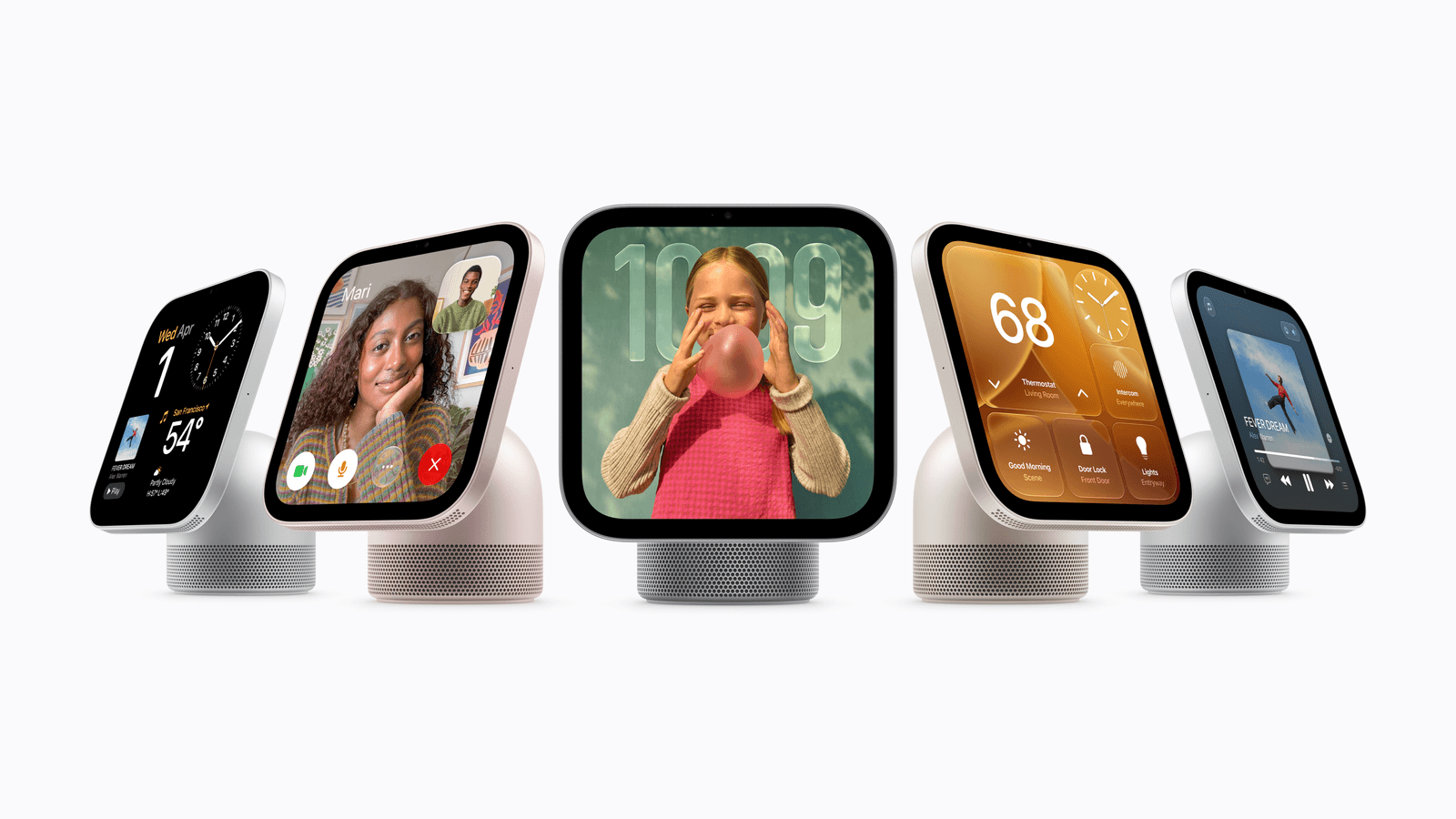
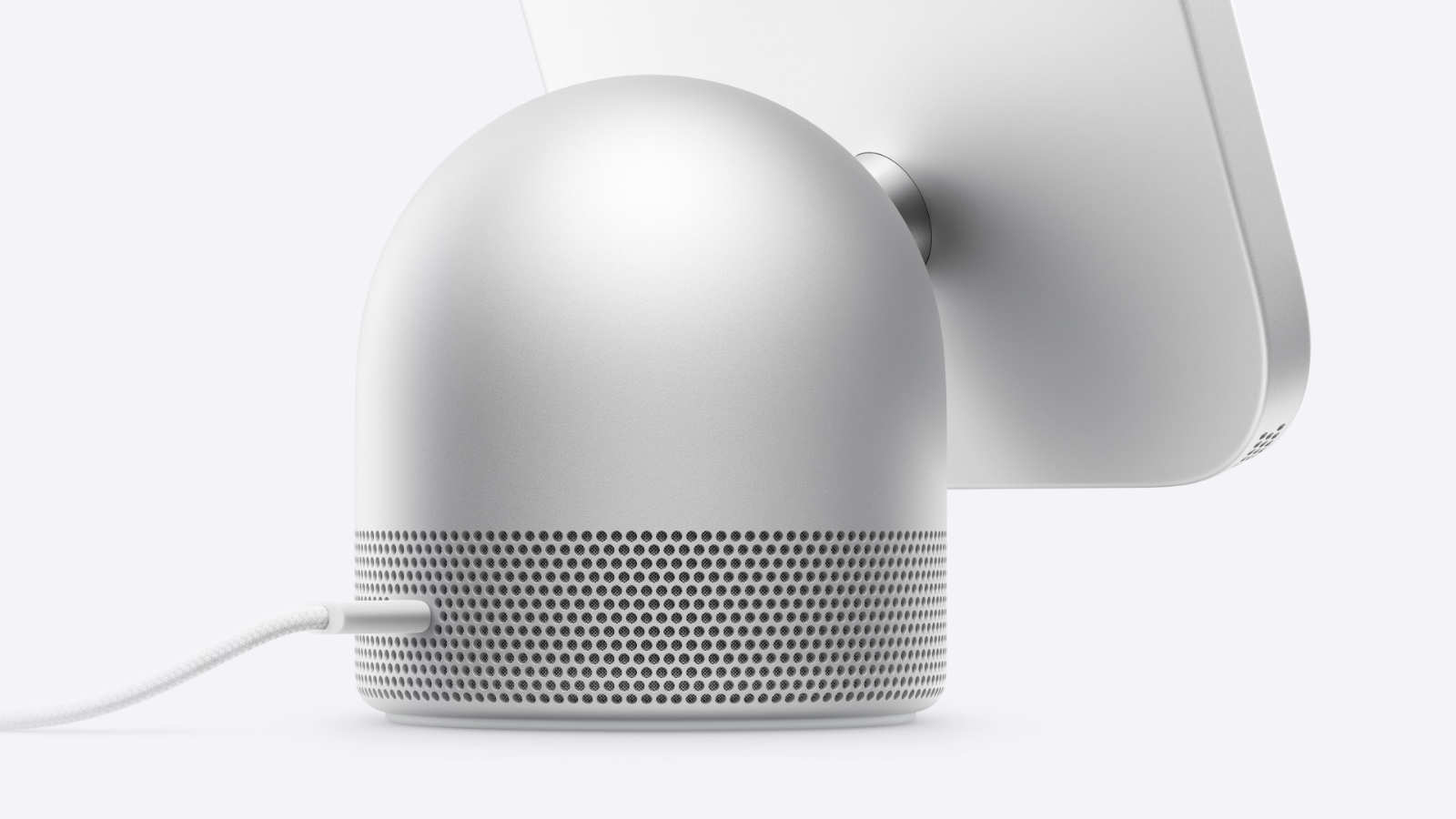
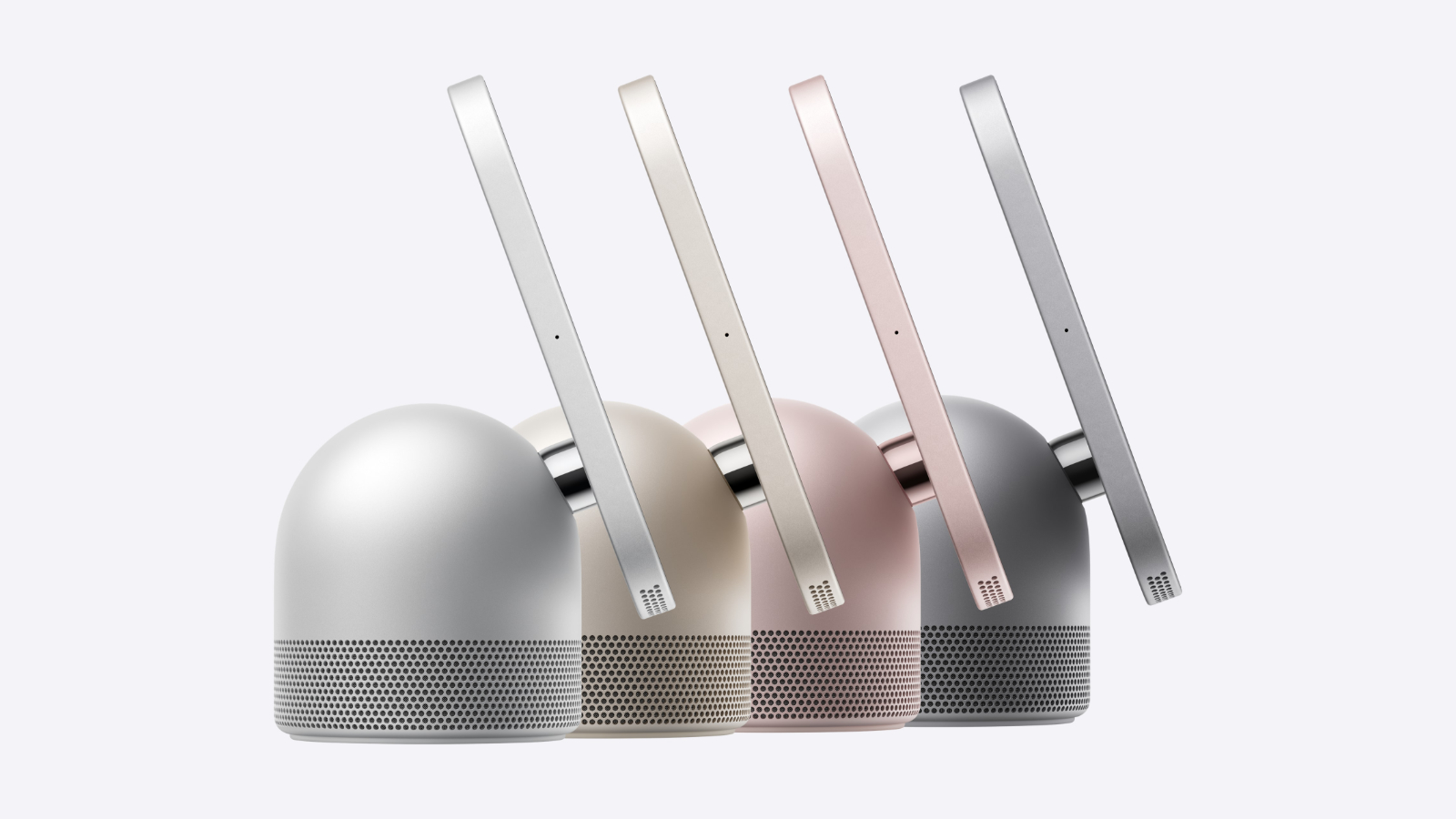
The tabletop HomeView is available in silver, starlight, rose pink, and space gray. Each finish comes with a matching USB-C cable.

The device features an anodized aluminum design, with a 7-inch Liquid Retina display attached to a domed speaker base. A stainless steel hinge allows the screen to tilt for viewing on a countertop, nightstand, or side table.

The wall-mounted HomeView is limited to silver and space gray, leaving starlight and rose pink exclusive to the tabletop version. It features the same 7-inch display and attaches to a wall using mounts from Schneider Home.

Both HomeView models launch on November 13 and cost $299 in the U.S.
Related Roundup: Apple HomeView
Buyer's Guide: HomeView (Buy Now)

This article, "HomeView Comes in Four Colors, but Wall-Mounted Model Gets Just Two" first appeared on MacRumors.com

Discuss this article in our forums
  •  

Older Apple TV 4K Models to Gain Apple Intelligence and Siri AI Support

Apple today said that second- and third-generation Apple TV 4K models will gain Siri AI in beta with tvOS 27.2.

‌Siri‌ AI on the ‌Apple TV‌ adds conversational entertainment searches, follow-up questions, and personal context through a paired compatible device. Setup requires the Home app's home owner to have an Apple Intelligence-enabled iPhone or iPad running the latest software, with ‌Siri‌ AI enabled and set to a supported language. At launch, ‌Siri‌ AI will support English in the United States, Australia, Canada, India, New Zealand, Singapore, South Africa, and the United Kingdom.
Related Roundup: Apple TV
Buyer's Guide: Apple TV (Buy Now)

This article, "Older Apple TV 4K Models to Gain Apple Intelligence and Siri AI Support" first appeared on MacRumors.com

Discuss this article in our forums

  •  

HomeView Brings Guided Recipes and Hands-Free Timers to the Kitchen

Apple's HomeView can turn web recipes into step-by-step cooking instructions with hands-free timers.


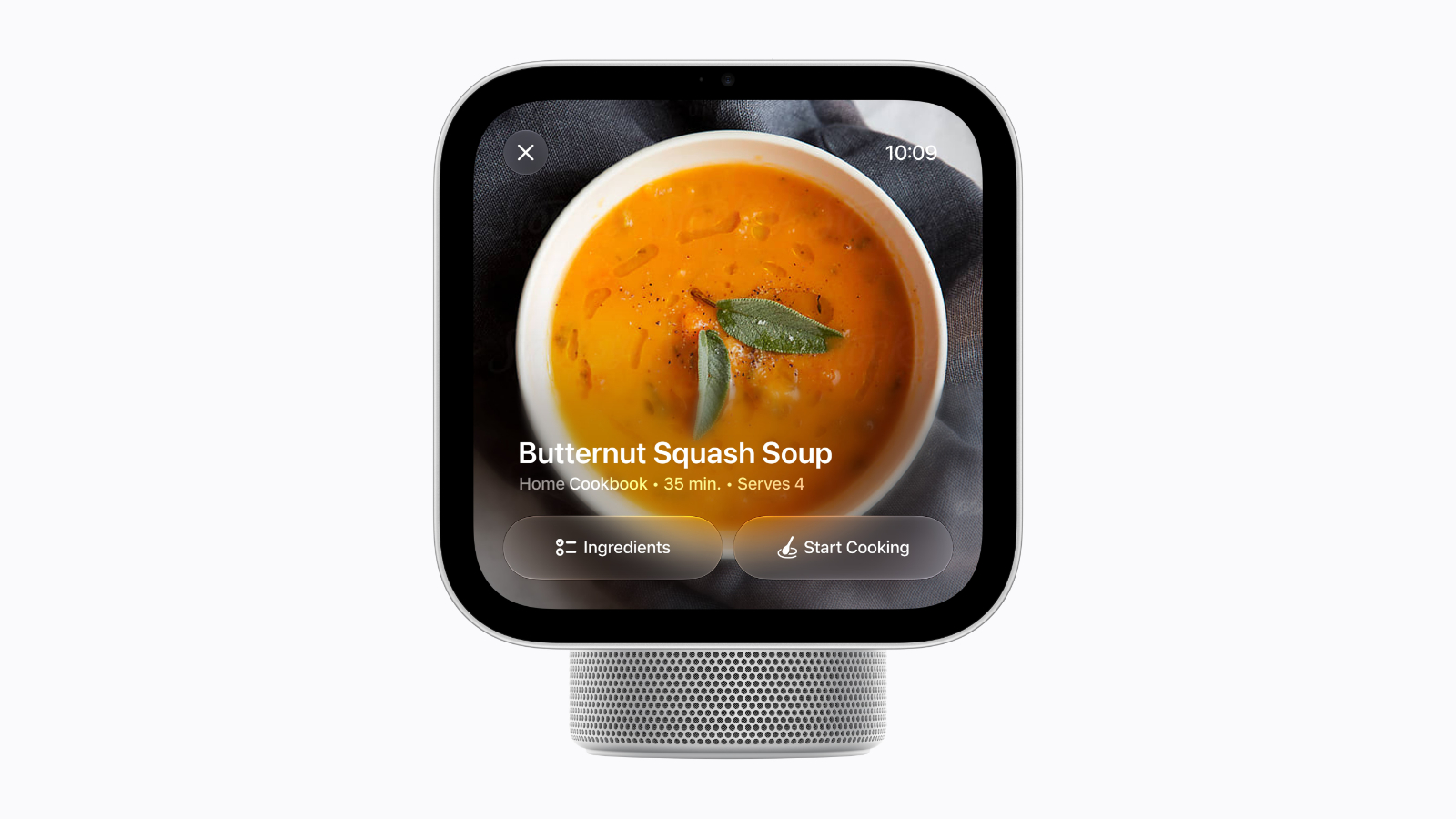
When viewing a recipe in Safari, users can tap the "Start Cooking" button to switch to a streamlined recipe layout. Apple also says HomeView offers help with ingredient tracking alongside the guided instructions.

Timers can be controlled hands-free, allowing users to manage cooking times without touching the display. HomeView supports multiple timers, with Live Activities keeping them visible while other apps are in use.

Handoff also supports recipes, so users can start browsing a recipe on their iPhone and continue on the HomeView when they reach the kitchen. The same feature supports transferring songs, podcasts, calls, and videos between the devices.


The tabletop model features a 7-inch Liquid Retina display attached to a domed speaker base, with a hinge that lets users adjust the screen's angle on a countertop.

Users can also listen to music or podcasts while cooking, or use Intercom to call family members for dinner through other HomeView and HomePod speakers.

The HomeView launches on November 13, with both the tabletop and wall-mounted models priced at $299 in the U.S.

Related Roundup: Apple HomeView
Buyer's Guide: HomeView (Buy Now)

This article, "HomeView Brings Guided Recipes and Hands-Free Timers to the Kitchen" first appeared on MacRumors.com

Discuss this article in our forums

  •  

Apple's HomeView Touts These 5 Privacy Features

Apple uses a number of methods to keep HomeView users' personal information private, even when a whole household shares the device.


The device recognizes up to six people, giving each their own Home Screen with personalized apps and widgets. Apple says personal content stays private to each user, while shared photo albums and music can remain available to everyone in the household, including guests.

For content from apps such as Messages and Calendar to appear, HomeView must recognize the enrolled user's face, and their paired iPhone or iPad normally needs to be present and recently unlocked.

There is an exception when the paired iPhone or iPad disconnects from Wi-Fi. Personal information may remain accessible if the HomeView still recognizes the user and the paired device was recently connected to the same Wi-Fi network, has an active cellular connection, remains in the same location, and has been recently unlocked.

The HomeView's A18 chip includes Secure Exclaves, which is a protected processing environment that handles camera and microphone data separately from the rest of the system. Apple says isolation features across the chip prevent other components from accessing these environments. According to the company, data processed and analyzed within the Secure Exclaves cannot be accessed by HomeView's software, apps, users, or Apple itself.

Siri requests have their own privacy protections. The HomeView can handle requests on the device or use Private Cloud Compute, Apple's system for processing requests in the cloud. Apple says data processed through Private Cloud Compute is neither stored nor made accessible to Apple or anyone else.

The HomeView also works with compatible smart home cameras to provide end-to-end encrypted recognition of people, familiar faces, pets, packages, and vehicles with a supported iCloud+ subscription.
Related Roundup: Apple HomeView
Buyer's Guide: HomeView (Buy Now)

This article, "Apple's HomeView Touts These 5 Privacy Features" first appeared on MacRumors.com

Discuss this article in our forums

  •  

Apple TV Finally Gaining Apple Intelligence and Siri AI

Apple today announced Apple Intelligence features for the Apple TV, bringing a more conversational Siri, personalized entertainment search, and summaries of smart home camera activity to the living room.


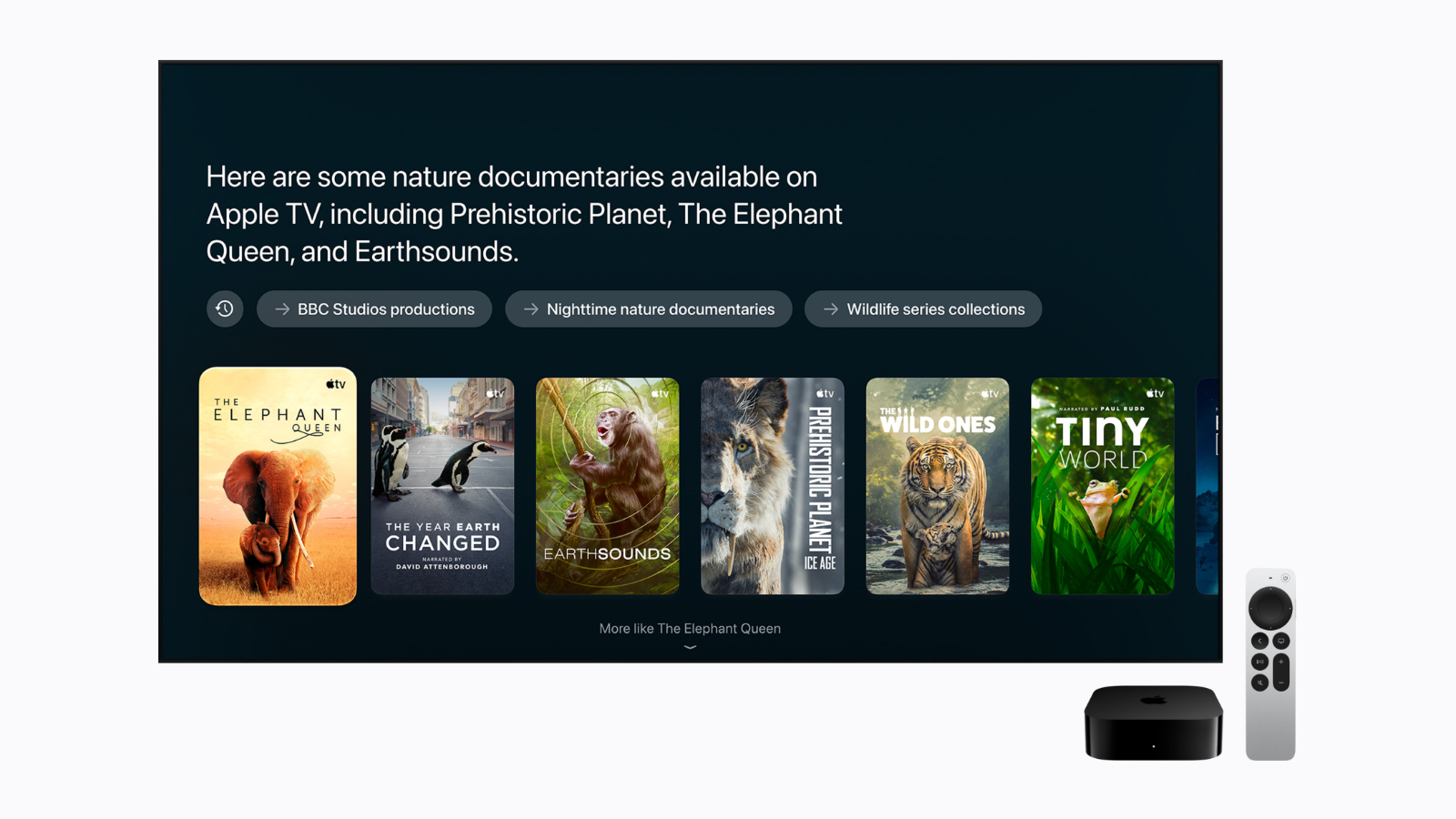
‌Siri‌ AI introduces a full-screen interface for finding movies and TV shows, with results featuring poster artwork from the ‌Apple TV‌ app and suggestions for related content. Users can ask which ‌Apple TV‌ shows won Emmy Awards this year, for example, and then explore recommendations for other award-winning shows.

While watching, viewers can ask follow-up questions about filming locations or whether a show is appropriate for a particular age. Answers appear in a small overlay over the video. Apple says the assistant also offers broader general knowledge and can perform more actions across apps.

Personal context support lets ‌Siri‌ AI find something to watch based on information from a paired Apple Intelligence-enabled device. Apple gives the example of asking ‌Siri‌ to "Play the show Alinda recommended," allowing the assistant to identify a recommendation without the user having to remember the title.

‌Apple Intelligence‌ also expands the ‌Apple TV‌'s capabilities as a home hub, adding descriptions of activity in HomeKit Secure Video recordings and summarized notifications in the Home app. ‌Siri‌ AI can also control compatible smart home accessories and turn scenes on or off.

‌Siri‌ AI will be available in beta with tvOS 27.2 on the second-generation ‌Apple TV‌ 4K and later, meaning owners of existing compatible models can also access the assistant. The fourth-generation Apple TV 4K is available to preorder today for $299 in the United States, with availability beginning November 13.
Related Roundup: Apple TV
Buyer's Guide: Apple TV (Buy Now)

This article, "Apple TV Finally Gaining Apple Intelligence and Siri AI" first appeared on MacRumors.com

Discuss this article in our forums

  •  

HomeView Needs an iPhone or iPad for Some AI Features

Despite featuring an A18 chip and built-in Apple Intelligence support, Apple's new HomeView still depends on a paired Apple Intelligence-enabled iPhone or iPad for several features.


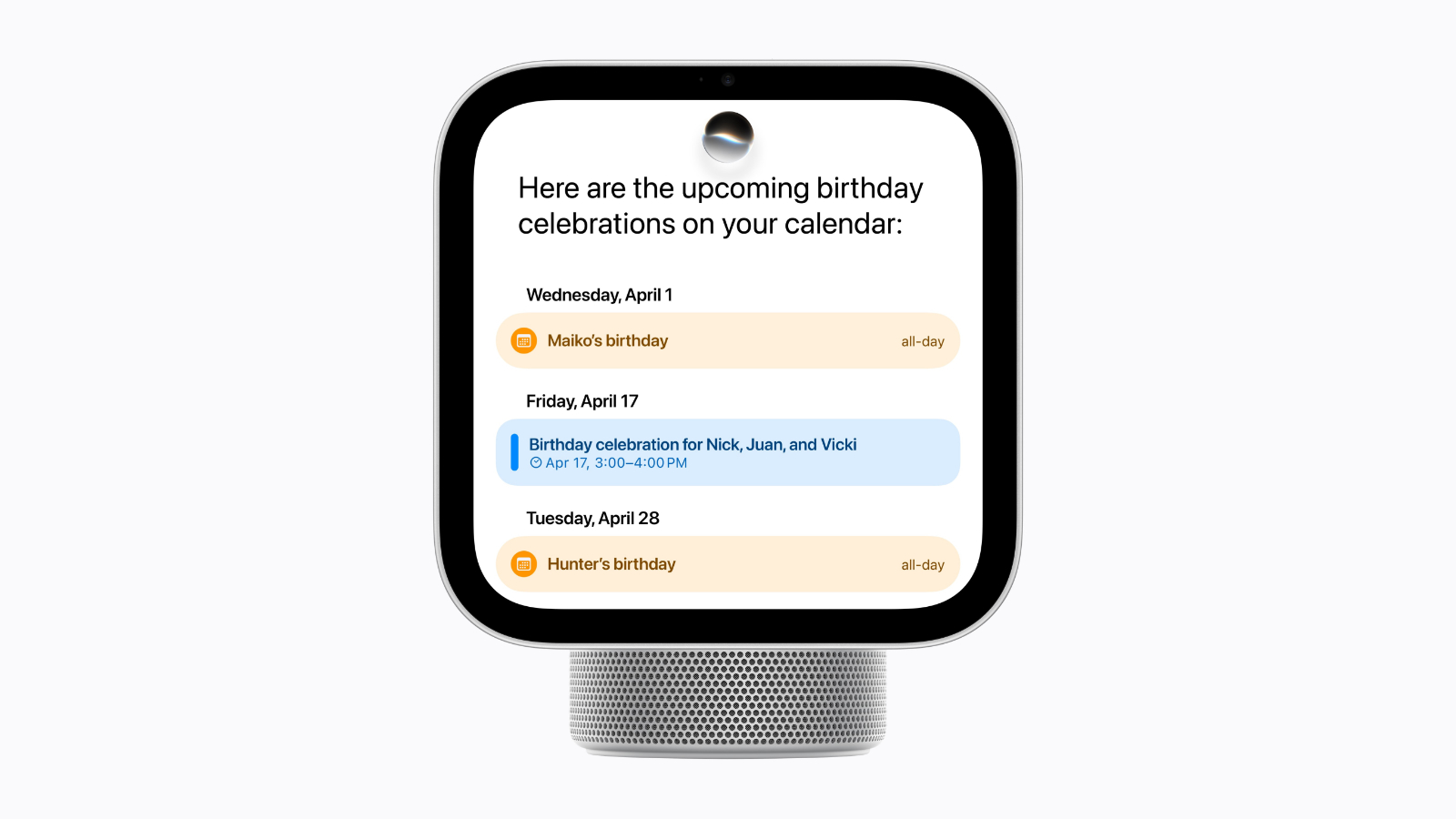
According to Apple's announcement, Siri requests involving personal context require a paired Apple Intelligence-enabled iPhone or ‌iPad‌ running the latest software, with ‌Siri‌ AI enabled and set to a supported language. These capabilities include retrieving relevant information from Messages and Calendar, as well as taking action across apps using the user's personal context.

HomeView will still offer several ‌Siri‌ AI capabilities to users whose iPhone or ‌iPad‌ does not support ‌Apple Intelligence‌. Apple says these users can ask general-knowledge questions, hold natural conversations with ‌Siri‌, and benefit from improved music discovery. ‌Siri‌ requests on the HomeView can be processed on the device or through Private Cloud Compute.

Customizable ‌Siri‌ voices have more restrictive hardware requirements. Users can only adjust ‌Siri‌'s expressiveness and speaking pace on their paired device, with those preferences then carrying over to HomeView. This requires an iPhone Duo, iPhone 18 Pro, iPhone Air, iPhone 17 Pro, or an ‌iPad‌ with an M4 chip or later and at least 12GB of unified memory. The feature is available in English only.

Some of the HomeView's intelligent camera features also depend on another Apple device. Video summaries and natural language searches of HomeKit Secure Video recordings require setup using an Apple Intelligence-enabled iPhone or ‌iPad‌, along with an eligible iCloud+ subscription.

The HomeView launches on November 13, with both the tabletop and wall-mounted models priced at $299 in the U.S.
Related Roundup: Apple HomeView
Buyer's Guide: HomeView (Buy Now)

This article, "HomeView Needs an iPhone or iPad for Some AI Features" first appeared on MacRumors.com

Discuss this article in our forums

  •  

Apple HomeView Won't Be Available in the European Union

Apple's new HomeView smart home hub will not be available in the European Union because Siri AI is currently unavailable on iOS in the region, the company said today. Apple said it is "working constructively with the EU in an attempt to find a path forward," but provided no timeline for EU availability. It costs $299 in the U.S. and launches on November 13 in eight countries around the world.
This article, "Apple HomeView Won't Be Available in the European Union" first appeared on MacRumors.com

Discuss this article in our forums

  •  

Apple Announces 'HomeView' Smart Home Hub

Apple today announced the "HomeView," an all-new kind of smart home hub featuring a 7-inch Liquid Retina display and Siri AI.


Apple's senior vice president of Worldwide Marketing Greg Joswiak said:

Apple HomeView is designed to be shared by everyone in the home yet feel completely personal to each user. It recognizes your face to shift from a household screen to your own experience, fills the room with incredible sound, keeps you connected to the people who matter most with FaceTime, and makes it easy to control your smart home. And it's powered by Apple Intelligence with Siri AI at its core, drawing on personal context from your iPhone to help you find what you need and get more done, all while keeping everyone's information private and secure.


The HomeView features an aluminum design, with the display connected to a domed speaker base by a stainless steel tilting hinge. Apple says it is ideal for a kitchen counter, nightstand, or side table. The 7-inch Liquid Retina display features True Tone and automatic brightness between 0.3 nits and 500 nits, making it ideal for low-light environments.


A custom-engineered acoustic system with two full-range drivers delivers "room-filling" Spatial Audio. A down-firing woofer and two force-cancelling passive radiators are built directly into the base. With Handoff, users can continue listening to audio from their iPhone by placing it in front of the HomeView. It also supports multiroom audio.


The HomeView features faces that display information at a glance, including a Photos face, a "Flow" face that dynamically responds to movement, a Snoopy face that reflects context like the time of day and weather, a Home Modular face that offers instant access to smart home accessories, a Home Camera face that can livestream up to nine video feeds simultaneously, and more.


The HomeView's interface adjusts based on a user's distance, showing larger, simpler information from across a room and richer detail as a user steps closer. The device recognizes up to six people and delivers a personalized experience. Each user has their own Home Screen with apps and widgets. Apple says that personal content remains private, while shared photo albums and music can be enjoyed by all users, including guests.


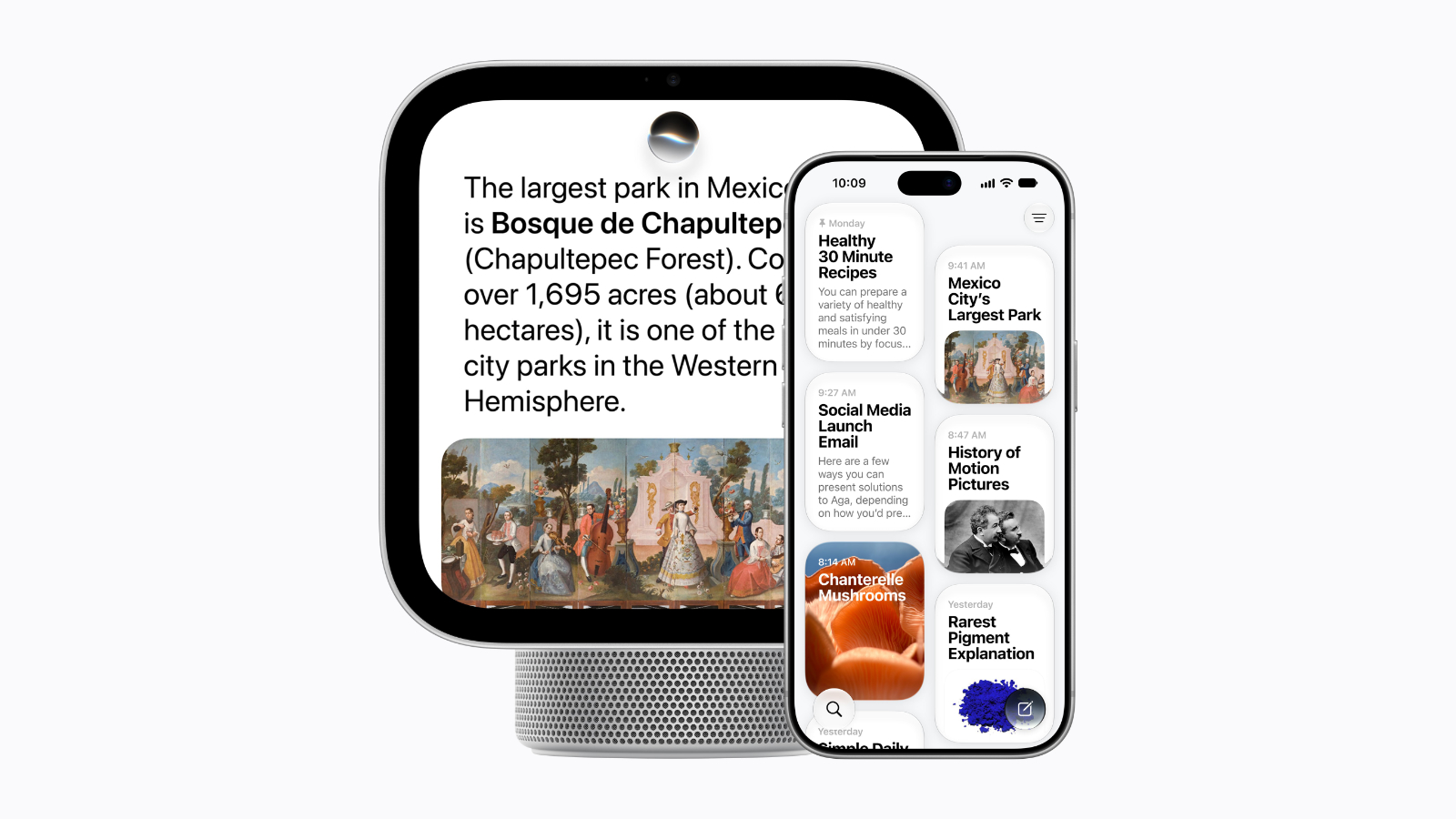
The device features ‌Siri‌ AI, and used with an Apple Intelligence-compatible iPhone or iPad, ‌Siri‌ AI can take action across apps and surface relevant information from Messages and Calendar, Apple Music playlists, and more. Users can also customize the expressiveness and pace of ‌Siri‌'s voice on their paired and compatible device. ‌Siri‌ AI conversations sync across devices.


Apple also said that "HomeView is the perfect sous chef," with the ability to convert recipes from the web into step-by-step instructions with hands-free timer controls and ingredient tracking. Moreover, the HomeView offers FaceTime and Center Stage, as well as Intercom for sending a quick message in the household.


The tabletop version is available in silver, starlight, rose pink, and space gray, including matching cables. A wall-mounted version is available in silver and space gray only. It can be attached using three mount options from Schneider Home. The wall-mounted version delivers "rich sound" with two custom drivers and computational audio tuned specifically for on-wall placement.


The HomeView costs $299. Pre-orders start today, with launch on November 13. It is not available in the EU.
This article, "Apple Announces 'HomeView' Smart Home Hub" first appeared on MacRumors.com

Discuss this article in our forums

  •  

Apple Watch Ultra 1 vs. Ultra 4 Buyer's Guide: Is It Worth Upgrading?

The Apple Watch Ultra 4 arrives four years after the original model. Across three subsequent generations, Apple added a brighter and larger display, satellite connectivity, new health sensors, more capable chips, and longer battery life. For owners of the original Ultra, are those cumulative improvements enough to justify upgrading now, or can their existing watch last another year?


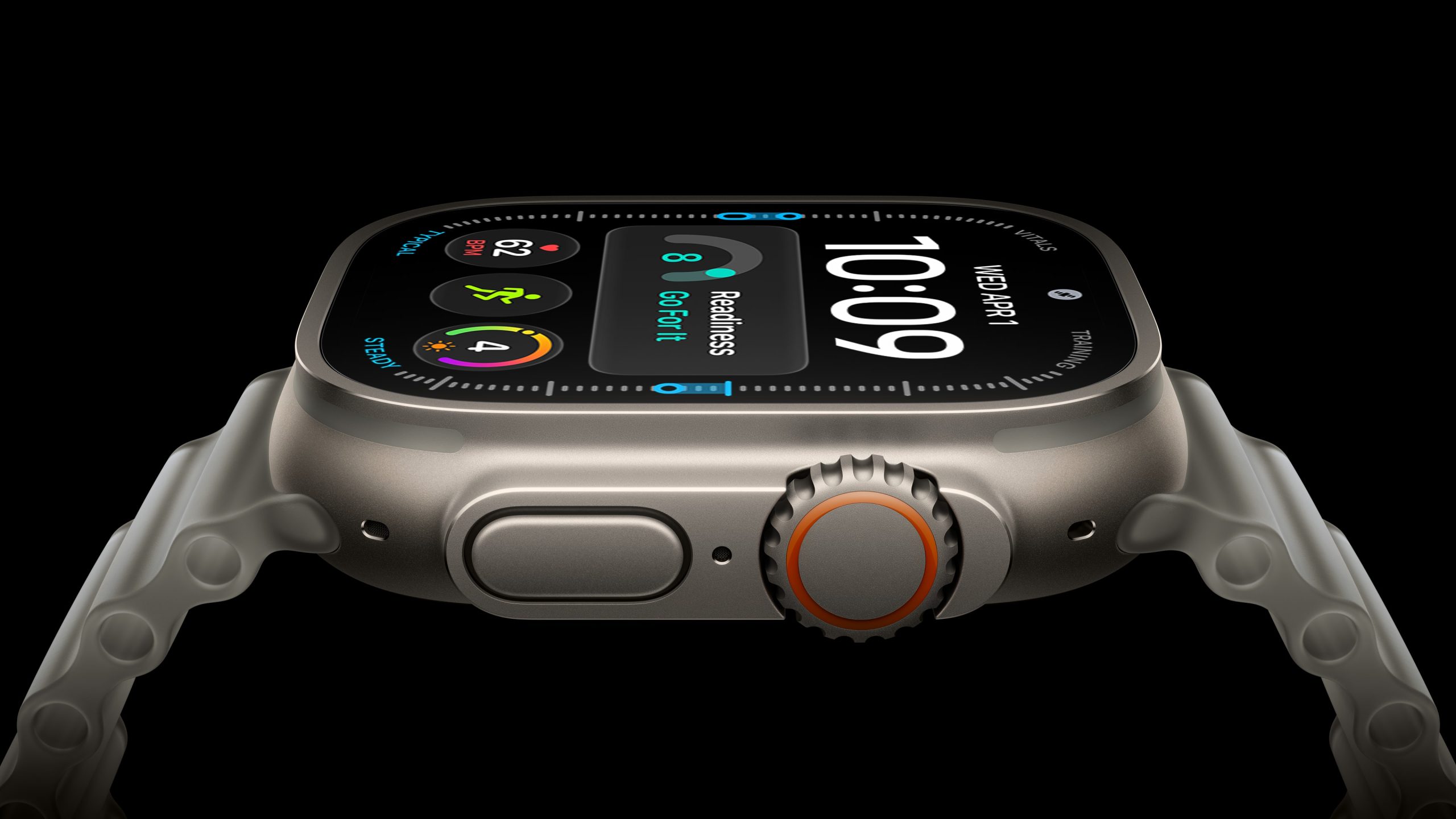
Both watches retain a 49mm titanium case, an Action button, a siren, dual-frequency GPS, and support for recreational diving to 40 meters. The Apple Watch Ultra 4 starts at $799 in the U.S. Apple discontinued the original Ultra in 2023, and it no longer supports the latest major watchOS release. Here are the key differences between the two models:


Apple Watch Ultra (first-generation) ‌Apple Watch Ultra 4‌
Natural titanium finish Natural and black titanium finishes
LTPO2 OLED display with always-on updates once per minute Wide-angle LTPO3 ‌OLED‌ display with 1Hz always-on updates, allowing supported faces to show ticking seconds
Up to 2,000 nits of brightness Up to 3,000 nits of brightness; 1-nit minimum brightness
410 by 502 pixels; 1,185 sq mm display area 422 by 514 pixels; 1,245 sq mm display area (5% larger), with thinner display borders
Flashlight Flashlight boost via Digital Crown
S8 chip S11 chip
1GB RAM 4GB RAM
Neural Engine 4-core Neural Engine
Secure Exclave for isolated audio processing
32GB storage 64GB storage
Single tap, Double Tap, and wrist flick gestures
Siri processed in the cloud via an internet connection On-device ‌Siri‌ for supported requests, including access to and logging of health and fitness data
Dictation Improved on-device dictation
‌Siri‌ AI support
First-generation Ultra Wideband chip Second-generation Ultra Wideband chip
Play a sound to locate an iPhone; locate accessories using Find Devices and Find Items Precision Finding for compatible iPhone models, AirTag 2, and the AirPods Pro 3 charging case, with distance and direction guidance
Automatic Now Playing controls and Smart Stack media suggestions when near a HomePod
Electrical heart sensor and third-generation optical heart sensor Health Sensing System with new electrical and always-on optical heart sensors
Background heart-rate measurements Background heart-rate measurements every five seconds
Heart-rate variability (HRV) measurements More frequent measurements of overall HRV and Recovery HRV
Overnight Vitals view Overnight and daytime Vitals views
Readiness app
Sleep apnea notifications
Hypertension notifications
Blood Oxygen readings viewable on the watch On affected U.S. models, Blood Oxygen readings are analyzed on the paired iPhone and viewed in its Health app
Step tracking and estimated indoor workout distance More accurate all-day step tracking and indoor workout distance measurements, plus a Steps watch-face complication
Workout Buddy requires a nearby Apple Intelligence-enabled iPhone Enhanced Workout Buddy with additional insights and Spanish support
Live Translation in Messages when paired with a compatible Apple Intelligence-enabled iPhone
LTE and UMTS cellular connectivity LTE and 5G cellular connectivity, with improved weak-signal reception through simultaneous use of both antennas
Emergency SOS, Messages, and Find My via satellite
Audio Intelligence: Sound Recognition, automatic music identification, Live Rewind, and ‌Siri‌ Recap
Built-in speakers for calls, alerts, and ‌Siri‌ Built-in speakers for calls, alerts, ‌Siri‌, and media playback
Up to 36 hours of normal use Up to 50 hours of normal use
Up to 72 hours in Low Power Mode, according to Apple's current comparison page Up to 84 hours in Low Power Mode
Up to 12 hours of standard outdoor workout tracking Up to 18 hours of standard outdoor workout tracking
Low Power Mode during workouts, with an optional setting for fewer GPS and heart-rate readings Extended Workout mode: up to 25 hours with full GPS and heart-rate readings; Max Extended Workout mode: up to 45 hours with GPS readings every second
Charges from 0 to 80% in about one hour Charges from 0 to 80% in about 45 minutes; 15 minutes of charging for up to 18 hours of normal use; five minutes for up to 10 hours of sleep tracking
61.3 grams Natural titanium: 63.0 grams; black titanium: 63.1 grams
Dual-frequency GPS supporting GPS, GLONASS, Galileo, QZSS, and BeiDou Dual-frequency GPS supporting GPS, Galileo, QZSS, and BeiDou
Supports watchOS 26 Supports watchOS 27, including the ‌Siri‌ app, dynamic app grid, new Smart Stack suggestions, Call Context, and consolidated ‌Find My‌ app
Now discontinued Starts at $799


Existing first-generation Apple Watch Ultra owners can reasonably keep their watch for another year if its battery still covers their usual days and workouts. Losing support for ‌watchOS 27‌ is significant, but it does not prevent the original Ultra from continuing to handle notifications, activity tracking, navigation, and its other existing features. Owners satisfied with those capabilities may prefer to eke out another year of use and wait to see whether next year's model offers a more substantial upgrade.

However, the Ultra 4 is a worthwhile upgrade for anyone already running into the original model's limitations. The new Health Sensing System provides more detailed heart-rate and recovery insights, while sleep apnea and hypertension notifications expand its health capabilities. These changes are most compelling if you will use the additional information to follow changes in your daily condition or adjust your training.

Longer battery life and satellite connectivity strengthen the case for owners who record extended workouts or regularly travel beyond cellular coverage. If your original Apple Watch Ultra now struggles to finish an outing without charging, the improved battery life is a practical reason to replace it. The larger, brighter display, newer gestures, Audio Intelligence, and expanded Precision Finding support also make the cumulative upgrade more noticeable in everyday use.

Software support is a major reason to move on. The original Apple Watch Ultra cannot run watchOS 27, so it misses ‌Siri‌ AI and the latest operating system's other additions. If those features would materially improve how you use your watch, waiting another year means accepting those limitations in the meantime.
Related Roundup: Apple Watch Ultra 4
Related Forum: Apple Watch

This article, "Apple Watch Ultra 1 vs. Ultra 4 Buyer's Guide: Is It Worth Upgrading?" first appeared on MacRumors.com

Discuss this article in our forums

  •  

Tim Cook Visits China for the Third Time in 2026

Tim Cook is visiting China for the third time this year, with talks in Guangdong focused on expanding Apple's manufacturing and sales operations, the South China Morning Post reports.


This is Cook's first China trip in his capacity as Apple's executive chairman. He moved into the position on September 1 when John Ternus took over as CEO. Apple has said part of Cook's work involves relationships with government policymakers.

On October 11, Cook reportedly held talks with Guangdong governor Meng Fanli. Suppliers and partners located in Guangdong play a major role in Apple's business in China, and Cook is said to have expressed interest in doing more locally through smart manufacturing and additional sales channels. Meng said the province would support further expansion, including research and development.

In Guangzhou, a creator used an iPhone 18 Pro to capture martial arts footage while Cook watched. Cook posted "Great to be back in China!" on Weibo on Saturday. Customers also reported a visit to one of Guangzhou's Apple Stores on Sunday.

Cook traveled to Chengdu and Beijing in March as Apple celebrated its 50th anniversary, and addressed the China Development Forum. In May, he was among the business leaders who accompanied President Donald Trump for talks with Chinese President Xi Jinping.

The trip comes several weeks after sales of the ‌iPhone 18 Pro‌ and ‌iPhone 18 Pro‌ Max started. Counterpoint Research put Apple first in China's smartphone sales ranking for September 14 to 20. During their first three days on sale in China, the new Pro phones sold 12% more units than their predecessors had managed over the full first week of availability last year.
This article, "Tim Cook Visits China for the Third Time in 2026" first appeared on MacRumors.com

Discuss this article in our forums

  •  

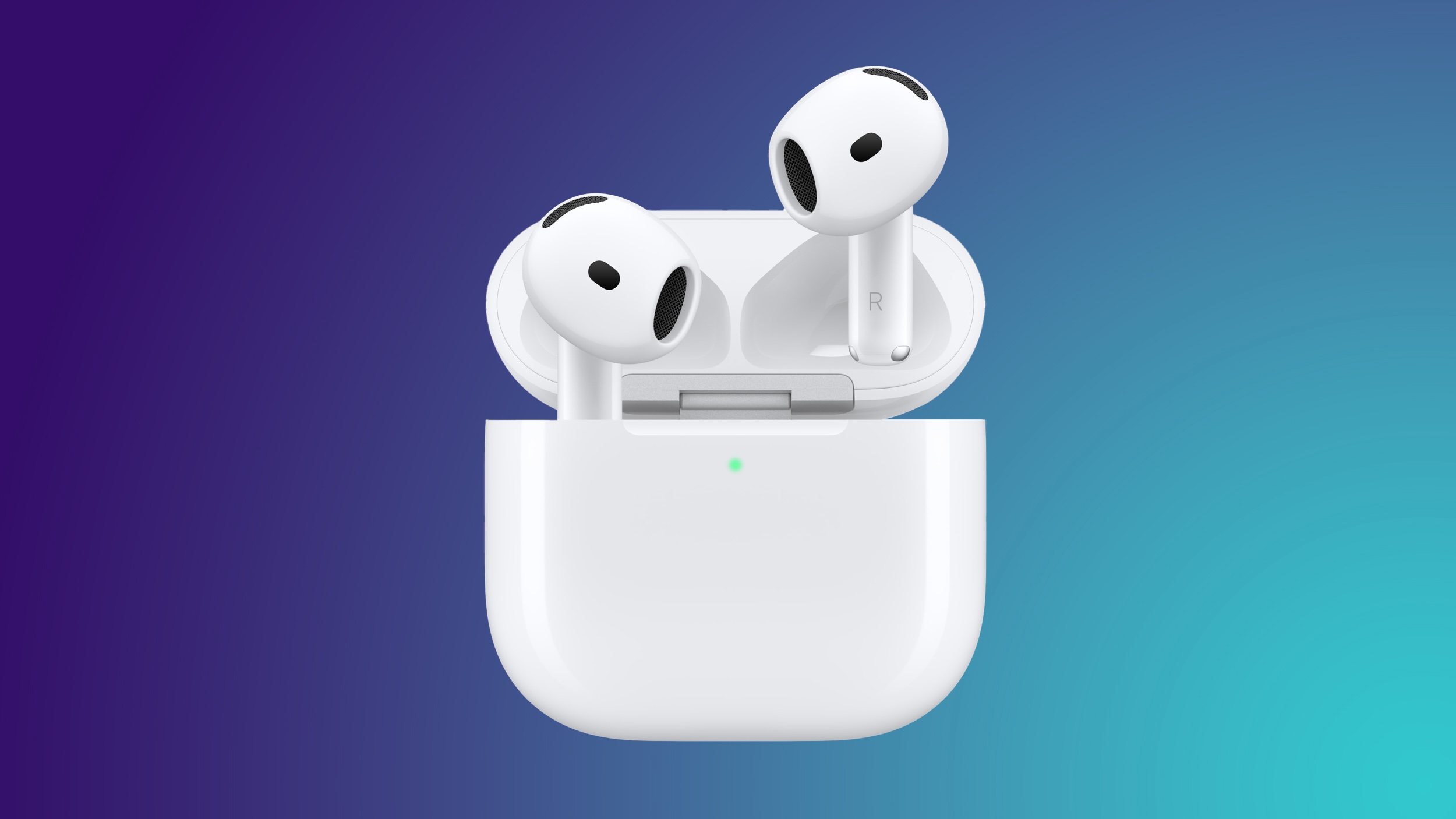
Apple Launches Special Edition AirPods 5 in India

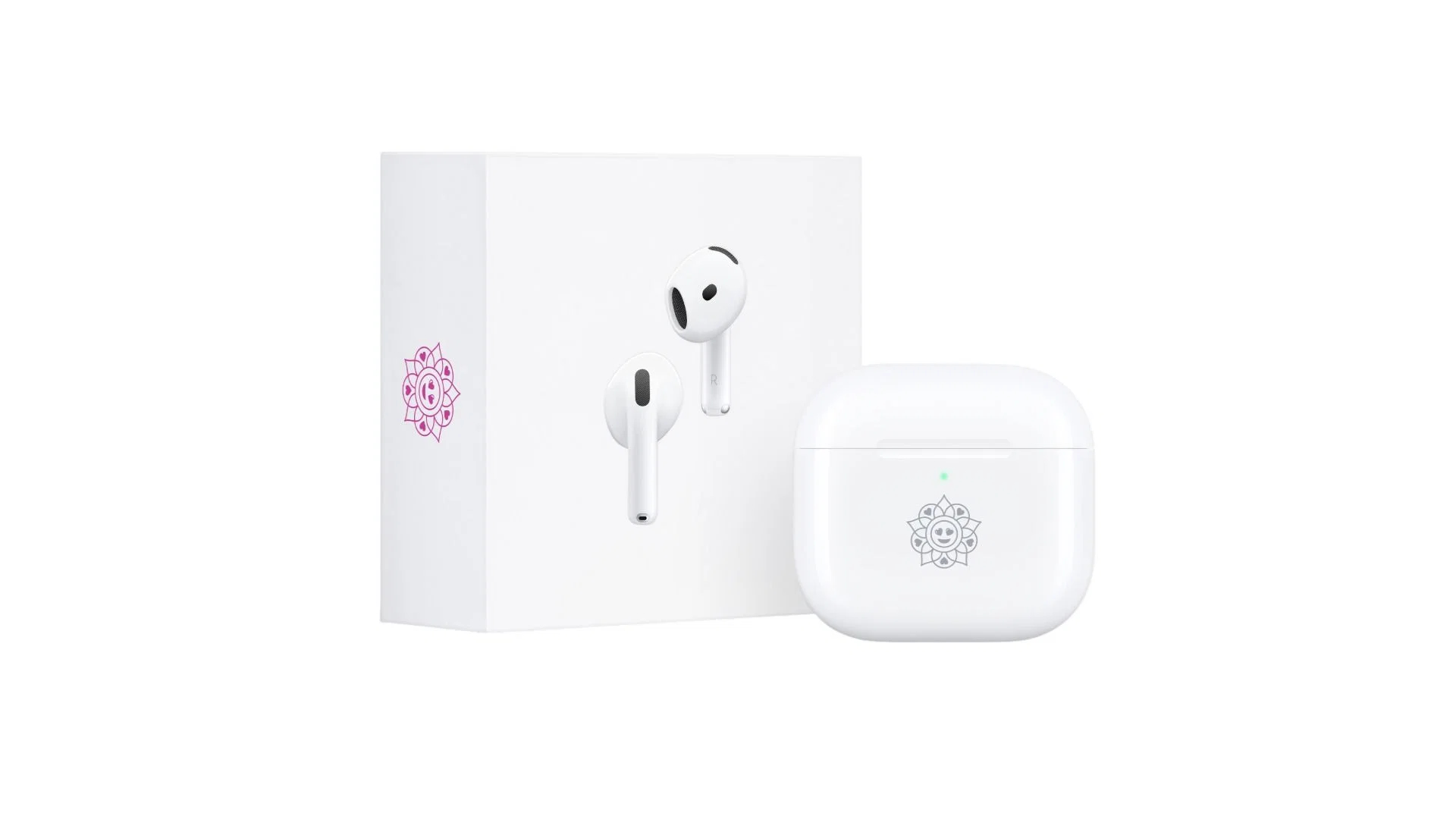
Apple is marking India's festive diwali season with a limited edition of the AirPods 5, featuring a rangoli-inspired engraving.


The case's design draws on the traditional Indian art form, arranging a decorative pattern around a heart-eyes emoji. The earbuds cost ₹17,900 (approximately $187), matching the Indian price of the regular AirPods 5 with Wireless Charging Case.

The celebrations also include free rangoli workshops created with artist Arushi Kathuria. Participants will use Procreate on the iPad with an Apple Pencil, including a custom brush that recreates the appearance of powder. Sessions run from October 14 through November 9 in India and at selected locations in the United States, Canada, Malaysia, and Singapore.

Sales of the limited edition AirPods began on October 11 and will continue through to November 11, 2026, subject to stock. Customers can order through Apple's online store and Apple Store app, or purchase at its six retail locations in India.

Apple limits purchases to two pairs per customer and excludes the edition from other AirPods promotions and Business, Education, and Corporate Employee Purchase Plan pricing. Its purchase terms also caution that repairs or replacements may involve standard-edition ‌AirPods 5‌ with Wireless Charging Case, depending on supply.

(Thanks, svish!)
Related Roundup: AirPods 5
Tag: India
Buyer's Guide: AirPods (Buy Now)
Related Forum: AirPods

This article, "Apple Launches Special Edition AirPods 5 in India" first appeared on MacRumors.com

Discuss this article in our forums

  •  

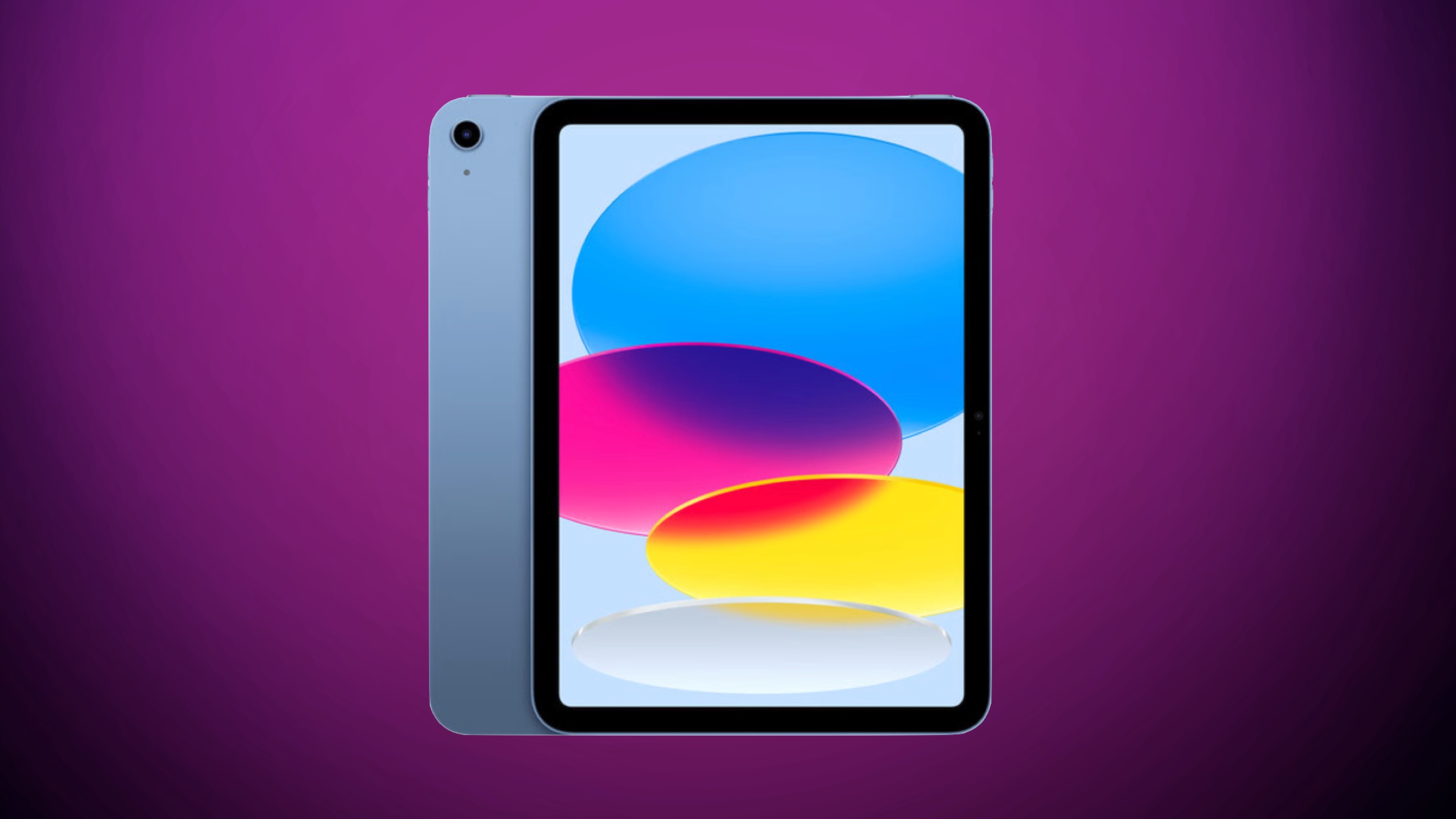
New Entry-Level iPad Not Expected Until Early 2027

Apple's next entry-level iPad models, codenamed J581 and J582, will not arrive until early 2027, according to Bloomberg's Mark Gurman.

He added that Apple plans a major iPad Air refresh to add an OLED display and a new iPad Pro in 2027. The latter could gain a vapor chamber to improve thermals and performance. A new iPad mini is still expected to arrive at the end of October this year.
Related Roundups: iPad Air , iPad Pro, iPad mini
Related Forum: iPad

This article, "New Entry-Level iPad Not Expected Until Early 2027" first appeared on MacRumors.com

Discuss this article in our forums

  •  

Apple Plans Major iPhone Duo Retail Showcase, But Supply Will Be Limited

Apple is preparing new displays and large numbers of demo units for the iPhone Duo's October 23 launch, but supply will be limited, according to Bloomberg's Mark Gurman.


Ahead of the October 23 launch, Apple plans to set aside a section of its Fifth Avenue flagship store for the ‌iPhone Duo‌. Most locations will add an extra spotlight table for the device, using Apple's white display tables with central posts. Gurman said a new fixture will show how the phone folds and unfolds.

The number of demonstration devices will vary considerably between locations. Fifth Avenue in New York is expected to receive more than 150 units for customers to try and for other displays, compared with nearly 100 at the Apple Park Visitor Center. Non-flagship stores will receive approximately 20 units each on average.

Three other prominent stores will fall between those allocations: Chicago's Michigan Avenue, The Grove in Los Angeles, and Manhattan's Upper West Side. Each is expected to have approximately 30 to 40 devices.

Visitors will be able to explore StandBy on untethered phones in the Avenue display areas along the sides of stores. For comparisons on store tables, Apple has designed a MagSafe stand that accommodates an open ‌iPhone Duo‌ and two conventional iPhones.

The retail preparations come as Apple faces tighter supply than it had anticipated. According to Gurman, around two months ago the company believed production constraints could prevent sales from starting until later in November. It has since assembled sufficient inventory to proceed with this month's release, although stock is expected to remain limited.

Apple is also equipping stores with "Presto" machines adapted for the ‌iPhone Duo‌. Apple's wireless system can install software updates without opening an iPhone's packaging, and will also add the buyer's name to the greeting displayed during the device's first startup. Gurman previously said the personalized greeting will be offered in U.S. Apple Stores in English and Spanish.

‌iPhone Duo‌ pre-orders open October 16 at 5 a.m. Pacific Time, with sales starting on October 23. The 256GB model starts at $1,999 in the United States.
Related Roundup: iPhone Duo
Related Forum: iPhone

This article, "Apple Plans Major iPhone Duo Retail Showcase, But Supply Will Be Limited" first appeared on MacRumors.com

Discuss this article in our forums

  •  

AirPods 5 vs. AirPods 5 With Wireless Charging Case Buyer's Guide

Apple offers two versions of the AirPods 5: a $129 model with a USB-C Charging Case and a $149 model with a Wireless Charging Case. The extra $20 also buys longer battery life, swipe volume controls, and additional Find My features, so there are differences between the earbuds themselves as well as their cases.


Both models include Active Noise Cancellation as standard, the H2 chip, the same open-ear design, and the same redesigned acoustic architecture with updated Adaptive EQ. They also share Transparency mode, Adaptive Audio, Conversation Awareness, Personalized Spatial Audio, Voice Isolation, studio-quality audio recording, and IP57 dust, sweat, and water resistance. Both support Live Translation when paired with a compatible iPhone with Apple Intelligence enabled, in supported languages and regions.

The earbuds have identical dimensions and weight. The cases are also the same size, although the Wireless Charging Case is slightly heavier. There are still some notable differences to justify the price difference. Our guide helps to answer the question of how to decide which of these sets of AirPods is best for you.


AirPods 5 AirPods 5 With Wireless Charging Case
Force sensor Force sensor with swipe volume controls
Up to four hours of listening time on a single charge with Active Noise Cancellation enabled (up to six hours with noise control off) Up to five hours of listening time on a single charge with Active Noise Cancellation enabled (up to seven hours with noise control off)
Up to 20 hours of listening time with the charging case with Active Noise Cancellation enabled Up to 22 hours of listening time with the charging case with Active Noise Cancellation enabled
Charging Case (USB-C) Wireless Charging Case (USB-C) with support for the Apple Watch charger and Qi-certified chargers
Case speaker for Find My and charging and battery status sounds
Find My with last-connected location and sound playback on the earbuds Find My network tracking, sound playback on the earbuds, separate locations for each earbud and the case, and individual Lost Mode support
Charging case weighs 32.3 grams (1.14 ounces) Charging case weighs 34.7 grams (1.22 ounces)
$129 $149


For most people, the AirPods 5 with Wireless Charging Case are clearly the better buy. The extra $20 is a very small premium for conveniences you are likely to appreciate if you use your AirPods regularly. Longer listening time is useful for travel and extended sessions, while swipe volume controls let you make adjustments without reaching for your iPhone or asking Siri.

The higher-end model is worth considering even if you plan to charge exclusively over USB-C. Wireless charging becomes more useful if you already have a Qi charger or Apple Watch charger. Its additional Find My features are valuable if you tend to misplace your AirPods, allowing you to locate the earbuds and case separately and use the Find My network when they are beyond your device's range. The case speaker also helps when it slips between cushions or gets buried in a bag.

The standard AirPods 5 make more sense if you are on a very strict budget, want a secondary pair, or mostly listen for short periods. You still get the same audio technology and noise cancellation, so saving $20 does not mean compromising on those core features. You simply need to be comfortable with USB-C charging, shorter battery life, fewer controls, and more limited Find My functionality.

The charging cases are not interchangeable between the two models. If you buy the standard AirPods 5, you cannot add wireless charging later by purchasing the other model's case, making it worth deciding which features you want before buying.

Before buying, compare prices using our Deals roundup, since discounts can change the price gap between the two models.

If you're considering an upgrade from AirPods 4 or want to see what changed between generations, our AirPods 4 vs. AirPods 5 Buyer's Guide compares the improvements and explains whether upgrading is worthwhile.
Related Roundup: AirPods 5
Buyer's Guide: AirPods (Buy Now)
Related Forum: AirPods

This article, "AirPods 5 vs. AirPods 5 With Wireless Charging Case Buyer's Guide" first appeared on MacRumors.com

Discuss this article in our forums

  •  

Mac Shipments Fall, But Apple Still Gains Ground in Shrinking Market

Apple's Mac shipments declined 11.3% in the third quarter of 2026, but the company increased its market share as worldwide PC shipments fell more sharply, according to IDC's latest preliminary estimates.


Apple shipped an estimated 5.9 million Macs between July and September, compared with 6.7 million a year earlier. That put Apple's market share at 9.5%, up from 8.5% in the third quarter of 2025. Apple retained fourth place in IDC's vendor rankings.

Across all brands, shipments dropped to 62.7 million units from 78.5 million a year earlier, a decline of 20.1%. The downturn followed a 3.8% annual decrease in the second quarter. Third-quarter shipments were also 9.1% below the second-quarter total, despite this usually being a busier period for the industry.

Lenovo led the market with 14.9 million shipments, followed by HP with 10.3 million and Dell with 7.6 million. Their respective declines were 22.6%, 30.9%, and 25%. ASUS, in fifth place with 5.5 million shipments, recorded an 8.6% decrease, making it the only top-five vendor with a smaller percentage decline than Apple.

IDC says the timing of earlier orders contributed to the weak quarter. Manufacturers and distribution partners secured stock sooner than usual to limit their exposure to rising memory costs, reducing the volume left for later in the year. With sellers still holding that inventory, there was apparently less need to order additional devices during the third quarter.

The research firm also cited component shortages and higher prices, linking the pressure on supply and costs to the expansion of AI data centers. Apple raised prices in June, with former CEO Tim Cook citing sharply rising memory expenses during the company's July earnings call.

IDC added that sellers could offer discounts to reduce unsold stock, but it does not expect prices to return to where they were a year ago. The firm also warned that a weakening economy could further depress demand through the end of 2026 and into 2027.
Tag: IDC

This article, "Mac Shipments Fall, But Apple Still Gains Ground in Shrinking Market" first appeared on MacRumors.com

Discuss this article in our forums

  •  

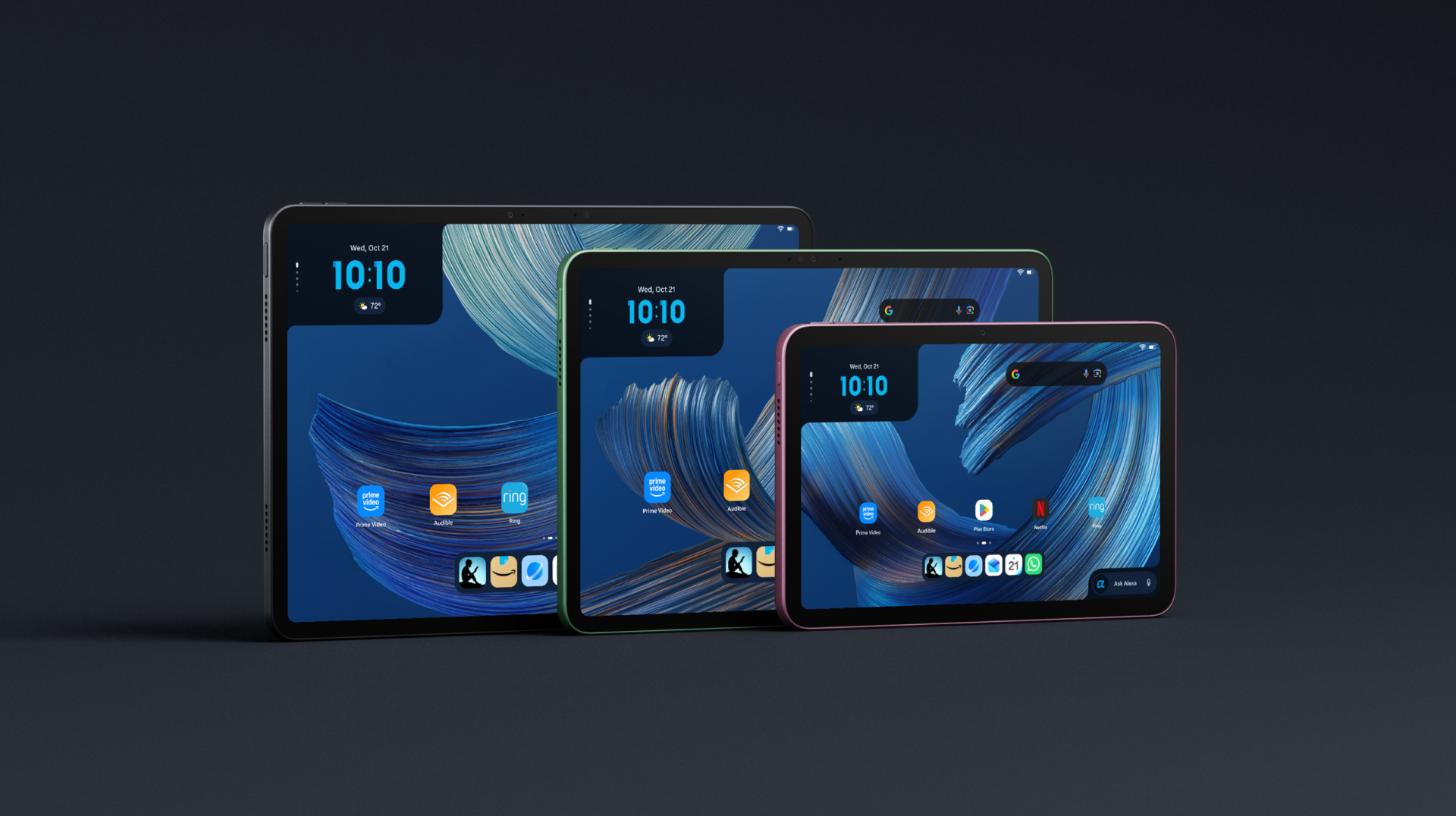
Amazon Unveils New iPad Rivals With Alexa+ and Google Play

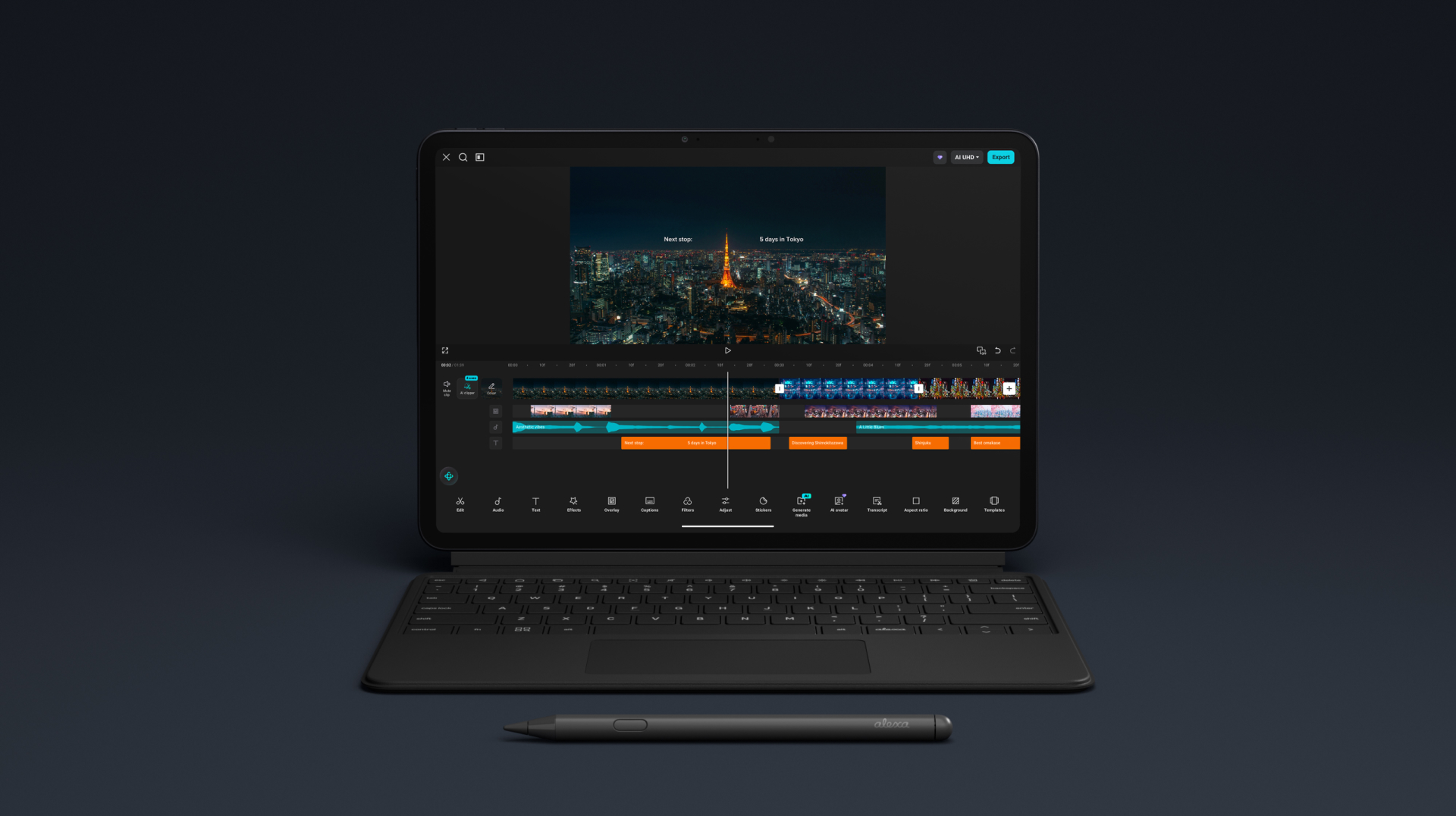
Amazon today announced a new lineup of Alexa Tablets, introducing three aluminum tablets with Google Play access, integrated Alexa+, and prices starting at $229.99 to compete with Apple's iPad lineup.


The new tablets run Android, moving away from Amazon's Fire OS and its separate app store. Google Play support brings access to apps such as YouTube, Gmail, and Google Docs, addressing a longstanding limitation of Amazon's tablets.

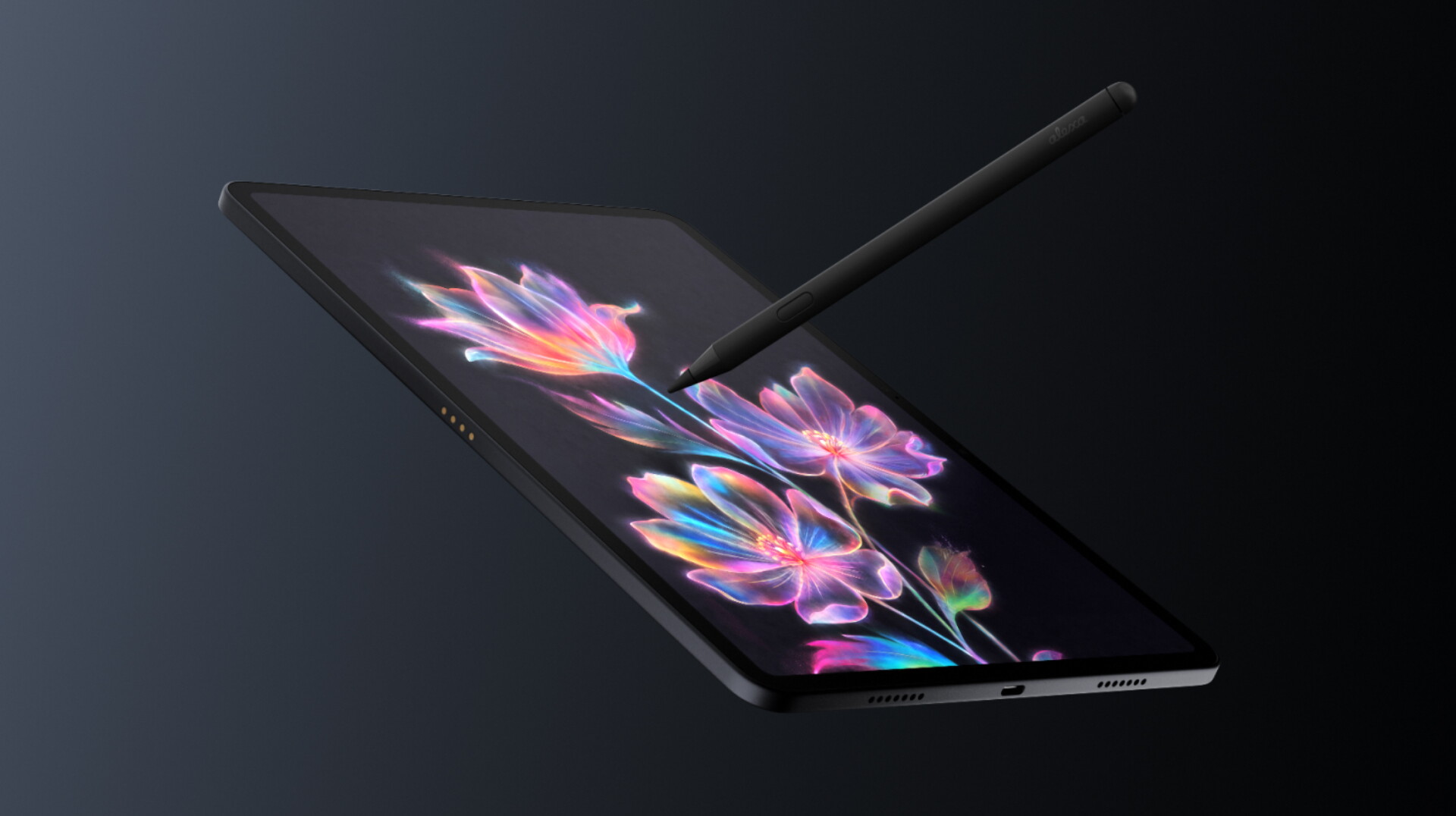
The flagship Alexa Tablet 12 Pro starts at $499.99 with 8GB of RAM and 128GB of storage, aiming to rival the iPad Pro at a significantly lower price point. It features a MediaTek Dimensity 8400 chip, a 12-inch display with an adaptive refresh rate of up to 120Hz and a 3:2 aspect ratio, a 6.5mm-thick aluminum body, Wi-Fi 6E, and quad Dolby Atmos speakers. Amazon claims that the device has up to 16 hours of video playback.

A $549.99 version adds a "Nanomatte" display, using precision-etched glass developed with Corning to reduce glare. Higher configurations offer up to 16GB of RAM. Unlike Apple's nano-texture display option, which requires a 1TB or 2TB ‌iPad Pro‌, Amazon's matte finish is available with 128GB of storage.


Amazon is also introducing a $149.99 Pro Keyboard and $89.99 Pro Pen for the 12-inch model. Both attach magnetically, while the keyboard includes a trackpad and connects without Bluetooth pairing. The pen supports pressure sensitivity and wireless charging, and the tablet supports multiple app windows for multitasking.

The Alexa Tablet 11 starts at $329.99 with 8GB of RAM and 64GB of storage, offering an 11-inch 2.5K display with a 90Hz refresh rate. A 128GB version costs $379.99. The smaller Alexa Tablet 8 starts at $229.99 with an 8.7-inch display, 4GB of RAM, and 64GB of storage.


Alexa+ can answer questions and control smart home devices through voice or touch. An optional On-Screen Intelligence feature lets the assistant respond to displayed content, with screen access disabled by default and a visual indicator when active. Tablet-specific Alexa+ access is included, while full access across compatible Alexa devices requires Prime membership or a separate Alexa+ subscription.

The lineup also introduces a Kindle reading mode that silences notifications and reduces blue-light output. Amazon quotes up to 20 hours of reading on the 11-inch and Pro models, and up to 19 hours on the compact model.

The tablets undercut several models in Apple's lineup. The Alexa Tablet 11 starts below the $449 entry-level iPad, although Apple's model includes 128GB of storage. The Alexa Tablet 12 Pro costs less than the $749 11-inch iPad Air, while offering a larger display and higher refresh rate. Apple's $1,199 ‌iPad Pro‌ offers a tandem OLED display and an M5 chip.


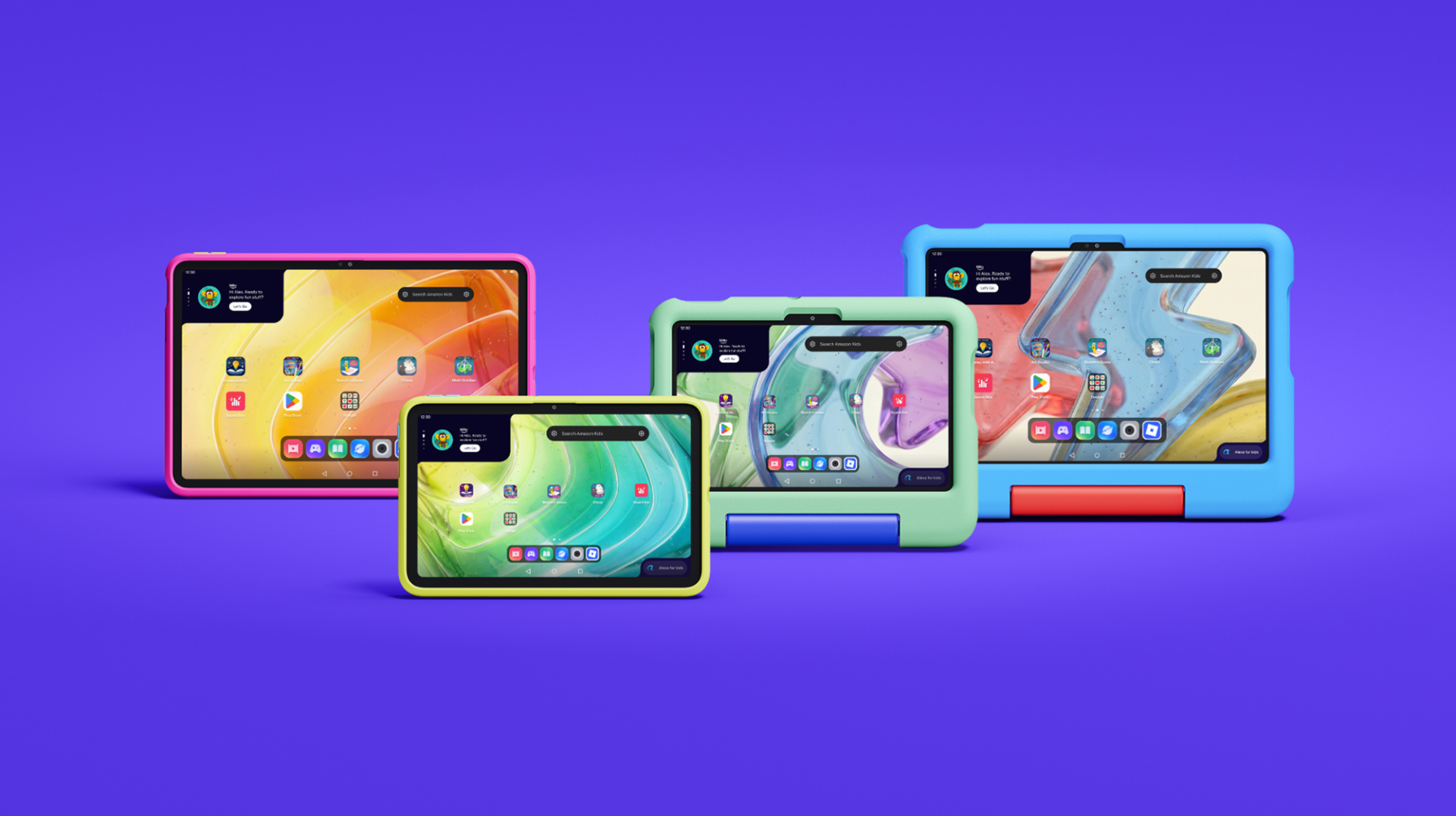
Amazon also announced Kids tablets in 8.7-inch and 11-inch sizes, starting at $229.99 and $329.99, respectively. Versions for ages three and up include a soft bumper case, while those for ages six and up come with a slim hard case. Each includes a year of Amazon Kids+ and parent-managed access to Google Play.

Parents can set screen-time limits, filter content, and monitor activity through the Parent Dashboard, also available on iOS and Android. A new AI-powered Storybuilder feature lets children use their voices to create illustrated stories.

Orders open today, with shipping starting October 14 in the United States, Canada, and Mexico, followed by the United Kingdom, Germany, France, Italy, and Spain on October 19. The Kids models also launch in Japan on October 14.
Tags: Alexa, Amazon

This article, "Amazon Unveils New iPad Rivals With Alexa+ and Google Play" first appeared on MacRumors.com

Discuss this article in our forums

  •  
❌