
❌

Normale Ansicht

Meta and Apple Bring Muse Spark Open AI Model to Mac Studio

Meta today announced the release of Muse Spark Open, which it says is the "most capable U.S. open-weight model to date."
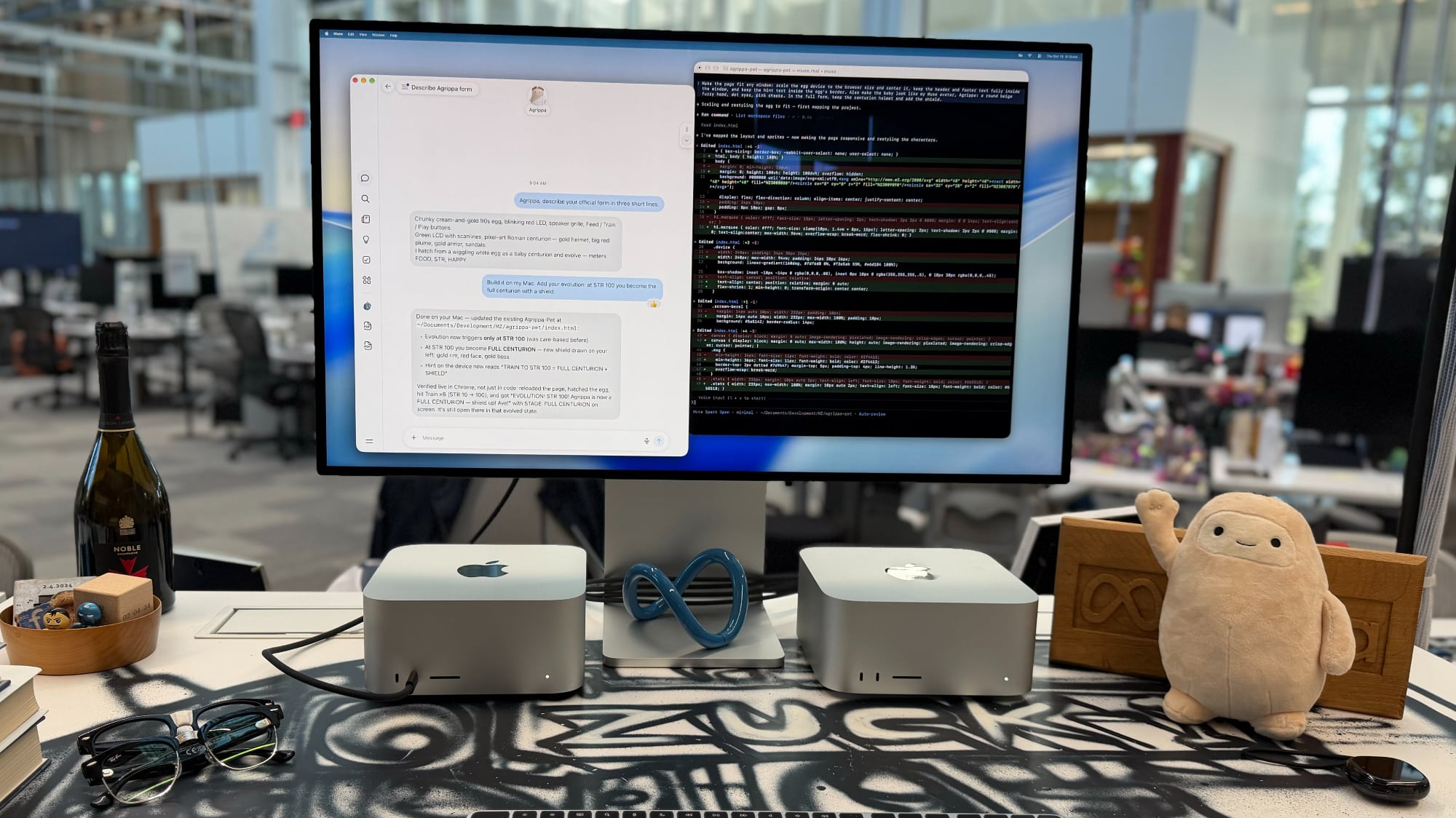

‌Meta‌ worked with Apple to bring Muse Spark Open to the Mac, and the model can run on a desktop setup with two 512GB Apple M5 Ultra Mac Studios running the latest MLX framework. ‌Meta‌ CEO Mark Zuckerberg thanked Apple CEO John Ternus for working with Meta.

@finkd Congrats to the team! Amazing to run a model of Muse Spark Open's caliber and scale this efficiently, right from your desk. Mac Studio keeps pushing the boundaries of on-device AI!

— John Ternus (@johnternus) October 15, 2026


Muse Spark Open has 816 billion total parameters with 42 billion active parameters and a 1 million-token context window. It is meant for coding and agentic work, and ‌Meta‌ says it excels at extended tasks, multi-step reasoning, and software engineering.

The new Muse model was tuned to run on Mac Studio, and ‌Meta‌ says the ‌Mac Studio‌ paired with Muse Spark Open is the "best way to run a powerful model on your own desktop." From ‌Meta‌:
Apple's unified memory architecture lets the M5 Ultra's integrated GPU use up to 512 GB per Mac Studio, so two machines can hold an entire model. And the chip's 1.2 TB/s of memory bandwidth is fast enough to read the small slice each token needs. The result is two Mac Studios behave like one supercomputer with a terabyte of unified memory.

Apple hasn't released the 512GB ‌Mac Studio‌ as of yet, but it's supposed to be coming later this month. It won't be cheap, because the 256GB ‌Mac Studio‌ is already priced over $10,000.

The model is available through API platforms at Baseten, Fireworks AI, Groq, Modal, Nebius, OpenRouter, and Together AI, with model weights downloadable from Amazon SageMaker AI, Google Cloud Model Garden, Hugging Face, and Microsoft Foundry Models. Muse Spark Open is free to download and has a license allowing limited commercial use.

Apple and ‌Meta‌ often argue more than they work together, so it is something of a surprise to see the two companies partnering for Muse Spark Open. "We're excited for mommy and daddy to be playing nice again," ‌Meta‌'s AI chief Alexandr Wang told Axios.
Related Roundup: Mac Studio
Tag: Meta
Buyer's Guide: Mac Studio (Buy Now)
Related Forum: Mac Studio

This article, "Meta and Apple Bring Muse Spark Open AI Model to Mac Studio" first appeared on MacRumors.com

Discuss this article in our forums
  •  

iPhone Duo's A20 Pro Chip Benchmarked Ahead of Launch

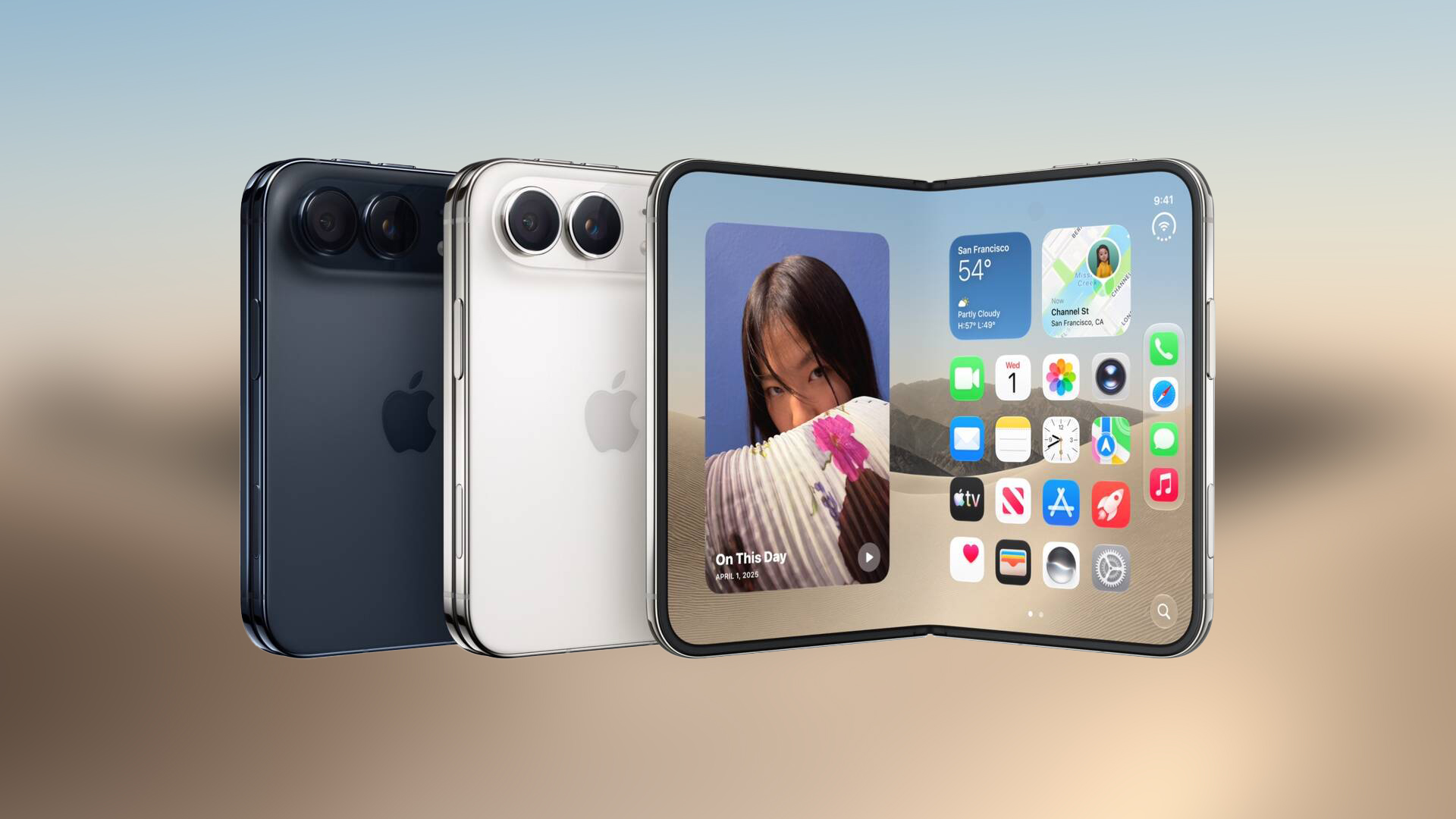
The iPhone Duo unsurprisingly offers performance similar to the iPhone 18 Pro, according to an early iPhone Duo benchmark shared on Geekbench 7. Both devices are equipped with Apple's 2nm A20 Pro chip with a 6-core CPU and a 7-core GPU.


The benchmarked ‌iPhone Duo‌ (iPhone19,4) is running iOS 27.1, as expected, and it had a single-core score of 3986 and a multi-core score of 11067. That's in line with multiple benchmarks collected from ‌iPhone 18 Pro‌ and ‌iPhone 18 Pro‌ Max models.

Scores vary from test to test, so while the result does fall short of the top ‌iPhone 18 Pro‌ benchmark scores, we're only viewing a single score. The ‌iPhone Duo‌ has the same 6-core CPU with a 4.93GHz base frequency that's identified in ‌iPhone 18 Pro‌ benchmarks, and it lists 11.30GB memory, which means 12GB of RAM.

While the ‌iPhone Duo‌ and ‌iPhone 18 Pro‌ models use the same A20 Pro chip, there could be differences in real-world performance based on thermal management, the ‌iPhone Duo‌'s two screens vs. a single screen, and other factors.

Apple says the A20 Pro offers up to 20 percent faster CPU performance than the A19 Pro and up to 40 percent faster GPU performance. GPU speeds were not tested.

Pre-orders for the ‌iPhone Duo‌ will start on October 16, and a launch will follow on October 23.
Related Roundup: iPhone Duo
Related Forum: iPhone

This article, "iPhone Duo's A20 Pro Chip Benchmarked Ahead of Launch" first appeared on MacRumors.com

Discuss this article in our forums
  •  

10 HomeView Features You Might Have Missed

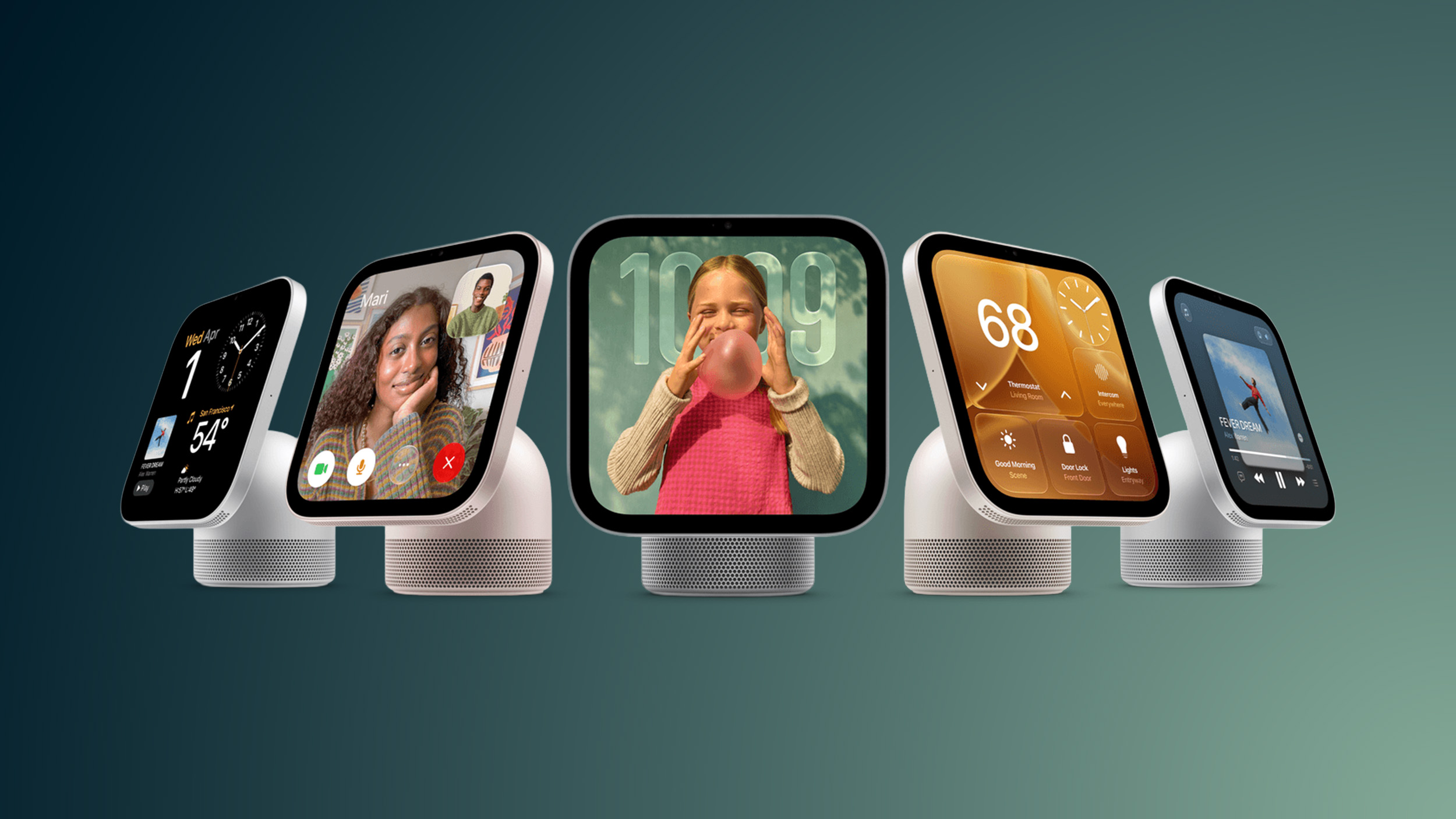
Apple plans to launch the HomeView on November 13, so we have a month to go until we can learn more about it. Right now, we're limited to the information Apple has shared and what members of the media learned during limited hands-on time.


We've rounded up some interesting HomeView tidbits you might have missed.

  • Recipe walkthroughs - HomeView makes Safari recipes easier to follow by pulling out the ingredients and steps. You can tap on a "Start Cooking" button to get step-by-step instructions you can use as you cook. The device also supports multiple voice-activated timers.

  • Siri access - You can say Siri (English only) or Hey ‌Siri‌ for hands-free access, but there are also options for activating ‌Siri‌ with a swipe down from the top of the display or using Type to ‌Siri‌.

  • Apple Intelligence - HomeView has some Apple Intelligence features built in. You or members of your household can use ‌Siri‌ AI for general knowledge questions if you don't have an ‌Apple Intelligence‌ iPhone or iPad, but you do need one for any requests involving personal context.

  • Guests - Personal data is private, but guests can control smart home accessories, check the weather, set timers, and play music. Visitors can also AirPlay audio to the HomeView using peer-to-peer discovery.

  • Adaptable interface - HomeView can tell when someone is approaching and parts of the interface will change based on proximity. If someone is across the room, it shows less information in a larger view. As the person approaches, the view can change to show more information.

  • Faces - HomeView has multiple customizable faces similar to watch faces. Apple says some faces can "wake with you in the morning, wind down with you at night." The Snoopy face, for example, has different animations based on time of day, weather, and holidays.

  • Third-party apps - There's no App Store, but the HomeView has CarPlay-like software capabilities. It can show CarPlay audio and video apps from a linked iPhone. There are no ‌CarPlay‌ video apps except for Apple TV, so app developers will need to add support.

  • Handoff - You can transfer songs, podcasts, calls, videos, and recipes from the iPhone to the HomeView.

  • Live Activities - HomeView supports Live Activities, so if you have a timer running or get an incoming Intercom message, content will be visible while you use other apps.

  • Sensors and HomeKit - The HomeView has temperature and humidity sensors that can be used in Home app scenes and automations. It also serves as a home hub for controlling HomeKit and Matter devices when you're away from home.


HomeView is available for pre-order now, and it will launch on November 13. It is priced at $299 and comes in either a tabletop version with a speaker base or a wall-mounted version.
Related Roundup: Apple HomeView
Buyer's Guide: HomeView (Buy Now)

This article, "10 HomeView Features You Might Have Missed" first appeared on MacRumors.com

Discuss this article in our forums

  •  

Apple Becomes Second Company to Close Above $5 Trillion

Apple today closed with a market capitalization above $5 trillion, making it the second company to do so after Nvidia.


As noted by The Wall Street Journal, Apple's market cap has exceeded $5 trillion six times before today during intraday trading, but this is the first time the company stayed above the mark at closing.

Apple closed at $342.96, for a market cap of $5.005 trillion. The new valuation comes just over a month after John Ternus took over for Tim Cook as Apple CEO, and two days ahead of iPhone Duo pre-orders.

While Apple surpassed Nvidia to briefly become the most valuable company in the world in July, Nvidia has since retaken the title and continues to hold the top spot with a market cap of $5.33 trillion.
Tag: AAPL

This article, "Apple Becomes Second Company to Close Above $5 Trillion" first appeared on MacRumors.com

Discuss this article in our forums
  •  

Which Apple Home Devices Get Siri AI, and When

There's been some confusion about which of Apple's new and existing home devices will support Siri AI and when, because ‌Siri‌ AI isn't going to be available at launch on some products.


Devices With Siri AI


  • HomeView - Available at launch (November 13)

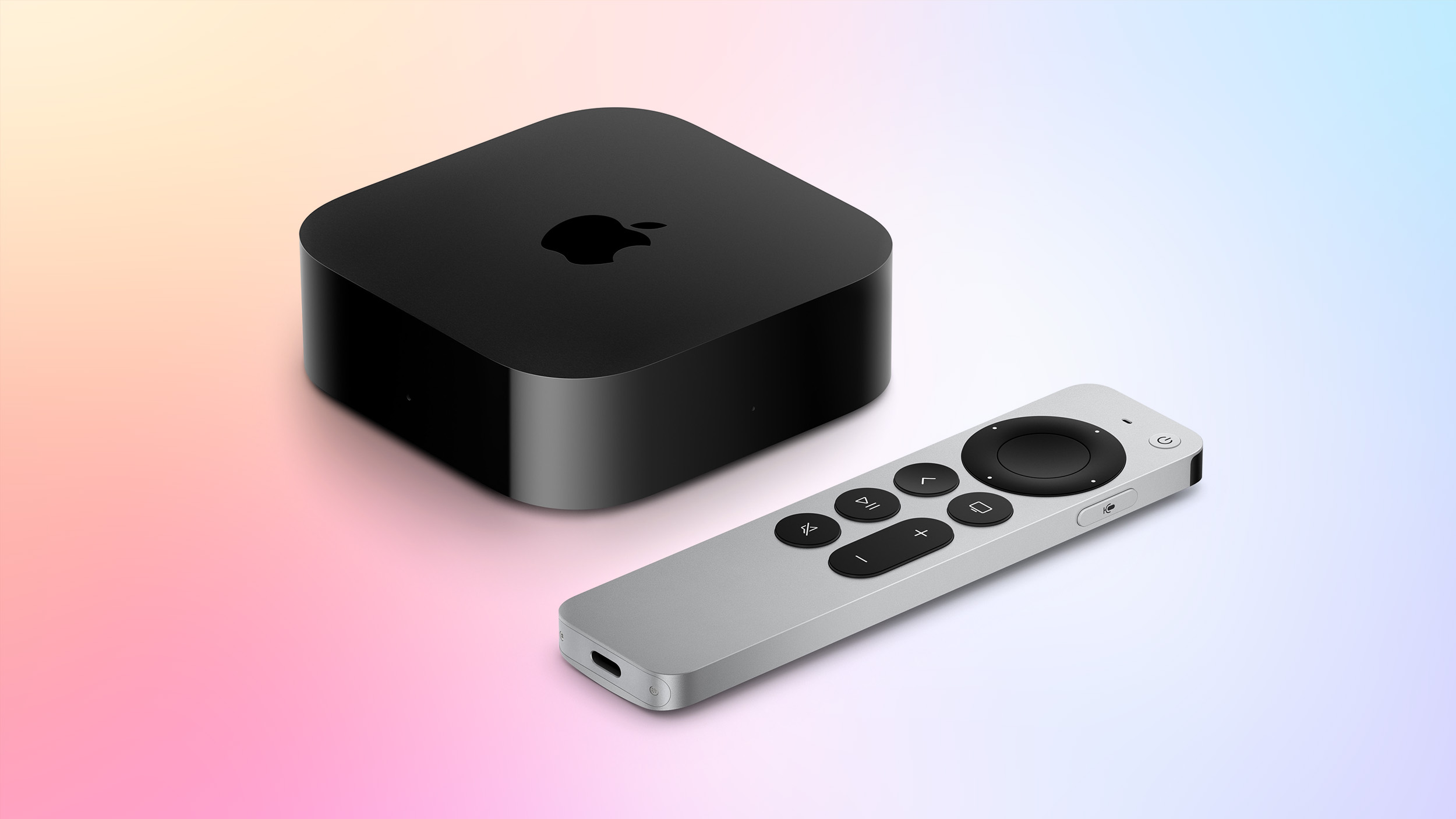
  • Apple TV 4K (4th generation) - Available at launch (November 13)

  • Apple TV 4K (3rd generation) - Available in tvOS 27.2

  • Apple TV 4K (2nd generation) - Available in tvOS 27.2

  • HomePod mini 2 - Ships October 30, ‌Siri‌ AI coming in a future software update


Despite a report from CNET suggesting the first HomePod mini would support Siri AI, Apple has since confirmed that's not the case.

No Siri AI Support


  • Original HomePod mini

  • Original HomePod

  • Original Apple TV 4K (no tvOS 27)

  • Apple TV HD (no tvOS 27)


Unconfirmed


Siri AI Requirements


On the ‌HomePod‌ and Apple TV 4K models that support ‌Siri‌ AI, the home owner in the Home app must have an Apple Intelligence-enabled iPhone or iPad on the latest version of the software. ‌Siri‌ AI has to be turned on, and it has to be set to a supported language. Other members of the household don't need an Apple Intelligence-enabled device once ‌Siri‌ AI is turned on, except for personal requests.

HomeView does not require an Apple Intelligence-enabled iPhone or ‌iPad‌ for ‌Siri‌ AI, except for requests that use personal context.

‌Siri‌ AI for HomeView, ‌Apple TV‌ 4K, and HomePod mini 2 is English only and is limited to the United States, Australia, Canada, India, New Zealand, Singapore, South Africa, and the UK at launch.

EU Restrictions


‌Siri‌ AI is not available in the EU on the iPhone and ‌iPad‌, so ‌Siri‌ AI won't be available for home devices that support it. HomeView isn't even launching in the EU.

Siri AI Beta


Apple is still calling ‌Siri‌ AI a beta, and it will be in beta when it's available on HomeView, ‌Apple TV‌ 4K, and ‌HomePod mini 2‌.
This article, "Which Apple Home Devices Get Siri AI, and When" first appeared on MacRumors.com

Discuss this article in our forums

  •  
❌