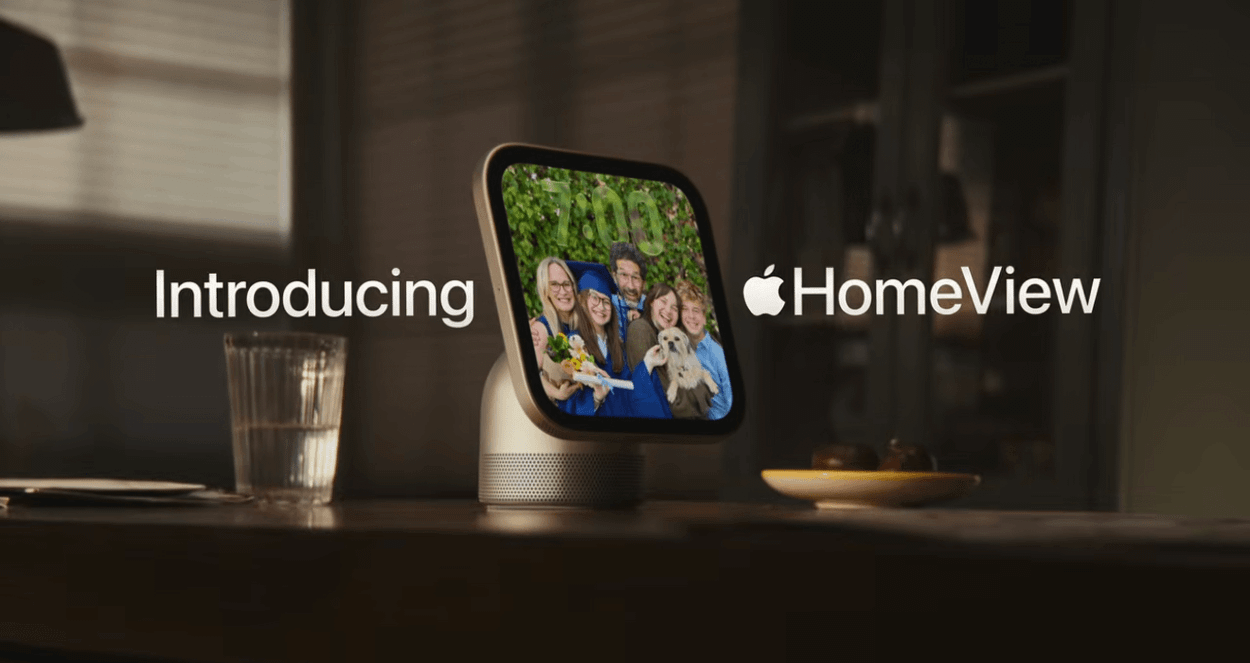
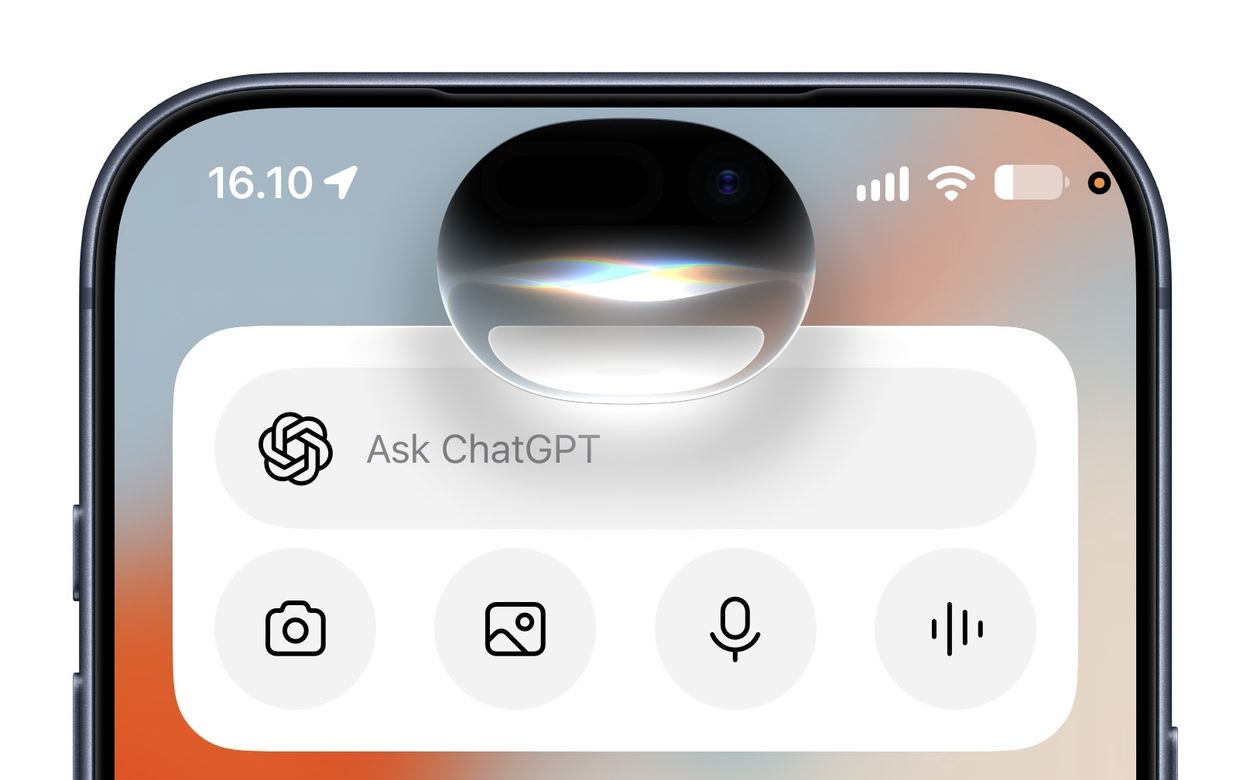
Apple HomeView is not available for sale in the European Union, as Siri AI is currently unavailable in iOS in the EU. Apple is working constructively with the EU in an attempt to find a path forward.
Erster Gedanke: Richtig so! Anstatt den Computer in seinem Funktionsumfang (stark) zusammenzustreichen, bevorzuge ich es, ihn erst gar nicht anzubieten.
Zweiter Gedanke nach dem Lesen von Fußnote 10: Ohne Apple Intelligence und Siri AI funktioniert Apples Heimzentrale gar nicht. Ergibt Sinn!
Dritter Gedanke: Das ist „by design“! Die gewählte Software-Architektur ist ein Verkaufsverbot für die eigene Hardware.
Apple today said that second- and third-generation Apple TV 4K models will gain Siri AI in beta with tvOS 27.2.
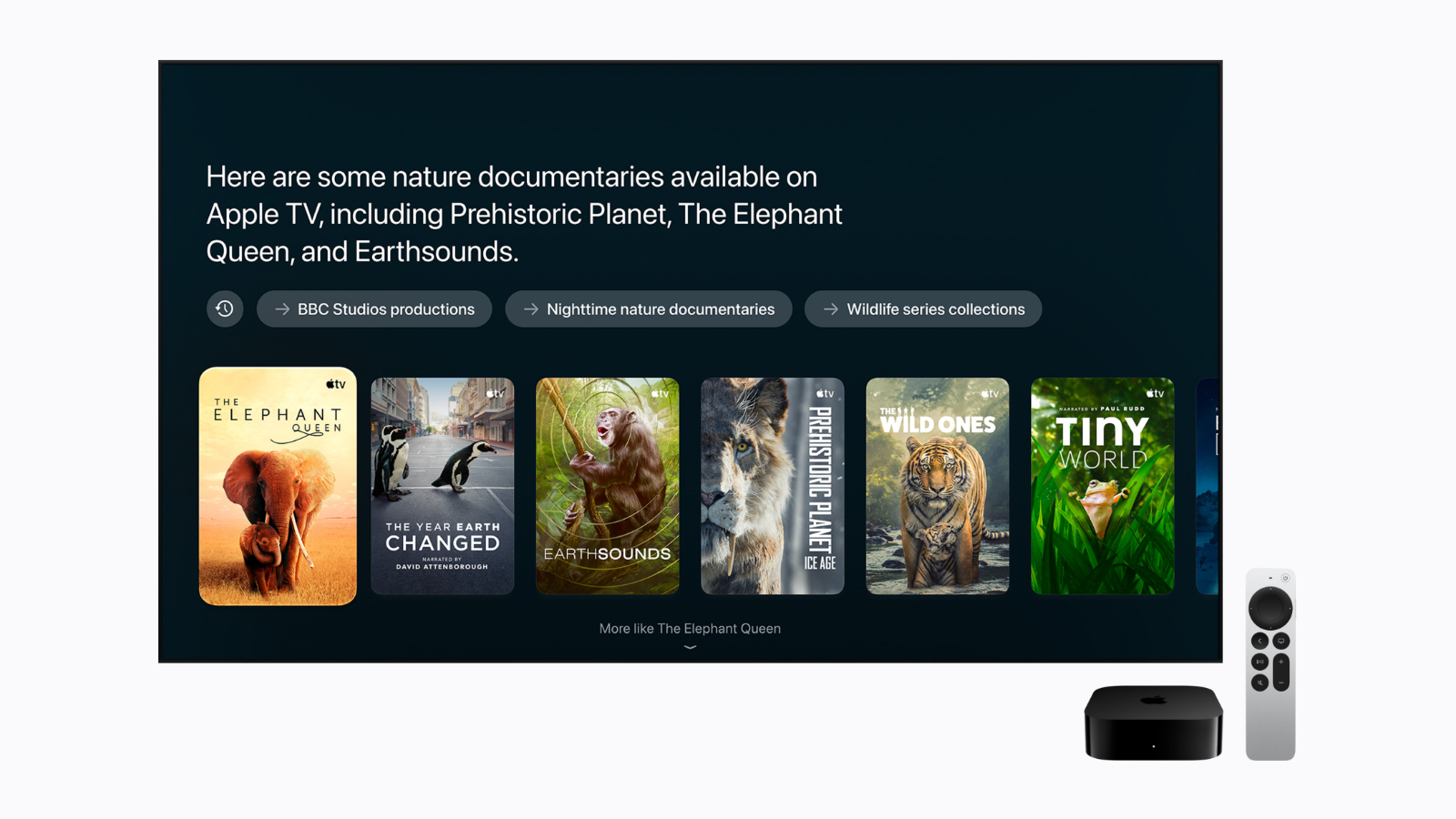
Siri AI on the Apple TV adds conversational entertainment searches, follow-up questions, and personal context through a paired compatible device. Setup requires the Home app's home owner to have an Apple Intelligence-enabled iPhone or iPad running the latest software, with Siri AI enabled and set to a supported language. At launch, Siri AI will support English in the United States, Australia, Canada, India, New Zealand, Singapore, South Africa, and the United Kingdom.
Apple today announcedApple Intelligence features for the Apple TV, bringing a more conversational Siri, personalized entertainment search, and summaries of smart home camera activity to the living room.
Siri AI introduces a full-screen interface for finding movies and TV shows, with results featuring poster artwork from the Apple TV app and suggestions for related content. Users can ask which Apple TV shows won Emmy Awards this year, for example, and then explore recommendations for other award-winning shows.
While watching, viewers can ask follow-up questions about filming locations or whether a show is appropriate for a particular age. Answers appear in a small overlay over the video. Apple says the assistant also offers broader general knowledge and can perform more actions across apps.
Personal context support lets Siri AI find something to watch based on information from a paired Apple Intelligence-enabled device. Apple gives the example of asking Siri to "Play the show Alinda recommended," allowing the assistant to identify a recommendation without the user having to remember the title.
Apple Intelligence also expands the Apple TV's capabilities as a home hub, adding descriptions of activity in HomeKit Secure Video recordings and summarized notifications in the Home app. Siri AI can also control compatible smart home accessories and turn scenes on or off.
Siri AI will be available in beta with tvOS 27.2 on the second-generation Apple TV 4K and later, meaning owners of existing compatible models can also access the assistant. The fourth-generation Apple TV 4K is available to preorder today for $299 in the United States, with availability beginning November 13.
Despite featuring an A18 chip and built-in Apple Intelligence support, Apple's new HomeView still depends on a paired Apple Intelligence-enabled iPhone or iPad for several features.
According to Apple's announcement, Siri requests involving personal context require a paired Apple Intelligence-enabled iPhone or iPad running the latest software, with Siri AI enabled and set to a supported language. These capabilities include retrieving relevant information from Messages and Calendar, as well as taking action across apps using the user's personal context.
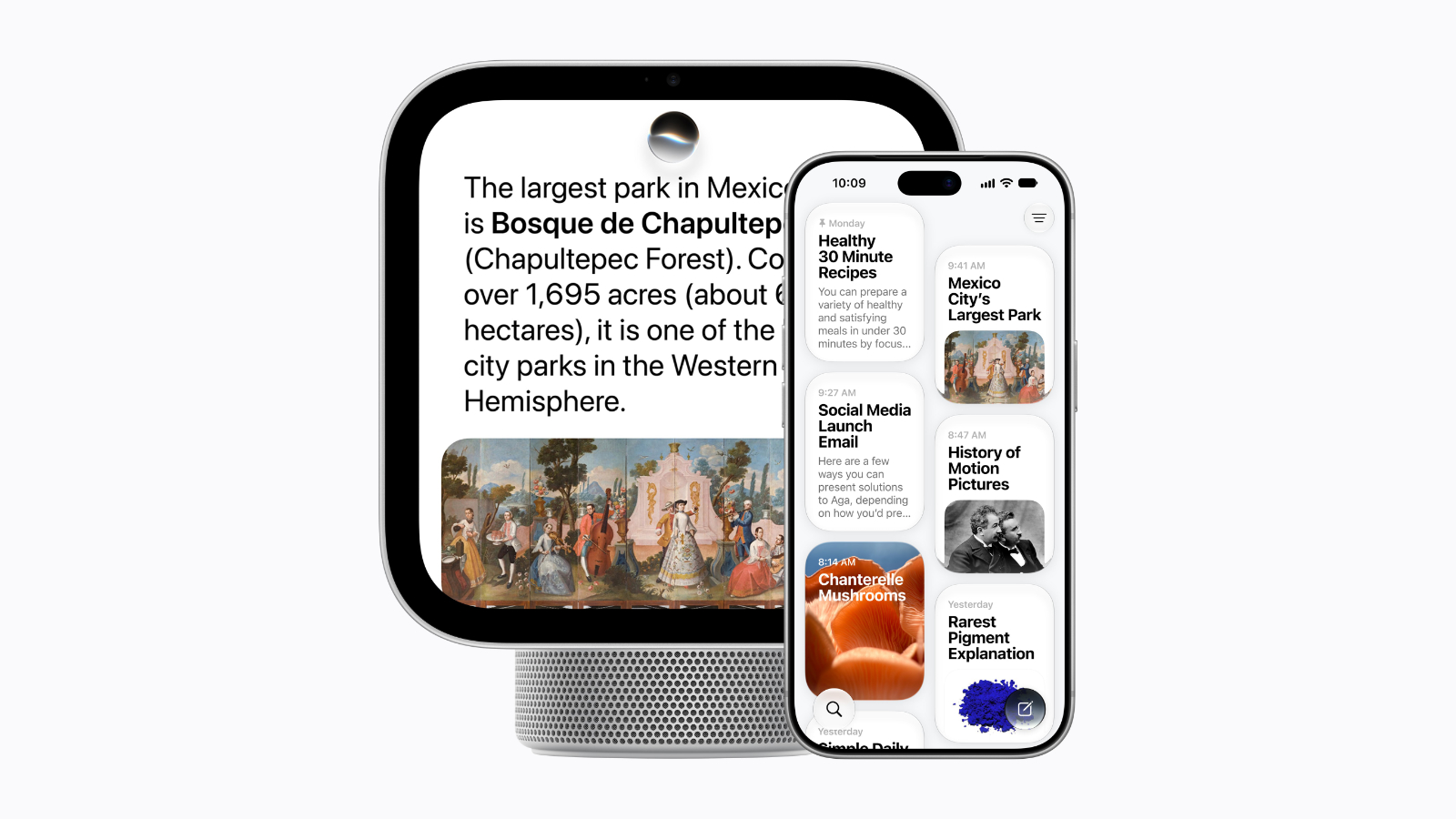
HomeView will still offer several Siri AI capabilities to users whose iPhone or iPad does not support Apple Intelligence. Apple says these users can ask general-knowledge questions, hold natural conversations with Siri, and benefit from improved music discovery. Siri requests on the HomeView can be processed on the device or through Private Cloud Compute.
Customizable Siri voices have more restrictive hardware requirements. Users can only adjust Siri's expressiveness and speaking pace on their paired device, with those preferences then carrying over to HomeView. This requires an iPhone Duo, iPhone 18 Pro, iPhone Air, iPhone 17 Pro, or an iPad with an M4 chip or later and at least 12GB of unified memory. The feature is available in English only.
Some of the HomeView's intelligent camera features also depend on another Apple device. Video summaries and natural language searches of HomeKit Secure Video recordings require setup using an Apple Intelligence-enabled iPhone or iPad, along with an eligible iCloud+ subscription.
The HomeView launches on November 13, with both the tabletop and wall-mounted models priced at $299 in the U.S.
Mit einem US-App-Store-Account zeigt sich Siri AI auch auf iPhones in der EU. So eingeloggt, lassen sich trotzdem noch App-Updates aus dem DE-Store einspielen. Es fehlen jedoch diverse Abo- und Einmalkäufe – wirklich praktikabel ist das also nicht.
Oder direkter: Für mich ist das nicht dauerhaft benutzbar und deshalb lediglich ein glorifizierter Testlauf. Am Vorabend von iOS 27 bin ich mit einem externen KI-Abo sowie einer Voice-zu-Text-Tastatur schlicht besser beraten.
Allerdings ist Apples Chatbot derzeit „designed for the masses“ und ich habe keine Zweifel daran, dass er sie so erreicht. Mit den Integrationen in unsere täglich verwendete Software hat der leuchtende Orb größere Ambitionen.
Und ehrlich gesagt: Für Apple ist das genau der richtige Hebel – nur halt noch nicht in der EU.
Mac and Apple Vision Pro users in the EU will be able to access Siri AI when set to a supported language. Siri AI will not be available initially in the EU in iOS, iPadOS, and watchOS. Apple is working hard to find a path forward that preserves its users’ privacy and security.
Dauerhaft tragbar erscheint mir dieser Fork für Europa allerdings nicht: Siri AI strickt iOS grundsätzlich neu – mit fragwürdigen Opt-ins.
Apples integrierte KI ist nicht einfach nur ein Feature, das man nach Belieben an- und wieder ausknipst. Sie stellt iOS fundamental anders auf; auch wenn das heute noch nicht deutlich erkennbar ist.
Ich empfinde es als untragbar, dass der Digital Markets Act konkurrierenden KI-Assistenten einen Zugriff auf dieselben tiefen OS-Funktionen ermöglichen will – insbesondere wenn man ohnehin nur die Wahl zwischen den KI-Modellen anderer Tech-Riesen hat.
Und trotzdem scheint mir Apple derzeit in einer Situation, die Suppe auslöffeln zu müssen – allein schon deshalb, weil die eigene Weiterentwicklung von iOS es erfordert.
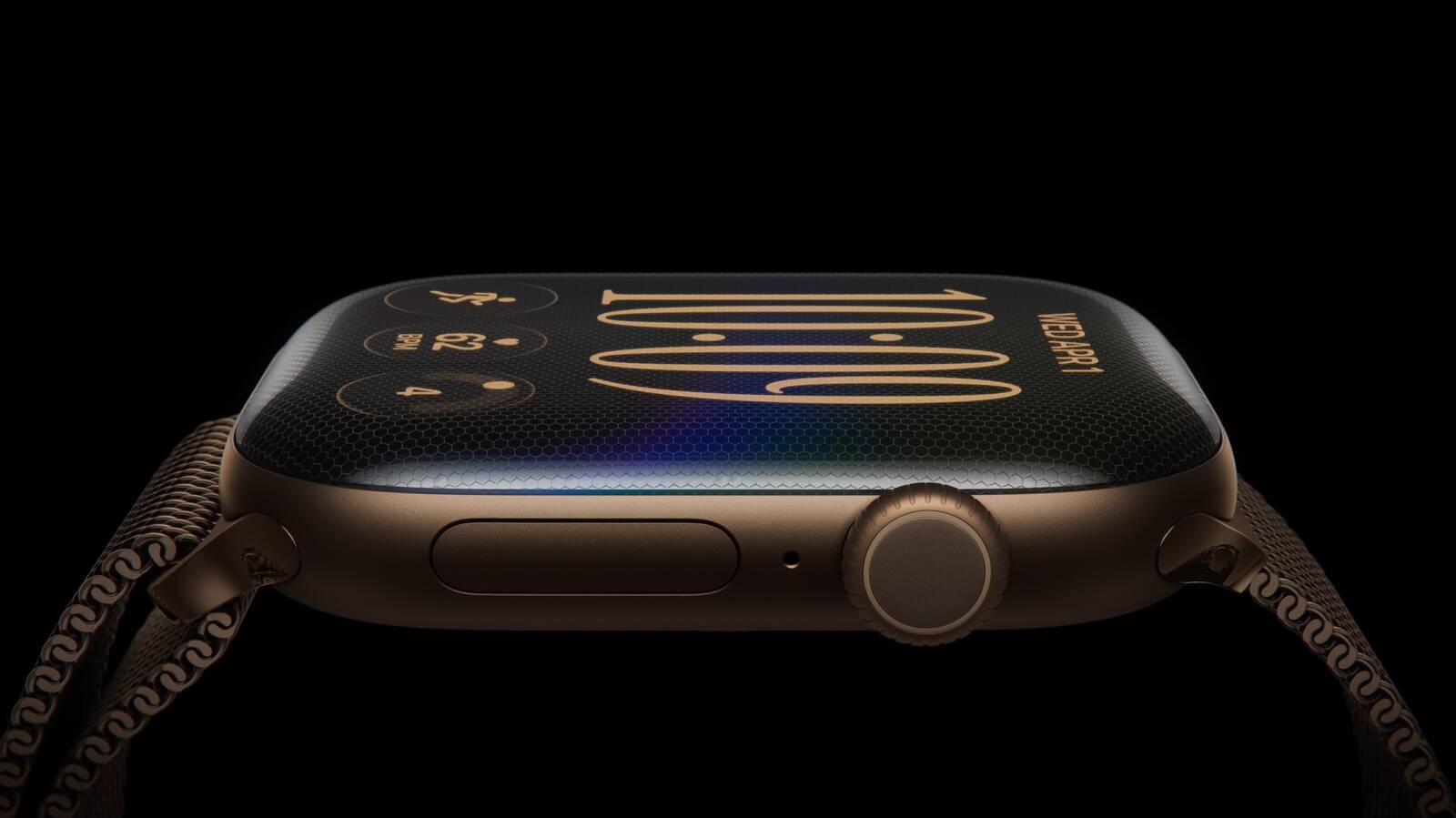
Apple today announced "Audio Intelligence," a new suite of Apple Intelligence-powered features for the Apple Watch Series 12 and Apple Watch Ultra 4 that use the built-in microphone to help users catch missed moments in conversation and stay aware of important sounds.
The Apple Watch's Audio Intelligence comprises four features:
Siri Recap: Uses ambient listening to generate high-level notes from conversations, such as takeaways from a team meeting or a parent-teacher conference, producing an Apple Intelligence-generated title, summary, and key points reviewable in the Siri app.
Live Rewind: Lets users "go back in time for 15 seconds," transcribing and displaying what was just said in a conversation with a double press of the Digital Crown.
Shazam: Automatically identifies music playing nearby and surfaces the song title and artist on the Music Recognition widget in the Smart Stack.
Sound Recognition: Brings sound alerts to Apple Watch for users who are deaf or hard of hearing, listening for sirens, alarms, doorbells, a baby crying, and more, even when their iPhone isn't nearby.
Apple emphasized that Siri Recap is opt-in and configurable, telling users they "control if and when Siri Recap takes notes." Users can set it to always listen or schedule it for specific contexts, such as only at work or never at night, and can toggle it on or off at any time from Control Center. Apple reiterated that none of the Audio Intelligence features create or store audio recordings, with raw audio processed in an isolated Secure Exclave on the S11 chip and deleted immediately after use.
Audio Intelligence and Siri AI both require an Apple Intelligence-enabled iPhone, with Live Rewind and Siri Recap limited to the iPhone 16 or later (excluding the iPhone 16e).
The features arrive in beta later this year, starting in English, with additional languages to follow, and will not initially be available in the EU.
Wispr Flow, Willow Voice oder „Dictation“ von Voicenotes: Sprache entwickelte sich quasi über Nacht zu einem neuen Eingabegerät für Computer – auf Augenhöhe mit Tastatur und Maus. Sie ist nicht neu, aber in puncto Latenz, kontextueller Einordnung sowie sprachlicher Bereinigung plötzlich mehr als ein Diktat.
GPT‑Live ist erschreckend gut; Apples „Advanced Dictation“ in der Beta von iOS 27 hält da noch nicht mit, liefert aber ausdrucksvolle Stimmen.
Noch existieren qualitative Unterschiede zwischen den verschiedenen Angeboten. Alle verbessern sich jedoch rasant, und es ist nur eine Frage der Zeit, bis integrierte Systemfeatures übernehmen und die dedizierten Apps verdrängen. Ich erwarte, dass Wispr Flow, Willow Voice und Co. eher früher als später keine eigenständigen Start-ups mehr bleiben. Basismodelle werden austauschbar; OS-Hersteller integrieren dieselbe Funktion ohne Kosten.
„KI-gestützte Sprachdiktate“ nannte ich die Funktion bislang. Zukünftig sprechen wir wahrscheinlich nur noch schlicht von „Sprache“ und müssen dafür keine separate Einstellung aktivieren. Wie absurd wäre es, Maus und Tastatur vor jeder Nutzung zu aktivieren!?
Was für Gibberish ich manchmal diktiere und trotzdem verstanden werde, ist sicherlich noch faszinierender, wenn man aus dem Zeitalter von Dragon NaturallySpeaking kommt. Ich merke jedoch, wie ich Eigennamen und explizite Schreibweisen von Begriffen inzwischen unbewusst voraussetze.
Transkription ist weitgehend ein gelöstes Problem – das habe ich intellektuell akzeptiert. Das Ganze jedoch in Echtzeit und bereinigt von jedem Stottern sowie allen Füllwörtern und Pausen zu bekommen, bleibt faszinierend. So wird nicht nur mitgeschrieben, sondern interpretiert.
Ich vermute, dass diese Eingabemethode noch nicht spektakulärer erscheint, weil sie a) noch von zu wenigen Menschen genutzt und b) lediglich als reine Niederschrift verstanden wird – obwohl gerade das Sprachverständnis der entscheidende Sprung nach vorn ist.

 Anmelden