❌

Normale Ansicht

Empfangen — 11. Oktober 2026 ⏭ MacRumors: Mac News and Rumors - All Stories

New Entry-Level iPad Not Expected Until Early 2027

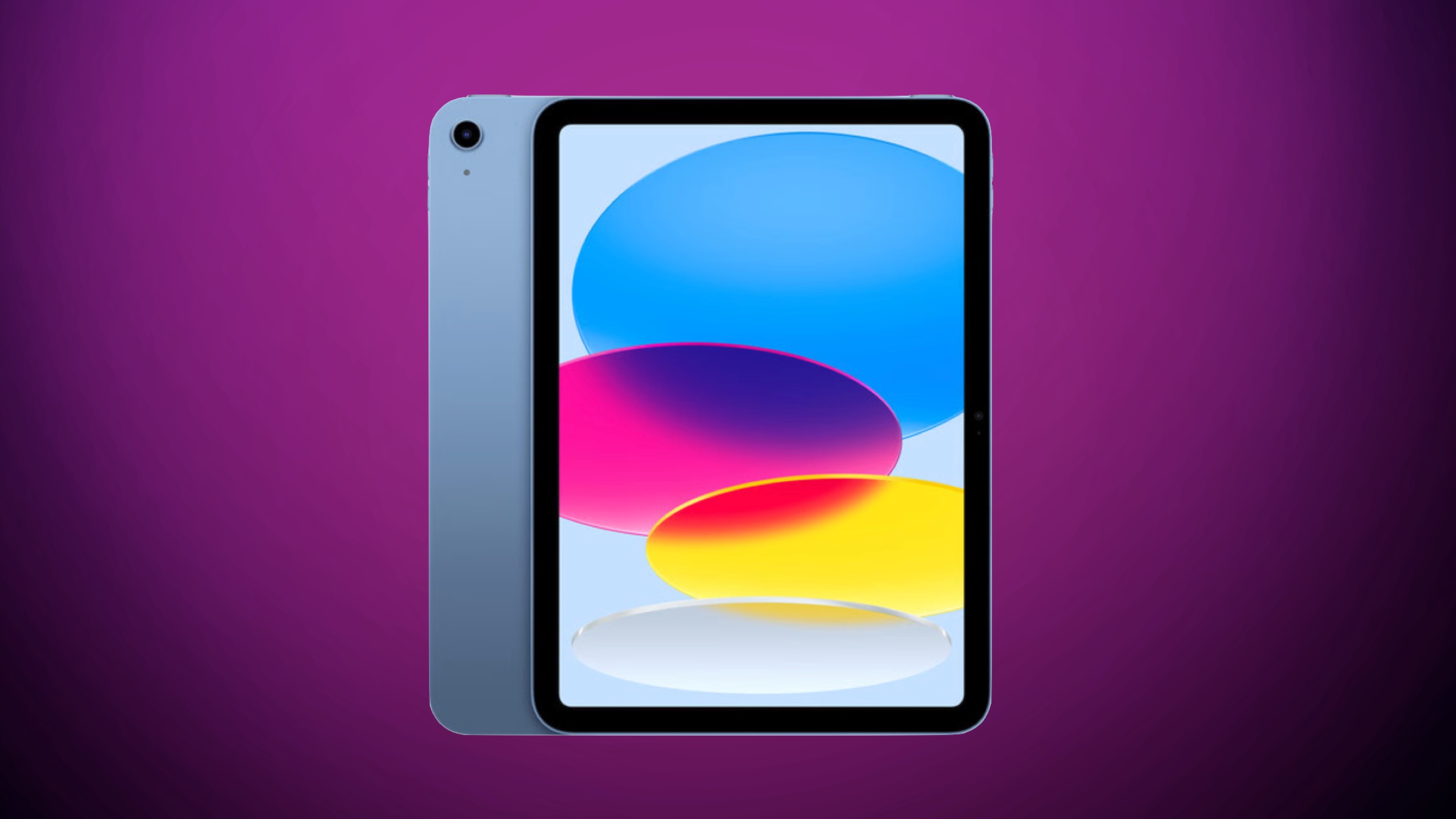
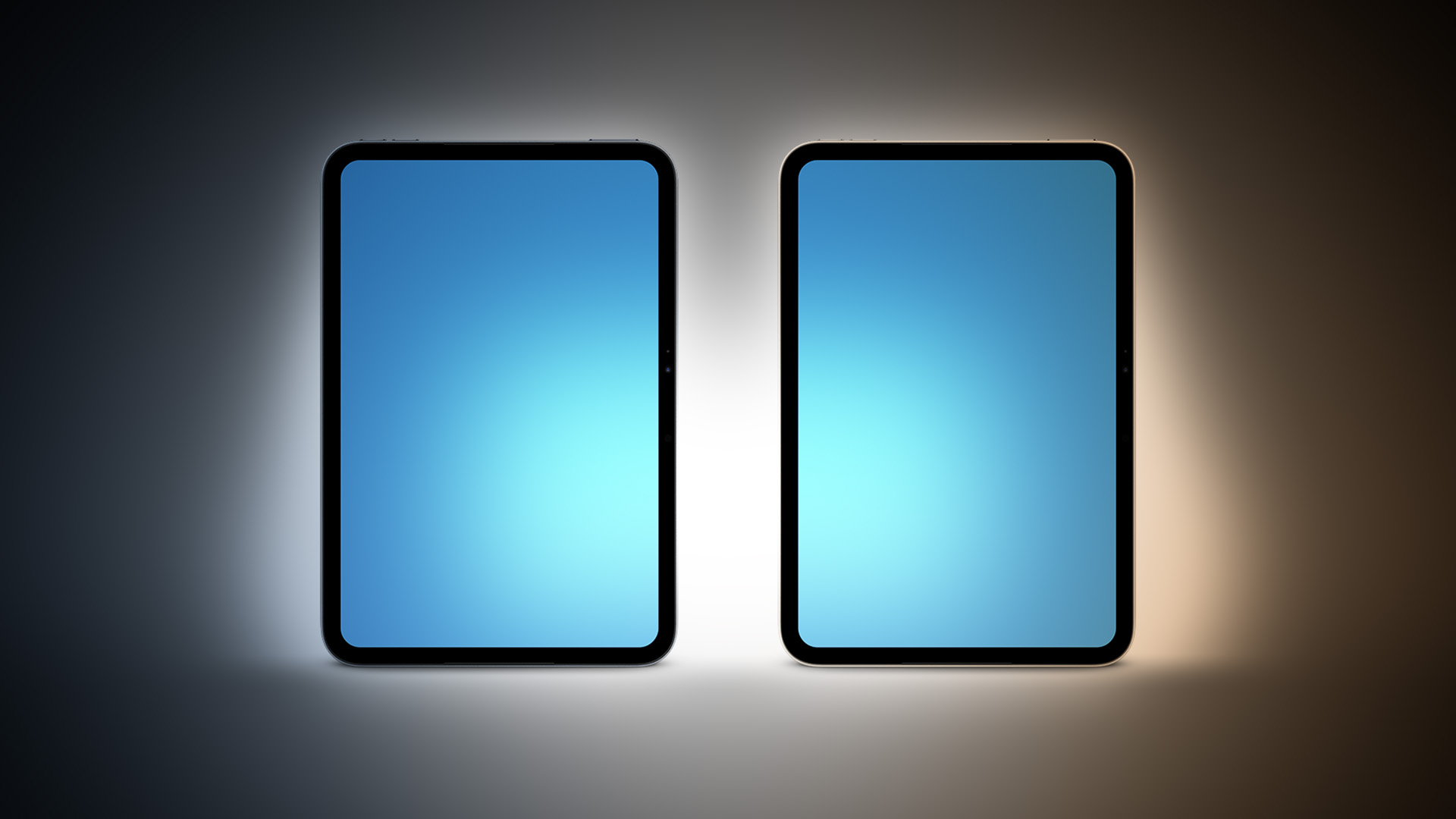
Apple's next entry-level iPad models, codenamed J581 and J582, will not arrive until early 2027, according to Bloomberg's Mark Gurman.

He added that Apple plans a major iPad Air refresh to add an OLED display and a new iPad Pro in 2027. The latter could gain a vapor chamber to improve thermals and performance. A new iPad mini is still expected to arrive at the end of October this year.
Related Roundups: iPad Air , iPad Pro, iPad mini
Related Forum: iPad

This article, "New Entry-Level iPad Not Expected Until Early 2027" first appeared on MacRumors.com

Discuss this article in our forums

  •  

Apple Plans Major iPhone Duo Retail Showcase, But Supply Will Be Limited

Apple is preparing new displays and large numbers of demo units for the iPhone Duo's October 23 launch, but supply will be limited, according to Bloomberg's Mark Gurman.


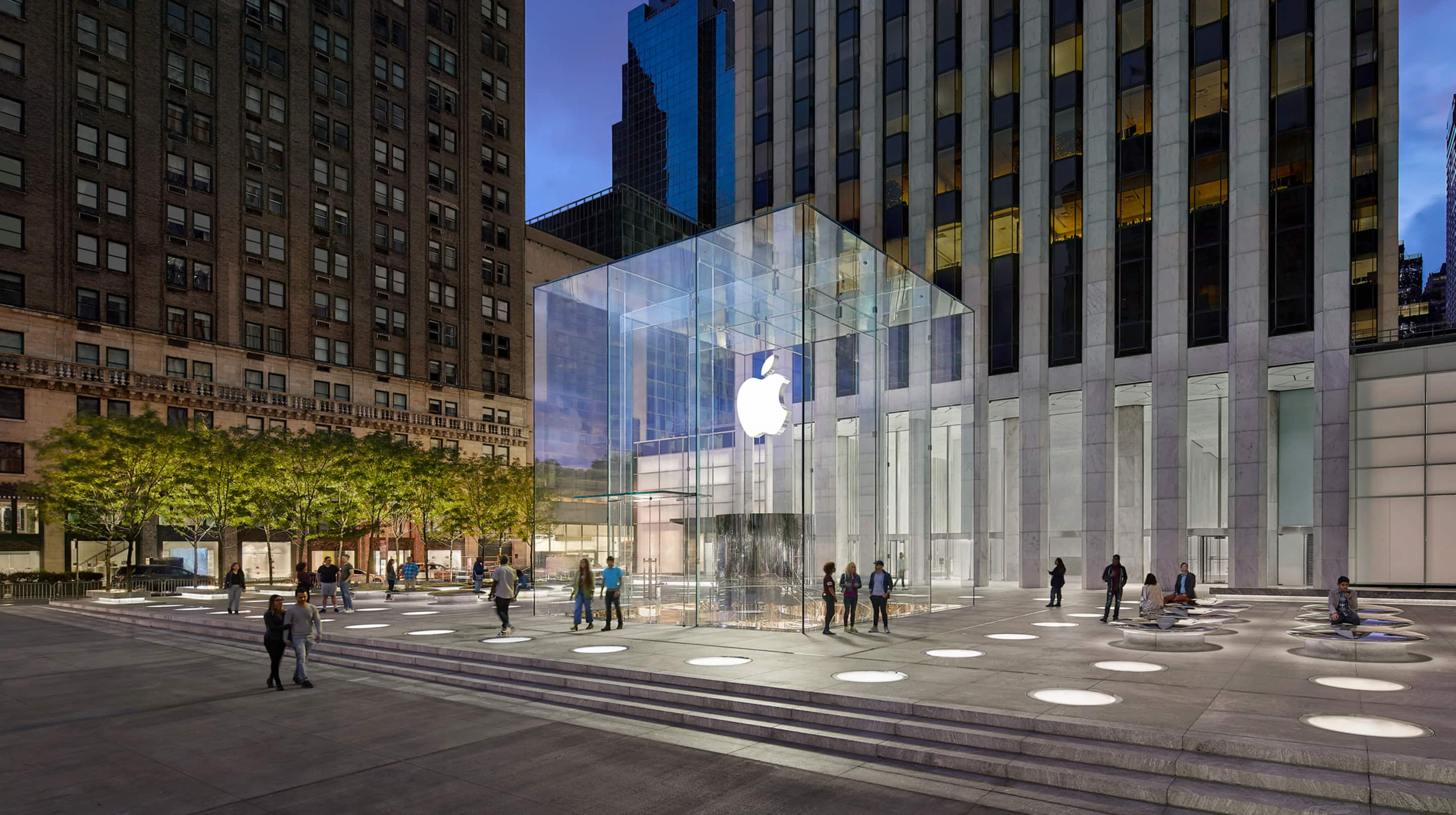
Ahead of the October 23 launch, Apple plans to set aside a section of its Fifth Avenue flagship store for the ‌iPhone Duo‌. Most locations will add an extra spotlight table for the device, using Apple's white display tables with central posts. Gurman said a new fixture will show how the phone folds and unfolds.

The number of demonstration devices will vary considerably between locations. Fifth Avenue in New York is expected to receive more than 150 units for customers to try and for other displays, compared with nearly 100 at the Apple Park Visitor Center. Non-flagship stores will receive approximately 20 units each on average.

Three other prominent stores will fall between those allocations: Chicago's Michigan Avenue, The Grove in Los Angeles, and Manhattan's Upper West Side. Each is expected to have approximately 30 to 40 devices.

Visitors will be able to explore StandBy on untethered phones in the Avenue display areas along the sides of stores. For comparisons on store tables, Apple has designed a MagSafe stand that accommodates an open ‌iPhone Duo‌ and two conventional iPhones.

The retail preparations come as Apple faces tighter supply than it had anticipated. According to Gurman, around two months ago the company believed production constraints could prevent sales from starting until later in November. It has since assembled sufficient inventory to proceed with this month's release, although stock is expected to remain limited.

Apple is also equipping stores with "Presto" machines adapted for the ‌iPhone Duo‌. Apple's wireless system can install software updates without opening an iPhone's packaging, and will also add the buyer's name to the greeting displayed during the device's first startup. Gurman previously said the personalized greeting will be offered in U.S. Apple Stores in English and Spanish.

‌iPhone Duo‌ pre-orders open October 16 at 5 a.m. Pacific Time, with sales starting on October 23. The 256GB model starts at $1,999 in the United States.
Related Roundup: iPhone Duo
Related Forum: iPhone

This article, "Apple Plans Major iPhone Duo Retail Showcase, But Supply Will Be Limited" first appeared on MacRumors.com

Discuss this article in our forums

  •  

AirPods 5 vs. AirPods 5 With Wireless Charging Case Buyer's Guide

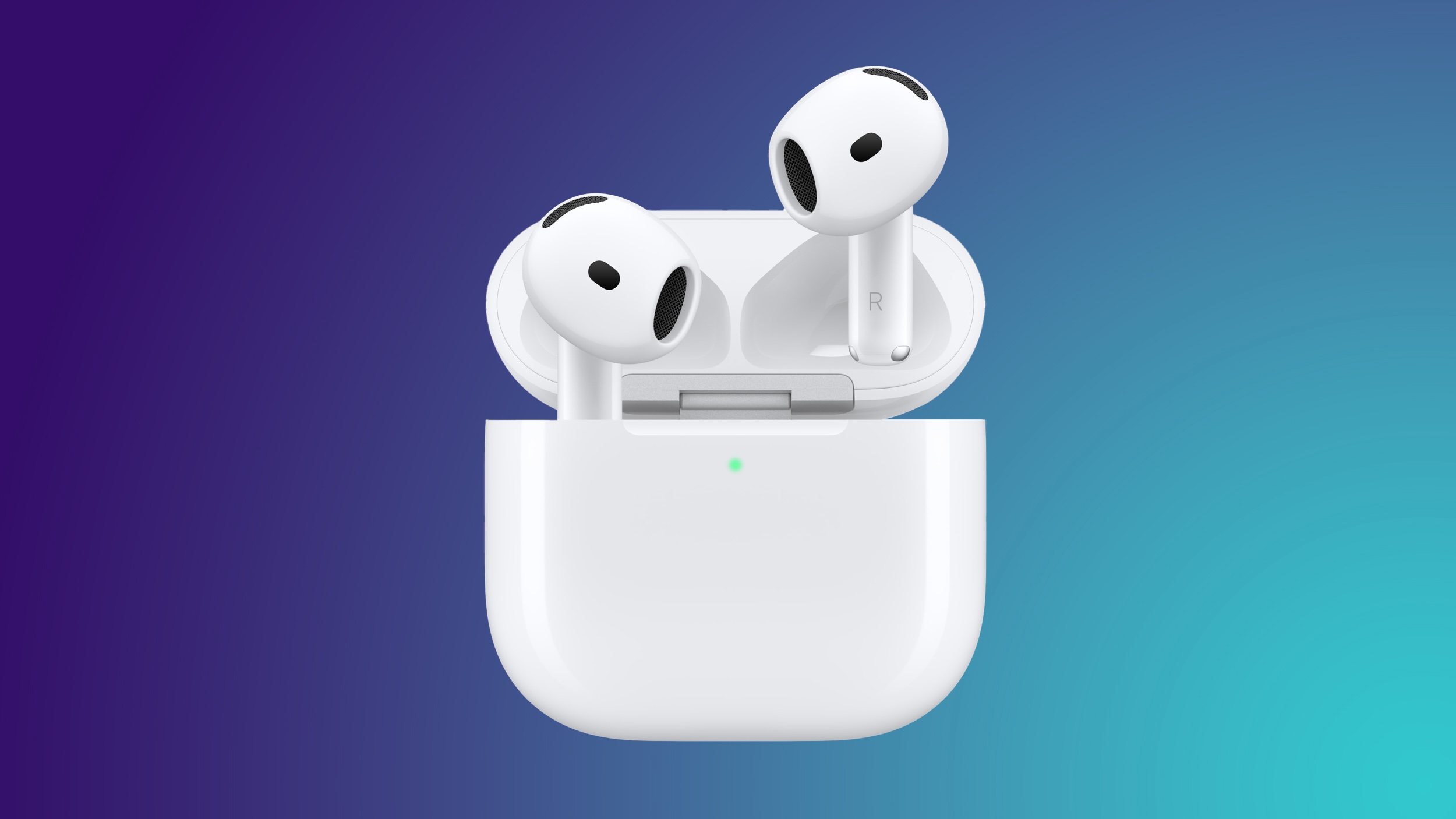
Apple offers two versions of the AirPods 5: a $129 model with a USB-C Charging Case and a $149 model with a Wireless Charging Case. The extra $20 also buys longer battery life, swipe volume controls, and additional Find My features, so there are differences between the earbuds themselves as well as their cases.


Both models include Active Noise Cancellation as standard, the H2 chip, the same open-ear design, and the same redesigned acoustic architecture with updated Adaptive EQ. They also share Transparency mode, Adaptive Audio, Conversation Awareness, Personalized Spatial Audio, Voice Isolation, studio-quality audio recording, and IP57 dust, sweat, and water resistance. Both support Live Translation when paired with a compatible iPhone with Apple Intelligence enabled, in supported languages and regions.

The earbuds have identical dimensions and weight. The cases are also the same size, although the Wireless Charging Case is slightly heavier. There are still some notable differences to justify the price difference. Our guide helps to answer the question of how to decide which of these sets of AirPods is best for you.


AirPods 5 AirPods 5 With Wireless Charging Case
Force sensor Force sensor with swipe volume controls
Up to four hours of listening time on a single charge with Active Noise Cancellation enabled (up to six hours with noise control off) Up to five hours of listening time on a single charge with Active Noise Cancellation enabled (up to seven hours with noise control off)
Up to 20 hours of listening time with the charging case with Active Noise Cancellation enabled Up to 22 hours of listening time with the charging case with Active Noise Cancellation enabled
Charging Case (USB-C) Wireless Charging Case (USB-C) with support for the Apple Watch charger and Qi-certified chargers
Case speaker for Find My and charging and battery status sounds
Find My with last-connected location and sound playback on the earbuds Find My network tracking, sound playback on the earbuds, separate locations for each earbud and the case, and individual Lost Mode support
Charging case weighs 32.3 grams (1.14 ounces) Charging case weighs 34.7 grams (1.22 ounces)
$129 $149


For most people, the AirPods 5 with Wireless Charging Case are clearly the better buy. The extra $20 is a very small premium for conveniences you are likely to appreciate if you use your AirPods regularly. Longer listening time is useful for travel and extended sessions, while swipe volume controls let you make adjustments without reaching for your iPhone or asking Siri.

The higher-end model is worth considering even if you plan to charge exclusively over USB-C. Wireless charging becomes more useful if you already have a Qi charger or Apple Watch charger. Its additional Find My features are valuable if you tend to misplace your AirPods, allowing you to locate the earbuds and case separately and use the Find My network when they are beyond your device's range. The case speaker also helps when it slips between cushions or gets buried in a bag.

The standard AirPods 5 make more sense if you are on a very strict budget, want a secondary pair, or mostly listen for short periods. You still get the same audio technology and noise cancellation, so saving $20 does not mean compromising on those core features. You simply need to be comfortable with USB-C charging, shorter battery life, fewer controls, and more limited Find My functionality.

The charging cases are not interchangeable between the two models. If you buy the standard AirPods 5, you cannot add wireless charging later by purchasing the other model's case, making it worth deciding which features you want before buying.

Before buying, compare prices using our Deals roundup, since discounts can change the price gap between the two models.

If you're considering an upgrade from AirPods 4 or want to see what changed between generations, our AirPods 4 vs. AirPods 5 Buyer's Guide compares the improvements and explains whether upgrading is worthwhile.
Related Roundup: AirPods 5
Buyer's Guide: AirPods (Buy Now)
Related Forum: AirPods

This article, "AirPods 5 vs. AirPods 5 With Wireless Charging Case Buyer's Guide" first appeared on MacRumors.com

Discuss this article in our forums

  •  
Empfangen — 09. Oktober 2026 ⏭ MacRumors: Mac News and Rumors - All Stories

Mac Shipments Fall, But Apple Still Gains Ground in Shrinking Market

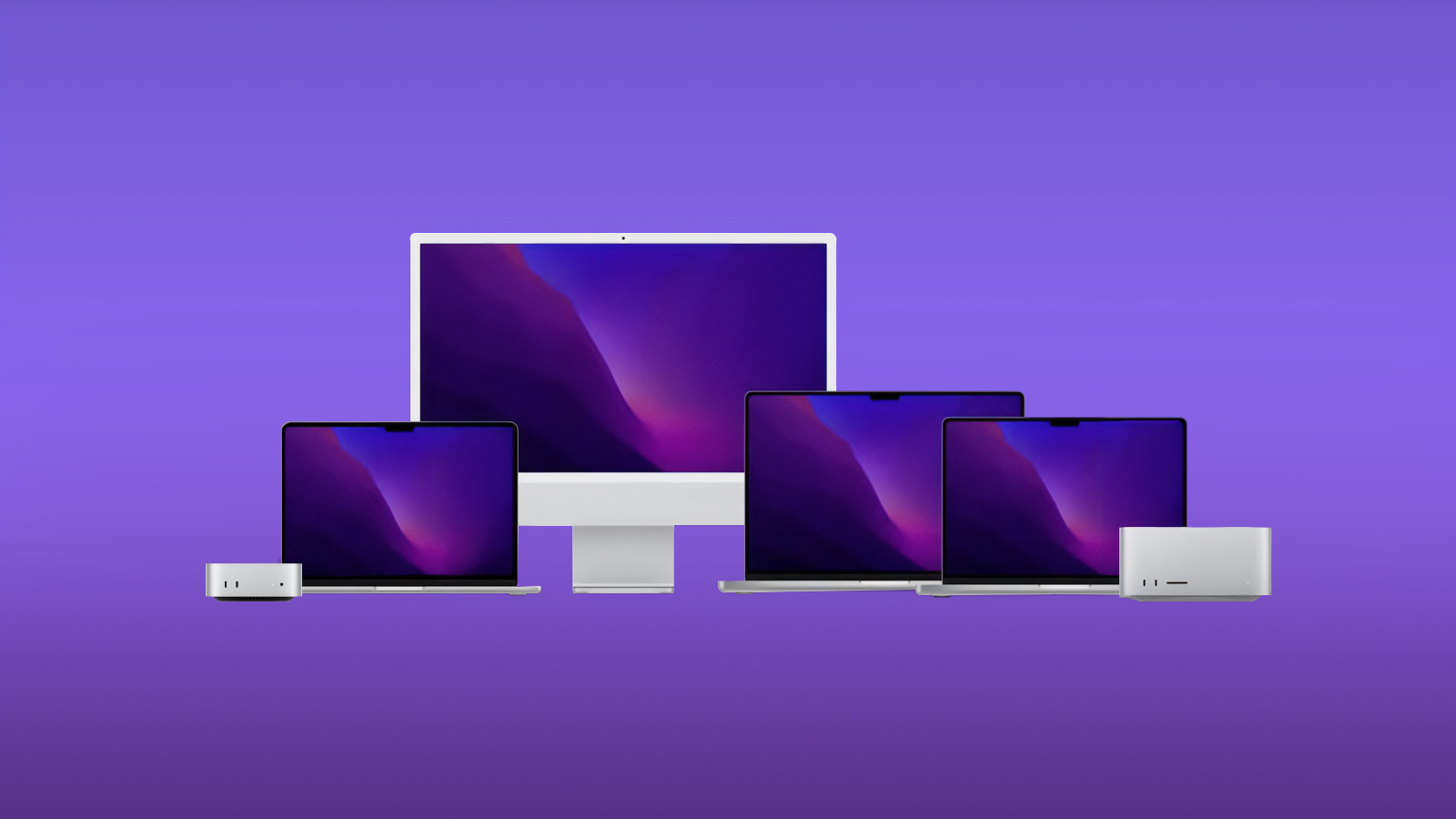
Apple's Mac shipments declined 11.3% in the third quarter of 2026, but the company increased its market share as worldwide PC shipments fell more sharply, according to IDC's latest preliminary estimates.


Apple shipped an estimated 5.9 million Macs between July and September, compared with 6.7 million a year earlier. That put Apple's market share at 9.5%, up from 8.5% in the third quarter of 2025. Apple retained fourth place in IDC's vendor rankings.

Across all brands, shipments dropped to 62.7 million units from 78.5 million a year earlier, a decline of 20.1%. The downturn followed a 3.8% annual decrease in the second quarter. Third-quarter shipments were also 9.1% below the second-quarter total, despite this usually being a busier period for the industry.

Lenovo led the market with 14.9 million shipments, followed by HP with 10.3 million and Dell with 7.6 million. Their respective declines were 22.6%, 30.9%, and 25%. ASUS, in fifth place with 5.5 million shipments, recorded an 8.6% decrease, making it the only top-five vendor with a smaller percentage decline than Apple.

IDC says the timing of earlier orders contributed to the weak quarter. Manufacturers and distribution partners secured stock sooner than usual to limit their exposure to rising memory costs, reducing the volume left for later in the year. With sellers still holding that inventory, there was apparently less need to order additional devices during the third quarter.

The research firm also cited component shortages and higher prices, linking the pressure on supply and costs to the expansion of AI data centers. Apple raised prices in June, with former CEO Tim Cook citing sharply rising memory expenses during the company's July earnings call.

IDC added that sellers could offer discounts to reduce unsold stock, but it does not expect prices to return to where they were a year ago. The firm also warned that a weakening economy could further depress demand through the end of 2026 and into 2027.
Tag: IDC

This article, "Mac Shipments Fall, But Apple Still Gains Ground in Shrinking Market" first appeared on MacRumors.com

Discuss this article in our forums

  •  

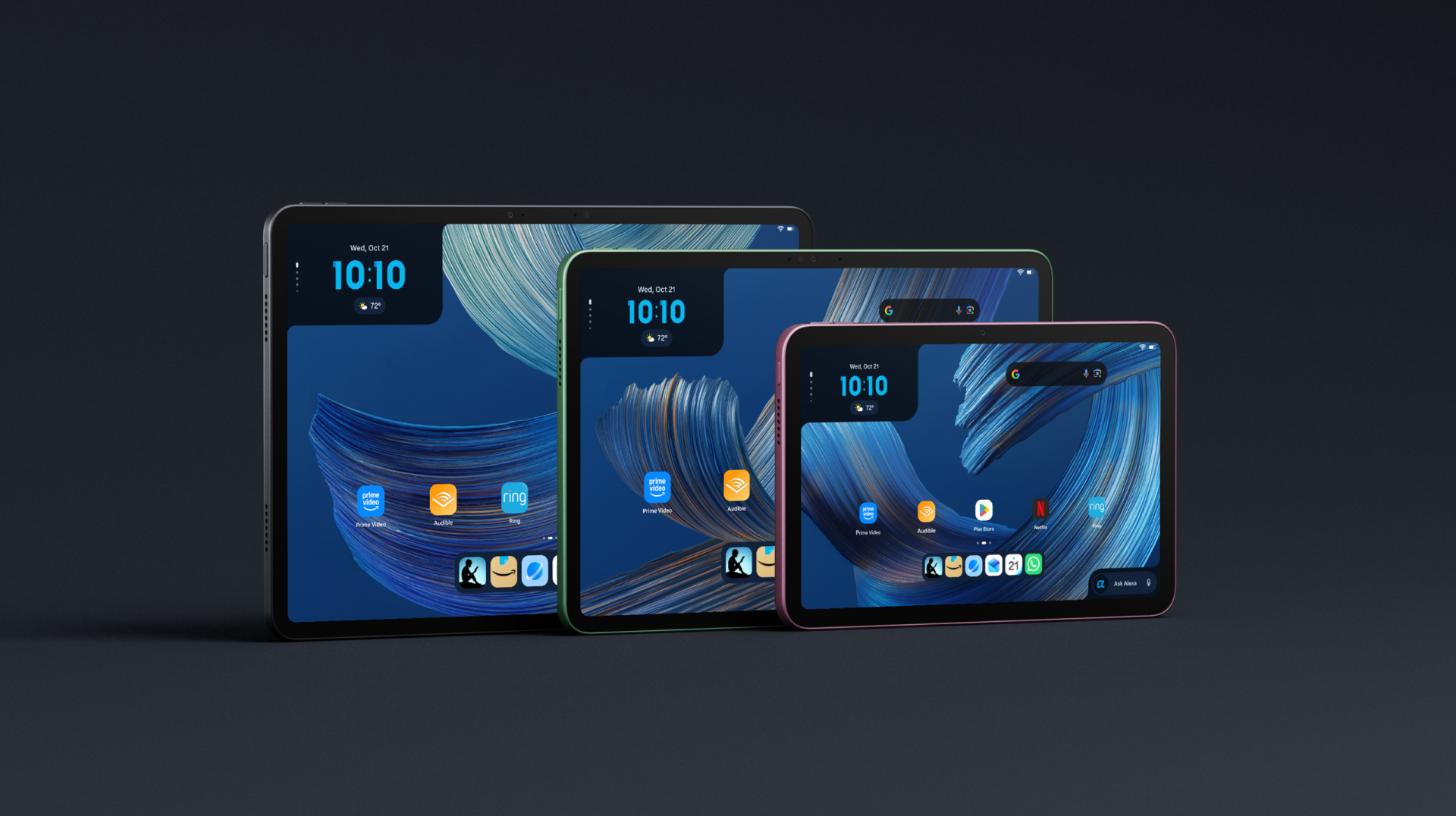
Amazon Unveils New iPad Rivals With Alexa+ and Google Play

Amazon today announced a new lineup of Alexa Tablets, introducing three aluminum tablets with Google Play access, integrated Alexa+, and prices starting at $229.99 to compete with Apple's iPad lineup.


The new tablets run Android, moving away from Amazon's Fire OS and its separate app store. Google Play support brings access to apps such as YouTube, Gmail, and Google Docs, addressing a longstanding limitation of Amazon's tablets.

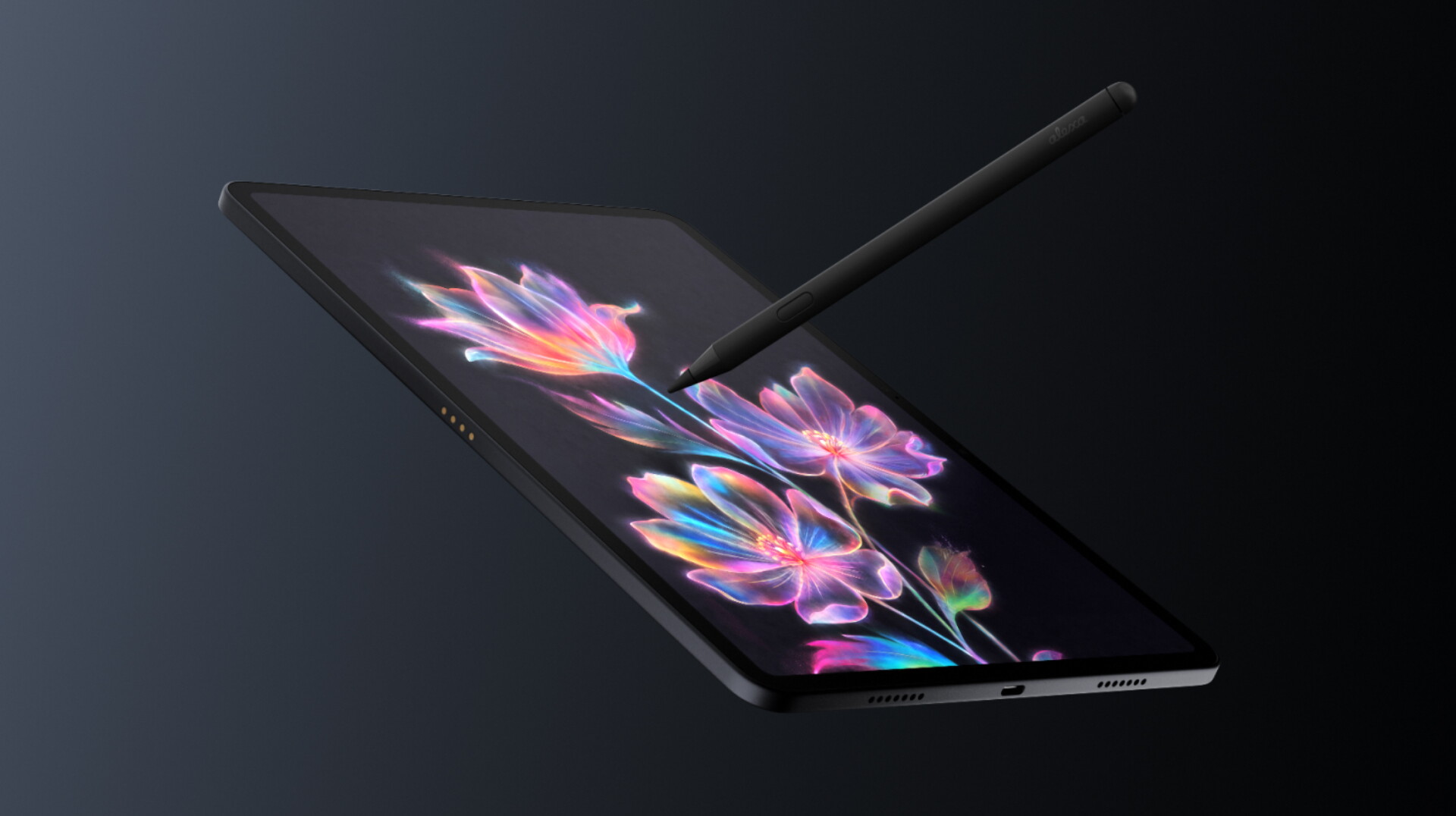
The flagship Alexa Tablet 12 Pro starts at $499.99 with 8GB of RAM and 128GB of storage, aiming to rival the iPad Pro at a significantly lower price point. It features a MediaTek Dimensity 8400 chip, a 12-inch display with an adaptive refresh rate of up to 120Hz and a 3:2 aspect ratio, a 6.5mm-thick aluminum body, Wi-Fi 6E, and quad Dolby Atmos speakers. Amazon claims that the device has up to 16 hours of video playback.

A $549.99 version adds a "Nanomatte" display, using precision-etched glass developed with Corning to reduce glare. Higher configurations offer up to 16GB of RAM. Unlike Apple's nano-texture display option, which requires a 1TB or 2TB ‌iPad Pro‌, Amazon's matte finish is available with 128GB of storage.


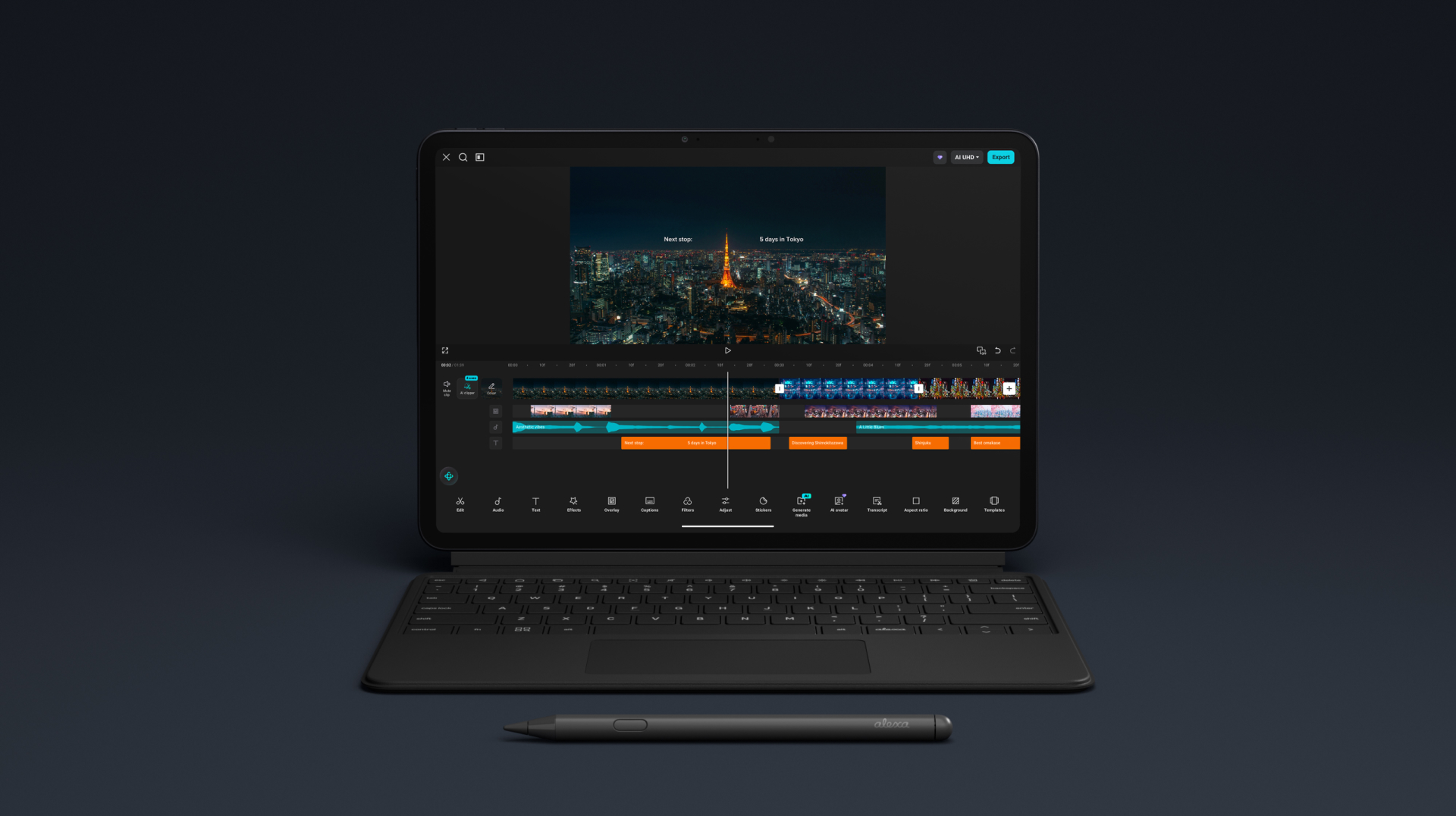
Amazon is also introducing a $149.99 Pro Keyboard and $89.99 Pro Pen for the 12-inch model. Both attach magnetically, while the keyboard includes a trackpad and connects without Bluetooth pairing. The pen supports pressure sensitivity and wireless charging, and the tablet supports multiple app windows for multitasking.

The Alexa Tablet 11 starts at $329.99 with 8GB of RAM and 64GB of storage, offering an 11-inch 2.5K display with a 90Hz refresh rate. A 128GB version costs $379.99. The smaller Alexa Tablet 8 starts at $229.99 with an 8.7-inch display, 4GB of RAM, and 64GB of storage.


Alexa+ can answer questions and control smart home devices through voice or touch. An optional On-Screen Intelligence feature lets the assistant respond to displayed content, with screen access disabled by default and a visual indicator when active. Tablet-specific Alexa+ access is included, while full access across compatible Alexa devices requires Prime membership or a separate Alexa+ subscription.

The lineup also introduces a Kindle reading mode that silences notifications and reduces blue-light output. Amazon quotes up to 20 hours of reading on the 11-inch and Pro models, and up to 19 hours on the compact model.

The tablets undercut several models in Apple's lineup. The Alexa Tablet 11 starts below the $449 entry-level iPad, although Apple's model includes 128GB of storage. The Alexa Tablet 12 Pro costs less than the $749 11-inch iPad Air, while offering a larger display and higher refresh rate. Apple's $1,199 ‌iPad Pro‌ offers a tandem OLED display and an M5 chip.


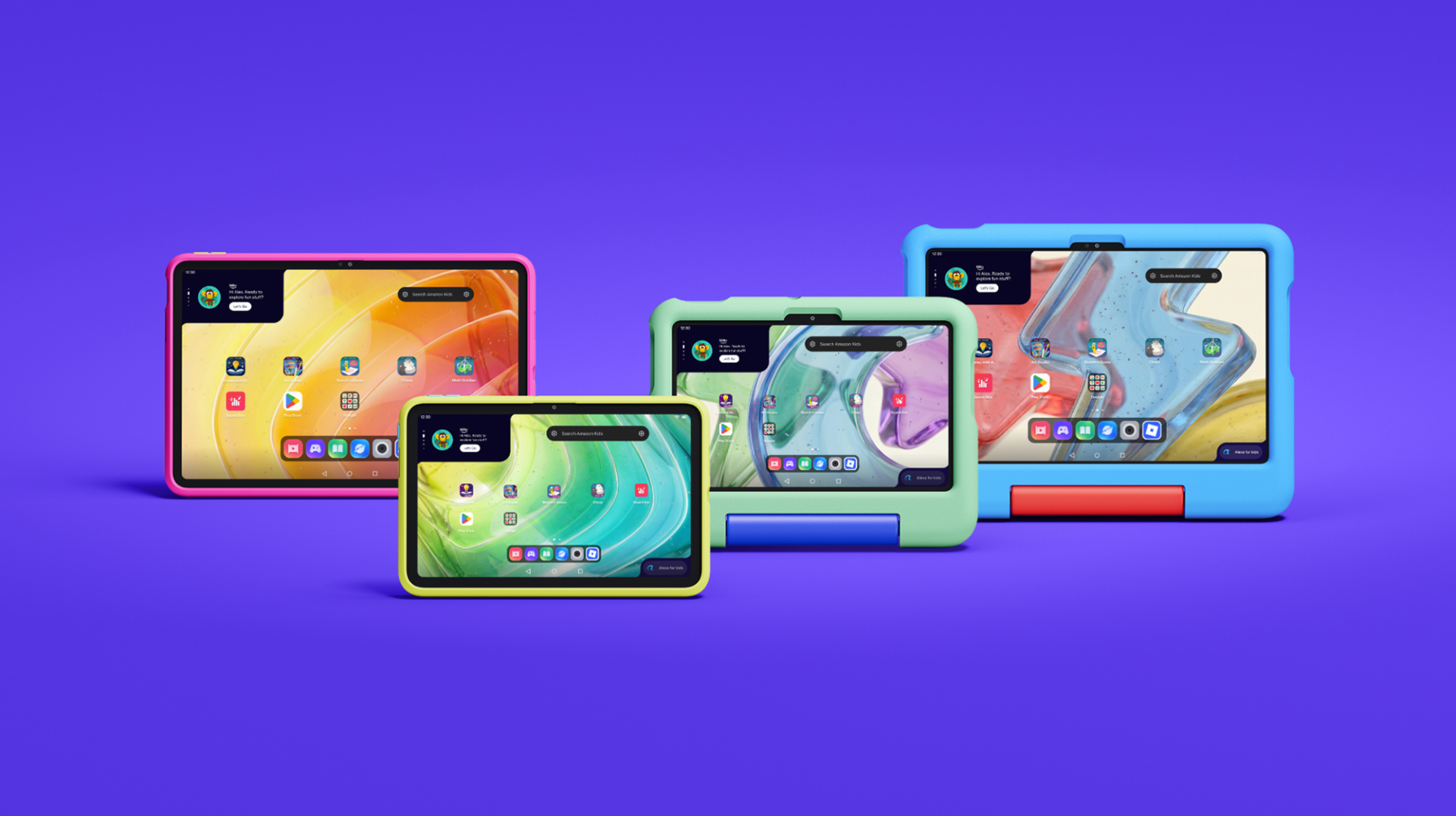
Amazon also announced Kids tablets in 8.7-inch and 11-inch sizes, starting at $229.99 and $329.99, respectively. Versions for ages three and up include a soft bumper case, while those for ages six and up come with a slim hard case. Each includes a year of Amazon Kids+ and parent-managed access to Google Play.

Parents can set screen-time limits, filter content, and monitor activity through the Parent Dashboard, also available on iOS and Android. A new AI-powered Storybuilder feature lets children use their voices to create illustrated stories.

Orders open today, with shipping starting October 14 in the United States, Canada, and Mexico, followed by the United Kingdom, Germany, France, Italy, and Spain on October 19. The Kids models also launch in Japan on October 14.
Tags: Alexa, Amazon

This article, "Amazon Unveils New iPad Rivals With Alexa+ and Google Play" first appeared on MacRumors.com

Discuss this article in our forums

  •  

Leaker Jon Prosser Pushes Back as Apple Seeks His YouTube Data

Jon Prosser is arguing that Apple's alleged trade secrets are now public, while the company seeks his YouTube revenue records, channel analytics, and third-party messages to investigate his alleged financial gain from leaks about iOS 26.


In a new joint status report filed yesterday, Apple said it is still waiting for YouTube revenue reports, channel analytics, and third-party communications requested from Prosser more than three months ago. The materials concern his alleged financial gain and how Apple's confidential information was obtained and shared, continuing the discovery dispute detailed in August.

Prosser's lawyer says he has already fulfilled the discovery obligations agreed to when the parties sought to set aside the default against him. He says Apple keeps requesting more documents each time records are produced.

His attorney also argues that Apple's identified trade secrets are now public following the release of ‌iOS 26‌ and macOS 26, and questions whether some were ever secret given earlier third-party disclosures. He says Apple's written descriptions lack corresponding images, making its claims difficult to assess.

Apple disputes that its disclosure is deficient and says it is willing to discuss it with the defendants' lawyers. It also says Prosser's deposition testimony and his Signal exchanges with Michael Ramacciotti suggest the pair coordinated to obtain and disclose confidential information for financial gain, contradicting Ramacciotti's denial of a conspiracy.

Ramacciotti wants to distance his case from Prosser's defense, with his lawyer saying he is "unwilling to be drawn into it." He has asked Judge James Donato for an October conference at which Apple would explain what further evidence it needs, followed by a deadline within 30 days to dismiss its claims against him or commit to trial. He now conditions a second deposition and updated written answers on Apple first providing a roadmap to resolution.

Apple filed the lawsuit in July 2025, alleging that Prosser and Ramacciotti coordinated to access an Apple employee's development iPhone and profit from unreleased software information. Prosser published videos showing recreations of ‌iOS 26‌'s Liquid Glass redesign before Apple's announcement. Apple is seeking damages and an injunction against further disclosure of its trade secrets.

In his July 2 response to the lawsuit, Prosser admitted participating in a FaceTime call during which Ramacciotti showed him features running on the development device. He denied participating in a coordinated scheme or that the information he viewed constituted trade secrets.

If the court does not grant Ramacciotti's request for an October status conference, the parties plan to submit their next update on December 2.
This article, "Leaker Jon Prosser Pushes Back as Apple Seeks His YouTube Data" first appeared on MacRumors.com

Discuss this article in our forums

  •  
Empfangen — 06. Oktober 2026 ⏭ MacRumors: Mac News and Rumors - All Stories

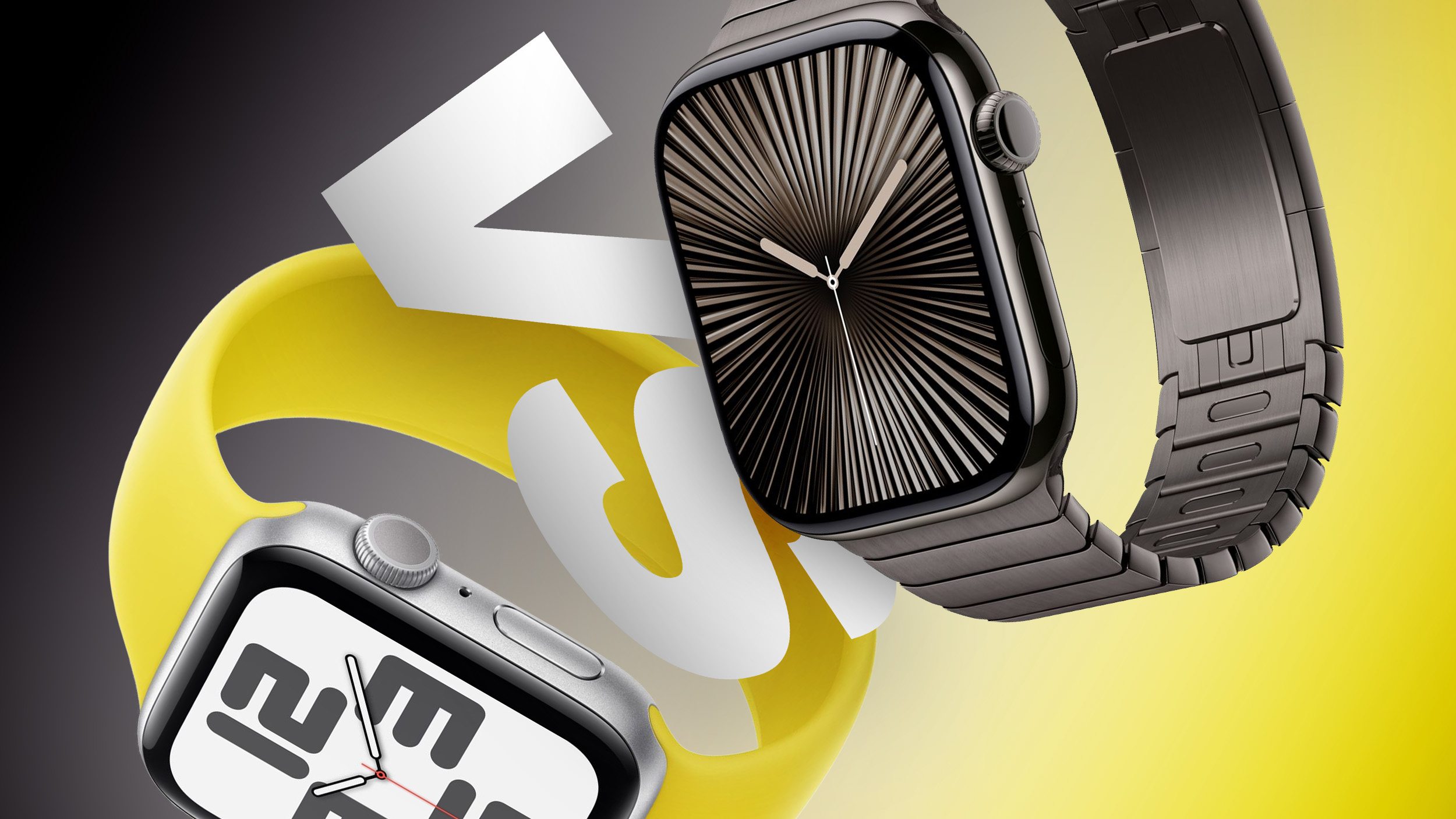
Apple Watch Series 9 vs. Series 12 Buyer's Guide: Is It Worth Upgrading?

The Apple Watch Series 12 is now available, three years after the Series 9. In that time, Apple has introduced a thinner design, larger displays, faster charging, new water sensors, and a substantially more capable health sensing system. Is that enough to justify replacing a Series 9?


Apple discontinued the Series 9 in 2024. The older watch still supports watchOS 27, so the decision comes down to the hardware and features you would gain. Here are the key differences between the Apple Watch Series 9 and Series 12:


Apple Watch Series 9 Apple Watch Series 12
41mm and 45mm cases, 10.7mm thick 42mm and 46mm cases, 9.7mm thick in aluminum and titanium; ceramic cases are 9.85mm thick
Aluminum or stainless steel case Aluminum, titanium, or ceramic case
Aluminum: Silver, Starlight, Midnight, Pink, and (PRODUCT)RED Aluminum: Dark Bronze, Light Gold, Black, and Space Gray
Stainless steel: Silver, Gold, and Graphite Titanium: Radiant Gold and Natural
Ceramic: Pearl White and Night Blue
Ion-X front glass on aluminum models; sapphire crystal on stainless steel models Ceramic Shield 2 on aluminum models; sapphire crystal on titanium and ceramic models
Ceramic and sapphire crystal back Case-matched metal or ceramic and zirconia back
41mm: 904 sq mm display area
45mm: 1,143 sq mm display area
42mm: 970 sq mm display area
46mm: 1,196 sq mm display area
LTPO OLED Always-On Retina display LTPO3 wide-angle ‌OLED‌ Always-On Retina display with a 1Hz refresh rate, enabling a live ticking seconds hand on select watch faces
S9 chip S11 chip
2GB RAM 4GB RAM
Electrical heart sensor Second-generation electrical heart sensor
Third-generation optical heart sensor Fourth-generation, always-on optical heart sensor
Periodic background heart rate readings Background heart rate readings every five seconds
Heart rate variability (HRV) measurements Recovery HRV and overall HRV, measured up to 24 times more frequently
Vitals app with overnight health metrics Vitals app with Recovery HRV and a daytime vitals view
Readiness app with a daily score and recommendation
Step tracking Redesigned step tracking and a Steps watch face complication
Wrist temperature sensor Wrist and water temperature sensors
Depth gauge to 6 meters and Depth app
Microphone Microphone with Voice Isolation
Speaker Redesigned speaker with media playback
Audio Intelligence, including Sound Recognition, faster Shazam, Live Rewind, and Siri Recap
LTE and UMTS on cellular models LTE and 5G RedCap on cellular models
Up to 18 hours of normal use; up to 36 hours in Low Power Mode Up to 24 hours of normal use; up to 38 hours in Low Power Mode
Up to 80% charge in about 45 minutes Up to 80% charge in about 30 minutes; 15 minutes of charging provides up to 12 hours of normal use
Now discontinued From $399


Design


The Series 12 uses a similar version of the thinner design introduced with the Series 10. Its display area is about 7% larger in the smaller size and 5% larger in the larger size than the corresponding Series 9 models. The Series 12 figures below are for aluminum models; its ceramic cases are slightly larger and heavier:


Apple Watch Series 9 Apple Watch Series 12
Smaller case 41mm × 35mm × 10.7mm 42mm × 37mm × 9.7mm
Larger case 45mm × 38mm × 10.7mm 46mm × 40mm × 9.7mm
Smaller aluminum model, GPS 31.9 grams 32.2 grams
Larger aluminum model, GPS 38.7 grams 39.5 grams
Smaller aluminum model, cellular 32.1 grams 31.5 grams
Larger aluminum model, cellular 39.0 grams 38.6 grams


The Series 12 is noticeably thinner, but the comparable aluminum GPS models are slightly heavier than their Series 9 counterparts. Buyers moving from a stainless steel Series 9 to a titanium Series 12 will see a more substantial weight reduction because the case material has changed.

Is It Worth Upgrading?


For Series 9 owners, the Series 12 is a meaningful cumulative upgrade, particularly if you use your watch for training and recovery. Its more frequent heart rate and HRV readings support Readiness, Recovery HRV, and daytime vitals, while the redesigned case provides a larger, squarer display with a more modern feel. The depth gauge and water temperature sensor also add useful information for swimmers and snorkelers.

Those improvements are less compelling if you mainly use your watch for notifications, everyday activity tracking, and occasional workouts. The Series 9 still has an always-on display, ECG, wrist temperature sensing, Double Tap, sleep apnea and hypertension notifications, and support for ‌watchOS 27‌. ‌Siri‌ AI is also available on the Series 9 when paired with a compatible iPhone.

The Series 12 also has a slightly larger battery and charges faster, but likely not by enough to justify an upgrade alone. The Series 12's Audio Intelligence features may strengthen the case for some users, especially Sound Recognition for people who are deaf or hard of hearing. Live Rewind and ‌Siri‌ Recap will arrive in beta in late 2026.

Which to Buy Today?


For a new purchase, the Series 12 is clearly the better choice. It offers three generations of accumulated improvements at the same $399 starting price the Series 9 had when new. The older model makes sense only at a substantial discount if you are satisfied with its existing health features.

A used or refurbished Series 9 can still be good value, but check its battery health, physical condition, and warranty before comparing prices. A worn battery could quickly erase the saving.
Related Roundup: Apple Watch 12
Buyer's Guide: Apple Watch (Buy Now)
Related Forum: Apple Watch

This article, "Apple Watch Series 9 vs. Series 12 Buyer's Guide: Is It Worth Upgrading?" first appeared on MacRumors.com

Discuss this article in our forums

  •  

iPhone 18 Pro and Duo Were Once Planned With 16GB RAM, Leaker Says

Apple initially planned to equip the iPhone 18 Pro lineup and iPhone Duo with 16GB of RAM, according to the leaker known as "Instant Digital."


The brief Weibo post does not say when Apple considered that capacity. The ‌iPhone 18 Pro‌ and ‌iPhone 18 Pro‌ Max feature 12GB of RAM, as confirmed through Xcode 27, matching the iPhone 17 Pro models. The ‌iPhone Duo‌ is also expected to have 12GB, but the Xcode data used to verify the Pro models did not yet include the foldable.

Rumors had pointed to 12GB for the ‌iPhone 18 Pro‌ well before launch. In April 2025, supply chain analyst Ming-Chi Kuo predicted that the iPhone 18 lineup would have 12GB of RAM. Analyst Jeff Pu projected the same capacity for the Pro models and Apple's first foldable iPhone in January. A March report from The Bell said Samsung would supply 12GB memory modules for the ‌iPhone Duo‌.

The global memory shortage is the likely explanation for the apparent change. The March report described sharply rising prices for the 12GB modules, while Bloomberg's Mark Gurman reported that memory costs led Apple to discuss a higher starting price for the foldable. Kuo also said DRAM shortages were forcing Apple to scale back its 2026 hardware shipment plans.

‌iPhone Duo‌ pre-orders begin October 16, ahead of availability on October 23.
Related Roundups: iPhone 18 Pro, iPhone Duo
Related Forum: iPhone

This article, "iPhone 18 Pro and Duo Were Once Planned With 16GB RAM, Leaker Says" first appeared on MacRumors.com

Discuss this article in our forums

  •  

HomePod Mini Waits Reach Eight Weeks Ahead of Rumored Refresh

HomePod mini shipping estimates now stretch to as long as eight weeks in several countries, while some colors are unavailable for delivery, adding to signs that a rumored refresh may be close.


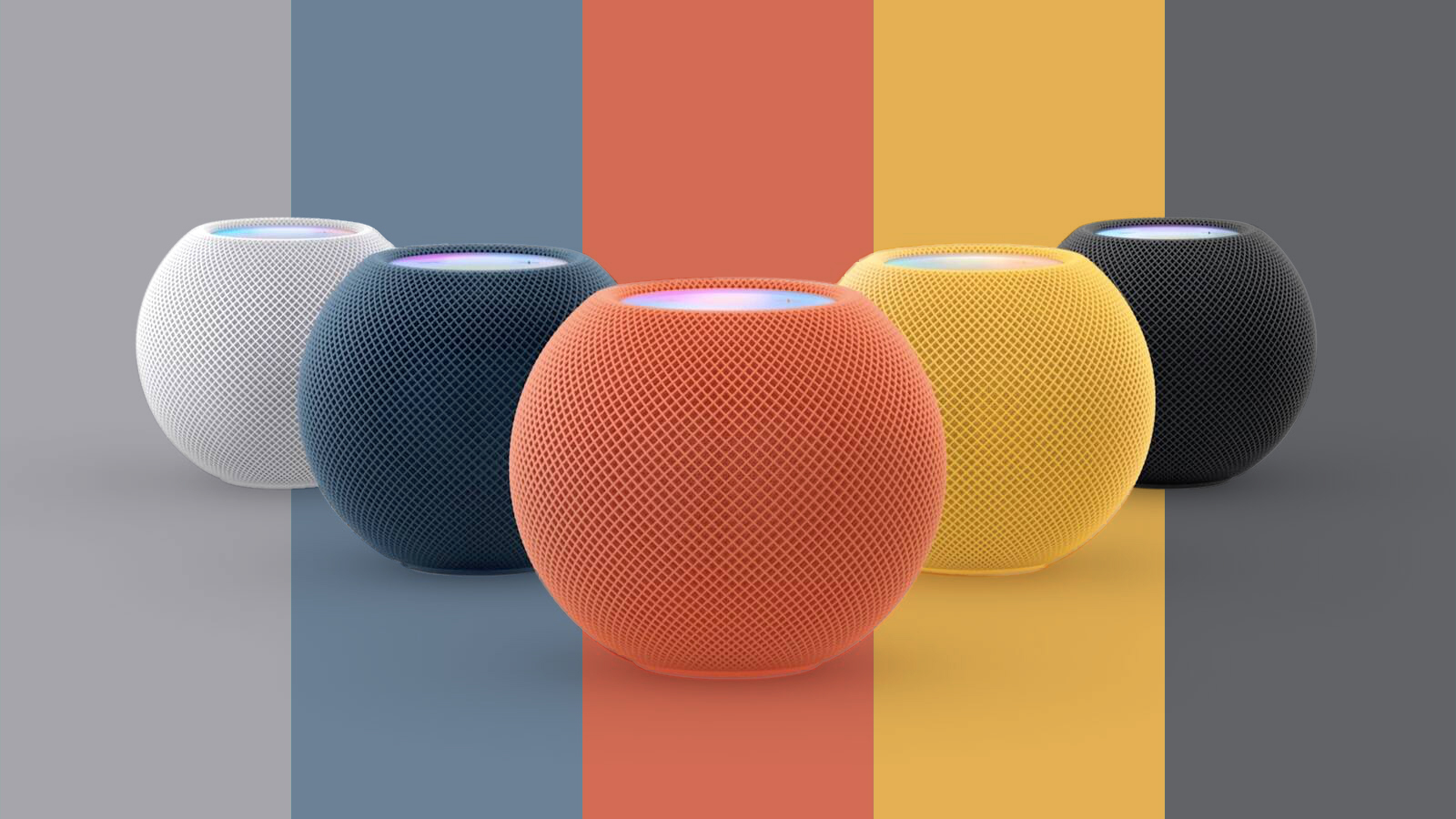
On Apple's U.S. online store, yellow and orange are currently unavailable for delivery to various ZIP codes. Blue and white have estimated delivery dates of October 14–21, while midnight is estimated for October 12–14. Dates may differ by address.

In the UK, blue is unavailable for delivery, yellow is estimated to ship in three to four weeks, and orange in six to eight weeks. The orange model also has a six-to-eight-week shipping estimate in Germany, France, Australia, and Japan. Both yellow and orange are unavailable for delivery in Canada, although other colors generally ship within a few business days.

The delays come ahead of a rumored October 13 introduction of a new ‌HomePod mini‌, alongside an updated Apple TV 4K and a new smart home hub. The ‌HomePod mini‌ 2 is expected to retain its current design while gaining a faster chip, Apple Intelligence support, and new color options.

Similar ‌HomePod mini‌ shortages have occurred intermittently for more than a year, but there is often a correlation between delays and the launch of new products.
Related Roundup: HomePod mini

This article, "HomePod Mini Waits Reach Eight Weeks Ahead of Rumored Refresh" first appeared on MacRumors.com

Discuss this article in our forums

  •  
Empfangen — 01. Oktober 2026 ⏭ MacRumors: Mac News and Rumors - All Stories

iPhone 18 Pro Colors Buyer's Guide: Which Should You Choose?

Apple's iPhone 18 Pro and ‌iPhone 18 Pro‌ Max models come in four distinct color options, so which should you choose?
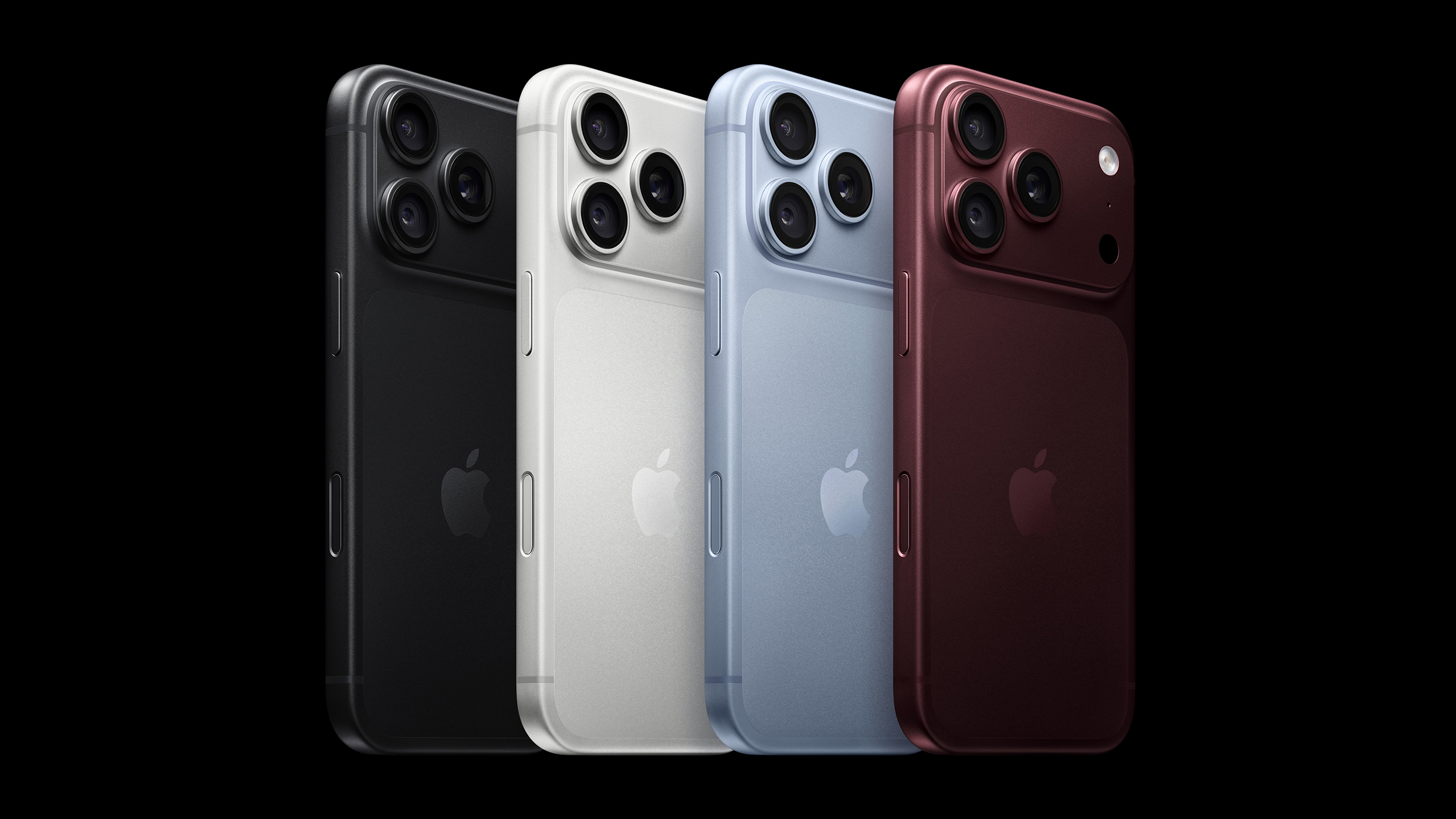

The ‌iPhone 18 Pro‌ models come in Black, Silver, Glacier, and Burgundy. The aluminum and glass backs are more closely matched than on the iPhone 17 Pro, although the different materials remain somewhat visible.

You should also consider if you plan to use a case with your device and, if so, which one. The ‌iPhone 18 Pro‌'s large, full-width camera plateau stands out on most cases, exposing more of the device's color. Choosing a complimentary color should be your first priority.

Burgundy


Burgundy is the most distinct and expressive ‌iPhone 18 Pro‌ finish, and it is much darker than the ‌iPhone 17‌ Pro's equivalent Cosmic Orange. It looks closer to wine or plum than a vivid red.
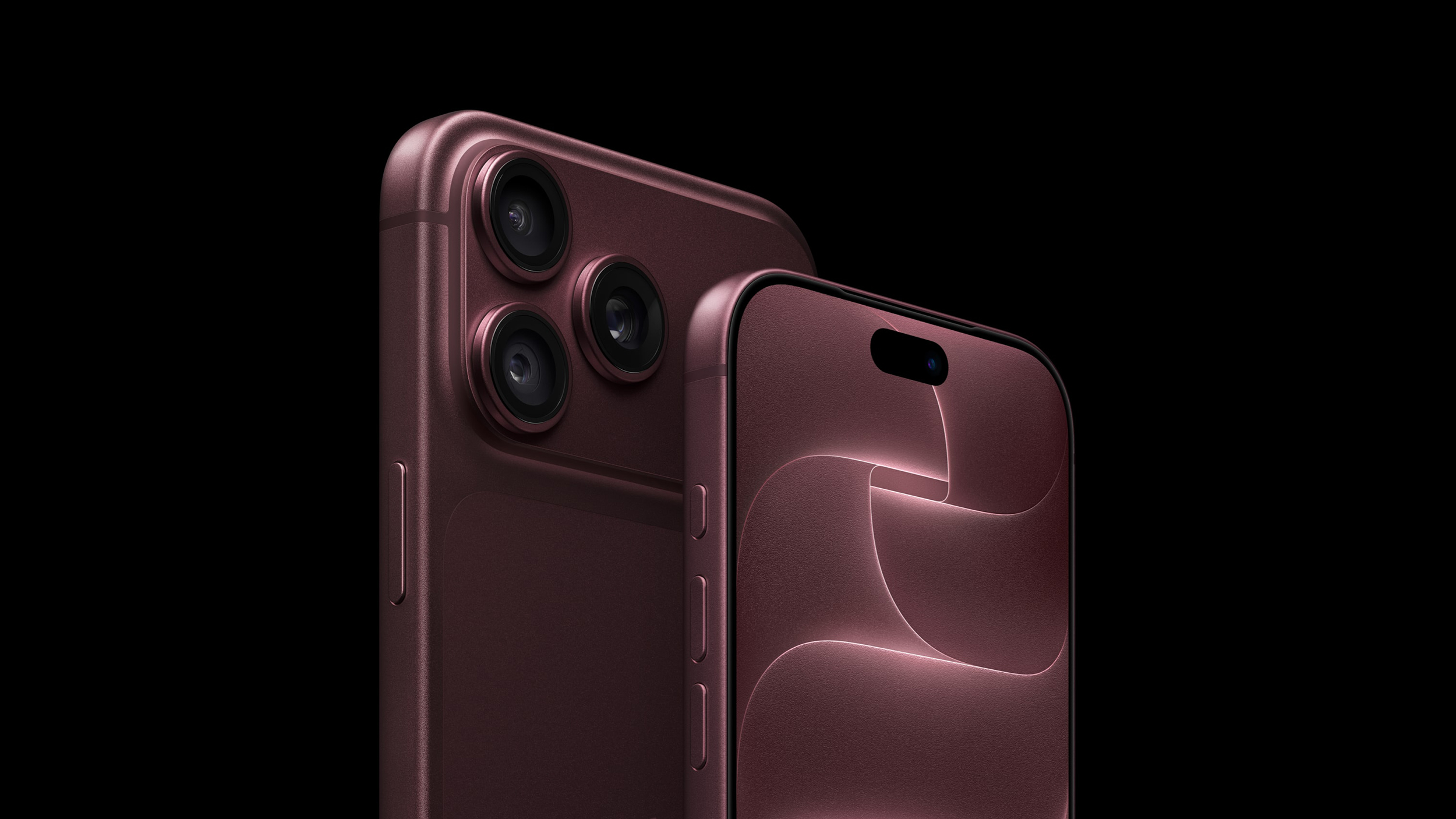

Burgundy is the standout shade in the ‌iPhone 18 Pro‌ lineup, designed to be bold and attention-grabbing. It is the most noticeable ‌iPhone 18 Pro‌ color, and the most likely to indicate that you have the latest generation device—there has never been an iPhone color option like it before.

Apple offers Burgundy Silicone and TechWoven cases if you want the phone and case to look closely coordinated. With a contrasting case, the large, exposed plateau becomes a prominent patch of red-purple. That is worth considering if you like to change between bright case colors: Burgundy will remain part of every combination.

A clear case shows more of the finish, although Apple's white MagSafe ring covers part of the back. Burgundy is the clearest way to distinguish this generation by color, but anyone hoping for a bright red iPhone may be disappointed.

Choose Burgundy if you want a distinctive, dark color that remains noticeable even when the phone is in a case.

Glacier


Glacier is a cool, pale blue that gives the iPhone a much softer look than Burgundy. It is much lighter than the ‌iPhone 17‌ Pro's Deep Blue, yet it does not disappear into Silver; in-person, it still looks distinctly blue.
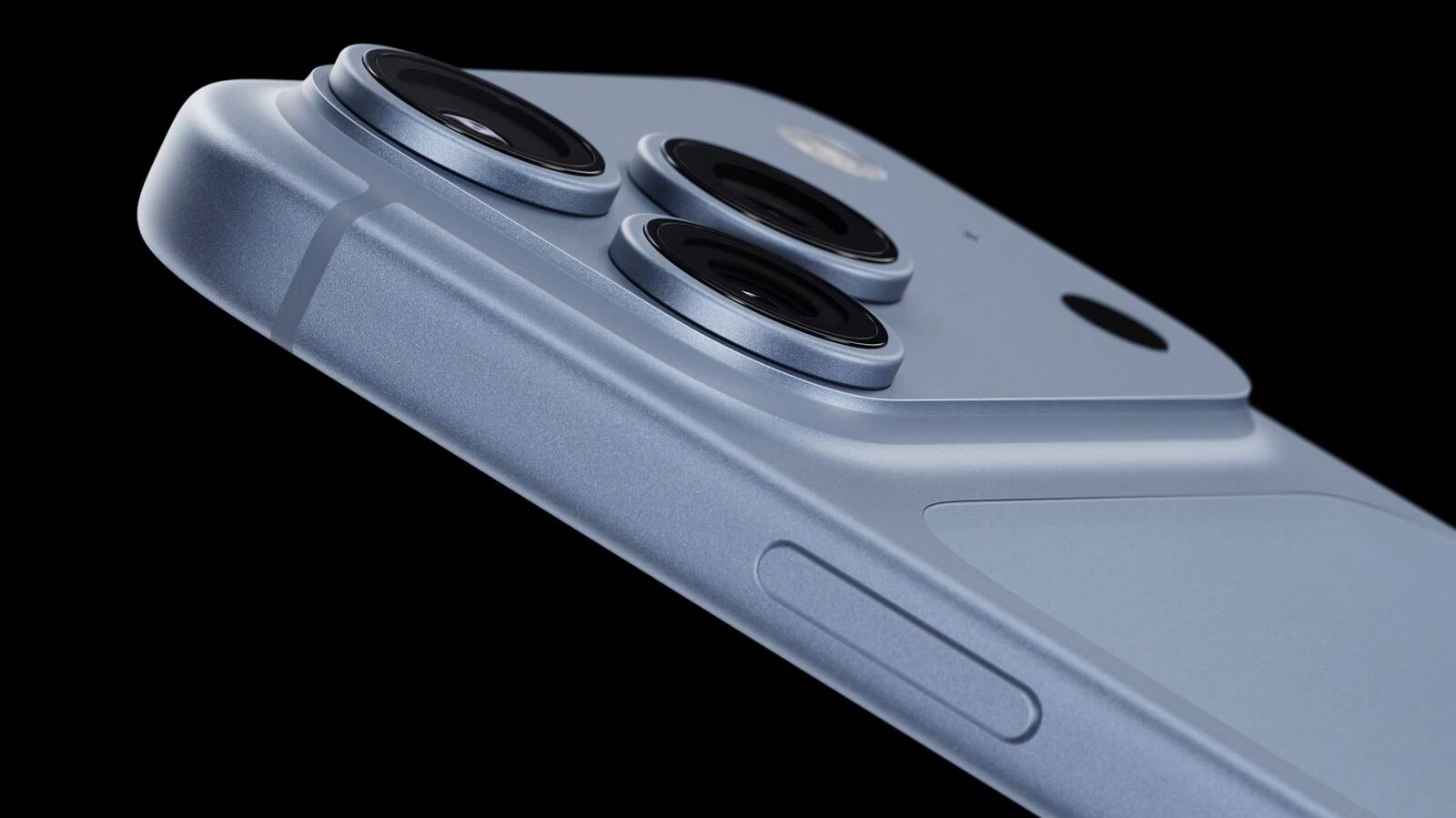

Glacier is a useful middle ground if you want gentle color with some saturation, without making it the strongest feature of the phone. The exposed camera plateau gives an opaque case a light blue accent, while a clear case reveals most of the finish. Apple's clear case has a large white ‌MagSafe‌ ring, however, so it does not leave the back completely unobstructed.

Apple sells blue cases in shades such as Crisp Blue and Chambray Blue, but neither is named Glacier. If you want the case and phone to match precisely, it may be best to compare them in person; otherwise, a clear or neutral case lets Glacier stand on its own.

Choose Glacier if you want an iPhone with a fresh, subtle, and light appearance.

Silver


Silver is the most classic, versatile, and timeless option, but also the most practical. The finish gives off a clean and bright look that pairs well with virtually any case or wallpaper, and it reflects light more than the other three colors, making it quite neutral.
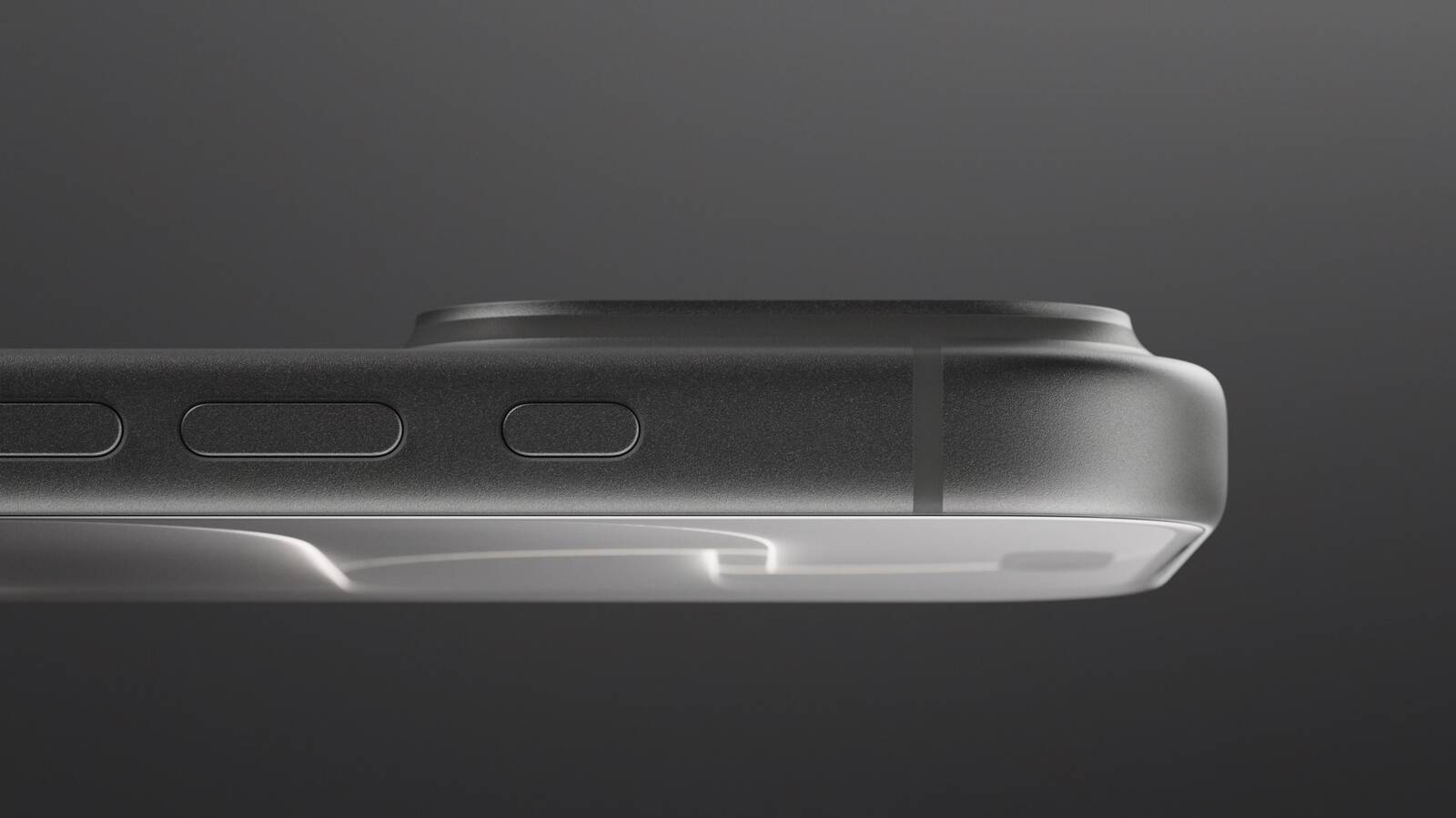

Its aluminum has a metallic sheen that leans toward white in some lighting conditions. This year, the two rear materials are the same tone, making the new model look much more cohesive than the two-tone Silver ‌iPhone 17‌ Pro.

Silver is also the most adaptable color for cases. The exposed silver plateau provides a crisp, light accent against a dark case and sits more quietly beside a pale one. The color is likely to age well since it goes well with any case and embodies Apple's most traditional colors.

It is also the only finish of the three that pairs well with Apple's own clear case. The clear case's white ‌MagSafe‌ ring is less of a visual interruption here than it is against Black or Burgundy. If you frequently change cases, Silver is unlikely to compete with your next choice.

Unlike Burgundy or Black, Silver minimizes the appearance of damage. When the anodized layer chips or scratches, the raw aluminum underneath is very close in tone, so imperfections blend in far better. For users who prioritize long-term durability of appearance, Silver is the most forgiving finish. It may not be as dramatic as Burgundy or as sleek as Black, but it is the safest choice for maintaining a "like-new" look over years of use.

Choose Silver if you want a classic, flexible look that mitigates the signs of damage.

Black


Black returns after the ‌iPhone 17‌ Pro offered Deep Blue as its darkest option. It offers a dark, neutral look without Deep Blue's blue cast.
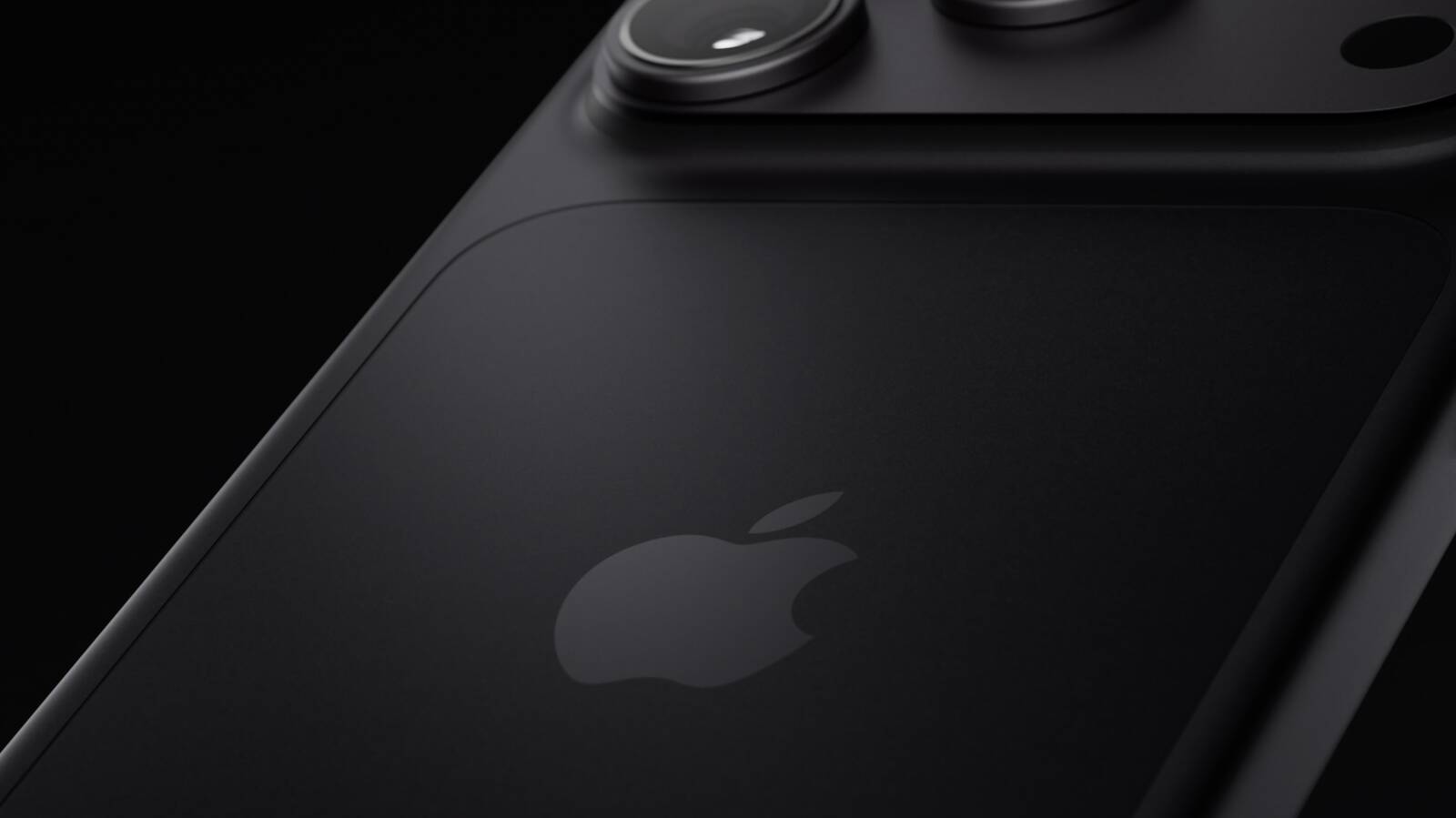


A black case makes the exposed camera plateau blend into the rest of the phone. A light or colorful case has the opposite effect, framing a broad dark section across the top. Apple's clear case also makes its white ‌MagSafe‌ ring particularly noticeable against Black, so it is less suited to an uninterrupted all-black look.

If a deep chip or scratch exposes bare aluminum, its lighter color would stand out against this finish, especially on the plateau that Apple's cases leave uncovered. Anyone using the device without a case should be prepared for more noticeable damage. If visible marks would bother you and you plan to go without a case, Silver may be a better fit.

Choose Black if you want a dark, stealthy, and professional look, but be willing to accept signs of wear and tear.
Related Roundup: iPhone 18 Pro
Related Forum: iPhone

This article, "iPhone 18 Pro Colors Buyer's Guide: Which Should You Choose?" first appeared on MacRumors.com

Discuss this article in our forums

  •  

Apple Stores Receive 'Do Not Open' Boxes Ahead of Smart Home Products Launch

Apple Stores around the world are preparing to install new product presentations starting on Thursday, October 8.


Apple retail stores received confidential boxes earlier this week featuring "Do Not Open Until October 8" stickers on them. They are believed to contain new visual merchandise, which enables workers to update labels, graphics, and product layouts in stores around the release of new products. MacRumors received a tip-off about the boxes earlier this week, which it has now independently verified.

There is a possibility that the materials relate to the iPhone Duo, but it seems more likely given their confidentiality and timing that they relate to the rumored launch of Apple's smart home hub, alongside a new Apple TV 4K, and the HomePod mini 2. Yesterday, Bloomberg's Mark Gurman said that Apple plans to introduce these three long-awaited new devices on Tuesday, October 13.

If Apple announces the new devices sometime in the week of Monday, October 5, Apple Stores would need to update their displays for launch on October 13. For now, the exact timing of the announcement of the trio is unclear. Gurman's report used indeterminate wording, simply saying that Apple would "push into the smart-home market on October 13." This could be either announcement or launch.
Related Roundups: Apple TV, HomePod mini

This article, "Apple Stores Receive 'Do Not Open' Boxes Ahead of Smart Home Products Launch" first appeared on MacRumors.com

Discuss this article in our forums

  •  

Apple Watch SE 3 vs. Series 12 Buyer's Guide: Which Should You Buy?

The Apple Watch SE 3 starts at $249, while the Apple Watch Series 12 starts at $399. The $150 difference buys a more advanced health sensing system, a larger display, longer battery life, and more options for tracking training and recovery.


The two watches still share many features, including an always-on display, wrist temperature sensing, sleep apnea notifications, retrospective ovulation estimates, 5G connectivity on cellular models, media playback, and 64GB of storage. Our guide helps to answer the question of how to decide which of these two Apple Watch models is best for you. The differences between the two models are as follows:


‌Apple Watch SE 3‌ Apple Watch Series 12
Same design as Apple Watch Series 4, 5, and 6 Refined design with a thinner casing, display with more rounded edges and a wider aspect ratio, and front glass that extends further over the sides for a higher screen-to-body ratio
40mm or 44mm case 42mm or 46mm case
Aluminum case Aluminum, titanium, or ceramic case
40mm: 40 by 34 by 10.7mm
44mm: 44 by 38 by 10.7mm
42mm aluminum/titanium: 42 by 37 by 9.7mm
46mm aluminum/titanium: 46 by 40 by 9.7mm
42mm ceramic: 43 by 37 by 9.85mm
46mm ceramic: 47 by 41 by 9.85mm
Aluminum GPS weight: 26.3 grams (40mm) or 32.9 grams (44mm) Aluminum GPS weight: 32.2 grams (42mm) or 39.5 grams (46mm)
Ion-X front glass Ceramic Shield 2 front on aluminum models; sapphire crystal front on titanium and ceramic models
No published IP6X rating IP6X dust resistance
LTPO OLED display LTPO3 display with a 1Hz always-on refresh rate, allowing a live ticking seconds hand on supported watch faces
‌OLED‌ display Wide-angle ‌OLED‌ display
40mm: 324 by 394 pixels
44mm: 368 by 448 pixels
42mm: 374 by 446 pixels
46mm: 416 by 496 pixels
40mm: 759 sq mm display area
44mm: 977 sq mm display area
42mm: 970 sq mm display area
46mm: 1,196 sq mm display area
Up to 1,000 nits brightness Up to 2,000 nits brightness
2 nits minimum brightness 1 nit minimum brightness
Nylon composite and sapphire crystal back Aluminum or titanium and zirconia back; ceramic and zirconia back on ceramic models
S10 chip (2024) S11 chip (2026)
2GB RAM 4GB RAM
Second-generation optical heart sensor Always-on optical heart sensor
Standard background heart rate tracking Background heart rate readings every five seconds
Heart rate variability tracking Recovery HRV and more frequent overall HRV readings
Vitals app with heart rate, respiratory rate, wrist temperature, and sleep duration Vitals app with heart rate, respiratory rate, wrist temperature, sleep duration, HRV, and a daytime view
Readiness app
Electrical heart sensor and ECG app
Blood oxygen sensor and Blood Oxygen app
Hypertension notifications
Standard step tracking Improved step tracking
Real-time heart rate and steps watch face complications
Water temperature sensor
Depth gauge to 6 meters and Depth app
Oceanic+ app for snorkeling to 6 meters, available on the App Store
Audio Intelligence features including Siri Recap, Sound Recognition, and Shazam
Live Rewind and ‌Siri‌ Recap, due in beta in late 2026
Microphone Microphone with Voice Isolation
Single, elongated speaker openings Individual speaker holes
2.4GHz Wi-Fi 4 2.4GHz and 5GHz Wi-Fi 4
L1 GPS Precision L1 GPS
Second-generation Ultra Wideband chip
Find iPhone Precision Finding for iPhone, with distance and direction guidance
HomePod playback controls ‌HomePod‌ playback controls and proximity-based media suggestions with a compatible Ultra Wideband ‌HomePod‌
Up to 18 hours of normal use Up to 24 hours of normal use
Up to 32 hours in Low Power Mode Up to 38 hours in Low Power Mode
Up to 7 hours of workout tracking Up to 10 hours of workout tracking
Charges from 0 to 80% in about 45 minutes Charges from 0 to 80% in about 30 minutes
15 minutes of charging for up to 8 hours of normal use 15 minutes of charging for up to 12 hours of normal use
8 minutes of charging for up to 8 hours of sleep tracking 5 minutes of charging for up to 10 hours of sleep tracking
Midnight and Starlight aluminum finishes Dark Bronze, Light Gold, Black, and Space Gray aluminum finishes
Radiant Gold and Natural titanium finishes
Pearl White and Night Blue ceramic finishes
Silver and Radiant Gold titanium Hermès models
40mm: $249 GPS or $299 GPS + Cellular
44mm: $279 GPS or $329 GPS + Cellular
Aluminum 42mm: $399 GPS or $499 GPS + Cellular
Aluminum 46mm: $449 GPS or $549 GPS + Cellular
Titanium models start at $699; ceramic models start at $899


If you mainly want a smart watch for notifications, standard workout and sleep tracking, and an always-on display, the ‌Apple Watch SE 3‌ remains the better value. Although it is now a year old, it still represents excellent value for money at $249, offering most of the Apple Watch's core features for $150 less than the entry-level Series 12.

The Apple Watch Series 12 has a much stronger case for anyone who uses their device to follow health and recovery trends. Its new Health Sensing System enables frequent heart rate readings, Recovery HRV, and a Readiness score that draws on recent activity, training load, vitals, and sleep. ECG, blood oxygen monitoring, and hypertension notifications add further capabilities unavailable on the ‌Apple Watch SE 3‌.

Battery life may be a decisive factor. The Apple Watch Series 12 is rated for six more hours of normal use and three more hours of outdoor workout tracking. It also charges faster, which is particularly useful if you wear your watch overnight for sleep tracking.

The Series 12 also offers a larger and brighter display, which makes a noticeable difference in daily use, along with 5GHz Wi-Fi, Precision Finding for a misplaced iPhone, and premium titanium and ceramic case options. Its Audio Intelligence features include ‌Siri‌ Recap, Sound Recognition, and always-on Shazam.

If you prefer the Series 12's broader health tracking capabilities, longer battery life, display advantages, or luxury case options, the extra cost is justified. If those features are unlikely to change how you use or appreciate your watch, the ‌Apple Watch SE 3‌ is the more economical choice.
Related Roundups: Apple Watch 12, Apple Watch SE 3
Related Forum: Apple Watch

This article, "Apple Watch SE 3 vs. Series 12 Buyer's Guide: Which Should You Buy?" first appeared on MacRumors.com

Discuss this article in our forums

  •  

DoorDash Unveils AI Food Ordering Through Apple's Messages App

DoorDash is inviting U.S. customers to join a waitlist for an AI assistant that can take food orders through Apple's Messages app (via Bloomberg).


The phone number used in the conversation connects the request to a customer's DoorDash account. The assistant can use previous purchases and preferences to help put together an order, then use a saved payment method at checkout. Customers can also view food photos in the chat or send a picture of their fridge for recipe ideas and suggestions for missing ingredients.

The service builds on Ask DoorDash, which launched inside the DoorDash app in June. DoorDash describes the message assistant as a pilot for select U.S. account holders and advises users to check their carts before paying because the AI can make mistakes.

To join the beta waitlist, U.S. iOS users can enter their phone number at doordash.com/text and select Continue. DoorDash says Android support is coming soon.


This article, "DoorDash Unveils AI Food Ordering Through Apple's Messages App" first appeared on MacRumors.com

Discuss this article in our forums

  •  
Empfangen — 26. September 2026 ⏭ MacRumors: Mac News and Rumors - All Stories

The MacRumors Show: Tyler Stalman Talks iPhone 18 Pro's Camera

Photographer and videographer Tyler Stalman joins us on this week's episode of The MacRumors Show to examine whether the iPhone 18 Pro's camera is a compelling reason to upgrade, how its new features affect everyday shooting, and what photographers gain or give up with the iPhone Duo.


The ‌iPhone 18 Pro‌'s Main camera combines a new 48-megapixel sensor, a faster variable-aperture lens, and updated image processing. The variable aperture offers settings of ƒ/1.48, ƒ/1.8, ƒ/2.8, and ƒ/4.0. The iPhone 17 Pro has a fixed ƒ/1.78 aperture, so the new lens's widest setting admits about 45% more light on aperture values alone, or just over half an exposure stop. Apple claims around 50% better low-light performance for the complete Main camera system.

At ƒ/2.8 or ƒ/4.0, people standing at different distances in a group shot can remain sharper, provided there is enough light to compensate for the smaller opening. A narrower aperture can also let video use a slower shutter speed in bright conditions, producing more natural motion blur. At ƒ/1.48, the camera has more light for indoor photos and potentially shorter Night mode exposures. The wider opening should also reduce the need for Night mode at all in some situations. The camera defaults to ƒ/1.8, close to the 17 Pro's fixed aperture, but the new sensor and processing still affect photos taken at that setting.

The Pro Controls add manual aperture, shutter speed, and white balance adjustments, plus a live histogram directly in the native Camera app. Users can pin their most-used settings to the top of the viewfinder, which is a major practical improvement for professionals. For example, shutter speed offers control over frozen action or intentional motion blur, while white balance can help stop greenery being made too blue by automatic settings or maintain a consistent look between video clips.

Photographic Styles 3 goes further with the ability to adjust tone and color while preserving skin tones, and new controls add Soft Skin, Glow, and Film textures, with grain that can be paired with any of them. The Film setting aims to reproduce more of an analog photograph's character, including its grain and the glow around bright highlights. The strength of the effects can be adjusted, and the style can be changed after capture. Tyler has tested the ‌iPhone 18 Pro‌'s film look against a film SLR loaded with Kodak Portra 400.

Apple Reference Image signs data from the ‌iPhone 18 Pro‌'s new Main camera sensor at capture, creating a secure digital negative that can be compared with an editable photo. Meanwhile, iOS 27's Photos tools can change perspective with Reframe, generate scenery beyond a picture's original edges with Extend, or remove larger objects with Clean Up. Reference Image leaves room for creative editing while giving photographers a way to show what the sensor captured, provided they enabled the mode before taking the shot.

Meanwhile, the iPhone Duo's camera system has a 48-megapixel Main camera with a fixed ƒ/1.6 aperture and the same 48-megapixel Ultra Wide camera as the ‌iPhone 18 Pro‌. Its Main camera shares a 26mm focal length, ƒ/1.6 aperture, and Hybrid Focus Pixels with the iPhone 17e, leading some to question why Apple's most expensive iPhone appears to have camera hardware similar to an entry-level model. That said, the Duo has sensor-shift optical image stabilization, which the 17e lacks, and Apple has not disclosed enough sensor details to establish that the two phones use identical hardware.

Compared with the ‌iPhone 18 Pro‌, the ‌iPhone Duo‌ also lacks a dedicated Telephoto lens, variable aperture, manual Pro Controls, Reference Image, and professional formats including ProRAW and ProRes. The ‌iPhone Duo‌'s folding design makes a different case for its camera. Smart Take can capture a group photo when everyone is posing, Kid Cue plays animations on the outer display to draw a child's attention, and Duo Preview lets subjects see a live view of a photo being taken of them with the rear camera. The phone can also stand partly open for hands-free shots.

Looking to the future, Apple is rumored to be working on a custom image sensor that could arrive as soon as next year with the 20th-anniversary iPhone.

See more of Tyler's work over on his YouTube channel or on X @stalman. The MacRumors Show has its own YouTube channel, so make sure you're subscribed to keep up with new episodes and clips.


You can also listen to ‌The MacRumors Show‌ on Apple Podcasts, Spotify, Overcast, or other podcast apps. You can also copy our RSS feed directly into your player.


If you haven't already listened to the previous episode of The MacRumors Show, catch up to hear our ‌iPhone Duo‌ debate and discussion about early impressions of the AirPods 5, and the merits of Apple's latest iPhone and Apple Watch upgrades.

Subscribe to ‌The MacRumors Show‌ for new episodes every week, where we discuss some of the topical news breaking here on MacRumors, often joined by interesting guests such as Michael Fisher, Kayci Lacob, Kevin Nether, John Gruber, Mark Gurman, Jon Prosser, Luke Miani, Matthew Cassinelli, Brian Tong, Quinn Nelson, Jared Nelson, Eli Hodapp, Mike Bell, Sara Dietschy, iJustine, Jon Rettinger, Andru Edwards, Arnold Kim, Ben Sullins, Marcus Kane, Christopher Lawley, Frank McShan, David Lewis, Sam Kohl, Federico Viticci, Thomas Frank, Jonathan Morrison, Ross Young, Ian Zelbo, and Rene Ritchie.

‌The MacRumors Show‌ is on X @MacRumorsShow, so be sure to give us a follow to keep up with the podcast. You can also email us at podcast@macrumors.com or head over to The MacRumors Show forum thread. Remember to rate and review the podcast, and let us know what subjects and guests you would like to see in the future.
Related Roundup: iPhone 18 Pro
Related Forum: iPhone

This article, "The MacRumors Show: Tyler Stalman Talks iPhone 18 Pro's Camera" first appeared on MacRumors.com

Discuss this article in our forums

  •  

iPad Mini 8 Leaked: A20 Pro Chip, Landscape Camera, and More

Apple's next-generation iPad mini will feature the A20 Pro chip, a rearranged front-facing camera, and a new speaker system, leaked code reveals.


The information originates from Apple's own code (spotted by MacRumors contributor Aaron Perris) and also shows clear product images of the new ‌iPad mini‌. Although images of the device only show the front, leaving any design changes of the rear or side profile unknown, there are still visible changes.

The new ‌iPad mini‌ features a landscape front-facing camera, making it the final iPad to transition to this positioning. It also has a small groove cut out of the top of the display glass, just like the iPhone, presumably for the speaker. The volume buttons and power button remain on the top of the device.

We are not sharing the exact details of the files, but their presence in Apple's code suggests that the product is likely to launch soon.

Bloomberg's Mark Gurman previously reported that the next-generation ‌iPad mini‌ will feature water resistance and an all new vibration-based speaker, so the icons appear to corroborate that claim.

The new ‌iPad mini‌ is rumored to feature a slightly larger screen, an OLED display, and more. Gurman expects it to launch by the end of October.
Related Roundup: iPad mini
Buyer's Guide: iPad Mini (Don't Buy)
Related Forum: iPad

This article, "iPad Mini 8 Leaked: A20 Pro Chip, Landscape Camera, and More" first appeared on MacRumors.com

Discuss this article in our forums

  •  

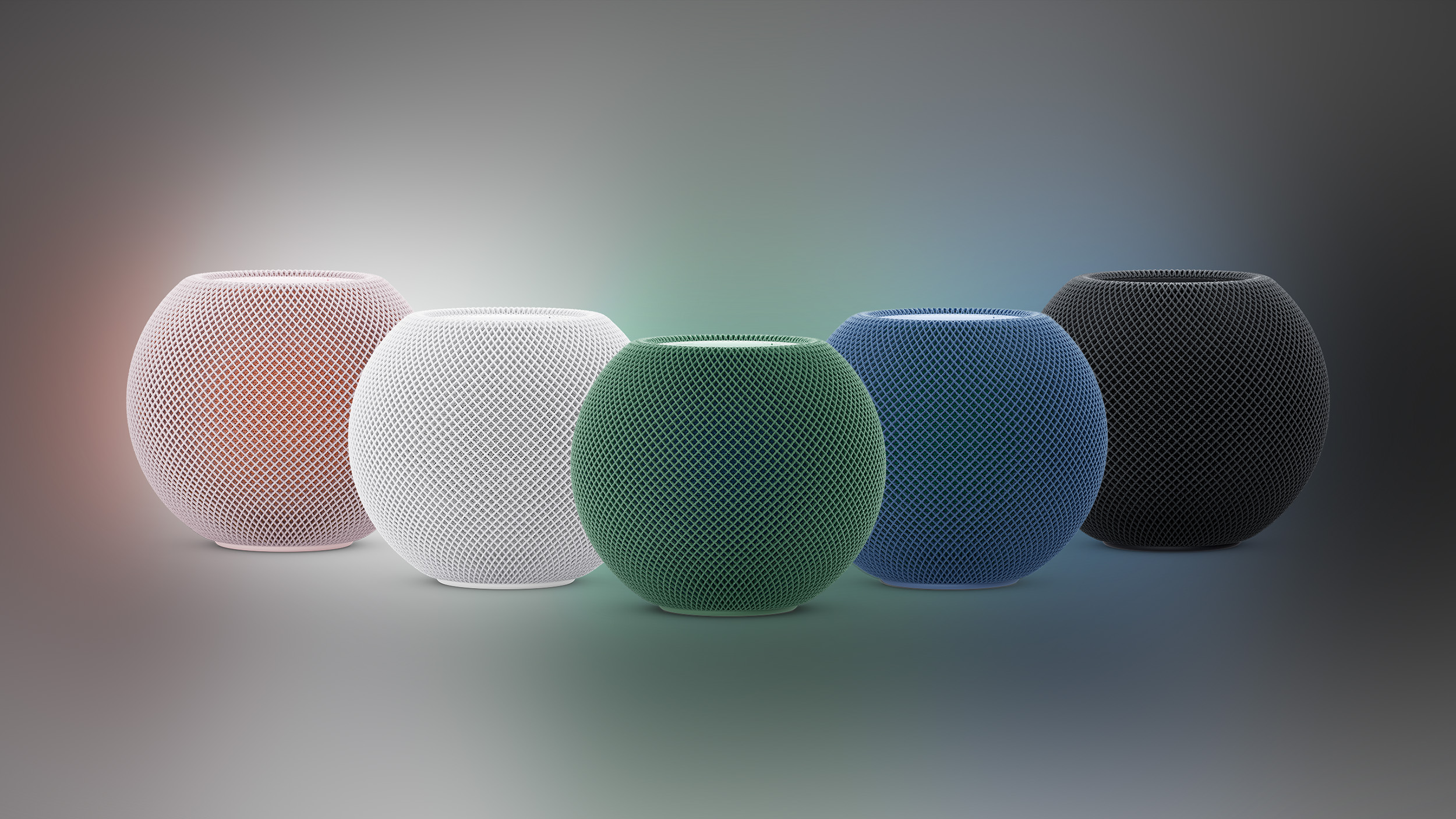
Exclusive: First Look at HomePod Mini 2 in Three New Colors

Apple's new HomePod mini will share the same design as the original model and come in five colors, MacRumors has found.


The information originates from Apple's own code (spotted by MacRumors contributor Aaron Perris) and shows clear product images of the new models in all of their colors. The above image contains Apple's own icons, which specifically refer to a "‌HomePod mini‌ 2."

The new ‌HomePod mini‌ will come in green, pink, blue, white, and black. The current model comes in yellow, orange, blue, white, and midnight. The new blue is slightly lighter than the current offering.

We are not sharing the exact details of the files, but their presence in Apple's code suggests that the product is likely to launch soon.

Apple announced the original ‌HomePod mini‌ in October 2020 for $99. Available initially in white and space gray, the 3.3-inch speaker features a fabric-covered spherical design and a backlit touch surface for playback and volume controls. Its S5 chip powers computational audio, while a full-range driver, two passive radiators, and an acoustic waveguide deliver 360-degree sound. It also offers Siri, smart home control, multiroom audio, stereo pairing with a second ‌HomePod mini‌, and Intercom messages between Apple devices. Apple later raised the price to $129.

Apple has been rumored to be working on a new ‌HomePod mini‌ model for several years. A new chip is almost certain to come to the device, along with support for Siri AI. It is expected to launch before the end of 2026.
Related Roundup: HomePod mini

This article, "Exclusive: First Look at HomePod Mini 2 in Three New Colors" first appeared on MacRumors.com

Discuss this article in our forums

  •  
Empfangen — 25. September 2026 ⏭ MacRumors: Mac News and Rumors - All Stories

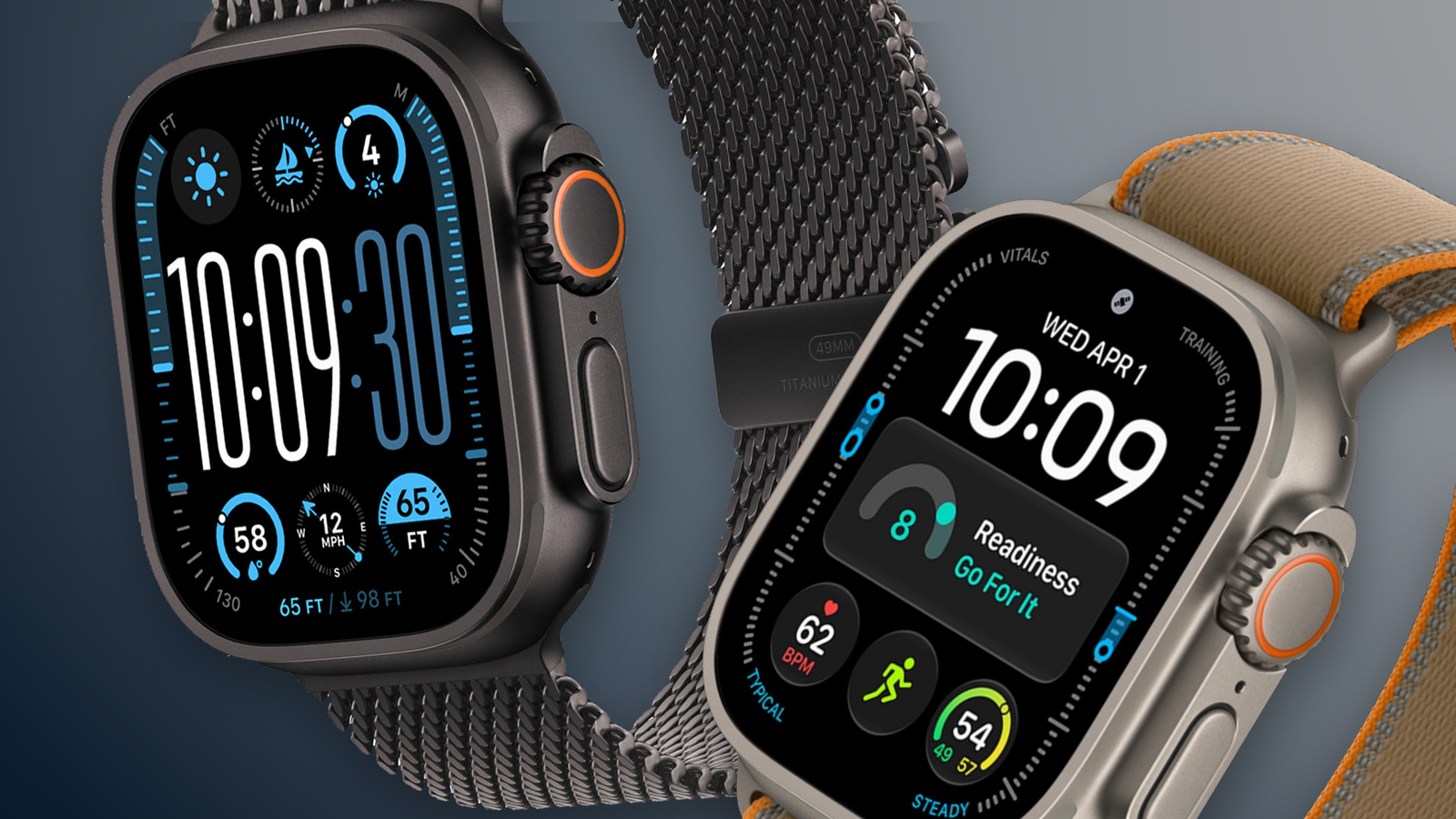
Apple Watch Ultra 2 vs. Ultra 4 Buyer's Guide: Should You Upgrade?

The Apple Watch Ultra 4 arrives three years after the Ultra 2. Across those two generations, Apple added satellite connectivity, a larger display, new health sensors, and longer battery life. Are those changes enough to justify replacing an Ultra 2 or paying more for the newest model?


Both watches retain a 49mm titanium case, an Action button, a siren, a 3,000-nit display, dual-frequency GPS, and support for recreational diving to 40 meters. The Apple Watch Ultra 4 starts at $799 in the U.S. Apple has discontinued the Ultra 2, although its refurbished store currently lists it from $589. Here are the key differences between the two models:


Apple Watch Ultra 2 ‌Apple Watch Ultra 4‌
LTPO2 OLED display with always-on Wide-angle LTPO3 ‌OLED‌ display with 1Hz always-on refresh
410 by 502 pixels; 1,185 sq mm display area 422 by 514 pixels; 1,245 sq mm display area (5% larger)
S9 chip S11 chip
2GB RAM 4GB RAM
Electrical heart sensor and third-generation optical heart sensor Health Sensing System with new electrical and always-on optical heart sensors
Background heart-rate measurements Background heart-rate measurements every five seconds
Heart-rate variability (HRV) measurements More frequent measurements of overall HRV and Recovery HRV
Overnight Vitals view Overnight and daytime Vitals views
Readiness app
Step tracking More accurate all-day step tracking and a Steps watch-face complication
LTE and UMTS cellular connectivity LTE and 5G cellular connectivity
Emergency SOS, Messages, and Find My via satellite
Audio Intelligence: Sound Recognition, automatic music identification, Live Rewind, and Siri Recap
Up to 36 hours of normal use Up to 50 hours of normal use
Up to 72 hours in Low Power Mode Up to 84 hours in Low Power Mode
Up to 12 hours of standard outdoor workout tracking Up to 18 hours of standard outdoor workout tracking
Up to 17 hours of outdoor workout tracking in Low Power Mode with full GPS and heart-rate readings Up to 25 hours in Extended Workout mode with full GPS and heart-rate readings
Up to 35 hours of outdoor workout tracking with fewer GPS and heart-rate readings Up to 45 hours in Max Extended Workout mode, with GPS readings every second
Charges from 0 to 80% in about one hour Charges from 0 to 80% in about 45 minutes
Natural titanium: 61.4 grams; black titanium: 61.8 grams Natural titanium: 63.0 grams; black titanium: 63.1 grams
Dual-frequency GPS supporting GPS, GLONASS, Galileo, QZSS, and BeiDou Dual-frequency GPS supporting GPS, Galileo, QZSS, and BeiDou
Now discontinued Starts at $799


Is It Worth Upgrading From Ultra 2 to Ultra 4?


Most Apple Watch Ultra 2 owners should keep their watch if its battery still covers their usual days and workouts. It supports watchOS 27 and ‌Siri‌ AI, and continues to get new features through software updates.

The new Health Sensing System is the strongest reason to upgrade an Ultra 4. It measures heart rate every five seconds throughout the day and collects HRV data more frequently, enabling Recovery HRV, daytime Vitals, and the Readiness app. If you will use those insights to adjust your training or better understand changes in your daily condition, the ‌Apple Watch Ultra 4‌ offers a substantially improved health-tracking experience.

The S11 chip strengthens the case to upgrade. Alongside twice the memory, it enables more accurate all-day step counts, a Steps complication, and Audio Intelligence. Sound Recognition can alert you to important surrounding sounds on your wrist, while music recognition can identify songs automatically.

Satellite connectivity and longer battery life add further reasons to switch, especially if you spend time beyond cellular coverage or record long workouts. Apple's ratings increase from 36 to 50 hours of normal use and from 12 to 18 hours of standard outdoor workout tracking. The slightly larger display and faster charging are welcome improvements, but the new sensing and chip-enabled features make the bigger difference.

Should You Buy an Ultra 2 or Ultra 4?


For most people buying an Apple Watch Ultra now, future-proofing is the strongest reason to choose the latest model. Its S11 chip, 4GB of RAM, and Health Sensing System already enable Readiness, more detailed recovery metrics, and Audio Intelligence features. Live Rewind and ‌Siri‌ Recap are due later in 2026. If you plan to keep your watch for several years through successive software updates, that newer hardware makes the $799 model easier to justify.

The Apple Watch Ultra 2 remains a credible value option at a substantial discount. At Apple's current $589 refurbished price, it costs $210 less than a new Ultra 4 while retaining the same design and core features. Choose it if those existing capabilities meet your needs and you are comfortable passing up the Ultra 4's hardware-exclusive features.
Related Roundup: Apple Watch Ultra 4
Related Forum: Apple Watch

This article, "Apple Watch Ultra 2 vs. Ultra 4 Buyer's Guide: Should You Upgrade?" first appeared on MacRumors.com

Discuss this article in our forums

  •  

Full iPhone 4 'Antennagate' Q&A Video Surfaces After 16 Years

A 47-minute video of the Q&A session from Apple's 2010 iPhone 4 "antennagate" press conference has surfaced on YouTube, showing Steve Jobs, Tim Cook, and Bob Mansfield answering reporters' questions.


The recording was highlighted by Daring Fireball's John Gruber, who attended the event. Apple called the July 16, 2010 press conference amid complaints that holding the iPhone 4 in a particular way could reduce its cellular signal.

Jobs used his prepared presentation to announce free cases for eligible customers and a 30-day return option. Apple later posted video of that presentation, but left out the Q&A, which was documented at the time through written reports and photographs.

Among the exchanges now visible is a question from Gruber at about 18:45 asking whether the three executives used cases on their own iPhone 4s. Jobs, Cook, and Mansfield each hold up an uncased phone. Jobs later gives a lengthy answer about what Apple learned from the controversy, including why the company waited to gather more data before holding the press conference.

Near the end of the recording, Jobs explains Apple's strategy of owning or controlling the core technology behind its products, and why the growing importance of software made that approach valuable for consumer electronics. Gruber says he does not know where the recording came from or why it has surfaced only now.
This article, "Full iPhone 4 'Antennagate' Q&A Video Surfaces After 16 Years" first appeared on MacRumors.com

Discuss this article in our forums

  •  
Empfangen — 10. September 2026 ⏭ MacRumors: Mac News and Rumors - All Stories

Apple Watch Series 12 and Ultra 4 Get Wave of New Bands

The Apple Watch Series 12 and Apple Watch Ultra 4 feature a refreshed band lineup for the fall, adding new colors and materials.


Here's a breakdown of what's new across the band lineup:


  • Sport Band: New Navy Blue, Magenta, Olive, Burgundy, Wildflower Blue, Pale Succulent, Sand, and Black colors for Apple Watch Series 12.

  • Sport Band (ceramic hardware): Sand and Navy Blue to match the new ceramic Apple Watch Series 12 models; not available as a standalone purchase.

  • Sport Loop: New Olive, Burgundy, Limestone, Magenta, and Chambray Blue colors, plus a new inkjet-printed plaid pattern in Burgundy and Light Umber.

  • Nike Sport Band and Nike Sport Loop: Five new colors; Essential White, Chalk Calm, Pavement Grey, After Dark Black, and Green Spark.

  • Milanese Loop: New Radiant Gold and Natural colors to match the titanium case, plus a new Dark Bronze option, priced at $99.

  • Link Bracelet: A new stainless steel bracelet in Radiant Gold and Natural, priced at $349.

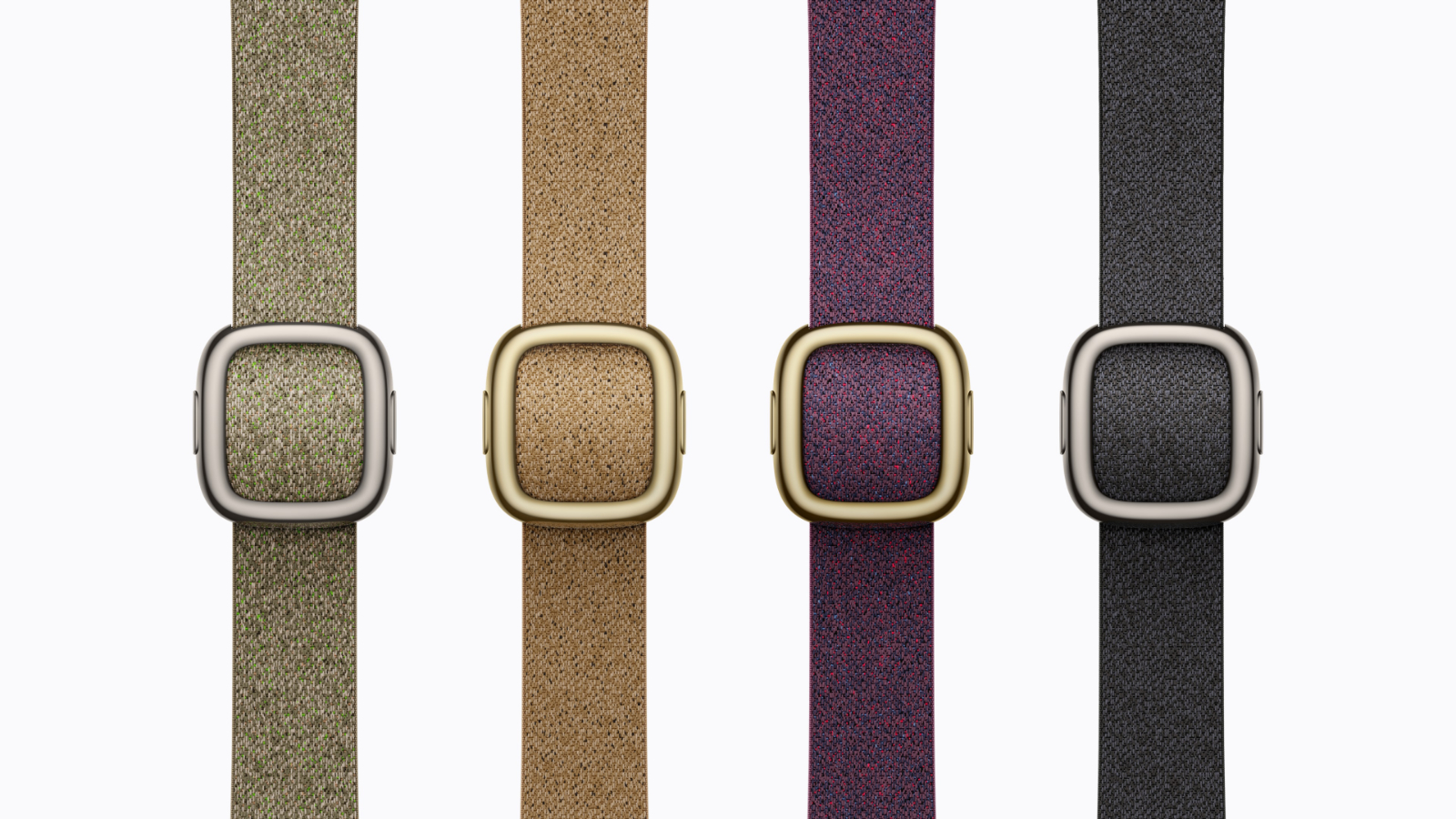
  • Modern Buckle: New woven material with flecks of color, in Mulberry, Camel, Sage, and Navy Blue, now available with gold hardware for the first time alongside natural hardware, priced at $199 (42mm only).

  • Magnetic Link: Available in Wildflower Blue, Burgundy, Camel, and Midnight, priced at $99.

  • Solo Loop: New Wildflower Blue, Burgundy, Olive, and Navy Blue colors, priced at $49.

  • Braided Solo Loop: New Olive, Magenta, Wildflower Blue, Burgundy, Navy Blue, and Black colors, priced at $99.

  • Trail Loop: New Dark Umber, Sand, and Burgundy colors for the Apple Watch Ultra 4, priced at $99 (49mm only).

  • Alpine Loop: New Desert, Dark Olive, and Burgundy colors for the Ultra 4, priced at $99 (49mm only).

  • Ocean Band: Now made from a translucent silicone material, offered in Translucent Gray, Translucent Kelp, and Translucent Black, priced at $99 (49mm only).

  • Hermès Noir Satin Clou de Selle: A new band with a gold-finish clasp and saddle stud, exclusively paired with the new Hermès radiant gold titanium case, priced at $499.

  • Hermès Rocabar Club: A new knitted H pattern band inspired by horse-jumping competitions, in four Bleu Nuit colorways paired with Gris Titane, Orange, Bleu Brighton, and Vert accents, priced at $499.

  • Hermès En Mer: A new water-resistant knit band for the Apple Watch Ultra 4 with a pillowed stripe and titanium buckle, in Argile, Bordeaux, Bleu Nuit, and Orange colorways, priced at $549 (49mm only).

  • Hermès Scub'H Diving: A new rubber band for the Ultra 4 with circular porthole-like cutouts, in Vert Vertigo, Gris Titane, and Bleu De Malte colorways, priced at $549 (49mm only).

  • Hermès Grand H Titane: A new titanium version of the Grand H bracelet for the Apple Watch Ultra 4, priced at $2,199 (49mm only).

  • Hermès Kilim Single Tour: Bleu De Malte, Cuivre, and Béton colorways, priced at $499.


The new Apple Watch bands are available to order today, with availability in stores beginning Friday, September 18.
Related Forum: Apple Watch

This article, "Apple Watch Series 12 and Ultra 4 Get Wave of New Bands" first appeared on MacRumors.com

Discuss this article in our forums

  •  

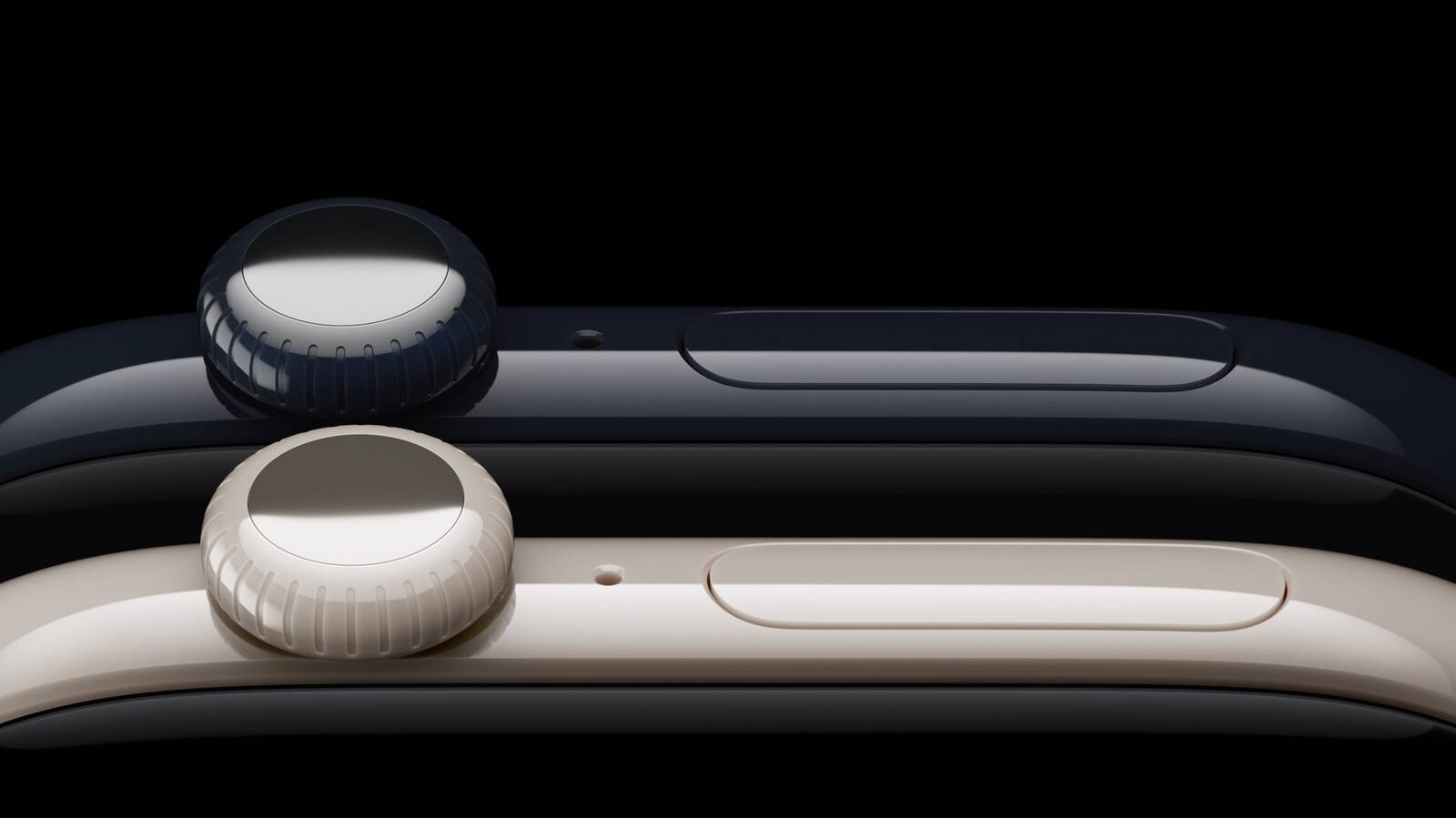
Apple Watch Series 12 Comes in New Finishes, Including Ceramic

Apple Watch Series 12 comes in a refreshed selection of case finishes and materials, including ceramic.


Here's a breakdown of the case types, finishes, and pricing across the new Apple Watch lineup:

  • Apple Watch Series 12 (aluminum): Available in space gray, black, light gold, and dark bronze (starts at $399).

  • Apple Watch Series 12 (titanium): Available in radiant gold and natural (starts at $699).

  • Apple Watch Series 12 (ceramic): Available in pearl white and night blue (starts at $899).

  • Apple Watch Ultra 4 (titanium): Available in natural and black finishes (starts at $799).

  • Apple Watch Hermès Series 12 (titanium): Available in radiant gold and silver (starts at $1,399).
  • Apple Watch Hermès Ultra 4 (titanium): Available in natural titanium (starts at $1,499).


The ceramic finish returns with the Series 12 this year, pairing with sand and navy blue Sport Bands that feature a ceramic pin-and-tuck closure to match the case.

Pre-orders for both Apple Watch Series 12 and Apple Watch Ultra 4 are open today, with availability beginning Friday, September 18.
Related Roundup: Apple Watch 11

This article, "Apple Watch Series 12 Comes in New Finishes, Including Ceramic" first appeared on MacRumors.com

Discuss this article in our forums

  •  
❌