
❌

Lese-Ansicht

OpenAI is putting ChatGPT, its browser and code generator into one desktop app

OpenAI is developing a “super app” for desktop that unifies ChatGPT, its browser and its Codex app, according to the Wall Street Journal and CNBC. A company spokesperson told the publications that OpenAI Chief of Applications Fidji Simo will lead the application revamp with assistance from OpenAI President Greg Brockman. Simo will also help the marketing team advertise the app when it comes out. OpenAI’s leadership is apparently hoping that combining several products can help it streamline user experience and dedicate its resources to one project.

The company has yet to make an official announcement about the new app, but Simo replied to the Journal piece’s author on X. “Companies go through phases of exploration and phases of refocus; both are critical,” Simo said. “But when new bets start to work, like we're seeing now with Codex, it's very important to double down on them and avoid distractions. Really glad we're seizing this moment.”

The Journal saw the internal note Simo sent to employees, wherein she said that the company realized it was spreading its efforts across too many apps and that it needed to simplify its efforts. “That fragmentation has been slowing us down and making it harder to hit the quality bar we want,” she reportedly wrote. In an all-hands meeting, CNBC said she also told employees that the company was “orienting aggressively” towards high-productivity use cases.

It’s not clear yet when the unified app will be available, but OpenAI is reportedly focusing on developing agentic AI capabilities for it. The agents will be able to make decisions and use tools to do tasks on computers, such as writing software or analyzing data, with little human oversight.

This article originally appeared on Engadget at https://www.engadget.com/ai/openai-is-putting-chatgpt-its-browser-and-code-generator-into-one-desktop-app-025709839.html?src=rss

©
  •  

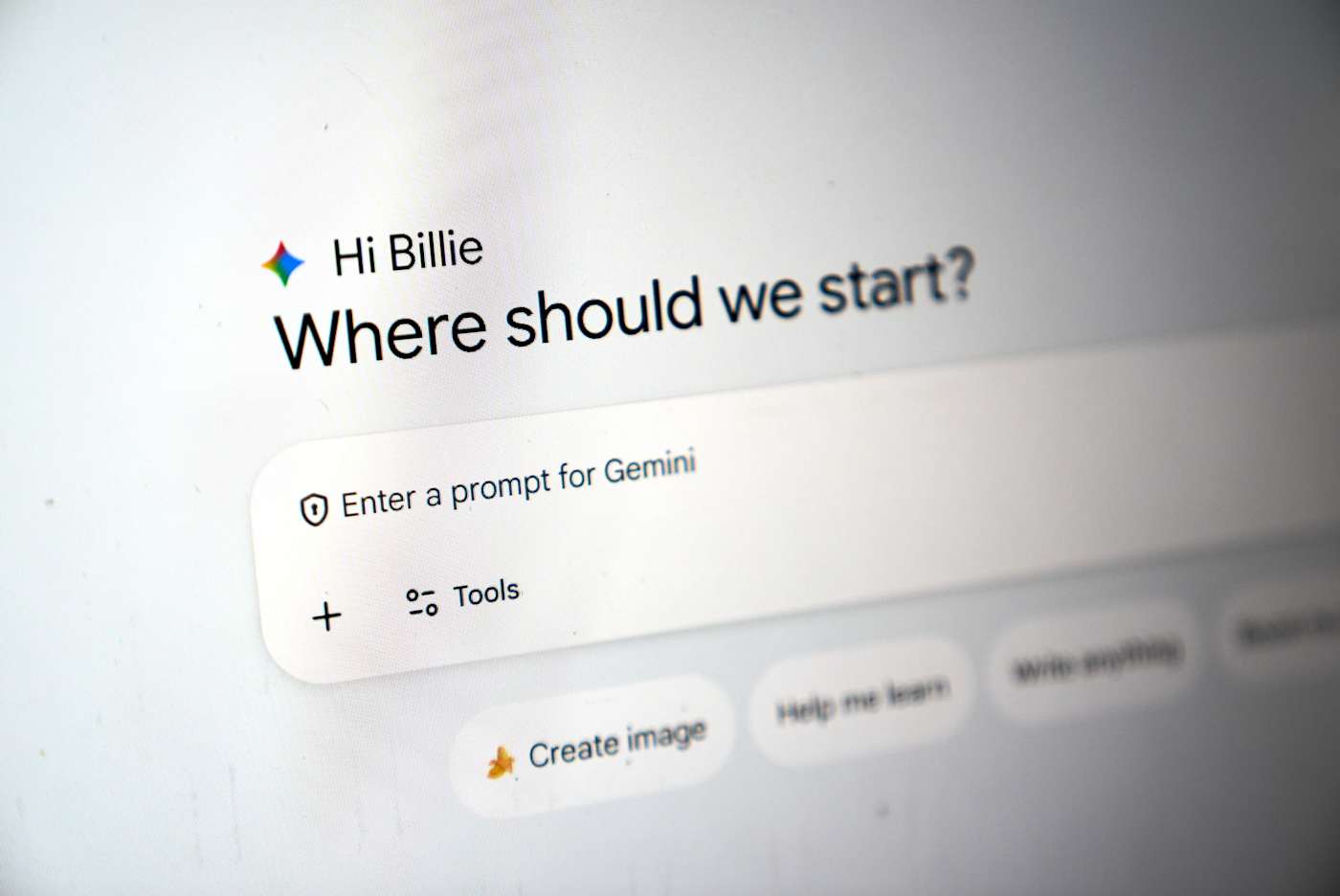
Google is reportedly testing a Gemini app for Mac

Google is testing a version of its Gemini app for macOS, Bloomberg reports. The app would bring the AI assistant to uncharted territory, and in more direct competition with OpenAI's ChatGPT and Anthropic's Claude, both of which offer standalone Mac apps.

Gemini remains accessible through the web, and it sounds like the macOS app offers the same set of features, with the ability to respond to prompts, search the web and generate text, images and code. The major differentiator of the Mac app could be a feature called "Desktop Intelligence," which gives Gemini a new source of information and context for its responses. According to a message in the app's code viewed by Bloomberg, "when you enable apps for Desktop Intelligence you are enabling Gemini to see what you see (such as screen context) and pull content directly from these apps to improve and personalize your experience only when Gemini is in use."

The ability to refer to information in apps and what's currently on your screen is offered by both the Claude and ChatGPT macOS apps, and something Gemini is capable of on mobile devices. It's not clear if Gemini for macOS will be able to actually take action in the apps it can view — like, for example, Anthropic's popular Claude Cowork feature — but Google has already started offering that experience in a limited form on smartphones, so who's to say that couldn't come to desktop operating systems, too.

Bloomberg reports that the Gemini app is being tested with non-Google employees, which could be a sign it's making its way to a public release. Thanks to Apple and Google's AI partnership, whether the app sees the light of day or not, some of the technology that makes Gemini possible will run on macOS in the future. Google and Apple announced in January that Google's Gemini models would power future versions of Apple Intelligence. Apple is also reportedly overhauling Siri into more of a chatbot, an experience likely made possible by Gemini.

This article originally appeared on Engadget at https://www.engadget.com/ai/google-is-reportedly-testing-a-gemini-app-for-mac-203703372.html?src=rss

©

  •  

Android will hide some app sideloading behind a new one-time security process

Google has detailed how users will be able to sideload apps from unverified developers once it implements its more restrictive policy towards downloading software on Android. The company originally planned to require all developers to be "verified" to distribute on Android, but softened its stance in November 2025 to allow carveouts for Android power-users and hobbyist developers.

For the average Android users, the ability to sideload apps will now be locked behind a multi-step one-time process. Users will first have to enable developer mode in settings, confirm they're not being coached into disabling security, restart their phone (to cut off any phone calls), then wait a day and confirm their identity with biometric authentication or a pin before installing any apps. Google says you can enable the ability to install apps from unverified developers for seven days or indefinitely, but regardless of what you'll choose, you'll still have to dismiss a warning telling you the app you're installing is from an unverified developer.

For hobbyist developers or students who want people to try their app but don't want to create a verified developer account, Google also plans to offer free "limited distributions accounts" that let you share apps without being verified. These accounts will let you share apps with up to 20 devices without having "to provide a government-issued ID or pay a registration fee."

Google is implementing its new verification process in the name of security, and has likened the requirements being asked of developers to "an ID check at the airport, which confirms a traveler's identity but is separate from the security screening of their bags." Neither the verification nor this new approach to sideloading entirely closes off getting apps from unverified developers onto your Android device, they just make it harder to download something dangerous directly from the internet onto your phone. 

Google appears to be trying to split the difference on Android, tightening up what apps can be distributed via verification, while cutting its own Play Store fees and changing its stance towards third-party app stores. Requiring verification to distribute software extends Google's influence outside of its own apps and app store, which is why some developers and digital rights organizations have publicly pushed back on the company's plan. 

Developers can sign-up for early access to the developer verification process now. Google says its new workflow for enabling sideloading and small distributions of apps will go live in August.

Correction, March 19, 2026, 3:44PM ET: The headline has been change to clarify that the new procedure does not apply to all app sideloading.

This article originally appeared on Engadget at https://www.engadget.com/apps/android-will-hide-app-sideloading-behind-a-new-one-time-security-process-184651171.html?src=rss

©

  •  
❌