❌

Normale Ansicht

Three Years of 80% Charge Limits on iPhone: The Results

Since 2023, Apple's newer iPhones have had an 80 percent charge limit for those who want to extend battery lifespan. Charging to 80 percent instead of 100 percent is supposed to put less stress on the battery, improving longevity.

For the last three years, I've used that setting on my iPhone. I started with the iPhone 15 Pro Max, then did the iPhone 16 Pro Max, and most recently, the iPhone 17 Pro Max.

After 12 months at an 80 percent maximum charge, my iPhone 17 Pro Max is at 97 percent maximum capacity with a cycle count of 277.
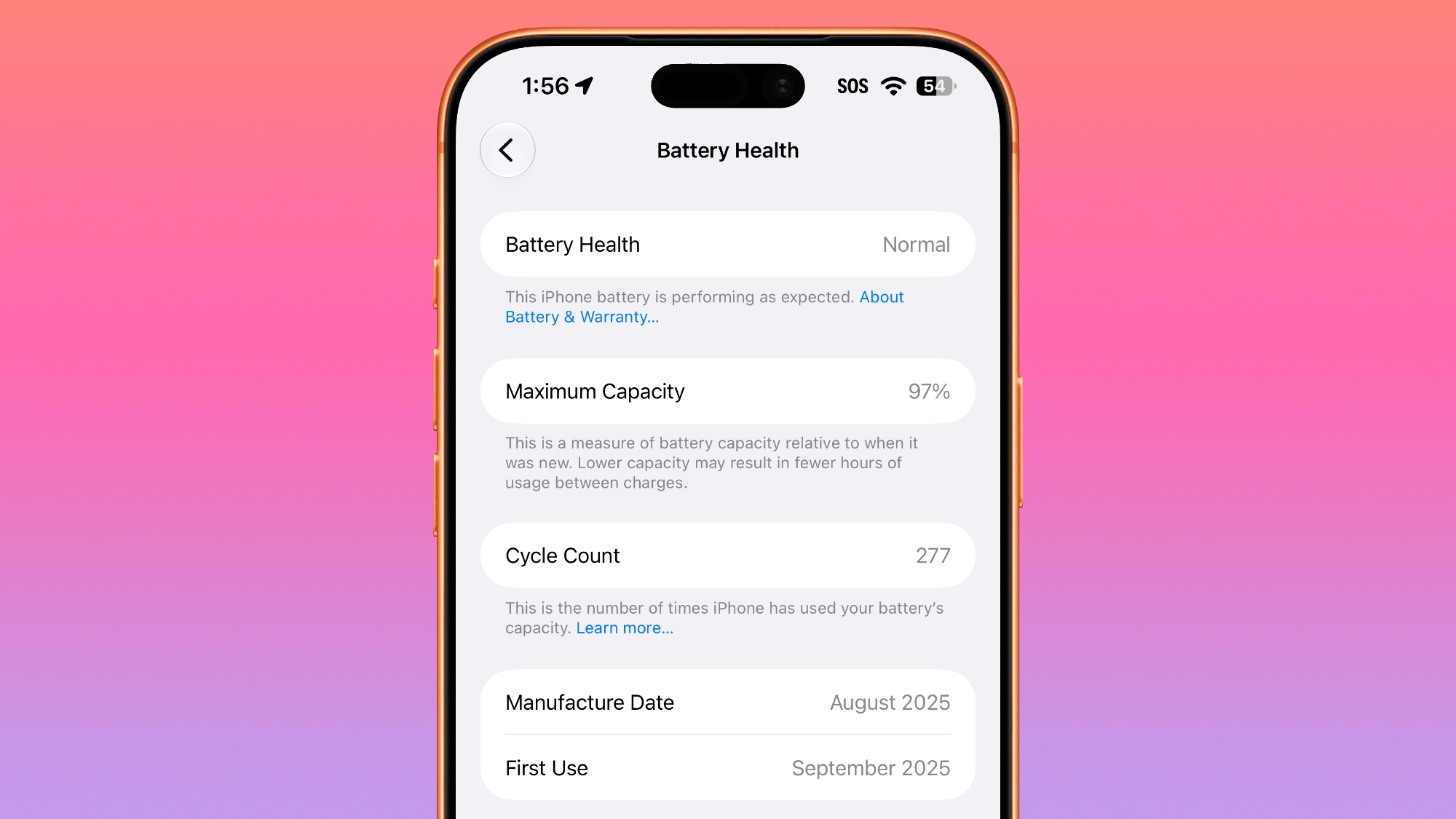

Last year, my iPhone 16 Pro Max was at 94 percent capacity after 12 months, and in 2024, my iPhone 15 Pro Max was also at 94 percent capacity.

During the year I tested the ‌iPhone 16‌ Pro Max, I tried not to let the battery dip below 20 percent. This year, I did the same thing, but I also tried to do more charging over USB-C than Qi2 or MagSafe. I'm not sure if that helped, but 97 percent capacity is the best result I've had yet with the charge limit turned on.

I don't know how my battery result compares to others, but if you've kept yours at 100 percent, you can compare your capacity to mine to see if there's any real difference.

Apple transitioned to aluminum and added vapor chamber cooling with the ‌iPhone 17‌ Pro Max, and I did think my iPhone spent less time uncomfortably warm than the ‌iPhone 16‌ Pro Max. It may be that the vapor chamber cooling made the biggest difference and limiting wireless charging didn't matter.

I don't use the iPhone 15 Pro Max or the ‌iPhone 16‌ Pro Max as my main iPhones anymore, but I do use them daily as test devices. They still have the 80 percent limit turned on, so I can share some longer-term battery results.

  • iPhone 15 Pro Max (36 months) - 88%, 369 cycles

  • ‌iPhone 16‌ Pro Max (24 months) - 93%, 343 cycles

  • ‌iPhone 17‌ Pro Max (12 months) - 97%, 277 cycles


Last year, my ‌iPhone 16‌ Pro Max hit 299 cycles by September 24. This year, I'm only at 277 cycles. It's nearly two weeks later than I usually report results too, so the larger battery meant less charging.

The ‌iPhone 17‌ Pro Max has a bigger battery and faster charging than the ‌iPhone 16‌ Pro Max, so an 80 percent charge limit wasn't as difficult to live with as it was in the past. I rarely ran out of battery, though I did still bring a battery pack with me most places. My favorite battery packs right now are the ones with built-in USB-C cables, especially those that can attach to my iPhone magnetically but charge it over USB-C. It's faster charging that's still convenient. I also continue to be a fan of the super-slim battery packs that add little bulk and weight to an iPhone.

For the iPhone 15 Pro Max and ‌iPhone 16‌ Pro Max, I didn't think sacrificing a fifth of my battery was worth the capacity I ended up with, and that's still mostly the case. I'm guessing my 97 percent capacity isn't too far off from the battery health readings on iPhones that didn't have the charge limit turned on.

As for older devices, my two-year-old ‌iPhone 16‌ Pro Max only lost 1 percent capacity from 2025 to 2026, and my iPhone 15 Pro Max didn't lose any capacity at all during the year. Both phones had fewer battery cycles (44 and 17, respectively), but they're holding capacity even after sitting dead for short periods of time throughout the year.

The most hands-off way to manage battery health is to use Optimized Battery Charging, since it minimizes time spent at 100 percent battery while still charging to full. Setting an 80 percent limit and then turning it off on days you need 100 percent is also a good compromise that could save you battery capacity over time. Apple has 90 and 95 percent options too, which might be a better choice.

My iPhone 18 Pro Max is already set to 80 percent, so I'll check in again in September 2027. I'm going to stick with USB-C charging when I can, and I'm curious how the even bigger battery will affect longevity and what the 80 percent limit is like day to day.

What's your iPhone battery capacity and cycle count? Share it in the comments below and weigh in on whether you think battery charge limits are worthwhile.
This article, "Three Years of 80% Charge Limits on iPhone: The Results" first appeared on MacRumors.com

Discuss this article in our forums
  •  

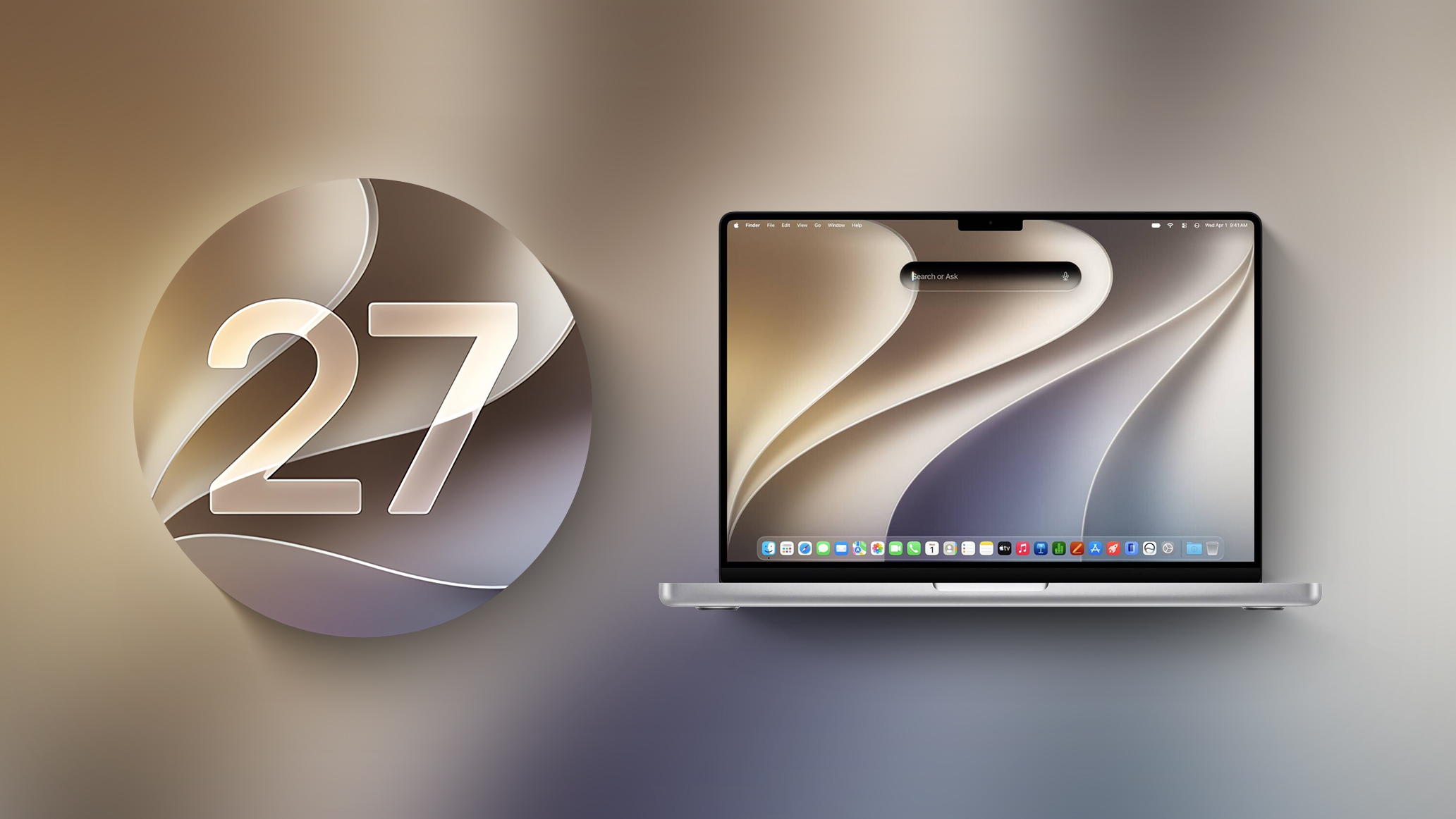
Apple Releases Second Public Betas of iOS 27.2 and macOS Golden Gate 27.2

Apple today seeded the second betas of iOS 27.2, iPadOS 27.2, macOS Golden Gate 27.2, tvOS 27.2, and watchOS 27.2. The software comes a day after Apple provided the third betas to developers.


To get the new betas, you can sign up on Apple's beta testing website. After you're signed up, the betas can be installed through the Software Update section in the Settings app on each device.

iOS 27.2 includes the redesigned Health app that Apple introduced at its September iPhone event. It features new Insights and Longevity tabs with more insight into health and fitness data. There's also a Health Age feature that uses your metrics to determine your fitness age vs. your actual age.

In the Apple TV app, there are new profile options, and Siri AI is now available in French, Japanese, Korean, Portuguese, and Spanish.

There are a few other features in the updates, which are listed in our iOS 27.2 guide.
Related Roundups: iOS 27, iPadOS 27, macOS Golden Gate
Related Forums: iOS 27, macOS Golden Gate

This article, "Apple Releases Second Public Betas of iOS 27.2 and macOS Golden Gate 27.2" first appeared on MacRumors.com

Discuss this article in our forums
  •  

Apple's Smart Home Hub: Everything We Know So Far

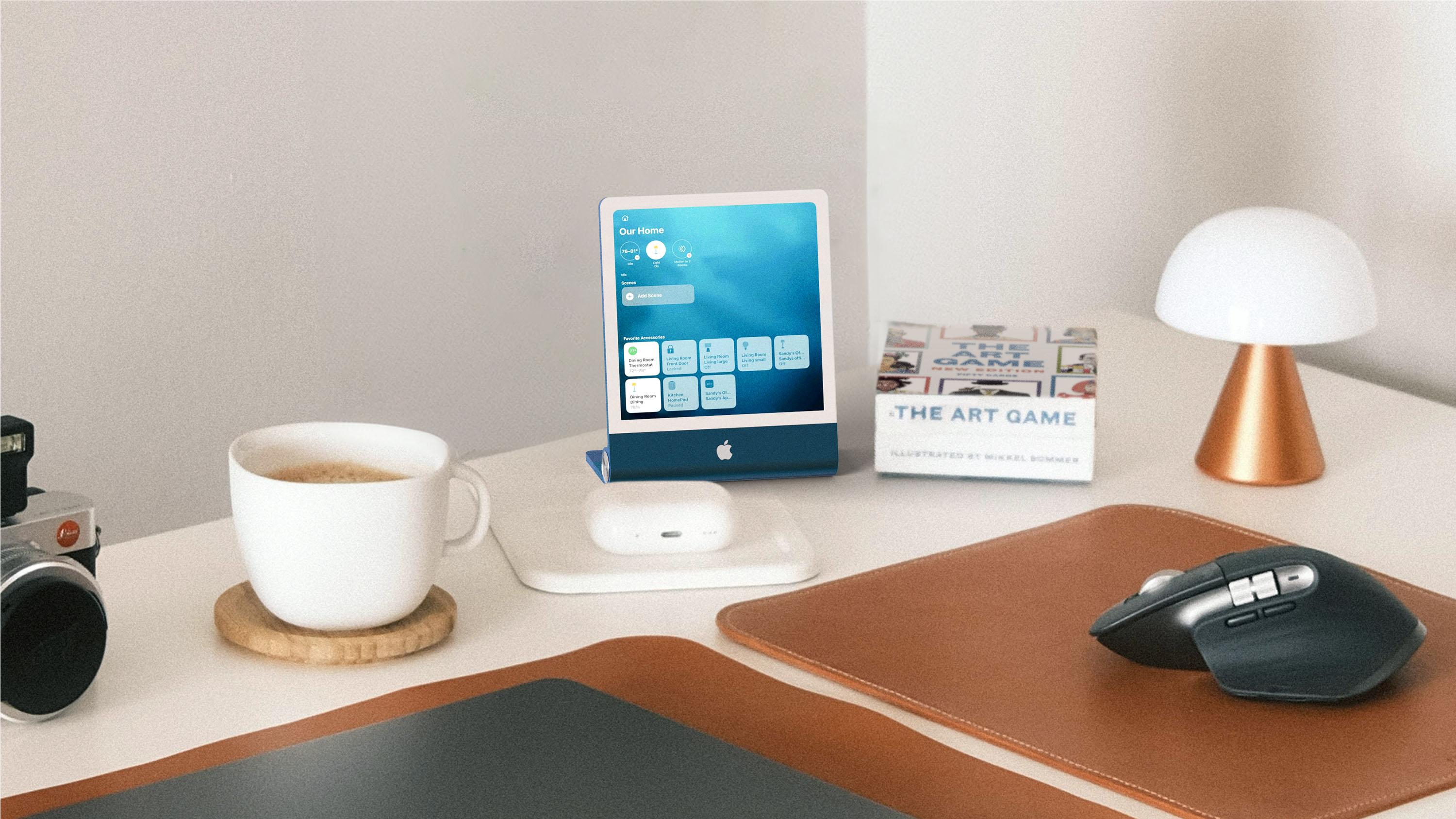
Apple is working on a new smart home accessory that will serve as a hub for interacting with Siri AI, controlling HomeKit devices, watching videos, checking the calendar and the weather, and generally offering up useful information to everyone in the household.


This guide aggregates everything that we know about Apple's smart home hub.

Design


Apple's smart home device will somewhat resemble an iPad, and it will have a display-focused design. It is expected to be square rather than rectangular, and it will measure in at 6 inches with quarter-inch black bezels around the edges.

In terms of size, it will look similar to two iPhones that are side-by-side, and it will be about as thick as an iPhone. Apple imagines people having multiples of the hub in different rooms of the house. The device will support touch input for opening apps and controlling connected devices.


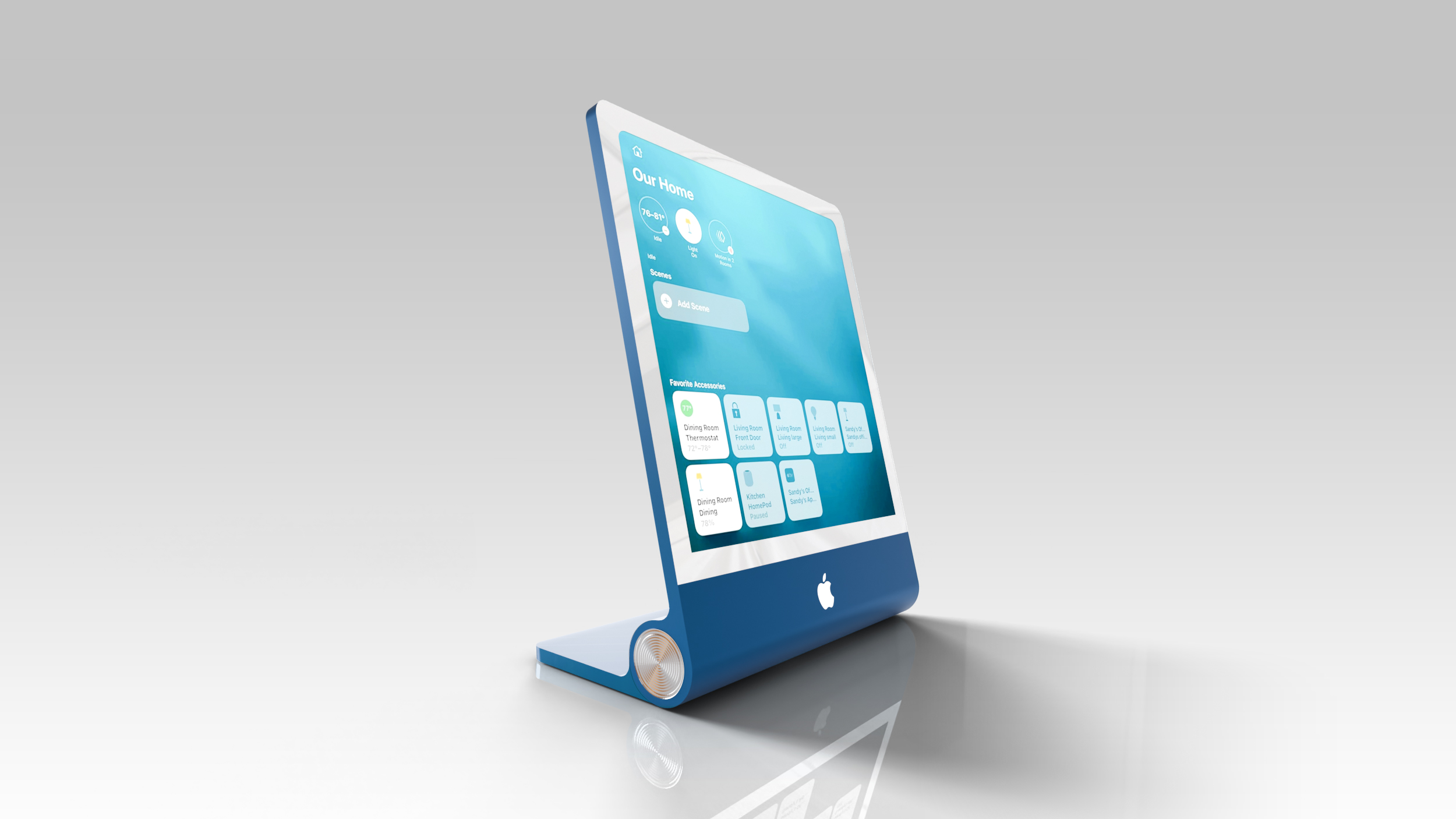
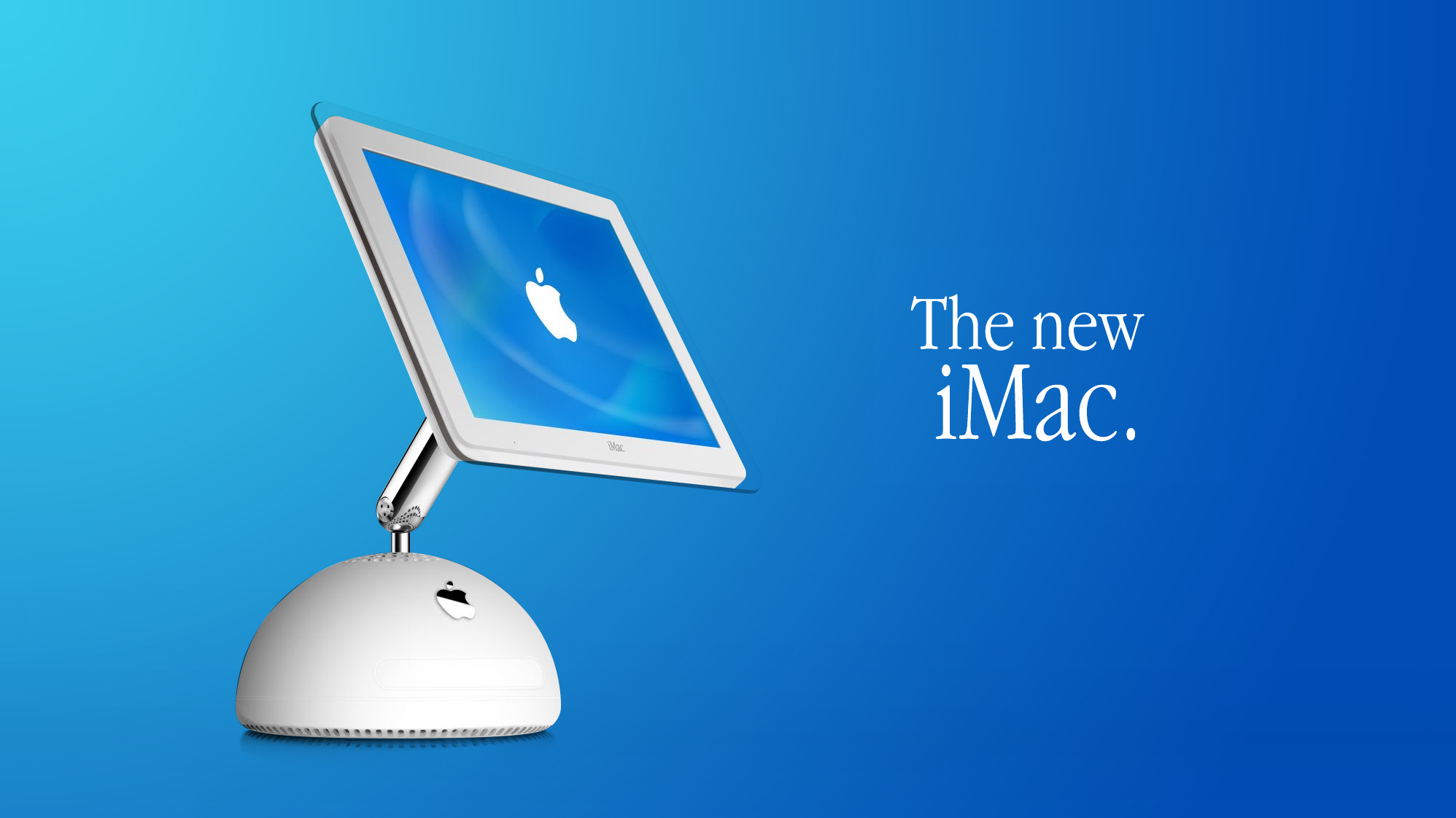
Apple is making two versions of the home hub. One will have a 6-inch display and is meant to be mounted on the wall, and the second version has the same 6-inch display and a hemispherical speaker base that looks similar to the iMac G4. The display attaches to the base with a polished metal arm that holds the small screen and allows it to be tilted forward or backward. The base features speaker hole perforations and a rubber bottom for stability.

The original ‌iMac‌ G4

The wall-mounted version will have a thin square base for the speakers and the mics, and it will sit flush against the wall. Both models will have a 1080p camera on the front for FaceTime calls, authenticating users, and recognizing different people in the home. Apple is planning to release the hub in a gray aluminum finish.

The device has no internal battery and is instead meant to be used while connected to power via USB-C.

Sensors


The smart home hub will be able to determine how close a person is standing to it, adjusting features from there. When no one is nearby, for example, it might show the temperature, but as someone approaches, it could shift to an interface for adjusting the thermostat.

Person detection will likely allow it to be used in smart home automations for doing things like turning on the lights when someone enters a room. The sensor will be able to tell one person from another, and it could recognize hand gestures for longer-range control.

Facial recognition


The home hub will use a Face ID-like feature along with voice for authentication and to identify who is in a room. With the recognition features, the home hub will be able to switch to the profile for the person in the home who is interacting with the device. Each user will have a customizable profile and interface with options to change profiles through the Control Center.

The camera won't be as accurate as Face ID, so voice is an alternative. Apple's HomePod also uses voice recognition for some personalized features. Users will be able to set up secondary authentication with an iPhone for more security, and a visitor mode will hide personal information.

Rumors suggest there is a Mac-style edge light around the screen to offer lighting so the device can identify people in the dark.

Chip


Apple's smart home accessory is expected to use an A18 chip or better for Apple Intelligence support. Given that ‌Apple Intelligence‌ requires 8GB RAM minimum, it will have at least 8GB RAM.

Operating System


Apple's home hub will run an operating system that Apple refers to as "Charismatic" internally, though it could be called homeOS when it launches. It's going to use elements from tvOS, watchOS, and iOS, and it will sync with the iPhone for setup purposes.

Interface


Apple does not plan to create a dedicated App Store for the home hub, but it will come with several apps pre-installed. The main view will be a customizable home screen with widgets that can show the weather, important home controls, photo slideshows, upcoming events, and more. A built-in camera will scan the face of each user, bringing up different apps and a Home Screen for each person.

The interface is something like a cross between watchOS and the iPhone's StandBy mode, with a heavy focus on clock faces and photo slideshows when the device is idle. The ‌Home Screen‌ will feature Apple Watch-like icons, but the apps will have an iPad-like design with a two-panel layout. There will be familiar customization options like pressing and holding to rearrange icons and swiping up to get to the app launcher.

There will be a Widget Gallery that suggests widgets from a linked iPhone. Widgets shown on the device from an iPhone that's connected will only display widget content when the primary user is in the home. A Smart Stack will be available to intelligently rotate through different widget options throughout the day, and the clock will be customizable with a Face Gallery.

The hub will adopt the visual aesthetic of ‌Siri‌ AI, with darker design elements. A software-based dock will be available for launching apps, and the hub will be built around ‌Siri‌ AI.

Apps


Several Apple apps will be installed even though there won't be a dedicated ‌App Store‌. Apps that are rumored:


The hub will support integration into ‌HomeKit‌ scenes alongside other smart home products, and it will play videos, so it can be used for things like following along with a recipe when in the kitchen.

Intercom


More than one of the devices can be used throughout the home, and two or more can serve as room-to-room intercoms.

AirPlay


With its built-in speakers, the device will support music playback and it will be able to work as an AirPlay receiver.

homeOS Trademark


Apple appears to be using a shell company to trademark "homeOS" in several countries around the world, with the trademarking kicking off in October 2024. Apple has secured the homeOS trademark in Liechtenstein, and trademarks are pending in the U.S., Argentina, Peru, and more.

Future Smart Home Accessories


Apple is creating an indoor security camera that will connect to the home hub, and it's rumored for 2027. Privacy would be a focus, providing an alternative to cameras from companies like Ring and Nest.

Pricing


Apple's home hub could be priced somewhere around $350, which would make it more expensive than competing products like the Amazon Echo Show.

Launch Date


Apple's smart home hub is rumored to be debuting on October 13 alongside a new Apple TV 4K and a new HomePod mini.

This article, "Apple's Smart Home Hub: Everything We Know So Far" first appeared on MacRumors.com

Discuss this article in our forums
  •  

Apple's Home Hub Borrows From the iPhone Duo's StandBy Mode

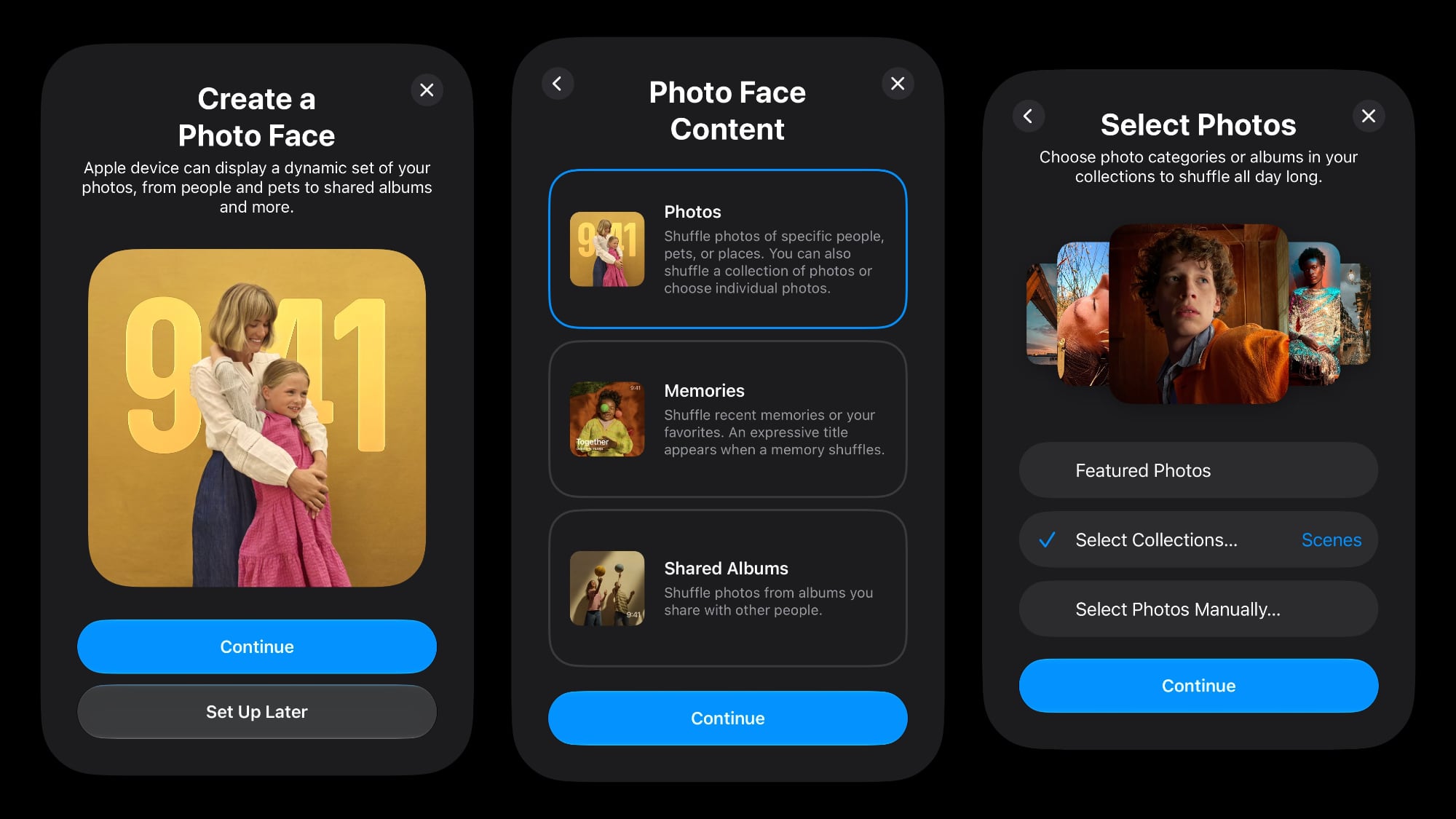
Apple's rumored smart home hub will have different faces users can choose from, some of which are similar to StandBy screens planned for the iPhone Duo. Leaker pdfu shared setup screens of the Photo Face said to be for Apple's upcoming home product.


Based on the images, users can select from different photo collections, memories, or shared albums for the Photo Face, and those photos will be shown on the device's display. Photos are pulled from iCloud, so iCloud Photos needs to be turned on for it to work. Users will be prompted to set up the Photo Face when activating the device.

Pdfu says the Photo Face for the hub is the same as the Photo Face coming to the ‌iPhone Duo‌, and that could explain why Apple hasn't made the ‌iPhone Duo‌'s StandBy mode available in the Xcode simulator yet.

This is the first visual of a home hub face we've seen. The hub is expected to have a 6-inch screen, and it will look similar to an iPad except for the square shape and the base. The hub is rumored to have an iMac G4-like half-dome metal base that connects to the display with an arm.

Prior rumors have said the home hub won't have a full App Store, but it will support apps and widgets like Calendar, Weather, Music, Messages, Reminders, and more. The device will be able to tell when someone is approaching it, and can distinguish between people in the home to show different widgets for each user. It makes sense for the hub to display a StandBy-like interface when it is not in active use.

There will be multiple idle display options to choose from, just like there are now when using the iPhone in StandBy mode. Earlier today, Bloomberg said the home hub interface is "built heavily" around clock displays and photo slideshows, so the Photo Face will likely be an integral part of the device's software.

The home hub is rumored to be debuting on October 13.
Related Roundup: iPhone Duo
Related Forum: iPhone

This article, "Apple's Home Hub Borrows From the iPhone Duo's StandBy Mode" first appeared on MacRumors.com

Discuss this article in our forums
  •  

Banks and Credit Unions to Team Up Against Apple Pay Fees

An antitrust lawsuit accusing Apple of blocking tap-to-pay competition is moving forward and will see banks and credit unions able to band together to sue Apple.


U.S. District Judge Jeffrey White this week certified a class in the lawsuit. It will include any U.S. entities that issued any payment card enabled for Apple Pay and paid Apple a fee for ‌Apple Pay‌ transactions on that payment card. He also denied a motion from Apple to exclude expert testimony that plaintiff attorneys allege offers proof Apple has monopoly power over the mobile wallet market.

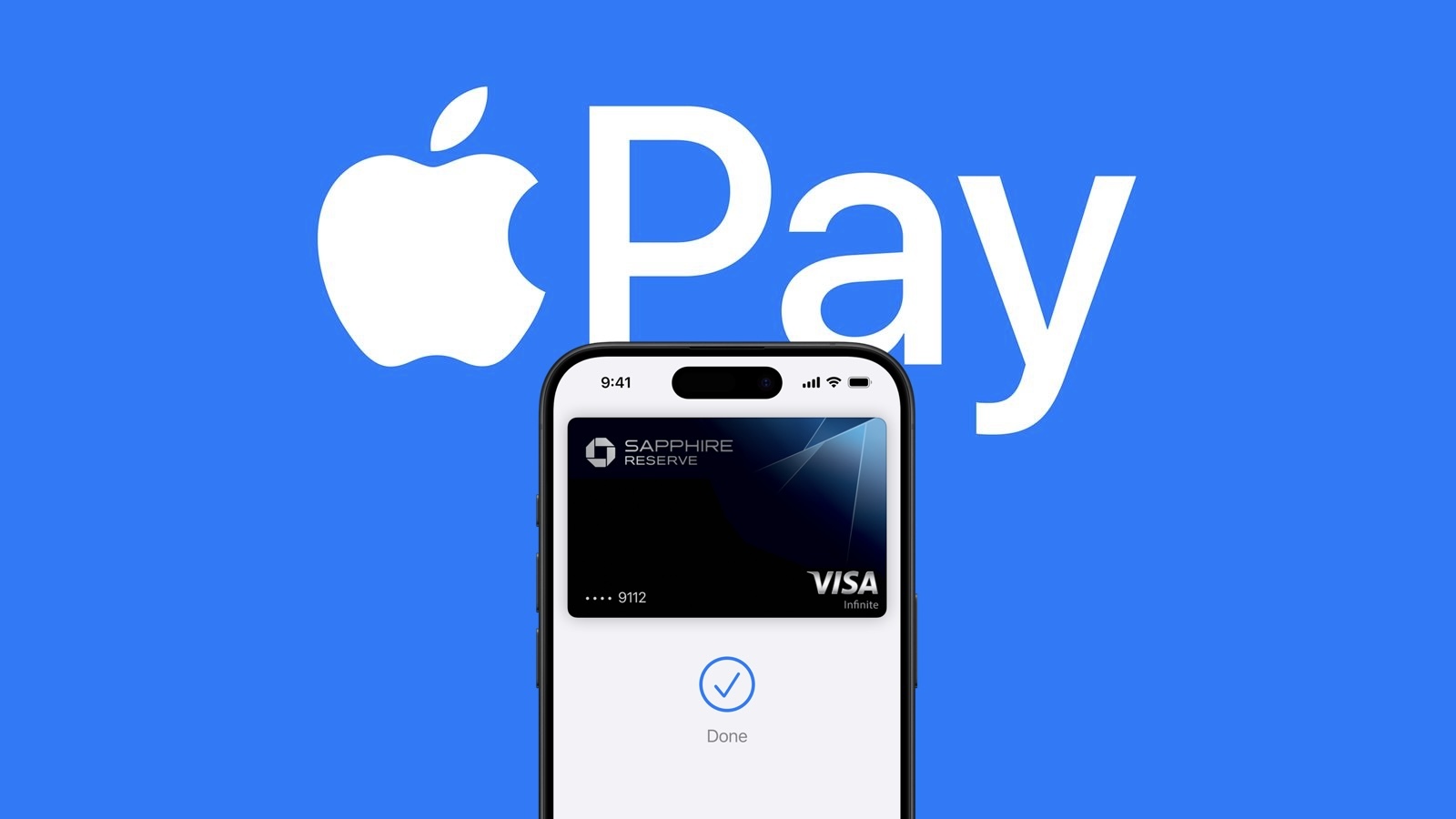
First filed in 2022, the suit claims Apple illegally collects up to $1 billion annually in fees by preventing rivals from accessing the iPhone's NFC chip to build mobile wallets that would compete with ‌Apple Pay‌. When an iPhone user buys something with a card linked to ‌Apple Pay‌, the card issuer has to pay Apple a 0.15 percent fee for credit cards and half a cent for debit cards, according to the lawsuit. If you make a $1,000 purchase via ‌Apple Pay‌, Apple collects $1.50 from the card issuer.

The complaint alleges that Apple forces card issuers to pay fees by making ‌Apple Pay‌ the only tap-to-pay option. It points to Google's Android, which supports multiple wallets and does not collect a fee from card issuers for contactless payments. It suggests Apple would not be able to continue to charge "substantial fees" if it were forced to support other mobile wallets on Apple devices.

Apple has changed its policies since the lawsuit was filed. As of iOS 18.1, developers are able to offer NFC contactless payments in their apps. Developers have access to the NFC chip in the United States, Canada, Australia, Brazil, Japan, New Zealand, the UK, the European Economic Area, and many other countries.

Attorneys are seeking repayment of the fees card issuers have paid and injunctive relief to "put an end to Apple's policies."
Related Roundup: Apple Pay

This article, "Banks and Credit Unions to Team Up Against Apple Pay Fees" first appeared on MacRumors.com

Discuss this article in our forums

  •  

Apple Code Confirms iPad 12 Specs: A19, 8GB RAM, N1, C1X Modem

The next low-cost iPad will be equipped with an A19 chip, C1X modem, N1 networking chip, and 8GB RAM, according to details found in Apple's code by MacRumors contributor Aaron Perris.


We've heard some of these same specifications in prior rumors, so this is more of a confirmation than a new leak. The ‌iPad‌ 11 has an A16 chip, so the upgrade to the A19 in the 12th-generation ‌iPad‌ will bring a noticeable improvement in performance. More importantly, the A19 supports Apple Intelligence, so the ‌iPad‌ 12 will have all the ‌Apple Intelligence‌ and Siri AI features missing from the ‌iPad‌ 11.

The ‌iPad‌ 11 has 6GB RAM, but 8GB RAM is the minimum for ‌Apple Intelligence‌, and the RAM boost will also speed things up.

Apple's C1X modem supports sub–6GHz 5G networks, and it is more efficient than the Qualcomm modem used in the existing ‌iPad‌. The addition of the N1 networking chip will bring support for Wi-Fi 7, Bluetooth 6, and Thread.

Though not included in the code, it's possible the ‌iPad‌ 12 will be available in new colors.

There is no word on when Apple will release the new ‌iPad‌, and at this point, we're not expecting it until spring 2027. The current ‌iPad‌ is priced starting at $449 after a June 2026 price hike, and the new model will likely have the same starting price.

There's no low-cost ‌iPad‌ coming this year, but Apple is expected to refresh the iPad mini before the end of October. We discovered new details about the ‌iPad mini‌ just this morning. It will have an A20 Pro chip, a new speaker system, and a landscape front-facing camera. Prior rumors say it will feature an OLED display as the main upgrade.

We also found official images of the Apple TV 4K and the HomePod mini, including its colors. The ‌HomePod mini‌ will come in green, pink, blue, white, and black.
Related Roundup: iPad
Buyer's Guide: iPad (Don't Buy)
Related Forum: iPad

This article, "Apple Code Confirms iPad 12 Specs: A19, 8GB RAM, N1, C1X Modem" first appeared on MacRumors.com

Discuss this article in our forums

  •  

MacRumors Giveaway: Win an Apple Watch Ultra 4 From Lululook

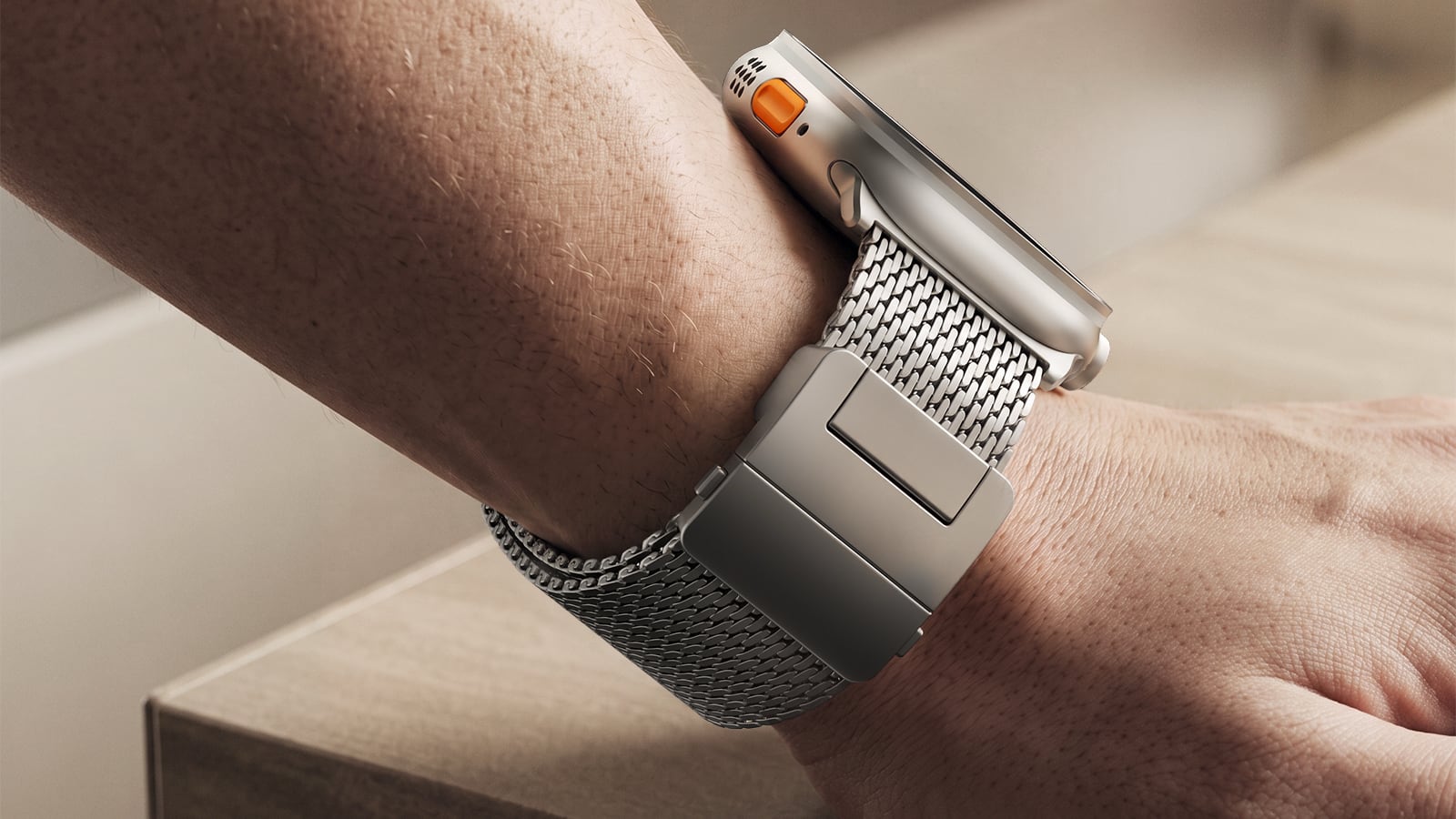
For this week's giveaway, we've teamed up with Lululook to offer MacRumors readers a chance to win a new Apple Watch Ultra 4. Lululook makes all kinds of accessories for Apple devices, including the Apple Watch. The company has a selection of Apple Watch bands that work well with the new Series 12 and the Ultra 4 models.


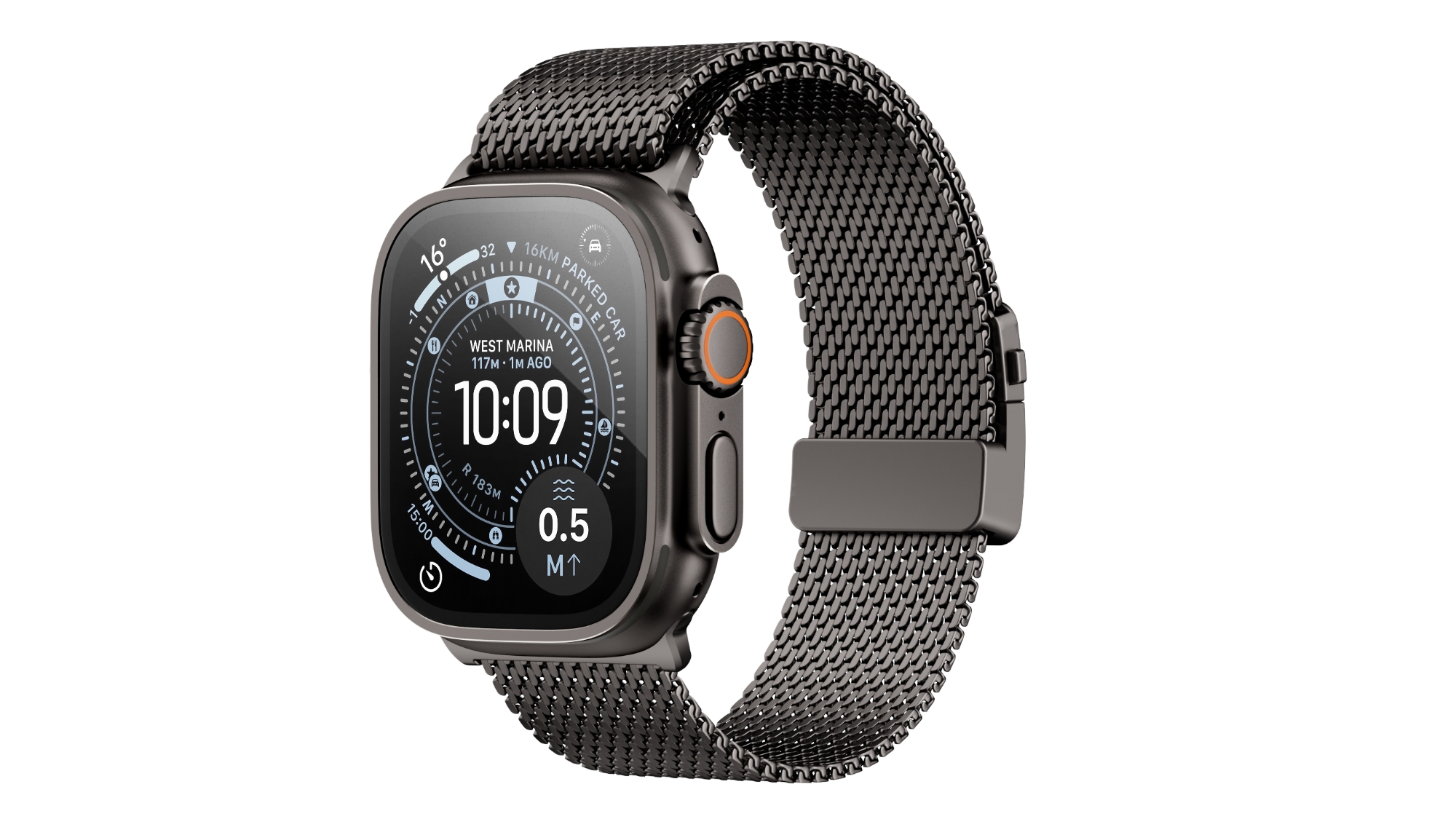
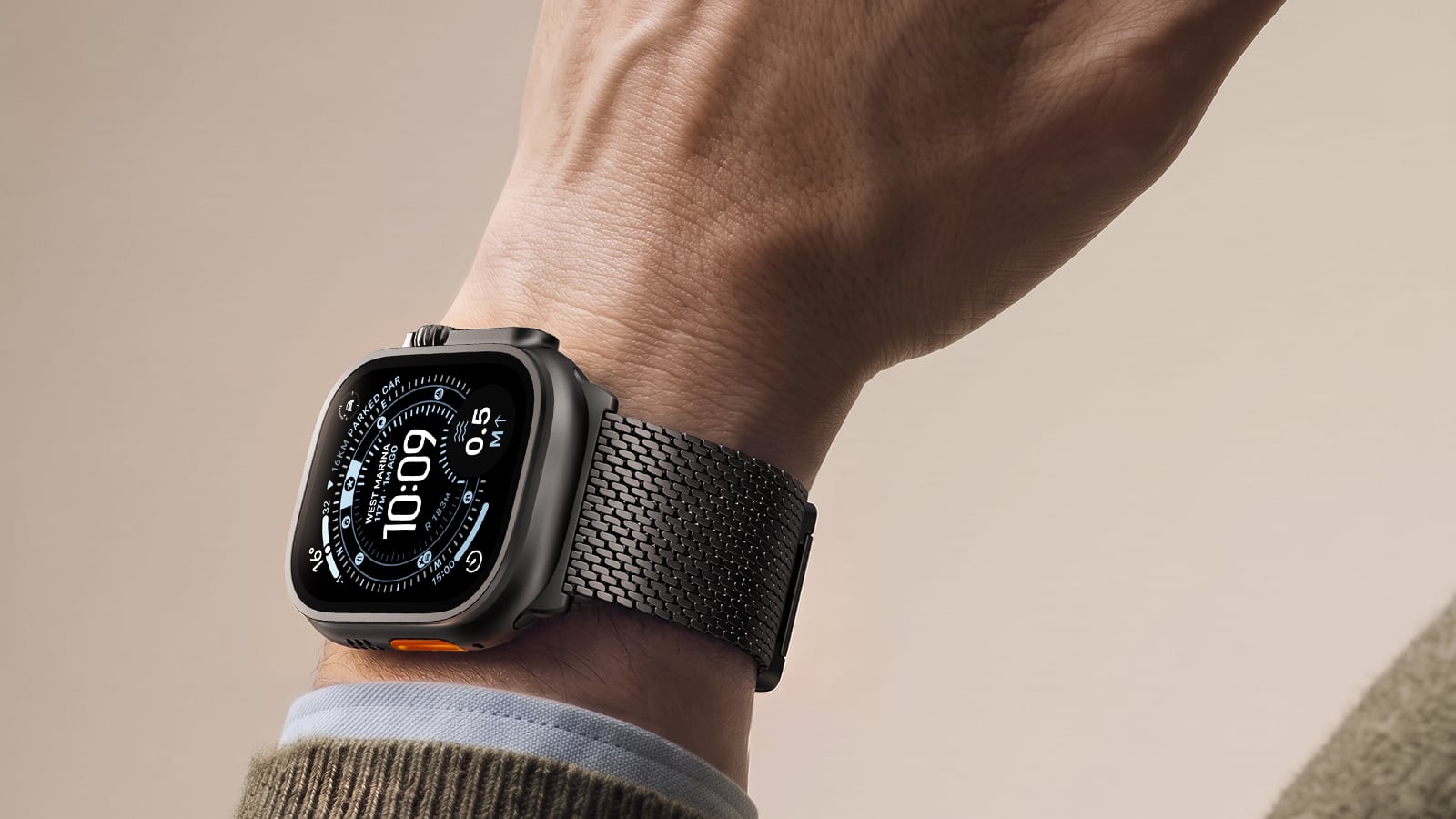
Lululook's $129.99 Strata Milanese Band matches the ‌Apple Watch Ultra 4‌. It is made from 99 percent woven grade 5 titanium, and it has a coating that protects it from scratches. The Strata band comes in black and natural finishes, and the titanium is about 40 percent lighter than stainless steel.


The band has a spring-loaded titanium locking mechanism with a side-press button to open it. Lululook says the band will stay in place during workouts and activities from running to swimming. While made for the Ultra, the band works with the larger 44mm to 49mm Apple Watch models, and it comes in medium and large size options to fit wrists from 155mm to 210mm.


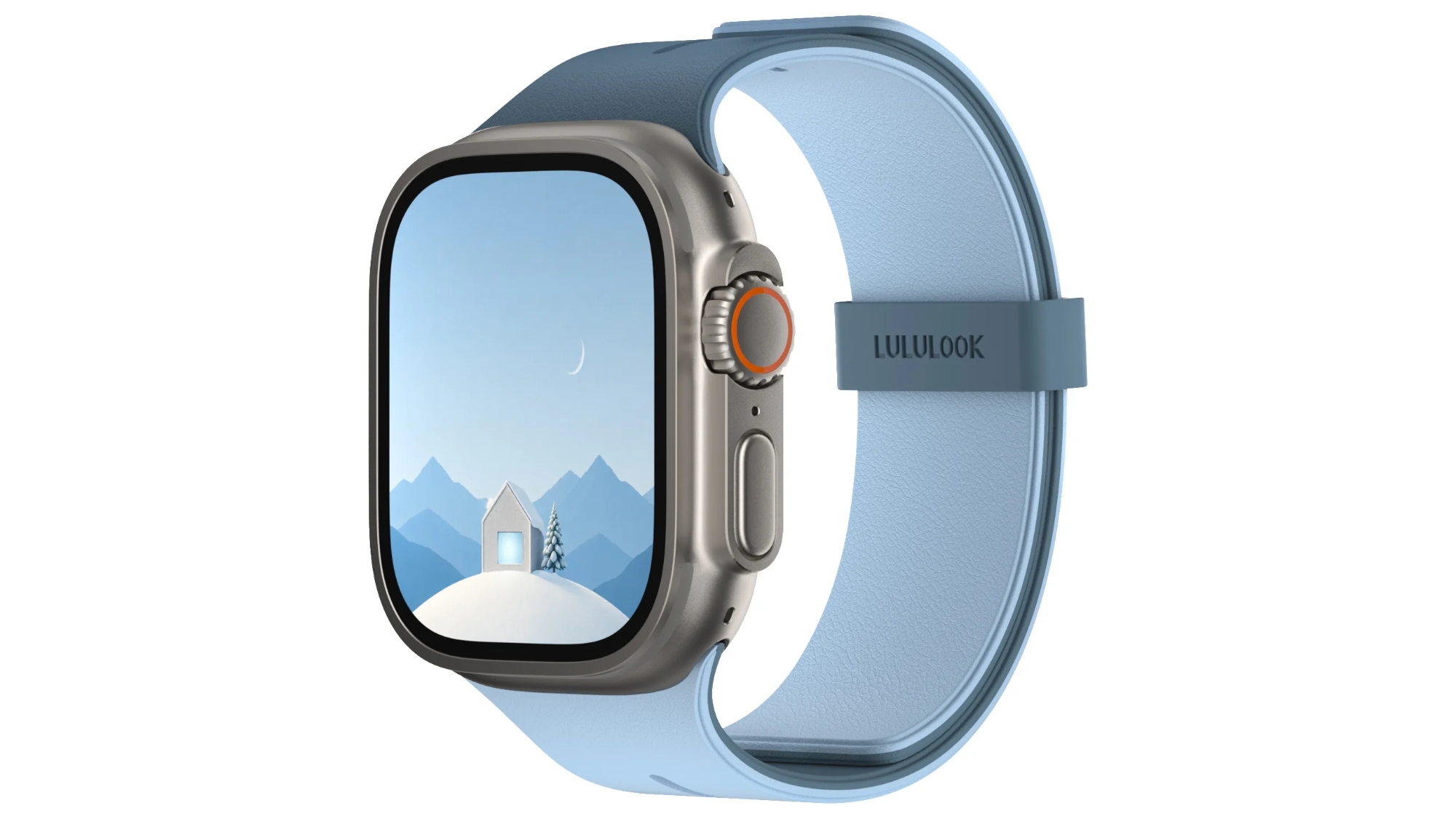
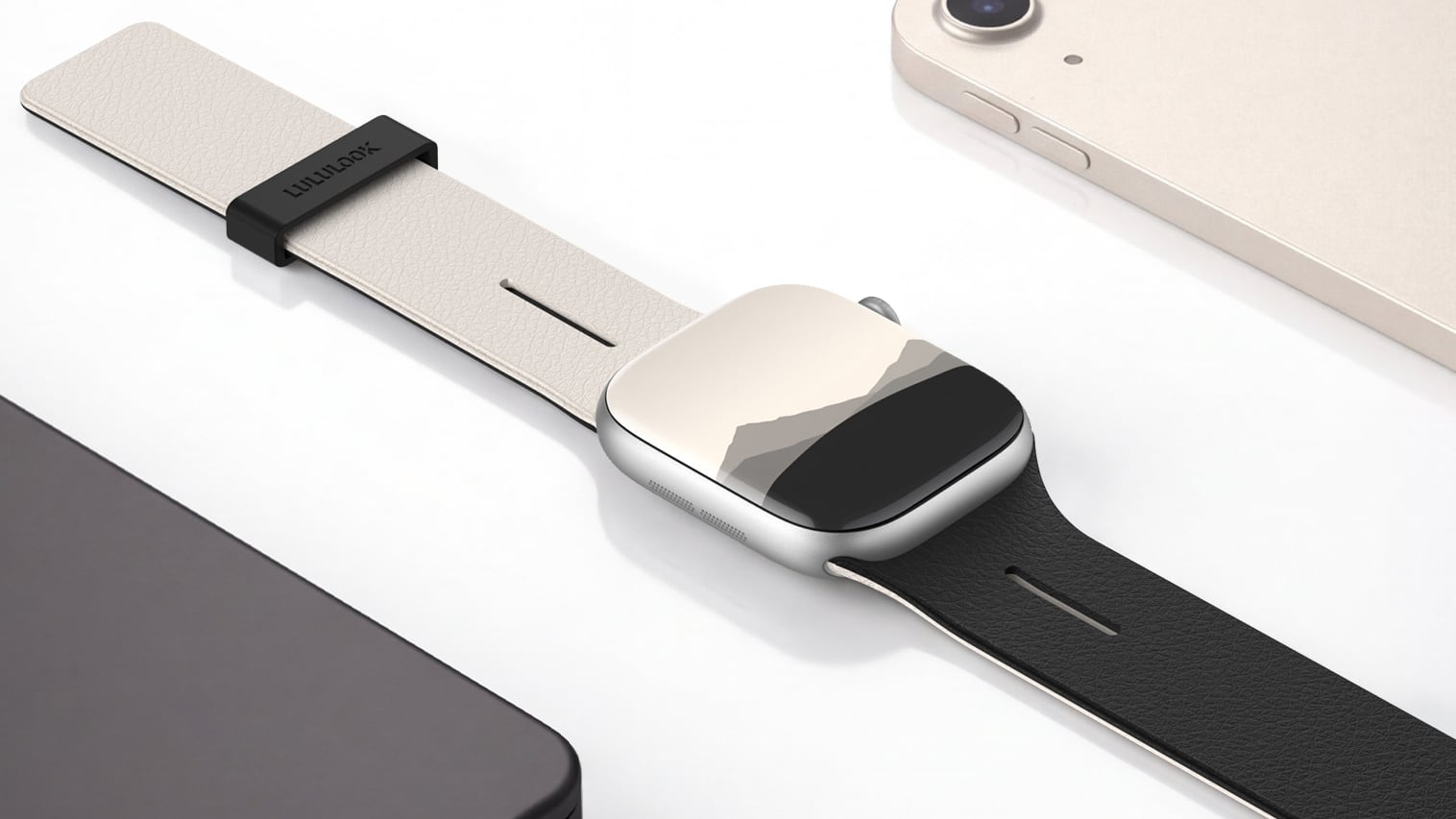
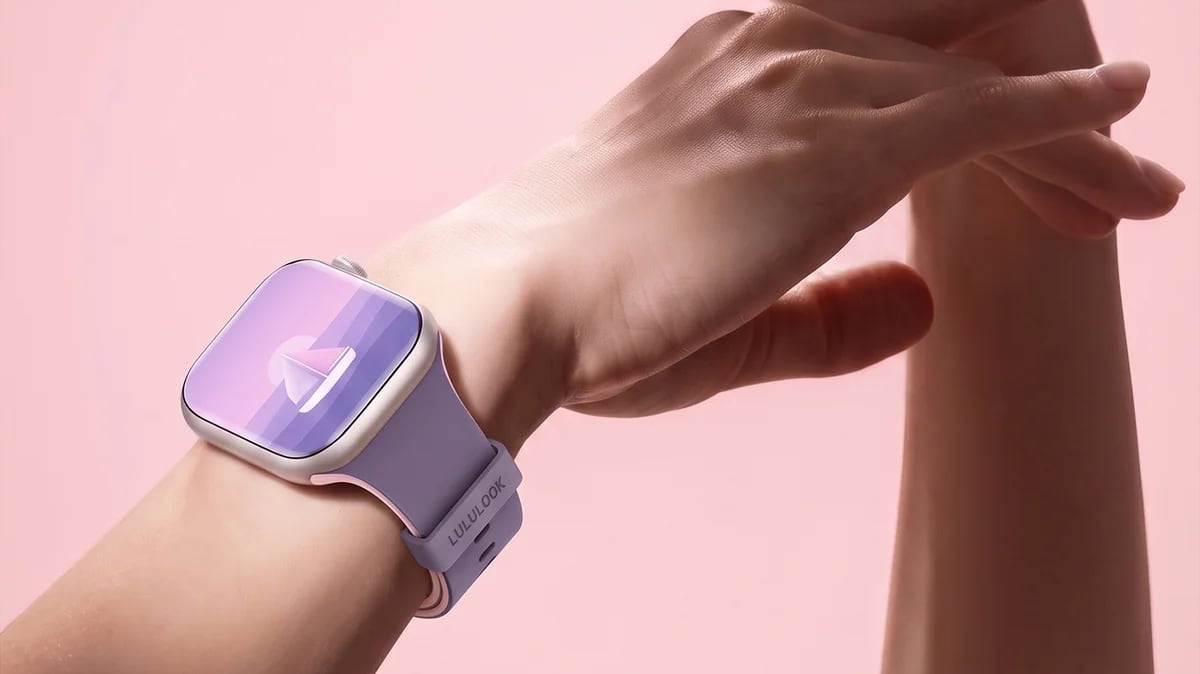
For a more casual look, Lululook sells the $36.99 MagDuo Reversible Apple Watch Band. As the name suggests, the band has a dual color scheme, and users can flip between two color options. The exterior of the band features pebble-textured silicone, while the interior is made of soft silicone so it is comfortable to wear all day.


The MagDuo band has a breathable hollow design to keep the wrist cool, and it uses a double-sided magnetic closure. Lululook says the magnet was tested to 1.3kg of pull, and there are extra loops for security.


Colors include Graphite Gray/Driftwood, Cobalt Blue/Mist Blue, Pink/Purple, Black/Orange, Desert Dune/Cream, and Onyx Black/Beige. The MagDuo is compatible with all Apple Watch models, and there are two size options: one for the Apple Watch Ultra and larger-sized Apple Watch models, and one for the smaller Apple Watch models.


Lululook is offering MacRumors readers a discount code on the Apple Watch bands. Just use promo code Macrumors for 10 percent off at checkout.


We have an ‌Apple Watch Ultra 4‌ for one lucky MacRumors reader. To enter to win, use the widget below and enter an email address. Email addresses will be used solely for contact purposes to reach the winner(s) and send the prize(s). You can earn additional entries by subscribing to our weekly newsletter, subscribing to our YouTube channel, following us on Twitter, following us on Instagram, following us on Threads, or visiting the MacRumors Facebook page.

Due to the complexities of international laws regarding giveaways, only U.S. residents who are 18 years or older, UK residents who are 18 years or older, and Canadian residents who have reached the age of majority in their province or territory are eligible to enter. All federal, state, provincial, and/or local taxes, fees, and surcharges are the sole responsibility of the prize winner. To offer feedback or get more information on the giveaway restrictions, please refer to our Site Feedback section, as that is where discussion of the rules will be redirected.


Lululook Giveaway
The contest will run from today (September 25) at 10:00 a.m. Pacific Time through 10:00 a.m. Pacific Time on October 2. The winner will be chosen randomly on or shortly after October 2 and will be contacted by email. The winner will have 48 hours to respond and provide a shipping address before a new winner is chosen.
Related Roundup: Apple Watch Ultra 4
Related Forum: Apple Watch

This article, "MacRumors Giveaway: Win an Apple Watch Ultra 4 From Lululook" first appeared on MacRumors.com

Discuss this article in our forums

  •  

What's Gone in macOS Golden Gate and What's Next in macOS 28

With macOS Golden Gate, Apple phased out several legacy features and services, cutting support for older devices and accessories. More cuts are coming in macOS 28 as Apple continues to root out lingering Intel features.


Here's everything that's been dropped.

  • Support for Intel Macs - ‌macOS Golden Gate‌ is the first version of macOS that runs only on Apple silicon Macs. Intel Macs can't run it and are limited to macOS Tahoe. Apple still plans to offer security updates through fall 2028.

  • Boot Camp Assistant - Since ‌macOS Golden Gate‌ doesn't run on Intel Macs, it doesn't support Boot Camp. Apple silicon Macs require virtualization software like Parallels or VMware Fusion to run Windows.

  • Rosetta 2 (Temporarily) - Upgrading to ‌macOS Golden Gate‌ removes Rosetta, but if you have an app installed that requires it, you can reinstall it. ‌macOS Golden Gate‌ is the last version of macOS that will have full Rosetta support.

  • Apple Filing Protocol - Apple deprecated AFP back in macOS Sequoia 15.5, and there is no AFP client at all in ‌macOS Golden Gate‌.

  • Time Capsule Backups - With no support for AFP, Time Capsule no longer works with Macs running ‌macOS Golden Gate‌. Time Capsule requires AFP or SMBv1, but Time Machine backups now use the SMBv2 or SMBv3 protocol.

  • AirPort Utility - AirPort Utility is no longer included when you install ‌macOS Golden Gate‌. If you had the app before updating, you can still use it, but Apple makes no guarantee that it still works. AirPort Utility lets users manage AirPort base stations like the AirPort Extreme and AirPort Express.


macOS 28, which is expected in fall 2027, will largely drop support for Rosetta 2. Most apps that rely on Rosetta will not open on Macs running macOS 28, though Apple is making an exception for some legacy games that are unmaintained.

In ‌macOS Golden Gate‌, you'll see a warning when using any app that relies on Rosetta, so you're aware that the app won't continue to work in the future without a developer update. You can also see which apps are affected by going to Settings > General > About > Intel-Based Apps and then clicking on Details.
Related Roundup: macOS Golden Gate
Related Forum: macOS Golden Gate

This article, "What's Gone in macOS Golden Gate and What's Next in macOS 28" first appeared on MacRumors.com

Discuss this article in our forums

  •  

TestFlight App Gets New iOS 27 Features

Apple today updated its TestFlight app for iOS, iPadOS, macOS, and visionOS to version 4.4.0, adding support for features introduced in the latest software updates and products.


TestFlight for iPhone supports landscape orientation ahead of the iPhone Duo's October launch, though the option is available on all iPhones. TestFlight can now be resized when using iPhone Mirroring on a Mac running macOS 27 with an iPhone running iOS 27.

Apple says the update also includes unspecified stability improvements and bug fixes.
Related Roundups: iOS 27, iPadOS 27
Related Forum: iOS 27

This article, "TestFlight App Gets New iOS 27 Features" first appeared on MacRumors.com

Discuss this article in our forums

  •  

Google Photos Wardrobe Feature Comes to iOS

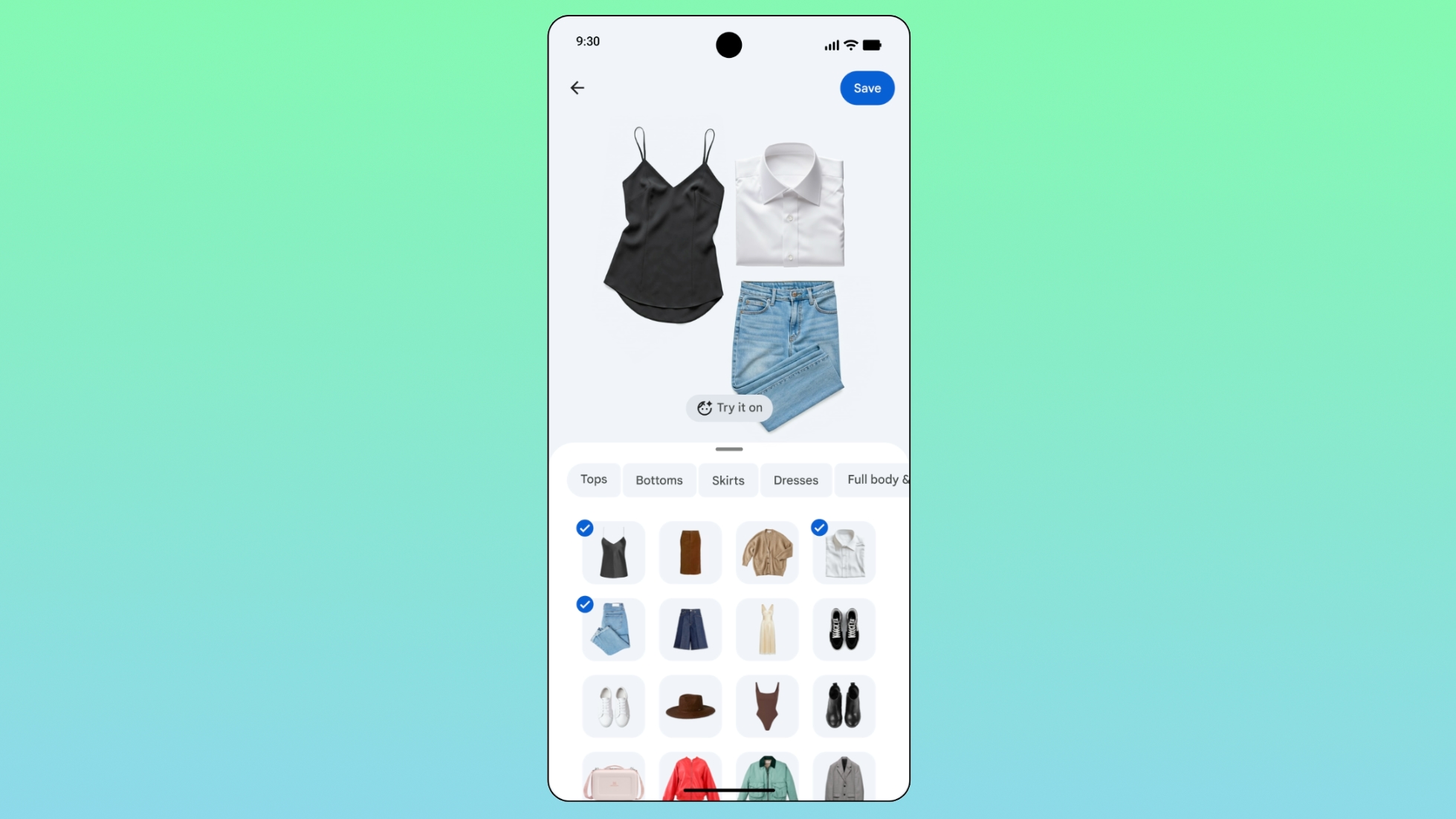
Google today said its digital wardrobe option is available in the Google Photos iOS app in the U.S., India, and Brazil.


Google first announced the feature back in April, but it was limited to Android users until now. The wardrobe option uses AI to pull images of clothing from the Google ‌Photos‌ library, organizing them into a digital closet.


Users can put items together to create outfits and virtually try them on.

The app shows clothing items in a new Wardrobe section in the Collections tab. Clothing can also be viewed in specific categories like tops or bottoms. Items of clothing can be mixed and matched, and the results can be shared with friends or saved to a moodboard.

Google ‌Photos‌ is also getting 15 new templates for Remix, a feature that uses AI to transform images.
Tags: Google, Photos

This article, "Google Photos Wardrobe Feature Comes to iOS" first appeared on MacRumors.com

Discuss this article in our forums

  •  

Apple Music to Host Free Head Trip Festival Livestream

Apple Music is teaming up with Goldenvoice to livestream the Head Trip music festival that's taking place in Indio, California, on October 10 and 11.


Head Trip will feature Calvin Harris, Fisher with Chris Lake, Peggy Gou with Four Tet, Swedish House Mafia, Skrillex, Dom Dolla with Kettama, and more. Tickets to the in-person event started at $499 but have sold out, and only passes starting at $589 are available now.

HEAD TRIP. LIVE FROM INDIO. OCTOBER 10 + 11.

WATCH THE LIVESTREAM ON APPLE MUSIC. https://t.co/puQ6MSRbxA pic.twitter.com/1cAMs0xYHP

— Apple Music (@AppleMusic) September 24, 2026

Music fans who don't want to pay that much or travel to the California desert can instead watch the livestream for free through ‌Apple Music‌.
"Head Trip brings together an extraordinary lineup of artists who are shaping dance and electronic music culture right now," says Stephen Campbell, Global Head of Dance, Electronic Music & DJ Mixes at Apple Music. "Our goal at Apple Music has always been to bring fans closer to the artists, scenes, and dance floors driving this culture forward. Teaming up with Goldenvoice on Head Trip gives us an incredible opportunity to take the energy of this one-of-a-kind festival beyond Indio, giving fans around the world the chance to experience these performances on Apple Music."

Sets from the main stage of the event will be livestreamed across both days of the festival, according to Digital Music News. More information about Head Trip can be found on the festival website.
This article, "Apple Music to Host Free Head Trip Festival Livestream" first appeared on MacRumors.com

Discuss this article in our forums

  •  

watchOS 27.2 Code Hints at iPhone-Style Screenshot Previews

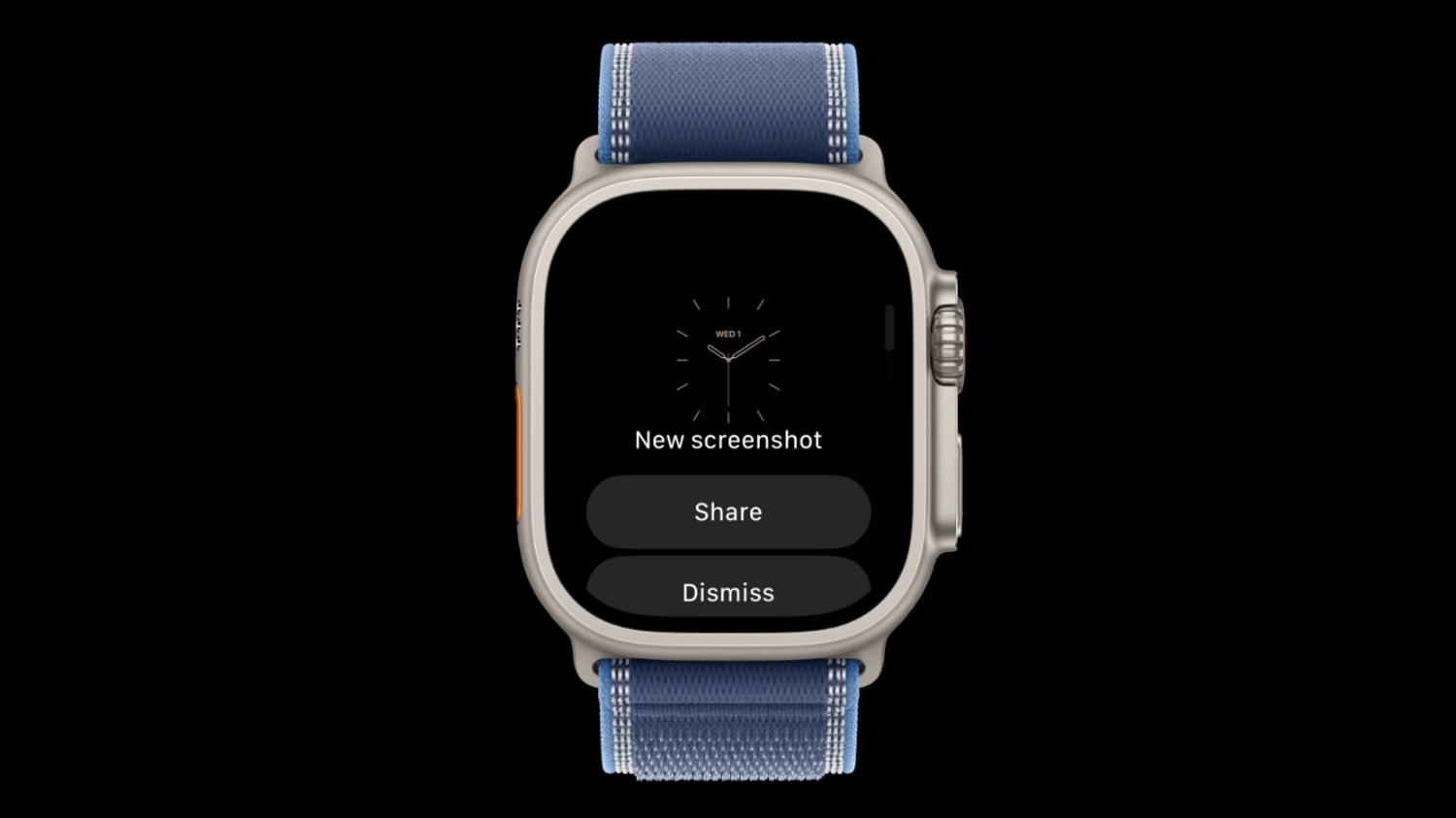
watchOS 27.2 could introduce a feature that lets Apple Watch screenshots be previewed with options to share or delete, similar to how screenshots work on the iPhone.


Signs of the feature were found in watchOS 27.2 by code explorer pdfu. The option is hidden behind a feature flag that's not enabled, but it could be introduced in a later watchOS 27.2 beta.

A new screenshot experience is coming to Apple Watch, inspired by iPhone.

Hidden behind a feature flag in watchOS 27.2, it lets you preview, share, or delete a screenshot right after taking it. pic.twitter.com/MT5wmDjRnq

— pdfu (@itspdfu) September 24, 2026

Right now, taking a screenshot on the Apple Watch sends it directly to the iPhone Photos app with no confirmation screen. It's easy to accidentally take a screenshot since it only requires pressing the Digital Crown and side button at the same time.

On the iPhone, taking a screenshot shows either a full-screen preview or a thumbnail preview depending on your settings, but both options let you save, share, or delete the screenshot with a couple taps.

Screenshots on Apple Watch are disabled by default but can be turned on through the Settings app on the watch or the Apple Watch app on iPhone. An option to save or delete screenshots would add more control than a simple on or off toggle.
Related Roundups: watchOS 26, watchOS 27
Related Forum: Apple Watch

This article, "watchOS 27.2 Code Hints at iPhone-Style Screenshot Previews" first appeared on MacRumors.com

Discuss this article in our forums

  •  

Beats 360 Headphones Now Available in Apple Stores

The new Beats 360 headphones are available for purchase at many Apple Stores around the world as of today. Retailers like Best Buy and Target also have some stock available in stores.


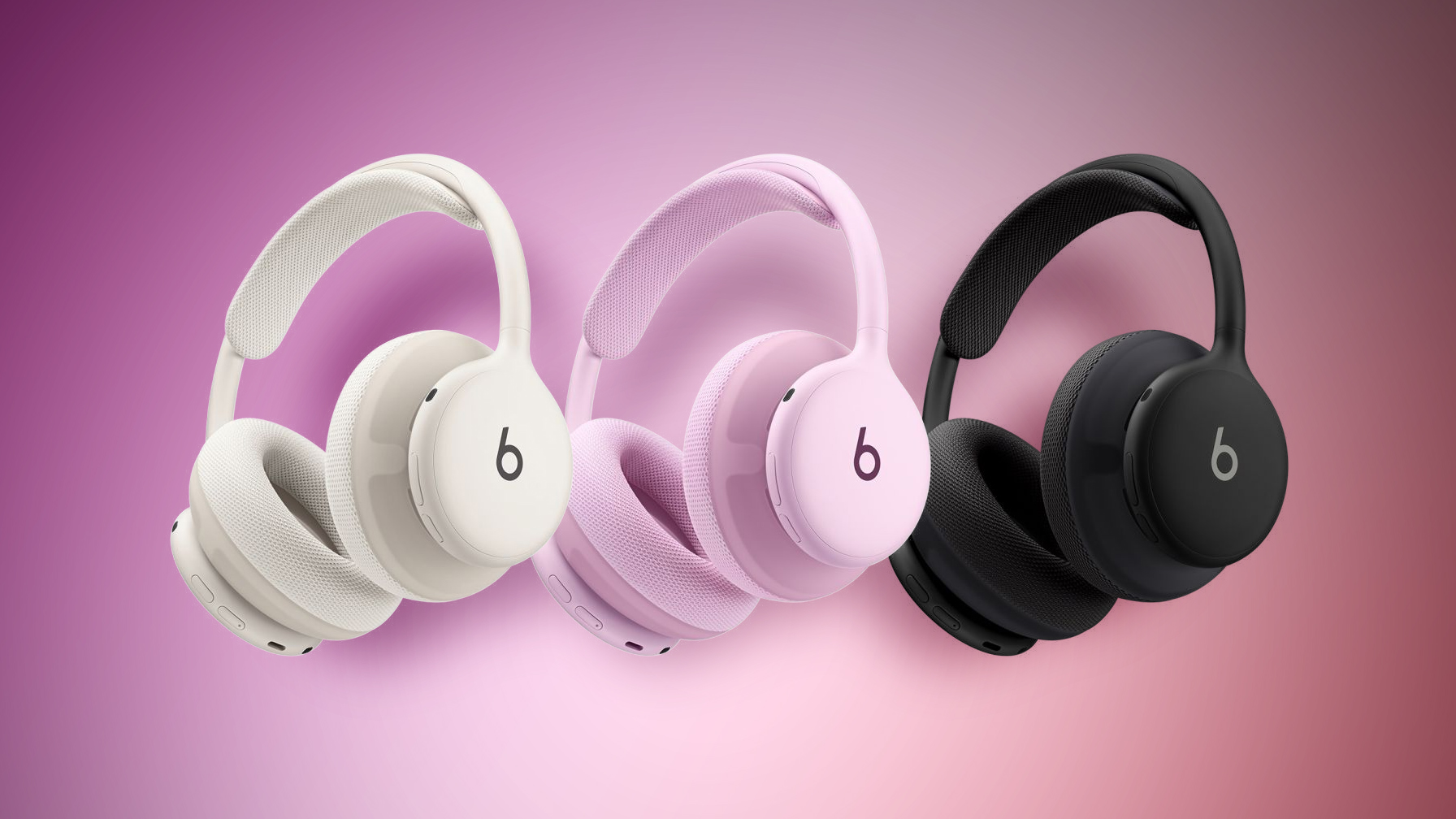
Apple's Beats brand announced the headphones earlier this week after teasing them for several months. The Beats 360 are over-ear headphones with a design similar to the AirPods Max and interchangeable ear cushions so you can swap colors.

Compared with the Beats Studio Pro, the Beats 360 have up to 1.75x more noise cancellation and improved sound quality. Features like Personalized Spatial Audio, Transparency mode, and Adaptive EQ are supported, as are fast pairing and automatic device switching. They have IPX4 sweat and water resistance, making them suitable for the gym.

The Beats 360 work with two kinds of cushions. The Performance Knit memory foam cushions are breathable and meant for working out, while the UltraPlush cushions have a softer, more pillowy feel. The Beats 360 ship with the Performance Knit cushions, and the UltraPlush can be purchased separately.

Beats 360 are priced at $349.99, and for a limited time, Apple is selling add-on ear cushions for a discounted $9.99 price through October 31. Headphone colors include Black, Cloud, Pink, and Sky. The Performance Knit cushions come in Black, Cloud, Pink, Sky, Navy, and Volt, while the UltraPlush come in Black and Cloud.
Tag: Beats

This article, "Beats 360 Headphones Now Available in Apple Stores" first appeared on MacRumors.com

Discuss this article in our forums

  •  

Apple Shares New Video Promoting iOS 27 Parental Controls

Apple today shared a video promoting the new parental control features it added in iOS 27.


Apple says Child Accounts are easier to set up in ‌iOS 27‌ and more intuitive to use. Improved controls allow parents to choose the types of apps children have access to, while Ask to Buy lets kids request new apps and games.

Ask to Browse gives parents a way to block or allow the websites children visit in Safari, plus parents can decide who kids can call and message. Communication Safety in Messages and FaceTime detects and blocks both violence and nudity in images and videos.

Time Allowances and Schedules let parents customize what children can access by the day, hour, and activity, with options to limit apps during school hours. There are one-tap controls to pause access entirely during family events like dinnertime or allow unlimited screen time.

Apple's updated parental controls come as the company deals with regulatory pressure over child safety in countries like the UK, U.S., and Australia. The UK has called for device-level controls that keep kids from viewing and sharing inappropriate images, while the U.S. Kids Internet and Digital Safety Act is now in the Senate. Australia has already prohibited children under 16 from creating accounts on certain social media apps.

Apple's new child safety features became available on September 14 with the launch of ‌iOS 27‌, iPadOS 27, and macOS Golden Gate. Every device in a Family Sharing group needs to be running the latest software for the Screen Time update to work.
Related Roundups: iOS 27, iPadOS 27
Related Forum: iOS 27

This article, "Apple Shares New Video Promoting iOS 27 Parental Controls" first appeared on MacRumors.com

Discuss this article in our forums

  •  

ChatGPT in Siri 'Persistently Underperforming,' Says OpenAI

OpenAI saw disappointing results working with Apple to integrate ChatGPT in Siri, according to court documents filed [PDF] in its ongoing legal fight with Elon Musk's company SpaceXAI (xAI at the time the lawsuit was filed).


Apple added ChatGPT to ‌Siri‌ in December 2024, but users had to go through a multistep opt-in process, which added a layer of friction. By January 2025, OpenAI said the integration was "off to a slow start" and the company cut its forecast for the number of incremental logged-in weekly active users that it expected to get from the partnership.

Much of the filing is redacted, but OpenAI said that by the time Musk's companies filed an antitrust lawsuit against Apple and OpenAI, "it was clear that Apple's integration of ChatGPT was dramatically underperforming." In a later section of the filing, OpenAI said again that the Apple integration was "persistently underperforming," leading to a March 2026 conversation between Apple and OpenAI that is redacted.

OpenAI asked Apple for a two-year exclusivity period, but Apple refused. The agreement between the two companies explicitly said the deal was non-exclusive and Apple had the right to "integrate products or services that provide the same or similar functionality as [ChatGPT]." Apple told OpenAI that it planned to integrate one provider and then add more, and it made similar statements publicly when announcing the feature. Apple also signed a deal with Google, and Apple's newest models are based on Gemini.

OpenAI's filing disputes many of the claims in the xAI lawsuit. Musk alleged OpenAI and Apple had an exclusive deal and that the agreement harmed xAI's growth and customer acquisition. OpenAI says the contract proves there was no exclusive deal, and even if there were, xAI can't prove harm because the ChatGPT ‌Siri‌ integration just didn't draw many new ChatGPT users.
Even if the Court assumes that Apple users who elect to use ChatGPT through Apple Intelligence are foreclosed from OpenAI's rivals (which they are not), the amount of foreclosure caused by the Agreement is indisputably de minimis. While Plaintiffs' experts declined to calculate foreclosure shares, OpenAI's expert, Dr. Catherine Tucker, calculated the share of GenAI consumers who accessed ChatGPT through Apple Intelligence across multiple metrics using the same data and market definition relied upon by Plaintiffs' experts. On these assumptions, Dr. Tucker found foreclosure shares of [REDACTED] across all metrics, consistent with OpenAI's internal view that Apple Intelligence saw minimal usage.

Musk's companies dropped their claims against Apple earlier this month, leaving OpenAI as the sole defendant in the lawsuit. OpenAI's filing asks the court to toss out xAI's claims prior to the trial planned for January 2027.
This article, "ChatGPT in Siri 'Persistently Underperforming,' Says OpenAI" first appeared on MacRumors.com

Discuss this article in our forums

  •  

You Can Now Try Apple's Unreleased Copland OS in Your Browser

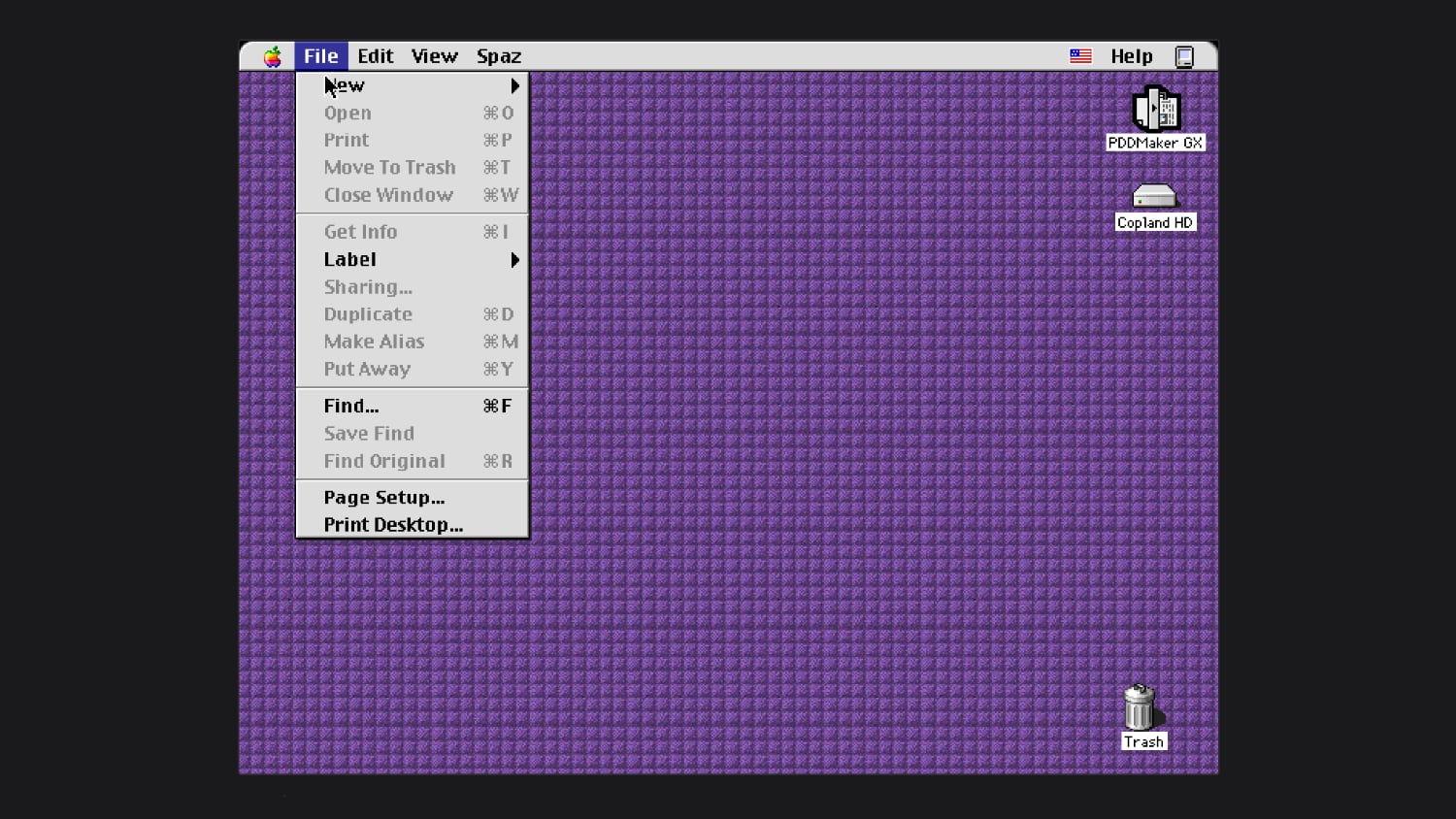
In the mid–1990s, Apple worked on an operating system called Copland, which was announced but never commercially released because of project management issues and feature creep. Parts of Copland were eventually included in Mac OS 7.6 and Mac OS 8, but it was so problematic as a whole that Apple nixed it before it was finished.


Michael Steil, who works to reverse engineer vintage hardware and software, was recently able to get Copland running in emulation. He modified the open-source Power Mac emulator DingusPPC, and he said it took 11 patches to get Copland up and running. He has a browser version of Copland you can try on his website, and shared the patches needed to boot Copland.

During Copland's development, Apple released three beta versions. The last beta was D11E4, which is what Steil got to work. He said Copland is "notoriously hard to run on real hardware," and wasn't previously available in emulation.

After Apple canceled Copland in August 1996, it looked outside the company for a new operating system. That led to the purchase of NeXT in 1997 and the return of Steve Jobs. NeXTSTEP, NeXT's operating system, was the precursor to Mac OS X.
This article, "You Can Now Try Apple's Unreleased Copland OS in Your Browser" first appeared on MacRumors.com

Discuss this article in our forums

  •  

Apple Releases watchOS 27.0.1 With Fix for Restart Bug

Apple today released watchOS 27.0.1, a minor update to the watchOS 27 operating system that came out last week. The update is limited to the Apple Watch Series 12 and Apple Watch Ultra 4.


watchOS 27.0.1 can be downloaded through the Settings app on the watch or the Apple Watch app on a connected iPhone. Software can only be installed when the Apple Watch is on the charger and has over 50 percent battery.

Apple's release notes say the update fixes bugs, including an issue that could cause the Apple Watch to restart unexpectedly.
Related Roundups: watchOS 26, watchOS 27
Related Forum: Apple Watch

This article, "Apple Releases watchOS 27.0.1 With Fix for Restart Bug" first appeared on MacRumors.com

Discuss this article in our forums

  •  

Hands-On With the iPhone Duo: The Crease is Still There, But Barely

After today's iPhone event, Apple invited members of the media to test out the new iPhone Duo. We were able to take a look, and we have some initial thoughts to share.


The ‌iPhone Duo‌ is priced starting at $1,999, and it feels like it. This is a premium device that's thin, but feels sturdy. The outer display is 5.4 inches, so it's smaller than the iPhone 18 Pro when it's closed, but the inner display is 7.6 inches.

Apple used a nano-texture polymer for the inside display, and the material cuts glare but also reduces the visibility of the crease. The display layer has a micro lens texture written pixel by pixel using maskless laser lithography for a perceptually flat, matte surface. It does indeed minimize the look and feel of the fold in the middle of the ‌iPhone Duo‌.

You can still see the crease and it's visible in certain lighting, but Apple did a better job than Samsung at hiding it. Of course, foldable creases can become more visible as a device folds and unfolds, so it will be interesting to see how the ‌iPhone Duo‌ holds up over time. Apple says there are viscoelastic adhesives that let the layers glide over each other, so that might help.

There's no visible camera cutout on the inner display of the ‌iPhone Duo‌, because Apple put it under the screen. It's invisible on a lighter screen, but when the display is darker, you can see the camera area somewhat.

Apple knew software would be important, and apps adapt well to the new form factor. The main controls are on the side of the displays and there's a new vertical dock. The status bar tucks in the corner, which makes sense for a foldable, and everything is where you want it for one-handed use.

You can run two apps side by side, or two instances of the same app (like two Safari pages), but there's no option to resize them. They each take up one half of the display. Two apps can be locked together as a pair so they launch together in the future and you can swipe over to other apps.

Apps work when the ‌iPhone Duo‌ is open, closed, and half-folded too. You can prop the ‌iPhone Duo‌ up and controls will move to the bottom of the display. iOS can adapt to the orientation and angle of the device, and it slides content away from the crease to make sure everything is easy to tap regardless of position. Audio also tunes automatically based on position.

StandBy works even when the ‌iPhone Duo‌ isn't charging. You just need to fold the Duo in half in a tent orientation and you'll see widgets, music, calendar, weather, and more. It works as a bedside clock too, and there's even a new glow alarm clock feature.

There are only two cameras in the ‌iPhone Duo‌. It has a 48MP Fusion Main camera and a 48MP Ultra Wide camera, but no Telephoto camera. There is 2x zoom, but that's just a cropped-in view from the Main camera. The outer display front camera is 12MP.

You can do some unique things with the ‌iPhone Duo‌'s camera setup. Apple added 4K Dolby Vision time lapses, a feature that works well with the ‌iPhone Duo‌ since it can prop itself up for longer shots. A Smart Take option uses AI to capture a shot when everyone is in frame, so you can set it up, run over to get in a group photo, and have the iPhone automatically take a picture. The outer display can show Peanuts animations to get children to smile (Kid Cue), and when you're taking a photo of someone, they can see themselves on the outer display and give you feedback on the shot setup (Duo Preview). FaceTime can also use both displays and someone can join a ‌FaceTime‌ call with you using the outer display camera, so you don't have to crowd together in one camera (‌FaceTime‌ Duo).

The ‌iPhone Duo‌ has the same A20 Pro chip as the ‌iPhone 18 Pro‌, and Apple's new C2 modem that's faster and more efficient than the C1X. The C2 supports mmWave 5G speeds in the United States.

The $1,999 starting price is for 256GB storage. You can get up to 2TB, but that option will cost you $3,199. ‌iPhone Duo‌ pre-orders start on Friday, October 16, with a launch to follow on October 23.
Related Roundup: iPhone Duo

This article, "Hands-On With the iPhone Duo: The Crease is Still There, But Barely" first appeared on MacRumors.com

Discuss this article in our forums

  •  

Everything Apple Announced at the September 2026 Event

Apple's "Surprise and Shine" event took place today, and the company introduced the iPhone 18 Pro and Pro Max, the new foldable iPhone Duo, new Apple Watch models, and AirPods 5. It took Apple over an hour to announce everything, but we have an 11-minute recap for those who want a quick but detailed overview of everything.


Our full event coverage is below with more information on all of today's announcements.

iPhone Duo


iPhone 18 Pro and Pro Max


Apple Watch Series 12 and Ultra 4


AirPods 5


Software


Other News


The Apple Watch Series 12, Apple Watch Ultra 4, and AirPods 5 are available for pre-order today. Pre-orders for the ‌iPhone 18 Pro‌ and ‌iPhone 18 Pro‌ Max will begin on Saturday, September 12 at 5:00 a.m. Pacific Time. The new devices will launch on September 18.

Pre-orders for the ‌iPhone Duo‌ will start on October 16, with a launch to follow on October 23.
This article, "Everything Apple Announced at the September 2026 Event" first appeared on MacRumors.com

Discuss this article in our forums

  •  

iPhone Duo is Dust-Tight With IP68 Rating, Unlike Samsung's Galaxy Z Fold8

The iPhone Duo has an IP68 dust and water resistance rating, beating Samsung and tying Google.


Samsung's latest Galaxy Z Fold8 models have an IP48 dust and water resistance rating, which means they aren't able to hold up to dust as well. Google's Pixel 11 Pro Fold also has an IP68 rating.

IP6X for dust means the ‌iPhone Duo‌ is "dust-tight" and no dust is able to get in. The IPX8 rating for water means it is protected from water deeper than 1 meter. Apple says the device can handle a maximum depth of 6 meters for up to 30 minutes. IP68 is the same dust and water resistance rating as other iPhones, and dust matters because it can get into the hinges of foldables and cause damage.

Apple warns that water and dust resistance "are not permanent conditions," and resistance can decrease as a result of normal wear. iFixit will likely do a teardown on the ‌iPhone Duo‌, and we'll see how it holds up to dust.

The ‌iPhone Duo‌ has other durability features, including a titanium frame, titanium hinge cover, and 10-layer display.
Related Roundup: iPhone Duo

This article, "iPhone Duo is Dust-Tight With IP68 Rating, Unlike Samsung's Galaxy Z Fold8" first appeared on MacRumors.com

Discuss this article in our forums

  •  
❌