Anmelden
Apple's $634 Million Apple Watch Patent Bill Just Got Even Bigger
06. Oktober 2026 um 15:09
Apple's $634 million patent loss to medical technology company Masimo has just gotten even bigger, after a federal judge ordered Apple to pay an additional $184 million in interest on what it owes (via Bloomberg Law).
The ruling takes Apple's bill to around $818 million, but that doesn't include any post-judgment interest continuing to accrue until the judgment is paid.
Judge James Selna rejected Apple's argument that adding prejudgment interest would constitute a windfall for Masimo, citing U.S. Supreme Court guidance that "interest from the time that the royalty payments would have been received merely serves to make the patent owner whole." Put another way, Masimo is being compensated for as long as it was deprived of royalty payments that it theoretically would have received during the infringement period.
It didn't all go Masimo's way, though. Selna also declined Masimo's request to calculate it at a 7 percent rate, which would have put Apple's interest bill at $243 million. Instead, the court used Masimo's own borrowing rate, compounding annually from when the infringement began.
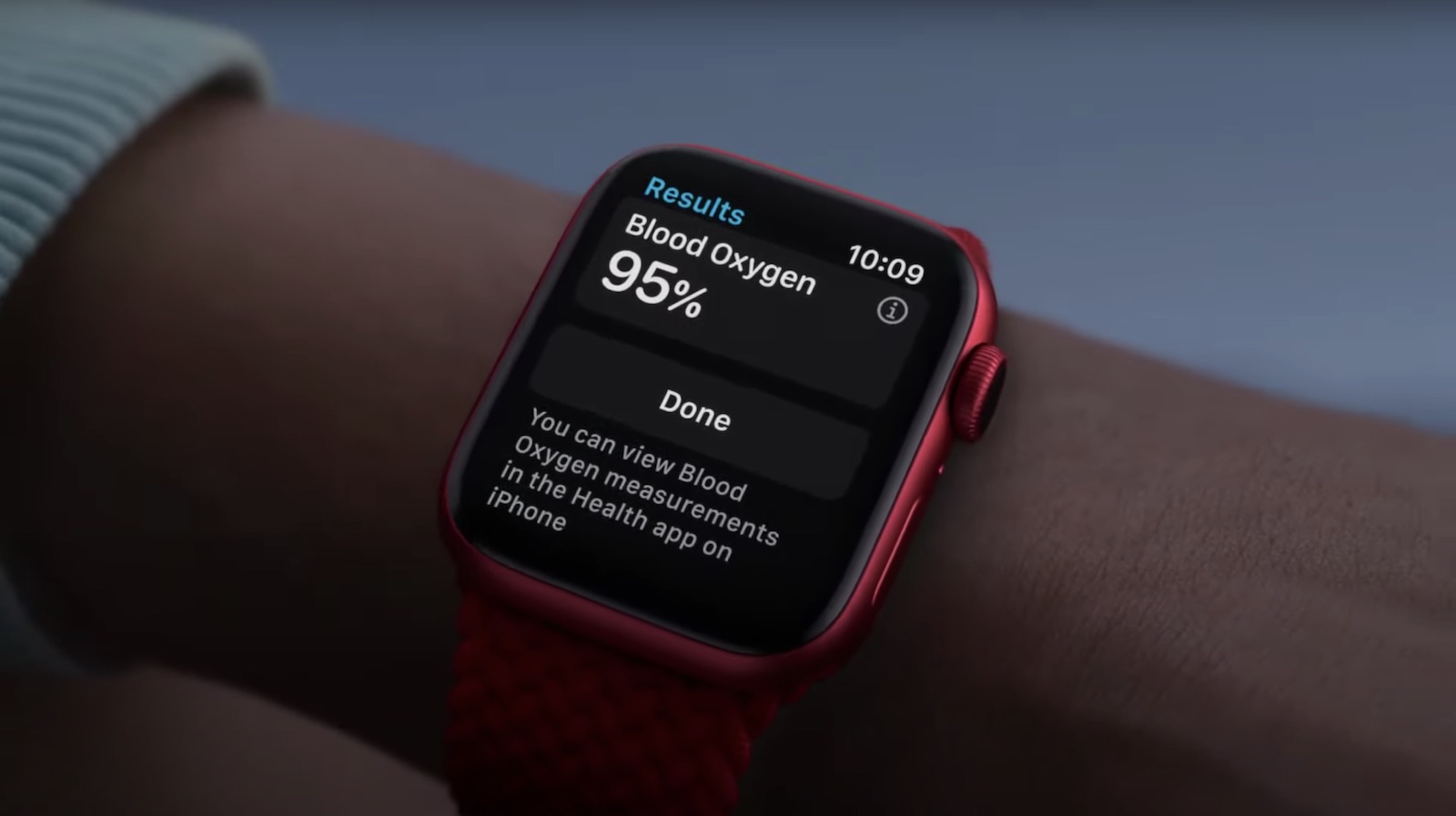
Masimo is also behind the separate patent dispute that led to a U.S. import ban on certain Apple Watch models and resulted in Apple disabling blood oxygen functionality on affected newly sold models. Apple in 2025 introduced a redesigned version of the feature.
The dispute here is concerned with a Masimo pulse-oximetry patent. In November 2025, a jury found that Apple Watch features including heart-rate notifications infringed Masimo's patent and awarded the company $634 million.
Apple subsequently tried to overturn or reduce the award, but Selna upheld the verdict in July. The patent in question expired in June 2022, so the ruling related to historical Apple Watch sales and has no effect on the heart-rate features in current Apple Watch models.
This article, "Apple's $634 Million Apple Watch Patent Bill Just Got Even Bigger" first appeared on MacRumors.com
Discuss this article in our forums
The ruling takes Apple's bill to around $818 million, but that doesn't include any post-judgment interest continuing to accrue until the judgment is paid.
Judge James Selna rejected Apple's argument that adding prejudgment interest would constitute a windfall for Masimo, citing U.S. Supreme Court guidance that "interest from the time that the royalty payments would have been received merely serves to make the patent owner whole." Put another way, Masimo is being compensated for as long as it was deprived of royalty payments that it theoretically would have received during the infringement period.
It didn't all go Masimo's way, though. Selna also declined Masimo's request to calculate it at a 7 percent rate, which would have put Apple's interest bill at $243 million. Instead, the court used Masimo's own borrowing rate, compounding annually from when the infringement began.
Masimo is also behind the separate patent dispute that led to a U.S. import ban on certain Apple Watch models and resulted in Apple disabling blood oxygen functionality on affected newly sold models. Apple in 2025 introduced a redesigned version of the feature.
The dispute here is concerned with a Masimo pulse-oximetry patent. In November 2025, a jury found that Apple Watch features including heart-rate notifications infringed Masimo's patent and awarded the company $634 million.
Apple subsequently tried to overturn or reduce the award, but Selna upheld the verdict in July. The patent in question expired in June 2022, so the ruling related to historical Apple Watch sales and has no effect on the heart-rate features in current Apple Watch models.
Related Roundup: Apple Watch 12
Tags: Apple Lawsuits, Masimo
Buyer's Guide: Apple Watch (Buy Now)
Related Forum: Apple Watch
This article, "Apple's $634 Million Apple Watch Patent Bill Just Got Even Bigger" first appeared on MacRumors.com
Discuss this article in our forums