
 Anmelden
Three All-New 'Audio Intelligence' Features Arrive With Apple Watch Series 12 and Ultra 4
09. September 2026 um 23:23
Apple today announced "Audio Intelligence," a new suite of Apple Intelligence-powered features for the Apple Watch Series 12 and Apple Watch Ultra 4 that use the built-in microphone to help users catch missed moments in conversation and stay aware of important sounds.
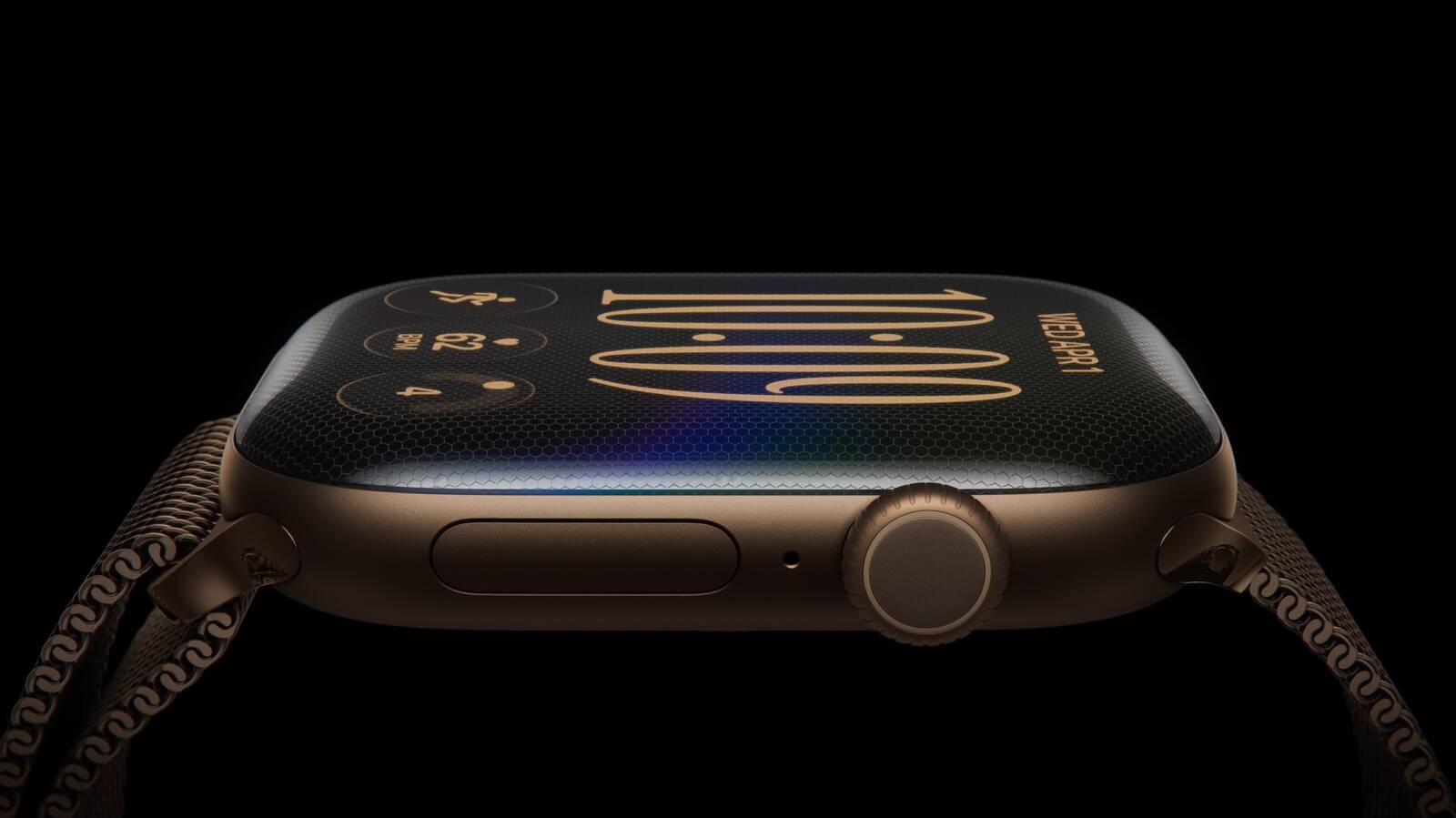
The Apple Watch's Audio Intelligence comprises four features:
Apple emphasized that Siri Recap is opt-in and configurable, telling users they "control if and when Siri Recap takes notes." Users can set it to always listen or schedule it for specific contexts, such as only at work or never at night, and can toggle it on or off at any time from Control Center. Apple reiterated that none of the Audio Intelligence features create or store audio recordings, with raw audio processed in an isolated Secure Exclave on the S11 chip and deleted immediately after use.
Audio Intelligence and Siri AI both require an Apple Intelligence-enabled iPhone, with Live Rewind and Siri Recap limited to the iPhone 16 or later (excluding the iPhone 16e).
The features arrive in beta later this year, starting in English, with additional languages to follow, and will not initially be available in the EU.
This article, "Three All-New 'Audio Intelligence' Features Arrive With Apple Watch Series 12 and Ultra 4" first appeared on MacRumors.com
Discuss this article in our forums
The Apple Watch's Audio Intelligence comprises four features:
- Siri Recap: Uses ambient listening to generate high-level notes from conversations, such as takeaways from a team meeting or a parent-teacher conference, producing an Apple Intelligence-generated title, summary, and key points reviewable in the Siri app.
- Live Rewind: Lets users "go back in time for 15 seconds," transcribing and displaying what was just said in a conversation with a double press of the Digital Crown.
- Shazam: Automatically identifies music playing nearby and surfaces the song title and artist on the Music Recognition widget in the Smart Stack.
- Sound Recognition: Brings sound alerts to Apple Watch for users who are deaf or hard of hearing, listening for sirens, alarms, doorbells, a baby crying, and more, even when their iPhone isn't nearby.
Apple emphasized that Siri Recap is opt-in and configurable, telling users they "control if and when Siri Recap takes notes." Users can set it to always listen or schedule it for specific contexts, such as only at work or never at night, and can toggle it on or off at any time from Control Center. Apple reiterated that none of the Audio Intelligence features create or store audio recordings, with raw audio processed in an isolated Secure Exclave on the S11 chip and deleted immediately after use.
Audio Intelligence and Siri AI both require an Apple Intelligence-enabled iPhone, with Live Rewind and Siri Recap limited to the iPhone 16 or later (excluding the iPhone 16e).
The features arrive in beta later this year, starting in English, with additional languages to follow, and will not initially be available in the EU.
Related Roundups: Apple Watch 11, Apple Watch Ultra 3
Buyer's Guide: Apple Watch (Don't Buy), Apple Watch Ultra (Don't Buy)
Related Forum: Apple Watch
This article, "Three All-New 'Audio Intelligence' Features Arrive With Apple Watch Series 12 and Ultra 4" first appeared on MacRumors.com
Discuss this article in our forums
