Joby Aviation is kicking off 10 days of electric air taxi demo flights in New York City. Before you try to book one to bypass the city's awful traffic, Joby's aircrafts aren't taking customers yet. Instead, the company is trialing the air taxis in "real flight routes and real environments," as indicated in its press release.
With the first point-to-point flight of its electric vertical takeoff and landing (eVTOL) aircraft completed, Joby said that one of its electric air taxis made it from John F. Kennedy International Airport to NYC's heliports in Lower Manhattan and Midtown in less than 10 minutes. Unlike helicopters, Joby's CEO, JoeBen Bevirt, said this "quiet, zero operating emissions air taxi service" will better serve New Yorkers. These demo flights are part of Joby's participation in the eVTOL Integration Pilot Program, the Federal Aviation Administration's program to fast-track the commercial rollout of air taxis.
Joby said it's still in the final stages of securing FAA certification, but this latest campaign in NYC should propel its process forward, especially after having completed piloted demos in the San Francisco Bay Area in March. Joby was previously targeting to launch its air taxi service in 2025, but that goal has since been pushed back. The company's CEO said that Joby is planning to start passenger flights in New York, Texas and Florida as soon as the second half of 2026, according to Bloomberg.
This article originally appeared on Engadget at https://www.engadget.com/transportation/joby-aviation-is-demoing-10-minute-air-taxi-flights-from-jfk-to-manhattan-for-a-week-180247411.html?src=rss
Ford Racing's Mustang Cobra Jet 2200 just ran a quarter mile in 6.87 seconds at 221 mph at an NHRA event in Charlotte, setting a new world record for an EV. The run smashed Ford's own previous EV record of 7.62 seconds, set by the Cobra Jet 1800 last September, by an impressive 0.75 seconds.
As the name suggests, Ford's Cobra Jet 2200 puts a massive 2,200 horsepower to the wheels thanks to a newly designed electric motor and inverter combo. Ford elected to use two motors and inverters instead of four of each as before to reduce complexity and boost efficiency to 98 percent. Overall power is up by 600 horsepower, but the motors and inverters weigh half as much as before. Everything runs on a 900-volt architecture and 32 kWh battery that charges in 20 minutes, easily enough for the NHRA's 45-minute turnaround rule.
It's official: The Ford Racing Mustang Cobra Jet 2200 has clocked a new record time of 6.87 at 221 mph - now the quickest electric car on the planet.#FordRacingpic.twitter.com/drmvH2XRp6
The car has some unusual features for an EV like a clutch that lets the driver dump all the power to the road instantly for maximum acceleration. It also uses a multi-speed transmission that allows the car to run in its ideal power band through the duration of the run — reducing the quarter-mile time by up to a second, according to Ford. The battery design also allowed the team to tune weight distribution for optimal traction. Another racing touch is a pyrotechnic circuit breaker that can instantly break the high-voltage connection via a small explosive charge to align with NHRA safety rules.
Some of this tech, like the high-efficiency motors and 900 volt system, could conceivably trickle down to consumer vehicles. Unfortunately, Ford and other US automakers have significantly reduced their investment in BEV technology of late. Ford recently announced that it would reboot the F-150 Lightning as an EREV with a gas generator, while last week GM delayed its next-gen full-size EV pickups and SUVs — all in the face of rapidly rising gasoline prices.
This article originally appeared on Engadget at https://www.engadget.com/transportation/evs/fords-mustang-cobra-jet-sets-a-new-ev-quarter-mile-record-at-687-seconds-112259793.html?src=rss
Tesla completely ended its free lifetime Supercharging offer way back in 2018, but it has given customers the perk for certain promotions since then. It brought back free Supercharging for Model S and X a couple of times in 2019, for instance. The automaker’s latest offer is for new purchases for a Model 3 Premium or Performance vehicle in North America. On its website, Tesla has announced that it’s including one year of free supercharging with a Model 3 Premium or Performance, though the offer is “subject to change or end at any time.”
As Electrek notes, this is a nice freebie to have but most likely not a deciding factor for people who charge at home. For those who don’t have access to a home charger, however, this could represent significant savings.
The free Supercharging offer starts at delivery and cannot be postponed or redeemed for cash. Owners will also still have to pay certain fees, such as congestions fees that the automaker adds if a vehicle remains plugged into a Supercharger after its battery reaches 80 percent when a site is busy. The offer doesn’t apply to vehicles used for commercial purposes, such as ridesharing, taxi and delivery services, as well. As for those who traded in their gas vehicles to get the 2,000-mile Supercharging incentive, they can enjoy this freebie first and redeem those miles after their first year of ownership.
This article originally appeared on Engadget at https://www.engadget.com/transportation/evs/tesla-is-giving-away-one-year-free-supercharging-with-model-3-premium-and-performance-purchases-144431817.html?src=rss
Tesla is expanding its Robotaxi footprint across Texas by introducing availability in both Dallas and Houston. As announced in a post on X, the EV maker is rolling out its Robotaxis to small sections of the Texas cities, as detailed by two maps of its new service areas.
The first Robotaxi rides started in Austin, Texas where Tesla is headquartered, but the service's launch was paired with a "Tesla Safety Monitor," or a supervising human in the passenger seat. Earlier this year, Tesla began to transition away from including safety monitors, leaving its Robotaxis to operate unsupervised and fully autonomous. In the latest announcement on X, Tesla also showed off a 360-degree panning shot with no safety monitor, but the company hasn't stated if its Dallas and Houston service will have in-car human supervision. It's worth nothing that Tesla previously admitted that some of its Robotaxis are sometimes driven remotely by human operators.
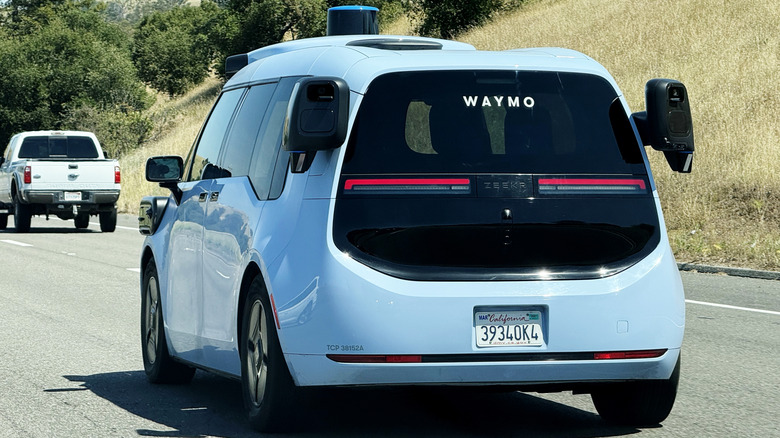
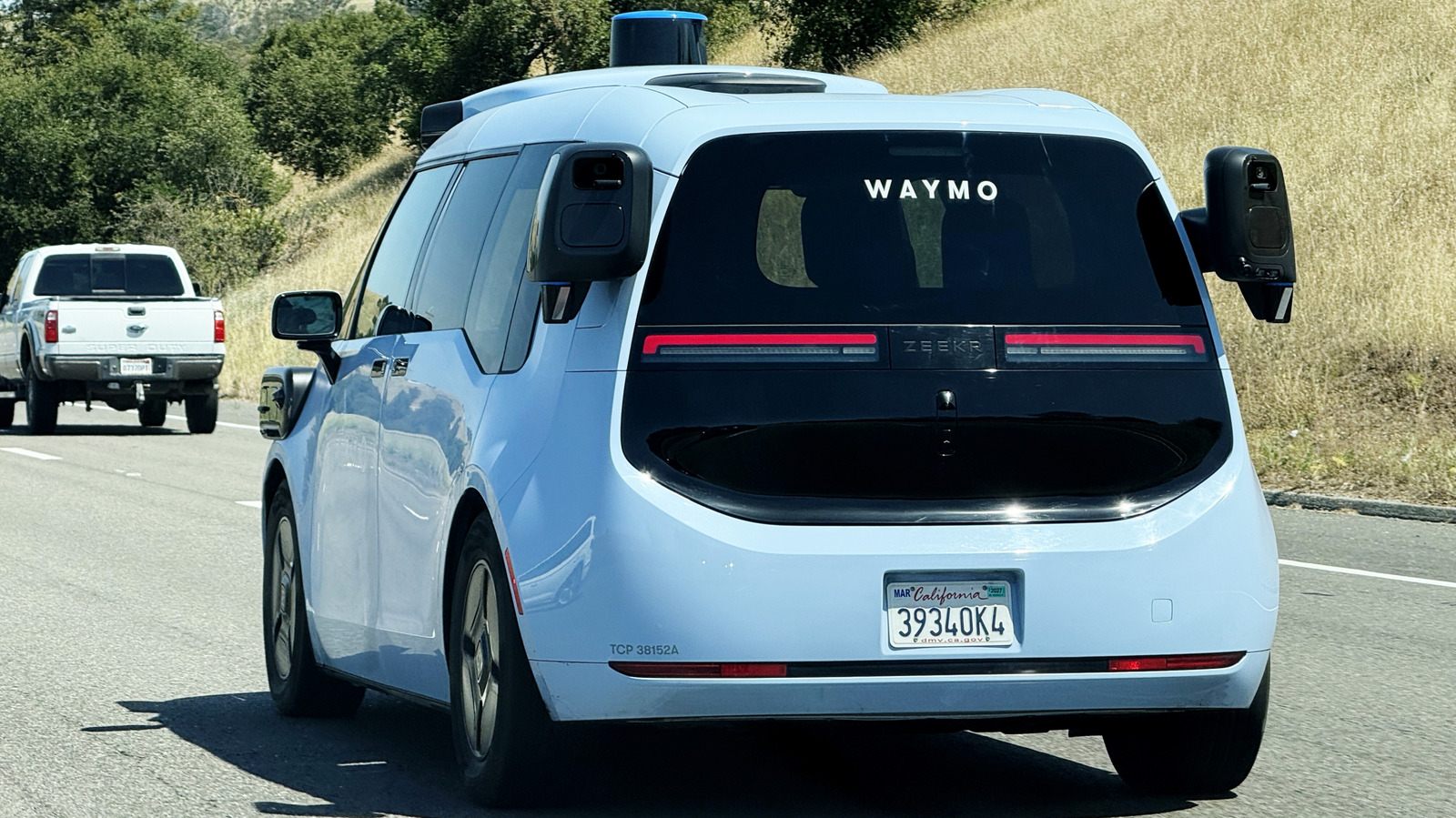
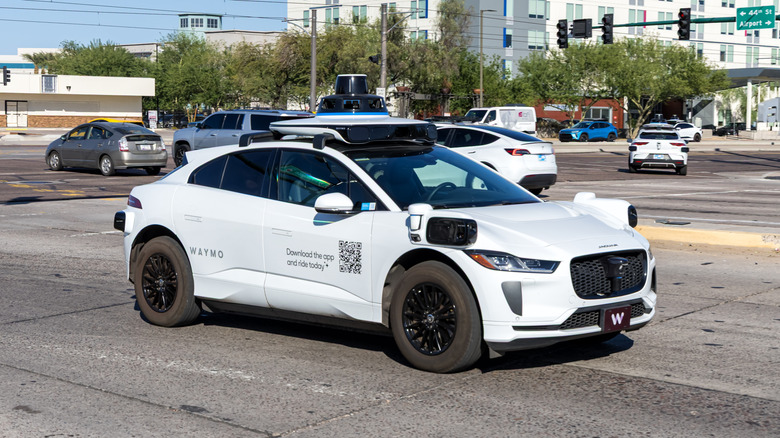
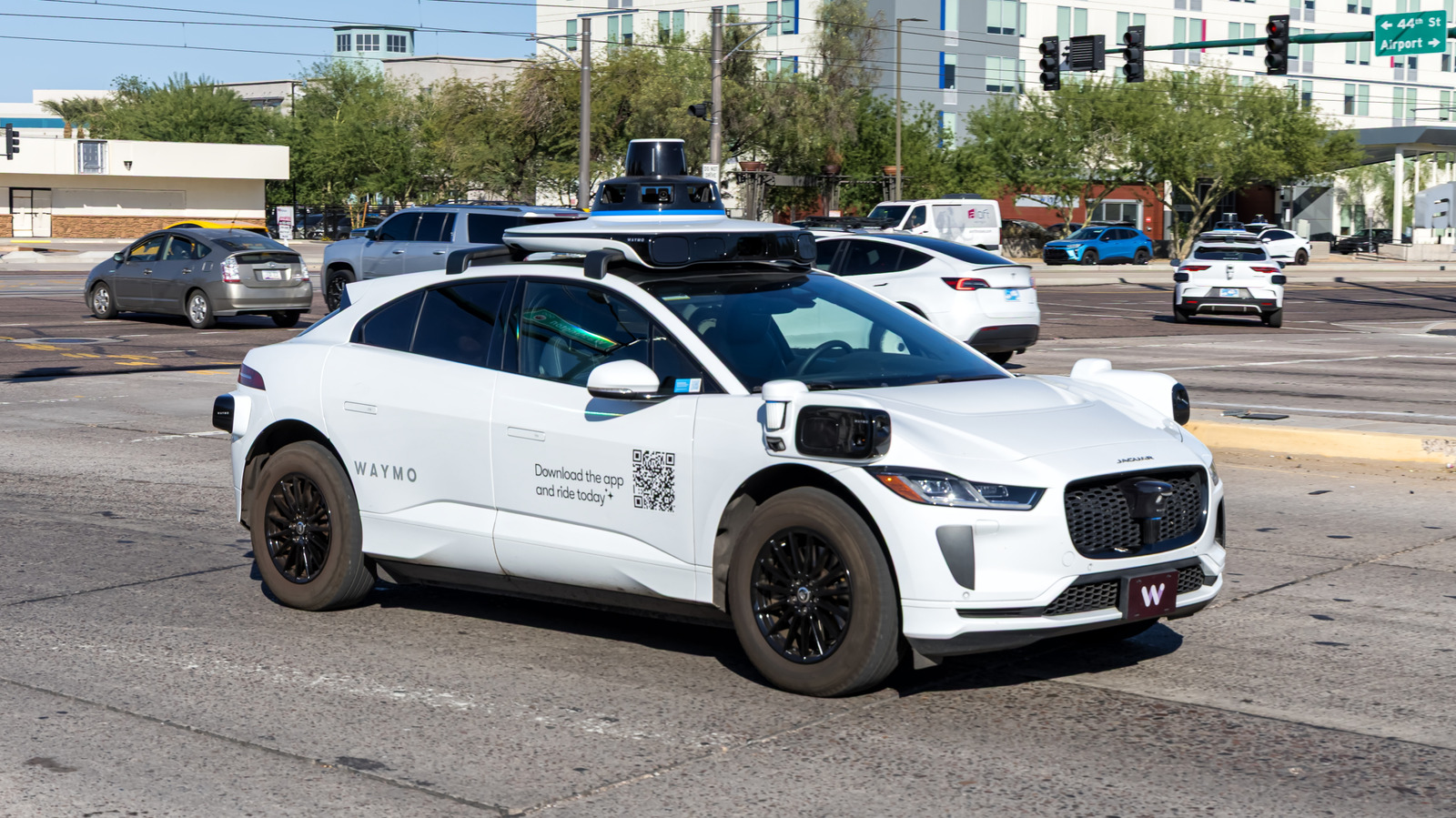
With the Robotaxi expansion into Dallas and Houston, Tesla is encroaching on Waymo's autonomous ride-hailing service that entered the same markets in February of this year. Looking ahead, Tesla is also targeting the Bay Area market in California for its Robotaxi expansion. While the company has received approvals to operate a ride-hailing service in California, it still doesn't have authorization for autonomous taxis in the state yet.
This article originally appeared on Engadget at https://www.engadget.com/transportation/tesla-is-rolling-out-its-robotaxi-service-to-dallas-and-houston-160742941.html?src=rss
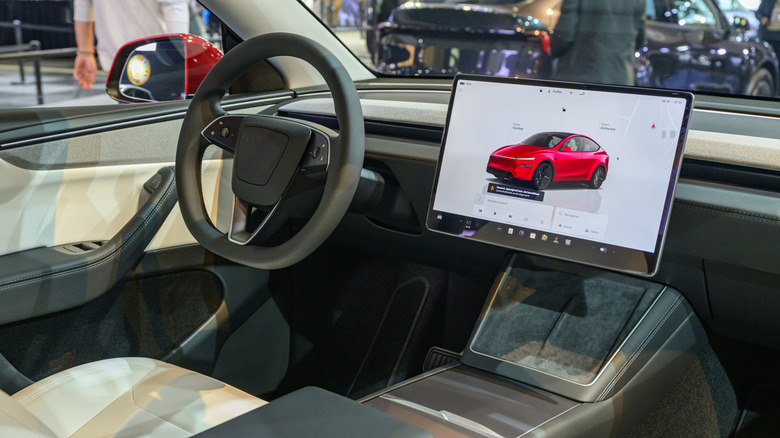
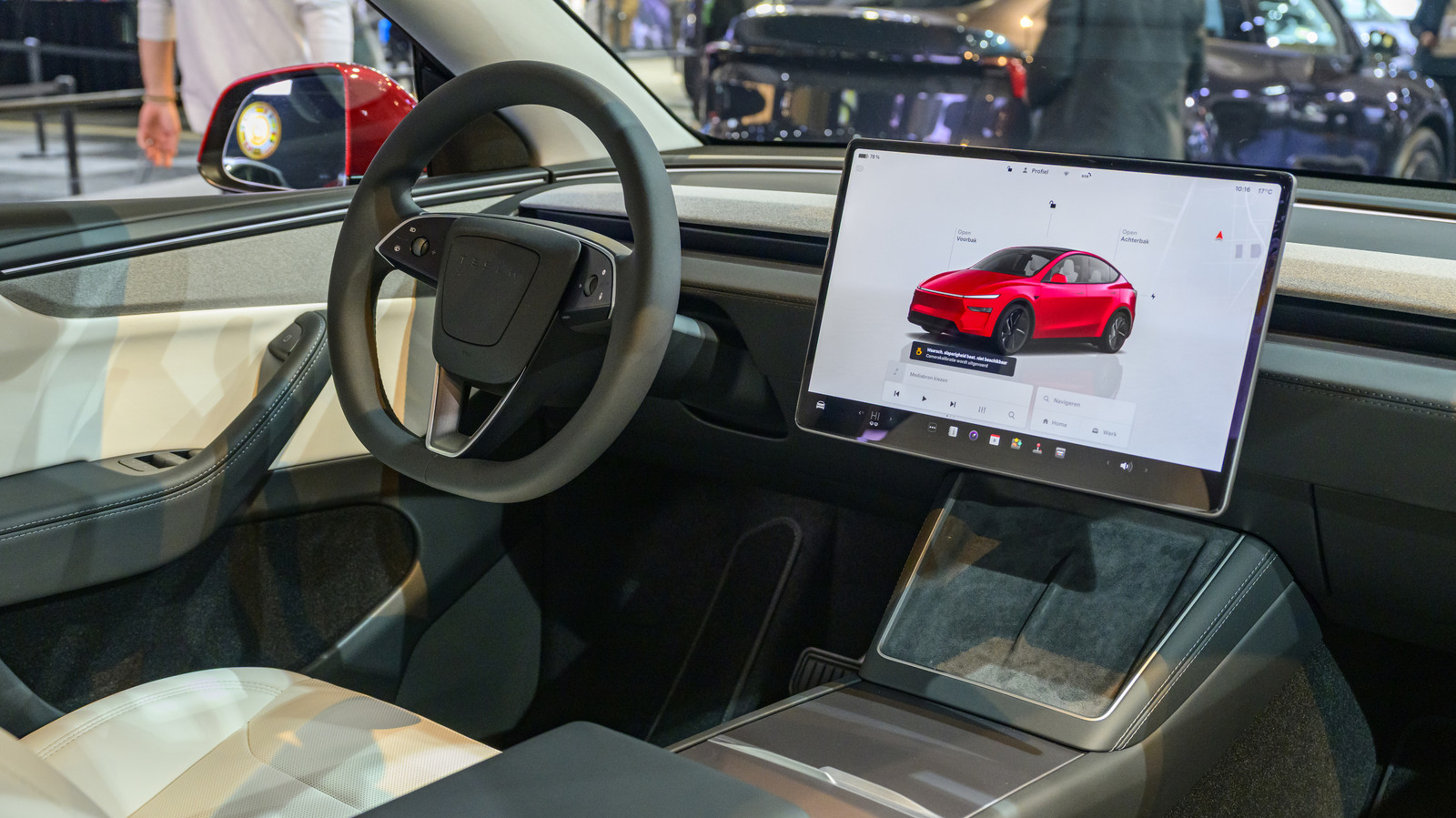
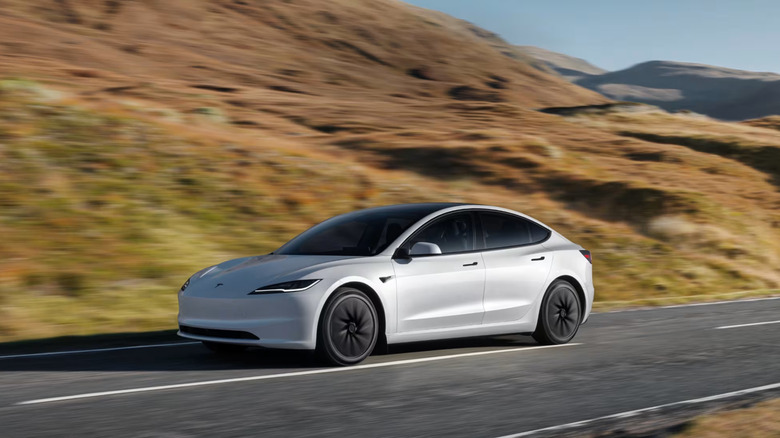
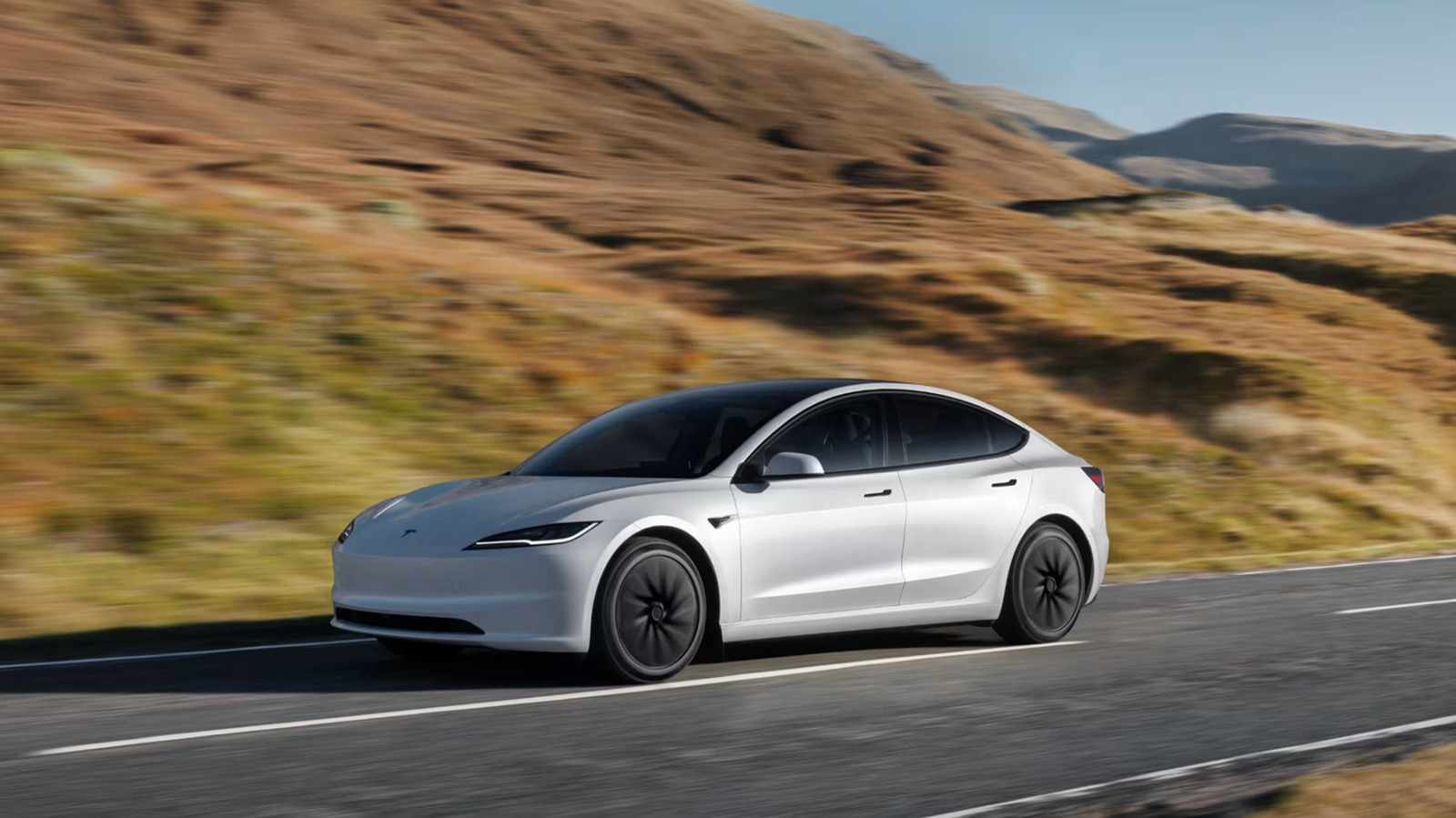
Tesla may be shifting strategy once again. Reuters reported that the company is working on a smaller and less expensive electric SUV. This would be a brand new vehicle rather than a variant of the existing Model 3 or Model Y, according to the publication's sources. The new EV would allegedly be about 14 feet long, shorter than the 15.7-foot Model Y. Reuters didn't have details about whether this would be an autonomous vehicle or a traditional one, but one source reportedly said that Tesla is generally looking to offer a driverless option in its vehicle lineup.
The company had previously been working on a budget EV with a target price of $25,000, but Tesla appeared to abandon that effort in 2024 to work on robotaxis. And as recently as the start of 2026, Tesla discontinued two of its EV models in order to refocus the business on robotics. Perhaps the brand felt it needed to have a bigger auto imprint after cutting the Model S and X and relaunched the budget EV project. Or perhaps this is just the latest whim of the company's leadership and it won't actually come to pass. We'll have to wait and see.
This article originally appeared on Engadget at https://www.engadget.com/transportation/evs/tesla-may-be-working-on-a-smaller-and-cheaper-electric-suv-175230630.html?src=rss
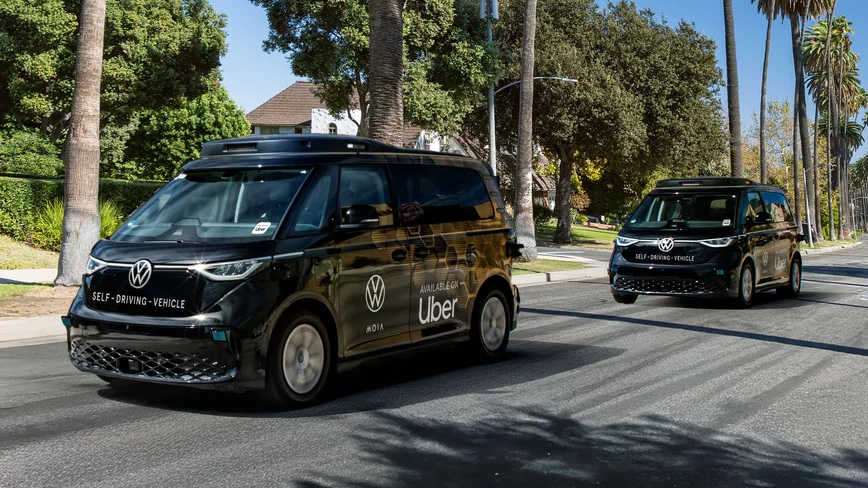
The vehicles use tech from MOIA America, the US wing of Volkswagen's self-driving subsidiary. Uber and MOIA plan to deploy thousands of ID. Buzz vehicles across the US over the next decade. LA is the pilot city, and if all goes well, it will spread to "multiple US markets." The companies say they're still on track for rides (with safety drivers) in LA in late 2026.
Uber / MOIA
The ID. Buzz is Volkswagen's modern take on the automaker's classic "hippie van" microbus. The head-turning EV has minivan-style sliding doors and seats up to seven people, making it a logical fit for larger groups hailing an Uber. The vehicle has a per-charge range of up to 234 miles.
After selling its in-house self-driving unit in 2020, Uber pivoted to a new strategy of partnering with multiple AV companies. It currently offers autonomous rides in the US with Waymo (Phoenix, Austin and Atlanta) and Avride (Dallas). Overseas, it has live service with WeRide in Abu Dhabi, Dubai and Saudi Arabia. Uber has a long list of other partners lined up for future services, including (among others) Rivian, NVIDIA and Zoox, the latter of which also plans to debut van rides in LA within the next year.
Correction, April 8 2026, 8:50AM ET: A previous version stated that driverless rides would be available in 2026; AVs are planned to be on LA streets in 2026, but with human safety drivers. Engadget regrets the error.
This article originally appeared on Engadget at https://www.engadget.com/transportation/evs/uber-begins-testing-its-volkswagen-id-buzz-robotaxi-fleet-in-la-120000762.html?src=rss
 Anmelden