There may have been some extra incentive for the Trump administration to get the TikTok US deal done. According to a report from The Wall Street Journal, the Trump administration is set to receive a total of $10 billion in the deal that allowed TikTok to remain in the US. The new investors who acquired stakes in the US entity of TikTok already paid a $2.5 billion fee to the administration when the deal closed in January, but WSJ's latest report noted that the group of investors would continue to make payments until the total hits $10 billion.
After a group of investors, which includes Oracle along with the Silver Lake and MGX investment firms, acquired stakes in the US-based TikTok entity called TikTok USDS Joint Venture, the WSJ previously reported that the administration would receive a "multibillion-dollar fee" for its work on the deal. To better contextualize the recently-revealed $10 billion fee the Trump administration is receiving, the US entity of TikTok was valued at $14 billion by Vice President JD Vance.
The Trump administration has previously involved itself in major deals with other US corporations. Last year, the administration invested $8.9 billion into Intel and received a nearly 9 percent equity stake. In terms of unprecedented windfalls, the Trump administration also received a Boeing 747-8 as a gift from the Qatari government in May.
This article originally appeared on Engadget at https://www.engadget.com/big-tech/trump-administration-will-reportedly-get-10-billion-for-brokering-the-tiktok-deal-180954979.html?src=rss
Google is rolling out Gemini AI agents to the Department of Defense's more than 3 million civilian and military employees, according to Bloomberg. The agents will initially operate on unclassified networks, with talks underway to expand them to classified and top-secret systems, according to Emil Michael, the Under Secretary of Defense for Research and Engineering.
Eight pre-built agents will automate tasks like summarizing meeting notes, building budgets and checking proposed actions against the national defense strategy. Google Vice President Jim Kelly said in a blog post on Tuesday that Defense Department personnel can also create custom agents using natural language.
Google's AI chatbot, accessible through the Pentagon's GenAI.mil portal, has been used by 1.2 million Defense Department employees for unclassified work since December, with personnel running 40 million unique prompts and uploading more than 4 million documents. Training has reportedly not kept pace with adoption, however, as only 26,000 people have completed AI training since December, but future sessions are fully booked, something that suggests more employees are getting on board.
The expansion comes as the Pentagon rapidly broadens its AI partnerships after its standoff with Anthropic, which refused to remove guardrails against domestic surveillance and autonomous weapons from its technology. The Pentagon has since classified the American AI company as a "supply chain risk," which Anthropic will fight in court. Roughly 900 Google and 100 OpenAI employees have since signed an open letter urging their employers to hold firm on the same guardrails. Google quietly altered its "AI Principles" regarding these exact uses in early February.
The Department of Defense has since struck deals with OpenAI and xAI for restricted networks. Google itself faced internal backlash over Pentagon work in 2018 when thousands of employees protested Project Maven, a program that used AI to analyze drone video feeds. It did not renew that contract but has since loosened its restrictions on military work.
This article originally appeared on Engadget at https://www.engadget.com/ai/google-to-provide-pentagon-with-gemini-powered-ai-agents-161037444.html?src=rss
X has told UK’s MPs or Members of Parliament that it suspended 800 million accounts to combat state-backed campaigns on the website, according to The Guardian. Wifredo Fernández, X’s head of global government affairs, told the officials that the suspensions happened over a 12-month period in 2024 and that the accounts were suspended for violating X’s rules on platform manipulation and spam. Russia was allegedly behind most of the accounts that were flooding the website with spam, followed by state actors from China and Iran.
The Russian accounts were trying to “stoke division” and disseminate a “particular type of narrative” to manipulate the 2024 US Presidential Elections, he told MPs on the foreign affairs committee during a video call. Fernández also claimed that the attempts to manipulate discussions and spam on the service aren’t done yet. “There are efforts every single day to create inauthentic networks of accounts,” he said. Apparently, X suspended an additional “several hundred million accounts” last year as well, presumably also due to foreign state-backed manipulation campaigns.
To note, Statista estimates the number of users on X to be 429 million in early 2024. The Guardian also says the platform has approximately 300 million monthly users worldwide.
This article originally appeared on Engadget at https://www.engadget.com/apps/x-says-it-suspended-800-million-accounts-in-2024-over-spam-and-manipulation-123000201.html?src=rss
TikTok doesn’t have to close its offices in Canada after all. The country will allow TikTok to keep its business operational after a national security review, Minister of Industry Mélanie Joly has announced. This is a complete 180 of the country’s decision back in 2024 to order TikTok to shut down its operations, citing unspecified “national security risks” posed by the company and its China-based parent ByteDance. Canadian authorities said back then that their decision was based on evidence collected by the country’s security and intelligence community.
As Bloombergnotes, the order was paused shortly after Mark Carney replaced Justin Trudeau as Prime Minister in early 2025. Carney was the first Canadian PM to visit China in years and had a discussion with President Xi Jinping about tariffs. Joly said TikTok will be allowed to operate in Canada with new enhancements in data security and regulatory oversight. To start with, it will have to implement privacy-enhancing technologies to reduce the risk of unauthorized access that compromise Canadians’ personal information. It will also have to add enhanced protections for minors and ensure transparency by letting an independent third party “audit and continuously verify data access controls.”
“…this decision will protect Canadian jobs, ensuring that TikTok Canada maintains a physical presence in Canada, with commitments to invest in its cultural sector,” Joly said in a statement. “TikTok Canada will support the growth of Canadian creators, artists and cultural organizations, while strengthening the production and accessibility of Canadian cultural content in both official and Indigenous languages across the country.”
This article originally appeared on Engadget at https://www.engadget.com/apps/tiktok-can-continue-its-operations-in-canada-after-agreeing-to-enhanced-security-measures-095239399.html?src=rss
The Netherlands’ military intelligence service and domestic intelligence agency have issued a join warning claiming that Russian hackers have launched "a large-scale global cyber campaign to gain access to Signal and WhatsApp accounts belonging to dignitaries, military personnel and civil servants." According to the Dutch alert, hackers are imitating support chatbots to trick key targets into revealing their PINs for those communication platforms, which allows the bad actors to access incoming messages.
Last year in the US, the Pentagon advised members not to use Signal after the platform was subjected to similar phishing scams by Russian hackers. (Although the same US military leaders proved capable of creating their own security breaches without foreign interference just days prior.)
Having another national government raise concerns about Signal and WhatsApp phishing scams offers yet another reminder to never provide security details or click links without a check on who is really asking for your info.
This article originally appeared on Engadget at https://www.engadget.com/cybersecurity/dutch-intelligence-services-warn-of-russian-hackers-targeting-signal-and-whatsapp-203707202.html?src=rss
Anthropic has filed a lawsuit to prevent the Pentagon from adding the company it a national security blocklist. This comes days after the Department of Defense sent a letter to Anthropic confirming the company was labeled a supply chain risk; at the time CEO Dario Amodei had all but guaranteed Anthropic would fight back with legal action.
The lawsuit claims the designation is unlawful and violated free speech and due process rights. “These actions are unprecedented and unlawful. The Constitution does not allow the government to wield its enormous power to punish a company for its protected speech," Anthropic said in a statement published by Reuters.
Engadget received the following statement from an Anthropic spokesperson:
“Seeking judicial review does not change our longstanding commitment to harnessing AI to protect our national security, but this is a necessary step to protect our business, our customers, and our partners. We will continue to pursue every path toward resolution, including dialogue with the government.”
The lawsuit characterizes the government’s actions as an “unprecedented and unlawful [...] campaign of retaliation.” It goes on to say that “the Constitution does not allow the government to wield its enormous power to punish a company for its protected speech. No federal statute authorizes the actions taken here."
Today’s legal action comes after several weeks of back-and-forth between the AI company and the government. In late February, news broke that the Department of Defense and Defense Secretary Pete Hegseth were pressuring Anthropic to remove certain safeguards from its AI systems, but Amodei made it clear the company would refuse to allow its model to be used for mass surveillance or development of autonomous weapons.
On the February 27 deadline, Amodei refused to budge, leading Hegseth to threaten the company with the supply chain risk designation; he also said the US government would cancel its $200 million contract with the company. The same day, President Trump ordered all federal agencies to cease using Anthropic as well. Despite all this, according to the lawsuit, Anthropic had agreed to “collaborate with the Department on an orderly transition to another AI provider willing to meet its demands.”
Anthropic rival OpenAI stepped into this chaos and quickly made a deal with the Department of Defense. At the time, OpenAI CEO Sam Altman said that two of OpenAI’s most important safety principles are “prohibitions on domestic mass surveillance and human responsibility for the use of force, including for autonomous weapon systems” — the same issues that got Anthropic in hot water. OpenAI then doubled down on the surveillance issue, writing into its contract that “the AI system shall not be intentionally used for domestic surveillance of U.S. persons and nationals.”
Depsite this, OpenAI’s head of robotics hardware resigned from the company this weekend in response to the Defense Department deal. Caitlin Kalinowski wrote on X that “surveillance of Americans without judicial oversight and lethal autonomy without human authorization are lines that deserved more deliberation than they got.”
This article originally appeared on Engadget at https://www.engadget.com/ai/anthropic-sues-us-government-over-supply-chain-risk-designation-152838128.html?src=rss
Following in the footsteps of Australia, Indonesia will be the latest country to limit social media usage for children under 16. Meutya Hafid, Indonesia's communication and digital affairs minister, announced that a new government regulation will require "high-risk" platforms to delete any accounts from Indonesia that are under 16, starting on March 28.
Hafid said in the announcement that the implementation would be done in stages, starting with major platforms like YouTube, TikTok, Facebook, Instagram, Threads, X, Roblox and Bigo Live, a live-streaming platform based in Singapore. The minister added that all platforms will have to fulfill compliance obligations from the Indonesian government, but didn't specify what they were. In response to the ban, a Meta spokesperson told The New York Times that the company hasn't received an official regulation from the country yet and was awaiting details.
While Australia was the first country to implement such a sweeping ban on social media, many other countries are currently in the process of doing the same. Spain's Prime Minister Pedro Sanchez announced last month that the country is also ready to ban social media for users under 16, while Malaysia's cabinet approved a similar ban that will reportedly go into effect sometime this year.
This article originally appeared on Engadget at https://www.engadget.com/social-media/indonesia-announces-a-social-media-ban-for-anyone-under-16-174634956.html?src=rss
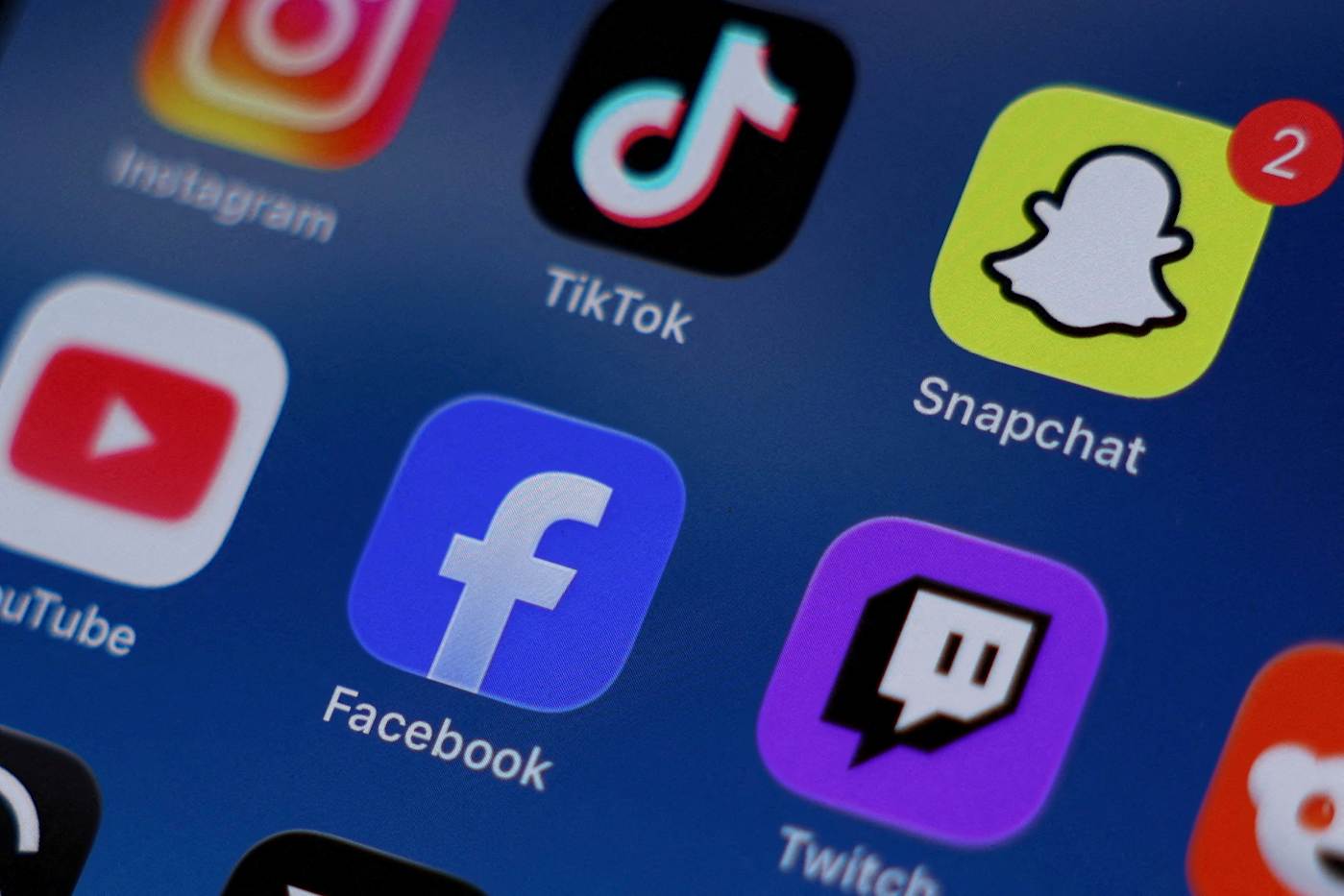
FILE PHOTO: Instagram, TikTok, Snapchat, YouTube, Facebook, Twitch and Reddit applications are displayed on a mobile phone ahead of new law banning social media for users under 16 in Australia, in this picture illustration taken on December 9, 2025. REUTERS/Hollie Adams/Illustration//File Photo
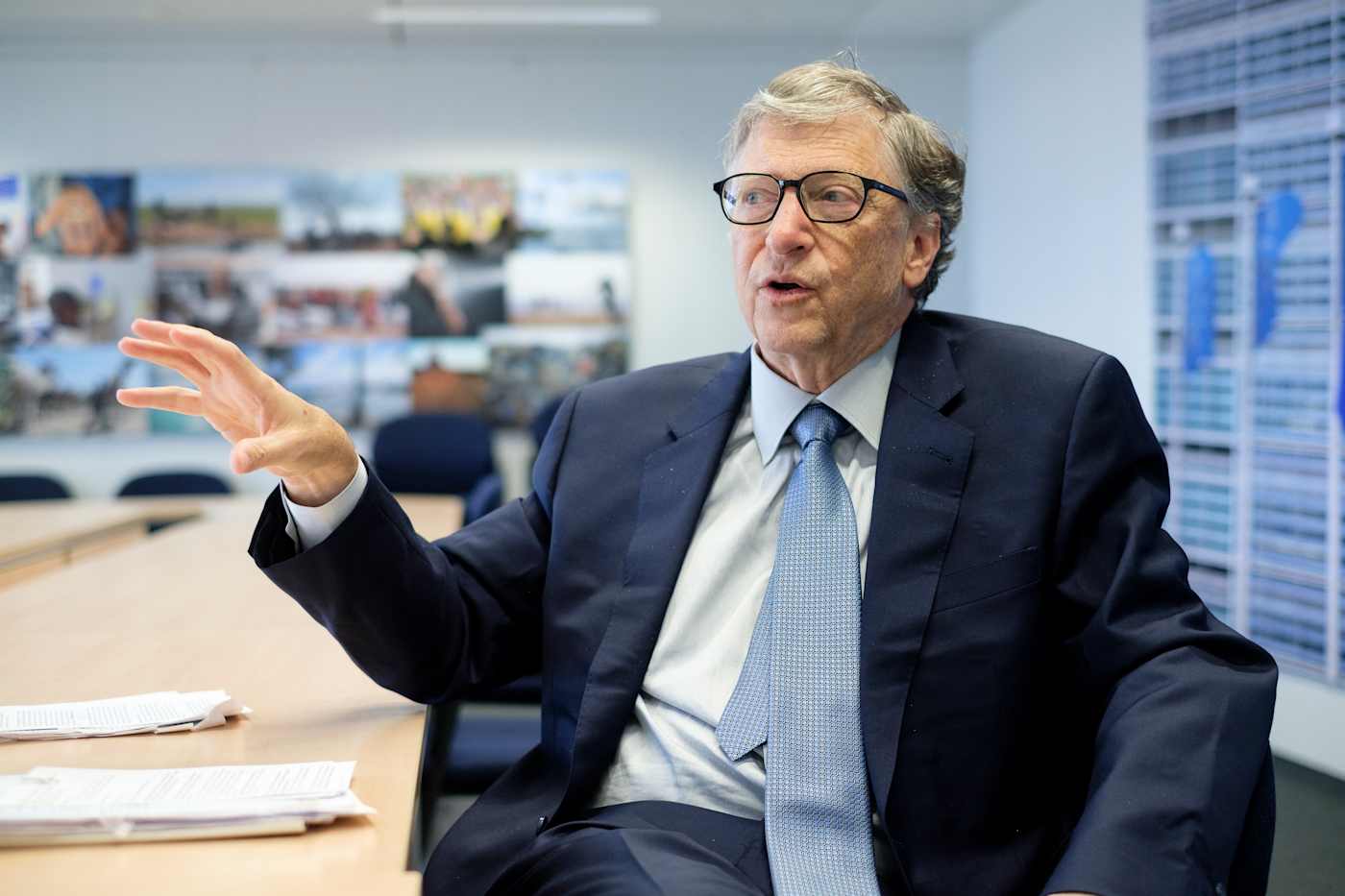
The Nuclear Regulatory Commission has granted approval to TerraPower to begin construction of a reactor in Wyoming. The project is the first new US commercial nuclear reactor in about a decade, according to The New York Times. TerraPower was founded by Bill Gates, and it took years for the business to receive regulatory approval for this construction effort.
TerraPower is part of a push to create more efficient and less expensive nuclear facilities as an alternative power source, particularly as AI companies and data center construction places more demands on the US' current infrastructure. TerraPower's project involves tech it has dubbed Natrium in its planned reactor. Using this liquid sodium approach rather than a traditional light-water reactor is part of how the company aims to reduce costs and time frames.
Advocates see nuclear reactors as a way to generate power without the climate impact of coal or gas plants. Critics point to the safety risks as a severe downside to this approach, while others question whether the creation and disposal of nuclear waste counter the environmental gains. The Gates-backed operation still isn't coming in cheap. The proposed facility could cost at least $4 billion and still faces logistical challenges before coming online as planned in 2031.
This article originally appeared on Engadget at https://www.engadget.com/big-tech/bill-gates-backed-terrapower-begins-nuclear-reactor-construction-221132639.html?src=rss
OpenAI’s Sam Altman said the company will amend its deal with the Defense Department (or the Department of War) to explicitly prohibit the use of its AI system on mass surveillance against Americans. Altman has published an internal memo previously sent to employees on X, telling them that the company will tweak the agreement to add language to make that point especially clear. Specifically, it says:
“Consistent with applicable laws, including the Fourth Amendment to the United States Constitution, National Security Act of 1947, FISA Act of 1978, the AI system shall not be intentionally used for domestic surveillance of U.S. persons and nationals.
For the avoidance of doubt, the Department understands this limitation to prohibit deliberate tracking, surveillance, or monitoring of U.S. persons or nationals, including through the procurement or use of commercially acquired personal or identifiable information.”
Altman has also claimed in the memo that the agency affirmed that its services will not be used by its intelligence agencies, including the NSA, without a modification to their contract. He added that if he received what he believed was an unconstitutional order, he would rather go to jail than follow it.
In addition, the OpenAI CEO has admitted in the memo that the company shouldn’t have rushed to get the deal out on Friday, February 27, since the issues were “super complex and demand clear communication.” Altman explained that the company was “trying to de-escalate things and avoid a much worse outcome” but it “looked opportunistic” in the end. If you’ll recall, OpenAI announced the partnership shortly after President Trump ordered all US government agencies to stop using Claude and any other Anthropic services. To note, Anthropic started working with the US government in 2024.
The Defense Department and Secretary Pete Hegseth had been pressuring Anthropic with to remove its AI’s guardrails so that it can be used for all “lawful” purposes. Those include mass surveillance and the development of fully autonomous weapons. Anthropic refused to bow down to Hegseth’s demands and in a statement said that “no amount of intimidation or punishment” will change its “position on mass domestic surveillance or fully autonomous weapons.” Trump issued the order as a result. The Defense Department had also taken the first steps to designate Anthropic as a “supply chain risk,” which is typically reserved for Chinese companies believed to be working with their country’s government.
Altman said that in his conversations with US officials, he reiterated that Anthropic shouldn’t be designated as a supply chain risk and that he hoped the Defense Department would offer it the same deal OpenAI agreed to. In an AMA session on X over the weekend, Altman clarified that he didn’t know the details of Anthropic’s agreement and how it differed from the one OpenAI signed. But if it had been the same, he thought Anthropic should have agreed to it.
After the news broke out about OpenAI’s deal, Anthropic climbed its way to the number one spot of the App Store's Top Free Apps leaderboard, beating out both ChatGPT and Google Gemini. Anthropic, capitalizing on Claude’s sudden popularity, launched a memory import tool to make switching to its chatbot from another company’s easier. Meanwhile, uninstalls for ChatGPT’s jumped by 295 percent day-over-day, according to Sensor Tower.
Here is re-post of an internal post:
We have been working with the DoW to make some additions in our agreement to make our principles very clear.
1. We are going to amend our deal to add this language, in addition to everything else:
This article originally appeared on Engadget at https://www.engadget.com/ai/openai-will-amend-defense-department-deal-to-prevent-mass-surveillance-in-the-us-050637400.html?src=rss
In a lengthy post on Truth Social on February 27, President Trump ordered all federal agencies to "immediately cease all use of Anthropic's technology" following strong disagreements between the Department of Defense and the AI company. A few hours later, the US conducted a major air attack on Iran with the help of Anthropic's AI tools, according to a report from The Wall Street Journal.
The president noted in his post that there would be a "six-month phase-out period for agencies like the Department of War who are using Anthropic’s products," so federal agencies are still expected to eventually move away from using Claude or other Anthropic tech. It's also not the first time that the US used Anthropic's AI for a major military operation, as the WSJpreviously reported that Claude was used in the capture of the now-removed Venezuelan president Nicolás Maduro.
Moving forward, the Department of Defense may begin transitioning towards other AI options, especially after reaching deals with both xAI and OpenAI to use their models within the federal agency's network. However, the WSJ reported that it would take months to replace Anthropic's Claude with other AI models.
This article originally appeared on Engadget at https://www.engadget.com/ai/the-us-reportedly-used-anthropics-ai-for-its-attack-on-iran-just-after-banning-it-172908929.html?src=rss
OpenAI has reached an agreement with the Defense Department to deploy its models in the agency’s network, company chief Sam Altman has revealed on X. In his post, he said two of OpenAI’s most important safety principles are “prohibitions on domestic mass surveillance and human responsibility for the use of force, including for autonomous weapon systems.” Altman claimed the company put those principles in its agreement with the agency, which he called by the government’s preferred name of Department of War (DoW), and that it had agreed to honor them.
The agency has closed the deal with OpenAI, shortly after President Donald Trump ordered all government agencies to stop using Claude and any other Anthropic services. If you’ll recall, US Defense Secretary Pete Hegseth previously threatened to label Anthropic “supply chain risk” if it continues refusing to remove the guardrails on its AI, which are preventing the technology to be used for mass surveillance against Americans and in fully autonomous weapons.
It’s unclear why the government agreed to team up with OpenAI if its models also have the same guardrails, but Altman said it’s asking the government to offer the same terms to all the AI companies it works with. Jeremy Lewin, the Senior Official Under Secretary for Foreign Assistance, Humanitarian Affairs, and Religious Freedom, said on X that DoW “references certain existing legal authorities and includes certain mutually agreed upon safety mechanisms” in its contracts. Both OpenAI and xAI, which had also previously signed a deal to deploy Grok in the DoW’s classified systems, agreed to those terms. He said it was the same “compromise that Anthropic was offered, and rejected.”
Anthropic, which started working with the US government in 2024, refused to bow down to Hegseth. In its latest statement, published just hours before Altman announced OpenAI’s agreement, it repeated its stance. “No amount of intimidation or punishment from the Department of War will change our position on mass domestic surveillance or fully autonomous weapons,” Anthropic wrote. “We will challenge any supply chain risk designation in court.”
Altman added in his post on X that OpenAI will build technical safeguards to ensure the company’s models behave as they should, claiming that’s also what the DoW wanted. It’s sending engineers to work with the agency to “ensure [its models’] safety,” and it will only deploy on cloud networks. As The New York Timesnotes, OpenAI is not yet on Amazon cloud, which the government uses. But that could change soon, as company has also just announced forming a partnership with Amazon to run its models on Amazon Web Services (AWS) for enterprise customers.
Tonight, we reached an agreement with the Department of War to deploy our models in their classified network.
In all of our interactions, the DoW displayed a deep respect for safety and a desire to partner to achieve the best possible outcome.
This article originally appeared on Engadget at https://www.engadget.com/ai/openai-strikes-a-deal-with-the-defense-department-to-deploy-its-ai-models-054441785.html?src=rss
President Donald Trump has ordered all US government agencies to stop using Claude and other Anthropic services, escalating an already volatile feud between the Department of Defense and company over AI safeguards. Taking to Truth Social on Friday afternoon, the president said there would be a six-month phase out period for federal agencies, including the Defense Department, to migrate off of Anthropic's products.
“The Leftwing nut jobs at Anthropic have made a DISASTROUS MISTAKE trying to STRONG-ARM the Department of War, and force them to obey their Terms of Service instead of our Constitution,” the president wrote. “Anthropic better get their act together, and be helpful during this phase out period, or I will use the Full Power of the Presidency to make them comply, with major civil and criminal consequences to follow.”
Before today, US Defense Secretary Pete Hegseth had threatened to label Anthropic a “supply chain risk” if it did not agree to withdraw safeguards that insist Claude not be used for mass surveillance against Americans or in fully autonomous weapons. In a post on X published after President Trump’s statement, Hegseth said he was “directing the Department of War to designate Anthropic a Supply-Chain Risk to National Security. Effective immediately, no contractor, supplier, or partner that does business with the United States military may conduct any commercial activity with Anthropic.”
Anthropic did not immediately respond to Engadget's comment request. Earlier in the day, a spokesperson for the company said the contract Anthropic received after CEO Dario Amodei outlined Anthropic's position made “virtually no progress” on preventing the outlined misuses.
"New language framed as a compromise was paired with legalese that would allow those safeguards to be disregarded at will. Despite DOW's recent public statements, these narrow safeguards have been the crux of our negotiations for months," the spokesperson said. "We remain ready to continue talks and committed to operational continuity for the Department and America's warfighters."
Advocacy groups like the Center for Democracy and Technology (CDT) quickly came out against the president’s threats. “This action sets a dangerous precedent. It chills private companies’ ability to engage frankly with the government about appropriate uses of their technology, which is especially important in national security settings that so often have reduced public visibility,” said CDT President and CEO Alexandra Givens, in a statement shared with Engadget. “These threats undermine the integrity of the innovation ecosystem, distort market incentives and normalize an expansive view of executive power that should worry Americans all across the political spectrum.”
For now, it appears the AI industry is united behind Anthropic. On Friday, hundreds of Google and OpenAI employees signed an open letter urging their companies to stand in "solidarity" with the lab. According to an internal memo seen by Axios, OpenAI CEO Sam Altman said the ChatGPT maker would draw the same red line as Anthropic.
In a blog post published late on Friday, Anthropic vowed to “challenge any supply chain risk designation in court,” and assured its customers that only work related to the Defense Department would be affected. The company's full statement is available here, an excerpt is below:
Designating Anthropic as a supply chain risk would be an unprecedented action—one historically reserved for US adversaries, never before publicly applied to an American company. We are deeply saddened by these developments. As the first frontier AI company to deploy models in the US government’s classified networks, Anthropic has supported American warfighters since June 2024 and has every intention of continuing to do so.
We believe this designation would both be legally unsound and set a dangerous precedent for any American company that negotiates with the government.
No amount of intimidation or punishment from the Department of War will change our position on mass domestic surveillance or fully autonomous weapons. We will challenge any supply chain risk designation in court.
Update, February 27, 9PM ET: This story was updated twice after publish. First at 6PM ET to include a link to and quotes from Hegseth about the designation of Anthropic as a supply chain risk. Later, a quote from Anthropic was added, along with a link to the company’s blog post on the subject.
This article originally appeared on Engadget at https://www.engadget.com/ai/trump-orders-federal-agencies-to-drop-anthropic-services-amid-pentagon-feud-222029306.html?src=rss
Despite an ultimatum from Defense Secretary Pete Hegseth, Anthropic said that it can't "in good conscience" comply with a Pentagon edict to remove guardrails on its AI, CEO Dario Amodei wrote in a blog post. The Department of Defense had threatened to cancel a $200 million contract and label Anthropic a "supply chain risk" if it didn't agree to remove safeguards over mass surveillance and autonomous weapons.
"Our strong preference is to continue to serve the Department and our warfighters — with our two requested safeguards in place," Amodei said. "We remain ready to continue our work to support the national security of the United States."
In response, US Under Secretary of Defense Emil Michael accused Amodei in a post on X of wanting "nothing more than to try to personally control the US military and is OK putting our nation's safety at risk."
The standoff began when the Pentagon demanded that Anthropic its Claude AI product available for "all lawful purposes" — including mass surveillance and the development of fully autonomous weapons that can kill without human supervision. Anthropic refused to offer its tech for those things, even with a "safety stack" built into that model.
Yesterday, Axios reported that Hegseth gave Anthropic a deadline of 5:01 PM on Friday to agree to the Pentagon's terms. At the same time, the DoD requested an assessment of its reliance on Claude, an initial step toward potentially labelling Anthropic as a "supply chain risk" — a designation usually reserved for firms from adversaries like China and "never before applied to an American company," Anthropic wrote.
Amodei declined to change his stance and stated that if the Pentagon chose to offboard Anthropic, "we will work to enable a smooth transition to another provider, avoiding any disruption to ongoing military planning, operations or other critical missions." Grok is one of the other providers the DoD is reportedly considering, along with Google's Gemini and OpenAI.
It may not be that simple for the military to disentangle itself from Claude, however. Up until now, Anthropic's model has been the only one allowed for the military's most sensitive tasks in intelligence, weapons development and battlefield operations. Claude was reportedly used in the Venezuelan raid in which the US military exfiltrated the country's president, Nicolás Maduro, and his wife.
AI companies have been widely criticized for potential harm to users, but mass surveillance and weapons development would clearly take that to a new level. Anthropic's potential reply to the Pentagon was seen as a test of its claim to be the most safety-forward AI company, particularly after dropping its flagship safety pledge a few days ago. Now that Amodei has responded, the focus will shift to the Pentagon to see if it follows through on its threats, which could seriously harm Anthropic.
This article originally appeared on Engadget at https://www.engadget.com/ai/anthropic-refuses-to-bow-to-pentagon-despite-hegseths-threats-085553126.html?src=rss
The Anthropic AI logo is displayed on a mobile phone screen in this photo illustration in Brussels, Belgium, on February 24, 2026. (Photo by Jonathan Raa/NurPhoto via Getty Images)
Canadian officials summoned leaders from OpenAI to Ottawa this week to address safety concerns about ChatGPT. The crux of the government concerns was that OpenAI did not notify authorities when it banned the account of a user who allegedly committed a mass shooting in British Columbia earlier this month.
"The message that we delivered, in no uncertain terms, was that we have an expectation that there are going to be changes implemented, and if they're not forthcoming very quickly, the government is going to be making changes," Justice Minister Sean Fraser said of the company and its AI chatbot. It's unclear what those government-led changes or rules might be. There have been two previous, unsuccessful attempts to pass an online harms act in Canada.
A recent report by The Wall Street Journal claimed that in 2025, some OpenAI employees flagged the account of the alleged shooter, Jesse Van Rootselaar, as containing potential warnings of committing real-world violence and called for leadership to notify law enforcement. Although Van Rootselaar's account was banned for policy violations, a company rep said that the account activity did not meet OpenAI's criteria for engaging the local police.
“Those reports were deeply disturbing, reports saying that OpenAI did not contact law enforcement in a timely manner," said Canadian Artificial Intelligence Minister Evan Solomon ahead of the discussion with company leaders. "We will have a sit-down meeting to have an explanation of their safety protocols and when they escalate and their thresholds of escalation to police, so we have a better understanding of what’s happening and what they do."
OpenAI has been implicated in mulitple wrongful death suits. The company's ChatGPT was accused of encouraging "paranoid beliefs" before a man killed his mother and himself in a December 2025 lawsuit. It is also at the center of one of several wrongful death lawsuits against the makers of AI chatbots for helping teenagers plan and commit suicides.
This article originally appeared on Engadget at https://www.engadget.com/ai/canadian-government-demands-safety-changes-from-openai-204924604.html?src=rss
Two stories about the Claude maker Anthropic broke on Tuesday that, when combined, arguably paint a chilling picture. First, US Defense Secretary Pete Hegseth is reportedly pressuring Anthropic to yield its AI safeguards and give the military unrestrained access to its Claude AI chatbot. The company then chose the same day that the Hegseth news broke to drop its centerpiece safety pledge.
On Tuesday, Anthropic said it was modifying its Responsible Scaling Policy (RSP) to lower safety guardrails. Up until now, the company's core pledge has been to stop training new AI models unless specific safety guidelines can be guaranteed in advance. This policy, which set hard tripwires to halt development, was a big part of Anthropic's pitch to businesses and consumers.
“Two and a half years later, our honest assessment is that some parts of this theory of change have played out as we hoped, but others have not,” Anthropic wrote. Now, its updated policy approaches safety relatively, rather than with strict red lines.
Anthropic's quotes in an interview with Time sound reasonable enough in a vacuum. "We felt that it wouldn't actually help anyone for us to stop training AI models," Jared Kaplan, Anthropic's chief science officer, told Time. "We didn't really feel, with the rapid advance of AI, that it made sense for us to make unilateral commitments… if competitors are blazing ahead."
Anthropic CEO Dario Amodei (Photo by David Dee Delgado/Getty Images for The New York Times)
David Dee Delgado via Getty Images
But you could also read those quotes as the latest example of a hot startup’s ethics becoming grayer as its valuation rises. (Remember Google’s old “Don’t be evil” mantra that it later removed from its code of conduct?) The latest versions of Claude have drawn widespread praise, especially in coding. In February, Anthropic raised $30 billion in new investments. It now has a valuation of $380 billion. (Speaking of the competition Kaplan referred to, rival OpenAI is currently valued at over $850 billion.)
In place of Anthropic's previous tripwires, it will implement new "Risk Reports" and "Frontier Safety Roadmaps." These disclosure models are designed to provide transparency to the public in place of those hard lines in the sand.
Anthropic says the change was motivated by a "collective action problem" stemming from the competitive AI landscape and the US's anti-regulatory approach. "If one AI developer paused development to implement safety measures while others moved forward training and deploying AI systems without strong mitigations, that could result in a world that is less safe," the new RSP reads. "The developers with the weakest protections would set the pace, and responsible developers would lose their ability to do safety research and advance the public benefit."
Defense Secretary Pete Hegseth (Photo by AAron Ontiveroz/The Denver Post)
AAron Ontiveroz via Getty Images
Neither Anthropic's announcement nor the Time exclusive mentions the elephant in the room: the Pentagon's pressure campaign. On Tuesday, Axiosreported that Hegseth told Anthropic CEO Dario Amodei that the company has until Friday to give the military unfettered access to its AI model or face penalties. The company has reportedly offered to adopt its usage policies for the Pentagon. However, it wouldn't allow its model to be used for the mass surveillance of Americans or weapons that fire without human involvement.
If Anthropic doesn't relent, experts say its best bet would be legal action. But will the Pentagon's proposed penalties be enough to scare a profit-driven startup into compliance? Hegseths' threats reportedly include invoking the Defense Production Act, which gives the president authority to direct private companies prioritize certain contracts in the name of national defense. The military could also sever its contract with Anthropic and designate it as a supply chain risk. That would force other companies working with the Pentagon to certify that Claude isn't included in their workflows.
Claude is the only AI model currently used for the military's most sensitive work. "The only reason we're still talking to these people is we need them and we need them now,” a defense official told Axios. “The problem for these guys is they are that good." Claude was reportedly used in the Maduro raid in Venezuela, a topic Amodei is said to have raised with its partner Palantir.
Time's story about the new RSP included reactions from a nonprofit director focused on AI risks. Chris Painter, director of METR, described the changes as both understandable and perhaps an ill omen. "I like the emphasis on transparent risk reporting and publicly verifiable safety roadmaps," he said. However, he also raised concerns that the more flexible RSP could lead to a "frog-boiling" effect. In other words, when safety becomes a gray area, a seemingly never-ending series of rationalizations could take the company down the very dark path it once condemned.
Painter said the new RSP shows that Anthropic "believes it needs to shift into triage mode with its safety plans, because methods to assess and mitigate risk are not keeping up with the pace of capabilities. This is more evidence that society is not prepared for the potential catastrophic risks posed by AI."
This article originally appeared on Engadget at https://www.engadget.com/ai/anthropic-weakens-its-safety-pledge-in-the-wake-of-the-pentagons-pressure-campaign-183436413.html?src=rss
Defense Secretary Pete Hegseth will reportedly give Anthropic until Friday to drop certain guardrails for military use, as reported by Axios. The outlet also reported that CEO Dario Amodei met with Hegseth yesterday as the Pentagon ratcheted up pressure on the AI company to give in to its demands.
The makers of Claude have reportedly been offered an ultimatum: Either yield to the government's demands to remove limits for certain military applications, or potentially be forced to tailor its AI model to the government's needs under the Defense Production Act.
Anthropic, for its part, has said that while it was willing to adopt certain policies for the Pentagon, it would not allow its model to be used for mass surveillance of Americans or for the development of autonomous weapons.
Claude is currently the only AI model employed in some of the government's most sensitive work. "The only reason we're still talking to these people is we need them and we need them now. The problem for these guys is they are that good," a defense official told Axios.
The Pentagon is reportedly ramping up conversations with OpenAI and Google about using their models for classified work. ChatGPT and Gemini are already approved for unclassified government use. Elon Musk's xAI also recently signed with the DoD to use Grok in classified systems.
This article originally appeared on Engadget at https://www.engadget.com/ai/the-pentagon-has-reportedly-given-anthropic-until-friday-to-let-it-use-claude-as-it-sees-fit-203549467.html?src=rss
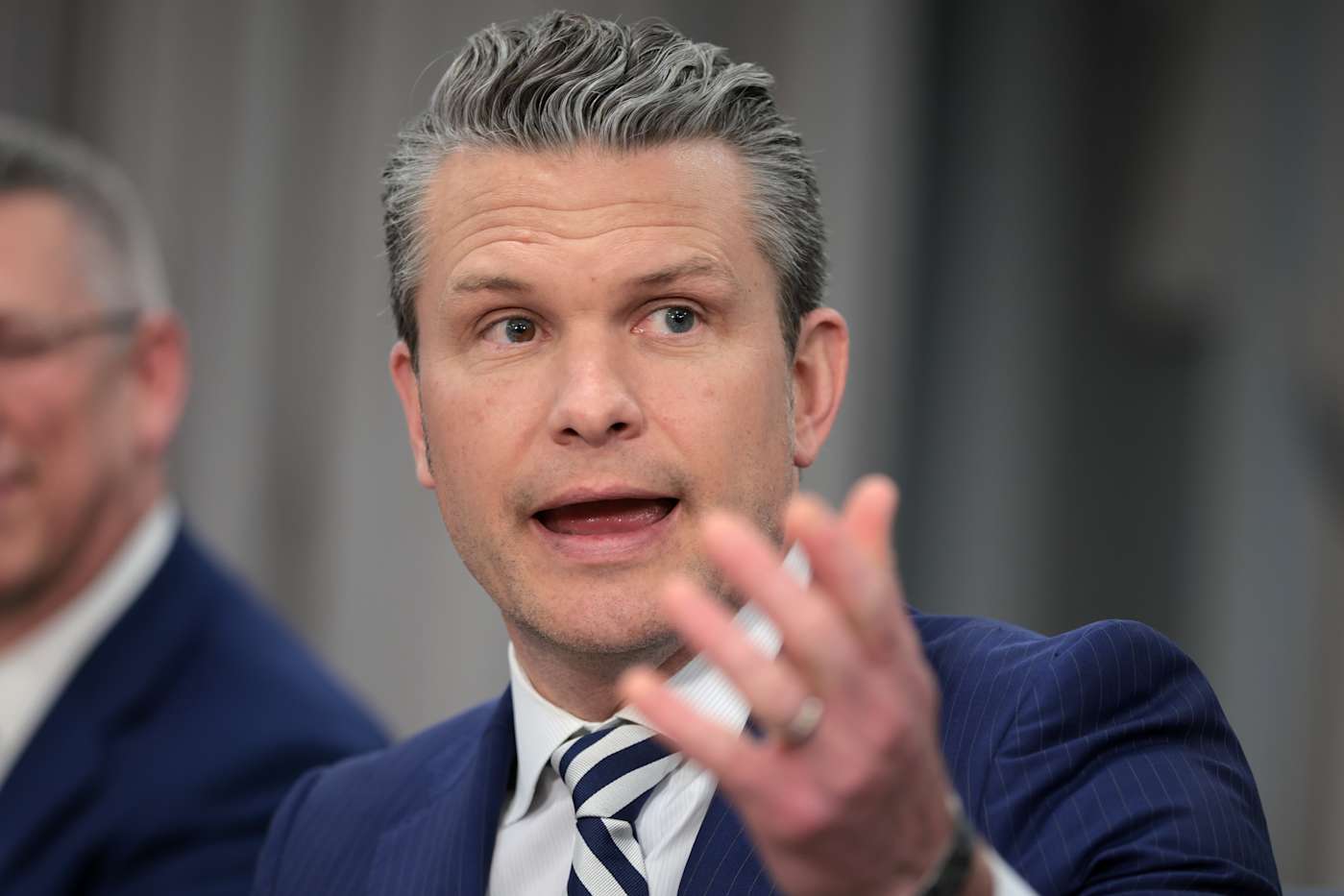
ARLINGTON, VIRGINIA - APRIL 16: U.S. Secretary of Defense Pete Hegseth speaks during a meeting with El Salvador Minister of National Defense René Merino Monroy at the Pentagon on April 16, 2025 in Arlington, Virginia. The meeting comes following the illegal deportation by the Trump administration of Kilmar Armando Abrego Garcia, a Maryland man who has been held in prison in El Salvador since March 15. (Photo by Kayla Bartkowski/Getty Images)
Netflix, Disney+, Amazon's Prime Video and other major video on-demand (VOD) streaming services are set to face stricter regulation in the UK. Platforms with a monthly average of more than 500,000 UK viewers will be deemed “Tier 1" services that are subject to similar oversight as broadcasters like the BBC and ITV under the eye of media watchdog Ofcom.
Streaming services run by public broadcasters like ITVX and Channel 4 will have to abide by the new rules as well. BBC services such as iPlayer are exempt for now as they’re regulated under the Broadcasting Code, which broadcasters have to adhere to. That said, the UK government plans to update the BBC Framework Agreement so that iPlayer is regulated in the same way as Netflix et al.
The government said the new rules will reflect changes in how people are watching TV. It claimed that 85 percent of people use an on-demand service every month while 67 percent watch live TV. It added that two-thirds of UK households subscribe to at least one of Netflix, Prime Video and Disney.
According to Variety, the rules will not apply to video-sharing platforms such as YouTube, since those are regulated under the Online Safety Act. However, individual channels on such platforms could be subject to the VOD standards code.
Tier 1 platforms will have to adhere to regulations regarding accuracy and impartiality, while ensuring they shield audiences from “harmful or offensive" material. Ofcom will be able to accept viewer complaints over apparent breaches of such rules and carry out investigations. The watchdog will then be able to take action if it determines that there's been a breach of the VOD standards code. That includes fines of up to £250,000 ($337,000) or five percent of "qualifying revenue" per breach.
A public consultation will help shape the VOD standards code. The public and streaming services will have the chance to weigh in on what the rules should be. The standards code will then come into force a year after Ofcom publishes it. The government says "more than 20" platforms will be subject to the code as things stand.
Separately, a VOD accessibility code will be established to bring streaming services further into line with broadcasters. Tier 1 streaming platforms will have to ensure that at least 80 percent of their total catalogues are subtitled, 10 percent have audio descriptions and five percent is signed. They'll have four years to meet the requirements of the accessibility code.
"With UK audiences increasingly favoring on-demand platforms over live TV, we want to ensure that no one is left behind, and that everyone can enjoy the huge range of content available on video-on-demand services," Media Minister Ian Murray said in a statement. "Implementing a new Ofcom-regulated accessibility code for our largest video-on-demand services will give people with disabilities impacting their sight or hearing peace of mind that they’ll be able to stream all their favorite films and TV shows long into the future."
The UK government is implementing these rules for streaming services under the Media Act 2024. Currently, platforms including Prime Video, Disney+, Paramount+, Discovery+, Hayu and ITVX are subject to statutory rules that Ofcom enforces. However, the watchdog has no oversight of Netflix as things stand. That platform's European base is in the Netherlands. As such, the Dutch media regulator oversees Netflix instead.
This article originally appeared on Engadget at https://www.engadget.com/entertainment/streaming/netflix-disney-and-other-major-streaming-services-face-stricter-uk-oversight-160121268.html?src=rss
The US State Department is building a web portal, where Europeans and anyone else can see online content banned by their governments, according to Reuters. It was supposed to be launched at Munich Security Conference last month, but some state department officials reportedly voiced their concerns about the project. The portal will be hosted on freedom.gov, which currently just shows the image above. “Freedom is Coming,” the homepage reads. “Information is power. Reclaim your human right to free expression. Get Ready.”
Reuters says officials discussed making a virtual private network function available on the portal and making visitors’ traffic appear as if they were from the US, so they could see anything unavailable to them. While it’s a state department project, The Guardian has traced the domain to the Cybersecurity and Infrastructure Security Agency (CISA), which is a component of the US Department of Homeland Security. Homeland also serves as the administrator for the Immigration and Customs Enforcement (ICE).
The project could drive the wedge further between the US and its European allies. European authorities don’t usually order broad censorships preventing their citizens from being able to access large parts of the internet. Typically, they only order the blocking of hate speech, terrorist propaganda, disinformation and anything illegal under the EU’s Digital Services Act or the UK’s Online Safety Act.
“If the Trump administration is alleging that they’re gonna be bypassing content bans, what they’re gonna be helping users access in Europe is essentially hate speech, pornography, and child sexual abuse material,” Nina Jankowicz, who served as the executive director of Homeland Security’s Disinformation Governance Board, told The Guardian. The board was very short-lived and was disbanded a few months after it was formed, following complaints by Republican lawmakers that it would impinge on people’s rights to free speech.
When asked about the project, the state department said it didn’t have a program specifically meant to circumvent censorship in Europe. But the spokesperson said: “Digital freedom is a priority for the State Department, however, and that includes the proliferation of privacy and censorship-circumvention technologies like VPNs."
This article originally appeared on Engadget at https://www.engadget.com/big-tech/us-website-freedomgov-will-allow-europeans-to-view-hate-speech-and-other-blocked-content-130000014.html?src=rss
A decision to ban Telegram on home soil may have backfired on the Kremlin. Last week, Russia went on a blocking spree, banning a number of Western apps in an effort to push domestic users towards Max, an unencrypted state-owned app. One of the restricted apps was WhatsApp (which was also blocked) rival Telegram, a move that drew rare internal criticism from soldiers and pro-war bloggers, with the army being heavily reliant on the cloud-based messaging service for communications.
As reported by Bloomberg, pro-Russian military channels are now complaining that the sudden Telegram blackout — coupled with Elon Musk cutting Russia’s access to Starlink earlier this month — is now actively harming frontline operations. As well as being the messaging app of choice for millions of Russian civilians, soldiers also use Telegram to liaise directly on the battlefield. The government said last week that it was banning Telegram for violating national law, and that the decision was for the "protection of Russian citizens."
Bloomberg was told by senior European diplomats that the double blow of Telegram’s sudden unavailability and SpaceX moving to block Russia’s use of "unauthorized” Starlink terminals in Ukraine earlier this month has had a significant impact on Russian comms. Starlink’s satellite coverage is particularly important for coordinating the Russian military’s drone strikes, the frequency of which has seemingly been disrupted in recent weeks, giving Ukrainian forces an advantage.
Whether these developments will have a longer term effect on the tide of the conflict remains to be seen, but a Ukrainian drone operator who calls himself Giovanni has told the BBC that the Russian army has lost "their ability to control the field" in the wake of the Starlink outage. "I think they lost 50% of their capacity for offence," he said. "That's what the numbers show. Fewer assaults, fewer enemy drones, fewer everything."
This article originally appeared on Engadget at https://www.engadget.com/social-media/russias-recent-blocking-of-telegram-is-reportedly-disrupting-its-military-operations-in-ukraine-135250159.html?src=rss
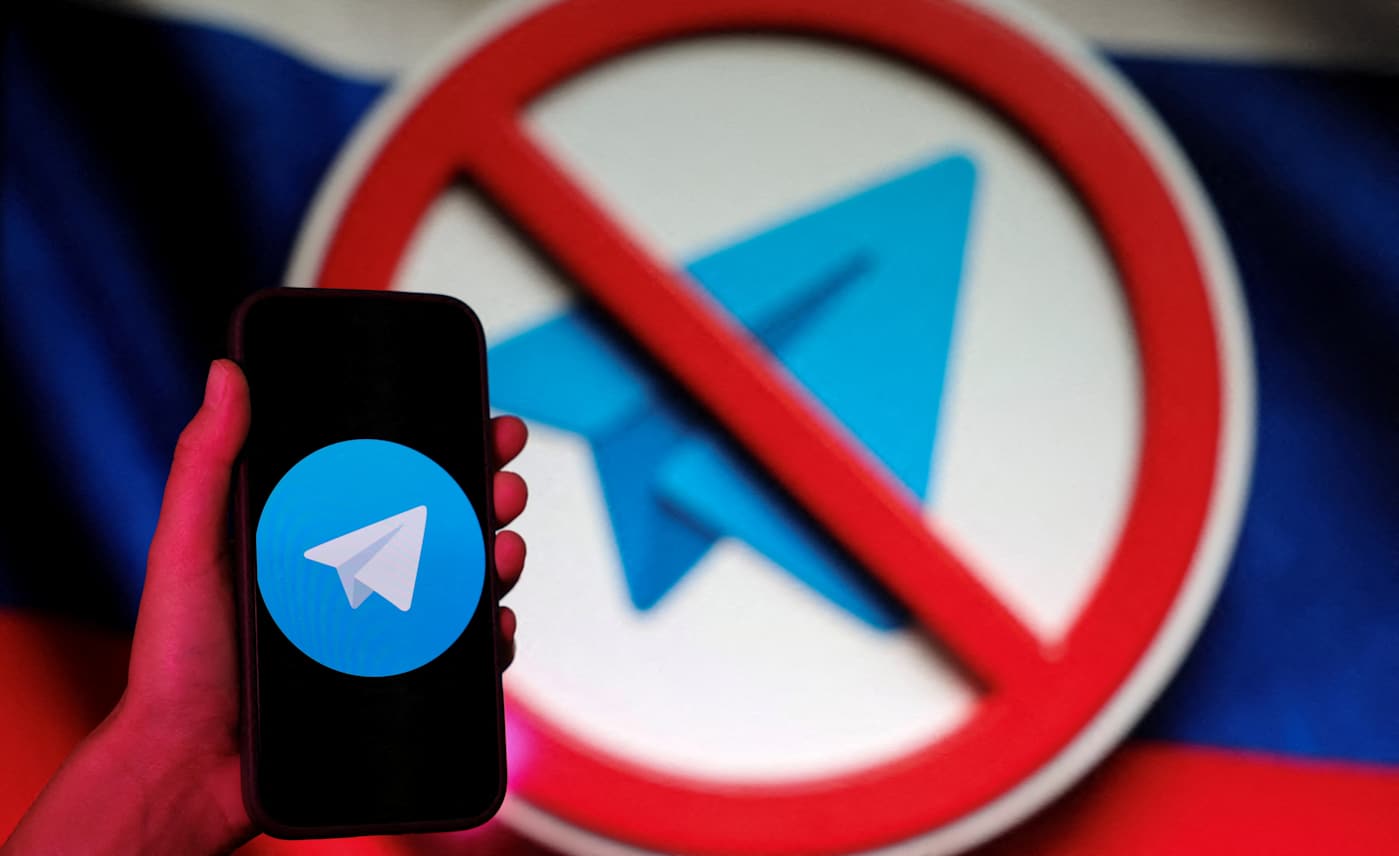
FILE PHOTO: A person poses for a photo while holding a smartphone next to a screen showing the crossed logo of Telegram messaging app against the backdrop of the Russian state flag, in this illustration taken February 12, 2026. REUTERS/Ramil Sitdikov/Illustration/File Photo
Nevada is taking action against the rapidly growing Wild West of prediction markets. The state's gambling regulators and attorney general sued Kalshi on Tuesday. They accuse the company of bypassing Nevada law by operating a sports gambling market without proper licenses. In addition, they say Kalshi provides services to individuals under 21, which violates state law.
The lawsuit follows a federal appeals court’s rejection of Kalshi's request to prevent the state from pursuing legal action. And it comes a day after the Trump administration claimed that only the federal government has the right to enforce the industry.
Prediction markets, which allow users to bet on events such as sports, political outcomes and wars, have exploded in popularity. Business Insiderreports that Kalshi did 27 times as much business during this year's Super Bowl as last year's. Some of that growth has been at the expense of regulated gambling; Nevada's gambling operations did less business during this year's game.
"Kalshi has continued to dramatically expand its business, rather than attempting to maintain any kind of status quo," Nevada regulators wrote in a letter this month.
Kalshi and rival Polymarket insist that their businesses are "event contracts" and should be regulated as financial investments rather than gambling. The Trump administration, rife with conflicts of interest in this area, agrees. The Chair of the Commodity Futures Trading Commission (CFTC) filed an amicus brief on Tuesday, claiming that it alone has the authority to enforce the prediction market.
"The CFTC will no longer sit idly by while overzealous state governments undermine the agency's exclusive jurisdiction over these markets by seeking to establish statewide prohibitions on these exciting products," CFTC Chair Michael Selig wrote in a Wall Street Journal op-ed.
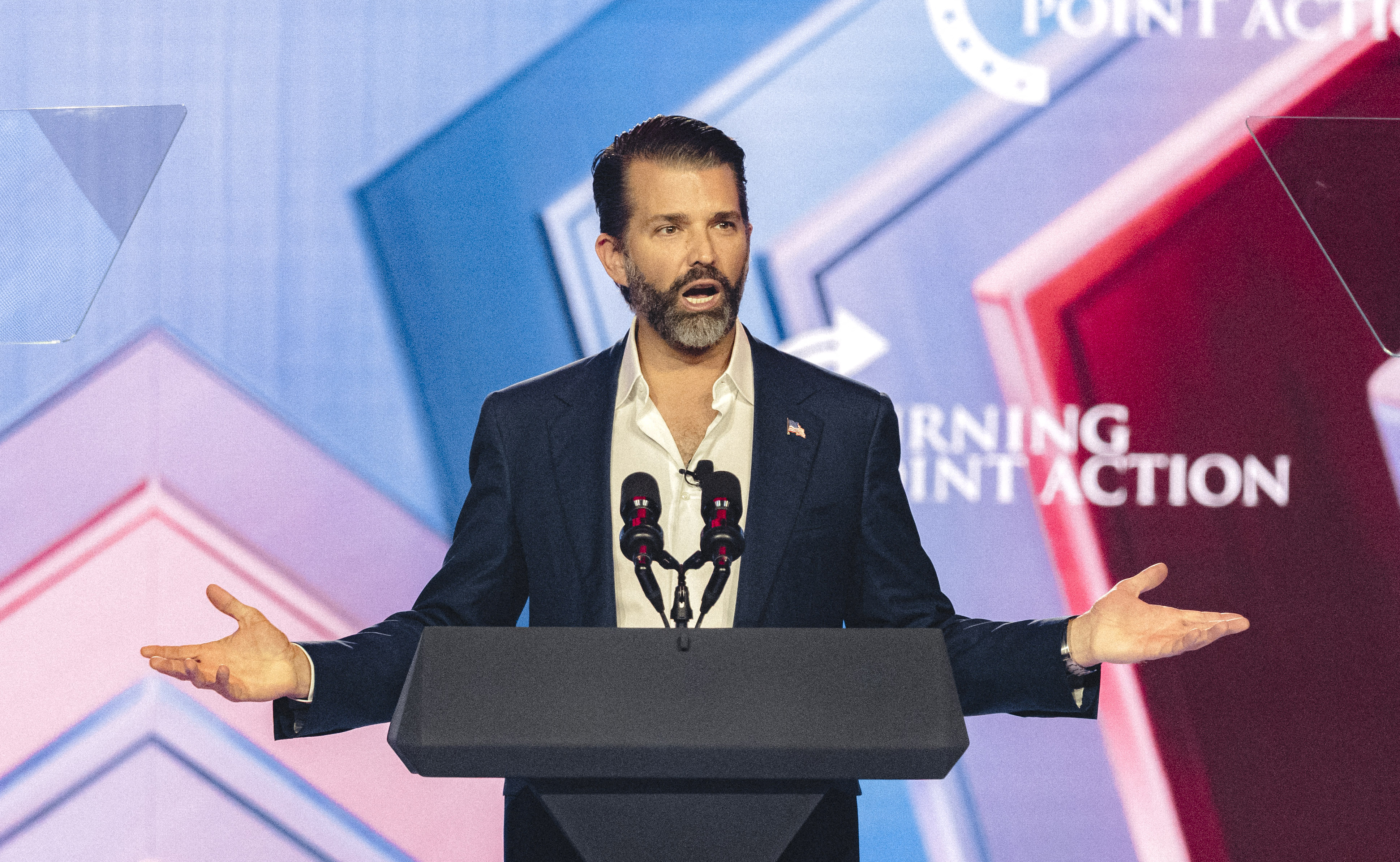
Donald Trump Jr. (Photo by Olivier Touron / AFP via Getty Images)
OLIVIER TOURON via Getty Images
Not coincidentally, prediction markets are a growing part of the Trump family business. Donald Trump Jr. is a paid adviser to Kalshi. He's also an investor in and unpaid adviser to Polymarket. In January, his family's social media business said it would launch its own prediction market platform.
Prediction markets have the potential to be a hotbed of insider trading. According to blockchain analyst DeFi Oasis, fewer than 0.04 percent of Polymarket accounts have captured over 70 percent of the platform's total profits, totaling over $3.7 billion.
Last month, The Guardianhighlighted the case of a Polymarket user who bet tens of thousands of dollars on "yes" to the question, "Israel's military action against Iran by Friday?" Within 24 hours, Israel bombed Iran, leaving hundreds dead. The user made $128,000 on that bet. The Guardian traced the blockchain data to a wallet associated with an X account. Its location on the social platform was set to Beit Ha'shita, a northern Israeli settlement. The user later transferred their bets to two other accounts, apparently to avoid detection. In January, the accounts held 10 live bets on Israeli military strategy.
Another anonymous user made over $400,000 by betting that Nicolás Maduro would be ousted by the end of January. The bets were placed in the hours and days leading up to the US strikes on Venezuela. In another case, eight jointly owned accounts collectively generated over $161,000 by betting on the country's María Corina Machado Parisca winning the Nobel Peace Prize. The accounts' handles used names such as "fmaduro," "madurowilllose," "striketheboats" and "trumpdeservesit".
This article originally appeared on Engadget at https://www.engadget.com/big-tech/nevada-sues-kalshi-for-operating-a-sports-gambling-market-without-a-license-175721982.html?src=rss

 Anmelden