❌

Normale Ansicht

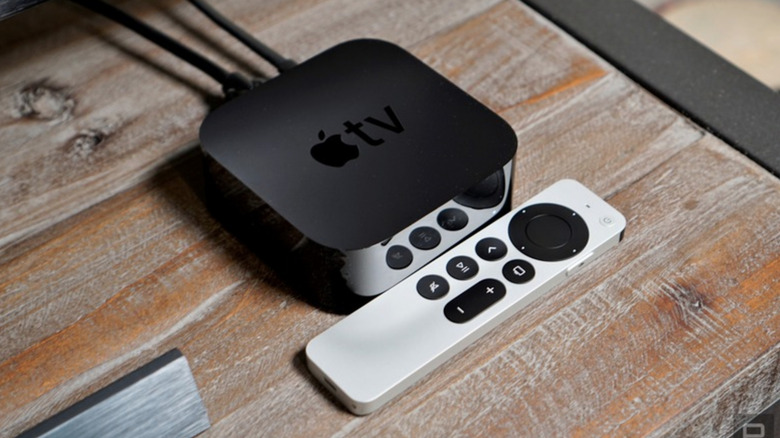
Apple TV bleibt ein Hobby

14. Oktober 2026 um 22:42
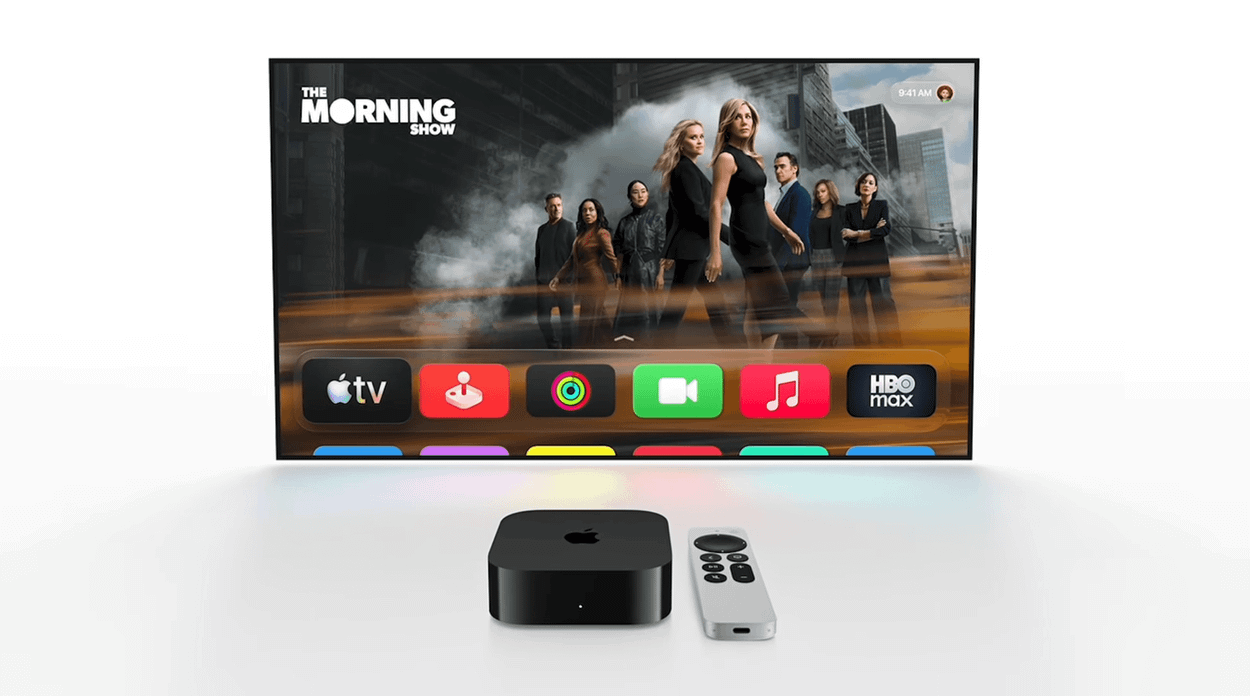
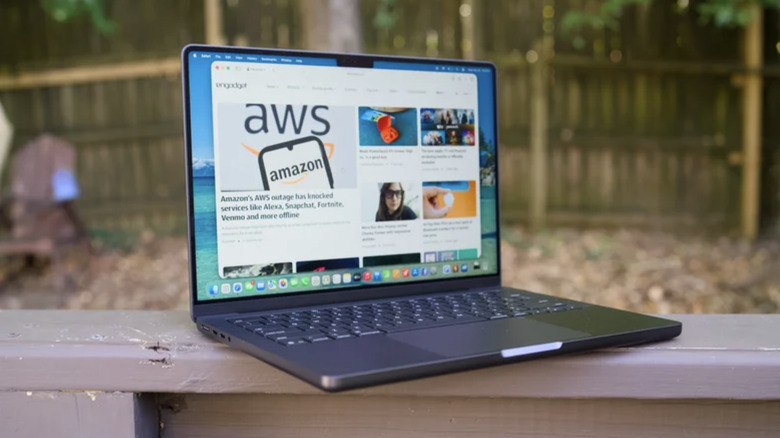
A flat-screen television displaying the show 'The Morning Show' with a row of app icons including Apple TV, a red joystick icon, activity rings, video call, music, and HBO Max at the bottom. In front of the television sits a black Apple TV box and a silver remote control on a white surface.

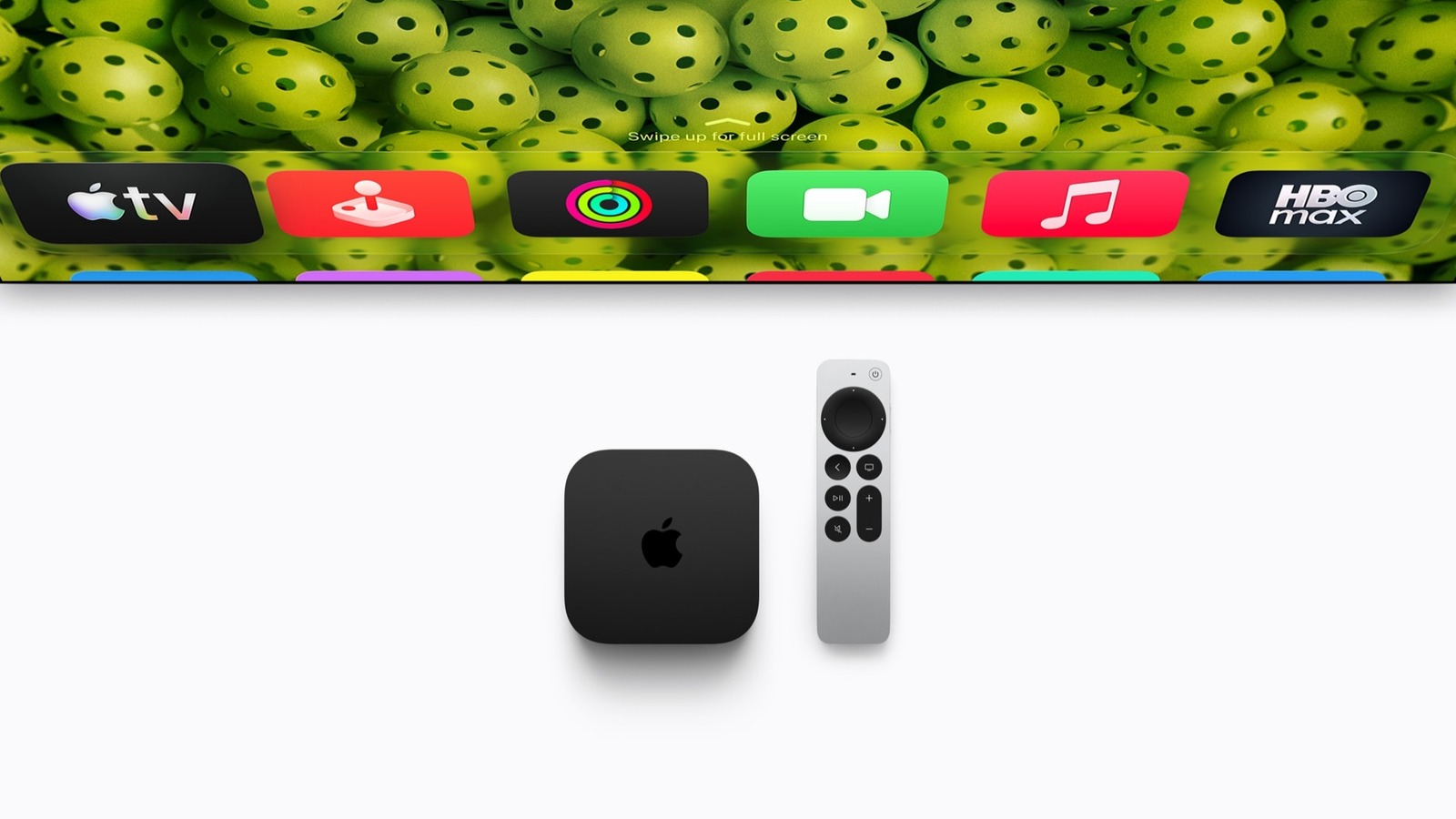
Der A19 Chip im neuen Apple TV 4K liefert eine bis zu 50 Prozent schnellere CPU Performance und eine bis zu doppelt so schnelle GPU Performance als die vorherige Generation – für eine höhere Reaktionsfähigkeit, schnellere Navigation und flüssigere Animationen. Der A19 Chip hat außerdem einen neuen, dedizierten AV1 Decoder, der effizienteres Streaming in hoher Qualität bei geringerem Bandbreitenbedarf ermöglicht.

Apple.de/Newsroom | YouTube@Apple

Der neue Preis tut natürlich besonders weh, wenn man den alten Preis kennt: Mit 170 EUR startete der 4K vor vier Jahren. SSD-Preissteigerungen und RAMp-ups sind für Apples Multimediabox (4th gen) nur Erklärungsausflüchte.

Viel gravierender: 350 EUR stecken die Kiste noch tiefer in eine Produktnische, in der selbst Kund:innen, die es gerne datenschutzfreundlicher und insgesamt netter haben, überlegen müssen.

„Andere Leute kaufen für 350 EUR einen ganzen Fernseher.“

Klar, aber dieses Publikum sprach Apples externe Set-Top-Box schon vorher nicht an.

Auch ein preiswerter „Stick“ – im Stil eines Chromecast – hätte daran wahrscheinlich nichts geändert. Die Produktkategorie der dedizierten Set-Top-Boxen hat sich selbst ein wenig überholt.

Allerdings schnürt Apple ein solches Angebot erst gar nicht. Sie probieren es nicht einmal aus. Apple TV bleibt stationär; nicht mobil und mit entsprechenden Deals auch keine ernstzunehmende Konsole.

Und was sagt eigentlich das hauseigene TV+-Streaming-Department zum Referenzgerät ohne Massenkompatibilität? Wollen sie ihre Inhalte nicht auch über mehr eigene Hardware jagen?
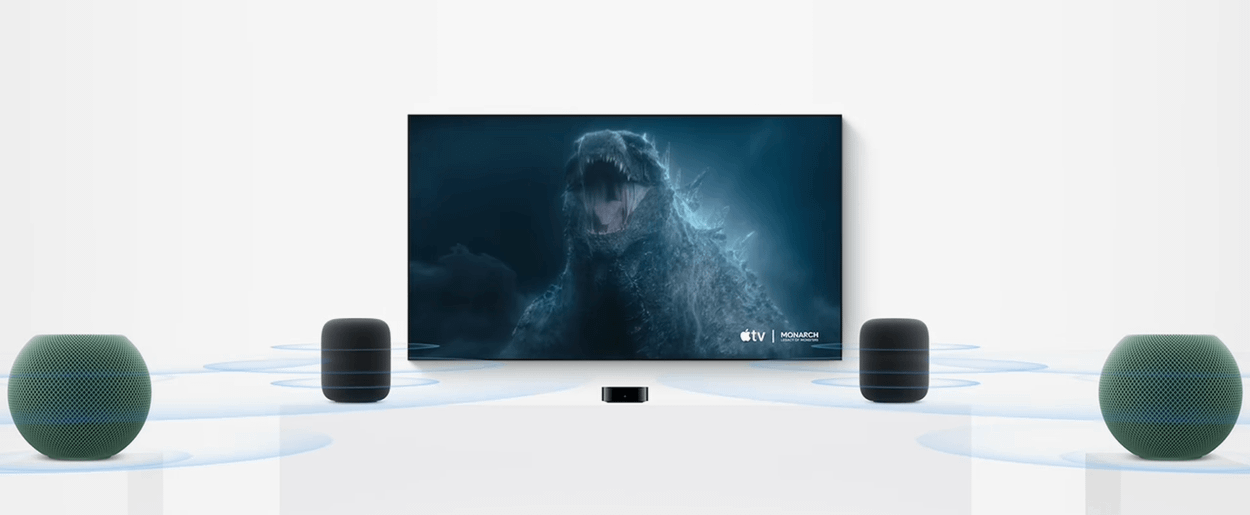
A modern flat-screen TV displaying a dark, monstrous creature with glowing blue highlights, flanked by four smart speakers emitting blue sound waves. The background is bright and minimalistic, highlighting the audio-visual setup.

Man muss schon Liebhaber sein, wenn man unbedingt nach einer besseren Fernbedienung und einem runderen Betriebssystem verlangt.

Ich will nicht auf einige Apps verzichten und kann mir den Anschaffungspreis über die Nutzungszeit der Box hinweg schönrechnen. Damit war ich zuvor die Ausnahme, bin jetzt aber die primäre Zielgruppe für den Apple TV.

Ich bleibe erstaunt, wie dünn dieses Update nach besagten vier Jahren dann doch ausfiel. Drei Fernfeldmikrofone, ein AV1-Decoder, ein paar mehr Lautsprecherkombinationen, neue Chips sowie die Möglichkeit, seine Fernbedienung leichter wiederzufinden … Siri AI soll sich auch auf älteren Boxen zeigen …

„That’s it?!“ Mehr Nische führt zu mehr „it’s a hobby“!

Ich halte Apple zugute, nur noch ein einziges 128-GByte-Modell anzubieten. Aber alles – nur ein wenig schneller – ist für eine primäre Streamingbox durchaus wenig Produkt(weiter-)entwicklung.

Ganz eigennützig wünsche ich mir von Apple eine ernste Teilnahme in einem komplett kaputten Markt, der ansonsten an meinen Bedürfnissen vorbei funktioniert. Weil ernsthaft gefragt: Was ist eine echte Alternative zum Apple TV?
  •  

Apple's All-New Home Hub Will Be Revealed October 13: What to Expect

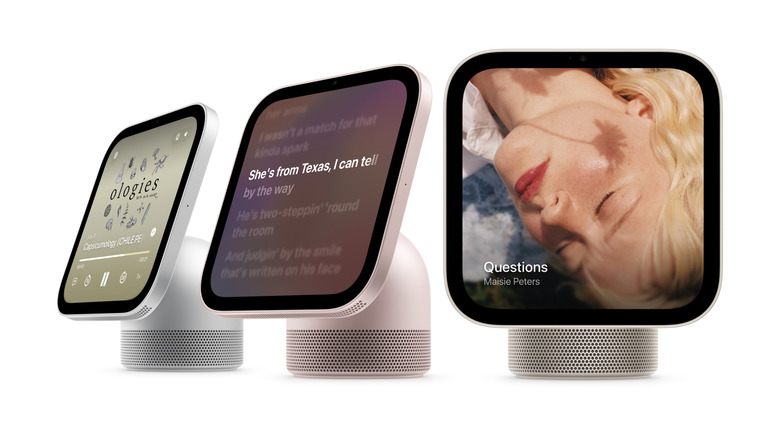
Apple reportedly plans to unveil an all-new smart home hub as part of the "Welcome home" product launch it announced for Tuesday, October 13.


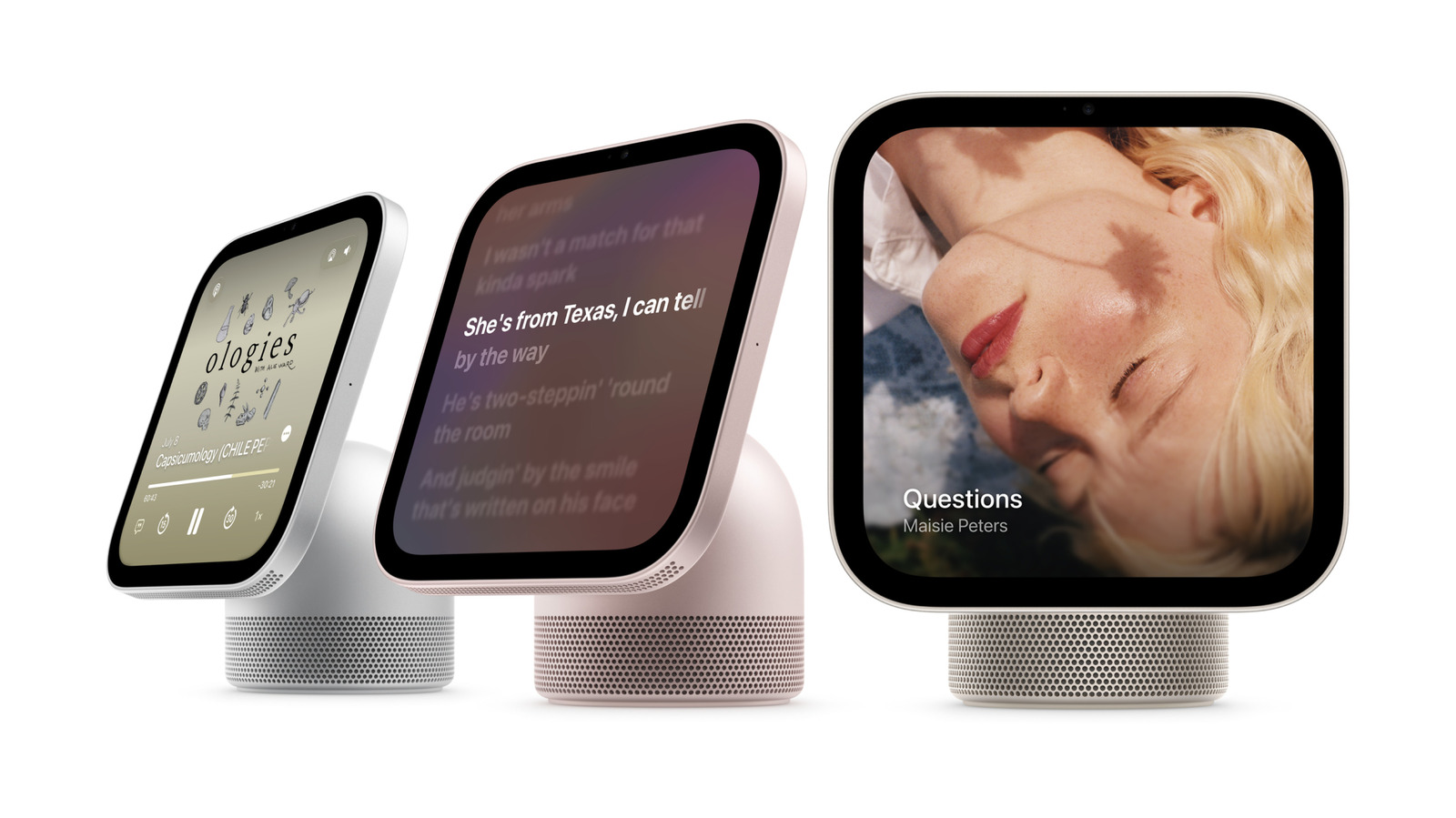
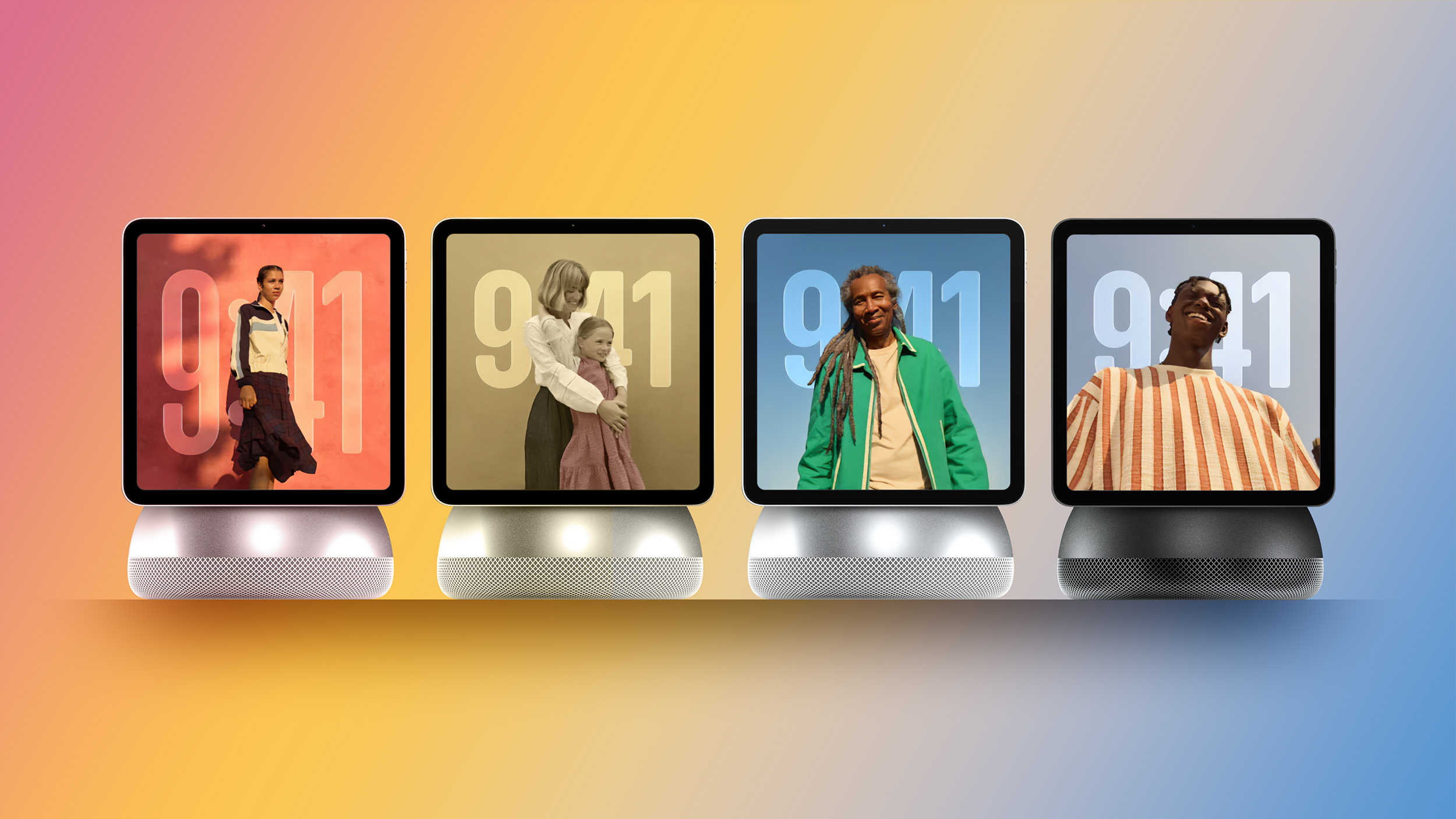
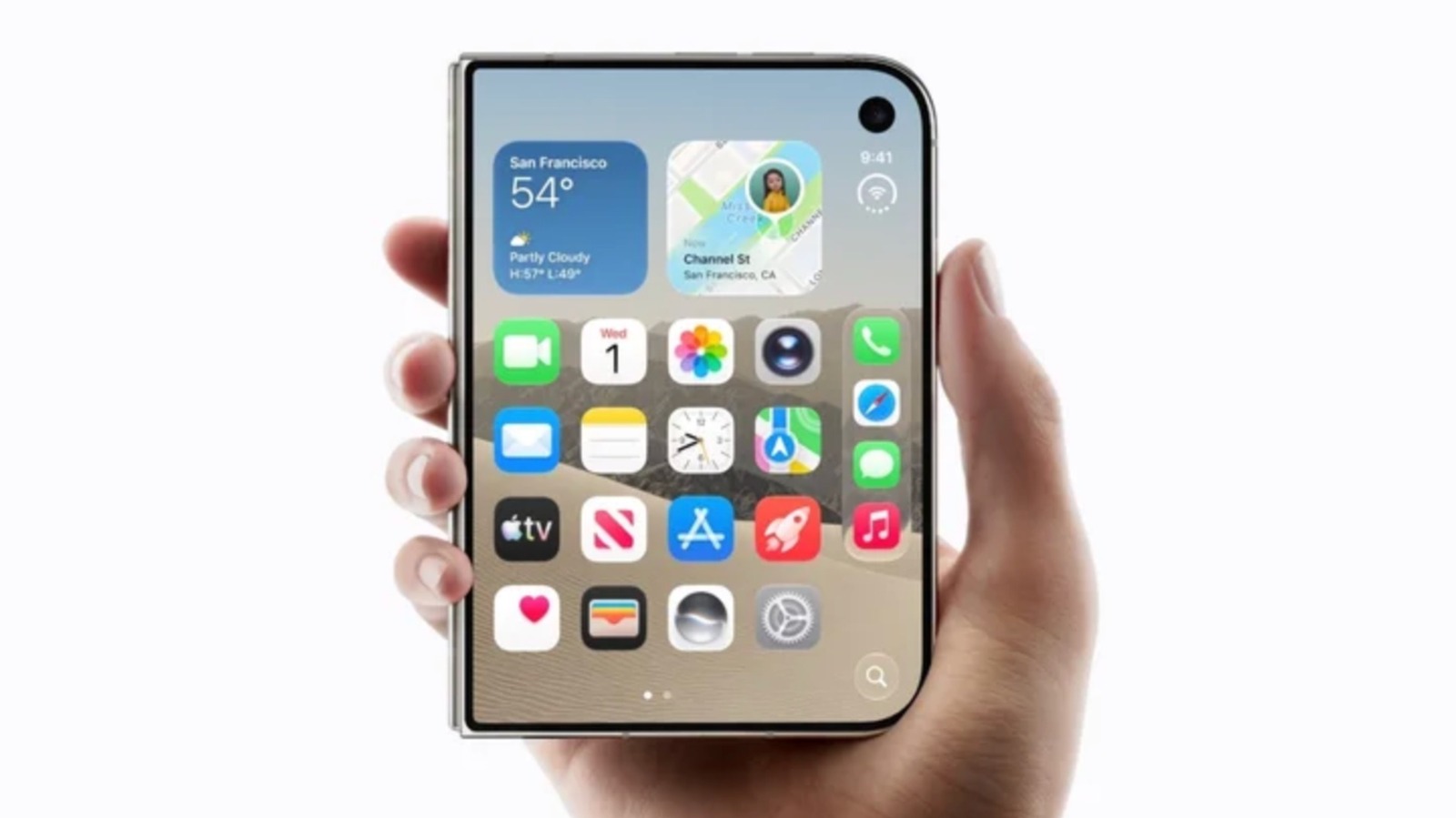
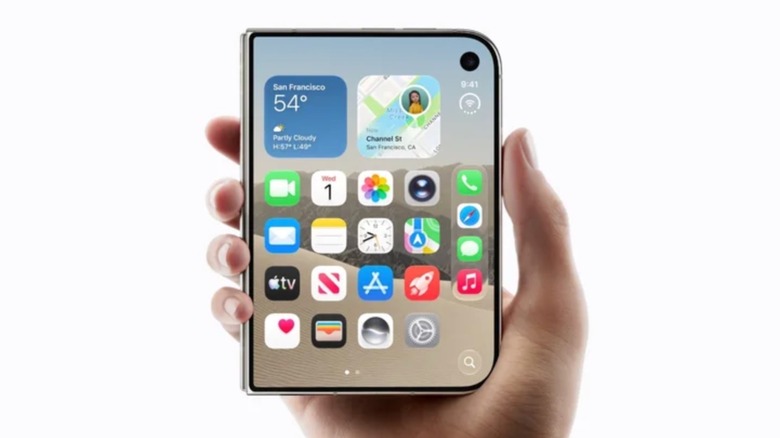
Our image above is just a rough concept based on rumored design details, so be prepared for the device's actual appearance to be different.

The device will likely be unveiled in a press release shared on the Apple Newsroom website at around 9 a.m. Eastern Time on Tuesday, as that is when Apple's private "Welcome home" experience in New York begins. At the experience, invited reporters and content creators will likely receive hands-on time with the home hub.

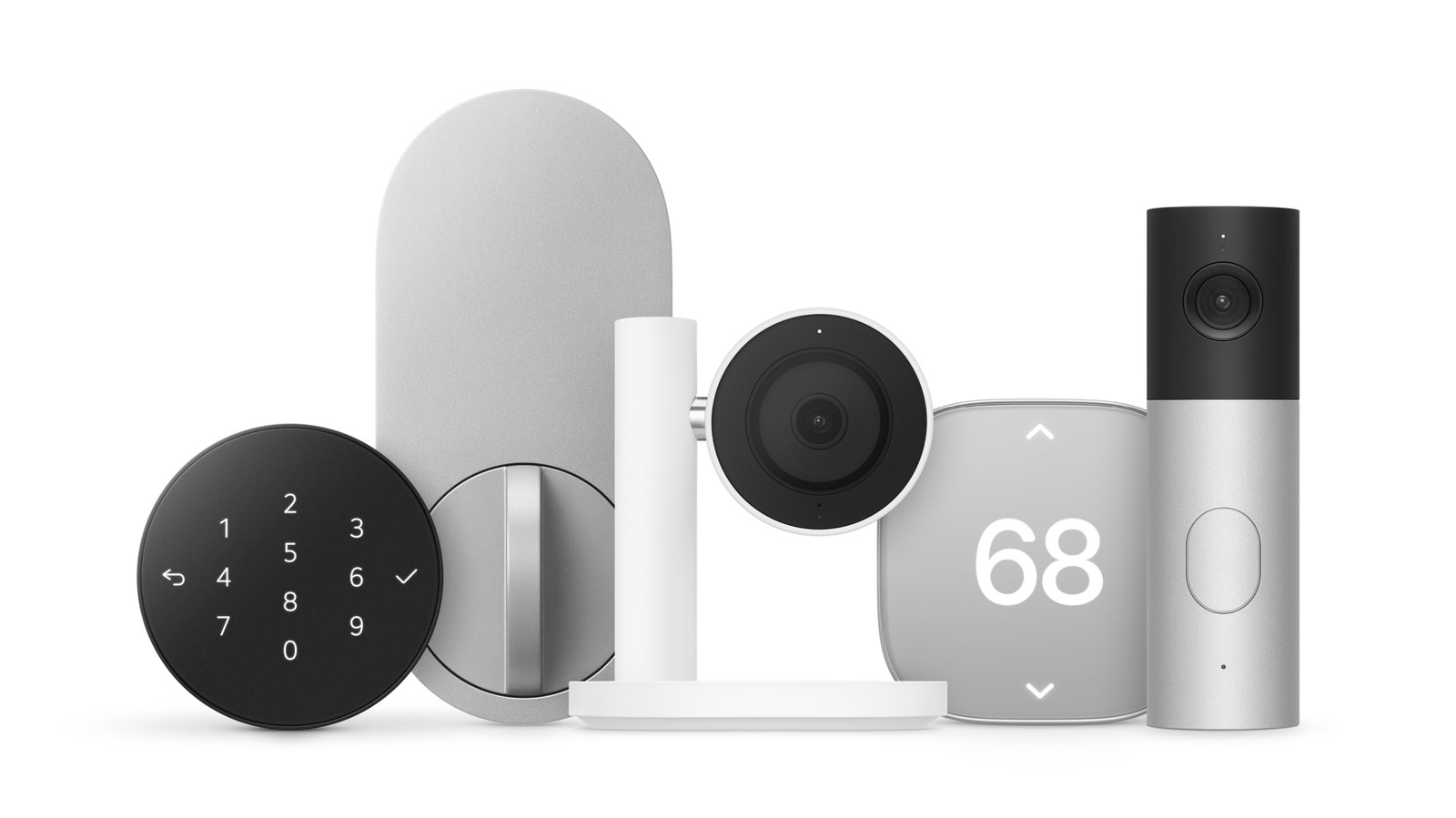
The hub is said to be designed for managing smart home accessories in the Apple Home app, home security monitoring, digital photo galleries, calendar appointments, music playback, FaceTime video calls, and more. As a user approaches the hub, or moves away from it, the size of the interface elements will reportedly adjust.

The device will be ideal for the kitchen, bedroom, and living room, and it will reportedly have multi-user support for families.

The hub reportedly has a 6-inch square display, and an A18 chip or newer for Apple Intelligence, with Siri AI expected to be a tentpole feature. A new operating system — potentially named "homeOS" — will feature clock faces, widgets, and more. There will be a tabletop version of the hub with a speaker base, plus a wall-mounted version.

Some of the preinstalled Apple apps that will apparently be available on the new platform include Calendar, Camera, Apple Music, Apple Podcasts, Apple News, Reminders, Notes, and the new Siri app with Siri AI conversation history. Do not expect third-party apps at launch, though, as the device reportedly lacks an App Store.

The device is often referred to as a "HomePad" in rumors because of expectations that it will be sort of a HomePod-iPad hybrid, but perhaps Apple will opt for a straightforward "Apple Home" name, or perhaps it will go with "HomeView" based on trademark filings that are potentially linked to the company. We will soon find out.
This article, "Apple's All-New Home Hub Will Be Revealed October 13: What to Expect" first appeared on MacRumors.com

Discuss this article in our forums

  •  

Apple Signs Hiring and Licensing Deal With AI Podcast Startup Huxe

Apple has reached an agreement to recruit employees from Huxe and license the AI audio startup's technology, according to a new European Commission filing.


The filing says Apple will have the right to make employment offers to certain Huxe employees and receive a non-exclusive license to the company's intellectual property, so this isn't an outright acquisition of the company.

Huxe was founded by former Google NotebookLM team members Raiza Martin, Jason Spielman, and Stephen Hughes. NotebookLM – since renamed Gemini Notebook – is Google's AI research tool, which is best known for its ability to turn documents and other source material into podcast-style audio discussions.

Huxe brought a similar approach to personalized listening, given that its app generated audio briefings based on users' emails, calendars, and interests, as well as podcasts about topics they wanted to explore. Listeners could interrupt the AI hosts to ask questions or request a different explanation.

The startup announced in May that it was winding down, and said its team was moving on and that development would stop. Its audio service ended on May 28. Apple notified the Commission of the arrangement on June 9.

The filing does not say which employees Apple could recruit, nor does it confirm whether anyone has actually been hired.
This article, "Apple Signs Hiring and Licensing Deal With AI Podcast Startup Huxe" first appeared on MacRumors.com

Discuss this article in our forums

  •  
❌