❌

Lese-Ansicht

Mac Shipments Fall, But Apple Still Gains Ground in Shrinking Market

Apple's Mac shipments declined 11.3% in the third quarter of 2026, but the company increased its market share as worldwide PC shipments fell more sharply, according to IDC's latest preliminary estimates.
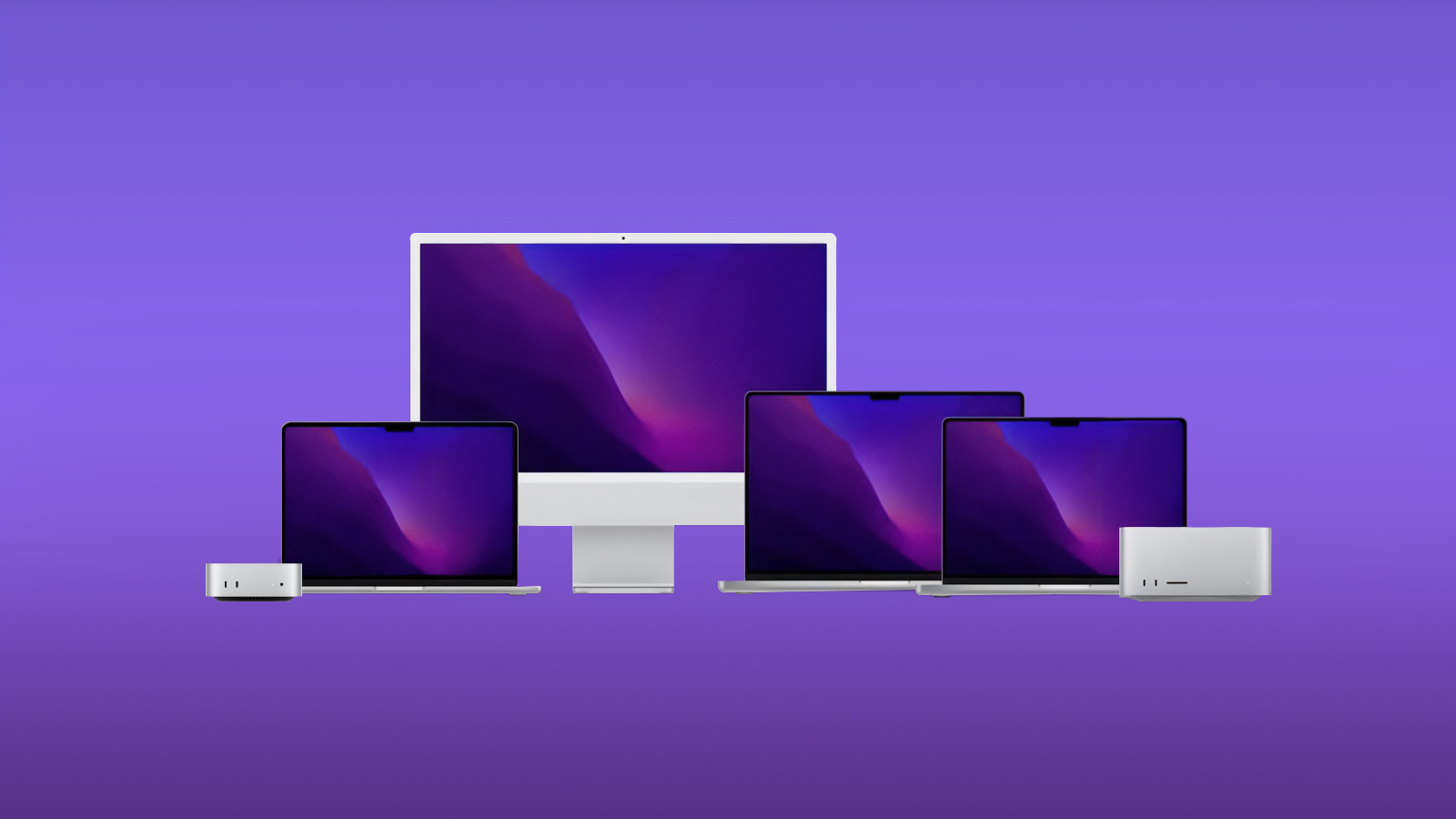

Apple shipped an estimated 5.9 million Macs between July and September, compared with 6.7 million a year earlier. That put Apple's market share at 9.5%, up from 8.5% in the third quarter of 2025. Apple retained fourth place in IDC's vendor rankings.

Across all brands, shipments dropped to 62.7 million units from 78.5 million a year earlier, a decline of 20.1%. The downturn followed a 3.8% annual decrease in the second quarter. Third-quarter shipments were also 9.1% below the second-quarter total, despite this usually being a busier period for the industry.

Lenovo led the market with 14.9 million shipments, followed by HP with 10.3 million and Dell with 7.6 million. Their respective declines were 22.6%, 30.9%, and 25%. ASUS, in fifth place with 5.5 million shipments, recorded an 8.6% decrease, making it the only top-five vendor with a smaller percentage decline than Apple.

IDC says the timing of earlier orders contributed to the weak quarter. Manufacturers and distribution partners secured stock sooner than usual to limit their exposure to rising memory costs, reducing the volume left for later in the year. With sellers still holding that inventory, there was apparently less need to order additional devices during the third quarter.

The research firm also cited component shortages and higher prices, linking the pressure on supply and costs to the expansion of AI data centers. Apple raised prices in June, with former CEO Tim Cook citing sharply rising memory expenses during the company's July earnings call.

IDC added that sellers could offer discounts to reduce unsold stock, but it does not expect prices to return to where they were a year ago. The firm also warned that a weakening economy could further depress demand through the end of 2026 and into 2027.
Tag: IDC

This article, "Mac Shipments Fall, But Apple Still Gains Ground in Shrinking Market" first appeared on MacRumors.com

Discuss this article in our forums
  •  

Amazon Unveils New iPad Rivals With Alexa+ and Google Play

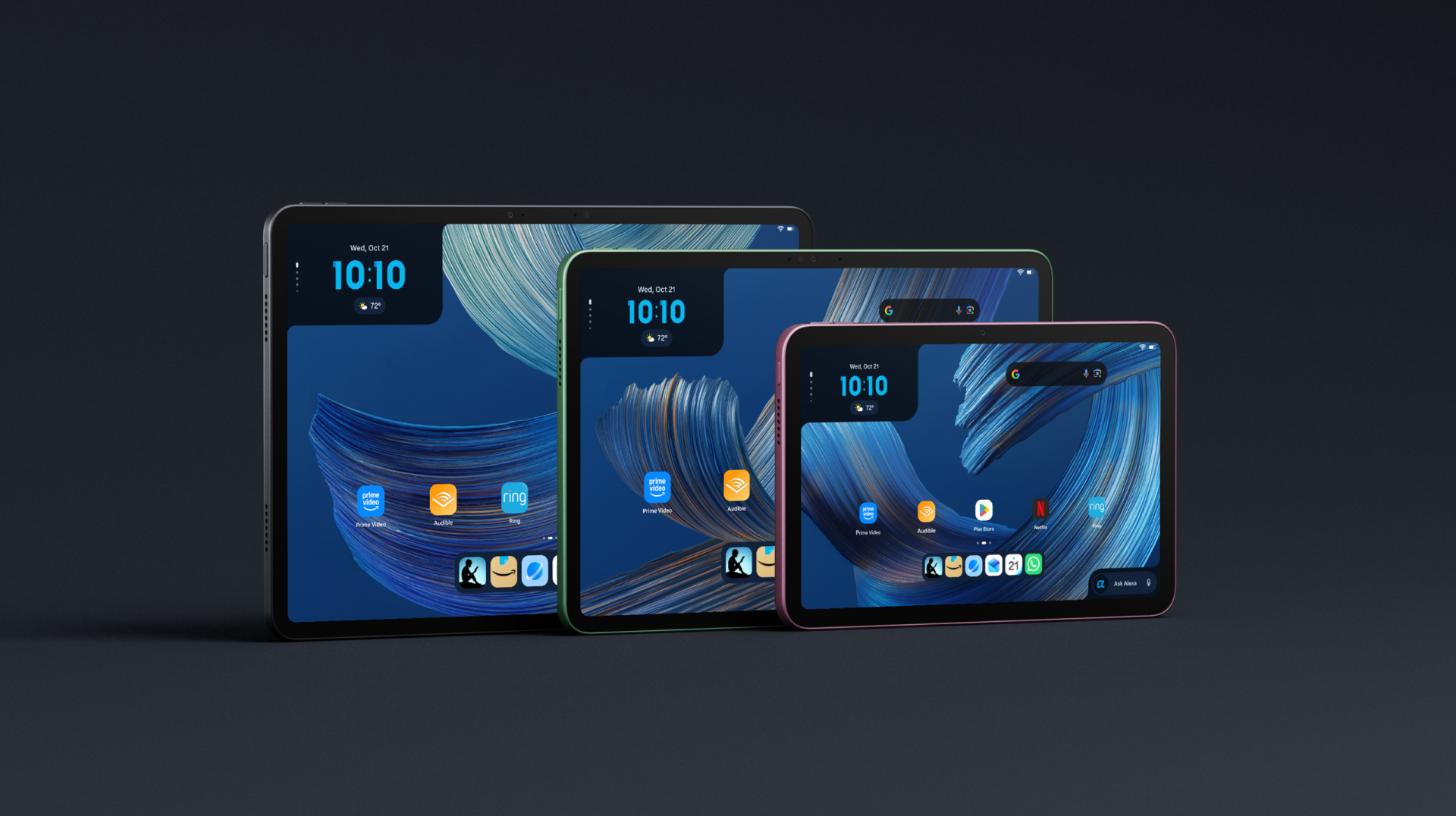
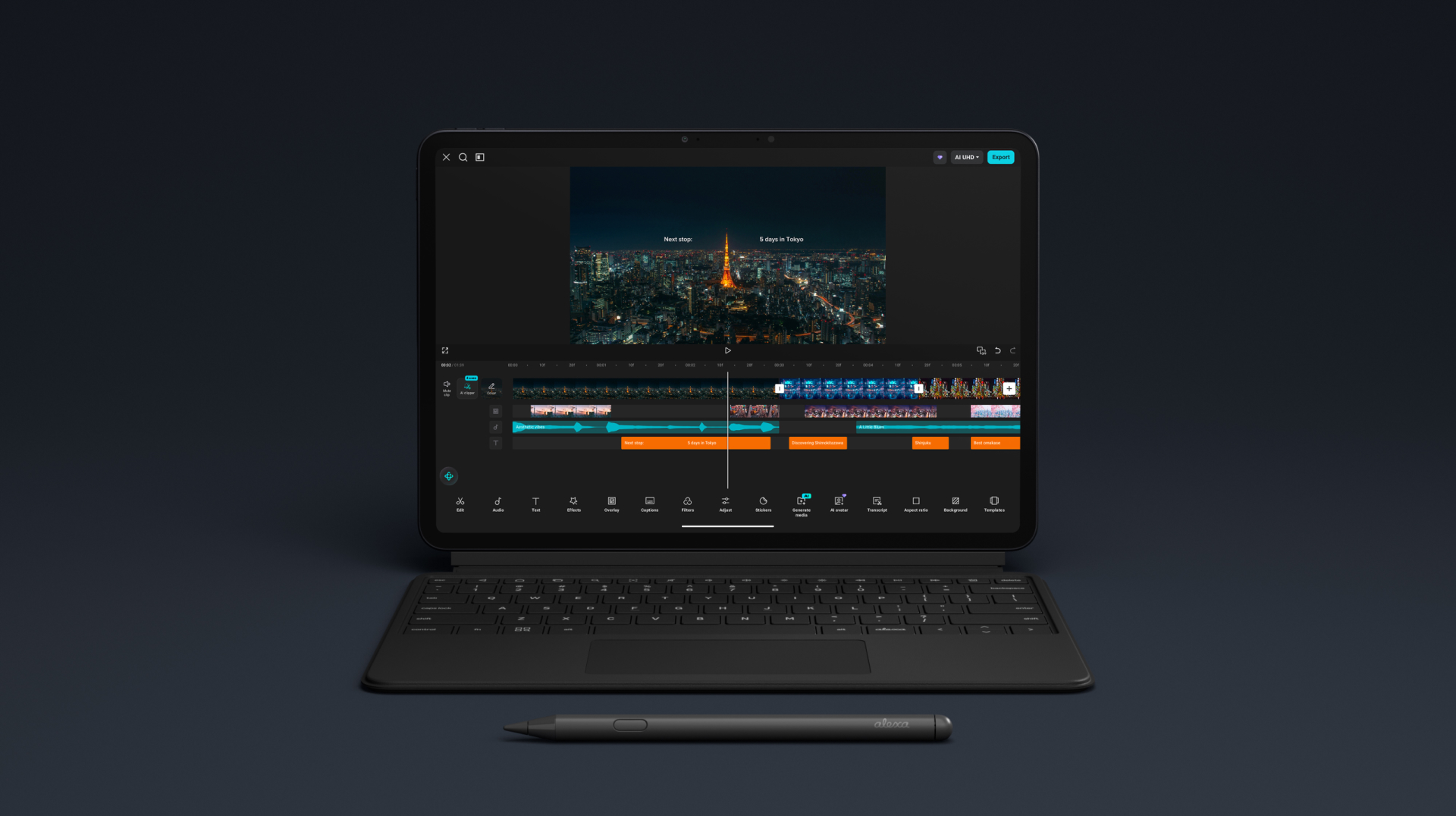
Amazon today announced a new lineup of Alexa Tablets, introducing three aluminum tablets with Google Play access, integrated Alexa+, and prices starting at $229.99 to compete with Apple's iPad lineup.


The new tablets run Android, moving away from Amazon's Fire OS and its separate app store. Google Play support brings access to apps such as YouTube, Gmail, and Google Docs, addressing a longstanding limitation of Amazon's tablets.

The flagship Alexa Tablet 12 Pro starts at $499.99 with 8GB of RAM and 128GB of storage, aiming to rival the iPad Pro at a significantly lower price point. It features a MediaTek Dimensity 8400 chip, a 12-inch display with an adaptive refresh rate of up to 120Hz and a 3:2 aspect ratio, a 6.5mm-thick aluminum body, Wi-Fi 6E, and quad Dolby Atmos speakers. Amazon claims that the device has up to 16 hours of video playback.

A $549.99 version adds a "Nanomatte" display, using precision-etched glass developed with Corning to reduce glare. Higher configurations offer up to 16GB of RAM. Unlike Apple's nano-texture display option, which requires a 1TB or 2TB ‌iPad Pro‌, Amazon's matte finish is available with 128GB of storage.


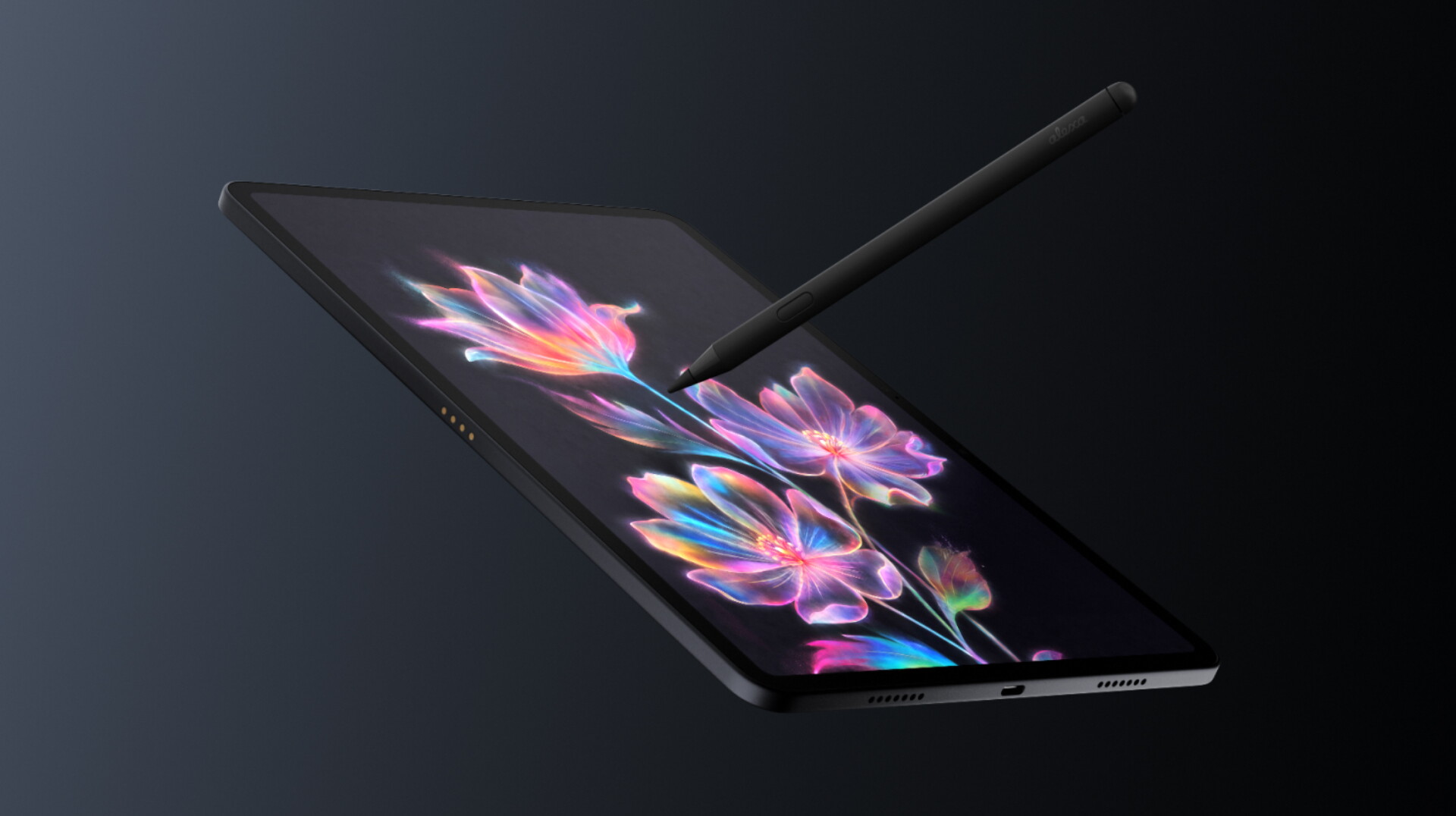
Amazon is also introducing a $149.99 Pro Keyboard and $89.99 Pro Pen for the 12-inch model. Both attach magnetically, while the keyboard includes a trackpad and connects without Bluetooth pairing. The pen supports pressure sensitivity and wireless charging, and the tablet supports multiple app windows for multitasking.

The Alexa Tablet 11 starts at $329.99 with 8GB of RAM and 64GB of storage, offering an 11-inch 2.5K display with a 90Hz refresh rate. A 128GB version costs $379.99. The smaller Alexa Tablet 8 starts at $229.99 with an 8.7-inch display, 4GB of RAM, and 64GB of storage.


Alexa+ can answer questions and control smart home devices through voice or touch. An optional On-Screen Intelligence feature lets the assistant respond to displayed content, with screen access disabled by default and a visual indicator when active. Tablet-specific Alexa+ access is included, while full access across compatible Alexa devices requires Prime membership or a separate Alexa+ subscription.

The lineup also introduces a Kindle reading mode that silences notifications and reduces blue-light output. Amazon quotes up to 20 hours of reading on the 11-inch and Pro models, and up to 19 hours on the compact model.

The tablets undercut several models in Apple's lineup. The Alexa Tablet 11 starts below the $449 entry-level iPad, although Apple's model includes 128GB of storage. The Alexa Tablet 12 Pro costs less than the $749 11-inch iPad Air, while offering a larger display and higher refresh rate. Apple's $1,199 ‌iPad Pro‌ offers a tandem OLED display and an M5 chip.


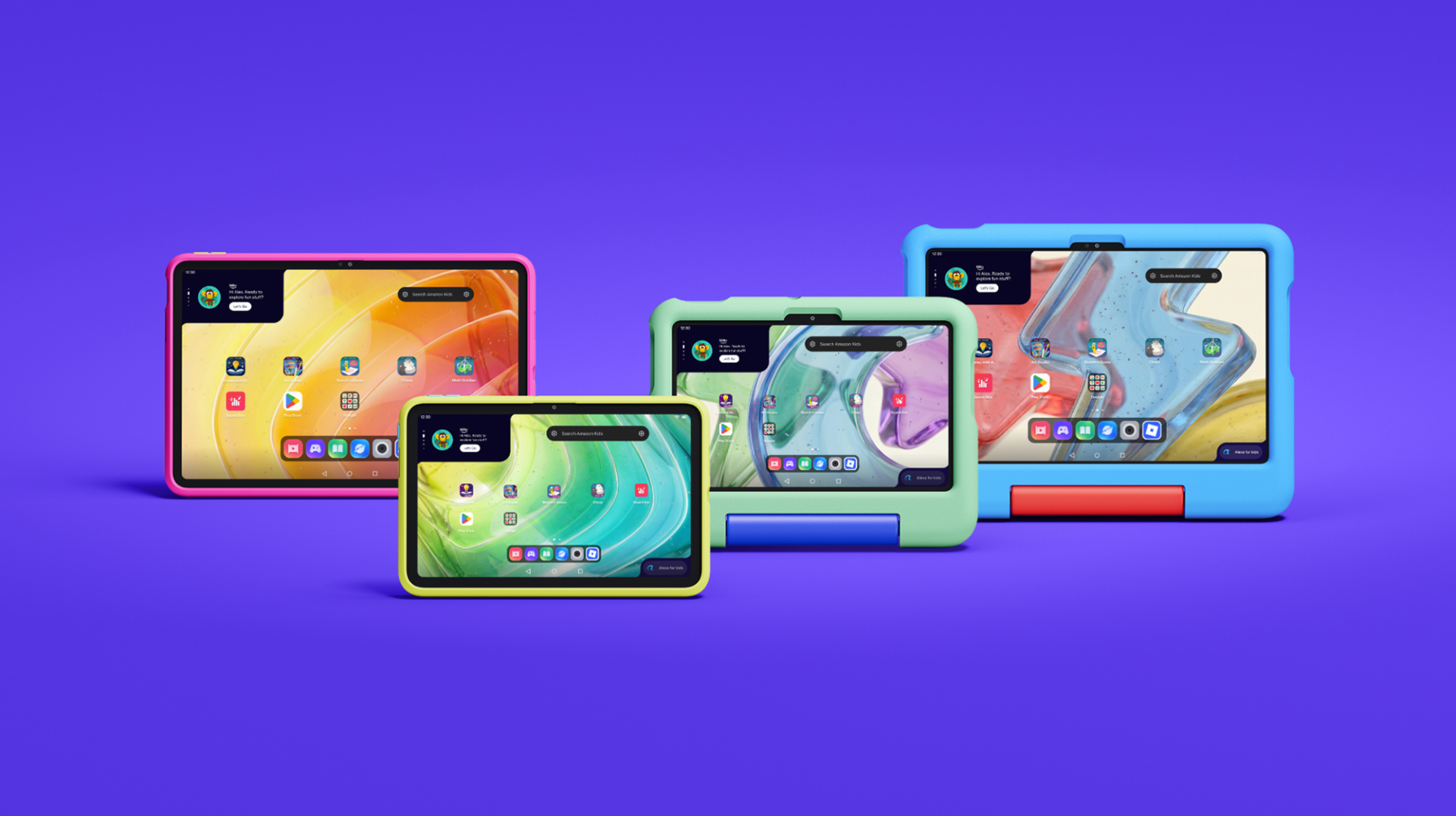
Amazon also announced Kids tablets in 8.7-inch and 11-inch sizes, starting at $229.99 and $329.99, respectively. Versions for ages three and up include a soft bumper case, while those for ages six and up come with a slim hard case. Each includes a year of Amazon Kids+ and parent-managed access to Google Play.

Parents can set screen-time limits, filter content, and monitor activity through the Parent Dashboard, also available on iOS and Android. A new AI-powered Storybuilder feature lets children use their voices to create illustrated stories.

Orders open today, with shipping starting October 14 in the United States, Canada, and Mexico, followed by the United Kingdom, Germany, France, Italy, and Spain on October 19. The Kids models also launch in Japan on October 14.
Tags: Alexa, Amazon

This article, "Amazon Unveils New iPad Rivals With Alexa+ and Google Play" first appeared on MacRumors.com

Discuss this article in our forums
  •  

Leaker Jon Prosser Pushes Back as Apple Seeks His YouTube Data

Jon Prosser is arguing that Apple's alleged trade secrets are now public, while the company seeks his YouTube revenue records, channel analytics, and third-party messages to investigate his alleged financial gain from leaks about iOS 26.


In a new joint status report filed yesterday, Apple said it is still waiting for YouTube revenue reports, channel analytics, and third-party communications requested from Prosser more than three months ago. The materials concern his alleged financial gain and how Apple's confidential information was obtained and shared, continuing the discovery dispute detailed in August.

Prosser's lawyer says he has already fulfilled the discovery obligations agreed to when the parties sought to set aside the default against him. He says Apple keeps requesting more documents each time records are produced.

His attorney also argues that Apple's identified trade secrets are now public following the release of ‌iOS 26‌ and macOS 26, and questions whether some were ever secret given earlier third-party disclosures. He says Apple's written descriptions lack corresponding images, making its claims difficult to assess.

Apple disputes that its disclosure is deficient and says it is willing to discuss it with the defendants' lawyers. It also says Prosser's deposition testimony and his Signal exchanges with Michael Ramacciotti suggest the pair coordinated to obtain and disclose confidential information for financial gain, contradicting Ramacciotti's denial of a conspiracy.

Ramacciotti wants to distance his case from Prosser's defense, with his lawyer saying he is "unwilling to be drawn into it." He has asked Judge James Donato for an October conference at which Apple would explain what further evidence it needs, followed by a deadline within 30 days to dismiss its claims against him or commit to trial. He now conditions a second deposition and updated written answers on Apple first providing a roadmap to resolution.

Apple filed the lawsuit in July 2025, alleging that Prosser and Ramacciotti coordinated to access an Apple employee's development iPhone and profit from unreleased software information. Prosser published videos showing recreations of ‌iOS 26‌'s Liquid Glass redesign before Apple's announcement. Apple is seeking damages and an injunction against further disclosure of its trade secrets.

In his July 2 response to the lawsuit, Prosser admitted participating in a FaceTime call during which Ramacciotti showed him features running on the development device. He denied participating in a coordinated scheme or that the information he viewed constituted trade secrets.

If the court does not grant Ramacciotti's request for an October status conference, the parties plan to submit their next update on December 2.
This article, "Leaker Jon Prosser Pushes Back as Apple Seeks His YouTube Data" first appeared on MacRumors.com

Discuss this article in our forums
  •  
❌