❌

Lese-Ansicht

Full iPhone 4 'Antennagate' Q&A Video Surfaces After 16 Years

A 47-minute video of the Q&A session from Apple's 2010 iPhone 4 "antennagate" press conference has surfaced on YouTube, showing Steve Jobs, Tim Cook, and Bob Mansfield answering reporters' questions.


The recording was highlighted by Daring Fireball's John Gruber, who attended the event. Apple called the July 16, 2010 press conference amid complaints that holding the iPhone 4 in a particular way could reduce its cellular signal.

Jobs used his prepared presentation to announce free cases for eligible customers and a 30-day return option. Apple later posted video of that presentation, but left out the Q&A, which was documented at the time through written reports and photographs.

Among the exchanges now visible is a question from Gruber at about 18:45 asking whether the three executives used cases on their own iPhone 4s. Jobs, Cook, and Mansfield each hold up an uncased phone. Jobs later gives a lengthy answer about what Apple learned from the controversy, including why the company waited to gather more data before holding the press conference.

Near the end of the recording, Jobs explains Apple's strategy of owning or controlling the core technology behind its products, and why the growing importance of software made that approach valuable for consumer electronics. Gruber says he does not know where the recording came from or why it has surfaced only now.
This article, "Full iPhone 4 'Antennagate' Q&A Video Surfaces After 16 Years" first appeared on MacRumors.com

Discuss this article in our forums
  •  

Es zählt, weil es ein iPhone ist, nicht weil es neu ist.

Tim Cook legte charmant für Ternus auf, der dann aber auch direkt verwandelte. Er platzierte das iPhone direkt zum Anpfiff im absoluten Mittelpunkt – von Apple selbst, aber auch als „intelligente und persönliche Zentrale“. Die Aussage war klar: Du brauchst keine anderen KI-Computer!

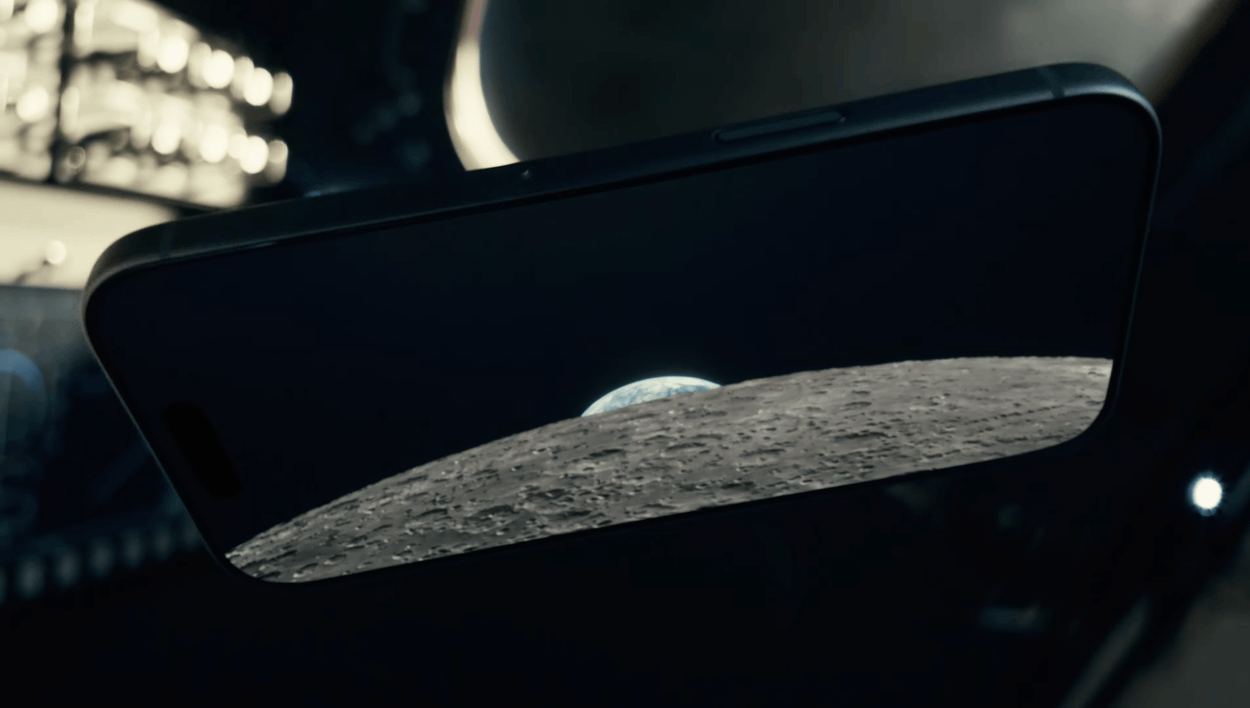
A close-up photograph of a smartphone screen displaying an image of the moon's surface rising against a dark sky.

„When you have been to the moon. Where do you go next?“

Das Duo zeigt der Industrie den korrekten Fold-Formfaktor – nicht nur mit seiner Reisepassgröße, sondern auch durch die Gleichberechtigung beider Displays. Apples Foldable stellt erstmals die wirklich schwierige Frage: „Warum zwei Bildschirme?“

Das iPhone Air diente mit seiner Hardware im letzten Jahr als vorgeschaltetes Experiment; die Software ist jedoch das Alleinstellungsmerkmal für die neue Form.

Ohne Vorlauf, mit nur wenigen frühzeitig eingeweihten Entwicklerpartnern sowie einer Preismarke, die jeder rechtfertigen muss, wird es zweifellos ein holpriger Anlauf. Wir wissen nicht einmal, ob Apple alle seine eigenen Apps zum Start im Oktober vorbereitet hat.

Und der Preis ist der Preis. Dieses Telefon wird mit seiner zweiten Generation und einem möglicherweise überstandenen RAMageddon nicht günstiger. Der Preis bleibt der Preis.

Deshalb ist die Software so wichtig; sie entscheidet darüber, ob man damit mehr macht als mit Apples wohl bestem iPhone ever™ – dem 18 Pro (Max).

Diese Animation … „I can’t.“

Die Kompromisse fallen überraschend überschaubar aus. Wer die Pro-Video- und Fotofunktionen vermisst, ist hier nicht die Zielgruppe. Kein Action Button, kein Face ID und das insgesamt reduzierte Kamerasystem werfen trotzdem die Frage auf: Warum mehr bezahlen für weniger?

Plus, Mini und Air hatten nie eine Chance, sich besser zu verkaufen als Apples Standard- und Pro-Modelle. Zugegeben: Das war auch nie ihre Aufgabe.

Aber welche Aufgabe hat das Duo? Es ist zu anders, um nur ein weiteres Modell in der Aufstellung zu sein. Es ist nicht nur eine andere Verpackung der gleichen Idee.

„Like other iPhones, it packs the power of a computer. But it can take the shape of a computer…“

Das ist derzeit nur Marketing; aber ist das auch ein ausgerufenes Ziel? Bleibt es mehr als zwei Generationen im Line-up, um dafür auch nur annähernd eine Chance zu bekommen? Mit dem Duo lebt etwa das Standby-Feature wieder auf, das nach seiner ersten Vorstellung vor drei Jahren quasi vergessen wurde.

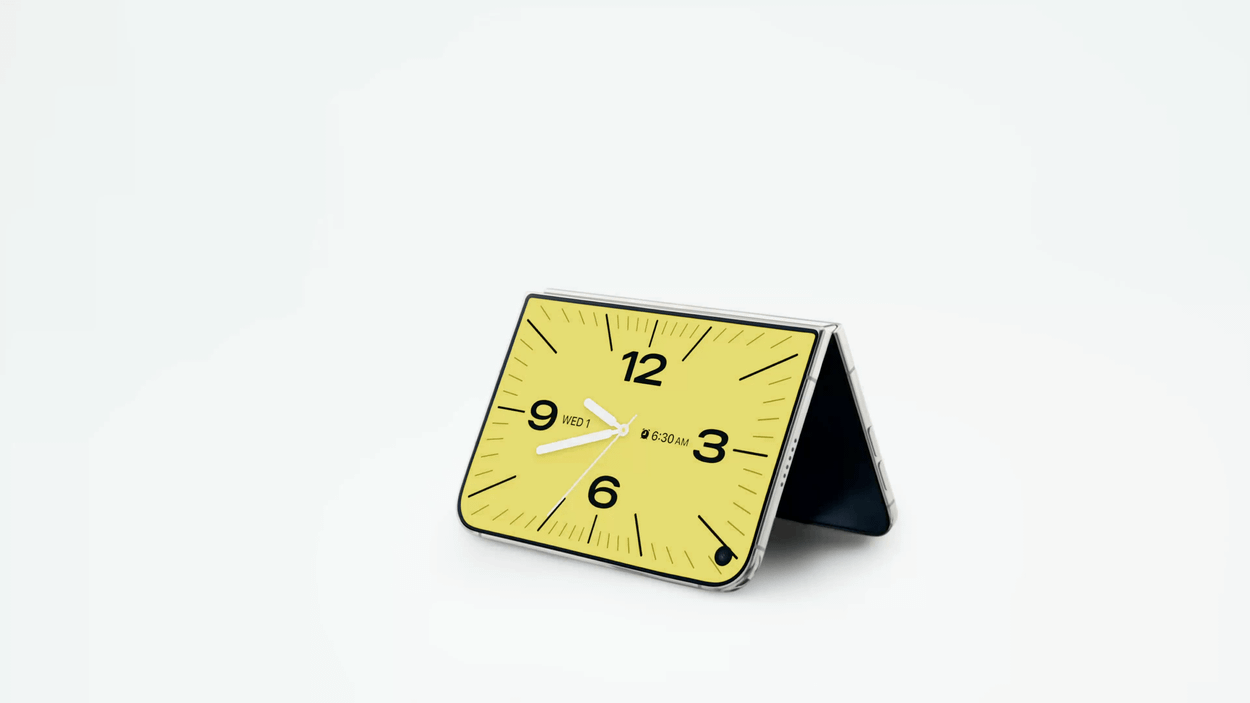
A foldable smartphone resting in a stand position displaying an analog clock face.

Das Duo ist Apples Chance, eigene Produkte zu kannibalisieren – von kleinen iPads bis zu großen Telefonen. Es bietet die Möglichkeit, sich breiter aufzustellen und die Abhängigkeit vom klassischen iPhone-Geschäft auf mehr Schultern zu verteilen.

Deshalb die Frage: Neues iPhone oder tatsächlich neuer Computer?

  •  

„Perp Walk For Selfies“

Bereits im Juni formulierten John Gruber und Jason Snell ein sehr treffendes Outro für Tim Cook sowie ein Intro für John Ternus, der seinen neuen Job offiziell morgen antritt.

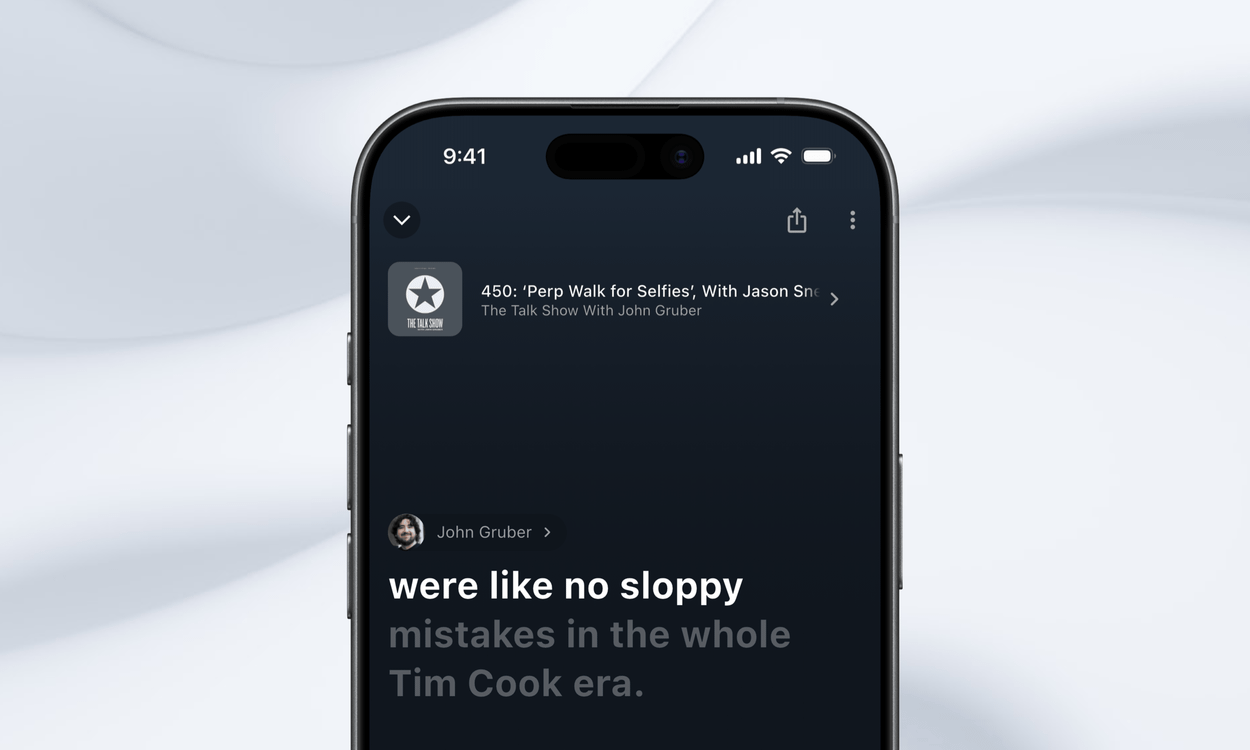
Ein Smartphone zeigt eine Podcast-App im Dunkelmodus. Auf dem Bildschirm sind oben der Titel einer Podcast-Folge und darunter ein Abschnitt des Transkripts zu sehen.

All that being said, Tim is a lifelong computer industry operations man. Whereas, John Ternus has been building hardware at Apple for 25 years, right? And so I don’t want to overstate this, but John Ternus is one of us and Tim Cook isn’t.

And I feel like we need to remember that Tim was spotted by Steve and brought in and brings a level of competence and all of those things to the table. And he professes being a true believer in Apple’s mission and understanding what it is. And I think, to the degree that Tim Cook can be a true believer, he is.

But somebody like John Ternus, who has been working at Apple since basically the turn of the century and building products at a low level, is more — I don’t think it’s outrageous to say — he gets what Apple is about and what Apple customers want and what makes Apple products special at a level that Tim Cook has never and can never.

Which is not to say that Tim Cook sucks. That’s not what I’m saying. I’m saying that Tim Cook was the right guy for that time.

But one of the things that excites me about Ternus is that he understands Apple at a level that Steve Jobs did and that Tim Cook didn’t. And that’s why I think we have a better vibe with somebody like John Ternus, because John Ternus was in the trenches at Apple, whereas Tim has, like, been optimizing at Apple at a high level.

The Talk Show

  •  

Gedanken zur Keynote der WWDC 2026

„Was hat AI jemals für uns getan?“

„Easy. Mehr Arbeitsspeicher in Apples Computern seit 2024 und ein Snow-Leopard-Release1 im Jahr 2027!“

Für uns Europäer ist der Fokus aufs Bugfixing und die Performance sogar noch viel zentraler: Ein Drittel der gestrigen Keynote betrifft uns vorerst nicht.

Ein Drittel? Die Quantifizierung ergibt sich für mich aus der komplett umgekrempelten Keynote-Struktur.

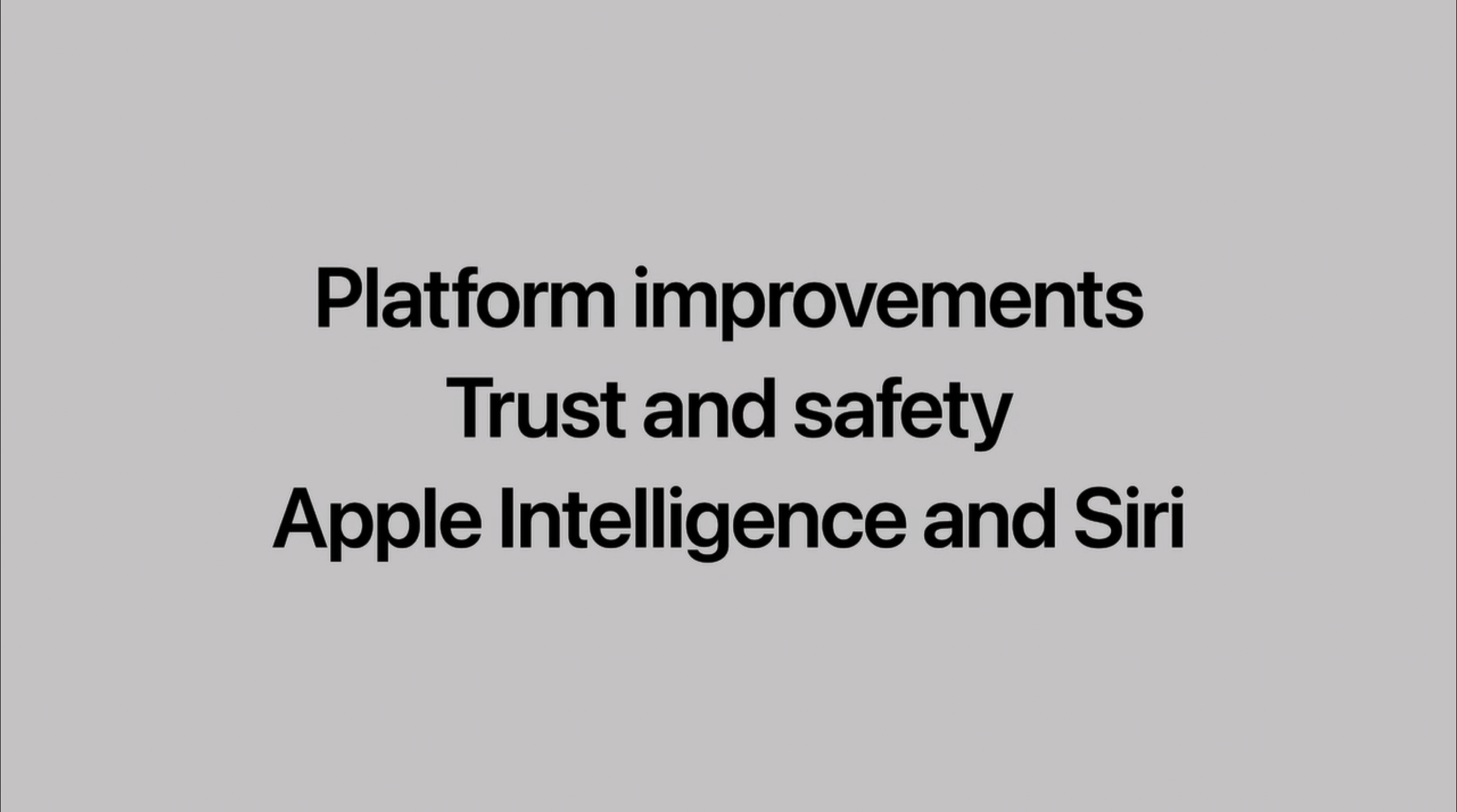
A slide displays three bullet points: 'Platform improvements', 'Trust and safety', and 'Apple Intelligence and Siri'. The text is black on a plain gray background, indicating an overview of Apple's software updates.

Ich empfand es als äußerst zeitgemäß, die Betriebssysteme nicht mehr zu trennen, sondern Überschneidungen vorauszusetzen und gewisse Unterscheidungen herauszuarbeiten.

„Platform improvements – no notes!“

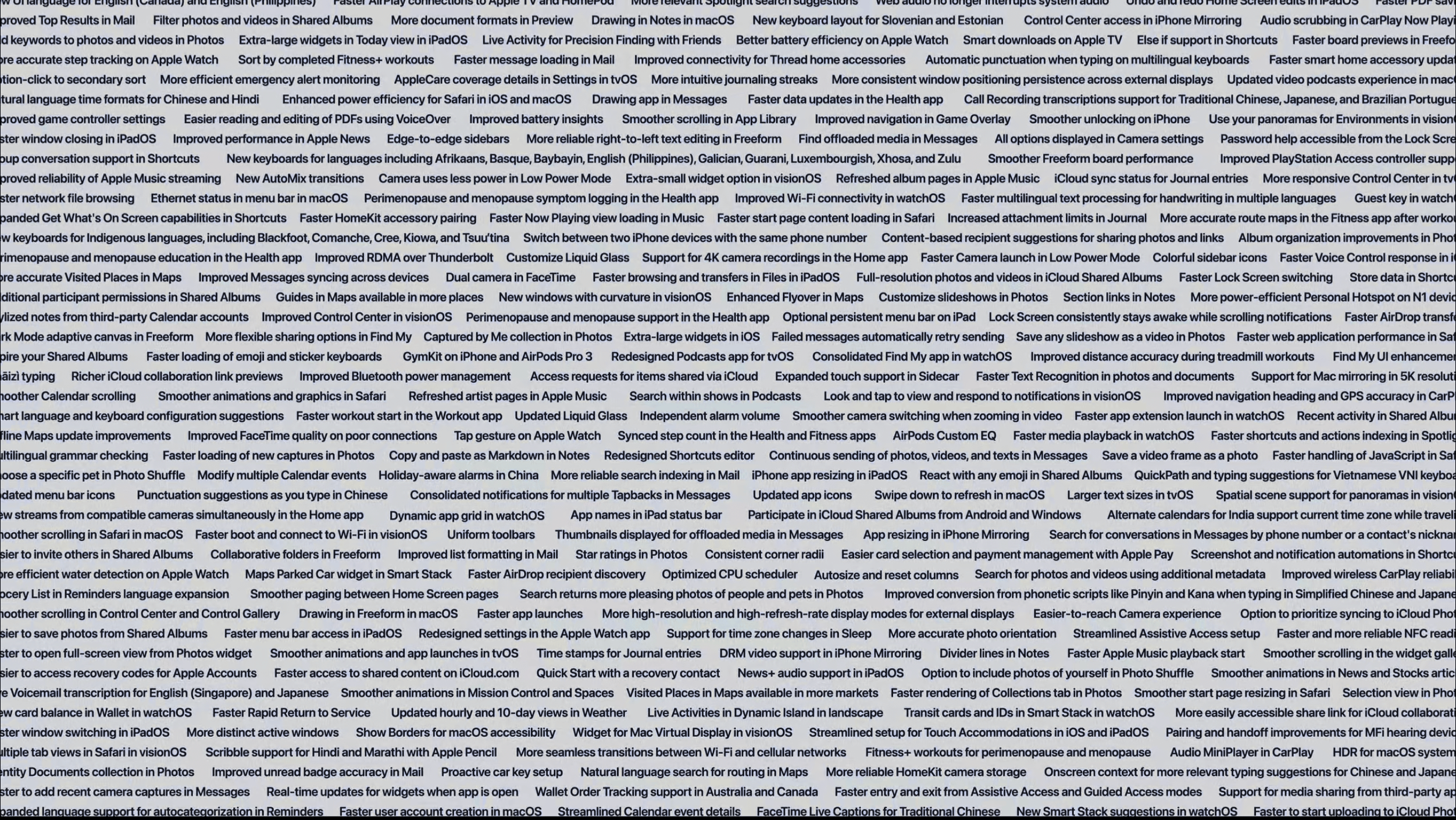
Wie zahlreich die kleinen „Quality of life“-Verbesserungen im Alltag ausfallen, zeigt sich im Sommer. Mit den ersten Betas auf meinen Geräten fühlt sich der von Apple betonte Geschwindigkeitsgewinn aber schon jetzt substanziell an.

A dense list of new features for iOS 18, including improvements to apps, performance, accessibility, and user interface elements. The text is presented in a grid format with multiple columns, highlighting various enhancements across different Apple devices.

Woher die Motivation für „Trust and Safety“ kam, erschließt sich mir nicht – insbesondere weil’s ein langatmiges und verhältnismäßig theoretisches Screen-Time-Segment war.

Und warum die Konzentration auf Kids? Prädestiniert für eine Screen-Time-Überwachung sind Erwachsene – „The kids are all right“.

Überhaupt fehlten mir Nuancen für alle Menschen, die durch eine solche Kontrolle speziell verwundbar sind. Und Erziehung lässt sich nicht outsourcen.

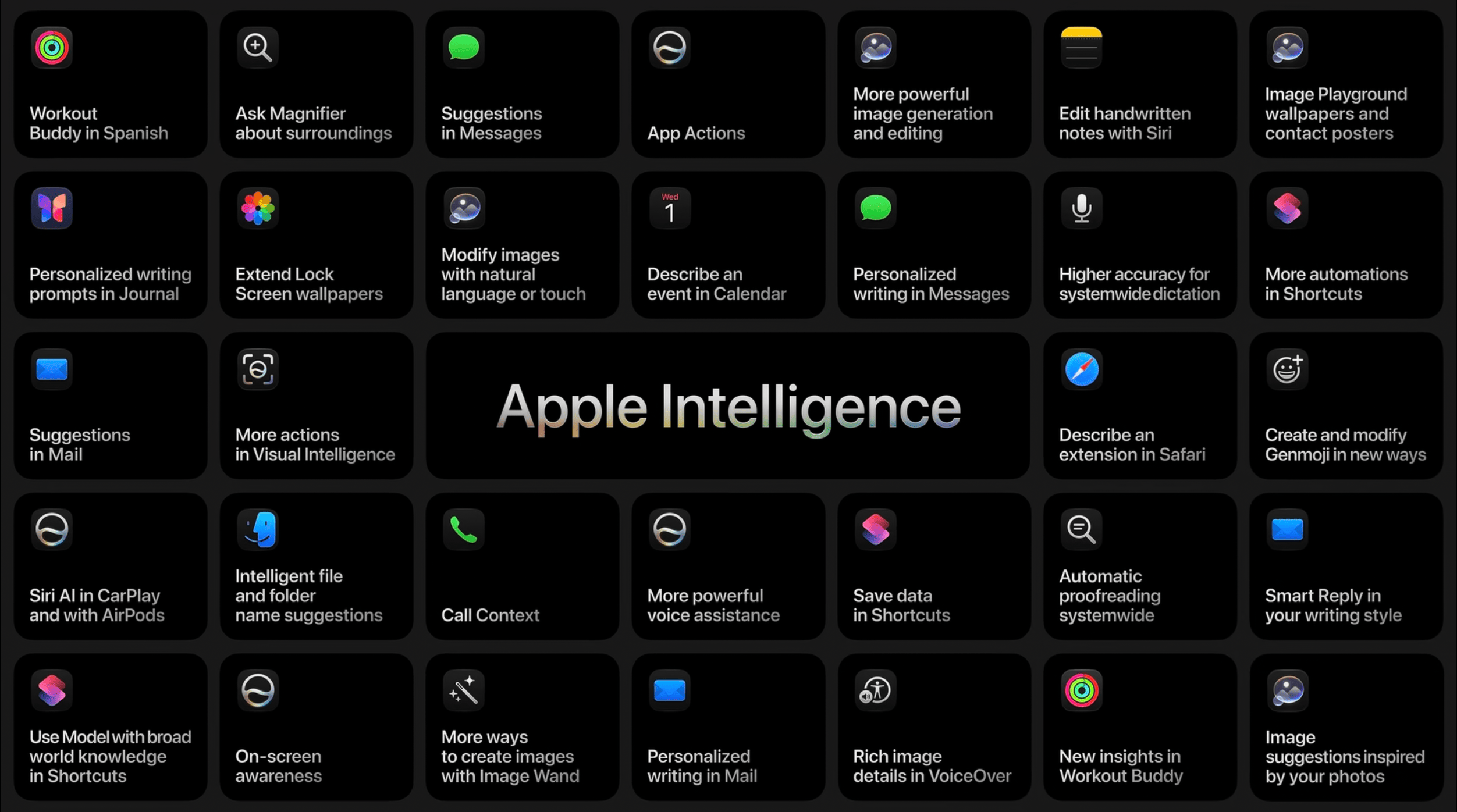
A grid of feature tiles showcasing Apple Intelligence capabilities across various apps and services. Each tile displays an icon, title, and brief description highlighting AI-enhanced functionalities.

Siri AI meistert jetzt Weltwissen und zeigt erste agentische Ansätze. Das ist hilfreich, um etwa Fragen zu Bildschirminhalten abzuwerfen, mitunter ein paar Klicks bei der Informationssuche zu sparen oder bei der Erstellung von Content zu helfen.

Die Integration und die Möglichkeit, unterschiedliche Daten zusammenzuziehen, in einen „personal context“ zu stellen, ist der eigentliche Mehrwert; alleinstehende Apps existieren für alle gestern gezeigten Demos – in besserer Form. Das sind dann jedoch weitgehend abgekoppelte Datentöpfe.

Und das macht den Nicht-EU-Start von Siri AI auf iOS und iPadOS so frustrierend: Siri AI scheint tief in die Struktur der Betriebssysteme eingeflochten, nicht nur aufgesetzt. Die Trennlinien sind so unscharf, dass ich im Moment nicht einmal wüsste, auf welche Features wir genau verzichten müssen.

Es fehlt nicht mehr nur „iPhone Mirroring“; das gesamte OS fühlt sich zurückgelassen an – unabhängig davon, auf welchen Geräten welche AI überhaupt funktioniert und wie intensiv man das tatsächlich benutzt (weil’s AI-typisch einige fragwürdige Grenzen übertritt).

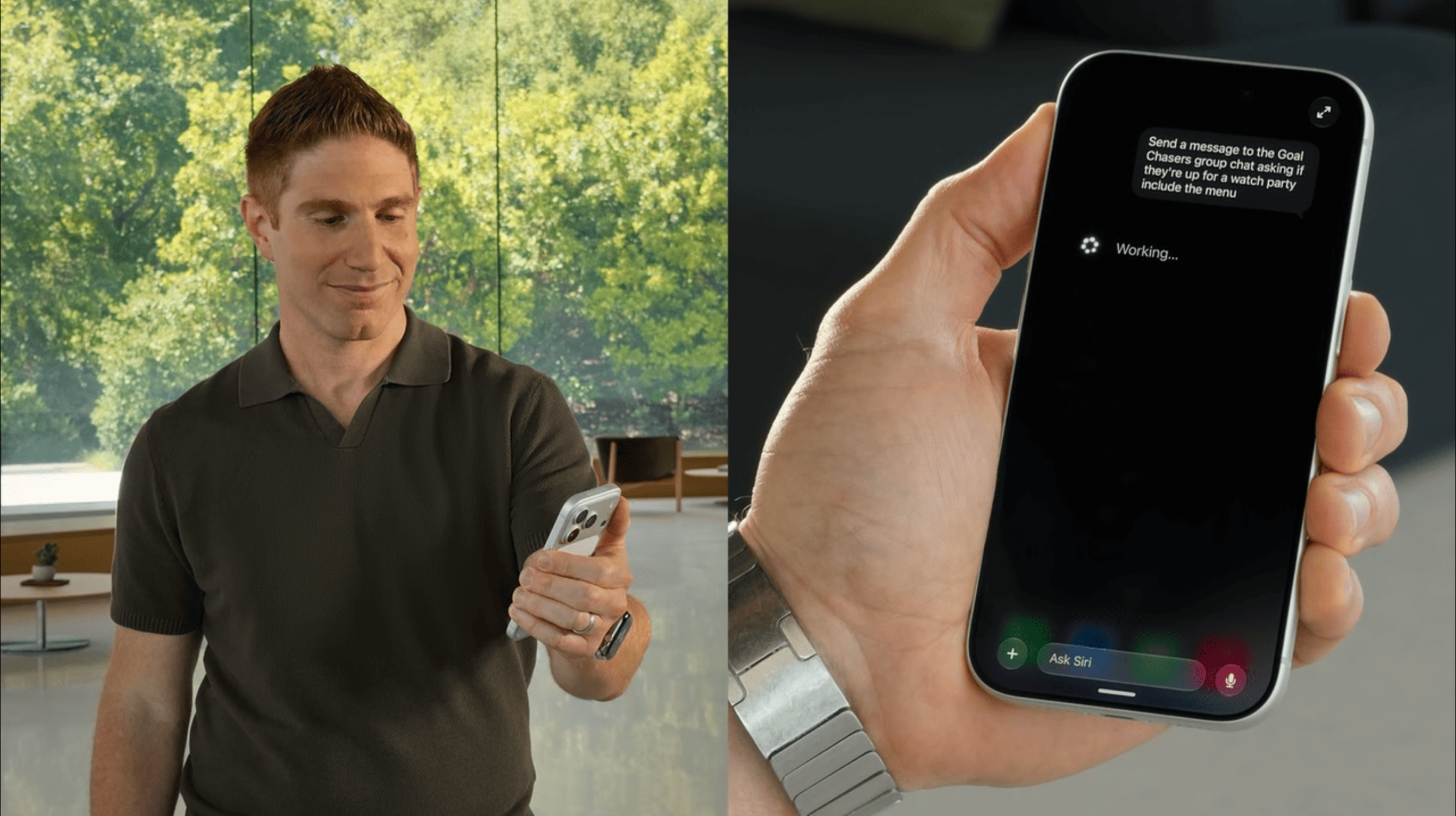
A man in a dark polo shirt is holding an iPhone and smiling as he interacts with the device. The close-up of the phone's screen shows a message being processed by Siri, indicating it’s working on sending a group chat message.

Schlussnotiz: Ich fand es bemerkenswert, dass es keinen Schnitt im Video oder verkürzte Darstellungen bei den Demos für Siri AI gab.

Das ließ die Präsentation in diesen Minuten superzäh wirken, ist dieser Tage aber sicherlich notwendig, um deren Authentizität und Machbarkeit hervorzuheben. Trotzdem muss es Apple arg aufgestoßen sein, so derartig die Luft und das Tempo rauszunehmen.

  1. „The myth and reality of Mac OS X Snow Leopard revisited“ ↩
  •  
❌