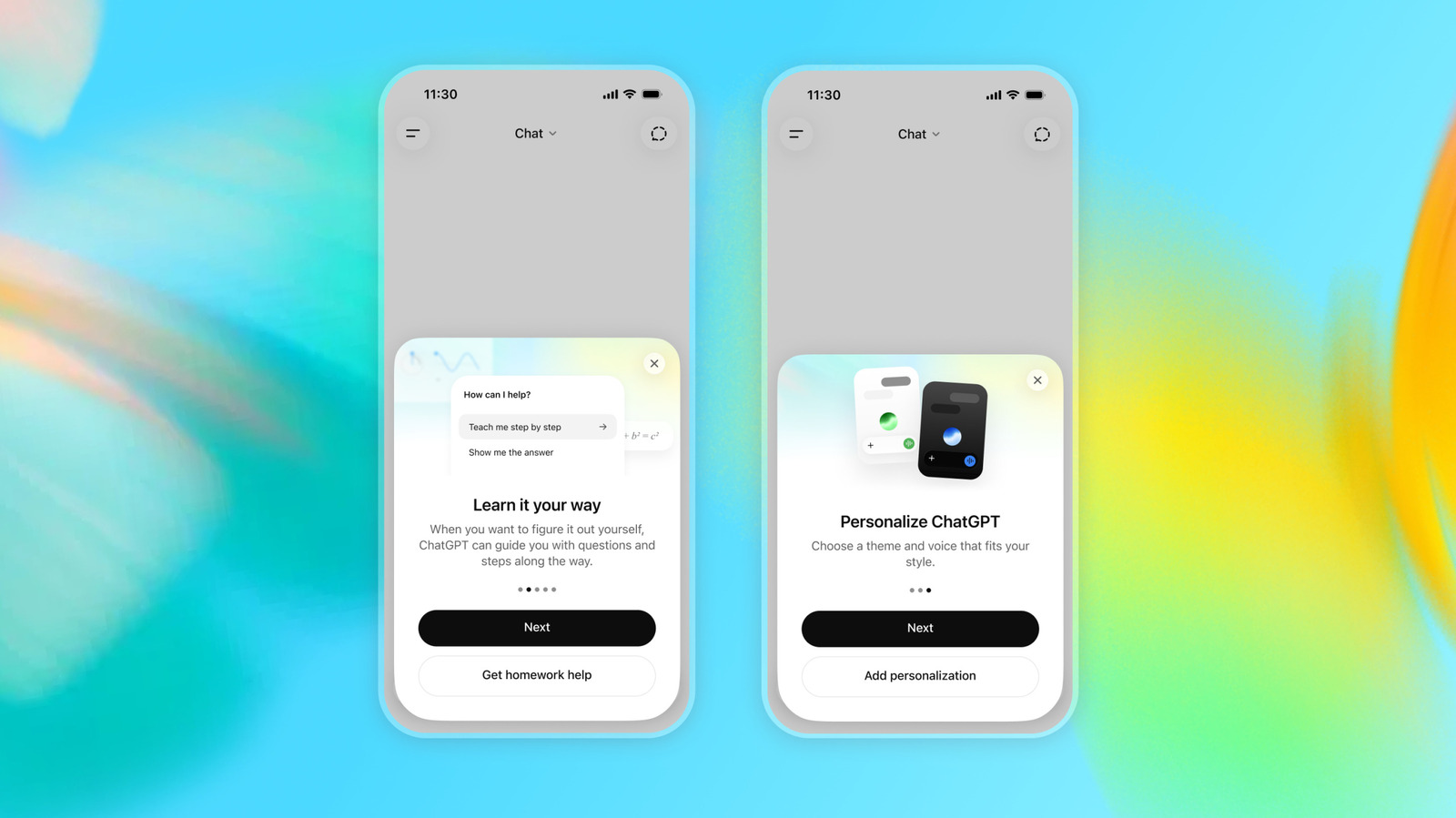
OpenAI saw disappointing results working with Apple to integrate ChatGPT in Siri, according to court documents filed [PDF] in its ongoing legal fight with Elon Musk's company SpaceXAI (xAI at the time the lawsuit was filed).
Apple added ChatGPT to Siri in December 2024, but users had to go through a multistep opt-in process, which added a layer of friction. By January 2025, OpenAI said the integration was "off to a slow start" and the company cut its forecast for the number of incremental logged-in weekly active users that it expected to get from the partnership.
Much of the filing is redacted, but OpenAI said that by the time Musk's companies filed an antitrust lawsuit against Apple and OpenAI, "it was clear that Apple's integration of ChatGPT was dramatically underperforming." In a later section of the filing, OpenAI said again that the Apple integration was "persistently underperforming," leading to a March 2026 conversation between Apple and OpenAI that is redacted.
OpenAI asked Apple for a two-year exclusivity period, but Apple refused. The agreement between the two companies explicitly said the deal was non-exclusive and Apple had the right to "integrate products or services that provide the same or similar functionality as [ChatGPT]." Apple told OpenAI that it planned to integrate one provider and then add more, and it made similar statements publicly when announcing the feature. Apple also signed a deal with Google, and Apple's newest models are based on Gemini.
OpenAI's filing disputes many of the claims in the xAI lawsuit. Musk alleged OpenAI and Apple had an exclusive deal and that the agreement harmed xAI's growth and customer acquisition. OpenAI says the contract proves there was no exclusive deal, and even if there were, xAI can't prove harm because the ChatGPT Siri integration just didn't draw many new ChatGPT users.
Even if the Court assumes that Apple users who elect to use ChatGPT through Apple Intelligence are foreclosed from OpenAI's rivals (which they are not), the amount of foreclosure caused by the Agreement is indisputably de minimis. While Plaintiffs' experts declined to calculate foreclosure shares, OpenAI's expert, Dr. Catherine Tucker, calculated the share of GenAI consumers who accessed ChatGPT through Apple Intelligence across multiple metrics using the same data and market definition relied upon by Plaintiffs' experts. On these assumptions, Dr. Tucker found foreclosure shares of [REDACTED] across all metrics, consistent with OpenAI's internal view that Apple Intelligence saw minimal usage.
Musk's companies dropped their claims against Apple earlier this month, leaving OpenAI as the sole defendant in the lawsuit. OpenAI's filing asks the court to toss out xAI's claims prior to the trial planned for January 2027.
Ohne Spracheingabe bestand am iPhone nie die Möglichkeit, Spotlight außerhalb des Home- und Sperrbildschirms aufzurufen. Mit Siri AI geht das jetzt – nur nicht bei uns.
Wenn wir über fehlende Funktionen für iOS 27 in der EU sprechen, fehlt mir insbesondere diese Interaktion.
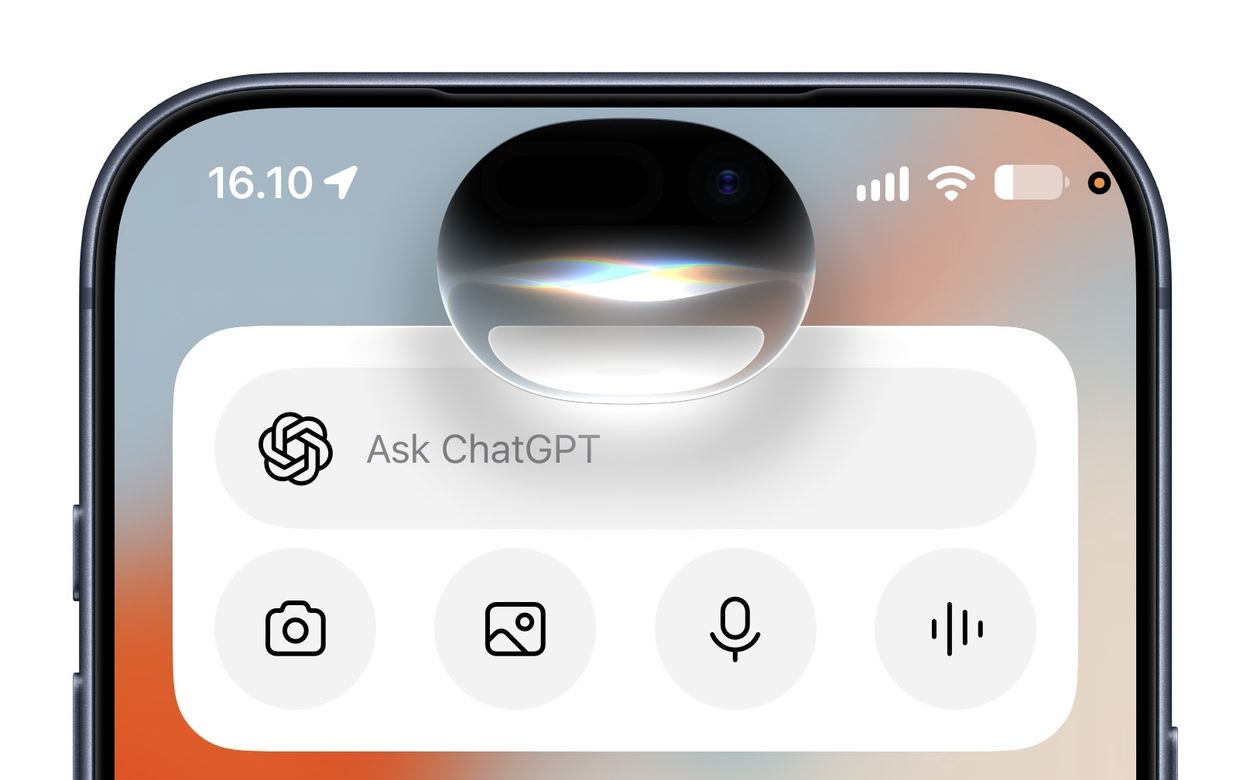
Spotlight, as you know it, is gone in iOS 27. Swiping down from the middle of the Home Screen now opens Search or Ask, where you can type or speak to Siri. Apple rebuilt the underlying search index at the same time, so returned results are more current.
Für iPadOS existiert ein solcher Hack; fürs iPhone nicht. Apples Telefon benutzt sich signifikant besser, wenn man Spotlight auch aus geöffneten Apps heraus aufrufen kann.
Mit einem US-App-Store-Account zeigt sich Siri AI auch auf iPhones in der EU. So eingeloggt, lassen sich trotzdem noch App-Updates aus dem DE-Store einspielen. Es fehlen jedoch diverse Abo- und Einmalkäufe – wirklich praktikabel ist das also nicht.
Oder direkter: Für mich ist das nicht dauerhaft benutzbar und deshalb lediglich ein glorifizierter Testlauf. Am Vorabend von iOS 27 bin ich mit einem externen KI-Abo sowie einer Voice-zu-Text-Tastatur schlicht besser beraten.
Allerdings ist Apples Chatbot derzeit „designed for the masses“ und ich habe keine Zweifel daran, dass er sie so erreicht. Mit den Integrationen in unsere täglich verwendete Software hat der leuchtende Orb größere Ambitionen.
Und ehrlich gesagt: Für Apple ist das genau der richtige Hebel – nur halt noch nicht in der EU.
Mac and Apple Vision Pro users in the EU will be able to access Siri AI when set to a supported language. Siri AI will not be available initially in the EU in iOS, iPadOS, and watchOS. Apple is working hard to find a path forward that preserves its users’ privacy and security.
Dauerhaft tragbar erscheint mir dieser Fork für Europa allerdings nicht: Siri AI strickt iOS grundsätzlich neu – mit fragwürdigen Opt-ins.
Apples integrierte KI ist nicht einfach nur ein Feature, das man nach Belieben an- und wieder ausknipst. Sie stellt iOS fundamental anders auf; auch wenn das heute noch nicht deutlich erkennbar ist.
Ich empfinde es als untragbar, dass der Digital Markets Act konkurrierenden KI-Assistenten einen Zugriff auf dieselben tiefen OS-Funktionen ermöglichen will – insbesondere wenn man ohnehin nur die Wahl zwischen den KI-Modellen anderer Tech-Riesen hat.
Und trotzdem scheint mir Apple derzeit in einer Situation, die Suppe auslöffeln zu müssen – allein schon deshalb, weil die eigene Weiterentwicklung von iOS es erfordert.
In other words, AI isn’t just making electronics cost more. The memory shortage is changing which electronics companies bother making in the first place.
Der Aufhänger des Artikels ist das iPhone – was auch sonst.
Der Artikel selbst reicht allerdings darüber hinaus, hätte aber noch stärker auf die sichtbaren Folgen eingehen sollen – „AI is killing the cheap smartphone“.
But that model breaks when memory prices spike as much as they’re now spiking. The sub-$100 smartphone risks becoming “permanently uneconomical” as a product. And that means that the budget smartphone makers have been forced to pass memory costs onto consumers: smartphones that sold for $50 are now selling for $120 or more. And price-sensitive consumers have responded by simply not buying phones. […]
In India, the sub-$100 smartphone market collapsed 59 percent year-on-year in the first quarter of 2026: surging memory prices resulted in a “forced premiumization” of the Indian smartphone market. But in the poorest markets, such premiumization isn’t a possibility. In 2025, 81 percent of smartphone shipments in Africa were in the sub-$200 category: as smartphone prices surge, many African consumers will simply be priced out of phone ownership entirely.
Apple verzichtete auf Preiserhöhungen seiner Telefone – nicht nur in den letzten Monaten, sondern auch in den letzten Jahren, und griff damit indirekt dem Servicegeschäft unter die Arme.
Es wird interessant, wie viele Kund:innen von neuen Pro-Modellen und noch teureren Falt-Telefonen das wirklich interessiert – insbesondere mit neuen Leasing-Optionen sowie monatlichen Ratenzahlungen über Mobilfunkanbieter.
Relevanter ist sicherlich eine (neue?) Preisgestaltung für das hervorragende Standard-iPhone 17 sowie das nachfolgende Modell, das voraussichtlich aber erst im Frühling 2027 erscheint.
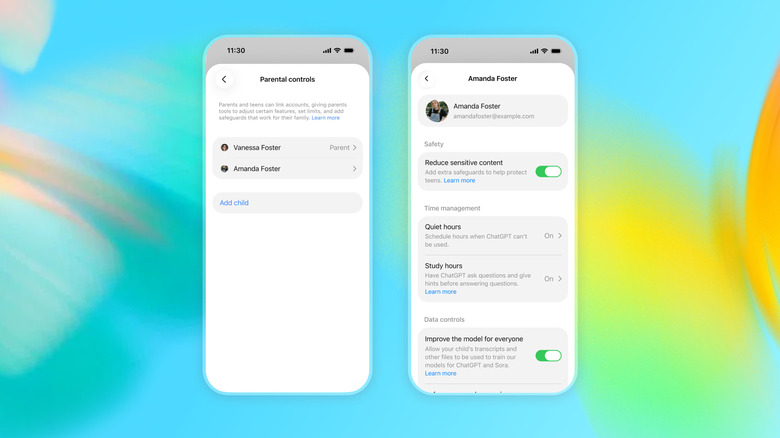
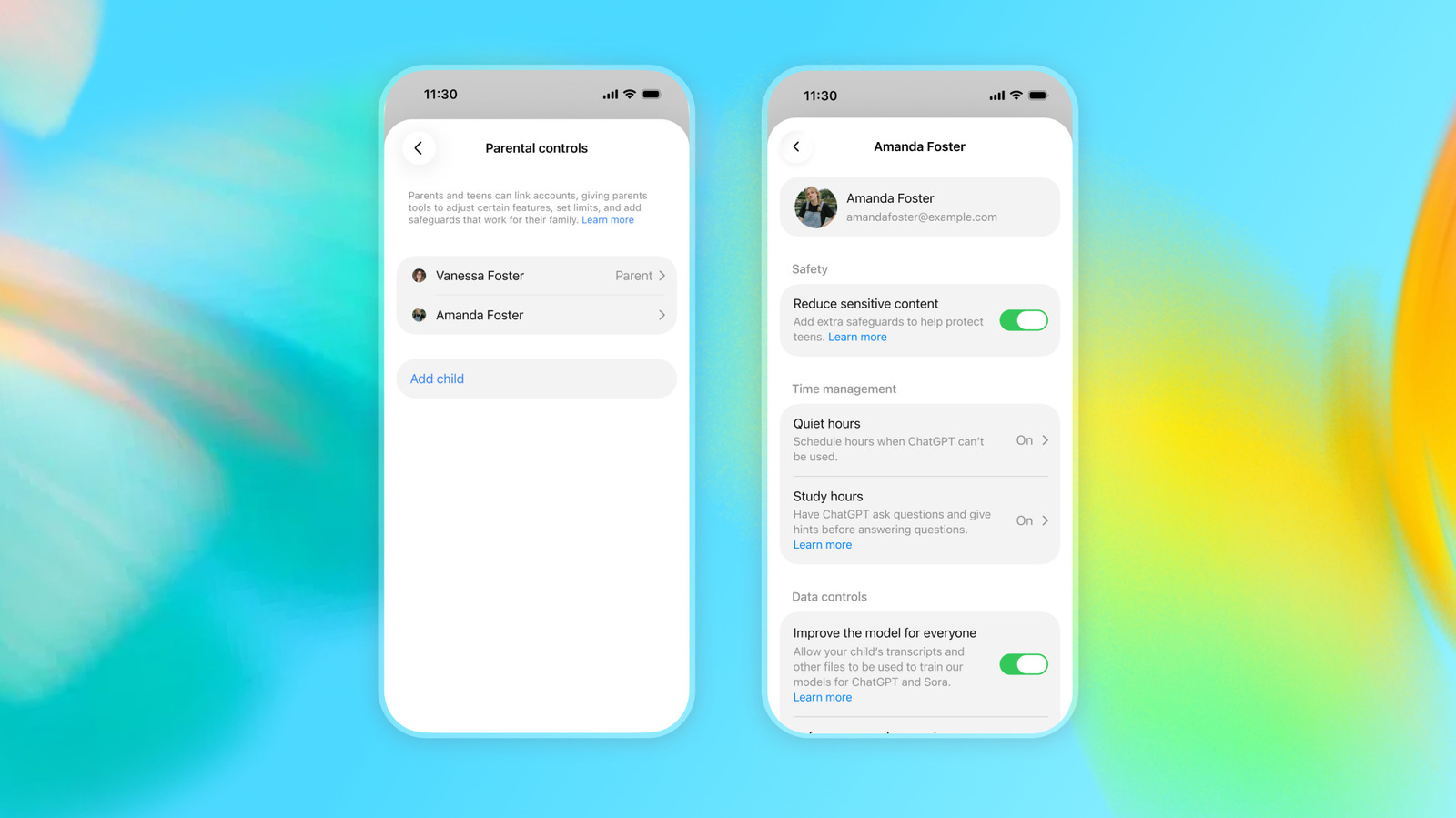
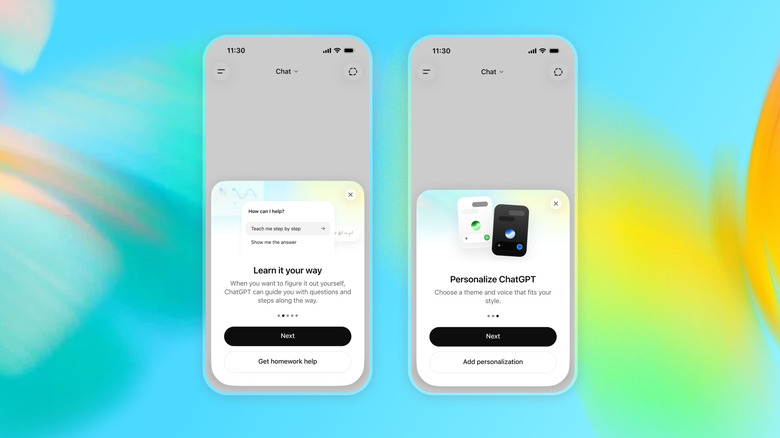
The idea of your child using ChatGPT can be daunting, but OpenAI's new teen-focused tools provide granular controls over what they can and can't access.
I disagree. Trevor Noah war absolut „chill“; Trevor Noah ist nicht das Problem.
Egal ob Apple, Samsung, OpenAI oder Google: Alle produzieren inzwischen lupenreine Infomercials – lediglich unterschiedlich verpackt.
Ob man auf solchen Events oder über Influencer:innen von neuen Produkten erfährt, ist inzwischen austauschbar; eine tatsächlich kritische Auseinandersetzung folgt ohnehin erst viel später.
Ich kann Werbeveranstaltungen mit Celebrities, wie in dieser Woche bei Google, wenig abgewinnen, quäle mich aber andererseits auch nicht durch Live-Coding-Sessions auf OpenAI-Keynotes.
Apples Hochglanz-Spots fehlt inzwischen der Glanz und das Neue aus den Anfangszeiten. Mit schnellen Cuts schätze ich dort jedoch weiterhin die komprimierte Informationsvermittlung.
Eine Rückkehr zu früheren Live-Präsentationen erscheint mir für Apple weiterhin unrealistisch. Sie mögen ihr fehlerfreies Format, auch wenn sie sich die Möglichkeit offenhalten, in einem kleineren Rahmen persönlich auf Bühnen zu treten.
Verklärte Vergangenheit: Die Rufe nach Live-Präsentationen vergessen, wie zäh selbst einige Steve-Jobs-Keynotes waren – insbesondere die Demos. Andererseits fehlt genau dieser Steve Jobs, der selbst eine Werbeveranstaltung zum Samstagabendprogramm machen konnte.
Aber genau wie das Samstagabendprogramm haben auch Tech-Keynotes heute nicht mehr diesen Stellenwert.
 Anmelden