
❌

Lese-Ansicht

Big tech companies agree to not ruin your electric bill with AI data centers

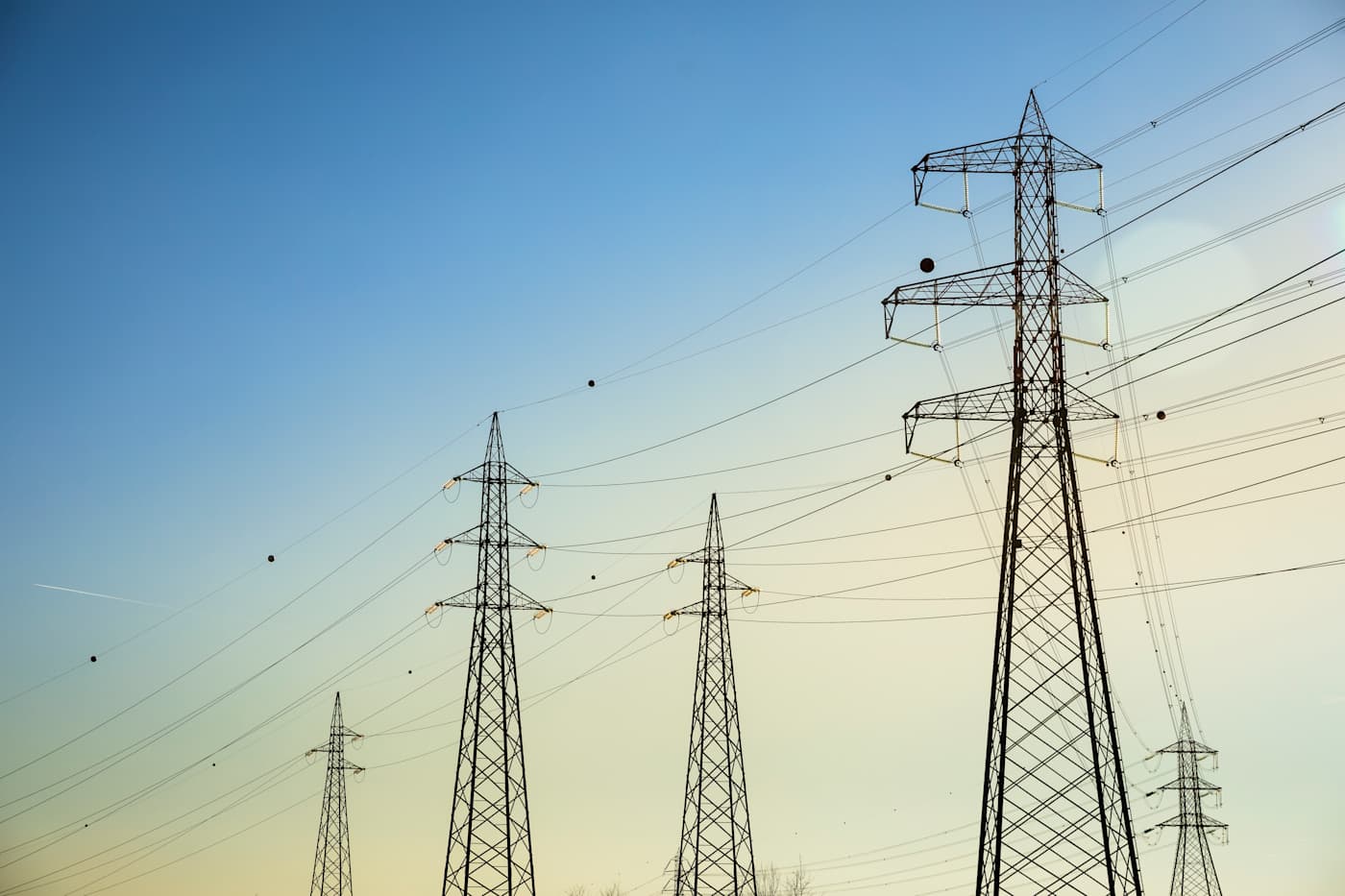
Today the White House announced that several major players in tech and AI have agreed to steps that will keep electricity costs from rising due to data centers. Under this Ratepayer Protection Pledge, companies are agreeing to practices that are intended to protect residents from seeing higher electricity costs as more and more businesses create power-hungry data centers. Amazon, Google, Meta, Microsoft, OpenAI, Oracle and xAI have all apparently signed on. A few of the participants — Amazon, Google and Meta — had conveniently timed press releases patting themselves on the back for their participation and touting whatever other policies they have for mitigating the negative impacts of data center construction.

The main provisions of the federal pledge have tech companies agreeing to "build, bring, or buy the new generation resources and electricity needed to satisfy their new energy demands, paying the full cost of those resources." It also claims they will pay for any needed power infrastructure upgrades and operate under separate rate structures for power that will see payments made whether or not the business uses that electricity.

The pledge doesn't appear to be any form of binding agreement and there's no discussion of enforcement or a penalty for companies that don't honor the stipulated provisions. It also doesn't address any of the other impacts data centers and AI development might be having, either on local communities, on other utilities and resources, or on access to critical computing elements like RAM.

This article originally appeared on Engadget at https://www.engadget.com/ai/big-tech-companies-agree-to-not-ruin-your-electric-bill-with-ai-data-centers-230102956.html?src=rss
©

  •  

Amazon Go and Fresh stores are closing as Amazon focuses on grocery delivery and Whole Foods

Amazon is rethinking its grocery business, and as part of that, it will shut down all of its remaining Amazon Go and Amazon Fresh physical stores. The company will convert some locations into Whole Foods Market stores. 

"While we've seen encouraging signals in our Amazon-branded physical grocery stores, we haven't yet created a truly distinctive customer experience with the right economic model needed for large-scale expansion," the company wrote in a blog post. Amazon added that it would help workers at Go and Fresh stores to find positions elsewhere within the company.

For now, Amazon is focusing its grocery efforts on Fresh deliveries, Amazon Now (a 30-minutes-or-less delivery option it recently introduced to compete with DoorDash and Instacart) and Whole Foods. It plans to open more than 100 new Whole Foods Market stores over the next few years. 

Amazon also says it will introduce new types of physical locations in the coming years. One concept it's considering is a "supercenter" that would offer a broad selection of goods from Amazon, including household items, groceries and "general merchandise." I dunno, that just sounds like a supermarket to me.

Meanwhile, the checkout-less Just Walk Out tech that the company implemented in Go and Fresh stores is still in use at third-party locations, including hospital cafeterias and sports arenas. Amazon has also deployed it in break rooms in dozens of its warehouses to help "employees maximize break time by grabbing meals without checkout delays." It’s definitely not to keep closer tabs on workers, I’m sure.

This article originally appeared on Engadget at https://www.engadget.com/general/amazon-go-and-fresh-stores-are-closing-as-amazon-focuses-on-grocery-delivery-and-whole-foods-180448412.html?src=rss

©

  •  
❌