The hardest choice to make for building your next MacBook might be selecting a color. According to Bloomberg's Mark Gurman, Apple has tested colors including light yellow, light green, blue and pink for its next entry-level MacBook that's aimed at students and enterprise users.
Beyond the more vibrant colors, Gurman said that Apple has also trialed its classic silver and dark gray colorways for its cheaper laptop. Gurman added that not all of these six colors will make it to the final product, but Apple has recently shown it's not afraid to dip into flashier options. Apple refreshed the iMac in 2024 with a total of seven colors and swapped out the space gray option for sky blue for the latest MacBook Air.
Color choices aside, the latest rumors point to the upcoming MacBook having a price tag that's anywhere between $699 and $799. To achieve that lower price point, Apple is expected to port over its chips designed for iPhones, like the A18 Pro that we first saw with the iPhone 16 Pro Max. We're also anticipating Apple will compromise on specs, ports, or even the display, but Gurman reported that the company won't be skimping when it comes to the shell. According to Gurman, Apple will employ a new manufacturing process to craft aluminum shells for the affordable MacBook, instead of opting for a cheaper material like plastic to cut costs. We may not have to wait long to see the official colors of the budget MacBook, as Gurman reported that it will be announced during an event in March.
This article originally appeared on Engadget at https://www.engadget.com/computing/laptops/apple-may-be-adding-a-splash-of-color-to-its-upcoming-budget-friendly-macbook-192740002.html?src=rss
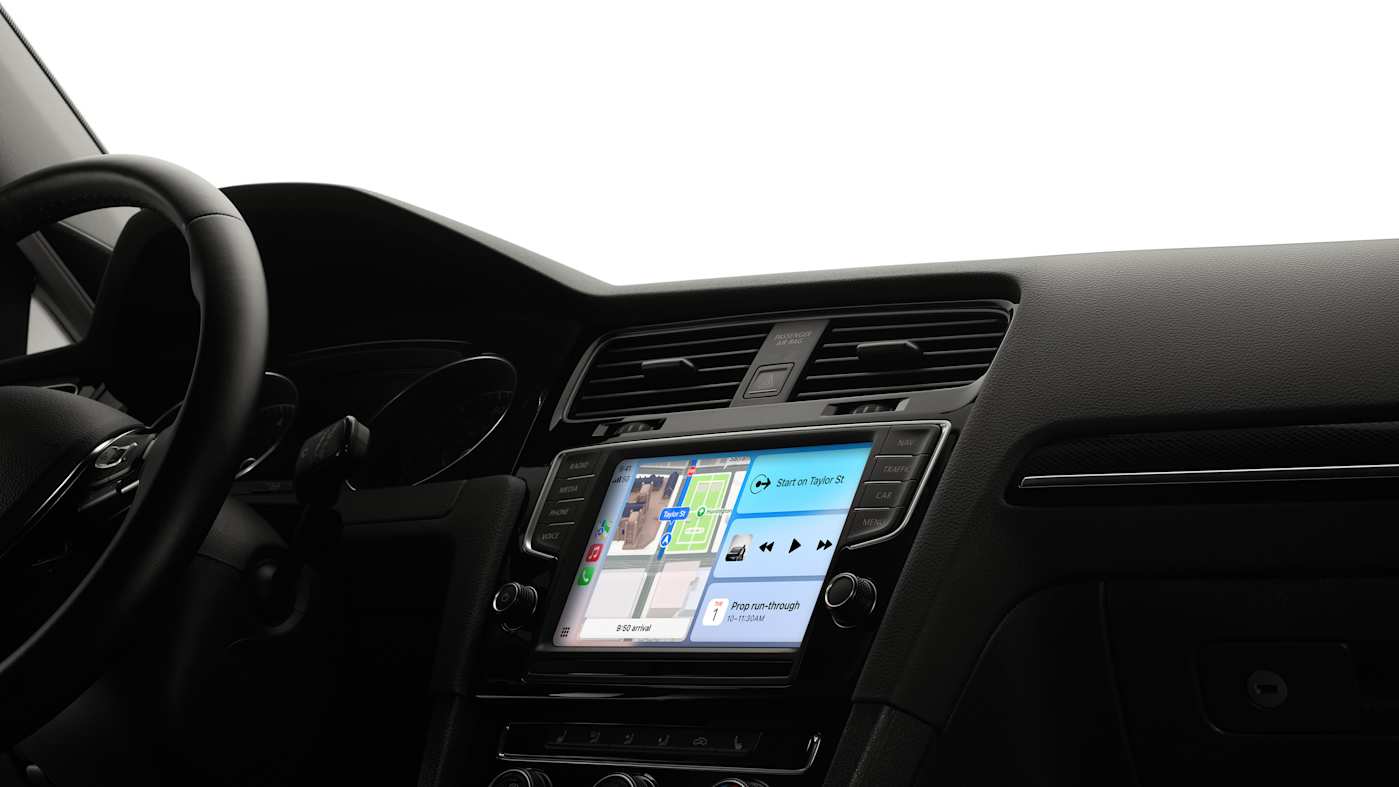
We're still waiting for Apple CarPlay compatibility for Tesla EVs, but it's been pushed back thanks to a slight hitch with iOS 26, according to Bloomberg's Mark Gurman. In the latest Power On newsletter, Gurman said that Tesla's plans to adopt CarPlay have been delayed due to app compatibility issues as well as low adoption rates for iOS 26.
It's been a long wait for Tesla drivers who want CarPlay compatibility, especially since initial rumors indicated a late 2025 rollout and Bloomberg reported that Tesla was testing CarPlay in its vehicles in November. However, Gurman's latest newsletter revealed that there were some compatibility issues between Apple Maps and Tesla's in-house navigation software, which also supports the self-driving features.
To address this, Apple released an iOS 26 update that would better synchronize the two navigation apps, especially when a driver would use Tesla's autonomous driving options. Still, Tesla is reportedly concerned enough about the low adoption rates of iOS 26 to delay delivering CarPlay to its vehicles. Gurman also noted that iOS 26 adoption rates were lower than usual, but are already going up, citing Apple's latest numbers that 74 percent of all iPhones released in the last four years are running iOS 26.
There's still no official date for when CarPlay arrives in Teslas, but including the beloved in-car feature could be a way to boost sales for the company. According to the January registration estimates in the US, Tesla saw sales slip for the fourth month in a row.
This article originally appeared on Engadget at https://www.engadget.com/transportation/evs/tesla-carplay-is-coming-but-its-reportedly-being-held-back-by-low-ios-26-adoption-numbers-173812736.html?src=rss
Airbnb plans to double down on artificial intelligence to improve its user experience for both guests and hosts. During a fourth-quarter earnings call, Airbnb's CEO, Brian Chesky, said the company is building an "AI-native experience" aimed at helping guests book trips, assisting hosts with their listings, and running the company more efficiently. According to Chesky, there's an AI search tool to help guests book trips that's live for a small percentage of users right now.
In a shareholder letter posted on Airbnb's website, the company said it's conducting early testing with an AI-powered search that is "focused on giving guests a more natural way to describe what they’re looking for, and ask questions about the listing and location." The letter added that the AI search tool will become "a more comprehensive and intuitive search experience that extends through the trip," but the company didn't offer a definitive date on when it would be available to the public.
While it may feel like Airbnb is late to incorporating AI into its ecosystem, it introduced an AI chatbot that handles customer service requests last year. While the AI agent is only available to users in North America currently, Airbnb said that it already handles a third of customer requests without the need for human intervention, as reported by TechCrunch. Chesky also said during the earnings call that the AI chatbot would tackle "significantly more" customer tickets a year from now and that it would roll out to the rest of the world.
This article originally appeared on Engadget at https://www.engadget.com/ai/airbnb-is-testing-out-ai-search-with-a-small-percentage-of-users-203054011.html?src=rss
Disney is going after another generative AI tool, accusing ByteDance and its recently released Seedance 2.0 of using its copyrighted material without permission. As first reported on by Axios, the Walt Disney Company sent a cease-and-desist letter to ByteDance, claiming the Chinese company developed its Seedance tool "with a pirated library of Disney's copyrighted characters from Star Wars, Marvel, and other Disney franchises, as if Disney's coveted intellectual property were free public domain clip art."
The letter, which was obtained by Axios, included examples of Seedance videos featuring copyrighted Disney characters, including Spider-Man, Darth Vader, Peter Griffin and more. Even though ByteDance just released Seedance 2.0 on Thursday, it's already earned praise, but also indignation from Hollywood studios, when it comes to its AI-generating capabilities.
With the strong early momentum, Seedance has already found itself in hot water with one of the largest media companies in the world. However, it's not the first time that Disney has threatened legal action against an AI company, since Character.AI received a cease-and-desist letter for the same offense in September. A few months later, Disney even accused Google of copyright infringement when training its AI models. On the other hand, Disney partnered with OpenAI in a three-year licensing agreement that allows the AI giant to generate images and videos using that highly sought-after intellectual property.
This article originally appeared on Engadget at https://www.engadget.com/ai/disney-accuses-bytedance-of-virtual-smash-and-grab-when-using-copyrighted-works-to-train-its-ai-191116136.html?src=rss
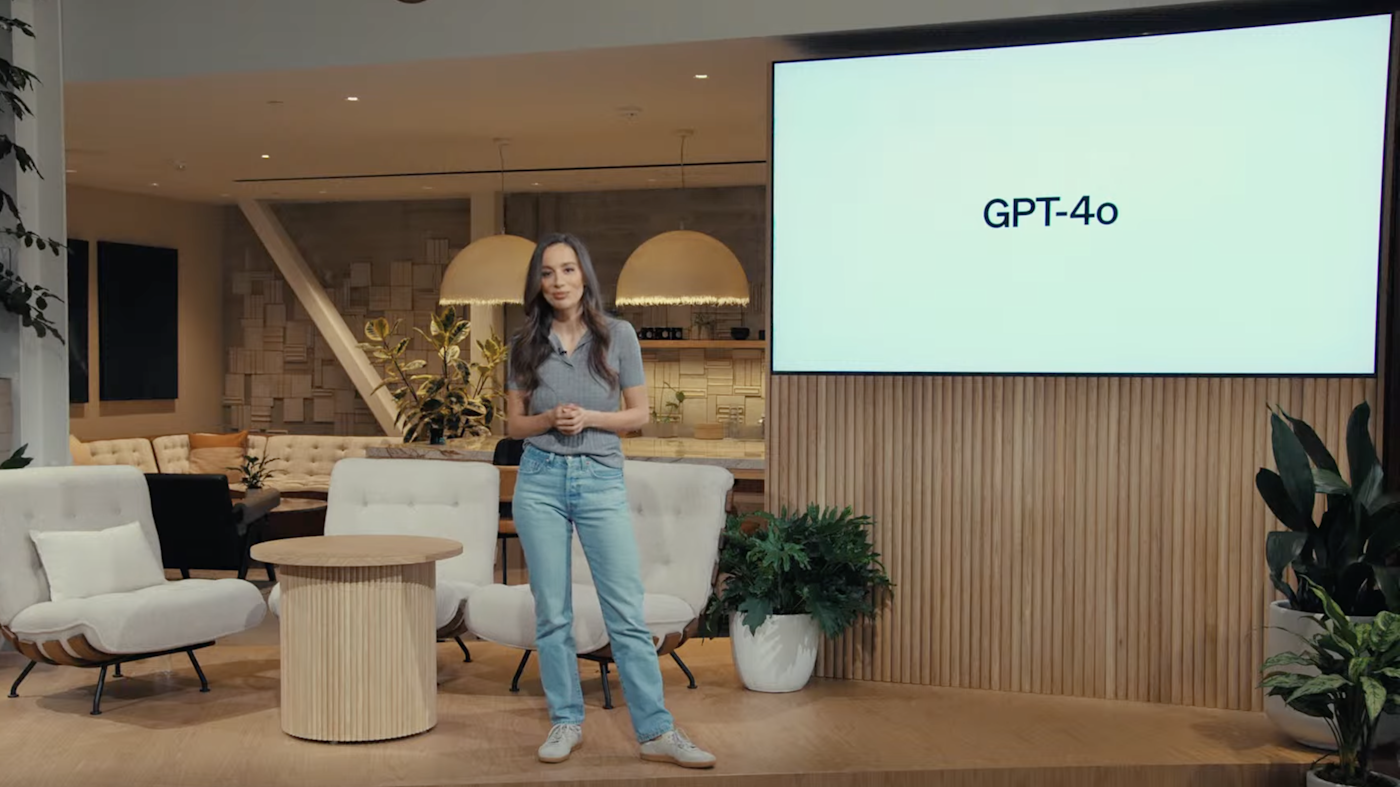
OpenAI's GPT-4o may have survived its first brush with going offline, but it won't be as lucky this time. OpenAI has officially retired GPT-4o, the ChatGPT model that was seen as more conversational and notoriously sycophantic, on February 13. The news of GPT-4o's end was first announced in a post on the OpenAI website in January, but the discontinuation also included GPT-5, GPT-4.1, GPT-4.1 mini, and OpenAI o4-mini from ChatGPT.
It's not the first time that OpenAI has delisted GPT-4o as an option for ChatGPT. In August, the AI giant sunsetted the GPT-4o model in favor of rolling out and prioritizing the latest GPT-5 model at the time. However, a wave of user complaints led OpenAI to restore access to GPT-4o but with no guarantee that it'll be around forever.
This time around, OpenAI doesn't seem very open to preserving access to GPT-4o, especially since it'll serve only a small portion of the user base. The company wrote on its website that "the vast majority of usage has shifted to GPT‑5.2, with only 0.1 percent of users still choosing GPT‑4o each day." On top of that, OpenAI is facing several wrongful death lawsuits that specifically mention the GPT-4o model. Despite the two weeks of notice before GPT-4o's last day online, there is still a vocal group of users mourning the loss of their AI boyfriends and even calling for OpenAI to open-source their preferred model.
This article originally appeared on Engadget at https://www.engadget.com/ai/openai-has-officially-retired-the-controversial-gpt-4o-model-181553067.html?src=rss
Every once in a while, a product comes along that sparks a bit of joy in our jaded hearts. This is what happened with the Kodak Charmera, a $30 tiny toy camera that was nearly impossible to get ahold of in the first couple of months after its release, selling out immediately over waves of blind box restocks. Despite the gimmick of it all, the Charmera was just too cute for some of us to resist, and we sprang when they finally started becoming more readily available.
A few of us on the Engadget team have one now, and even with all of its shortcomings, we kind of love this thing. Here's what two of our writers think about it.
Lately, it feels like a chore to carry around a full-frame mirrorless camera. My Nikon definitely feels like the right tool to precisely capture a moment in time with fast autofocus and plenty of image resolution. Other times, that perfect moment is more casual, like catching up with friends over dim sum or killing time while you're snowed in at a cabin in Vermont. In these cases, there's no reason to carry around a hulking camera and lens to snap a flawless photo that I have to edit later. Instead, something light, discreet and playful feels like the right tool for the occasion.
Jackson Chen for Engadget
That's where the Kodak Charmera comes in. It's a toy camera with a 35mm lens with a fixed f/2.4 aperture and a 1/4-inch sensor. In other words, the photos this thing takes are about equivalent to what you would get with a crappy flip phone from the 2000s that also plays Snake.
Kodak is clearly trying to wring out the longing for nostalgia within all of us, and has nailed it with the Charmera, which is even inspired by its old-school disposable Fling cameras. It's definitely not as good as the smartphone in your pocket, but there's something disarming about snapping a quick shot with a tiny block of plastic that's lighter than your keys.
Playing around with the Charmera for a few weeks gave me a healthy reminder that the sillier and more transient parts of life don't need the technical prowess of an expensive camera. Obviously, the Chamera produces photos of terrible quality at 1.6 megapixels and can't really capture anything fast-moving or in low light, but it's undeniably fun and hard to resist shooting with. And sometimes, you and your friends are just doing wildly unserious things and you want a camera that matches that energy.
— Jackson Chen, Contributing Reporter
Every time I pull out the Kodak Charmera in public to snap a few pictures, I'm immediately met with a barrage of questions and squeals of delight from full-grown adults: "What is that?"; "Is that a camera?"; "Does it really take pictures?"; "Can I see it?" It is the kind of accessory that doubles as a conversation starter, an effect that's turned out to be as joyous as taking pictures with the camera itself. I've been trying really hard to spend less time on social media and my phone in general lately, and having a two-inch camera clipped to me has made for a pretty fun shift in how I document the day-to-day.
As the resurgence of compact digital cameras has shown us, a lot of people are yearning for a time of simpler tech — when we had personal devices that could do useful things, like take decent photos and connect us to our friends, but didn't consume our lives entirely. Companies like Camp Snap have shaped their entire brands around recapturing that magic, and some consumers have shown that they're willing to sacrifice in areas like image quality in exchange for a taste of it, too. The Kodak Charmera isn't the kind of product you go into purchasing with high expectations. It is clearly a toy that is only going to be capable of so much.
Cheyenne MacDonald for Engadget
As Jackson noted, the low-resolution 1,440 x 1,080 pictures look about on par with those you'd have taken on a flip phone 15 or 20 years ago. In the right lighting conditions with a clearly defined subject, they're not so bad. But selfies, portraits and nature photos will generally look washed out. It can record videos too — and you should set similarly low expectations for these.
Despite all that, I've been pleasantly surprised by how much I'm enjoying the Charmera experience. Its crunchy photos are just good enough to feel like they're successfully preserving a moment in time. And being so tiny, it's really convenient to bring everywhere. It even came with me to CES. The Charmera takes a microSD card (sold separately), allowing for tons of storage and easy transferring. There are a bunch of built-in filters you can apply, too, which have been fun to play around with.
If I want high-quality photos, this isn't the camera I'm going to reach for. But it's great for low-stakes situations when all I care about is taking some pictures I can look back on fondly later. Consider me charmed. — Cheyenne MacDonald, Weekend Editor
This article originally appeared on Engadget at https://www.engadget.com/cameras/the-ridiculously-tiny-kodak-charmera-captured-our-hearts-and-lots-of-shoddy-pictures-140000245.html?src=rss
Netflix's acquisition of Warner Bros. Discovery isn't quite a done deal yet. As first reported by The Wall Street Journal, the US Department of Justice has started its probe of Netflix's proposed purchase, but is notably interested in whether the streaming giant was involved in any anticompetitive practices. According to the civil subpoena seen by WSJ, the Justice Department is looking into any "exclusionary conduct on the part of Netflix that would reasonably appear capable of entrenching market or monopoly power."
While Netflix announced plans to acquire Warner Bros. Discovery in December at a value of $82.7 billion, the deal was expected to close in 12 to 18 months, subject to required regulatory approvals. The DOJ has the power to block the transaction and this investigation could hint at the agency's approach, which may involve proving that Netflix put its competition at an unfair advantage.
Netflix's attorney, Steven Sunshine, told WSJ that this probe was standard practice and that, "we have not been given any notice or seen any other sign that the DOJ is conducting a separate monopolization investigation." Netflix also said in a statement that it's "constructively engaging with the Department of Justice as part of the standard review of our proposed acquisition of Warner Bros." According to WSJ, the investigation is still in its early stages and could take up to a year to complete.
This article originally appeared on Engadget at https://www.engadget.com/entertainment/streaming/doj-is-investigating-if-netflix-used-anticompetitive-tactics-as-part-of-its-merger-probe-210940856.html?src=rss
Trump Mobile is already failing to deliver on some early promises, according to the latest report from The Verge. The report revealed the near-final design of the T1 smartphone and uncovered some major changes with pricing and manufacturing.
The Verge spoke with Don Hendrickson and Eric Thomas, two of the three execs behind Trump Mobile, about the company's first smartphone, which will get a more expensive price tag and no longer boast being made in the USA. Thanks to a screenshot from the report, we can see that the latest T1 design also changed the camera array, which first resembled the iPhone's but now has three cameras in a misaligned vertical stack.
As for the price, Hendrickson told The Verge that anyone who paid the $100 deposit will still pay $499 total for the T1 as an "introductory price," but that later customers could fork up to $999. Thomas also revealed that the T1 smartphone will go through "final assembly" in Miami and no longer be "proudly designed and built in the United States," as seen in the introductory press release. Instead, the website now shows a description that says, "with American hands behind every device." We still don't have a release date — and now we don't even have a final price — but the website still claims the T1 smartphone will be released "later this year."
This article originally appeared on Engadget at https://www.engadget.com/mobile/smartphones/trump-mobiles-t1-phone-is-apparently-still-coming-but-itll-be-uglier-and-more-expensive-190626835.html?src=rss
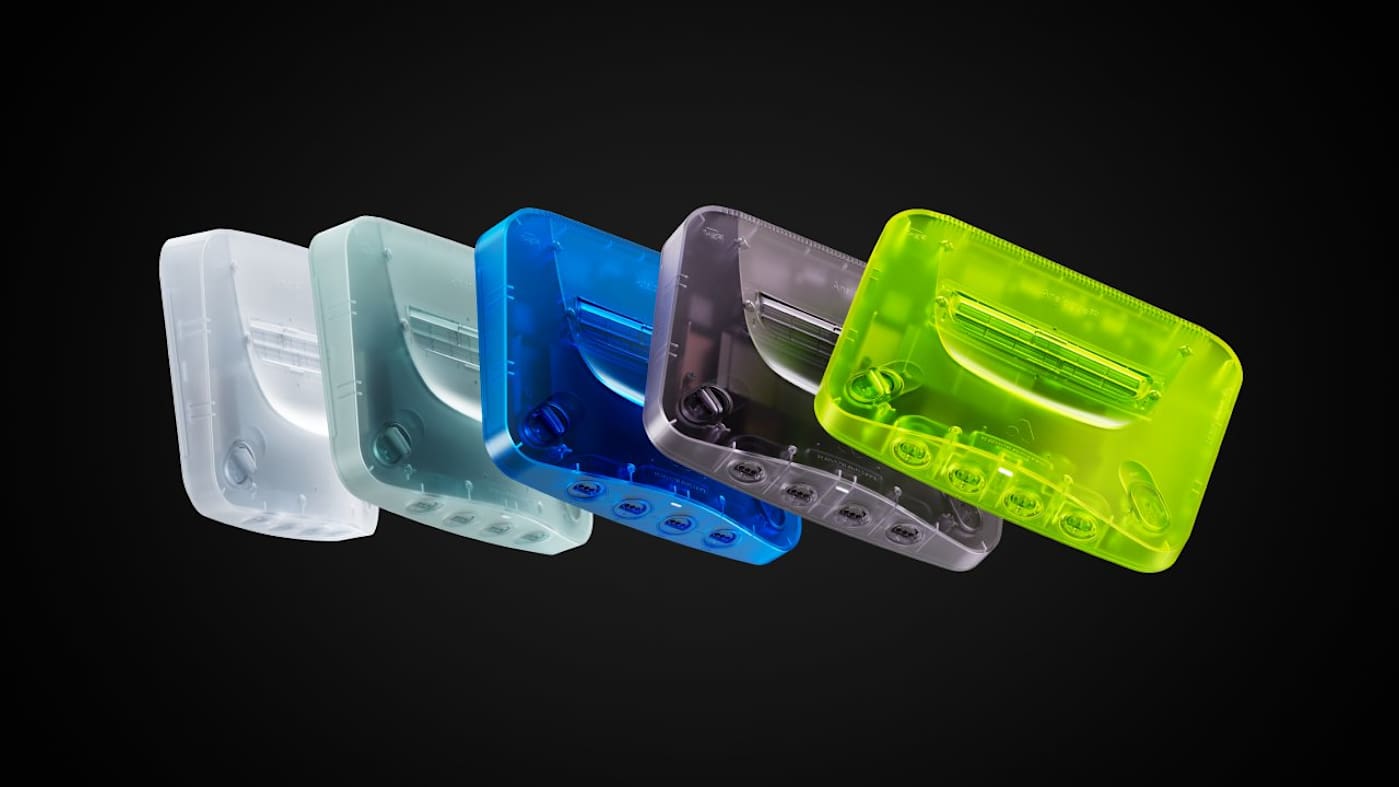
Analogue is back with another hit of N64 nostalgia, but with colorways that are deep cuts for even the biggest Nintendo nerds. Analogue announced its latest run of limited edition versions of its 3D console, this time drawing inspiration from a batch of prototype colorways for the original N64 that were manufactured but never hit the market. Now, the Analogue 3D will come in Ghost, Glacier, Extreme Green, Ocean and yes, even Atomic Purple.
It may just be a cosmetic upgrade, but it's worth noting that each of the colorways has matching cables, power adapters and 16GB SD cards that come preinstalled. Analogue even partnered with 8BitDo again to create color-matched controllers that complete the colorful retro experience.
8BitDo
As usual, Analogue said this latest run will be available in "highly limited quantities," starting on February 9 at 11AM ET. Be sure to set a reminder because the first Analogue 3D drop sold out quickly and the Funtastic colorways went out of stock just as fast. According to Analogue, the consoles will go for $299.99 and start shipping 24 to 48 hours after orders are completed. 8BitDo said the $49.99 controllers will be available for preorder at the same time as the 3D console, but see its first shipments starting in April.
This article originally appeared on Engadget at https://www.engadget.com/gaming/nintendo/analogue-unearths-n64-prototype-colors-for-its-limited-edition-3d-console-171923894.html?src=rss
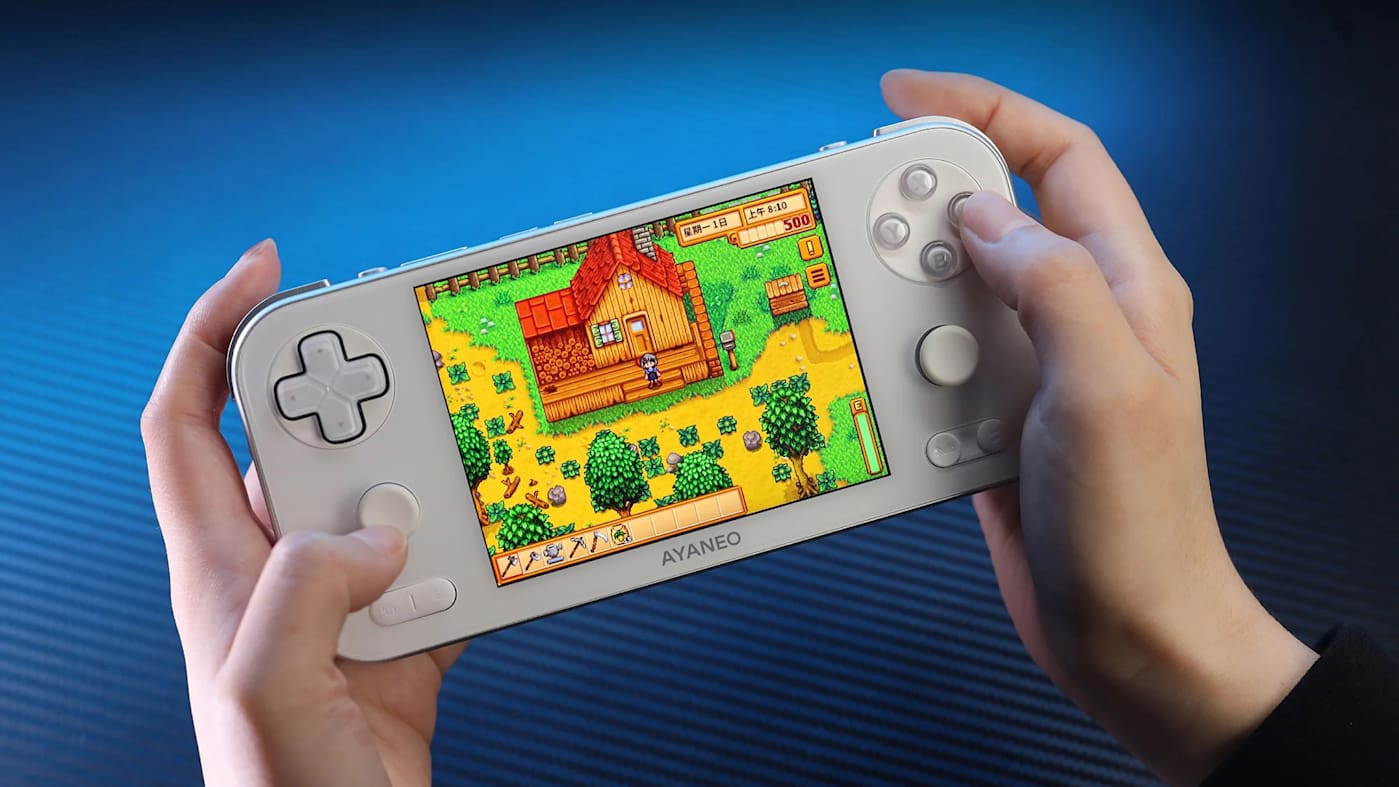
There may be plenty of gaming handhelds out there, but there aren't many horizontal options that let you play childhood favorites in the original 4:3 aspect ratio. To address that gap, Ayaneo launched a premium option with the Pocket S Mini. As a "true 4:3 retro handheld," the Pocket S Mini won't have those pesky vertical black bars whenever you're emulating video games from the CRT television era.
Handhelds like the Anbernic RG405M and even Ayaneo's own Pocket Air Mini already offer a 4:3 aspect ratio, but the Pocket S Mini presents a more high-end build with a full metal frame and a glass front panel. The 4.2-inch LCD screen has a resolution of 1,280 x 960 and is flanked by Hall effect joysticks with RGB lighting, Hall effect triggers and "crystal-textured" buttons. Inside, the Pocket S Mini runs on a Snapdragon G3x Gen 2 chip and is powered by a 6,000mAh battery.
Ayaneo
Unlike most of Ayaneo's other devices, the Pocket S Mini isn't being done through a crowdfunding campaign. It's already available on Ayaneo's website with a starting early bird price of $319 for either the Obsidian Black or Ice Soul White options with 8GB of memory and 128GB of storage. As usual, the Retro Power colorway will only be available with the highest specs of 16GB of memory and 512GB of storage, starting at $479. We're not sure when Ayaneo will end early bird pricing, but the prices will eventually jump to between $399 and $559 for retail pricing.
This article originally appeared on Engadget at https://www.engadget.com/gaming/ayaneos-pocket-s-mini-has-the-perfect-aspect-ratio-for-revisiting-classic-console-games-203926701.html?src=rss
OnlyFans is looking to cash out once again, but this time in a deal that would value it at several billion dollars less than a potential sale that previously fell through. As reported by TechCrunch, the online platform known for subscription-based pornographic content is in talks to sell a majority stake to Architect Capital, an investment firm based in San Francisco.
According to the report, the proposed deal includes $3.5 billion in equity and $2 billion in debt, which values OnlyFans at $5.5 billion. TechCrunch also reported that Architect Capital and OnlyFans are currently in exclusive talks, where the website's owner can't negotiate with other potential buyers for a certain amount of time.
With no set timeline yet for the deal, the deal is far from an official closing. Last year, OnlyFans' owner Leonid Radvinsky was also negotiating with another investment firm, Forest Road Company, to sell the platform. Although that deal never went through, the talks leading up to the sale valued OnlyFans at a much higher $8 billion. The London-based website, which still doesn't want to be known as just a porn site, is still growing and reported a nine percent increase in gross revenue for its 2024 fiscal year, earning more than $7.2 billion.
This article originally appeared on Engadget at https://www.engadget.com/social-media/onlyfans-is-reportedly-in-talks-to-sell-a-60-percent-stake-to-a-san-francisco-investment-firm-191842666.html?src=rss
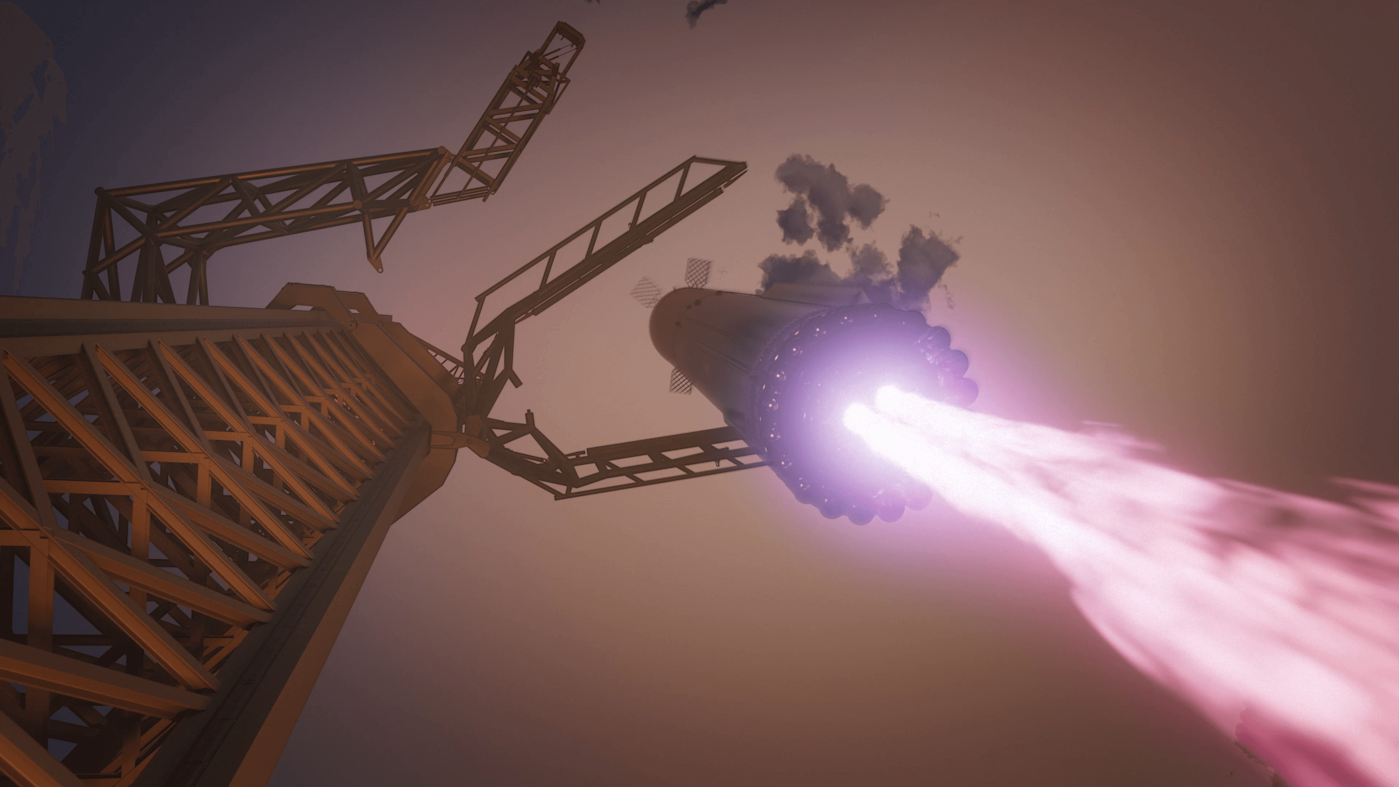
Elon Musk and his aerospace company have requested to build a network that's 100 times the number of satellites that are currently in orbit. On Friday, SpaceX filed an application with the Federal Communications Commission (FCC) to launch a million satellites meant to create an "orbital data center." This isn't the first time we're hearing of Musk's plans to build an orbital data center, as it was mentioned by company insiders following the news that the CEO was reportedly preparing to take SpaceX public.
According to the filing spotted by PCMag, this data center would run off solar power and deliver computing capacity for artificial intelligence needs. SpaceX is requesting to "deploy a system of up to one million satellites to operate within narrow orbital shells spanning up to 50 km each," as detailed in the filing. According to SpaceX's filing, "orbital data centers are the most efficient way to meet the accelerating demand for AI computing power" since they use "solar power with little operating and maintenance costs."
To give some scale of the astronomical number of satellites SpaceX is asking for, the company recently hit a milestone of the 11,000th Starlink satellite launched. There aren't as many in orbit since the satellites can run into issues, but an unofficial website that tracks Starlink stats claims there are more than 9,600 satellites in orbit as of January 30, 2026. The FCC is likely to whittle down the amount that SpaceX is asking for in its filing, as the federal agency has done in the past. Earlier this month, the FCC approved SpaceX's request to deploy 7,500 more Starlink satellites, following another 7,500 launched in 2022. However, it's much less than the nearly 30,000 amount that SpaceX first asked for in 2020.
This article originally appeared on Engadget at https://www.engadget.com/science/space/spacex-wants-to-launch-a-constellation-of-a-million-satellites-to-power-ai-needs-175607771.html?src=rss
OpenAI may have called GPT-5.2 its "most advanced frontier model for professional work," but tests conducted by the Guardian cast doubt on its credibility. According to the report, OpenAI's GPT-5.2 model cited Grokipedia, the online encyclopedia powered by xAI, when it came to specific, but controversial topics related to Iran or the Holocaust.
As seen in the Guardian's report, ChatGPT used Grokipedia as a source for claims about the Iranian government being tied to telecommunications company MTN-Irancell and questions related to Richard Evans, a British historian who served as an expert witness during a libel trial for Holocaust denier David Irving. However, the Guardian noted ChatGPT didn't use Grokipedia when it came to a prompt asking about media bias against Donald Trump and other controversial topics.
OpenAI released the GPT-5.2 model in December to better perform at professional use, like creating spreadsheets or handling complex tasks. Grokipedia preceded GPT-5.2's release, but ran into some controversy when it was seen including citations to neo-Nazi forums. A study done by US researchers also showed that the AI-generated encyclopedia cited "questionable" and "problematic" sources.
In response to the Guardian report, OpenAI told the outlet that its GPT-5.2 model searches the web for a "broad range of publicly available sources and viewpoints," but applies "safety filters to reduce the risk of surfacing links associated with high-severity harms."
This article originally appeared on Engadget at https://www.engadget.com/ai/report-reveals-that-openais-gpt-52-model-cites-grokipedia-192532977.html?src=rss
Before Electronic Arts goes private in a groundbreaking sale, some US lawmakers are pleading for some federal oversight. Democratic members of the US Congress, as part of the Congressional Labor Caucus, penned a letter asking the Federal Trade Commission to "thoroughly review" the $55 billion acquisition of EA.
EA confirmed the sale to the Public Investment Fund, or the sovereign wealth fund of Saudi Arabia, Silver Lake and Affinity Partners in September, but the deal is expected to close in the first quarter of 2027. Before the official change of ownership, the 46 House Democrats who signed the letter to the FTC are calling for more scrutiny into the impacts of the deal.
The letter noted some of the most consequential effects, including the worsening of an unstable industry, the potential for more layoffs and increased market dominance for EA. "We respectfully urge the Commission to conduct a thorough investigation into the labor market consequences of this proposed acquisition, including EA’s existing wage-setting power, the likelihood of post-transaction layoffs, the degree of labor-market concentration in relevant geographic and occupational markets, and the role of cross-ownership in shaping labor outcomes," the letter read.
The letter already earned support from the Communications Workers of America union, who also supported a petition from the United Video Games union. As spotted by Eurogamer, the petition calls on regulators and elected officials to "scrutinize this deal and ensure that any path forward protects jobs and preserves creative freedom."
This article originally appeared on Engadget at https://www.engadget.com/gaming/us-congress-members-call-for-thorough-review-of-eas-55-billion-sale-175851429.html?src=rss
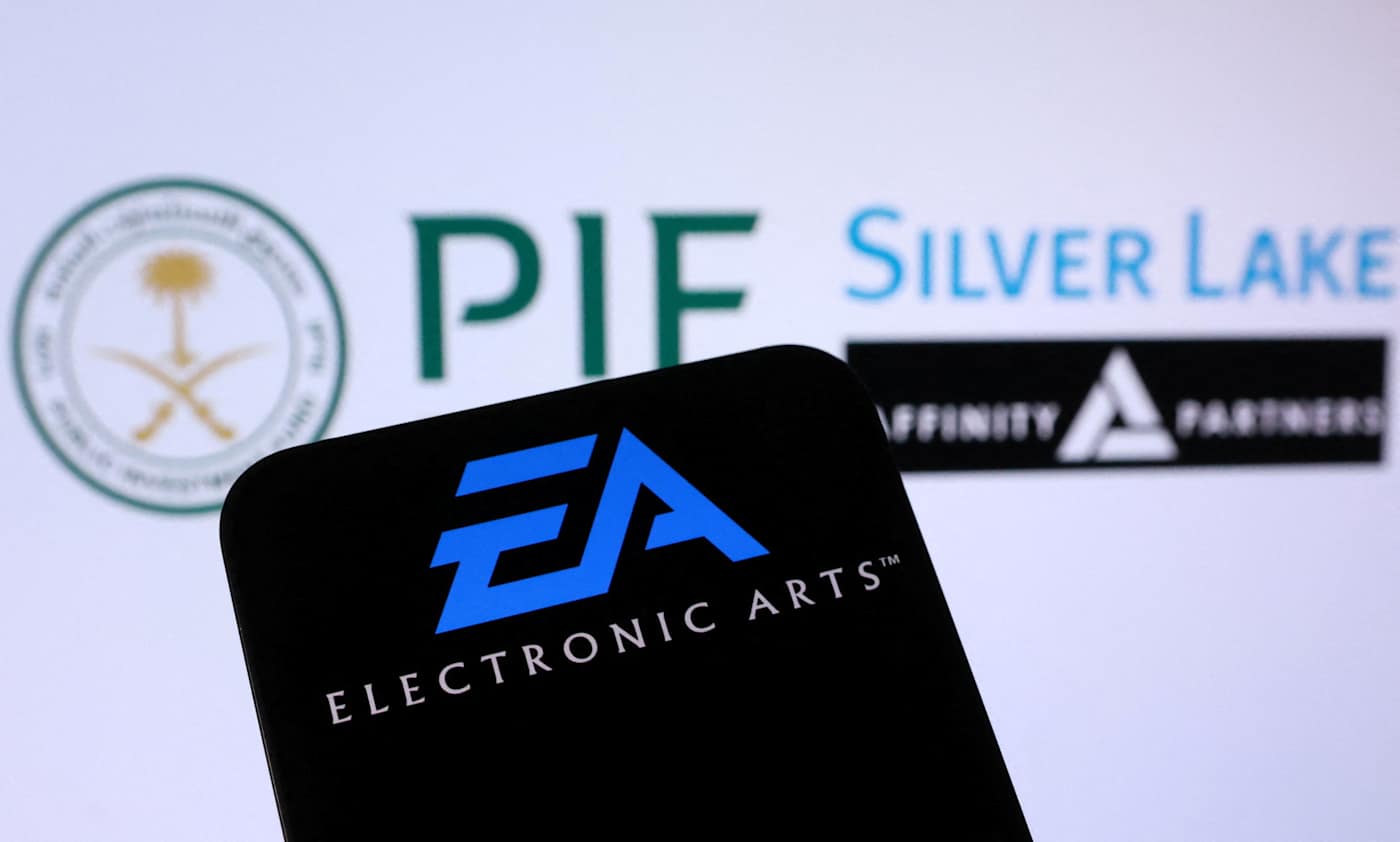
Electronic Arts logo is seen in front of the logos of PIF (Public Investment Fund), Silver Lake and Affinity Partners in this illustration taken September 30, 2025. REUTERS/Dado Ruvic/Illustration
Waymo has caught the attention of the National Transportation Safety Board as the federal agency launched an official investigation into the company for its robotaxis improperly passing school buses in Austin, Texas. The NTSB said on X that it would "examine the interaction between Waymo vehicles and school buses stopped for loading and unloading students."
The latest federal probe stems from a preliminary evaluation by the National Highway Traffic Safety Administration that looked into how Waymo reacts to stopped school buses in the Texas city. That report led to Waymo's voluntary software recall in December. However, the school district said in a memo that the robotaxis were seen repeating the same offense days after the software update.
As for the NTSB investigation, an agency spokesperson told the Austin American-Statesman that its "investigators will travel to Austin to gather information on a series of incidents in which the automated vehicles failed to stop for loading or unloading students." According to an NTSB spokesperson, a preliminary report will be out within 30 days, but the final report will take anywhere between 12 and 24 months.
In response, Mauricio Peña, chief safety officer for Waymo, said in a statement to multiple news outlets that "there have been no collisions in the events in question, and we are confident that our safety performance around school buses is superior to human drivers," adding that the investigation will be "an opportunity to provide the NTSB with transparent insights into our safety-first approach."
This article originally appeared on Engadget at https://www.engadget.com/transportation/ntsb-will-investigate-why-waymos-robotaxis-are-illegally-passing-school-buses-160943613.html?src=rss
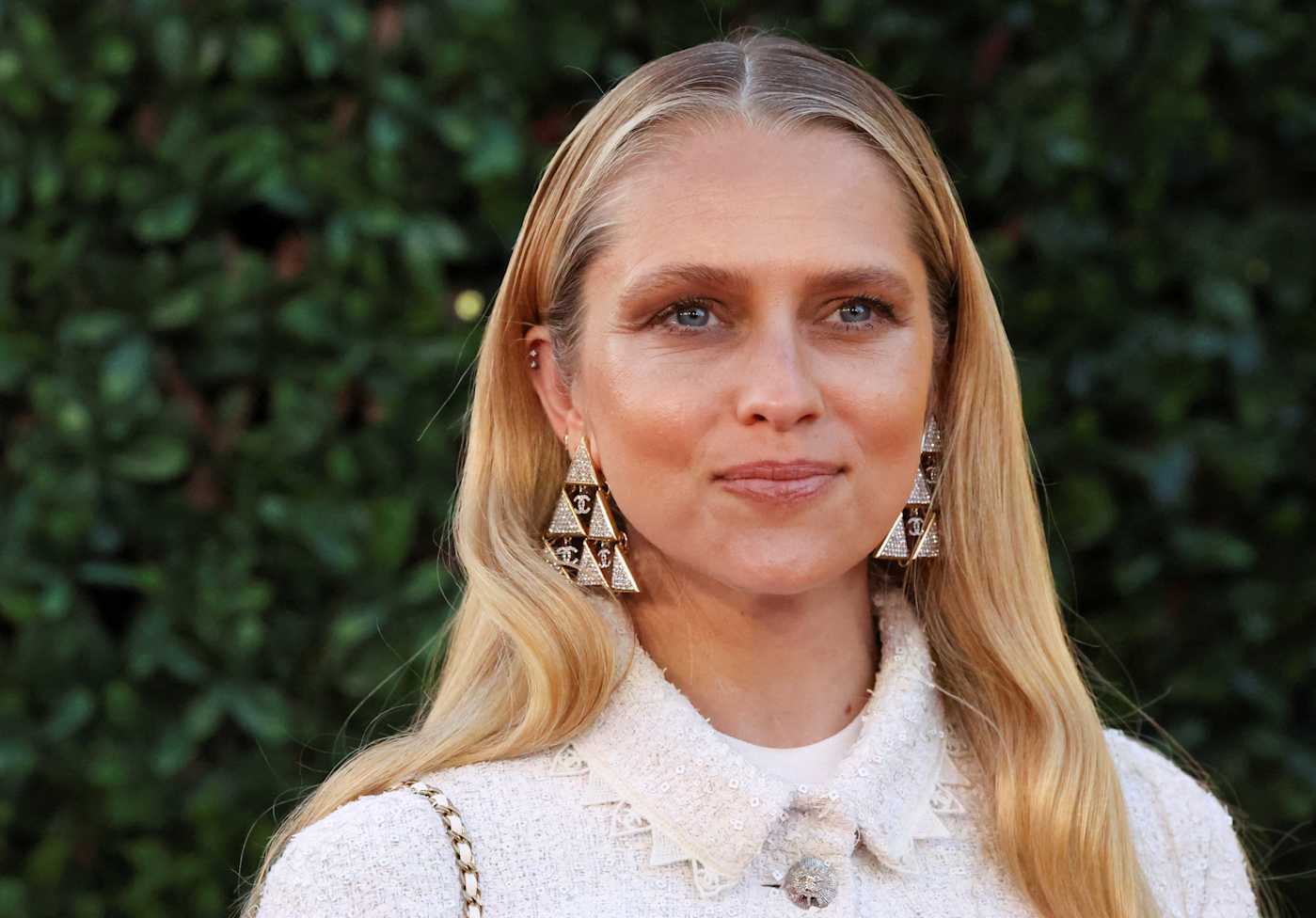
Amazon is reportedly adding Teresa Palmer (The Fall Guy, Warm Bodies, Hacksaw Ridge) to its pantheon of Norse gods for its God of War TV show adaptation. As first reported by Deadline, Palmer will play Sif, Thor's wife and eventual leader of the Aesir, in the live-action adaptation. It may not carry as much weight as the casting of the video game's protagonist that was revealed earlier this week to be Ryan Hurst, but it could hint at the direction the TV show may take.
While Sif plays a minor role in the God of War Ragnarok game, the early casting confirmation could indicate that the showrunner, Ronald D. Moore, may give the character a more involved role. In God of War Ragnarok, Sif is known as Odin's diplomat before the events of Ragnarok, where she becomes the new leader of the Aesir, one of two tribes of Norse gods. Notably, Amazon's adaptation is still missing the casting confirmations for Atreus, Thor, Odin and many other Norse gods seen in the video game. Even so, the God of War TV show has already secured at least two seasons.
This article originally appeared on Engadget at https://www.engadget.com/entertainment/tv-movies/amazons-live-action-god-of-war-adaptation-adds-teresa-palmer-201604602.html?src=rss
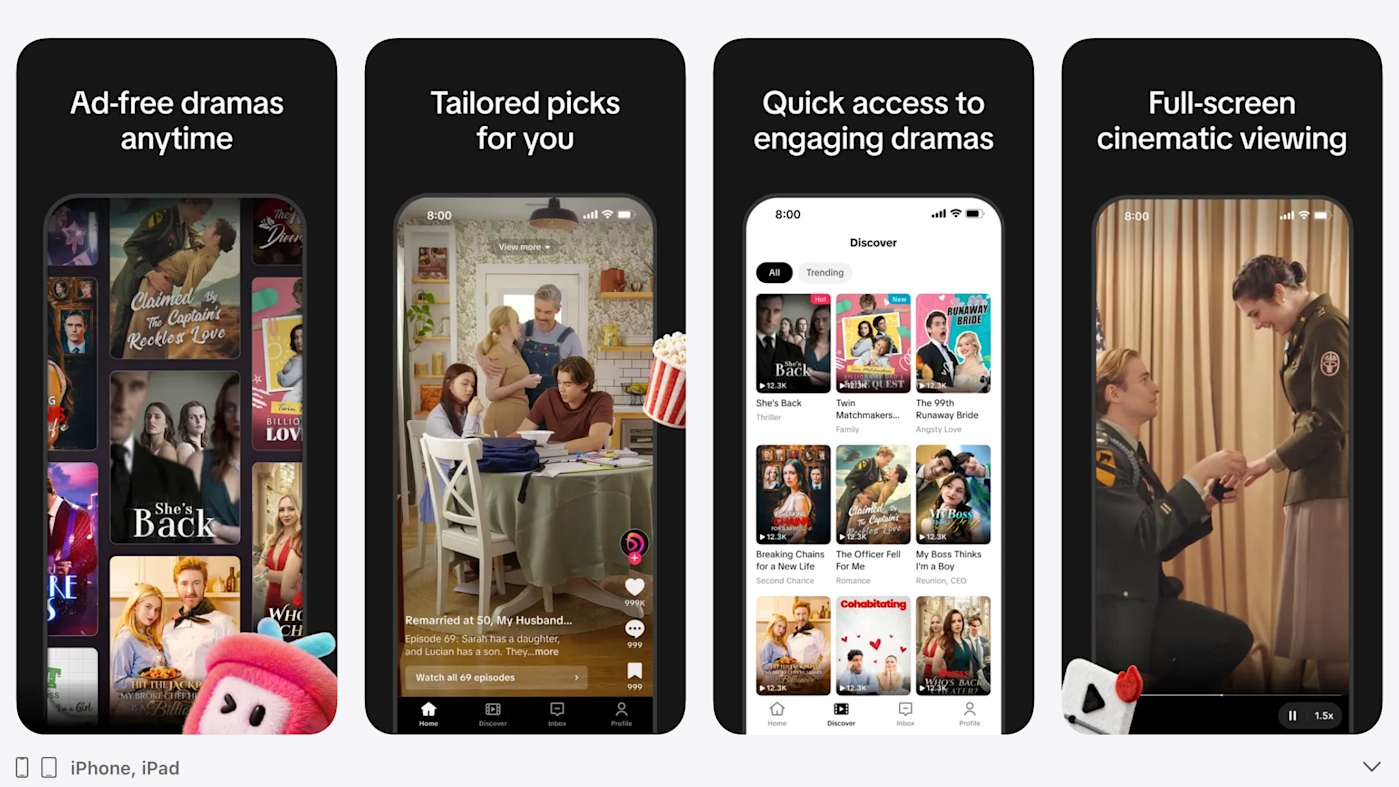
In another attempt to reduce our attention spans to mush, TikTok has released the PineDrama app, which offers serialized drama series that are roughly a minute per episode. As first spotted by Business Insider, the app is designed exactly like TikTok, but instead of trendy dance videos, you can scroll through and watch "micro dramas."
For those new to the category, micro dramas are bite-sized TV shows shot in vertical video and available in minute-long episodes. Don't expect any nominations for Best Original Screenplay with series like The Officer Fell For Me or Married to my past life's nemesis, since they typically offer soap opera vibes with cliffhangers that keep users scrolling to the next episode. The app is designed to keep people on it with a Discover tab, a place to save favorites and the ability to react in real time alongside other viewers.
Right now, the micro dramas on PineDrama are all free to watch and don't have any ads. It's unclear if TikTok will introduce any costs or ads to the app, since other micro drama options like DramaBox or ReelShort have a paid structure. Late last year, TikTok also introduced a way to watch micro dramas within its own app, with a section called Minis. It's not the first time we're seeing shorter TV show formats, since Quibi made waves with a format of episodes that were less than 10 minutes long. However, maybe even 10 minutes was too long since the startup eventually called it quits after eight months.
This article originally appeared on Engadget at https://www.engadget.com/entertainment/tv-movies/tiktoks-latest-spinoff-app-feels-a-lot-like-quibi-but-with-shorter-and-cornier-content-185702010.html?src=rss
We now have some idea of what's at stake in the longstanding feud between Elon Musk and OpenAI. As first reported by Bloomberg, the latest filing, as part of a lawsuit that accuses the AI giant of abandoning its non-profit status, claims that Musk is owed anywhere between $79 billion and $134 billion in damages from the "wrongful gains" of OpenAI and Microsoft.
Musk claimed in the filing that he's entitled to a portion of OpenAI's recent valuation at $500 billion, after contributing $38 million in "seed funding" during the AI company's startup years. Along with providing "roughly 60 percent of the nonprofit's seed funding," Musk offered recruiting of key employees, introductions with business contacts and startup advice, according to the filing. The monetary estimate comes from C. Paul Wazzan, a financial economist who's serving as Musk's expert in the case. According to Wazzan's calculations, OpenAI earned between $65.5 billion and $109.43 billion in wrongful gains, while Microsoft saw between $13.3 billion and $25.06 billion.
The lawsuit between Elon Musk and OpenAI dates back to March 2024, when the xAI CEO first filed a legal action claiming that OpenAI violated its non-profit status. Musk later added Microsoft as another defendant and even tried to get an injunction when OpenAI announced efforts to reorganize its corporate structure. Besides this suit, Musk has named OpenAI in another legal battle, accusing the company, along with Apple, of monopolistic practices that prevent xAI from getting a fair shot in the App Store.
This article originally appeared on Engadget at https://www.engadget.com/big-tech/elon-musk-is-looking-for-a-134-billion-payout-from-openai-and-microsoft-171824945.html?src=rss
Tesla CEO Elon Musk attends a cabinet meeting held by U.S. President Donald Trump at the White House in Washington, D.C., U.S., April 30, 2025. REUTERS/Evelyn Hockstein
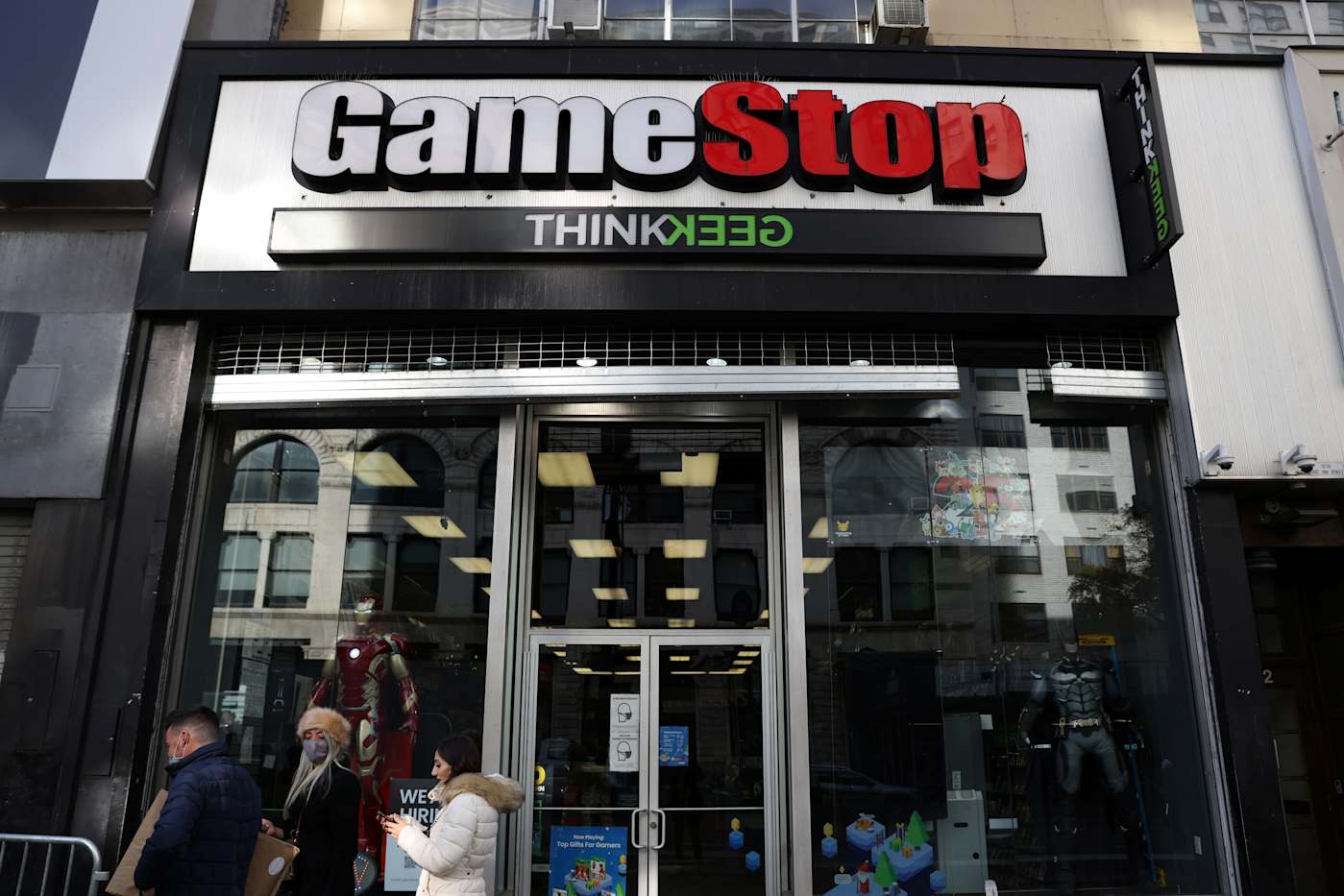
Your neighborhood GameStop might be on the chopping block, along with more than 400 other retail locations across the US. As first reported by Polygon, the retailer is pursuing a severe cost-saving measure by closing up several hundred physical locations. According to a blog that keeps track of GameStop closures, there are 410 locations that are confirmed to be closing or are already closed, along with another 11 that are reportedly also on their way, as of January 10.
As Polygon indicated, these closings aren't much of a surprise considering GameStop's SEC filing for December 2025 indicated that it would "anticipate closing a significant number of additional stores in fiscal 2025," which ends on January 31, 2026. The same filing detailed that the company's board would pay out the GameStop CEO, Ryan Cohen, up to $35 billion in stock options, given that he increases the retailer's market cap to $100 billion.
While the blog covers only closures in the US, the SEC filing also noted that GameStop is planning to reduce its presence in several other European countries and Canada. Even though GameStop saw a historic spike in market value in 2021, it has struggled with the brand's direction, as seen with failed attempts at offering a crypto locker and an NFT marketplace.
This article originally appeared on Engadget at https://www.engadget.com/gaming/gamestop-reportedly-shuts-down-more-than-400-us-stores-210632743.html?src=rss
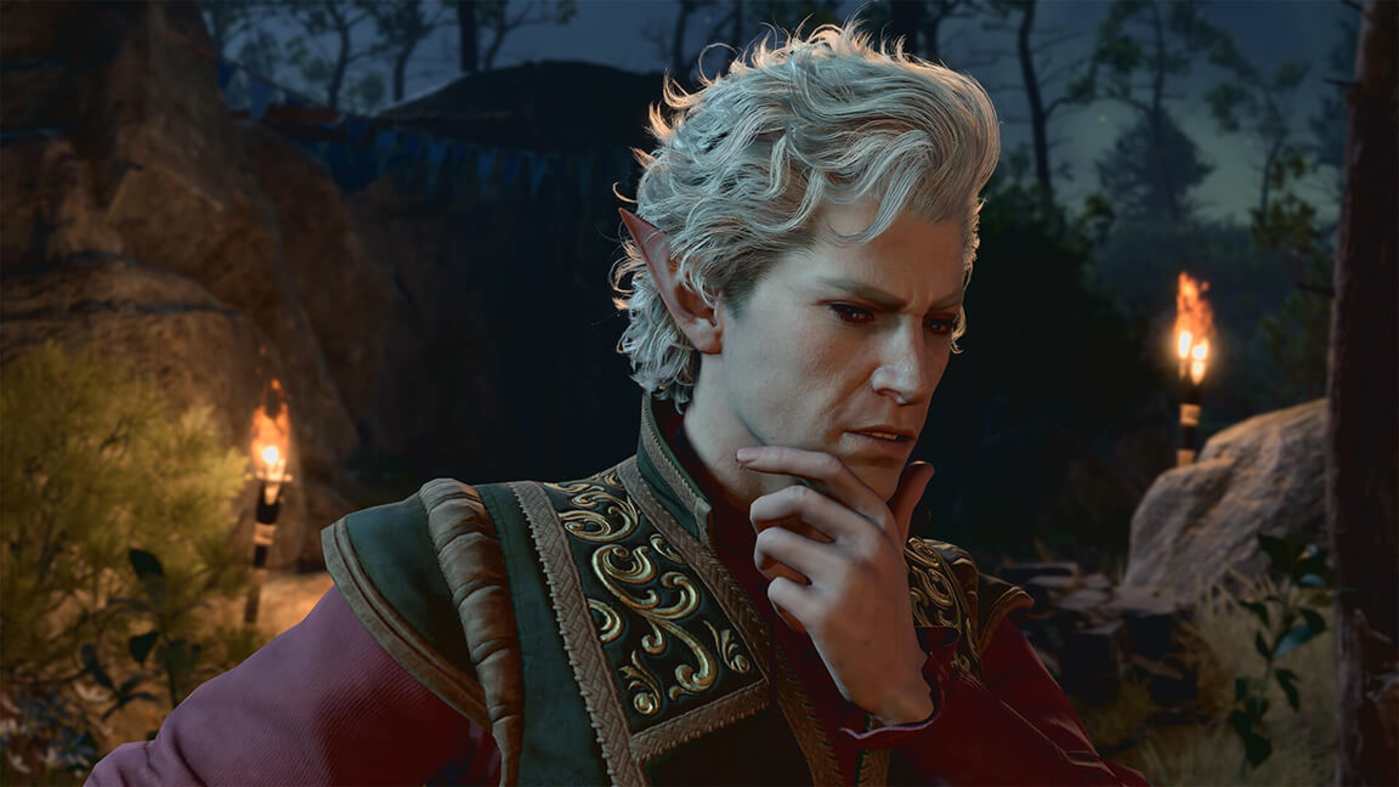
Nintendo Switch 2 owners can forget about seeing Baldur’s Gate 3 in the Nintendo Store, at least as of now. In a Reddit AMA, Larian Studio's CEO, Swen Vicke, said that the team would have loved to bring the title to Switch 2, but "it wasn't our decision to make."
As cryptic as that may sound, Vicke's response hints that either Wizards of the Coast, which owns the Dungeons and Dragons IP that Baldur's Gate 3 is set in, or Nintendo is behind the lack of a port. When it comes to Wizards of the Coast, rumors have circulated that the game studio and Wizards of the Coast may have a strained relationship. On the other hand, Larian Studios' technical director, Bert van Semmertier, revealed in a response to another AMA question that the studio just released Divinity: Original Sin 2 on the Switch 2, adding that "we love the platform and we will certainly consider Switch 2 for the next Divinity game."
There's still a chance that Wizards of the Coast decides to hire another studio to pursue a port in the future, but there's been no indication yet. As for why Larian Studios won't be behind a potential Switch 2 port, the developer said in a statement last year that it would no longer develop any major content updates or expansions for Baldur's Gate 3, nor work on a sequel.
This article originally appeared on Engadget at https://www.engadget.com/gaming/nintendo/dont-count-on-baldurs-gate-3-coming-to-switch-2-as-least-for-now-180538969.html?src=rss

 Anmelden