Kris Marszalek, CEO and co-founder of crypto and stock trading platform Crypto.com, has bought an expensive website. In this case it's AI.com, valued at one point at $100 million, which will serve as the online home for his new company of the same name. The website launch is being paired with a Super Bowl ad that will air this Sunday.
AI.com's main offering is an AI agent that "operates on the user’s behalf — organizing work, sending messages, executing actions across apps, building projects, and more." It's a similar concept to what companies like OpenAI, Anthropic and Google are promising with their own agents and agentic features, and notably lacking in hard details. Users can make multiple agents with AI.com and have them do a variety of tasks — the company's press release mentions trading stocks and updating a dating profile, for example — while remaining permission-based and private. It's not clear if AI.com is offering its own AI models or licensing those offered by other companies, but clearly whatever it offers, both for free and via a planned paid subscription, will be flexible.
Like Crypto.com's big push into the mainstream during late 2021 and early 2022, AI.com is arriving at a particularly hype-filled time in the AI industry. Anthropic's Claude Code and Claude Cowork tools have been taken up as evidence that AI might actually make people more productive, so AI.com's decision to push an agent of its own is timely.
Of course, after Crypto.com's big Matt Damon ad in 2021, and Super Bowl ad in 2022, Bitcoin prices hit an all-time low in June 2022. Ironically, Marszalek's AI.com is also launching during a particularly nasty "crypto winter" which has lowered the price of Bitcoin to under $66,000, a steep drop from the $127,000 it cost in October 2025. That's not to suggest the AI.com CEO is a groundhog for deflating hype balloons. More likely, it's a sign that the future of AI could be as unpredictable and volatile as cryptocurrency.
This article originally appeared on Engadget at https://www.engadget.com/ai/the-cryptocom-guy-bought-aicom-and-a-super-bowl-ad-234325394.html?src=rss
Apple plans to allow third-party voice-controlled AI apps in CarPlay, Bloomberg reports. Siri is the default voice assistant for things like controlling music and looking up directions, but future AI apps in CarPlay could handle the complicated, open-ended requests Siri can't answer.
The expanded support would let developers like OpenAI or Google offer versions of their ChatGPT and Gemini apps for CarPlay. Similar functionality is possible just by connecting a smartphone to a car over Bluetooth and using an AI app's voice mode, but CarPlay support would presumably make the process a little more seamless.
Not so seamless that it replaces Siri, however. Bloomberg writes that these third-party apps won't be able to replace the Siri button in the CarPlay interface or use their own wake words ("Hey Google," etc.). Instead, anyone who wants to spend a long drive talking to Gemini will have to open the app first. That could cut down on the utility of using one of these apps, but Apple presumably wants to get Siri to a place where CarPlay users prefer it as their in-car assistant anyway.
Apple and Google recently announced that Gemini would power future versions of Siri and Apple Foundation Models, the AI models underpinning Apple Intelligence. The delayed, updated version of Siri Apple introduced alongside Apple Intelligence in 2024 is supposed to be able to take actions on user's behalf, work across apps and understand the context of what's on screen, all things Gemini can currently do. Reports suggest Apple wants to eventually use Google's Gemini models to transform Siri into a proper conversational chatbot, too. That future version of the voice assistant could be right at home in CarPlay.
This article originally appeared on Engadget at https://www.engadget.com/transportation/apple-will-reportedly-allow-third-party-ai-assistants-in-carplay-213432646.html?src=rss
Disney+ subscribers in some European countries have lost access to advanced HDR features like Dolby Vision, TechRadar and FlatpanelsHD report. The issue was first spotted by German Disney+ subscribers on Reddit, but currently also impacts subscribers in Portugal, Poland, France and the Netherlands, according to FlatpanelsHD.
"Dolby Vision support for content on Disney+ is currently unavailable in several European countries due to technical challenges," Disney said in a statement. "We are actively working to restore access to Dolby Vision and will provide an update as soon as possible. 4K UHD and HDR support remain available on supported devices."
If the issue is in fact a technical one, it seems like it could be around for the long-term. Disney has removed any reference to Dolby Vision from its Disney+ video quality support page in Germany. As of now, the company lists HDR10 as its default HDR format, despite Dolby Vision support being a feature of Disney+ for several years now.
FlatpanelsHD writes that the real issue might be legal, rather than technological. A company called InterDigital won an injunction in a German court against Disney in November 2025 because it violated at least one of the company's patents on streaming video technology. The injunction specifically requires Disney to stop violating InterDigital's patent on "a method for dynamically overlaying a first video stream with a second video stream comprising, for example, subtitles." It's not entirely clear how that plays into the company offering Dolby Vision in Europe, but it would explain why subscribers in Germany were some of the first people to notice Dolby Vision's absence.
Engadget has contacted Disney for more information about Disney+'s missing HDR support and whether InterDigital's injunction played a role. We'll update this article if we hear back.
Mentions of Dolby Vision were also stripped out of the US version of Disney+'s video quality support page. InterDigital hasn't won an injunction in the US, but the company is pursuing a patent case against Disney in the United States District Court for the Central District of California. That doesn't necessarily mean Dolby Vision support will be taken from US subscribers next, but it does suggest there's more happening here than just technical challenges.
Update, February 6, 3:44PM ET: The original version of this article included mention of Disney+ losing HDR10+ support in Europe, but Disney says it never offered HDR10+ in that region. The article has been updated accordingly.
This article originally appeared on Engadget at https://www.engadget.com/entertainment/streaming/disney-loses-access-to-dolby-vision-in-some-european-countries-193930702.html?src=rss
The Steam Machine is back from the dead. Not as a Valve-supported program for manufacturers to create living room PCs, but instead a home console sibling to the Steam Deck. Valve introduced its second attempt at ruling the living room in a surprise hardware announcement in November 2025, and paired the new Steam Machine with a new Steam Controller and a wireless VR headset it calls the Steam Frame. Since the announcement, as is often the case with Valve, some details remain elusive, however.
While we wait for the release of the company's new hardware lineup in 2026, and more information straight from the horse's mouth, here's everything we know about the hardware, software and price of the Steam Machine.
What's the Steam Machine's hardware like?
Valve
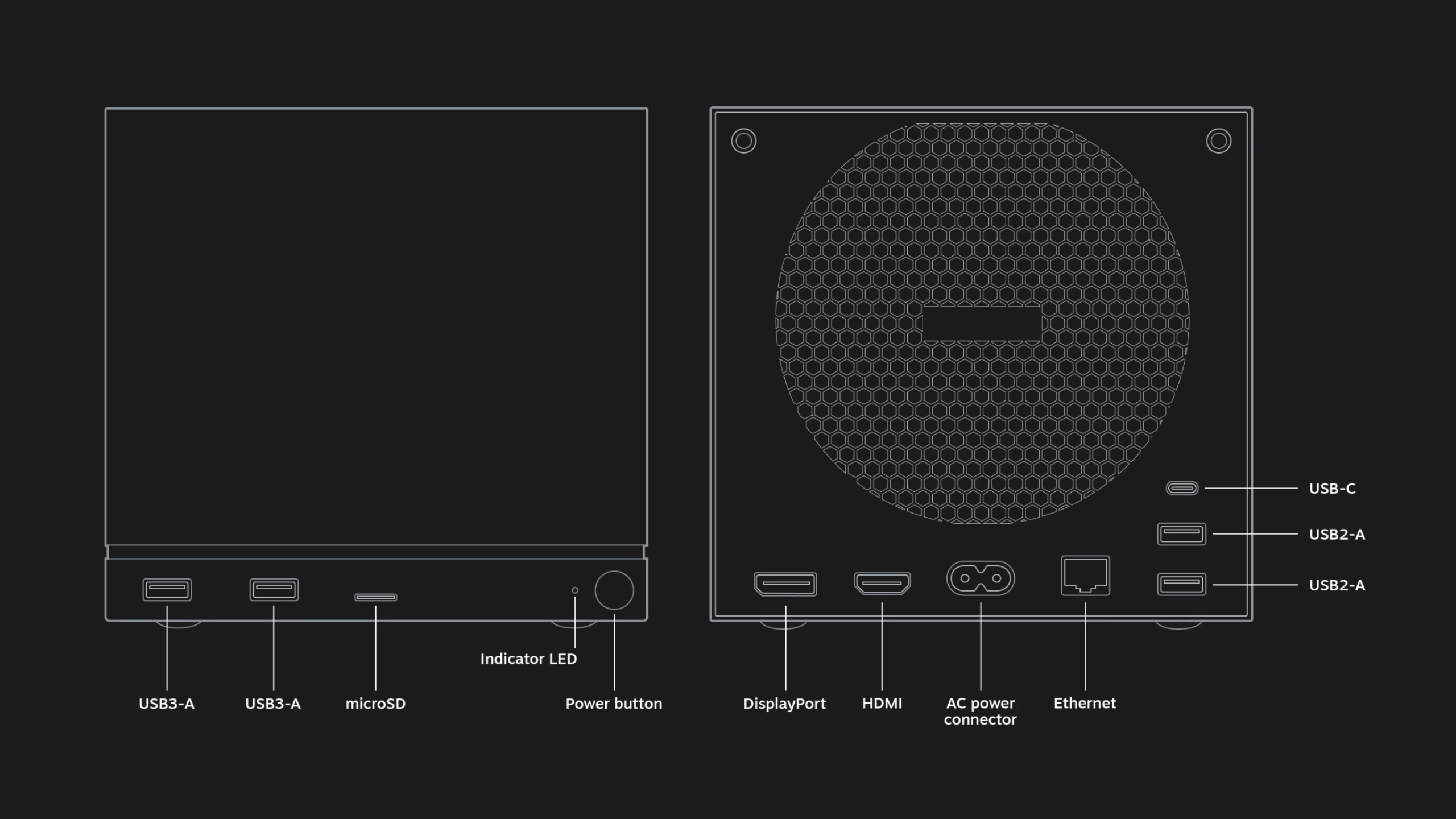
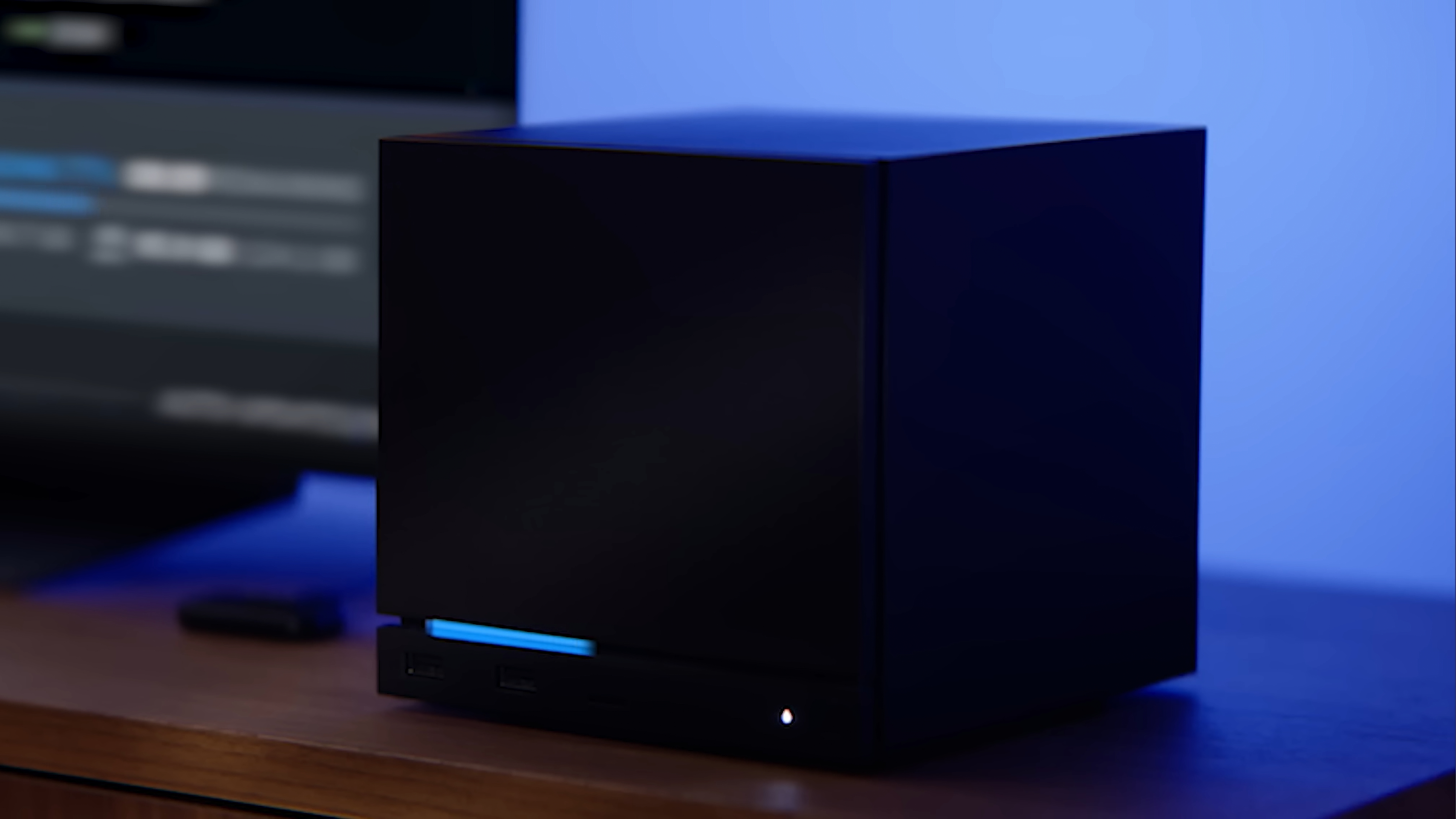
Like the Steam Deck, the Steam Machine is utilitarian and bespoke. The PC is a black, 5.98 x 6.39 x 6.14 inch (152 x 162.4 x 156mm) box, with ports and a grille for a fan in the back and a removable faceplate and customizable LED light strip in the front. Inside, Valve says the Steam Machine features a "semi-custom" AMD Zen 4 CPU with six cores and up to 4.8GHz clock speeds, and a "semi-custom" RDNA3 AMD GPU, along with 16GB DDR RAM, 8GB GDDR6 VRAM and either 512GB or 2TB of storage.
While these specs make the Steam Machine more powerful than the aging Steam Deck (which shipped in 2022 with its own custom AMD chip) Valve has been careful not to oversell the capabilities of the box. In a blog post, the company said that "the majority of Steam titles play great at 4K 60FPS" using AMD's FidelityFX Super Resolution (FSR) frame generation and upscaling technology, but some titles require more upscaling than others, and it "may be preferable to play at a lower framerate with [variable refresh rate] to maintain a 1080p internal resolution."
In a hands-on preview of the Steam Machine, Digital Foundry expressed concern with what Valve's claims and the device's stated specs could mean for future performance. "The decision to opt for 8GB of GDDR6 memory has been proven to be a limiting factor on many modern mainstream triple-A games and falls short of the maximum VRAM pools and memory bandwidth available on both Xbox Series X and base PS5," Digital Foundry writes.
The Steam Machine supports Bluetooth 5.3, Wi-Fi 6E and includes an integrated 2.4GHz adapter for the new Steam Controller. In terms of port selection, there's DisplayPort 1.4 and HDMI 2.0 inputs for connecting the box to external monitors and TVs, four USB-A ports (divided between two USB 2.0 ports and two USB 3.2 Gen 1 ports) and one USB-C port on the back.
Engadget will have to try out the Steam Machine to really know what it's capable of, but there's nothing to suggest it couldn't be as flexible as the Steam Deck, especially with more power to play with.
What games will be able to run on the Steam Machine?
Valve
Any game that runs on SteamOS, Valve's Linux-based operating system, will run on the Steam Machine, provided the device's technical specs will support it. For games running natively on Linux, the Steam Machine will download the Linux version. For Windows games and everything else, it'll be able to use Steam's built-in Proton compatibility layer to translate games to Linux, just like the Steam Deck does.
Proton is developed by both Valve and CodeWeavers, the team behind the macOS compatibility app CrossOver. Valve's compatibility layer translates a game's API calls and other software features into something Linux understands, essentially tricking the game into thinking it's running on Windows when it isn't. Proton has worked remarkably well so far, in some cases helping some PC games run more efficiently on Linux than they do on Windows, but it does have some limitations. Because some anti-cheat software doesn't support Linux, many competitive multiplayer games aren't playable on SteamOS. Valve hopes the Steam Machine will help change that.
"While [the] Steam Machine also requires dev participation to enable anti-cheat, we think the incentives for enabling anti-cheat on Machine to be higher than on Deck as we expect more people to play multiplayer games on it," Valve told Eurogamer. "Ultimately we hope that the launch of Machine will change the equation around anti-cheat support and increase its support."
To help users find what games work well on the Steam Machine, Valve plans to expand its program for verifying games on the Steam Deck to include the Steam Machine and Steam Frame. Valve looks at things like controller support, the default resolution of the game, whether or not it requires a separate launcher and whether the game and its middleware work with Proton to determine a game's rating. Then the company sorts games into four categories: Verified (where the game works with Steam hardware at launch), Playable (where a user might have to make modifications to run smoothly), Unplayable (where some or all of the game doesn't function) and Unknown.
According to an announcement Valve sent to developers, games that were Verified for the Steam Deck will automatically be verified for the Steam Machine. The system is helpful, but far from definitive — some Unplayable games are in fact playable — which is why online, community-run databases like ProtonDB fill in the gaps with more granular information.
How much will the Steam Machine cost and when will it launch?
Valve
Valve hasn't announced a price or a release date for the Steam Machine or any of its new hardware. In terms of price, however, the company has suggested it might not be a deal in quite the same way the $399 Steam Deck LCD was. Valve designer Pierre-Loup Griffais told The Verge that the "Steam Machine’s pricing is comparable to a PC with similar specs" and that its price would be "positioned closer to the entry level of the PC space" but be "very competitive with what you a PC you could build yourself from parts."
That means the Steam Machine will likely cost more than the $499 PS5, and that the rising costs of memory could make it even more expensive. Valve has already publicly admitted that memory and storage shortages are affecting its plans. In February, the company said that it was delaying the launch of its hardware (though it still hopes to ship in the first half of 2026) and rethinking pricing, particularly around the Steam Machine and Steam Frame, because of the "limited availability and growing prices" of critical components like RAM.
The changes Framework had to make to the pricing of the Framework Desktop are an illustrative example of the position Valve is in. Framework pitched its compact desktop PC as being great for gaming, with an AMD Ryzen AI Max chip (originally meant for gaming laptops) and a minimum of 32GB of RAM that lets it run games at 1440p. The company originally sold the base configuration of the Framework Desktop for $1,099, but announced in January 2026 that it would now cost $1,139 due to the rising cost of RAM. The price situation got even worse for configurations with more RAM. A Framework Desktop with 128GB of RAM now costs $2,459.
The blame for rising costs lies squarely with the AI industry, whose demand for RAM has led to the collapse of consumer RAM brands and a dearth of true deals on the in-demand component. At this point, PC makers have no solution to the problem other than riding the shortage out and raising prices. Valve clearly isn't immune to those same issues.
That doesn't rule out the company offering its Linux PC at multiple different price points, or in some kind of bundle deal with multiple pieces of new Steam hardware. But it does mean that the Steam Machine will likely be priced like a premium device. Same for the Steam Controller and Steam Frame. In the case of the Frame, UploadVR reports that Valve wants to sell the headset for less than the $1,000 Valve Index, but that doesn't mean it won't be significantly more expensive than the $300 Meta Quest 3S.
What accessories will work with the Steam Machine?
Valve
The Steam Machine is designed to work with a variety of different Bluetooth controllers and other wireless accessories, and also whatever you can plug into its multiple USB-A ports and single USB-C port. With a built-in 2.4GHz Steam Controller dongle inside the Steam Machine, Valve's controller should be an ideal option for controlling games, particularly because of its multiple control options, like touchpads and gyroscopes. Support for Steam Link, Valve's tech for streaming PC games over local wireless, means you can also send games from a Steam Machine to the Steam Deck, Steam Frame or the Steam Link app and play them there.
This article originally appeared on Engadget at https://www.engadget.com/gaming/pc/everything-we-know-about-valves-new-steam-machine-200458817.html?src=rss
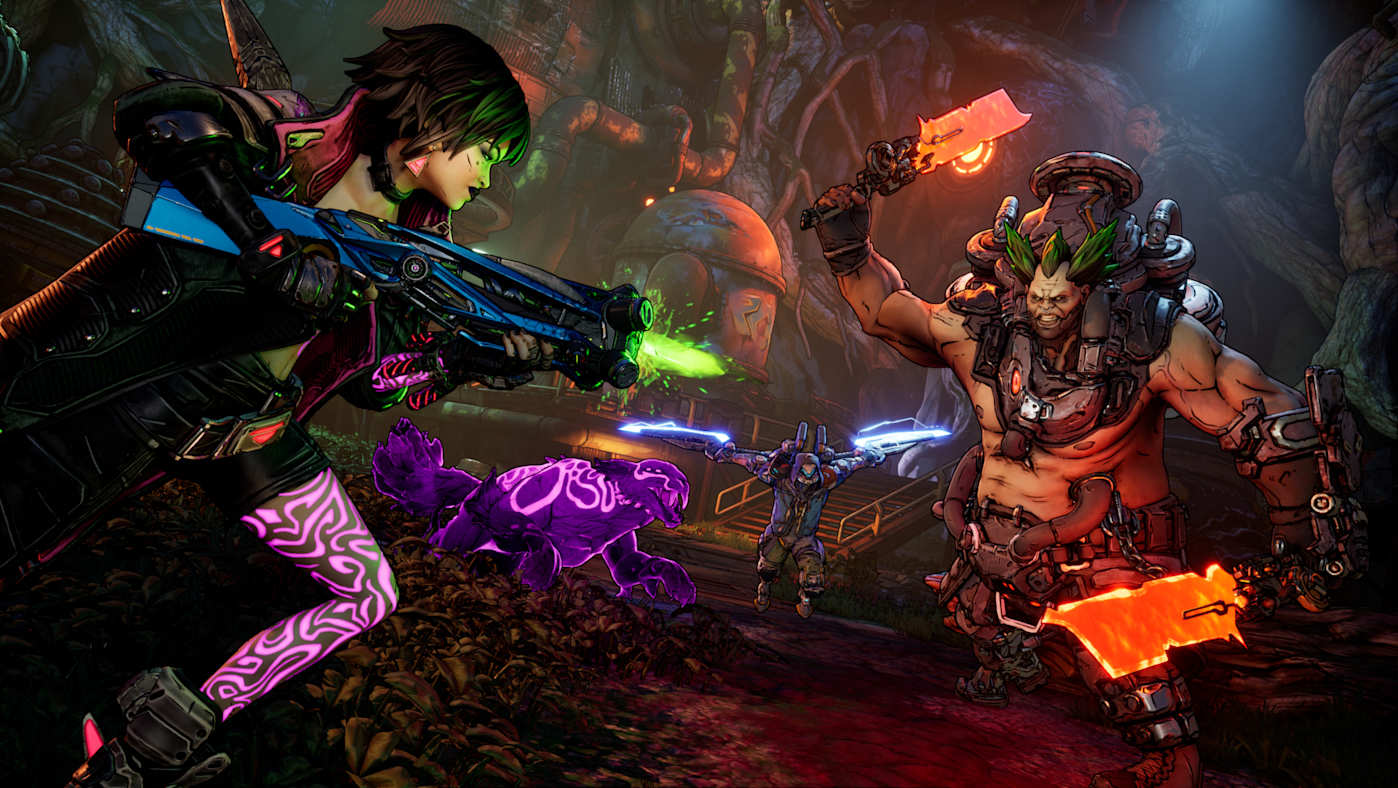
2K owner Take-Two has paused development on Borderlands 4 for the Nintendo Switch 2, the company shared during its Q3 2026 earnings presentation. The Switch 2 port was originally planned to be released on October 3, 2025, a few weeks after the game's September 12 launch on all other platforms, but was indefinitely delayed on September 23.
"We made the difficult decision to pause development on that SKU," Take-Two told Variety. "Our focus continues to be delivering quality post-launch content for players on the ongoing improvements to optimize the game. We’re continuing to collaborate closely with our friends at Nintendo. We have PGA Tour 2K25 coming out and WWE 2K26, and we're incredibly excited about bringing more of our titles to that platform in the future."
When the Borderlands 4 Switch 2 port was originally delayed, the game's developer Gearbox shared that the port needed "additional development and polish time" and that it hoped to "better align this release with the addition of cross saves." In Take-Two's Q2 earnings presentation on November 6, 2025, the Switch 2 port was still listed as having a "TBA" release date. The lack of mention in the company's Q3 presentation and Take-Two's comment to Variety pretty much confirm that if a Switch 2 version happens, it won't be anytime soon. The official Borderlands 4 post-release content roadmap currently lists plans for paid and free story DLC and raid bosses, but nothing related to additional ports of the game.
Grand Theft Auto VI's planned November 19 release date is still on the books, however. Rockstar Games' next blockbuster title was originally supposed to be released in fall 2025, before it was delayed to May 2026 last May. The game was delayed a second and final time — at least for now — in November 2025, to its current November 2026 release date.
There's still room for another delay, but in the earnings statement Take-Two projected confidence, sharing that Rockstar would start marketing the game this summer. The franchise remains a cash cow, so it’s only natural the company would want to get the rollout of Grand Theft Auto VI right. As part of its earnings presentation, Take-Two shared that Grand Theft Auto V, which was originally released all the way back in 2013, has sold 225 million units.
This article originally appeared on Engadget at https://www.engadget.com/gaming/take-two-hit-pause-on-the-switch-2-port-of-borderlands-4-222546776.html?src=rss
Meta is being sued by Solos, a rival smart glasses maker, for infringing on its patents, Bloomberg reports. Solos is seeking "multiple billions of dollars" in damages and an injunction that could prevent Meta from selling its Ray-Ban Meta smart glasses as part of the lawsuit.
Solos claims that Meta's Ray-Ban Meta Wayfarer Gen 1 smart glasses violate multiple patents covering "core technologies in the field of smart eyewear." While less well known than Meta and its partner EssilorLuxottica, Solos sells multiple pairs of glasses with similar features to what Meta offers. For example, the company's AirGo A5 glasses lets you control music playback and automatically translate speech into different languages, and integrates ChatGPT for answering questions and searching the web.
Beyond the product similarities, Solos claims that Meta was able to copy its patents because Oakley (an EssilorLuxottica subsidiary) and Meta employees had insights into the company's products and road map. Solos says that in 2015, Oakley employees were introduced to the company's smart glasses tech, and were even given a pair of Solos glasses for testing in 2019. Solos also says that a MIT Sloan Fellow who researched the company's products and later became a product manager at Meta, brought knowledge of the company to her role. According to the logic of Solos' lawsuit, by the time Meta and EssilorLuxottica were selling their own smart glasses, "both sides had accumulated years of direct, senior-level and increasingly detailed knowledge of Solos' smart glasses technology."
Engadget has asked both Meta and EssilorLuxottica to comment on Solos' claims. We'll update this article if we hear back.
While fewer people own Ray-Ban Meta smart glasses than use Instagram, Meta considers the wearable one of its few hardware success stories. The company is so convinced it can make smart glasses happen that it recently restructured its Reality Labs division to focus on AI hardware like smart glasses and hopefully build on its success.
This article originally appeared on Engadget at https://www.engadget.com/wearables/a-rival-smart-glasses-company-is-suing-meta-over-its-ray-ban-products-205000997.html?src=rss
More ads are coming to App Store search results starting in March, Apple shared on an advertising help page. The company first said that it would increase the number of App Store ads last month, and this new rollout of search ads will begin on Tuesday, March 3, according to a developer email viewed by MacRumors.
"Search is the way most people find and download apps on the App Store, with nearly 65 percent of downloads happening directly after a search," Apple says. "To help give advertisers more opportunities to drive downloads from search results, Apple Ads will introduce additional ads across search queries." Up until this point, ads for related apps have appeared at the top of search results, but now they'll also appear "further down in search results," according to Apple.
App Store activity makes up a significant portion of what Apple calls its "services" business. The company makes money on every App Store transaction, whether it's an app download or an in-app purchase, and increasingly, by selling ad space to companies looking to reach users. App Store ads are hardly new, but the number of ads has steadily increased over the years. Apple added ads to the Today tab in 2022 — a space that's already home to editorial curation that doubles as marketing — and in 2025, Bloomberg reported the company planned to bring ads to Apple Maps.
Apple's decision to rebrand its advertising business from Apple Search Ads to Apple Ads in April 2025 was maybe the best indication that the company was interested in expanding the number of places it would help partners try and reach customers. And it makes sense: the company's billions of devices, each pre-installed with default apps, are some of the most valuable real estate it owns.
This article originally appeared on Engadget at https://www.engadget.com/apps/apple-will-begin-showing-more-app-store-ads-starting-in-march-192031226.html?src=rss
Darth Maul, the beloved, sometimes spider-legged former Sith Lord first introduced in Star Wars: Episode 1 — The Phantom Menace, is officially getting his own animated spin-off on April 6, 2026, based on a new teaser trailer published by Disney. Star Wars: Maul — Shadow Lord was originally announced at Star Wars Celebration in 2025, and is set after Maul's arc in Star Wars: The Clone Wars but before his appearance in Star Wars: Rebels.
The 10-episode series covers Maul's plot to rebuild his criminal syndicate "on a planet untouched by the Empire," according to Lucasfilm. "There, he crosses paths with a disillusioned young Jedi Padawan who may just be the apprentice he is seeking to aid him in his relentless pursuit for revenge." Shadow Lord will premiere with two episodes on April 6, and will stream two episodes a week on Disney+ through May 6.
Like most of Disney's popular animated Star Wars shows, Maul — Shadow Lord is created by Dave Filoni, a George Lucas supplicant, co-creator of The Clone Wars and newly minted President and Chief Creative Officer at Luscafilm. Besides picking up the story threads he helped establish in his previous animated work, Maul — Shadow Lord could be representative of the work that will define his tenure: stories that play in the pre-existing Star Wars sandbox.
Since completing their sequel trilogy in 2019 with Star Wars: The Rise of Skywalker, Disney and Lucasfilm have struggled to define what the future of their franchise will actually be. New projects have languished in pre-production, interesting TV shows have gotten cancelled and the only things that seem to come out with any consistency are spin-offs of The Mandalorian and The Clone Wars. Disney and Lucasfilm will release The Mandalorian and Grogu on May 22, 2026, the first new Star Wars movie to hit theaters in seven years. The Shawn Levy-directed Star Wars: Starfighter, the first film set chronologically after the events of Rise of Skywalker, is slated to premiere on May 28, 2027.
This article originally appeared on Engadget at https://www.engadget.com/entertainment/streaming/darth-mauls-standalone-series-premieres-on-disney-on-april-6-224036720.html?src=rss
Paramount Skydance CEO David Ellison is apparently still hopeful that investors will approve his $108.4 billion hostile takeover of Warner Bros. Discovery. Paramount Skydance announced Thursday that it's extending its all-cash offer to acquire the storied studio, and giving investors until February 20, 2026 to accept. The company's previous offer expired on January 21, but with a lawsuit in the works and a revised Netflix deal to compete with, Paramount Skydance wants to stay in the conversation.
Netflix and Warner Bros. Discovery originally announced their $82.7 billion acquisition agreement in December 2025. Netflix's deal is for a significant portion, but notably not all, of Warner Bros. Discovery as it exists today. If approved, the streaming service would acquire Warner Bros. film studios, New Line Cinema, HBO, HBO Max, the company's theme parks, game studios and select linear channels like TNT, but not the collection of reality TV and news programming that Warner Bros. Discovery calls “Global Networks.”
Paramount Skydance made its competing offer of $108.4 billion for all of Warner Bros. Discovery a few days later in December, with the recommendation that shareholders reject the Netflix deal. To add pressure, Paramount Skydance also sued Warner Bros. Discovery in January alleging that the company had not provided adequate information about why it favored Netflix over Paramount. Beyond offering more money, Paramount contends its deal is more likely to be approved by regulators because owning Warner Bros. doesn't "entrench Netflix's market dominance." Warner Bros. Discovery claims that funding for Paramount's deal "remains inadequate" and that the company is uncertain Paramount Skydance will actually be able to complete the deal.
David Ellison was previously able to merge Skydance with Paramount using the financial backing of his billionaire father Larry Ellison, and the Ellison family's friendly relationship with the Trump administration. Promising to make sure that CBS News represents "a diversity of viewpoints” via a newly appointed ombudsman, and that the merged Paramount Skydance won't create any diversity, equity and inclusion programs was enough to get the FCC to approve the merger. Ellison might have thought acquiring Warner Bros. Discovery would be equally easy, but at least so far that hasn't worked out as planned.
This article originally appeared on Engadget at https://www.engadget.com/entertainment/david-ellison-extends-deadline-for-warner-bros-discovery-takeover-offer-204752313.html?src=rss
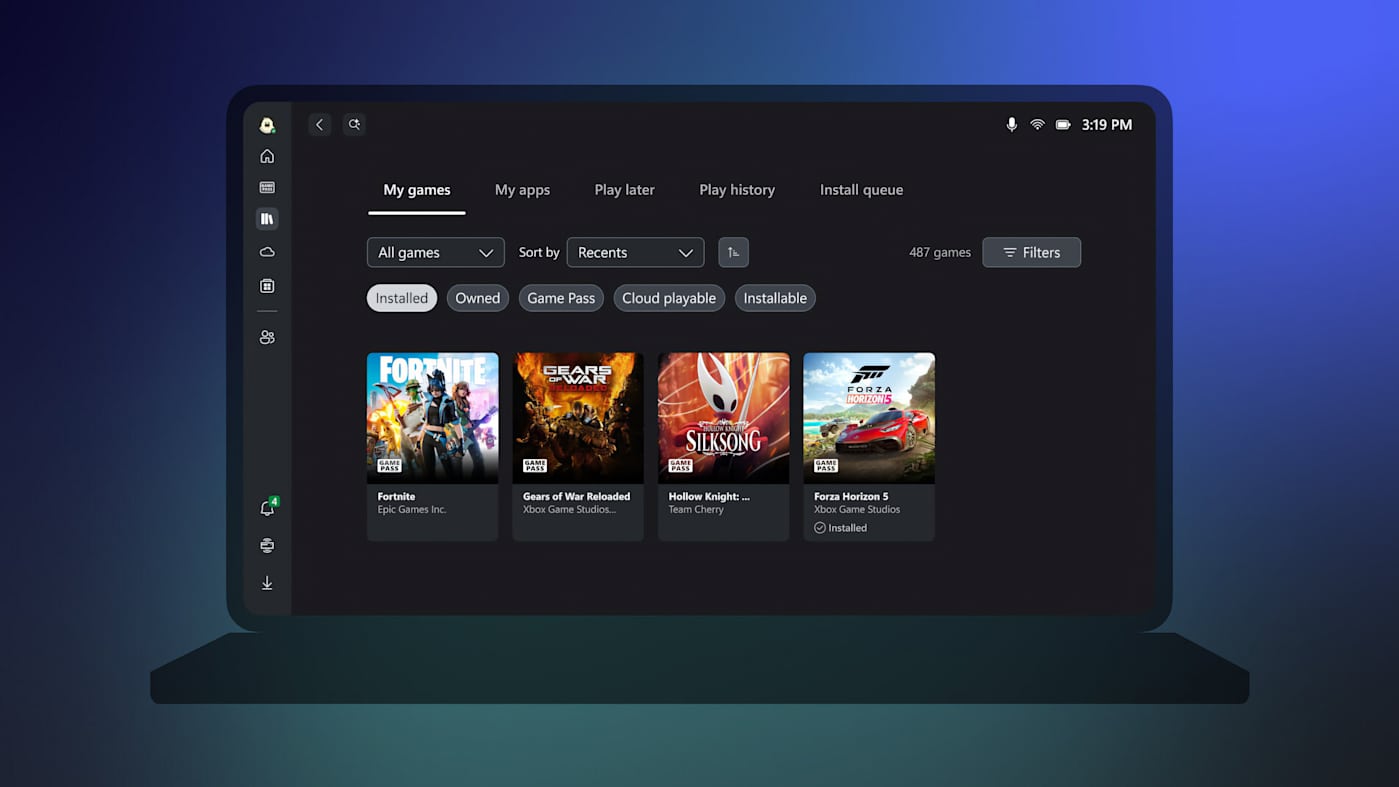
Microsoft has announced that the Xbox app is now available on all Arm-based Windows 11 PCs. The app's release follows an update Microsoft made to its Prism emulator in December 2025, which translates x86 and x64 apps to Arm, and now includes support for AVX and AVX2. Both extensions play a role in making games run efficiently on Windows.
Windows on Arm users will be able to use the Xbox app to purchase, download and stream PC games, and Microsoft says that "more than 85 percent of the Game Pass catalog" now runs on Arm PCs. Unlike Valve's SteamOS, Windows on Arm also supports anti-cheat software like Epic's Easy Anti Cheat, which means you can access a wider library of online multiplayer games in comparison to what you can get on the Steam Deck.
Microsoft has been working on getting Windows running on Arm for years at this point, and the company made a major push with its own Arm-based hardware and the launch of the Copilot+ PC program in 2024. Many Copilot+ PCs use Qualcomm's Snapdragon chips, the latest of which the company announced in September 2025. Up until this point Microsoft's handheld efforts have been focused on PCs running AMD chips, but expanded support for Arm and Qualcomm's own teases certainly makes it seem like an Arm-based Windows 11 handheld could be announced sooner rather than later.
This article originally appeared on Engadget at https://www.engadget.com/gaming/pc/microsoft-ports-the-xbox-app-to-arm-based-windows-pcs-191049475.html?src=rss
Samsung’s 2025 was filled with new foldables, an ultra-thin new form factor and the launch of Google's XR platform. After making some announcements at CES 2026, the company has announced its first Galaxy Unpacked of the year will take place on February 25, where it is expected to introduce the Galaxy S26 lineup. Official invites have been shared, but actual information on what devices are arriving then is still not completely confirmed. But as usual, we know a lot about what’s expected at Unpacked.
Engadget will be covering Galaxy Unpacked live from San Francisco tomorrow, and we'll most likely have hands-on coverage of Samsung's new smartphones soon after they're announced. While we wait for the full details, here's everything we expect Samsung will introduce at the first Galaxy Unpacked event of 2026.
When is Unpacked 2026 taking place?
According to the official invite that Samsung shared on February 10, Unpacked will happen on February 25, 2026 in San Francisco. The keynote will start at 10AM PT (1PM ET) and be livestreamed on Samsung.com, as well as the company’s newsroom and YouTube channel. The announcement on February 10 also said this launch will mark “a new phase in the era of AI as intelligence becomes truly personal and adaptive.” It’s not a lot to go on, since we’ve heard a version of this from various companies over the last few years, but at least we won’t be shocked when we hear more about AI in just about two weeks.
Galaxy S26, S26+ and S26 Ultra
Samsung Galaxy S25 Ultra hands-on photo
Photo by Sam Rutherford/Engadget
Samsung's restrained approach to updating its phones will likely continue with the Galaxy S26. Based on leakedimages of the new lineup, the company is not expected to radically reinvent the look of the Galaxy S26, Galaxy S26+ or Galaxy S26 Ultra, and instead will stick with a similar design to what it used on the Galaxy S25. The phones will have a flat front screen and frame, with rounded corners and cameras housed in a vertical pill-shaped plateau on the back. Unlike Apple's move from the iPhone 16 Pro to the iPhone 17 Pro, the biggest difference here will likely be internal components like the screens, chips and camera sensors Samsung uses.
Qualcomm's new Snapdragon 8 Elite Gen 5 chip is expected to be in all Samsung Galaxy S26 phones, though Korean news site Yonhap News reports Samsung's relatively new Exynos 2600 chip could be used in some phones in the lineup depending on the region, a strategy Samsung has deployed in the past. Either way the new phones should be more performant than the previous generation, and in the case of the models with the Snapdragon 8 Elite Gen 5, particularly good at on-device AI processing.
I have compiled the most accurate comprehensive parameter comparison of Galaxy S25, S25+ and Galaxy S26、 S26+. Which one do you want to buy? pic.twitter.com/aQpoSvYjOz
One notable difference between the Galaxy S26 and the Galaxy S25 could be the phone's screen. The new phone will reportedly feature a 6.3-inch FHD+ display according to specs shared by leaker Ice Universe, which makes it ever so slightly larger than the 6.2-inch display used on the Galaxy S25. The S26 will also allegedly come with 12GB of RAM, either 256GB or 512GB of storage and a slightly larger 4,300mAh battery. Samsung isn't changing the cameras on the entry-level phone, though: leaks suggest it'll feature the same 50-megapixel main camera, 12-megapixel ultrawide, 10-megapixel 3x telephoto and 12-megapixel selfie camera as the previous generation. Changes appear to be even more minor on the Galaxy S26+. Other than the new Snapdragon chip, the phone will reportedly feature the same 6.7-inch FHD+ screen, 4,900mAh battery, 12GB of RAM and the same camera array used on the base Galaxy S26.
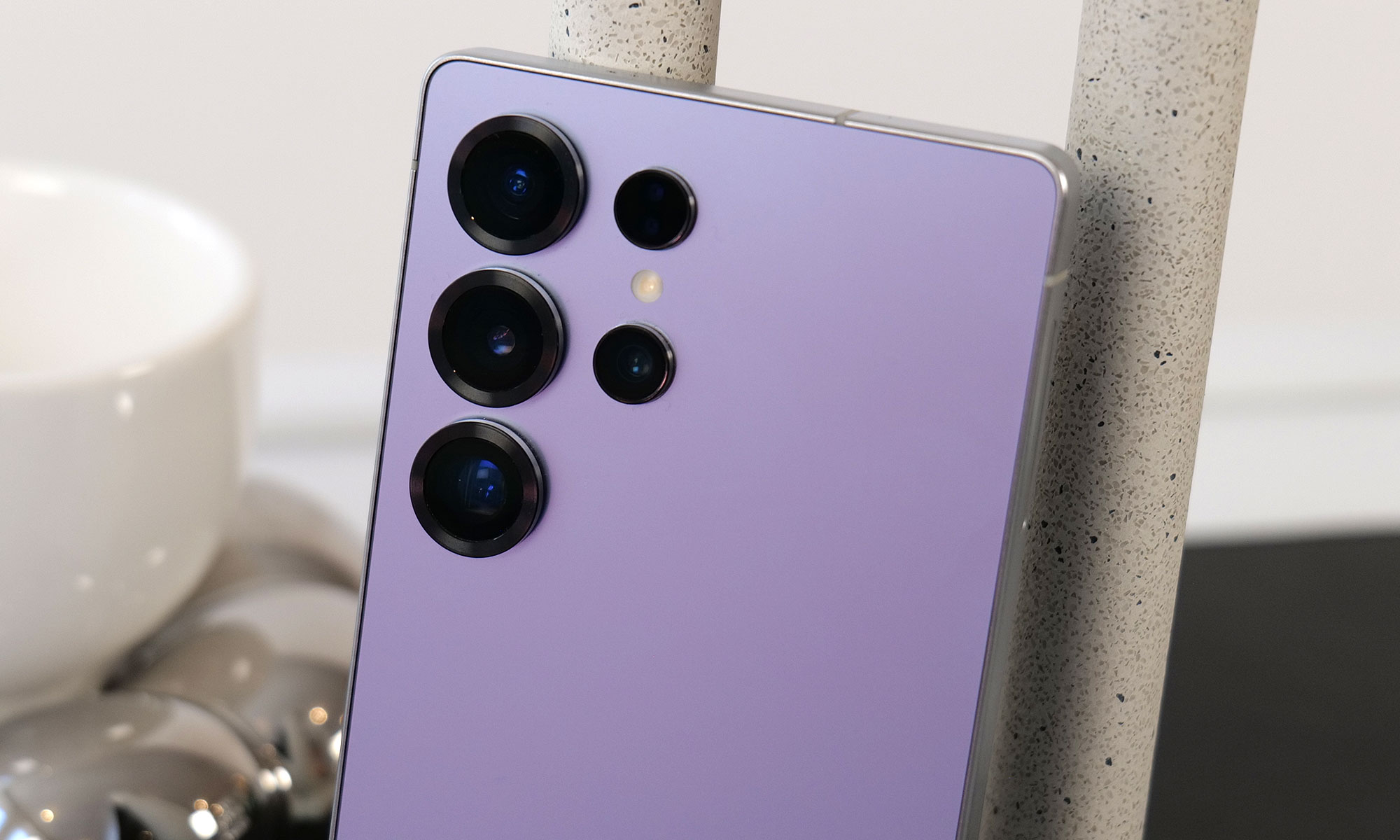
The difference between the Galaxy S26 Ultra and Galaxy S25 Ultra is reportedly a bit clearer. According to Android Headlines, the new phone's cameras will be slightly more raised, and stand out thanks to a new metallic finish. Samsung may also switch back to using an aluminum frame on the Galaxy S26 Ultra, after using titanium frames on both the Galaxy S24 and S25 Ultras. Most importantly, to make the phone actually support Qi2 rather than only technically work with the standard when a case is attached, rumors suggest Samsung will remove the S Pen digitizer layer in the phone and adopt a new method for accepting stylus input. It's not clear what that new method will actually be, but it could let the Galaxy S26 Ultra more easily work with Qi2 accessories without losing its stylus.
Android Headlines also recently shared what appear to be full image renders of the S26 series, and they generally line up with what has already been rumored, leaked and reported so far. If these pictures are accurate, they give us a clearer look at the camera bump and two color variants of the S26 Ultra.
Fans of magnets may continue to be disappointed by Samsung if the latest rumors are accurate. Despite the launch of the Qi 2 wireless charging standard adding support for convenient magnetic alignment years ago, Samsung has yet to bring that feature to its phones. Though the S-series have the higher speed charging rates that the spec enables, Nieuwemobiel.nl is reporting that, due to images it received of cases with magnetic rings, the S26 series likely won’t have built-in magnets. Samsung has made these cases to add the magnetic capability to its S-series in the past, and the existence of the images of these accessories lends weight to the idea that the company will continue this approach.
Galaxy Buds 4
Galaxy Buds 3 Pro in case.
Engadget
Samsung released the Galaxy Buds 3 and 3 Pro in 2024, with a major redesign that brought them much more in line with Apple's AirPods. The Galaxy Buds 4 and Buds 4 Pro Samsung is rumored to be announcing soon won't necessarily change that, though they will feature a more compact case and less angular stems, according to leaked images from the Samsung Tips app.
Support for head gestures to accept and decline calls, a feature Apple includes on the AirPods Pro 3 and AirPods 4, is also rumored to work on both versions of the new Galaxy Buds. SamMobile reports the Galaxy Buds 4 and 4 Pro may also ship with a new Ultra Wideband chip that will make them easier to find with Google's Find Hub network.
Galaxy Z Trifold
Yes, the TriFold has a crease, two in fact. But they still don't ruin the experience.
Sam Rutherford for Engadget
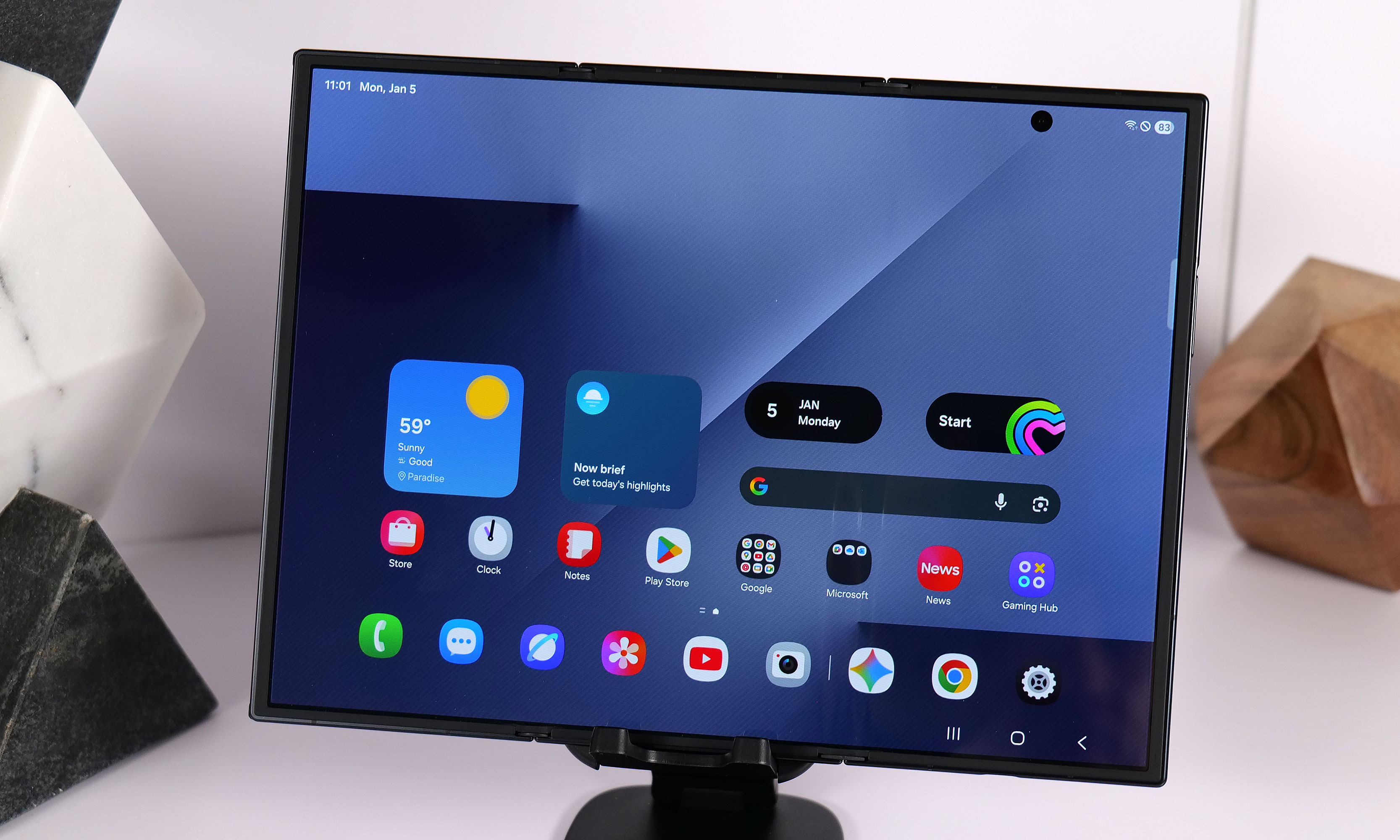
Samsung announced the Galaxy Z TriFold in late 2025 without firm details of when the new smartphone-that-folds-into-a-tablet would be available in North America. That info came on January 27, when the company announced the TriFold would be available in the US on January 30, for a whopping $2,900. Considering we’ve already seen the device in person at CES 2026 and people are most likely to have had a chance to look at, if not buy the foldable for themselves by the time Unpacked rolls around, we don’t expect Samsung to spend too much time dwelling on it, if at all.
Galaxy S26 Edge
At just 5.8mm thick, the Samsung Galaxy S25 Edge is one of the thinnest smartphones ever made.
Sam Rutherford for Engadget
When the Galaxy S25 Edge was announced in 2025, it seemed possible that Samsung could replace its "Plus" smartphone with a unique form factor, just like Apple has opted to do with the iPhone Air. There have been conflicting reports on the matter, but it seems like Samsung will not be doing that with the Galaxy S26 Edge.
Instead, the smartphone will reportedly remain another option, much like foldables are for customers not swayed by Samsung's traditional smartphones. The Galaxy S26 Edge is rumored to feature a slightly different design than last year's model, according to Android Headlines, with a large rectangular camera plateau that's reminiscent of Google's Pixel phones, and the raised oval Apple used on the iPhone Air. Beyond that, the phone is also expected to be ever so slightly thinner at 5.5mm than the 5.8mm Galaxy S25 Edge.
Bixby and other AI features
Samsung already acts as a first place Google can show off new AI features for Android, but the company is reportedly exploring other AI partnerships, too. In June 2025, Bloomberg reported that Samsung was nearing a deal with Perplexity to integrate its AI-powered search engine across OneUI and its homegrown mobile browser. Perplexity already has a deal with Motorola on its Razr phones, so the only thing that would make a deal with Samsung unusual is the close relationship the company already has with Google.
The company also accidentally announced a new version of its Bixby AI assistant, which will likely also be integrated with Perplexity and could serve as an alternative to Google Gemini. Both a new Bixby and a deeper integration with Perplexity seem like natural new software features to show off at Galaxy Unpacked.
On February 17, Samsung teased some mobile AI photography features ahead of Unpacked. These expand the S-series’ existing image-editing tools by bringing the ability “to turn a photo from day to night in seconds, restore missing parts of objects in images, capture detailed photos in low light, and seamlessly merge multiple photos into a single, cohesive result.” A lot of these things are already possible in other photo-editing apps or even in the Google Photos app, but we’ll have to wait to see them in action on the S26 phones for more details on whether they’re different or more effective.
The company continued to drip feed more teasers in the week leading up to Unpacked 2026, announcing just a few days later that it’s updated its Bixby assistant to be more conversational. Then, over the weekend, it shared that the S26 series will offer third-party AI agents within Galaxy AI, including Perplexity’s offering. It will allow for the devices to respond to the wake phrase “Hey Plex,” which is sure to be popular and not at all confusing to those who already use a similarly named media server and streaming app.
Until we find out more at Unpacked 2026, it’s tricky to determine if and how effective these updates will be, so we’ll just have to be patient until we get the phones in our hands.
Update, January 27 2026, 11:55AM ET: This story has been updated to reflect the latest news around the Galaxy Z TriFold’s price and availability in the US.
Update, January 30 2026, 12:45PM ET: This story has been updated to include the latest leaks on the possible dates for Unpacked 2026.
Update, February 02 2026, 11:30AM ET: This story has been updated to include the latest leaks with full image renders of the S26 trio of devices.
Update, February 03 2026, 11:00AM ET: This story has been updated to include the latest leaks about the possible lack of magnetic support on the S26 series.
Update, February 10 2026, 7:15PM ET: This story has been updated to include the official date of Galaxy Unpacked as Samsung announced it today. The intro was also edited to reflect that detail.
Update, February 17 2026, 4:55PM ET: This story has been updated to add Samsung’s teaser about its upcoming mobile AI photography tools. The intro was also edited for timeliness.
Update, February 24 2026, 10:45AM ET: This story has been updated to add Samsung’s recent updates about Bixby and Galaxy AI’s integration with Perplexity. The intro was also edited for timeliness.
This article originally appeared on Engadget at https://www.engadget.com/mobile/smartphones/samsung-galaxy-unpacked-2026-the-galaxy-s26-series-ai-and-other-products-we-might-see-on-february-25-130000135.html?src=rss
Google has filed its appeal to the Department of Justice’s antitrust case that ended with a federal judge ruling that the company was maintaining a monopoly with its search business. While the company goes through the appeals process, it’s also asking that implementation of the remedies from the case, which include a requirement that Google share search data with its competitors, also be paused.
“As we have long said, the Court’s August 2024 ruling ignored the reality that people use Google because they want to, not because they’re forced to,” Google said in a statement. “The decision failed to account for the rapid pace of innovation and intense competition we face from established players and well-funded start-ups. And it discounted compelling testimony from browser makers like Apple and Mozilla who said they choose to feature Google because it provides the highest quality search experience for their consumers.”
The company says that the requirement that it “provide syndication services to rivals” and share search data is a privacy risk and could “discourage competitors from building their own products.” Both remedies where compromises based on what the Justice Department originally proposed, which included forcing Google to sell its Chrome web browser.
After a 10-week trial held in 2023, Google was found to have a search monopoly in 2024 because of the placement it maintained as the default search engine on multiple platforms, and the control it exerted over the ads that appear in search results. Both arguments were key points in the DOJ’s original 2020 lawsuit.
This article originally appeared on Engadget at https://www.engadget.com/big-tech/google-is-appealing-the-ruling-from-its-search-antitrust-case-to-avoid-sharing-data-with-rivals-215107905.html?src=rss
Claude Cowork, Anthropic's AI assistant for taking care of simple tasks on your computer, is now available for anyone with a $20 per month Pro subscription to try. Anthropic launched Cowork as an exclusive feature for its Max subscribers, who pay a minimum of $100 per month for more uses of Claude's expensive reasoning models and early access to experimental features. Now Claude Cowork is available at a cheaper price, though Anthropic notes "Pro users may hit their usage limits earlier" than Max users do.
Like other AI agents, the novelty of Claude Cowork is its ability to work on its own. If you have the macOS Claude app and a Pro subscription, you can prompt Claude Cowork to work on tasks on your local computer, like creating documents based on files you have saved or organizing your folders. The feature is an evolution of Claude Code, Anthropic's AI coding agent, and can similarly use connectors and the Claude Chrome plugin to work with other apps and the web.
As part of this expanded rollout, Anthropic has included a few fixes inspired by early user feedback. You'll now be able to rename sessions with Claude Cowork ("Tasks" in the parlance of the Claude app) and the company says the AI assistant will offer better file format previews, more reliable use of connectors to other apps and confirmation messages before it deletes files.
Coding agents top the list of applications of AI that have gained real traction in the last year, so Anthropic applying what it learned with Claude Code to a more general collection of computer tasks makes sense. Claude Cowork is still limited to macOS and Anthropic's paid subscribers, but assuming the AI agent continues to be popular, it wouldn't be surprising if the company brought it to other platforms.
This article originally appeared on Engadget at https://www.engadget.com/ai/anthropic-opens-up-its-claude-cowork-feature-to-anyone-with-a-20-subscription-194000021.html?src=rss
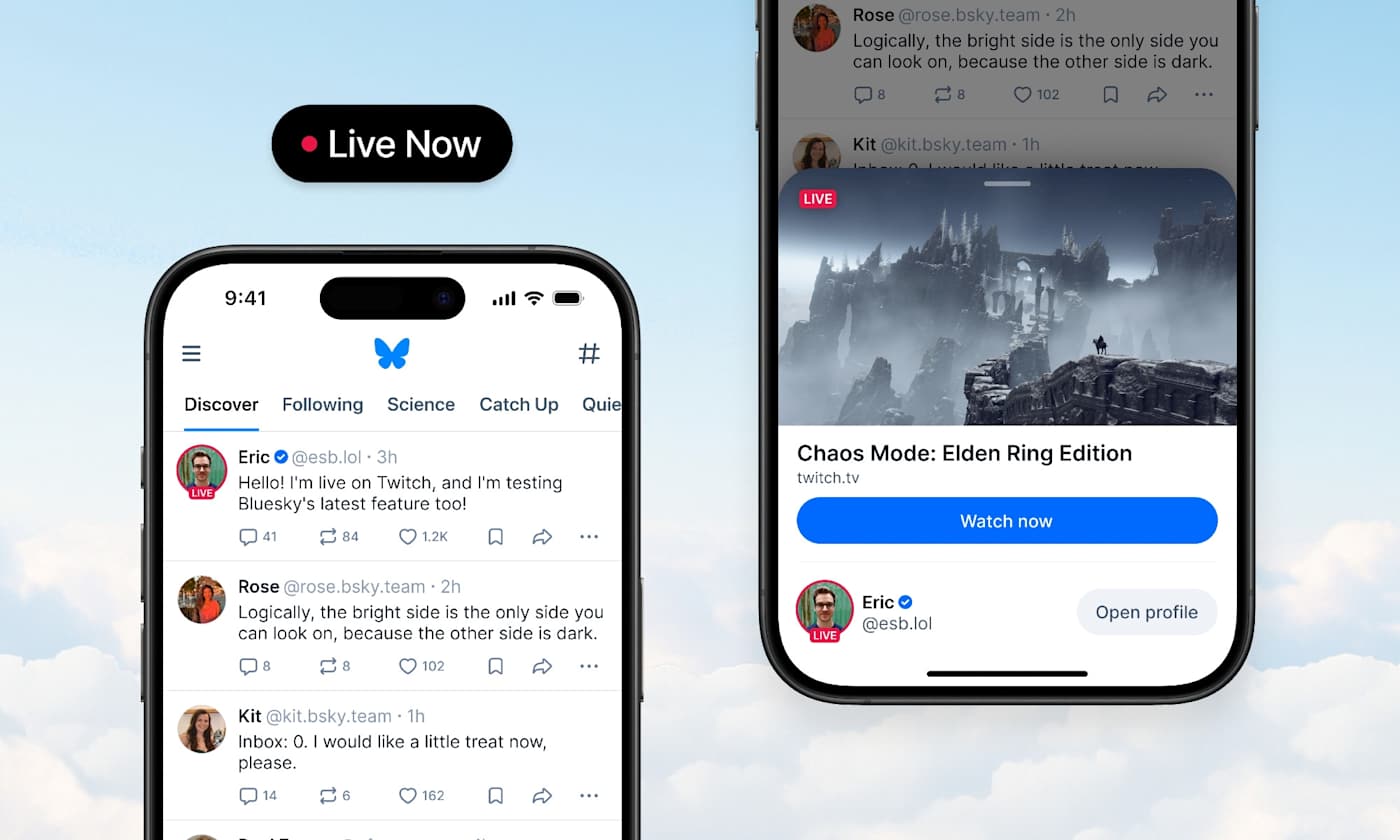
After testing the feature in a limited beta, Bluesky is making its "Live Now" badge for streamers available for everyone on the social network to try. Live Now is included as part of Bluesky's v1.114 update, alongside "cashtags," a separate type of hashtag for collecting conversations about publicly-traded companies.
Bluesky first started testing its Live Now badge in May 2025 with a limited group of accounts, including the official NBA account. The feature lets Twitch streamers with Bluesky profiles append a Live Now badge to their profile picture that links directly to their livestream. Live Now badges are limited to Twitch links for now, but Bluesky says "support for other streaming platforms may follow" as it learns from the beta. Linking to other social platforms shouldn't be a radical concept, but since Bluesky's competitor X has tried to prevent users from posting links in the past, the company has made it a point of trying to do the opposite.
Cashtags are a similar attempt to appeal to a certain type of veteran X user. Originally a feature of pre-Musk Twitter, cashtags work like a hashtag, marking posts in a way that makes them easy to find in a search or by tapping the cashtag itself. On Bluesky, by typing a dollar sign ($) and the stock abbreviation of a company (AAPL for Apple, for example), you can add a cashtag to your post that links it to other posts using the same cashtag. So far, the cultural makeup of Bluesky hasn't seemed as business-oriented as X, but the feature suggests Bluesky wants the option to be available for anyone who jumps ship.
This article originally appeared on Engadget at https://www.engadget.com/social-media/blueskys-live-now-badge-is-available-to-everyone-223335221.html?src=rss
As part of a new agreement, films from Sony Pictures Entertainment will stream on Netflix first, the companies announced via a joint statement. The new deal expands on the exclusive rights Netflix had to Sony films in the US, and means the service will be the first place people will be able to stream upcoming projects like the live-action adaptation of The Legend of Zelda, and a quartet of biopics about The Beatles.
Sony's films will stream worldwide on Netflix in what's called "Pay-1," the first window of availability after a movie's theatrical and VOD releases. As part of the deal, Netflix is also licensing an undisclosed number of films and television shows from the Sony Pictures back catalog to help fill out its library. Netflix says the new arrangement "will roll out gradually" as licensing rights become available throughout the year, with full availability happening sometime in 2029. Neither company shared how long this new setup will last, but did describe the deal as a "multi-year agreement."
Netflix and Sony's partnership has been fruitful so far. Films like Spider-Man: Across the Spider-Verse, Uncharted and Anyone But You have had popular second lives on the streaming service. In the case of KPop Demon Hunters, Netflix was also able to spin a surprise Sony Animation streaming hit into a profitable theatrical run. Netflix will pay Sony north of $7 billion for this new deal, Variety reports — clearly that's worth it to secure the companies’ relationship for another few years.
Netflix has a similar deal with Universal, which has brought other Nintendo adaptations to the streaming service like The Super Mario Bros Movie. Beyond licensing, the company has an even bigger purchase in mind, though: buying Warner Bros. for $82.7 billion. In an effort to prevent the deal from going through, Paramount is now suing Warner Bros. Discovery for ignoring its own competing bid for the company.
This article originally appeared on Engadget at https://www.engadget.com/entertainment/streaming/netflixs-expanded-sony-deal-includes-streaming-rights-to-the-legend-of-zelda-movie-203011384.html?src=rss
The Senate has passed the Disrupt Explicit Forged Images and Non-Consensual Edits (DEFIANCE ) Act with unanimous consent, according to the bill’s co-sponsor Senator Dick Durbin (D-IL). The bill lets the subjects of nonconsensual, sexually explicit deepfakes take civil action against the people who create and host them.
Deepfakes are a known issue online, but without the proper protections, easy access to AI-powered image and video generation tools has made it possible for anyone to create compromising content using another person's likeness. This has become a particular problem on X, where the integration of Grok, the AI assistant created by X's parent company xAI, makes it possible for anyone to turn the content of another person's post into an image-generating prompt. Over the last month, that's allowed users to create sexually explicit images of children, just by replying to a post with @grok and a request.
In response, Ofcom, the UK's media regulator, has already opened an investigation into X for potentially violating the Online Safety Act. The chatbot has also been outright blocked in Malaysia and Indonesia. The DEFIANCE Act won't prevent Grok or other AI tools from generating nonconsensual deepfakes, but it would make creating or hosting that content potentially very expensive for anyone on the receiving end of a lawsuit.
The Senate passed an earlier version of the DEFIANCE Act in 2024, but it stalled in the House. Given the urgency of Grok's deepfake problem, the hope is this new version of the bill won't see the same resistance. Congress passed an earlier piece of deepfake regulation last year, the Take It Down Act, with bipartisan support. That bill was focused on the companies who host nonconsensual, sexually explicit content, rather than the people exploited by it.
This article originally appeared on Engadget at https://www.engadget.com/ai/senate-passes-defiance-act-for-a-second-time-to-address-grok-deepfakes-212151712.html?src=rss
Waymo, Alphabet's self-driving car company, tested its autonomous vehicles in New York City in 2025, and as part of proposed legislation from New York Governor Kathy Hochul, the company could soon offer its services across the state, Wired reports.
Governor Hochul's proposed legislation was formally announced during a State of the State address covering policy proposals for the upcoming year. The new law, if passed, would loosen the state's restrictions on self-driving car companies by forming a pilot program that would allow for "the limited deployment of commercial for-hire autonomous passenger vehicles outside New York City." Applicants to the pilot program would need to demonstrate that they have "local support for [autonomous vehicle] deployment" and prove their "adherence to the highest possible safety standards" to be considered.
As a company with presumably good odds of being approved, Waymo supports the legislation. "Governor Hochul’s proposal to legalize fully autonomous vehicles is a transformative moment for New York's transportation system," Waymo's Head of Global Public Policy Justin Kintz said in a statement. "With the Governor’s leadership, New York has the opportunity to pair its investments in slower speeds, better traffic enforcement, and first-in-the-nation congestion management strategies with Waymo’s demonstrably safe technology, creating a future where living in New York is safer, easier, and more accessible."
Waymo already has commercial robotaxi services in select cities in California, Texas and Georgia, offered on its own or in partnership with Uber. The company announced plans to expand in Texas and Florida late last year, and is already committed to offering service in Las Vegas, San Diego and Detroit in 2026. Wired reports Waymo spent over $370,000 lobbying regulators in New York about telecommunications and transportation issues in 2025, and based on today's announcement, it appears those efforts are paying off.
This article originally appeared on Engadget at https://www.engadget.com/transportation/proposed-legislation-opens-the-door-to-robotaxi-services-in-new-york-193804671.html?src=rss
Amazon is making a return, of sorts, to physical retail via plans to build a big-box retail store in the Chicago suburbs, The Information reports. The 225,000-square foot retail space will open in Orland Park, Illinois, and give the company the opportunity to sell more than just groceries after it closed most of its physical bookstores and gift shops in 2022.
The new store will offer in-store shopping, but also act as a fulfillment center for online orders, which could make it similar to competitors like Target and Walmart, and some of Amazon's existing Whole Foods and Amazon Fresh locations. "The proposed development will offer a wide selection of products, including groceries and general merchandise, with accessory services and potentially dining locations for prepared food sold onsite," Amazon wrote in a planning document The Information viewed.
While best known as an online marketplace, Amazon has made multiple attempts to have a physical retail presence. Amazon Books sold books based on what was trending on the company's website, Amazon 4-star sold a variety of products that were rated four or more stars in Amazon reviews and the company's Amazon Go stores sold pre-made food and select groceries via its cashier-less "Just Walk Out" technology.
Amazon has abandoned basically all those experiments in favor of sticking with the grocery brand it bought in 2017, Whole Foods, and the new one it’s formed in the years since, Amazon Fresh. This new store could be an entirely new concept, or an evolution of Amazon Fresh, but whatever it is, it'll have to be approved by the Orland Park Village Board to move forward, according to the Chicago Tribune.
This article originally appeared on Engadget at https://www.engadget.com/big-tech/amazon-is-apparently-planning-a-big-box-store-in-the-chicago-suburbs-213451978.html?src=rss
The start of the new year is a great time to get your finances in order, and a good budgeting app can help with that. Instead of laboring over a spreadsheet, you can try one of our favorite budgeting apps for less than usual. Monarch Money is running a sale that gives new users 50 percent off one year of the service, bringing the final cost down to just $50. Just use the code NEWYEAR2026 at checkout to get the discount.
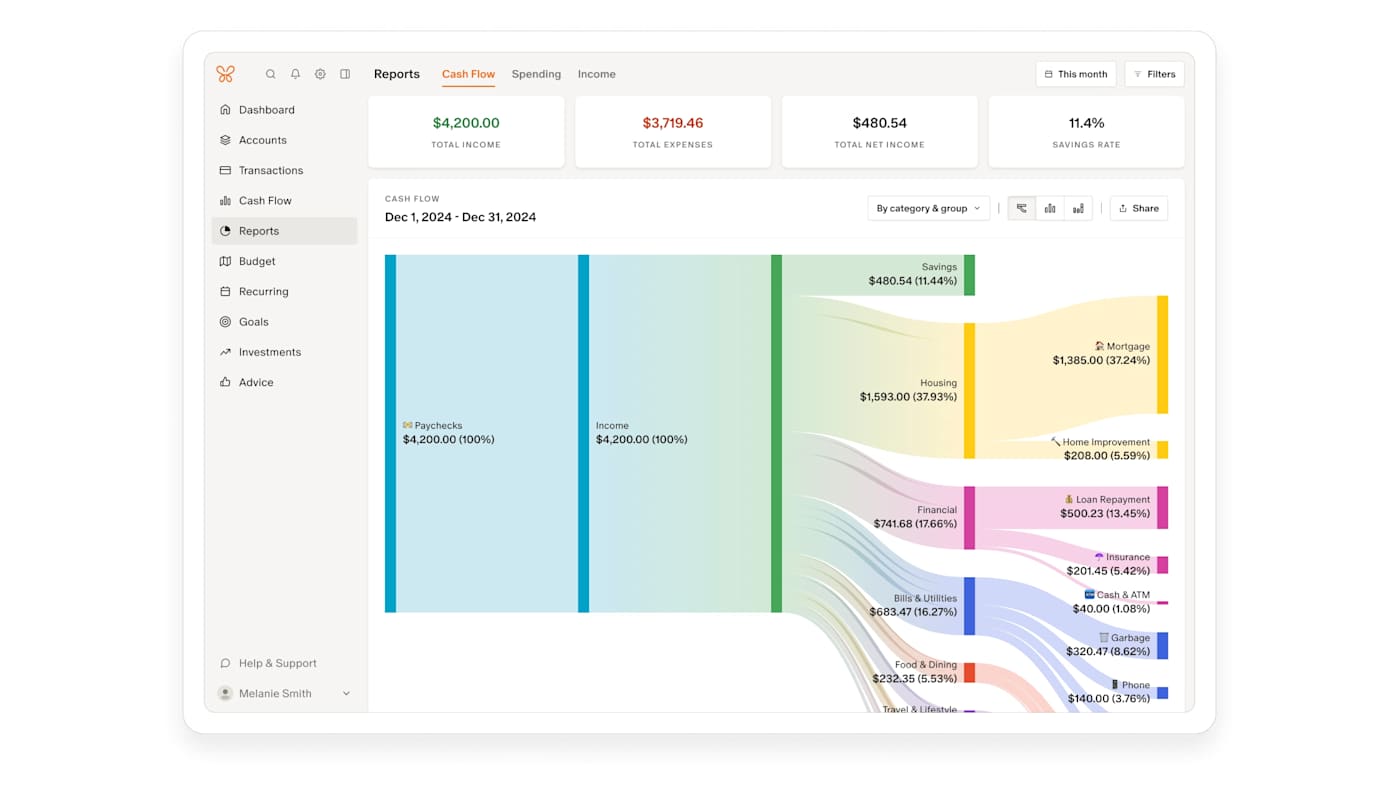
Monarch Money makes for a capable and detailed budgeting companion. You can use the service via apps for iOS, Android, iPadOS or the web, and Monarch also offers a Chrome extension that can sync your Amazon and Target transactions and automatically categorize them. Like other budgeting apps, Monarch Money lets you connect multiple financial accounts and track your money based on where you spend it over time. Monarch offers two different approaches to tracking budgeting (flexible and category budgeting) depending on what fits your life best, and the ability to add a budget widget on your phone so you can know how you're tracking that month.
How budgeting apps turn your raw transactions into visuals you can understand at a glance is one of the big things that differentiates one app from another, and Monarch Money offers multiple graphs and charts to look at for things like spending, investments or categories of your choice based on how you've labelled your expenses. The app can also monitor the spending of you and your partner all in one place, to make it easier to plan together.
The main drawbacks Engadget found in testing Monarch Money were the app's learning curve, and the differences in features (and bugginess) between Monarch's web and mobile versions. Still, for 50 percent off, the Monarch Money is well worth experimenting with if you're trying to save money in 2026, especially if you want to do it collaboratively with a partner.
This article originally appeared on Engadget at https://www.engadget.com/deals/monarch-money-deal-new-users-get-one-year-of-access-for-only-50-204507285.html?src=rss
Meta's messaging app WhatsApp could soon be subject to deeper scrutiny (and punishment) under the European Commission's Digital Services Act, Reuters reports. Because the app's broadcasting feature WhatsApp Channels grew to around 51.7 million average monthly active users in the European Union in the first six months of 2025, the feature has crossed the 45-million-person barrier that lets DSA rules apply.
A platform is designated as a "very large online platform" or VLOP once it has 45 million monthly users or more, according to the European Commission. Once an app or service passes that amount, it's subject to the DSA and all its rules about how digital platforms should operate, particularly around removing illegal or harmful content. Companies can be fined up to six percent of their global annual revenue for not complying with the DSA.
WhatsApp traditionally functions as a private messaging app, but its Channels feature, which lets users make one-sided posts to anyone who follows their channel, does look a lot more like Meta's other social media platforms. "So here we would indeed designate potentially WhatsApp for WhatsApp Channels and I can confirm that the Commission is actively looking into it and I wouldn't exclude a future designation," a Commission spokesperson said in a daily news briefing Reuters viewed.
Engadget has asked Meta to comment on WhatsApp’s possible new designation. We’ll update this article if we hear back.
The possibility that WhatsApp could become a regulatory target in the EU was first reported in November 2025, but Meta has been dealing with DSA-related fines since well before then. Meta was charged with violating the EU law in October 2025 because of how it asks users to report illegal content on Facebook and Instagram. Earlier that month, a Dutch court also ordered the company to change how it presents the timelines on its platforms because people in the Netherlands were not "sufficiently able to make free and autonomous choices about the use of profiled recommendation systems" in the company's apps.
This article originally appeared on Engadget at https://www.engadget.com/social-media/whatsapp-might-soon-be-subject-to-stricter-scrutiny-under-the-eus-digital-services-act-191000354.html?src=rss

 Anmelden