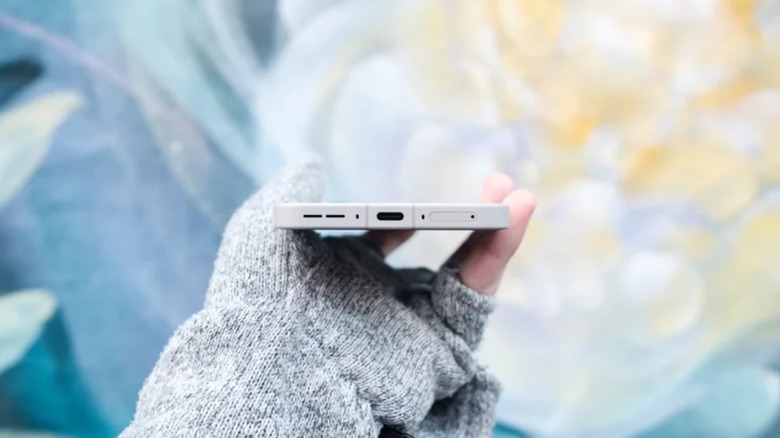
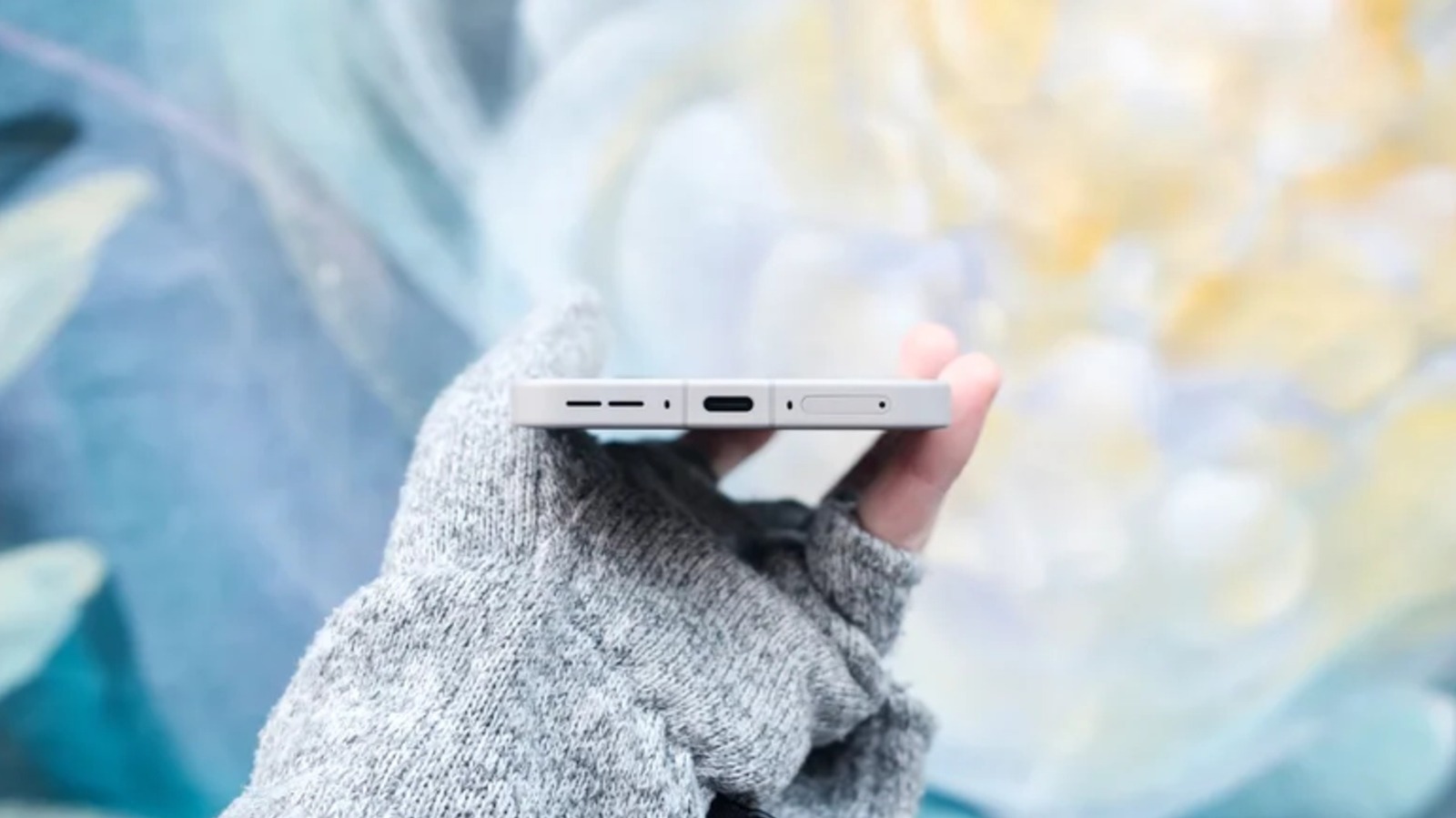
A number of major Chinese smartphone makers have adopted silicon carbon batteries in their handsets, and now Samsung has embraced it in the new Fold lineup.
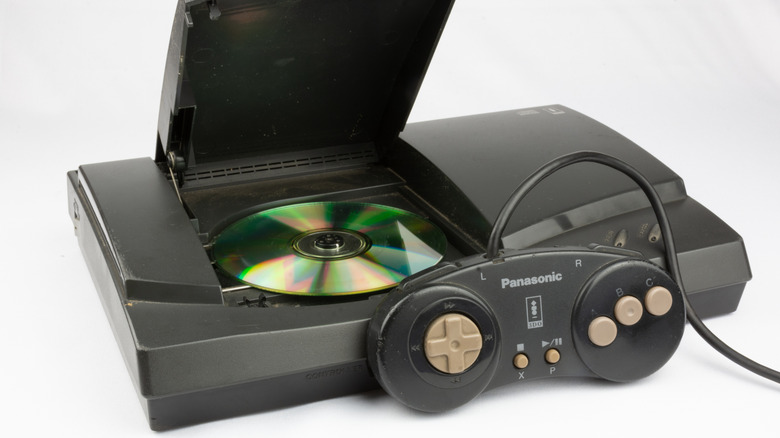
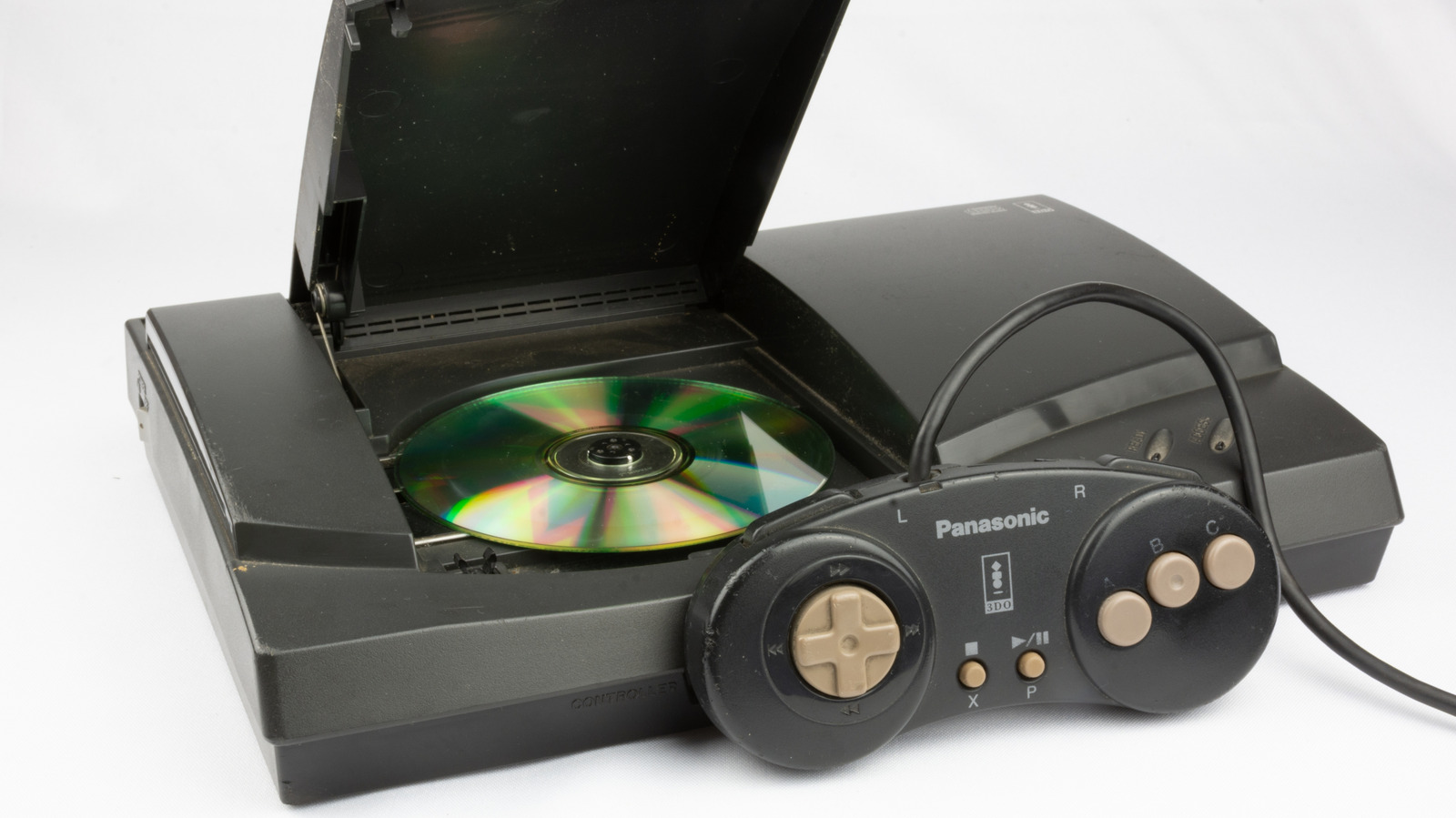
A long-defunct developer returned from the dead promising to revive the 3DO, but quickly pulled its pledge when it became apparent it didn't have the right to.
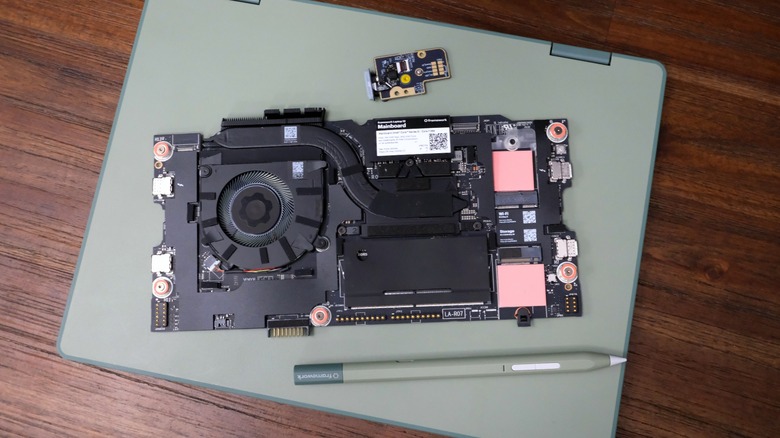
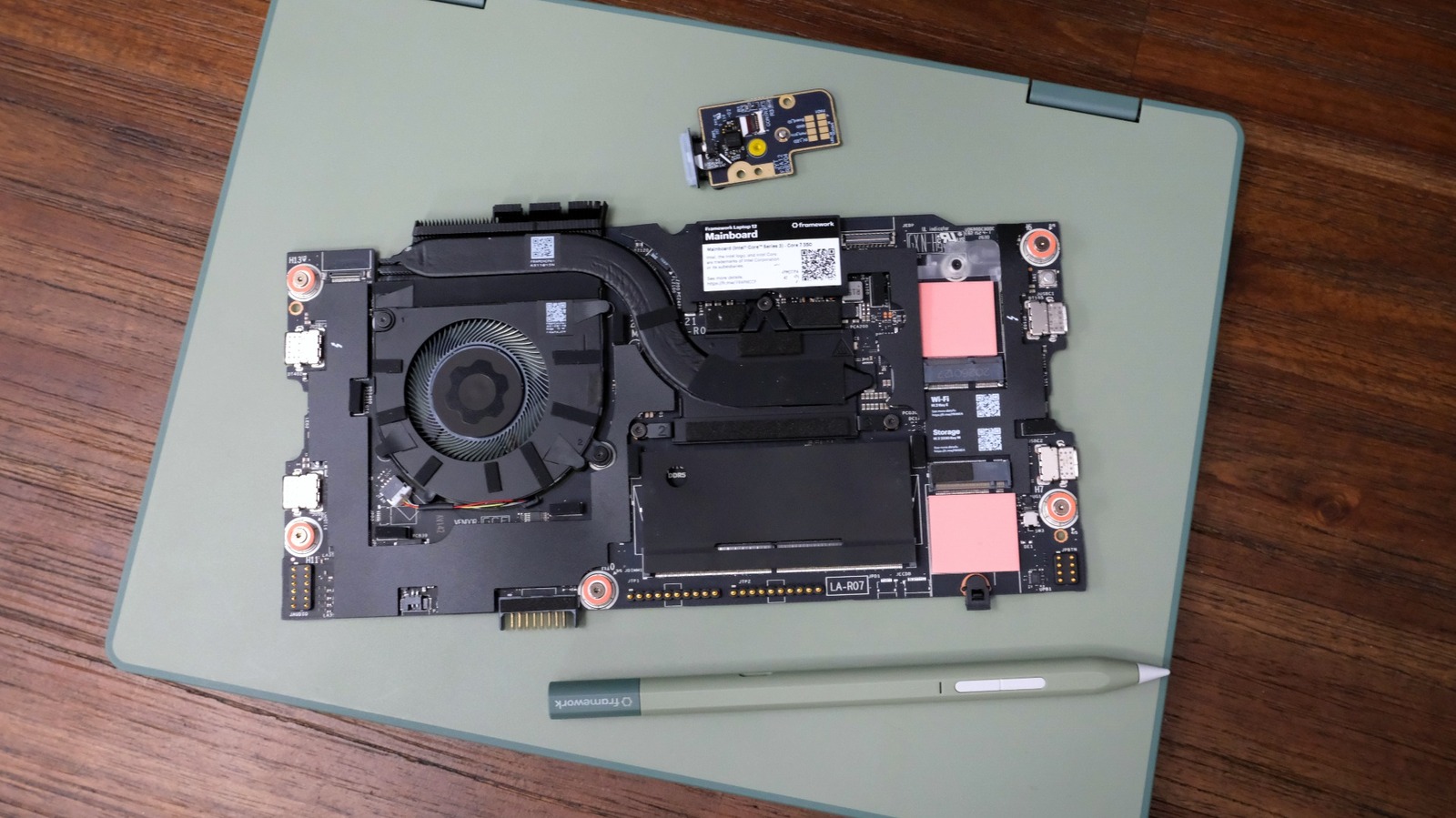
Framework is pushing back shipments of its new Laptop 13 Pro to address issues with its haptic touchpad and display found in the run-up to mass production.
It turns out you can go back again, especially if you win a pile of awards, mint a crop of stars and turn a potentially obscure sitcom into Apple’s biggest hit. The iPhone maker has today announcedTed Lasso season four will debut August 5, with new episodes arriving every Wednesday through October 7. This time out, Ted and Beard have returned to Richmond to take over coaching its women’s team as it languishes in the second division.
Ted Lasso wrapped up its initial three-season arc back in 2023, wrapping up its storylines in a fairly definitive manner. Despite this, Apple wanted to maintain one of its earliest breakout hits and so quickly started making moves to get an additional run under way. Jason Sudekis, Brendan Hunt, Hannah Waddingham, Juno Temple, Brett Goldstein and Jeremy Swift are all returning for the run. But, given the focus on the women’s team, there’s a whole new crop of cast members, including Sex Education’s Tanya Reynolds and Andor’s Faye Marsay.
There are changes behind the scenes too, especially given showrunner Bill Lawrence’s split focus on his current hot streak of shows. Consequently, Jack Burditt, who created Last Man Standing, is taking the role of executive producer —- try not to worry, however, he also worked on Frasier,30 Rock and Unbreakable Kimmy Schmidt. You should check out the teaser trailer below and wonder why Tracy Ullman, who is all over the footage, doesn’t even get so much as a namecheck in Apple TV’s press release.
This article originally appeared on Engadget at https://www.engadget.com/entertainment/streaming/ted-lassos-fourth-season-starts-august-5-150337209.html?src=rss
Amazon has today announced a software update for both the Kindle Colorsoft and Kindle Scribe Colorsoft which will bring dark mode to both e-readers. Even better, users will be able to toggle the settings for specific menus on both devices, so if they want their library dark and their notebook light, they can. Given the option is available on plenty of other Kindle devices, its omission here always felt like something Amazon was just getting around to addressing.
In addition, the update brings Smart Shapes to notebooks, enabling users to add pre-drawn lines, arrows, circles, triangles and rectangles from the toolbar. In addition, a hold-to-snap tool lets you draw a shape freehand, after which point it’ll pull itself into a nice tidy design. Both should help folks who want to add some graphical zing to their note taking who can’t do all those fancy journal designs on their own.
The update is rolling out across the ecosystem across the next few days, further empowering would-be journal scribes using these tablets. For tablets like the Kindle Scribe Colorsoft, it’s clear Amazon needs to build out the Scribe half of the equation, which looks like a poor relative compared to its competition. As Cherlynn Low wrote in her review, it’s a fine e-reader, but one that’s sorely lacking in many areas.
This article originally appeared on Engadget at https://www.engadget.com/general/amazon-brings-dark-mode-to-kindle-colorsoft-and-scribe-colorsoft-130054573.html?src=rss
Framework’s Laptop 13 Pro may be the star of today’s launch, but it is by no means the only product the company is unveiling. We’re also seeing some quality-of-life upgrades for the Laptop 16, a new wireless keyboard and a carrying case. Plus, it’s addressing something a vast number of its own users have demanded for a while: A 10GB Ethernet expansion card.
Laptop 16
Framework
The top deck of the Laptop 16 is sufficiently customizable that you can cram in any number of modules alongside the keyboard and trackpad. If you want an area blank, then you can just put in the requisite spacer, but that creates an unintended problem for some users. CEO Nirav Patel admitted the areas where the modules sit side-by-side can trap some people’s arm hairs, leading to some unplanned depilations when they move away from the deck. To solve this, the company is releasing a new all-in-one trackpad and all-in-one keyboard cover. The trackpad has also been updated to the same haptic model found in the 13 Pro. Plus, it’s now available with a lower-end Ryzen 5 340 mainboard as a more affordable entry level model.
OCuLink Dev kit
At the back of the Laptop 16 is an expansion module slot that either holds a blank unit or the discrete graphics hardware. Last year, the company launched a module with an RTX 5070 inside and, now, it’s started thinking about using it for eGPUs as well. The OCuLink Dev Kit (pictured, above) is a prototype board using OCuLink 8i which can connect directly to your mainboard over its native PCIe lanes.
If you already own a blank module, you won’t need to buy a replacement either. Framework has ensured you can simply drop the OCuLink board into the slots of your existing one. As well as the board, the kit includes an OCuLink Dock that’ll let you slot in any off-the-shelf PCIe card — including GPUs, 100Gb Ethernet and video capture — and run it as if you had your very own desktop.
Sadly, it’s not yet ready for prime time and so far all the company has said is we’ll see more about the hardware “later this year.”
Wireless Touchpad Keyboard
Framework
“There’s one living room keyboard that everyone owns, that Logitech keyboard they haven’t updated in 15 years,” said Patel. “I’ve got two of them, polled the team, and a bunch of them all have the same keyboard,” he added. But Patel’s frustration drove him and his team to build their own, better model, which has been an idea since development work started on the Framework Desktop. It was only when the team learned that the Desktop was being used as a living room PC, however, that they actually brought it to market. It is, in fact, using the same excellent keyboard hardware as found on the Framework Laptop 12, repackaged for its all-in-one form.
Laptop Sleeve
Framework
Framework’s built a laptop sleeve containing extra pockets for your spare expansion cards and screwdriver. Patel said that the real focus was on ensuring the materials used had as small a carbon footprint as possible.
10Gb Ethernet Expansion Card
Framework / WisdPi
Rounding out the announcements is a 10Gb Ethernet expansion card for users who want a faster wired internet experience than the current 2.5Gb model. But this isn’t a Framework product per-se, but was designed and developed by hardware makers Wisdpi. Patel said the community is so passionate that they’re constantly looking at new chip and hardware announcements. They then head to the company’s forums to ask “Hey, like, can we get a Framework version of this?” he explained. The advent of a slender 10Gb Ethernet chip was enough to inspire one third-party developer to build an Expansion Card module to harness it. “Basically, we got in contact with them,” said Patel and offered some guidance to help build the module. And once it was finished, Framework is now acting as a reseller to enable the whole community to easily buy it. Patel admitted that a 10Gb Ethernet Card would inevitably cater to a fairly niche customer, but “love to see a third party come in and fill that gap.”
This article originally appeared on Engadget at https://www.engadget.com/computing/laptops/framework-is-building-an-egpu-kit-for-its-laptop-16-181516238.html?src=rss
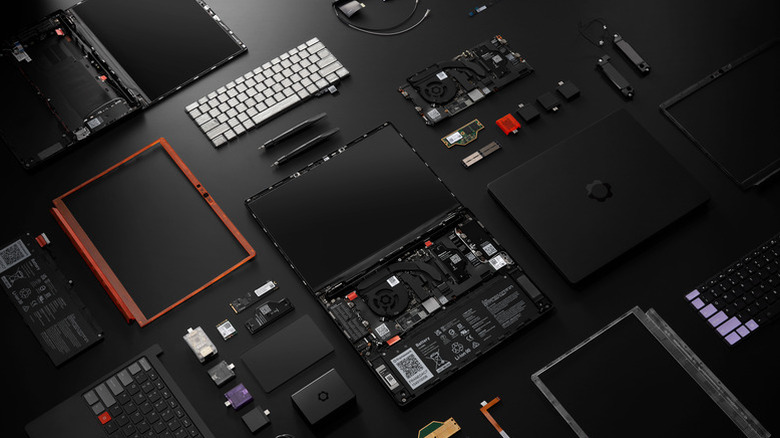
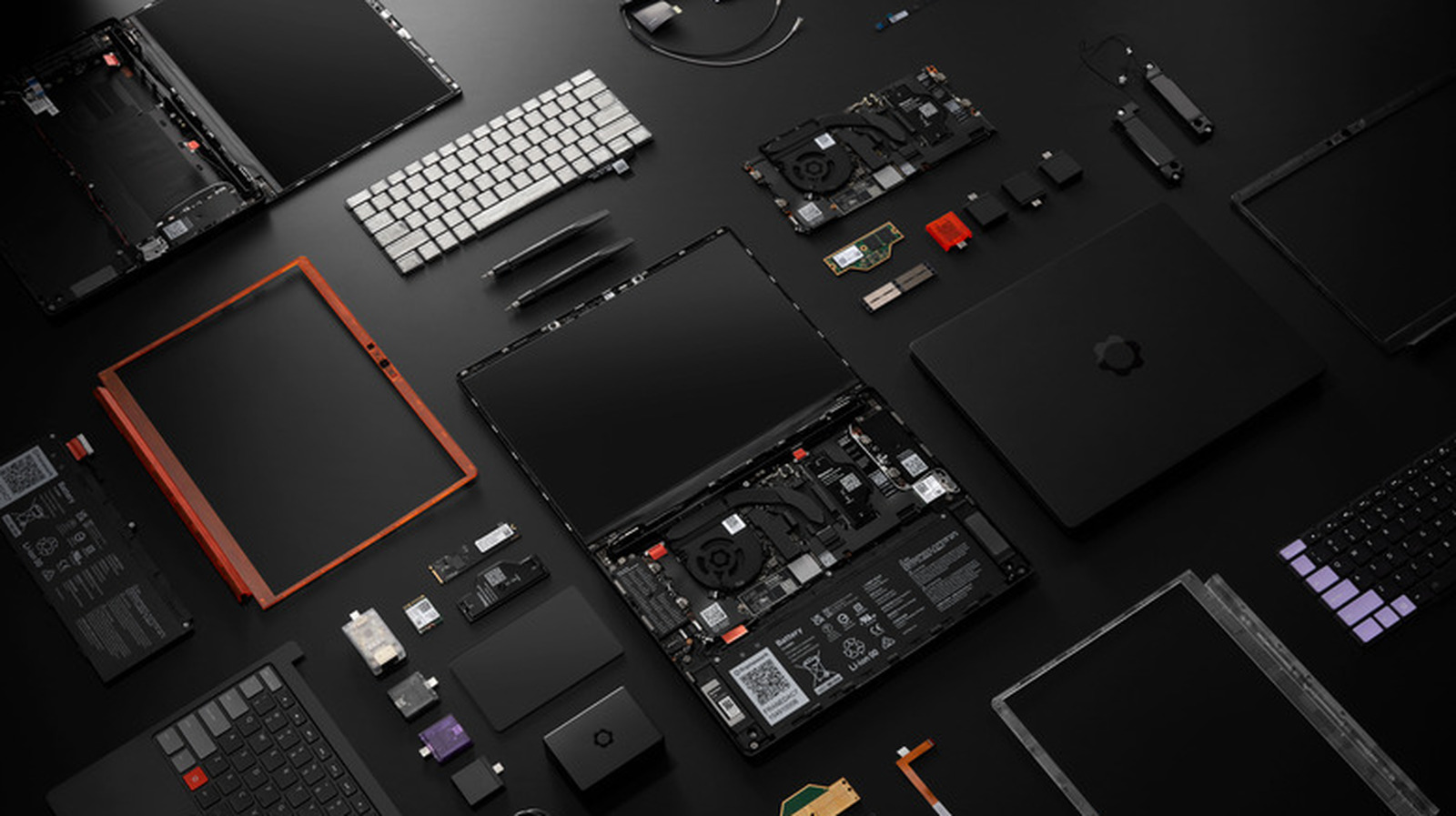
Framework’s lineup of modular, repairable laptops has seen the company grow from a niche to the mainstream. Now, the company is launching a pro version of its 13-inch laptop, but it’s still held close to all of its principles. Because while this all-new version has plenty of bells and whistles, almost all of its components are still instantly compatible with the rest of the range. You can take a part from this new 13 Pro, and install it into the first-generation 13 launched back in 2021 without much fuss.
Framework Laptop 13 Pro is touted as a “ground up redesign” of the existing 13, taking into account feedback from its dedicated and passionate users. That includes a far bigger battery, new chassis, new memory, haptic trackpad and a custom touch display. It also comes in black and, even in the press images, it’s immediately clear it’s a better color for the company’s austere industrial design. CEO Nirav Patel smiled knowingly when I said it’s immediately evocative of a ThinkPad, and I mean that in the most complimentary way.
Framework
The biggest change has been to boost the battery to 74Wh to address gripes about longevity. It’s the second time Framework has boosted the cell size, which started at 55Wh and presently runs to 61Wh. To make the battery fit, the bottom of the chassis has been redesigned, filling out the chamfers present on the existing 13. Framework says the Pro’s lifespan will hit 20 hours of uptime while streaming Netflix in 4K, and says it’ll post the videos to YouTube to prove it.
Given the redesigned lower chassis, the new battery is the one part you can’t simply drop into an older machine. “You’ll need the new bottom cover to fit,” explained Patel, “but because we’ve also increased the thickness of the battery, you have to switch over to the new input cover that has the haptic trackpad.” Patel added while you may need to pair up some parts from upgrades, there’s no component that you can’t retrofit. The new chassis means the speakers are now side-firing, and are now Dolby Atmos-certified.
The bigger battery is working in tandem with Intel’s new Core Ultra Series 3 chips which promise to be incredibly efficient. Both Intel and Framework are sure the Panther Lake silicon is going to sip at that beefy battery, but with enough grunt to play AAA games. Users will get the pick of a Core Ultra 5, X7 or X9, with the promise all of them will be able to eat a game like Cyberpunk 2077 for breakfast, lunch and dinner. At the same time, the Pro will also launch with an AMD Ryzen AI 300 series mainboard option, which are the same mainboards found on the 2025 Laptop 13.
Framework
The last major shift has been in the RAM, going from regular SO-DIMMs to LPCAMM2. The newer hardware design enables the use of LPDDR5X RAM with its better power efficiency and faster memory bandwidth. And it’s not soldered to the board, so you can add in more at some unspecified future date. Which is important if, I dunno, for some reason the global RAM market suddenly crunches and you need to mortgage a kidney for a single stick.
Naturally, I wanted to know how this would impact the laptop’s thermals, Framework’s weak spot. Patel said the mainboard’s cooling has been tweaked (once again), this time with some extra help from Intel. He added the Pro he was using to run our call hadn’t spun up its fans in half an hour which, for a Framework, is a big deal. As always, I’ll reserve judgment until I’ve seen the thing in person.
The Pro is also a way for Patel to fix some of the compromises the company had to make at its genesis. “As a startup six years ago, we just didn’t have access,” said Patel, “when we go to a display vendor [now] and say ‘we want a custom panel’ they say ‘okay, let’s talk specs’ rather than ‘who are you?”’ The 13 Pro ships with a 13.5-inch, 3:2, 2,880 x 1,920 touch display with a variable refresh rate between 30 and 120Hz. Its backlight pushes all the way to 700nits, it has a 1800:1 contrast ratio and per-unit color calibration.
I was surprised the 13 Pro has touch given it’s still a 13-inch productivity notebook without a wraparound hinge. “All the way back in 2021, when we first launched, we were getting asked for touch support,” said Patel. But the company was naturally resistant, assuming touch was an unnecessary addition for a machine of this class. It was only when building the Laptop 12 did the team find it to be quite useful. “It was a slam dunk. We know people want it, we used it on the 12, we like it and it doesn’t actually cost that much. Let’s just add it in,” said Patel.
Framework
Framework knows touchpads are a weak spot for Windows laptops when compared to those made by Apple. Consequently, the Pro 13 has a haptic touchpad with four piezo elements that, it’s hoped, will stand shoulder-to-shoulder with a MacBook Pro. The new input cover keeps the came keyboard and fingerprint sensor, wisely not touching a feature that isn’t broken and doesn’t need fixing. What is cool, however, is the more punky gray and black aesthetic on the keyboard that splits the difference between a ThinkPad and a cyberdeck. “A big part of this goes back to the idea to build the ultimate developer laptop,” said Patel.
Existing Framework owners may be concerned about how this will affect their machine’s longevity. The company might not like me saying, but to me, the Pro name is only meaningful if you’re buying a new machine off the shelf with the new features in one package. There’s nothing stopping you from upgrading your existing machine to match the pro in one go, or as your needs evolve. That’s fundamentally the company’s greatest strength, since it has committed to bringing every single one of its existing users along. But doesn’t make for the splashiest headlines when it comes to debut a new product.
Framework Laptop 13 Pro is available to pre-order today, with the first shipments due to start in June. The base-model pre-built Windows system will start at $1,699, while the DIY model will set you back $1,199.
This article originally appeared on Engadget at https://www.engadget.com/computing/laptops/framework-launches-the-laptop-13-pro-with-intels-new-panther-lake-chips-181503934.html?src=rss
 Anmelden