❌

Lese-Ansicht

Joby Aviation is demoing 10-minute air taxi flights from JFK to Manhattan for a week

Joby Aviation is kicking off 10 days of electric air taxi demo flights in New York City. Before you try to book one to bypass the city's awful traffic, Joby's aircrafts aren't taking customers yet. Instead, the company is trialing the air taxis in "real flight routes and real environments," as indicated in its press release.

With the first point-to-point flight of its electric vertical takeoff and landing (eVTOL) aircraft completed, Joby said that one of its electric air taxis made it from John F. Kennedy International Airport to NYC's heliports in Lower Manhattan and Midtown in less than 10 minutes. Unlike helicopters, Joby's CEO, JoeBen Bevirt, said this "quiet, zero operating emissions air taxi service" will better serve New Yorkers. These demo flights are part of Joby's participation in the eVTOL Integration Pilot Program, the Federal Aviation Administration's program to fast-track the commercial rollout of air taxis.

Joby said it's still in the final stages of securing FAA certification, but this latest campaign in NYC should propel its process forward, especially after having completed piloted demos in the San Francisco Bay Area in March. Joby was previously targeting to launch its air taxi service in 2025, but that goal has since been pushed back. The company's CEO said that Joby is planning to start passenger flights in New York, Texas and Florida as soon as the second half of 2026, according to Bloomberg.

This article originally appeared on Engadget at https://www.engadget.com/transportation/joby-aviation-is-demoing-10-minute-air-taxi-flights-from-jfk-to-manhattan-for-a-week-180247411.html?src=rss

©

© Joby

A Joby air taxi flying across the New York City skyline.
  •  

OpenAI breaks out of exclusivity agreements in its partnership with Microsoft

OpenAI is opening up its partnership with Microsoft in the latest amendment to the major multi-year collaboration between the tech giants. The latest changes allow OpenAI to offer its latest AI models to other companies and through other cloud providers, stripping Microsoft of its exclusivity rights.

In a joint announcement posted on OpenAI and Microsoft's websites, Microsoft will still be OpenAI's primary cloud partner with the latest products shipping first on Azure, but OpenAI is now allowed to use any cloud provider. Sam Altman, OpenAI's CEO, posted on X that the company is "now able to make our products and services available across all clouds."

On top of that, Microsoft will still have a license for OpenAI's models and products through to 2032, but the license will no longer be exclusive. On the business side, Microsoft will no longer pay a revenue share to OpenAI, but OpenAI would still make revenue share payments to Microsoft until 2030, which will now be subject to a total cap.

The two companies have worked closely together since announcing a multiyear partnership in 2019. Microsoft and OpenAI have gone through several phases for its collaboration, but the two put out a joint statement in February of this year that still mentioned the exclusivity agreements. However, the latest update confirms that OpenAI can break exclusivity, with the companies arguing these changes are for "flexibility, certainty, and a focus on delivering the benefits of AI broadly."

This article originally appeared on Engadget at https://www.engadget.com/big-tech/openai-breaks-out-of-exclusivity-agreements-in-its-partnership-with-microsoft-162829584.html?src=rss

©

© Microsoft

The OpenAI and Microsoft logos laid next to each other.
  •  

Spotify is now a fitness app too

In its quest to become an all-in-one app, Spotify is now breaking into the fitness app world by offering "guided workout experiences" and on-demand Peloton classes. Premium subscribers will get access to Peloton's library of more than 1,400 classes in the app, while both Free and Premium can browse curated playlists (they're listed under the genre "fitness.")

Spotify's Fitness section showing example workouts and video to follow along with.
Spotify

Spotify said the classes are primarily in English, but there are some options in Spanish and German. Like music and podcasts, Spotify lets you bounce between different devices for its fitness media, so you can start a video workout on your TV and switch to an audio-only version on your phone or smart speaker. Users can even download the classes for offline use.

The fitness category may feel like a sharp turn for Spotify, but the company said that nearly 70 percent of its Premium subscribers work out monthly and that fitness and workout content was one of the top use cases for its Prompted Playlist feature. Spotify has long been expanding its offerings outside of music, with its latest efforts giving users a way to buy physical books or create group chats. 

This article originally appeared on Engadget at https://www.engadget.com/apps/spotify-is-now-a-fitness-app-too-144037057.html?src=rss

©

© Spotify

Spotify's new Fitness genre offering various options for its users.
  •  

Forced Windows updates can now be paused forever

No more getting caught by a forced Windows 11 update while you're in the middle of a meeting or a match. Microsoft announced some major changes coming to Windows Update on its blog, including the ability to indefinitely pause Windows updates, 35 days at a time.

To give users more control, Windows Update introduced the option to extend update pauses as much as users want. Once you opted to pause updates for Windows 11, you won't be disturbed for 35 days at a time, but you can now reset this 35-day limit for as long as you want. You should eventually install these updates, as most of them are usually related to security upgrades and only sometimes require emergency fixes, but Microsoft is letting users decide when to do so. Microsoft's Aria Hanson wrote in the blog that these changes were a result of feedback that consistently mentioned "disruption caused by untimely updates and not enough control over when updates happen."

Beyond the update pauses, Microsoft is ensuring Windows 11 users always have the option to shut down or restart their devices without updating. These quality-of-life upgrades build on another recent change that allowed users to skip updates while setting up their new Windows devices. According to Microsoft, the latest Windows Updates features are currently rolling out to those enrolled in the Windows Insider program, specifically users in the Dev and Experimental Channels.

This article originally appeared on Engadget at https://www.engadget.com/computing/forced-windows-updates-can-now-be-paused-forever-200338487.html?src=rss

©

© Microsoft

A calendar that lets you pause updates in the Windows Update tool.
  •  

Canadian premier wants to ban social media and AI chatbots for kids in Manitoba

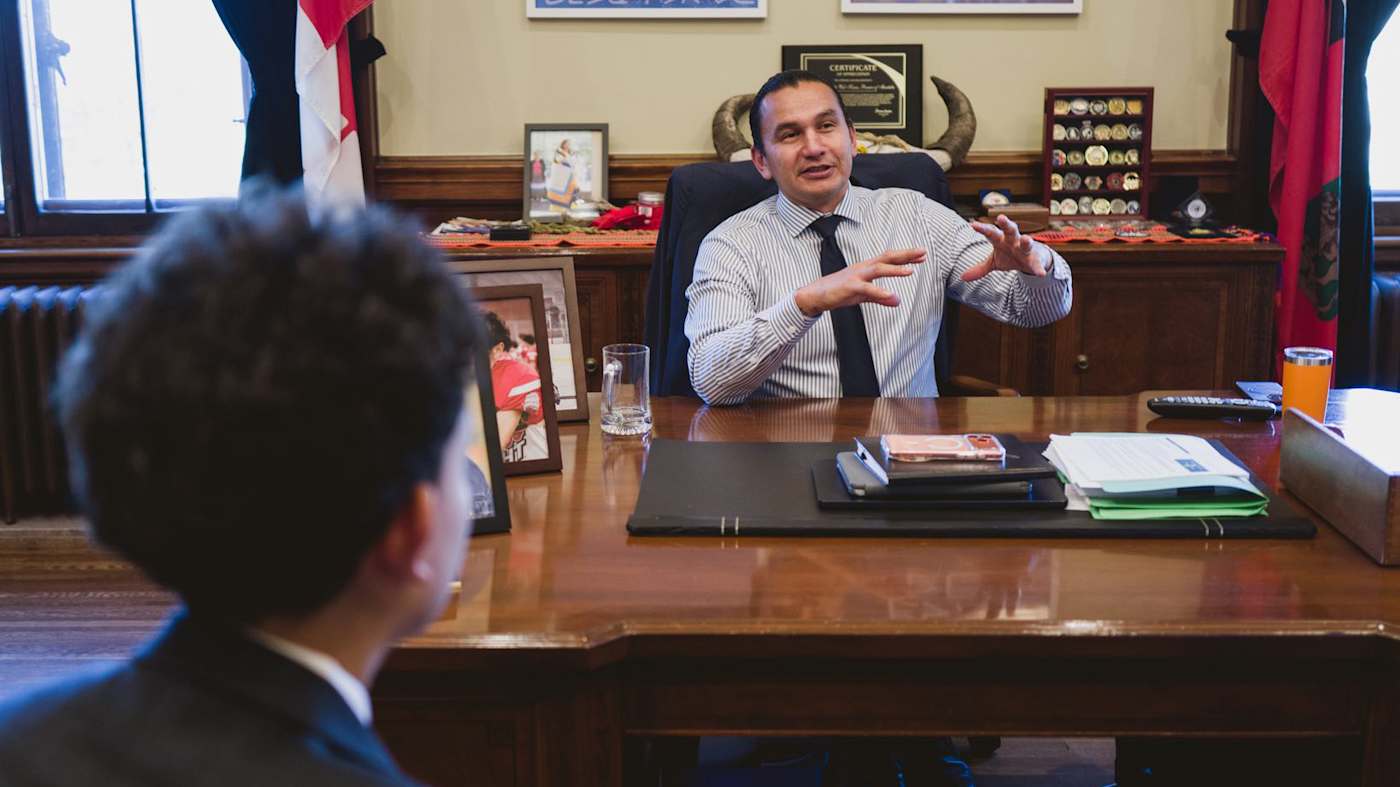
Manitoba could be the first province in Canada to establish a social media ban for kids, but the proposal's details aren't very clear yet. The province's premier, Wab Kinew, announced during a fundraiser event on Saturday and on X that Manitoba would put in place a ban for social media and AI chatbots for its youth.

"They're doing these very awful things to kids all in the name of a few likes, all in the name of more engagement, and all in the name of money," Kinew said at the event. "Our kids will never be for sale and their attention and their childhoods should never be profited from."

Kinew didn't elaborate on the ban's crucial details, like the specific age restriction, when it will be introduced nor how it will be enforced. CBC reported that Kinew didn't speak to reporters after his remarks at the fundraiser.

Besides Manitoba, the Liberal Party of Canada recently voted in favor of proposals to restrict both social media and AI chatbot use for anyone under 16 during the party's national convention in Montreal. There are several efforts to restrict social media across Canada. One even seeks to limit those under 14 from accessing these platforms, an even younger cutoff than the ban recently enacted in Australia. However, a recent poll from the Molly Rose Foundation has cast some doubt on the effectiveness of such laws, which other countries have also adopted or are currently considering. The poll showed that a majority of teens still have accounts on banned social media platforms, or have found ways around the ban.

This article originally appeared on Engadget at https://www.engadget.com/social-media/canadian-premier-wants-to-ban-social-media-and-ai-chatbots-for-kids-in-manitoba-182120933.html?src=rss

©

© Wab Kinew

Canada's premier for Manitoba, Wab Kinew, chatting with someone in an office.
  •  

Trump has terminated several members of the independent National Science Board

As reported by several outlets, the Trump administration dismissed members of the National Science Board (NSB), which is tasked with establishing policies for the National Science Foundation. It's not clear how many members have been dismissed. According to screenshots shared with The Washington Post, board members received a message that their position was "terminated, effective immediately.

The NSB establishes policies for the National Science Foundation (NSF), the independent US agency responsible for apportioning about 25 percent of federal support towards research conducted by the country's colleges and universities. The foundation has existed for over 75 years and has contributed to the development of MRIs and cellphones, among other breakthroughs. Up to 25 active members can head the NSB, however, the current board only has 22 members; the NSF's former director, Sethuraman Panchanathan, abruptly resigned last year.

In response, Congresswoman Zoe Lofgren called the latest decision a "real bozo the clown move" in a statement. "This is the latest stupid move made by a president who continues to harm science and American innovation," Lofgren, who also serves as the Ranking Member of the House's Science, Space and Technology Committee, added in the statement. "It unfortunately is no surprise a president who has attacked NSF from day one would seek to destroy the board that helps guide the Foundation."

It's unclear if the NSB's next scheduled board meeting for May 5 will take place. When asked about the recent terminations and the next meeting, the NSB referred to the White House for additional details. We've reached out to the Trump administration for confirmation and will update the story when we hear back.

This article originally appeared on Engadget at https://www.engadget.com/science/trump-has-terminated-several-members-of-the-independent-national-science-board-170405205.html?src=rss

©

© National Science Foundation

The logos of the National Science Foundation and National Science Board next to each other.
  •  

BYD's next all-electric hypercar is a convertible that's coming to Europe first

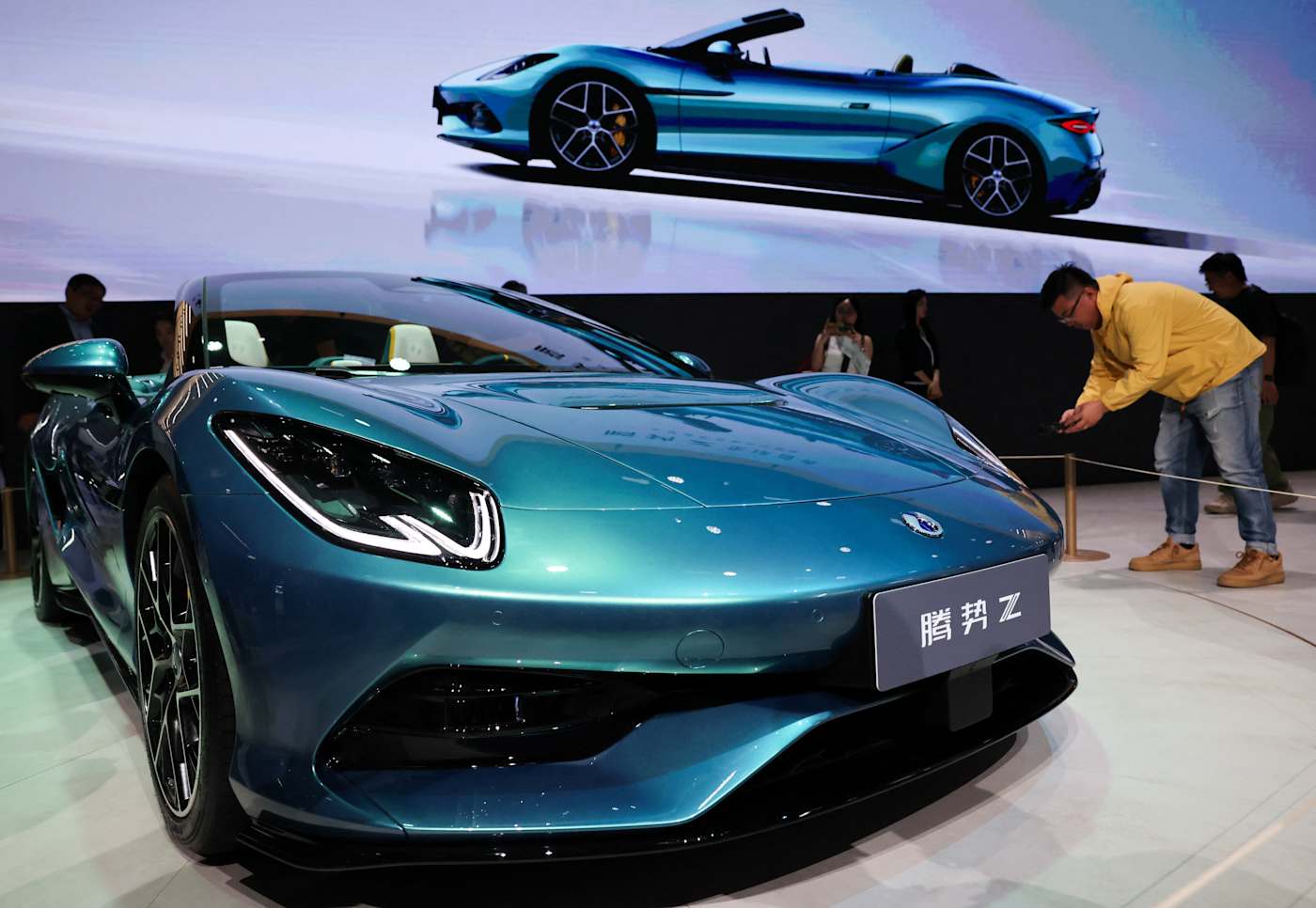
BYD may be known for its affordable all-electric cars, but that doesn't mean it won't dabble in the occasional hypercar under one of its subsidiary brands. At the Beijing Auto Show, BYD unveiled the Denza Z, a hypercar that can produce more than 1,000 horsepower with an all-electric motor. According to CarNewsChina, the Denza A can hit 0 to 60 mph in less than two seconds, rivaling the likes of the Rimac Nivera.

BYD first showed off the Denza Z as a concept at the Shanghai Auto Show in 2025. A year later, the Chinese EV maker confirmed its latest hypercar as a four-seater that will come in hard-top, convertible and "track" configurations. BYD hasn't revealed the Denza Z's full specs yet, so we're not sure what differentiates the track edition. So far, the company has shared that it would use its intelligent suspension system, DiSus-M, similar to Chevrolet Corvette's Magnetic Ride Control, and its Flash Charging system. BYD also told AutoExpress that the Denza Z will have some of the features seen with BYD's YangWang U9, like autonomous driving and "tank turning."

Surprisingly, BYD is planning to release the Denza Z in Europe first, with an inaugural ride at the Goodwood Festival of Speed in the UK in July. The automaker hasn't revealed pricing yet, but it should be more widely available than BYD's other hypercar under its YangWang subsidiary, which is limited to 30 units.

This article originally appeared on Engadget at https://www.engadget.com/transportation/evs/byds-next-all-electric-hypercar-is-a-convertible-thats-coming-to-europe-first-233050130.html?src=rss

©

© REUTERS / Reuters

A man films the newly presented Z Convertible EV of BYD's luxury brand Denza at the company’s booth at the Beijing International Automotive Exhibition (Auto China), in Beijing, China, April 24, 2026. REUTERS/Maxim Shemetov
  •  

OpenAI's Sam Altman apologizes for not reporting ChatGPT account of Tumbler Ridge suspect to police

Two months following the deadly shooting in Tumbler Ridge, British Columbia, OpenAI's Sam Altman has formally apologized for not informing police of the alarming ChatGPT conversations seen with the suspect's account. Before the incident, OpenAI banned the account belonging to the alleged shooter, Jesse Van Rootselaar, for violating its usage policy due to potential for real-world violence.

"I am deeply sorry that we did not alert law enforcement to the account that was banned in June," Altman wrote in the letter. "While I know words can never be enough, I believe an apology is necessary to recognize the harm and irreversible loss your community has suffered."

Altman noted in the letter, which was published in full by Tumbler RidgeLines, that he spoke with both Darryl Krakowa, Tumbler Ridge's mayor, and David Eby, the British Columbia premier, and agreed that a "public apology was necessary, but that time was also needed to respect the community as you grieved."

Eby, who also highlighted Altman's letter in his post on X, agreed that the "apology is necessary," but added that it was "grossly insufficient for the devastation done to the families of Tumbler Ridge." Moving ahead, Altman reaffirmed in the letter that OpenAI would "find ways to prevent tragedies like this in the future" and work with all levels of government to prevent something like this from happening again. Altman's latest commitment builds on the previous letter from OpenAI's vice president of global policy Ann O’Leary, who said the company would notify authorities if it finds "imminent and credible" threats in ChatGPT conversations.

This article originally appeared on Engadget at https://www.engadget.com/ai/openais-sam-altman-apologizes-for-not-reporting-chatgpt-account-of-tumbler-ridge-suspect-to-police-221400813.html?src=rss

©

© REUTERS / Reuters

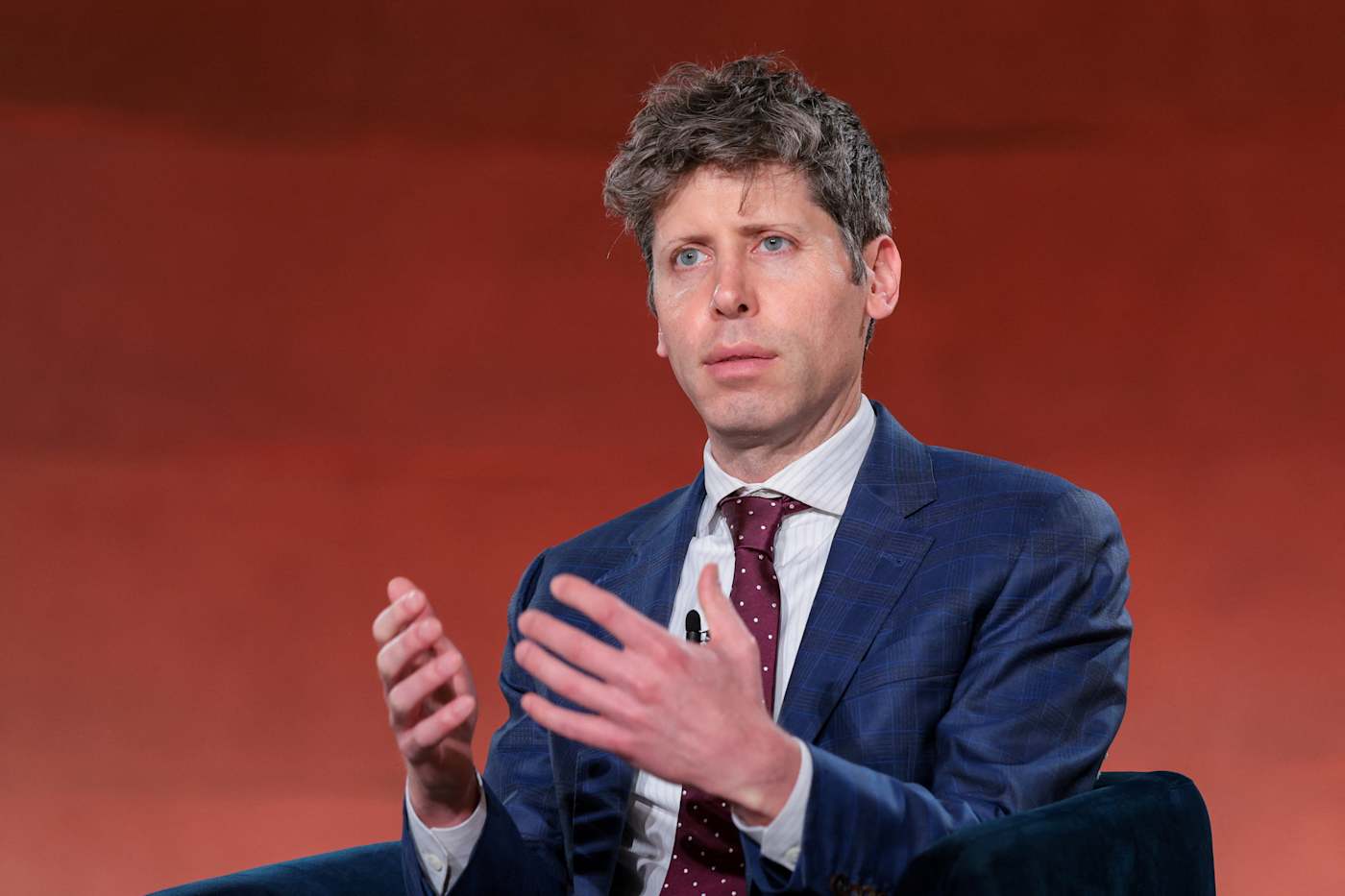
CEO of OpenAI Sam Altman speaks during the 2026 Infrastructure Summit of government officials, corporate executives, and labor leaders, in Washington, D.C., U.S., March 11, 2026. REUTERS/Kylie Cooper
  •  

Meta is testing a WhatsApp Plus subscription that mostly focuses on cosmetic upgrades

Meta is testing out a premium version of its messaging app, called WhatsApp Plus, that will include several paywalled features. As first spotted by WABetaInfo, Meta is currently rolling out a paid version of WhatsApp, which features mostly cosmetic upgrades. According to the Help Center page, WhatsApp Plus subscribers will get access to premium stickers that can have special effects and the ability to personalize the app's themes and icons.

Beyond the decorative elements, WhatsApp Plus users can pin up to 20 chats, set a premium ringtone for certain contacts and further customize chat lists with alerts, ringtones and themes. According to WABetaInfo, WhatsApp is exploring more features for its premium plan, but there's no exact pricing announced yet. Subscription costs currently range from 229 Pakistani Rupees, or less than $1, to €2.49, or around $3, according to WABetaInfo.

Meta isn't paywalling any of WhatsApp's basic functions, so the ability to send messages, make voice calls and take advantage of end-to-end encryption remains free. However, the introduction of WhatsApp Plus follows Meta also trialing Instagram Plus, which previewed premium features like Stories that last longer than 24 hours and sending "super hearts." The prices haven't been announced for Instagram Plus either, but WABetaInfo reported that Meta may offer one-month trials for any interested users of WhatsApp Plus.

This article originally appeared on Engadget at https://www.engadget.com/apps/meta-is-testing-a-whatsapp-plus-subscription-that-mostly-focuses-on-cosmetic-upgrades-175452371.html?src=rss

©

© WhatsApp

WhatsApp on a smartphone showing off text stickers.
  •  

Deezer says AI-made songs make up 44 percent of daily uploads

AI-generated music is spreading like wildfire, according to Deezer, who reported receiving nearly 75,000 uploads of AI-made tracks a day on its platform. The alternative music streaming service based in Paris published a report revealing that 44 percent of its daily uploads are AI-generated songs, accumulating to around 2 million flagged songs a month. If that figure doesn't alarm you, Deezer said that more than 13.4 million songs were detected and flagged as AI-generated across 2025.

Those statistics are made possible with Deezer's patent-pending AI music detection tool, which was launched in January 2025. A few months following the release, Deezer announced that it saw around 20,000 AI-generated tracks uploaded a day, which made up roughly 18 percent of its overall uploads. Despite the swell of AI music on its platform, Deezer said that only about 1 to 3 percent of total streams on the platform involve AI-generated music and that a majority of these streams are marked as fraudulent and demonetized.

Deezer said its proprietary tool can detect AI-generated music, particularly from two of the most popular offerings right now: Suno and Udio. Despite these two AI music tools getting hit with lawsuits in their early days, some major record labels have had a change of heart and later struck deals with the startups. On the other hand, other music streaming platforms are employing their own verification tools to fortify the floodgates holding back music made by AI. Similar to Deezer, Coda Music uses "AI Artist" labels and even let users flag suspicious artists.

This article originally appeared on Engadget at https://www.engadget.com/entertainment/music/deezer-says-ai-made-songs-make-up-44-percent-of-daily-uploads-163642921.html?src=rss

©

© Deezer

An alert on the Deezer platform that shows when an album has tracks generated with AI.
  •  

Apple could be fined up to $38 billion by Indian antitrust regulator

Apple's refusal to provide financial data to an Indian regulatory agency as part of an antitrust case will culminate in a final hearing on May 21, as first reported by Reuters. According to the Competition Commission of India (CCI), Apple still hasn't submitted information about its financials and its views on an antitrust investigation that started in October 2024.

The case revolves around the CCI accusing Apple of exploiting its dominant position with the App Store, arguing that developers are forced to use Apple's proprietary system for in-app purchases. Apple countered that Android was the more dominant smartphone operating system in India and that iPhones held a smaller market share in India. However, Apple has slowly been gaining momentum with its share of the Indian smartphone market, hitting nine percent in 2025, according to data from Counterpoint Research.

Reuters reported that the latest CCI order said that Apple had plenty of opportunities to file objections or suggestions, but added that the company still hadn't submitted the "requisite financial information," which is used to determine the amount of a potential penalty. Apple argued that the penalties could be up to $38 billion and responded to the order by citing a separate case where the tech giant challenged the country's antitrust penalty law.

It's not the first time Apple has butted heads with the Indian government, as it previously refused to pre-install a state-owned app called Sanchar Saathi onto its smartphones. The Indian government later decided to withdraw its mandate requiring smartphone makers to install the app, but it's much less willing to budge on this antitrust case. According to Reuters, the CCI offered Apple two more weeks to file any responses before the final hearing date next month.

This article originally appeared on Engadget at https://www.engadget.com/big-tech/apple-could-be-fined-up-to-38-billion-by-indian-antitrust-regulator-150821172.html?src=rss

©

© REUTERS / Reuters

The newly launched iPhone 17 series are displayed at an Apple store in New Delhi, India, September 19, 2025. REUTERS/Bhawika Chhabra
  •  

Beijing's robot half-marathon is back for its second year with far less embarassing results

To make up for an incredibly laughable inaugural event, Beijing is running back its humanoid robot half-marathon. Fortunately, the event that pits humanoid robots made by Chinese companies against each other across 13 miles went a lot smoother this year.

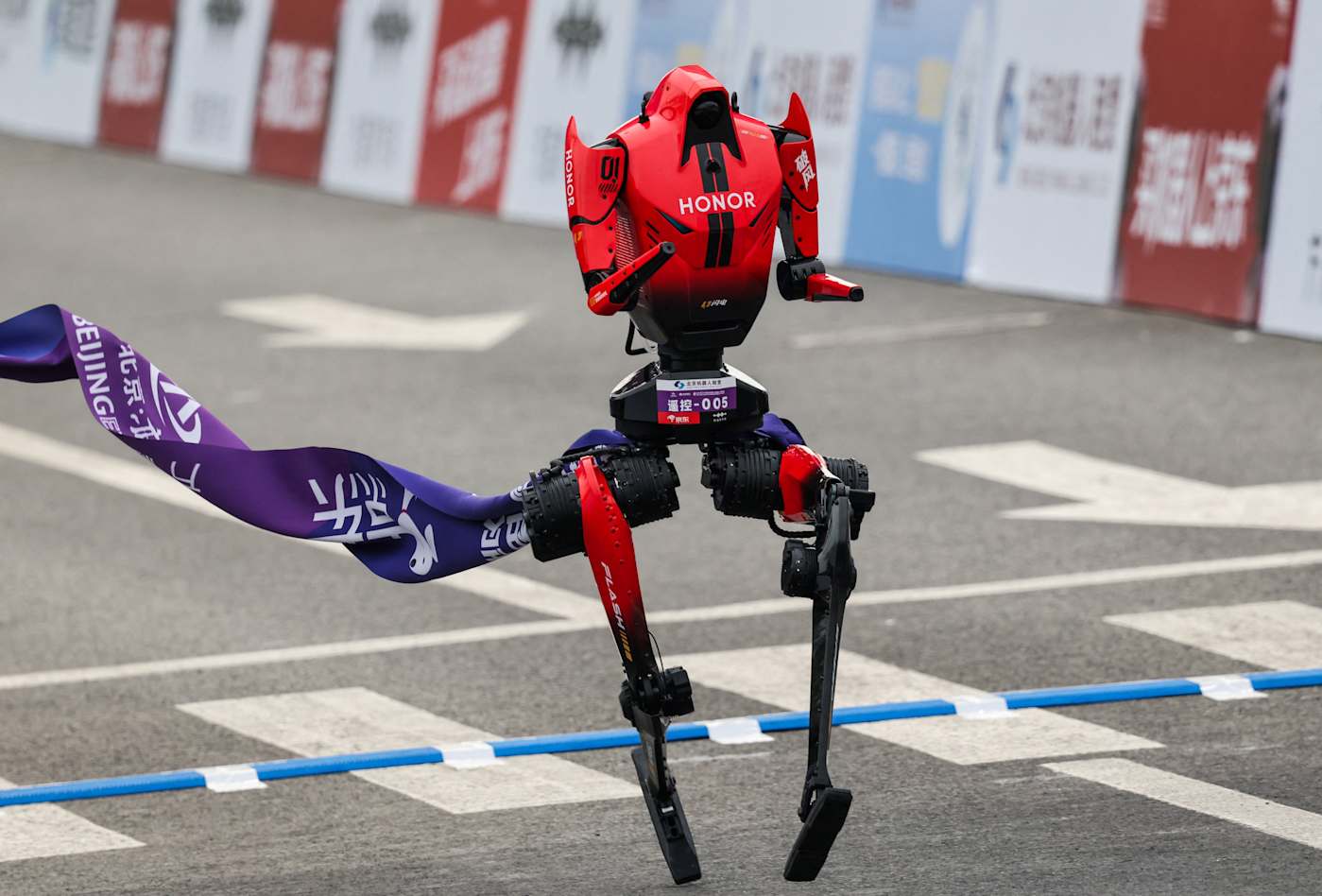
This year's half-marathon hosted more than 100 competitors, with first place going to Honor, better known for its smartphones, and its red-clad robot named Lightning. Living up to the name, the gold medalist finished the race in 50 minutes and 26 seconds. That's several minutes faster than the human record that was recently set by Uganda's Jacob Kiplimo last month.

Honor swept the other podium spots, with the important caveat that they all navigated the course autonomously, according to the state-sponsored television news agency CCTV. That's a massive improvement over last year, where the fastest time among 21 robots was achieved by Tiangong Ultra with a record of two hours and 40 minutes. Last year's event saw many of the bipedal robots receiving assistance from human operators who ran alongside them, as well as some comical mishaps, like falling at the starting line.

However, the BBC reported that around 40 percent of the robots competed autonomously this year, while the rest were remote-controlled. Despite the rapid improvements, this year's event still had its fair share of crashes, even from Honor's robots.

This article originally appeared on Engadget at https://www.engadget.com/ai/beijings-robot-half-marathon-is-back-for-its-second-year-with-far-less-embarassing-results-191308396.html?src=rss

©

© REUTERS / Reuters

A Lightning humanoid robot by Honor crosses the finish line of the second Beijing E-Town Half Marathon and Humanoid Robot Half Marathon in Beijing, China April 19, 2026. REUTERS/Maxim Shemetov
  •  

The next Mac Studio and MacBook Pro releases could be postponed by several months

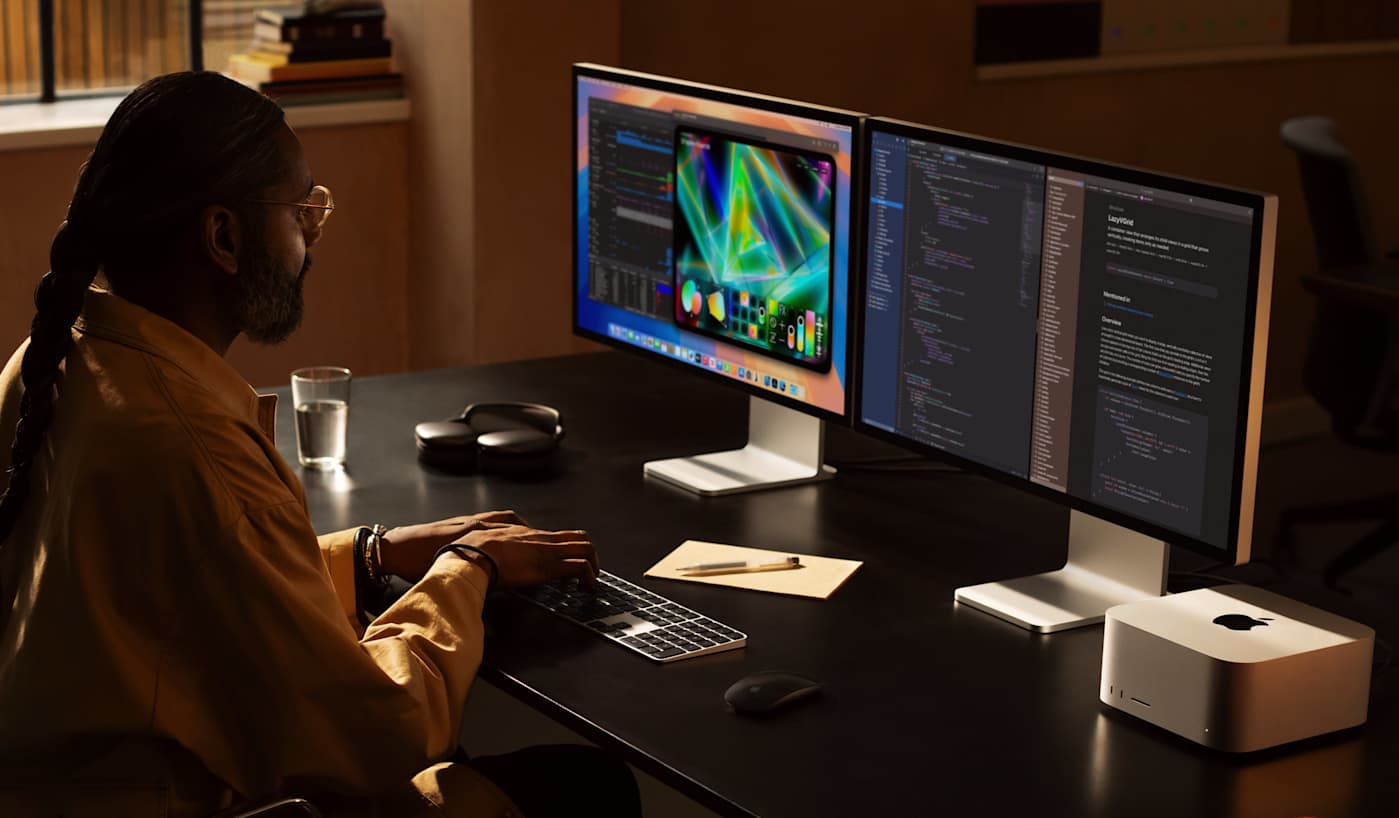
Anyone looking to upgrade to the next Mac Studio or MacBook Pro might have to wait a little longer, thanks to the ongoing global memory shortage. As reported by Bloomberg's Mark Gurman, "at least two of the company's upcoming machines ... could debut a little later than the company initially planned," referencing the refreshes to Apple's desktop and its laptop that's expected to get a touchscreen.

Bloomberg reported that the upcoming Mac Studio, which follows up the current lineup in the M4 Max and M3 Ultra configurations, was first expected to release in the middle of the year. However, Apple is already dealing with shortages of its existing Mac Studio stock, likely due to the device being a popular choice for anyone running local AI models. With no stop to the shortage in sight, Gurman predicted that the refreshed Mac Studio's release could be postponed to around October instead.

It's not just Apple's desktop offerings being affected. Gurman also reported that the release of the next MacBook Pro could be delayed. While Gurman said the release timeline of the touchscreen MacBook Pro could be between the end of 2026 to early 2027, he's now predicting that it would arrive toward the later end of that timeline. Of course, Apple isn't the only consumer tech company heavily affected by the RAM shortage. However, Apple can at least take advantage of its successful MacBook Neo release amidst the memory shortage crisis affecting all laptop makers.

This article originally appeared on Engadget at https://www.engadget.com/computing/the-next-mac-studio-and-macbook-pro-releases-could-be-postponed-by-several-months-173120187.html?src=rss

©

© Apple

Someone using the Mac Studio paired with two displays.
  •  

Tesla is rolling out its Robotaxi service to Dallas and Houston

Tesla is expanding its Robotaxi footprint across Texas by introducing availability in both Dallas and Houston. As announced in a post on X, the EV maker is rolling out its Robotaxis to small sections of the Texas cities, as detailed by two maps of its new service areas. 

The first Robotaxi rides started in Austin, Texas where Tesla is headquartered, but the service's launch was paired with a "Tesla Safety Monitor," or a supervising human in the passenger seat. Earlier this year, Tesla began to transition away from including safety monitors, leaving its Robotaxis to operate unsupervised and fully autonomous. In the latest announcement on X, Tesla also showed off a 360-degree panning shot with no safety monitor, but the company hasn't stated if its Dallas and Houston service will have in-car human supervision. It's worth nothing that Tesla previously admitted that some of its Robotaxis are sometimes driven remotely by human operators.

With the Robotaxi expansion into Dallas and Houston, Tesla is encroaching on Waymo's autonomous ride-hailing service that entered the same markets in February of this year. Looking ahead, Tesla is also targeting the Bay Area market in California for its Robotaxi expansion. While the company has received approvals to operate a ride-hailing service in California, it still doesn't have authorization for autonomous taxis in the state yet.

This article originally appeared on Engadget at https://www.engadget.com/transportation/tesla-is-rolling-out-its-robotaxi-service-to-dallas-and-houston-160742941.html?src=rss

©

© Tesla

A woman using a laptop in the passenger seat of a Tesla robotaxi
  •  

SNK's Neo Geo console remake works with original cartridges and HDMI

Not everyone had the money for the original Neo Geo Advanced Entertainment System when it released in the '90s, but there's still a chance to experience it as an adult with disposable income. SNK and Plaion Replai, who is also behind the all-black remake of the Commodore 64, announced a faithful remake of the high-end retro console, called the Neo Geo AES+.

To bring the original console into the modern day, the collaborating companies added HDMI compatibility for resolutions up to 1080p and DIP switches on the bottom of the console to allow for language selection, overclocking and switching display modes. Rounding out the upgrades, SNK and Plaion Replai included a permanent way to retain high scores on a memory card and a low-power usage mode. For the purists out there, the Neo Geo AES+ still works on those chunky CRT displays since it has the original AV output.

Preorders are currently open for two versions of the Neo Geo AES+, including an all-white 35th anniversary edition bundle that includes an Arcade Stick, a limited-edition Metal Slug game cartridge and a memory card, for $349.99. The standard edition in classic black will only come with an arcade stick, but will be available for $249.99. Coinciding with the console release, Replai Plaion will release 10 modernized game cartridges, including Metal Slug, The King of Fighters 2002 and other classics, for $89.99 each. If you think those prices are high, don't forget the original Neo Geo AES' release price was $649.99. The Neo Geo AES+ is set to start shipping on November 12.

This article originally appeared on Engadget at https://www.engadget.com/gaming/snks-neo-geo-console-remake-works-with-original-cartridges-and-hdmi-194509442.html?src=rss

©

© Plaion Replai

The Neo Geo AES+ anniversary bundle in white.
  •  

Apple avoids a second import ban for its redesigned smartwatches in latest court ruling

Apple has secured a major victory for its redesigned smartwatches as per the latest decision from the US International Trade Commission. The federal agency ruled against reinstating an import ban on Apple Watches, allowing the tech giant to continue selling its devices with a reworked blood-oxygen monitoring technology.

The ITC decided to terminate the case and refer to a preliminary ruling from one of its judges in March that claimed that Apple's redesigned smartwatches don't infringe on patents held by Masimo, the medical tech company that has long been embroiled in lawsuits surrounding the Apple Watch. Apple thanked the ITC in a statement, adding that "Masimo has waged a relentless legal campaign against Apple and nearly all of its claims have been rejected." We reached out to Masimo for comment and will update the story when we hear back.

The latest decision could offer some closure to the longstanding legal feud between Masimo and Apple. The patent battle dates back to 2021 with Masimo's first filing against Apple that requested an import ban on Apple Watches. The ITC ended up ruling that Apple violated Masimo's patents, resulting in the previous import ban and the Apple Watch maker redesigning the blood-oxygen reading feature in certain models. However, Masimo wasn't satisfied with this conclusion and sought another import ban on the updated Apple Watch models. Now that the ITC has ruled against that, Masimo is left with the option to appeal the decision with the US Court of Appeals for the Federal Circuit.

While Masimo may currently be on the losing side of this legal battle, it's confronting Apple on multiple fronts. In November, a federal jury sided with Masimo and ruled that Apple has to pay $634 million in a separate patent infringement case.

This article originally appeared on Engadget at https://www.engadget.com/wearables/apple-avoids-a-second-import-ban-for-its-redesigned-smartwatches-in-latest-court-ruling-175600668.html?src=rss

©

© REUTERS / Reuters

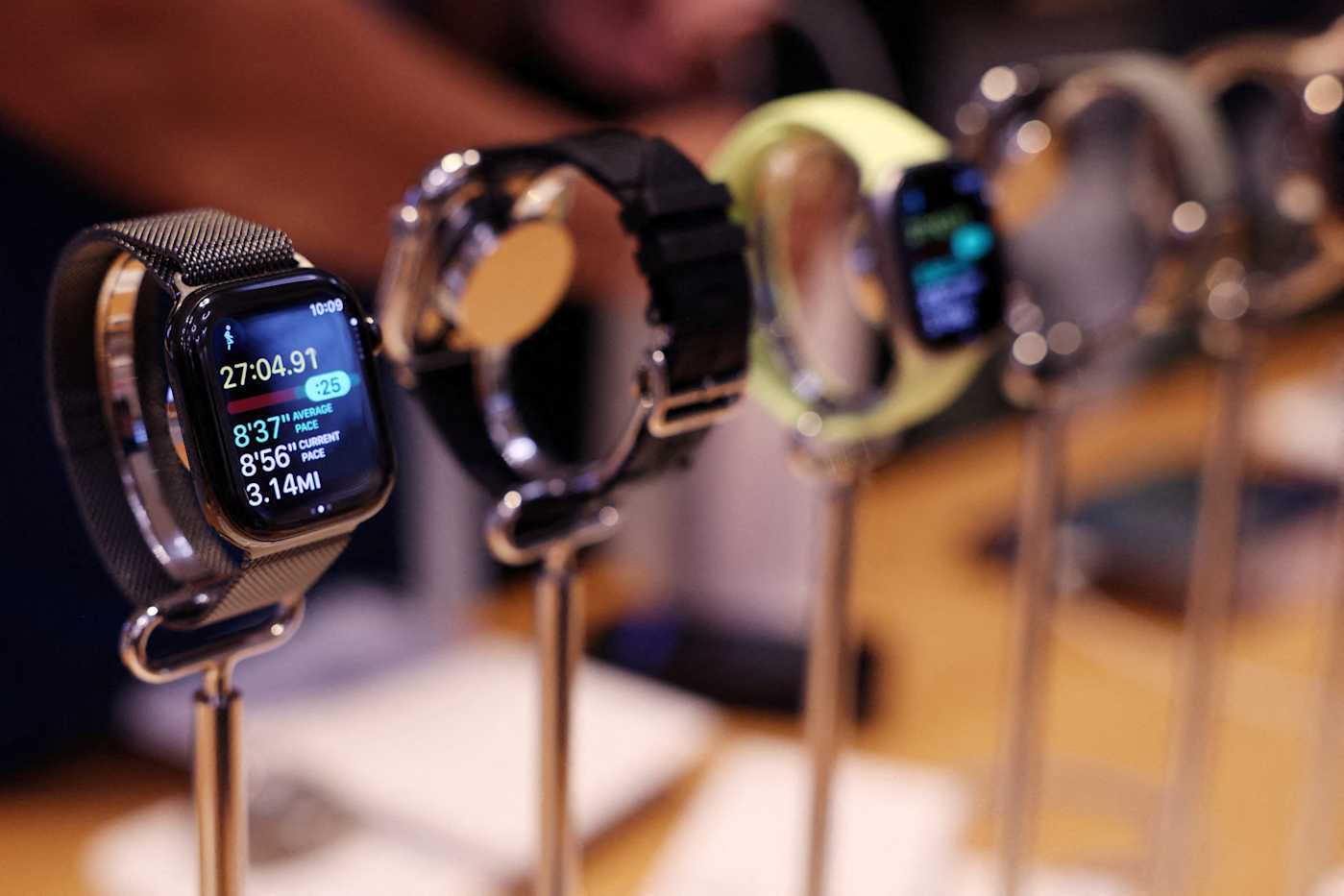
FILE PHOTO: The series 11 Apple watch sits on display at the Apple Store in New York City, U.S., September 19, 2025. REUTERS/Shannon Stapleton/File Photo
  •  

DOJ refuses to help French authorities in criminal probe of X

The US Department of Justice is siding with X, as the social media platform owned by Elon Musk navigates a criminal investigation unfolding in France. As first reported by The Wall Street Journal, the Justice Department characterized the French probe as "an effort to entangle the United States in a politically charged criminal proceeding aimed at wrongfully regulating through prosecution the business activities of a social media platform.”

France launched its investigation into X in July, accusing the platform of manipulating its algorithm and "fraudulent data extraction." Months later, French authorities raided X's office in Paris and issued summonses to Musk and Linda Yaccarino, the former CEO of X, to appear for interviews on April 20 as part of the probe. According to WSJ, French officials are also investigating X for other charges, including disseminating CSAM and Holocaust denial. However, France's latest move to ask the Department of Justice for assistance has been stonewalled.

“This investigation seeks to use the criminal legal system in France to regulate a public square for the free expression of ideas and opinions in a manner contrary to the First Amendment of the United States Constitution," the DOJ wrote in letter, as seen by WSJ.

An xAI official told WSJ that it's "grateful to the Justice Department for rejecting this effort by a prosecutor in Paris to compel our CEO and several employees to sit for interviews." The company spokesperson also said there was "no wrongdoing" and that it was a "baseless investigation."

This article originally appeared on Engadget at https://www.engadget.com/social-media/doj-refuses-to-help-french-authorities-in-criminal-probe-of-x-162654518.html?src=rss

©

© Reuters / Reuters

Police stand guard at the U.S. Department of Justice in Washington, D.C., April 6, 2026. REUTERS/Kevin Lamarque
  •  

Crimson Desert developer apologizes and promises to replace AI-generated art

The developer behind the open-world RPG Crimson Desert has issued an official apology after players discovered several instances of AI-generated art in the game. Pearl Abyss posted on X that it released the game with some 2D visual props that were made with "experimental AI generative tools" and forgot to replace them before launch.

We would like to address questions regarding the use of AI in Crimson Desert.

During development, some 2D visual props were created as part of early-stage iteration using experimental AI generative tools. These assets helped us rapidly explore tone and atmosphere in the earlier…

— Crimson Desert (@CrimsonDesert_) March 22, 2026

Just a day after Crimson Desert's launch, players took to social media to post reports of potential generative AI usage. Pearl Abyss said on X that "following reports from our community, we have identified that some of these assets were unintentionally included in the final release." Now, the game's Steam page has an AI generated content disclosure, which says that, "generative AI technology is used in a supplementary capacity during the creation of some 2D prop assets" which are later replaced.

Moving forward, Pearl Abyss said it will conduct a "comprehensive audit of all in-game assets and are taking steps to replace any affected content." The developer said that these updated assets will roll out in upcoming patches, and that the team would internally review how it communicates with its player base to provide more "transparency and consistency."

Pearl Abyss isn't the only developer to fail to disclose the use of AI-generated assets in its games. Late last year, Sandfall Interactive was stripped of its Game of the Year and Debut Game awards from the Indie Game Awards for the use of generative AI in Clair Obscur: Expedition 33 for placeholder textures that were mistakenly left in the game. Like Pearl Abyss, Arc Raiders' developer Embark Studios is going back and replacing AI-generated material in its game after some backlash from its player base.

This article originally appeared on Engadget at https://www.engadget.com/gaming/crimson-desert-developer-apologizes-and-promises-to-replace-ai-generated-art-183716439.html?src=rss

©

© Pearl Abyss

Gameplay screenshot of Crimson Desert showing player on a horse in front of a mountain landscape.
  •  

Elon Musk announces Terafab project he claims will be the 'largest chip manufacturing facility ever'

Elon Musk has announced the Terafab project, a joint venture between Tesla, SpaceX and xAI, to build the "largest chip manufacturing facility ever." In his usual grandiose fashion, Musk claims Terafab is the next step towards harnessing the power of the sun and creating a "galactic civilization."

Musk, CEO of all three companies, announced plans for the Terafab in a livestream on X. As the name implies, the project's ultimate goal is to produce a terawatt of computing power each year so that it can match the companies' growing demand for chips. Musk explained during the livestream that he's grateful to existing supply chain partners like Samsung, TSMC and Micron, but the current capacity of chip manufacturers only adds up to about two percent to what Tesla and SpaceX needs in terms of future computing power needs.

"We either build the Terafab or we don't have the chips," Musk said during the event. "And we need the chips so we're going to build the Terafab."

The Terafab project, estimated to cost at least $20 billion, will start with the Advanced Technology Fab in Austin, Texas, where Tesla is already headquartered. Musk said that the two types of chips will be produced in the Terafab: one for terrestrial purposes, like to power Full Self-Driving or Optimus robots, and another more high-powered, durable chip to be used in space. If you're wondering what Musk has in store for space, the SpaceX CEO filed an application with the Federal Communications Commission to launch a million satellites to create an "orbital data center" earlier this year. As promising as this sounds, it's worth noting that Musk has previously overpromised and underdelivered on other projects, like the Hyperloop, a $40,000 Cybertruck and fully autonomous driving.

This article originally appeared on Engadget at https://www.engadget.com/science/elon-musk-announces-terafab-project-he-claims-will-be-the-largest-chip-manufacturing-facility-ever-171718545.html?src=rss

©

© Terafab

Terafab's logo with Elon Musk's companies below it.
  •  

Reddit is weighing identity verification methods to combat its bot problem

There could be one more step required before creating an account and posting on Reddit in the future. According to Reddit's CEO, Steve Huffman, the social media platform is exploring different ways to verify a user is human and not a bot. When asked by the TBPN podcast how to confirm that it's a human using Reddit, Huffman responded with several verification methods with varying degrees of heavy-handedness.

RDDT requiring Face ID was not something I had on my bingo card but something has got to be done about all the fake / botted content — I just don't know how to sell face-scanning to redditors or even lurkers. https://t.co/7e7K3Di4ip

— Alexis Ohanian 🗽 (@alexisohanian) March 21, 2026

"The most lightweight way is with something like Face ID or Touch ID," Huffman said during the interview. "They actually require a human presence, like a human has to touch, or do or look at something, so that actually just proves there's a person there or gets you pretty far."

Besides these passkey methods that use biometrics data, Huffman said there are other options like relying on third-party services that are decentralized or don't require ID. On the other end of the spectrum, Huffman also mentioned more burdensome options, like ID-checking services.

Recent years have brought a rise in bots flooding social media platforms including Reddit, where they've even been used to conduct secret experiments. It doesn't sound like Reddit has landed on how to verify its users' human identity yet, but Huffman did emphasize that the platform still wants to prioritize anonymity for its users. However, verifying humanity through identifiable and personal data could end up as a dealbreaker for Reddit users who value the anonymity of the platform. 

"Part of our promise for our users is we don't know your name but we do want to know you're a person," Huffman said. "It'll be an evolution for us for a while, and probably every platform to find the right middle ground here."

Reddit co-founder and former executive chair, Alexis Ohanian, said on X that Reddit requiring Face ID wasn't something he expected but agreed that something had to be done about the fake content from bots, adding that, "I just don't know how to sell face-scanning to Redditors or even lurkers." We reached out to Reddit's communications team and will update the story when we hear back.

This article originally appeared on Engadget at https://www.engadget.com/social-media/reddit-is-weighing-identity-verification-methods-to-combat-its-bot-problem-195814671.html?src=rss

©

© Reddit

Reddit's Snoo with a detective hat and magnifying glass.
  •  
❌