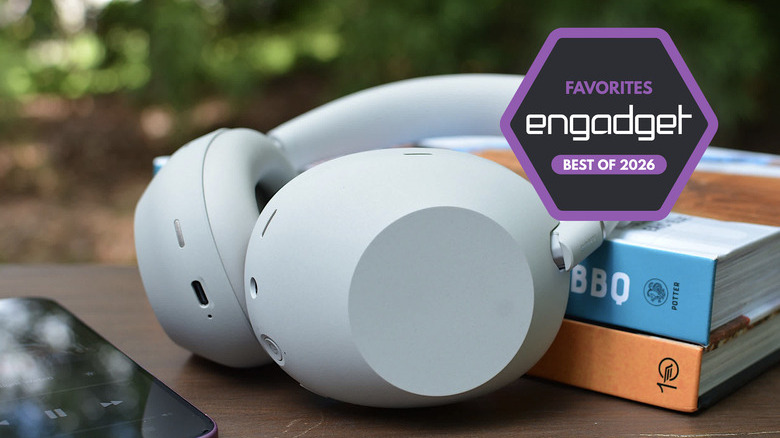
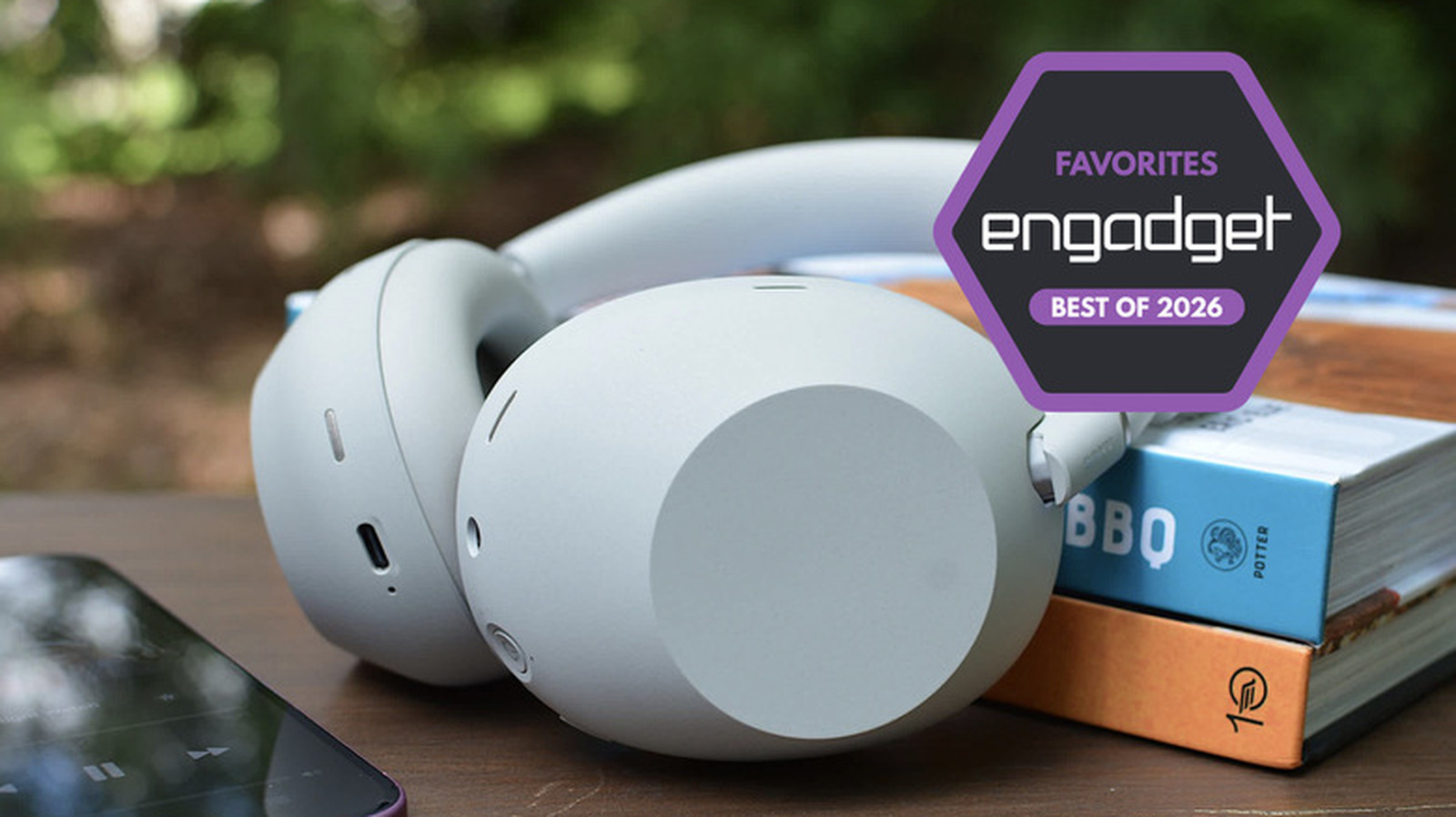
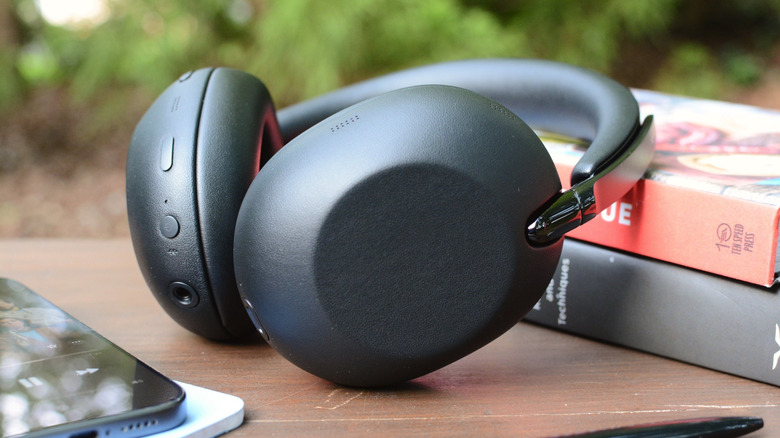
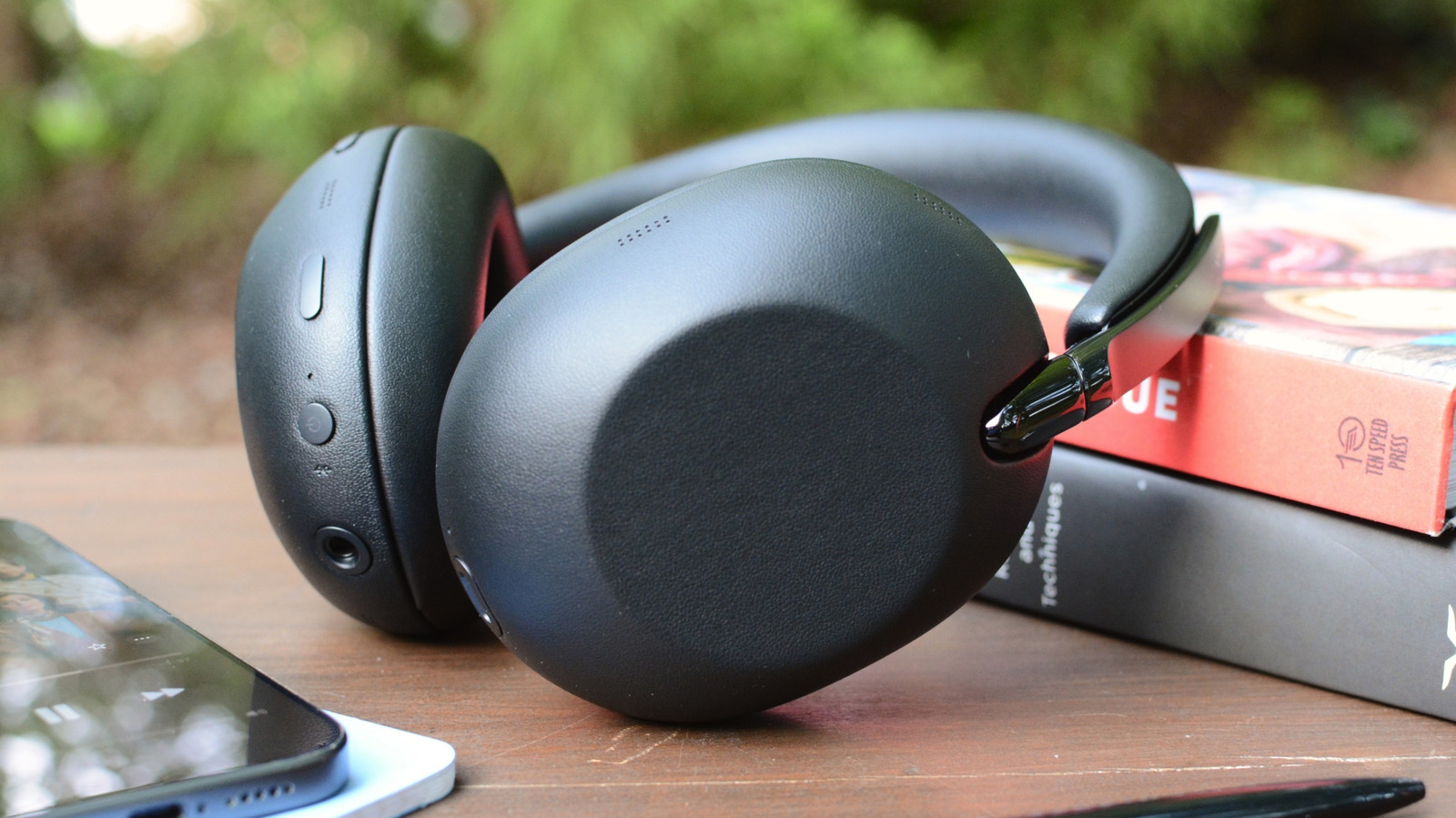
The 10th anniversary edition of Sony's legendary 1000X headphones carries a refined design that ditches the plastic for leather and metal. However, both sound quality and ANC performance are less impressive than last year's WH-1000XM6.
Portable Bluetooth speakers have become an easy default for listening away from your desk or living room. They’re the kind of tech you grab without thinking, whether you’re heading outside, cleaning the house or packing for a weekend away. The best portable options manage to sound bigger than they look, delivering clear audio without weighing down your bag.
Battery life and durability matter just as much as sound quality now. Many modern speakers are built to survive splashes, dust and the occasional drop, while still offering quick pairing and stable connections. Some are designed for solo listening, others are meant to fill a space with music and keep going for hours.
We’ve tested a wide mix of portable Bluetooth speakers to see which ones are actually worth carrying around. Whether you want something small and simple or a speaker that can anchor a get-together, these are the models that stood out.
Best portable Bluetooth speakers: $50 to $200
Best portable Bluetooth speakers: $200 to $450
Best portable Bluetooth speakers: $450 and higher
Factors to consider in a portable Bluetooth speaker
Weather-proofing
IP ratings (Ingress Protection) are the alphanumeric indicators you often see in a product’s spec sheet that define water and dust resistance. It’s usually a combo of two numbers with the first indicating solid object ingress and the second being water. The former goes from 0 (no protection) to 6 (dustproof). The water-resistance rating goes from 0 (no protection) to 9 (protected against immersion and high pressure jets). When an X is used instead of a number, that means the product wasn’t tested for resistance. If it’s a waterproof speaker, it may have some innate resistance to solids, but there’s no guarantee.
IP67 is a common rating these days indicating highly resistant and potentially rugged speakers often featured in audio products like outdoor speakers. These are safe for quick dunks in the pool or tub and should be more than OK in the rain or in the shower. They’re also good options for the beach, playground and other rough environs.
Additionally, speakers with ports and a high rating will often include a tight-fitting cover over the charging or auxiliary ports. If you plan on using the ports, that may limit the product's rated ability to fend off the elements.
When looking for the best portable Bluetooth speaker, consider the IP rating and also how you plan to use your Bluetooth speaker when making your decision. It may be worth splurging on a better sounding model with a lower IP rating if you’ll mostly be using it indoors, for instance.
Battery life
The focus of this guide is on the best portable speakers, and while “portable” can be a relative term, these devices are generally for people who are likely to find themselves far from a power outlet. These days, around 12 hours of playtime seems to be the baseline but obviously, the more battery life you can get out of a speaker, the better, especially if you plan to listen to podcasts or music on the go.
That said, be careful when looking at battery specs, as they frequently list a maximum runtime (“up to” x amount of hours). This usually means they tested at a low to mid volume. If you like your tunes loud with punchy bass, it can often end up cutting the expected usage time in half or more. Luckily, some manufacturers also list the expected hours of battery life when used at full volume and that transparency is appreciated. Bear in mind, however, that not all of the best Bluetooth speakers use the same charging port. Some support USB-C charging, while others use micro-USB, and some may even come with an adapter for added convenience.
Additionally, if your audio system or mini Bluetooth speaker also happens to have Wi-Fi connectivity, they're usually designed for always-on functionality. Unlike normal Bluetooth speakers that go to sleep after a short period without use, these will usually stay awake (to listen for your commands) and slowly run down the battery. If you're out and about, you'll want to remember to turn these speakers off manually when not in use to maximize battery life.
Range
Bluetooth 5 offers better range and more reliable connectivity than its predecessors, making it a great feature to look for in the best Bluetooth speaker. That said, Bluetooth range can still be tricky. Some companies list their product’s longest possible range, usually outdoors and in an unobstructed line-of-sight test environment. Other companies stick with a 30-foot range on the spec sheet and leave it at that, even though they may be running Bluetooth 4.x or 5.x. That’s likely underselling the speaker's potential, but unpredictable environments can affect range and there’s little point in promising the moon only to get complaints.
I’ve seen signal drop issues when crouching down, with my phone in the front pocket of my jeans, and barely 30 feet away from a speaker inside my apartment. I ran into this issue across several devices regardless of their listed Bluetooth connectivity range.
If you’re hosting a patio party and duck inside, it’s wise to keep any wireless Bluetooth speakers relatively close by just in case. It’s hard to gauge what aspects of any environment may interfere with a Bluetooth signal. In general, take range specs around 100 feet or more as a perfect-world scenario.
Latency
This is a minor mention for those out there who use a speaker for their computer output, or as a mini Bluetooth soundbar solution for setups like a monitor and streaming box. It’s annoying to find that your speaker’s latency isn’t low enough to avoid lip sync issues. Luckily, it seems that most speakers these days don’t often have these problems. Only a handful of the few dozen speakers I tried had persistent, noticeable lip-sync issues. Aside from occasional blips, all of our picks worked well in this regard.
If you plan to frequently use a speaker for video playback, look for devices with the most recent Bluetooth 5 technology and lower latency codecs like aptX. Also make sure the speaker is close to the source device as distance can be a factor. To avoid the issue altogether, though, consider getting one with a wired auxiliary input.
Extra features
Some speakers don’t just play music — they bring the party to life with built-in LED light effects and a full-on light show that syncs to your music. If you love a bit of visual flair with your tunes, it’s worth checking out models that offer LED light customization options.
Sound quality also plays a huge role in picking the right speaker. The best Bluetooth speaker should deliver a balanced mix of punchy bass, clear highs and strong vocals. Many models also include customizable sound modes that let you tweak the EQ to better suit different genres — whether you’re blasting EDM, listening to a podcast, or just want a more immersive experience that would impress even an audiophile.
If aesthetics matter, many models come in a tiny size that makes them extra portable, with plenty of color options to match your personal style. Whether you want a sleek black speaker or a vibrant eye-catching design, there are plenty of choices to fit your vibe.
Other portable Bluetooth speakers we tested
Sonos Roam
While there's a lot to like about the Sonos Roam, there are plenty of other Bluetooth speakers with more features and better battery life. In our review, we gave the Roam a score of 87, praising it for its good sound quality, durable waterproof design and ability to work well within an existing Sonos speaker ecosystem. But the price is just fine at $180, and we found Bluetooth speakers that offer more at lower price points. Plus, the Roam taps out at 10 hours of battery life, and all of our top picks can run for longer than that on a single charge.
Monoprice Soundstage3
The Monoprice Soundstage3 offers relatively big sound at a midrange $250 price, with a variety of inputs rarely found on a portable Bluetooth speaker. The boxy, minimalist design is no nonsense, even if it's more of a less-rugged, bookshelf-styled homebody. While the speaker puts out crisp highs alongside booming lows, we found the bass can overpower the rest of the output, so it's not for everyone. And after using the speaker for many months, we also found the low-slung, poorly labeled button panel along the top can be a bit annoying to use. If you want a speaker for road trips, favor mids and highs, and plan on using physical buttons for volume control and input selections, there are better options out there.
JBL Boombox 3
Fans of JBL’s bluetooth speaker sound profile who want to crank up the volume, but also want a rugged and portable option, may enjoy the JBL Boombox 3. It’s a decent grab-and-go speaker with a very loud output, although it's not as good as some of the loud-speaker styled options for long-throw sound and big outdoor areas. However, the price for this speaker line remains prohibitively expensive compared to other options with big sound that cover a bit more ground. If the JBL brand is your thing and you like the rugged, portable form factor, we recommend looking for discounts, or shopping around and exploring the available options including the (less portable) JBL PartyBox series.
Soundcore Motion X500
Soundcore speakers have generally been good and often reasonably priced. The Motion X500 loosely falls into that category. It has a tall, metallic lunchbox vibe with a fixed handle and pumps out a respectable 40 watts of crisp, clear sound for its size. It can get pretty loud and serves up a good dose of bass, although its primarily a front-facing speaker.
There’s LDAC hi-res audio support for Android users, but the main selling point on this is spatial audio. This is done through an EQ change and the activation of a small, up-firing driver. There’s a slight benefit from this if you’re up close and directly in front of it, but it’s not a total game changer for your listening experience. The original pre-order price of $130 made it a decent option in terms of bang for your buck. But it went up to $170 at launch, making it less appealing even if it’s still a good middle-of-the-road option if you want small-ish, clear and loud. If you can find one on sale for the lower price, it’s definitely worth considering. There’s also the larger and louder X600 ($200) if the overall concept is working for you.
Portable Bluetooth speaker FAQs
How does a Bluetooth speaker work?
Bluetooth technology lets devices connect and exchange data over short distances using ultra high frequency (UHF) radio waves. It’s the frequency range that’s carved out for industrial, scientific and medical purposes, called the 2.4GHz ISM spectrum band. This range is available worldwide, making it easy for companies to use with devices for global markets.
Bluetooth speakers include this tech, which lets them communicate with source devices like smartphones, tablets or computers in order to exchange data. The two devices pair by sharing a unique code and will work within the proscribed range for the device and Bluetooth version.
Ever since Bluetooth 4.0 was released over a decade ago, new iterations usually improve on range, use less power and offer expanded connectivity with features like multipoint (allowing more than one device to be connected at the same time, for instance).
Who should buy a Portable Bluetooth speaker?
If you want to play music while you’re out-and-about on something other than headphones, a portable Bluetooth speaker is probably what you want. There’s a broad range of devices for all types of circumstances. Many adventurous people will want a relatively lightweight portable that’s rugged enough to handle the elements while also packing enough charge to play for hours on end. Others may simply need a speaker they can move around the house or use in the backyard. In this case, you can choose larger less rugged models that may offer better sound.
This article originally appeared on Engadget at https://www.engadget.com/audio/speakers/best-portable-bluetooth-speakers-133004551.html?src=rss
Whether you’re lifting, running or squeezing in a quick session between errands, the last thing you want is a cable getting in the way or earbuds that won’t stay put. The best wireless headphones make it easier to focus on your workout, but not every pair is built to handle sweat, motion and long sessions.
Fitness-focused headphones put different demands on design and performance. Secure fit, water resistance and dependable battery life matter just as much as sound quality, especially if you plan to use them outside the gym as well. Some are tuned for awareness during outdoor runs, while others aim to block distractions during intense training.
We’ve tested a wide range of wireless headphones and wireless earbuds that are suited for exercise, narrowing the list down to options that hold up during workouts and still work well for everyday listening. Below, you’ll find our top picks, along with guidance to help you choose the right pair for how you train.
Best workout headphones for 2026
Others wireless workout headphones we tested
Apple AirPods Pro 3
When it comes to running and working out, the edge that the AirPods Pro 3 have over the Pro 2, or even the top picks on our list, is built-in heart rate monitoring. That means you could go out with just your Pro 3 earbuds and your iPhone and still get heart rate information for your entire training session. But otherwise, the Pro 3 buds are just as capable as the Pro 2 when it comes to exercise. Some may prefer the soft-touch finish on our top picks to the AirPods' slick texture.
Beats Powerbeats Pro 2
The Powerbeats Pro 2 are a good alternative to the Beats Fit Pro if you’re a stickler for a hook design. However, they cost $50 more than the Powerbeats Fit, and the main added advantage here is built-in heart rate sensors.
Anker Soundcore AeroFit Pro
The Soundcore AeroFit Pro is Anker’s version of the Shokz OpenFit, but I found the fit to be less secure and not as comfortable. The actual earbuds on the AeroFit Pro are noticeably bulkier than those on the OpenFit and that caused them to shift and move much more during exercise. They never fell off of my ears completely, but I spent more time adjusting them than I did enjoying them.
JBL Endurance Peak 3
The most noteworthy thing about the Endurance Peak 3 is that they have the same IP68 rating as the Jabra Elite 8 Active, except they only cost $100. But, while you get the same protection here, you’ll have to sacrifice in other areas. The Endurance Peak 3 didn’t blow me away when it came to sound quality or comfort (its hook is more rigid than those on my favorite similarly designed buds) and their charging case is massive compared to most competitors.
What to look for in workout headphones
Design
Before diving in, it’s worth mentioning that this guide focuses on wireless earbuds. While you could wear over-ear or on-ear headphones during a workout, most of the best headphones available now do not have the same level of durability. Water and dust resistance, particularly the former, is important for any audio gear you plan on sweating with or taking outdoors, and that’s more prevalent in the wireless earbuds world.
Most earbuds have one of three designs: in-ear, in-ear with hook or open-ear. The first two are the most popular. In-ears are arguably the most common, while those with hooks promise better security and fit since they have an appendage that curls around the top of your ear. Open-ear designs don’t stick into your ear canal, but rather sit just outside of it. This makes it easier to hear the world around you while also listening to audio, and could be more comfortable for those who don’t like the intrusiveness of in-ear buds.
Water resistance and dust protection
Even if a pair of headphones for working out aren’t marketed specifically as exercise headphones, a sturdy, water-resistant design will, by default, make them suitable for exercise. To avoid repetition, here’s a quick primer on durability, or ingression protection (IP) ratings. The first digit you’ll see after the “IP” refers to protection from dust and other potential intrusions, measured on a scale from 1 to 6. The second refers to water resistance or even waterproofing, in the best cases. The ratings for water resistance are ranked on a scale of 1 to 9; higher numbers mean more protection, while the letter “X” means the device is not rated for protection in that regard.
All of the earbuds we tested for this guide have at least an IPX4 rating, which means there’s no dust protection, but the buds can withstand splashes from any direction and are sweat resistant, but probably shouldn't be submerged. For a detailed breakdown of all the possible permutations, check out this guide published by a supplier called The Enclosure Company.
Active noise cancellation and transparency mode
Active noise cancellation (ANC) is becoming standard on wireless earbuds, at least those above a certain price point. If you’re looking for a pair of buds that can be your workout companion and serve you outside of the gym, too, noise cancelation is a good feature to have. It makes the buds more versatile, allowing you to block out the dull roar of your home or office so you can focus, or give you some solitude during a busy commute.
But an earbud’s ability to block out the world goes hand-in-hand with its ability to open things back up should you need it. Many ANC earbuds also support some sort of “transparency mode,” or various levels of noise reduction. This is important for running headphones because exercising outdoors, alongside busy streets, can be dangerous. You probably don’t want to be totally oblivious to what’s going on around you when you’re running outside; adjusting noise cancelation levels to increase your awareness will help with that. Stronger noise cancelation might be more appealing to those doing more indoor training if they want to block out the dull roar of a gym or the guy exaggeratingly lifting weights next to you.
Battery life
All of the Bluetooth earbuds we tested have a battery life of six to eight hours. In general, that’s what you can expect from this space, with a few outliers that can get up to 15 hours of life on a charge. Even the low end of the spectrum should be good enough for most athletes and gym junkies, but it’ll be handy to keep the buds’ charging case on you if you think you’ll get close to using up all their juice during a single session.
You’ll get an average of 20 to 28 extra hours of battery out of most charging cases and all of the earbuds we tested had holders that provided at least an extra 15 hours. This will dictate how often you actually have to charge the device — as in physically connect the case with earbuds inside to a charging cable, or set it on a wireless charger to power up.
How we test workout headphones
In testing wireless workout headphones, I wear them during every bit of exercise I do — be it a casual walk around the block, a brisk morning run or a challenging weight-lifting session. I’m looking for comfort arguably most of all, because you should never be fussing with your earbuds when you should be focusing on working out. In the same vein, I’m cognizant of if they get loose during fast movements or slippery when I’m sweating. I also use the earbuds when not exercising to take calls and listen to music throughout the day. Many people will want just one pair of earbuds that they can use while exercising and just doing everyday things, so I evaluate each pair on their ability to be comfortable and provide a good listening experience in multiple different activities.
While I am also evaluating sound quality, I’m admittedly not an audio expert. My colleague Billy Steele holds that title at Engadget, and you’ll find much more detailed information about audio quality for some of our top picks in his reviews and buying guides. With these headphones for working out, however, I will make note of related issues if they stood out (i.e. if a pair of earbuds had noticeably strong bass out of the box, weak highs, etc). Most of the wireless workout headphones we tested work with companion apps that have adjustable EQ settings, so you’ll be able to tweak sound profiles to your liking in most cases.
This article originally appeared on Engadget at https://www.engadget.com/audio/headphones/best-wireless-workout-headphones-191517835.html?src=rss
Noise is hard to escape, whether it’s the hum of traffic, the buzz of a busy office or the neighbor’s lawn mower starting up right when you need to focus. That’s where noise-canceling headphones earn their keep. A good pair doesn’t just quiet the world around you, it creates a pocket of calm so you can actually enjoy your music, podcasts or peace and quiet.
Modern noise-canceling headphones have come a long way, combining powerful ANC with clearer sound, longer battery life and smarter features like adaptive modes and multipoint connectivity. Some emphasize comfort for long flights, while others are tuned for audiophiles who want studio-level clarity.
We’ve tested a wide range of options to find the best noise-canceling headphones for every listener. Whether you’re after something lightweight for travel or a premium set for focused work sessions, these picks deliver the sound, silence and comfort you need to tune out the chaos.
Best noise-canceling headphones of 2026
How to choose the best noise-canceling headphones for you
Design
When you’re shopping for the best wireless headphones, the first thing you’ll need to decide on is wear style. Do you prefer on-ear or over-ear headphones? For the purposes of this guide, I focus on the over-ear style as that’s what most noise-canceling headphones are nowadays. Sure, you can find on-ear models with ANC, but over-ear, active noise-canceling headphones are much more effective at blocking outside sounds since your ears are completely covered.
For gamers, there are also gaming headsets that feature noise cancellation — some even have detachable microphones, so they can double as over-ear headphones. However, for the purpose of this article, we’re only going to be focusing on noise-canceling headphones rather than headsets. Look for models with a comfortable headband and memory foam ear cups to ensure you can wear them for long periods without discomfort.
Many headphones also come with a range of color options, so if aesthetics matter to you, you’ll find plenty of choices beyond just black or white. Whether you’re looking for something neutral or a bold pop of color, brands now offer a variety of styles to match your personal taste.
Finally, if you’re planning to wear your headphones for long periods of time, it’s important to pick a model with a comfortable fit. Memory foam ear cups, an adjustable headband, and lightweight materials can make all the difference during extended listening sessions. After all, great sound is only part of the equation; comfort matters just as much.
Type of noise cancellation
Next, you’ll want to look at the type of ANC a set of headphones offers. You’ll come across terms like “hybrid active noise cancellation” or “hybrid adaptive active noise cancellation,” and there are key differences between the two. A hybrid ANC setup uses microphones on the inside and on the outside of the device to detect outside noise and cancel it out. By analyzing input from both mics, a hybrid system can combat more sounds than “regular” ANC, but it does so at a constant level that doesn’t change.
Adaptive ANC takes the hybrid configuration a step further by continuously adjusting the noise cancellation for changes in your environment and any leakage around the padding of the ear cups. Adaptive noise-canceling also does a better job with wind noise, which can really kill your vibe while using headphones outdoors. Some high-end headphones also support Dolby Atmos, which enhances spatial audio and makes everything from music to movies sound more immersive. For the purposes of this best headphones list, I’m only considering products with hybrid ANC or adaptive ANC setups because those are the most effective at blocking noise and improving your overall listening experience.
Customization
You’ll also want to check to see if the ANC system on a prospective set of headphones offers adjustable levels of noise cancellation or presets. These can help you dial in the amount of ANC you need for various environments, but it can also help you save battery life. Master & Dynamic, for example, has ANC presets that provide both maximum noise blocking and more efficient cancellation that is more energy efficient. Other companies may include a slider in their companion apps that let you adjust the ANC level to your liking. Some high-end models even allow you to fine-tune the ANC for specific types of environments.
How we test noise-canceling headphones
The primary way we test headphones is to wear them as much as possible. I prefer to do this over a one-to-two-week period, but sometimes deadlines don’t allow it. During this time, I listen to a mix of music and podcasts, while also using the headphones to take both voice and video calls.
Since battery life for headphones can be 30 hours or more, I drain the battery with looping music and the volume set at a comfortable level (usually around 75 percent). Due to the longer battery estimates, I’ll typically power the headphones off several times and leave them that way during a review. This simulates real-world use and keeps me from having to constantly monitor the process for over 24 straight hours.
To test ANC performance specifically, I use headphones in a variety of environments, from noisy coffee shops to quiet home offices. When my schedule allows, I use them during air travel since plane noise is a massive distraction to both work and relaxation. Even if I can’t hop on a flight, I’ll simulate a constant roar with white noise machines, bathroom fans, vacuums and more. I also make note of how well each device blocks human voices, which are a key stumbling block for a lot of ANC headphones.
ANC-related features are something else to consider. Here, I do a thorough review of companion apps, testing each feature as I work through the software. Any holdovers from previous models are double checked for improvements or regression. If the headphones I’m testing are an updated version of a previous model, I’ll spend time getting reacquainted with the older set. Ditto for the closest competition for each new set of headphones that I review.
Other noise-canceling headphones we tested
AirPods Max
Apple’s AirPods Max are premium, well-designed over-ear headphones that incorporate all of the best features you find on standard AirPods: solid noise cancellation, spatial audio and easy Siri access. However, their $550 starting price makes them almost prohibitively expensive, even for Apple users. There are better options available at lower prices, but if you can pick up the AirPods Max at a steep discount, they might be worthwhile for the biggest Apple fans among us.
Dyson On-Trac
The On-Trac headphones have an almost infinitely customizable design, and that’s what’s most unique about them. The sound profile offers some nice detail, but lacks dynamic range overall. ANC is average at best and there aren’t any advanced features that will make your life easier. Well, except for the hearing health monitor, which is actually handy. All told, that’s not a lot for a set of $500 headphones.
Sonos Ace
The Sonos Ace is an excellent debut for the company’s first headphones. The combination of refined design, great sound quality and home theater tricks creates a unique formula. However, ANC performance is just okay and key functionality is still in the works for many users.
Sony ULT Wear
If most headphones don’t have the level of bass you desire, the ULT Wear is an option to consider. The low-end thump isn’t for everyone, but there are also plenty of handy features and a refined look to make the $200 set more compelling than many in this price range.
Beats Studio Pro
The Studio Pro lacks basic features like automatic pausing, and multipoint connectivity is only available on Android. Moreover, they’re not very comfortable for people with larger heads. Overall sound quality is improved, though, and voice performance on calls is well above average.
Master & Dynamic MH40 (2nd gen)
The MH40 are a great set of headphones if you favor crisp, clear and natural sound that isn’t overly tuned. This pair showcases the company’s affinity for leather and metal too, but limited customization and short battery life for non-ANC cans kept this set from making the cut.
Bowers & Wilkins Px8
The company’s trademark pristine sound is on display here, but the Px8 is more expensive and not nearly as comfortable as the Px7 S3.
Noble Audio FoKus Apollo
While this is my top pick for overall sound quality in our main guide to the best wireless headphones, the ANC performance is less impressive than the Px7 S3. Bowers & Wilkins gets the nod here for its improved noise cancellation over the Px7 S2 and Px7 S2e, and its overall excellent audio quality.
Noise-canceling headphones FAQs
Does noise cancellation block all noise?
Noise cancellation doesn’t block out all noise, though it does drastically reduce the volume of most external sounds.
Is there a difference between wired vs wireless noise-canceling headphones?
In terms of sound quality, if you have two headphones — one wired and one wireless — with similar specs, the difference is going to be very minimal. However, wireless headphones offer more convenience, allowing you to move around more freely with your headphones on, which is why they often feature noise cancellation to minimize external sounds.
Does noise cancellation impact sound quality?
ANC does bear some weight on sound quality, but the impact of this often doesn’t outweigh the benefits. Noise cancellation reduces ambient noise, allowing a greater focus on audio detail. For audiophiles, however, there may be a small difference in sound fidelity when ANC is turned on.
This article originally appeared on Engadget at https://www.engadget.com/audio/headphones/best-noise-canceling-headphones-130029881.html?src=rss
 Anmelden