❌

Normale Ansicht

Anthropic is investigating 'unauthorized access' of its Mythos cybersecurity tool

Anthropic is investigating potential "unauthorized access" to its Claude Mythos model that has been touted for its ability to find cybersecurity flaws, the company told Bloomberg. A group gained access to the model through a third-party contractor portal and by using internet sleuthing tools, according to the report. However, the group is only interested in trying the models and not using them maliciously, according to a person familiar with the matter. 

"We're investigating a report claiming unauthorized access to Claude Mythos Previous through one of our third-party vendor environments," Anthropic said in a statement. 

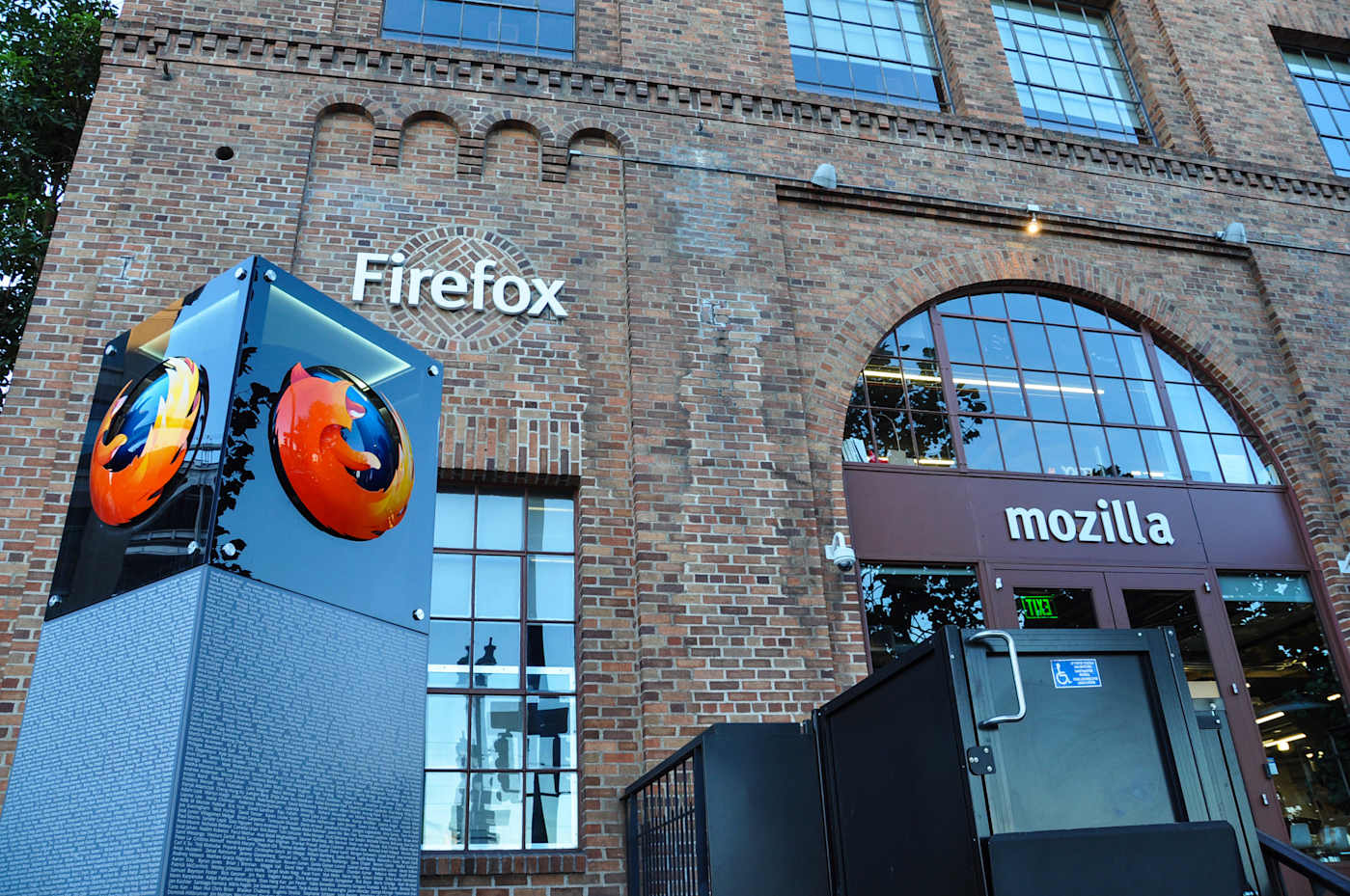
The Claude Mythos Preview arrived earlier this month as part of "Project Glasswing" with significant fanfare. Anthropic limited the preview release to a small number of trusted test companies including Amazon, Microsoft, Apple and Cisco. Another was Mozilla, which said the model helped it find and patch 271 Firefox vulnerabilities. A growing number of banks and government agencies have been seeking access as well in order to safeguard their own systems. 

However, several unauthorized users (who reportedly have a private chat on Discord), supposedly gained access to Mythos through a developer portal and by making an educated guess as to where the model might be located. That same group may also have access to other unreleased Anthropic models, according to the report. 

The new Mythos model has gained notoriety of late for its supposed ability to sniff out security flaws in operating systems and internet browsers. This has prompted some skepticism among security researchers but also fear that AI-generated cyber attacks could become a "real threat," CTO of cloud security firm Edera Alex Zenla recently told Wired. Anthropic was recently designated as a "supply chain risk" by the US Department of Defense, but has been in talks with the Trump administration of late to have that label removed. 

This article originally appeared on Engadget at https://www.engadget.com/ai/anthropic-is-investigating-unauthorized-access-of-its-mythos-cybersecurity-tool-091017168.html?src=rss

©

© NurPhoto via Getty Images

A smartphone displays the Anthropic logo against a textured hexagonal background in Creteil, France, on April 8, 2026. Anthropic announces the launch of Project Glasswing, a cybersecurity initiative based on the Claude Mythos model to detect and remediate vulnerabilities in critical open-source software. (Photo by Samuel Boivin/NurPhoto via Getty Images)
  •  

Mozilla says it patched 271 Firefox vulnerabilities thanks to Anthropic's Claude Mythos

Anthropic's buzzy announcement about using AI to improve cybersecurity earlier this month was met with plenty of skepticism. However, Mozilla shared some details that support use of the company's special Claude Mythos Preview model as a way to protect critical services. Using Mythos helped Mozilla's team find and patch 271 vulnerabilities in the latest release of the Firefox browser. "So far we’ve found no category or complexity of vulnerability that humans can find that this model can’t," the foundation said.

The blog post from Mozilla feels like a positive sign for Anthropic's Project Glasswing. Obviously the AI company would want to put itself in the best possible light while presenting its own initiative, but there's something encouraging about hearing the benefits from a third party. Mozilla also noted that in its time with Claude Mythos, the AI wasn't able to turn up any bugs that a human wouldn't have been able to find, given enough time and resources, which indicates that AI isn't presently able to do more to crack cybersecurity protections than a person can.

An organizaion successfully using AI for good is certainly a refreshing change of pace in tech news. And for those Firefox users who aren't personally interested in applying any generative AI in their browsing, Mozilla has given the option to turn it all off for the past several months.

This article originally appeared on Engadget at https://www.engadget.com/ai/mozilla-says-it-patched-271-firefox-vulnerabilities-thanks-to-anthropics-claude-mythos-224330023.html?src=rss

©

  •  

AI company deletes the 3 million OKCupid photos it used for facial recognition training

When online platforms violate their own privacy policies to sell your photos, have no fear: They just might have to pay an undisclosed settlement fee 12 years later. (Who says justice is dead?) According to Reuters, AI company Clarifai says it has deleted 3 million profile photos taken from dating site OkCupid in 2014. It follows a settlement reached last month between the FTC and Match Group, OkCupid's owner.

The Delaware-based Clarifai reportedly certified the data deletion to the FTC on April 7. The company also confirmed to US Representative Lori Trahan (D-MA) that it deleted any models that trained on the data. Clarifai told the representative's office that it hadn't shared the data with third parties.

The FTC opened the investigation in 2019, after The New York Times reported that Clarifai had built a training database using OkCupid dating profile photos. The behavior was a direct violation of OkCupid’s privacy policy. Court documents reviewed by Reuters reveal that Clarifai asked OkCupid executives for the data in 2014. Apparently, they obliged.

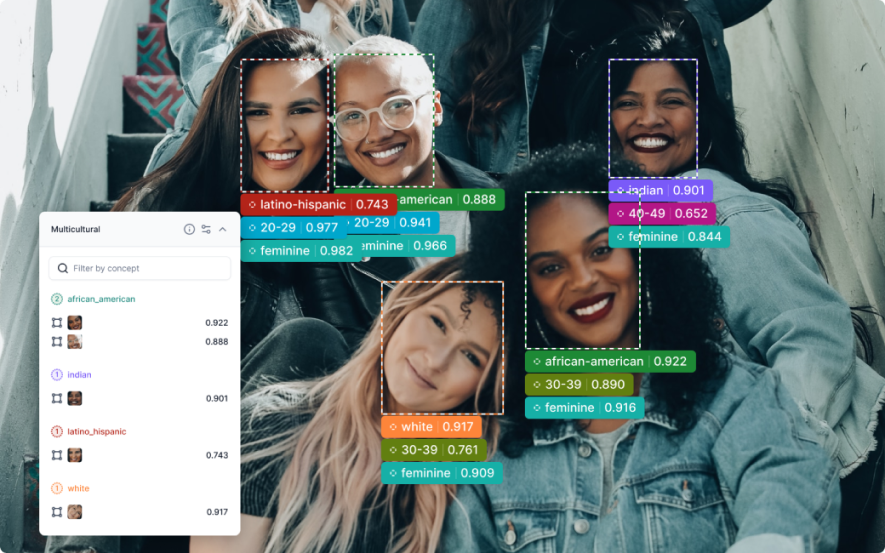
Five people sitting on stairs. Creepy boxes surround their faces, estimating age, race and gender.
<p>Clarifai uses this creepy facial profiling example to sell its services.</p>
Clarifai

"We're ⁠collecting data now and just realized that OkCupid must have a HUGE amount of awesome data for this," Clarifai founder Matthew Zeiler wrote in an email to OkCupid co-founder Maxwell Krohn. The AI startup used the dating site's images to build a facial recognition service that can identify a person's age, gender and race. (Another brilliant and totally ethical idea from Clarifai, tapping into unsecured city surveillance cameras without authorization, was reportedly shuttered.)

Zeiller suggested to The New York Times in 2019 that people needed to, well, get over it. "There has to be some level of trust with tech companies like Clarifai to put powerful technology to good use, and get comfortable with that," the AI founder declared. Some of OkCupid's founders were reportedly investors in Clarifai.

As part of the settlement, the FTC "permanently prohibited" OkCupid from misrepresenting its data collection and privacy controls. TechCrunch notes how strange it is to use that as a penalty, given that FTC rules already bar that behavior.

This article originally appeared on Engadget at https://www.engadget.com/ai/ai-company-deletes-the-3-million-okcupid-photos-it-used-for-facial-recognition-training-195223996.html?src=rss

©

  •  

Amazon will invest up to $25 billion in Anthropic in a broad deal

Amazon and Anthropic are strengthening their ties once again, with steep financial commitments made on both sides. Today, Amazon announced that it will invest $5 billion in the AI company, along with as much as $20 billion in additional payments if certain milestones are met. This news follows the initial $4 billion investment Amazon made in Anthropic in 2023 and a second $4 billion round from 2024.

On Anthropic's side, it has committed to continued use of Amazon's custom Trainium silicon for its AI models. The latest agreement will see Anthropic promising to spend more than $100 billion on AWS technologies over the coming decade. It will secure up to 5 gigawatts of current and future chip capacity for training and powering its models. Their partnership is also bringing Anthropic's Claude platform to Amazon Web Services customers within the AWS portal, removing the need for additional credentials.

This article originally appeared on Engadget at https://www.engadget.com/ai/amazon-will-invest-up-to-25-billion-in-anthropic-in-a-broad-deal-225239302.html?src=rss

©

  •  
❌