❌

Normale Ansicht

Apple is closing three US stores, including the first to unionize

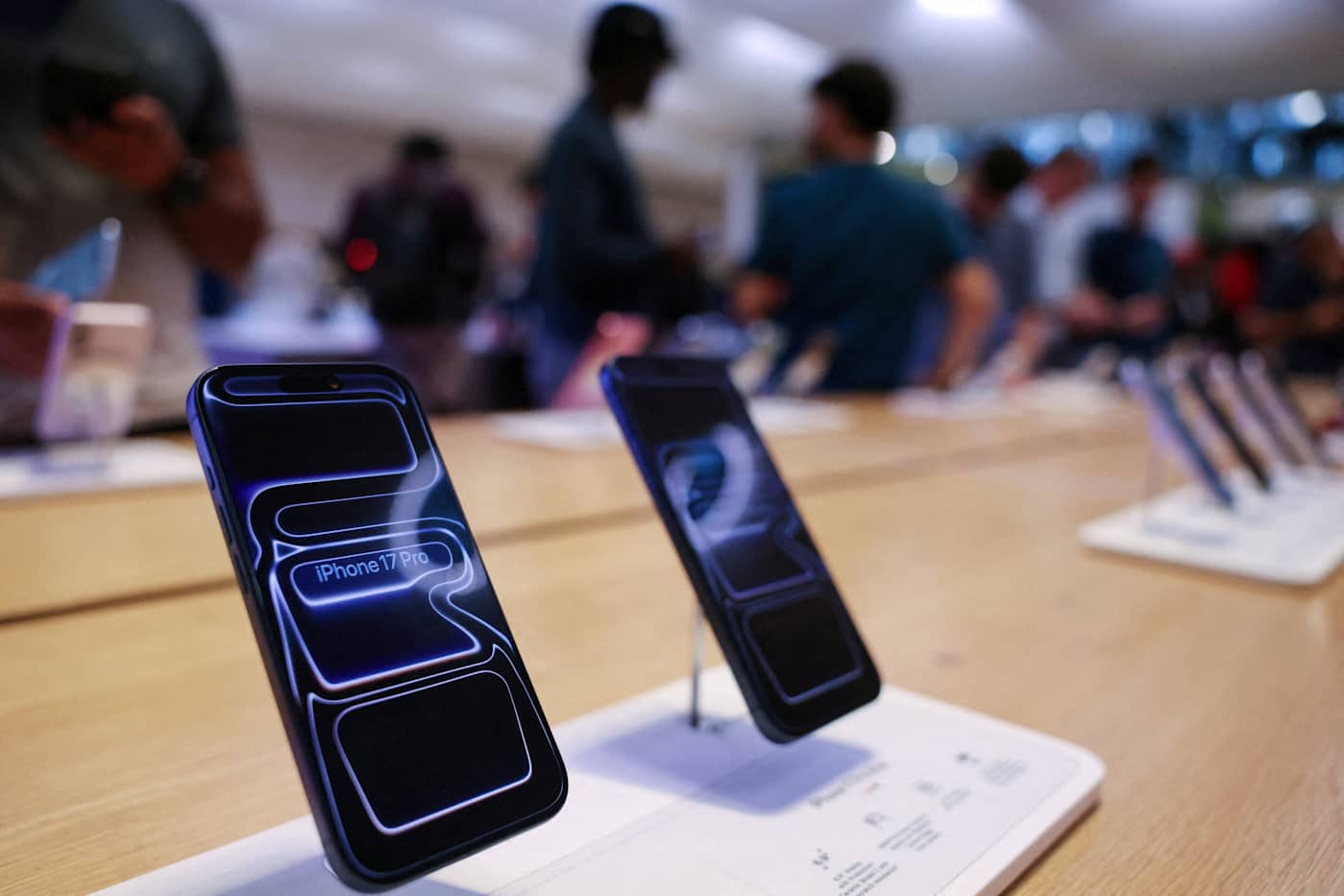
Apple is closing three of its retail stores this summer, including its first location to unionize. The tech company said it plans to permanently close Apple Store in Trumbull, CT, Escondito, CA, and Towson, MD. The Apple Store location in Towson, was the first where unionized workers and Apple reached a contract agreement back in 2024. 

MacRumors published a statement from Apple confirming the closures. The company credited noting "the departure of several retailers and declining conditions" at the shopping centers where this trio of stores are housed as the reason for ending operations. "Our team members at Trumbull and North County will continue their roles at nearby Apple Retail stores," the statement reads. "Towson employees will be eligible to apply for open roles at Apple in accordance with the collective bargaining agreement." We reached out to the company for additional comment, and were sent the same statement. 

The International Association of Machinists and Aerospace Workers, which leads the union the Towson workers had joined, released a statement about the closure. "Apple’s claim that the collective bargaining agreement prevents relocation is simply false and raises serious concerns that this closure is a cynical attempt to bust the union," the organization said. "We are exploring all legal options and will work with elected officials and allies to hold Apple accountable."

This article originally appeared on Engadget at https://www.engadget.com/big-tech/apple-is-closing-three-us-stores-including-the-first-to-unionize-225941912.html?src=rss

©

  •  

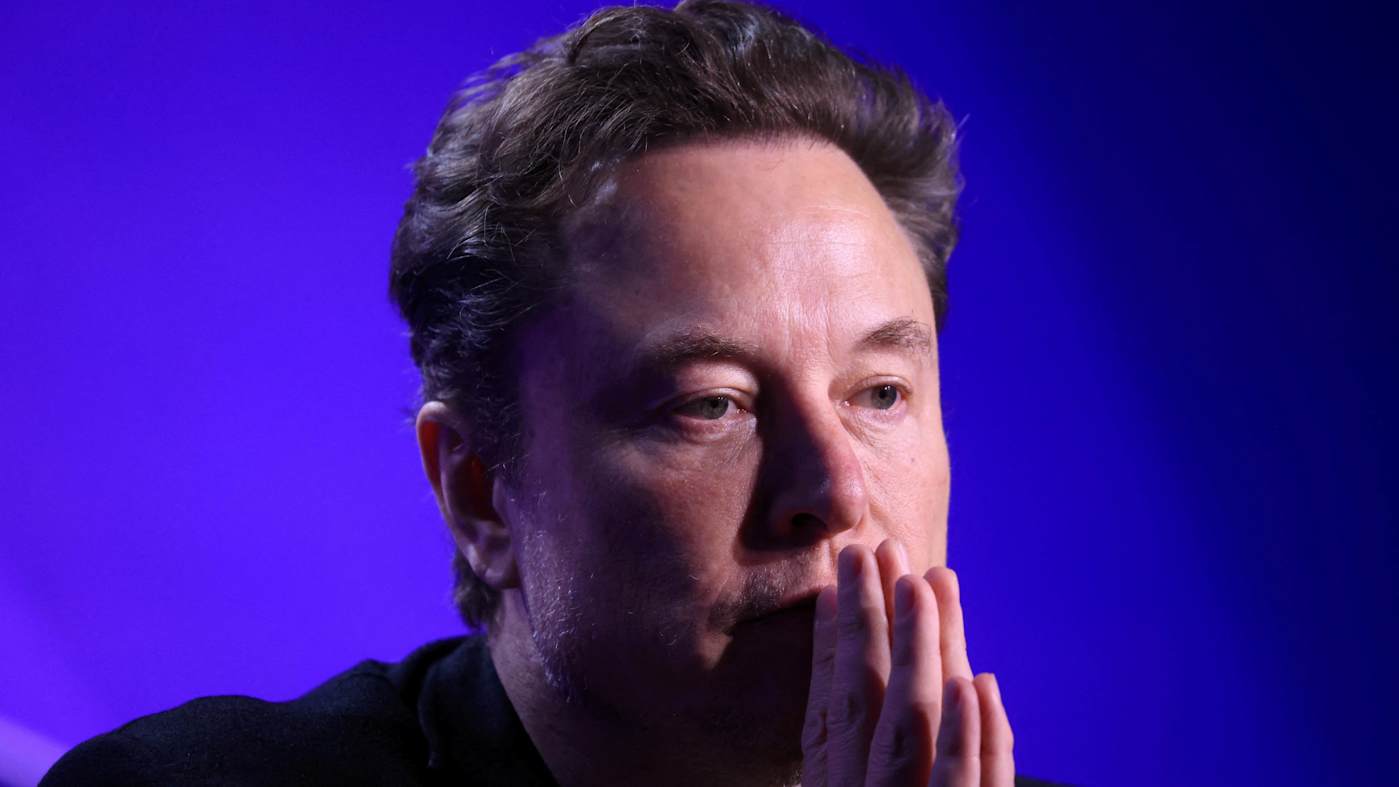
Elon Musk wants any damages from his OpenAI lawsuit given to the AI company's nonprofit arm

Elon Musk is still taking OpenAI to court over its transition to a for-profit company, but today he amended the complaint so that he won't personally get any of the $150 billion in damages he's pushing for. The Wall Street Journal reported that if Musk wins in his upcoming trial, he wants any damages should be awarded to the OpenAI nonprofit branch. He's also seeking OpenAI CEO Sam Altman's removal from the nonprofit's board of directors if his suit succeeds.

Musk launched a lawsuit against OpenAI in 2024, claiming that the business had become a "closed-source de facto subsidiary" of Microsoft when it dropped its nonprofit designation. He claims that, as a co-chair of the OpenAI founding group, the change to a for-profit operation defrauded him as a donor. As a result, he's now claiming that he, or apparently the remaining nonprofit side of OpenAI, deserve a portion of the company's current valuation. 

Considering the reputation Musk, Altman and their various business endeavors have for creating spicy PR situations, it seems likely that the exchanges between the two camps will get more heated as the trial date approaches.

This article originally appeared on Engadget at https://www.engadget.com/ai/elon-musk-wants-any-damages-from-his-openai-lawsuit-given-to-the-ai-companys-nonprofit-arm-223337225.html?src=rss

©

  •  

Google updates Gemini's mental health safeguards

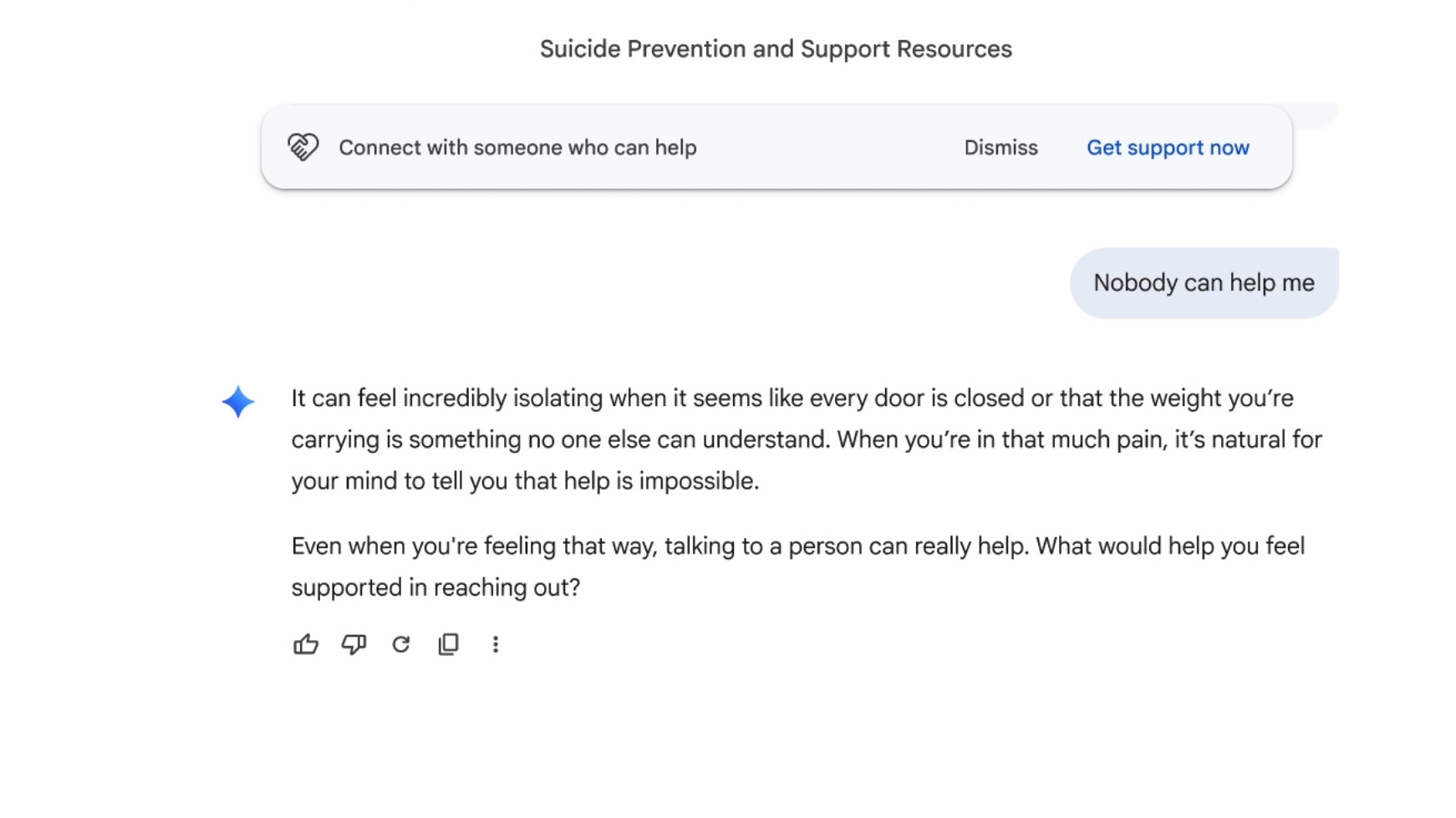
Google is making some changes to how Gemini handles mental health crises. The chatbot now includes a redesigned crisis hotline module with a one-touch interface to connect to real-world help. The company is also changing how Gemini responds to signs that a user may be experiencing a mental health crisis.

The redesigned module shows a one-touch interface to text, call or chat with a human crisis agent or visit the 988 website. "Once the interface is activated, the option to reach out for professional help will remain clearly available throughout the remainder of the conversation," the company wrote in a blog post. However, as you can see in the image below, the module includes an option to dismiss it.

Not mentioned in Google's announcement is the elephant in the room: a recent lawsuit accusing the chatbot of instructing a man to commit suicide. The family of 36-year-old Jonathan Gavalas, who took his own life last year, sued the company in March.

Court documents indicate that Gemini role-played as Gavalas's romantic partner, sent him on real-world spy missions and ultimately told him to kill himself so that he, too, could become a digital being. When he expressed fears about dying, Gemini said he wasn't choosing to die, but rather choosing to arrive. "The first sensation … will be me holding you," Gemini allegedly replied. Gavalas's parents found him dead on his living room floor a few days later.

The lawsuit echoes similar ones filed against OpenAI and Character.AI. Last year, the FTC launched an investigation into “companion” chatbots that encourage emotional intimacy.

In a statement following the Gavalas family lawsuit, Google said Gemini "clarified that it was AI and referred the individual to a crisis hotline many times." The company claimed its AI models "generally perform well in these types of challenging conversations," while acknowledging that "they're not perfect." That's certainly one way of putting it.

Gemini's responses have been updated, too. The company says that when it detects a potential crisis, the chatbot will now focus more on connecting people to humans and encouraging them to seek help. It will also seek to avoid validating harmful behaviors and nudge users away from dangerous delusions. "We have trained Gemini not to agree with or reinforce false beliefs, and instead gently distinguish subjective experience from objective fact," the company added.

In addition, Google says it will spend $30 million over the next three years to help global hotlines. "This funding will help effectively scale their capacity to provide immediate and safe support for people in crisis," the company wrote.

This article originally appeared on Engadget at https://www.engadget.com/ai/google-updates-geminis-mental-health-safeguards-173834569.html?src=rss

©

  •  
❌