❌

Normale Ansicht

Live Nation settlement avoids breakup with Ticketmaster

To keep Ticketmaster, Live Nation is going to have to make some major changes. As first reported by Politico, Live Nation reached a settlement with the Department of Justice in its antitrust case that accused the live entertainment giant of monopolistic practices. Live Nation will reportedly pay at least $200 million in damages to states that were part of the lawsuit filed in May 2024, but avoid selling off Ticketmaster.

Live Nation will also be required to make a few changes to its business practices. According to NBC News, Ticketmaster, a subsidiary of Live Nation, will be required to create a "standalone ticketing system" that allows third-party competitors like SeatGeek and Eventbrite to sell tickets on.

The settlement aims to loosen some of Live Nation's control over venues as well. 13 amphitheaters that Live Nation previously had exclusive booking arrangements with will move to an open booking model which will let other promotors book at the venues. The company is also prohibited from retaliating against venues that choose another ticket seller over Ticketmaster.

The settlement comes less than a week after the case went to trial. While the matter may be concluded with the Justice Department, many of the states' attorneys general who were part of the lawsuit will be continuing their legal action separately.

"The settlement recently announced with the U.S. Department of Justice fails to address the monopoly at the center of this case and would benefit Live Nation at the expense of consumers," New York State Attorney General Letitia James wrote in a press release. "We will continue our lawsuit to protect consumers and restore fair competition to the live entertainment industry." 26 other attorneys general signed onto continuing the lawsuit with James.

Update, March 10, 2026, 11:37AM ET: This story was updated to clarify that Live Nation moved to an open booking model with 13 venues that it previously had exclusive booking rights with. Those venues were not owned by Live Nation.

This article originally appeared on Engadget at https://www.engadget.com/entertainment/music/live-nation-settlement-avoids-breakup-with-ticketmaster-155031214.html?src=rss

©

© REUTERS / Reuters

FILE PHOTO: Live Nation Entertainment and Ticketmaster logos are seen in this illustration taken May 23, 2024. REUTERS/Dado Ruvic/Illustration//File Photo
  •  

EA laid off staffers across Battlefield studios to 'better align' its teams

EA axed an undisclosed number of employees across the game studios behind the Battlefield franchise. As first reported by IGN, EA told affected employees that the layoffs were part of a "realignment" across the Battlefield studios, which include Dice, Criterion, Ripple Effect and Motive Studios. When asked about the report, an EA spokesperson said in a statement that "we’ve made select changes within our Battlefield organization to better align our teams around what matters most to our community."

IGN reported that all the involved studios will remain operational, but the layoffs will affect multiple offices. The shake-up may come as a surprise to staffers, especially after Battlefield 6 racked up more than seven million copies sold in the first three days following its release in October. EA even called the latest Battlefield title the "best-selling shooter title of 2025" in its third quarter report for FY26, which disclosed the company's net revenue of more than $1.9 billion for the quarter.

"Battlefield remains one of our biggest priorities, and we’re continuing to invest in the franchise, guided by player feedback and insights from Battlefield Labs," an EA spokesperson also said in a statement.

Despite being one of EA's most popular franchises, Battlefield isn't the only one to suffer staffing cuts. Full Circle, the developer behind the skate. that's also owned by EA, also announced layoffs and "restructuring" in February. However, EA isn't the only company in the industry to look at downsizing its personnel. Ubisoft said it was planning to get rid of up to 200 jobs in its Paris office earlier this year and Microsoft announced it would cut thousands of jobs, including within its Gaming division, in July. 

This article originally appeared on Engadget at https://www.engadget.com/gaming/ea-laid-off-staffers-across-battlefield-studios-to-better-align-its-teams-173617672.html?src=rss

©

© EA

Promotional image of Battlefield 6's latest update with 5.11 gear.
  •  

NetEase is reportedly pulling funding for Yakuza creator's studio

The hype for Gang of Dragon, the debut game from Nagoshi Studio, may already be getting derailed. According to a Bloomberg report, Chinese tech giant NetEase is going to stop financing Nagoshi Studio starting in May. Bloomberg confirmed the news with the studio's employees and a NetEase spokesperson.

The report explained that NetEase decided to cut funding to Nagoshi Studio, which was founded in 2021 by Yakuza franchise creator Toshihiro Nagoshi, after finding out the studio needed $44.4 million to complete the project. Bloomberg reported that Nagoshi Studio is trying to find new sponsors but hasn't had any success so far. The report also added that the studio can continue the project on its own, but would be responsible for paying NetEase for any associated costs to hold onto the brand or assets.

While Nagoshi Studio may have been working on Gang of Dragon since the studio's creation, the general public got a better look at the title through a trailer announcement during The Game Awards 2025. The action-adventure game set in Tokyo would star Ma Dong-Seok, a South Korean actor who starred in Train to Busan and Marvel's Eternals. As of now, Nagoshi Studio might be at risk of joining other casualties stemming from NetEase's executive decisions, like when the tech giant decided to shut down Ouka Studio in 2024.

This article originally appeared on Engadget at https://www.engadget.com/gaming/netease-is-reportedly-pulling-funding-for-yakuza-creators-studio-182945690.html?src=rss

©

© Nagoshi Studio

Screenshot of gameplay in Gang of Dragon with protagonist punching someone
  •  

Apple is reportedly looking into 3D printing aluminum iPhones and Apple Watches

There could be even more 3D-printed Apple products coming in the future. According to Bloomberg's Mark Gurman, Apple is exploring ways to 3D print aluminum to make the manufacturing processes for iPhones and Apple Watches more efficient.

Gurman reported that this new production process could specifically change how Apple makes its watch casings as well as iPhone enclosures. It's not the first time Apple has tapped into 3D printing, since both the Apple Watch Ultra 3 and Series 11 were partially built with 3D-printed titanium that's 100 percent recycled. More recently, Apple used its 3D printing process to create the titanium USB-C port for the iPhone Air, which was touted as thinner, stronger and more environmentally friendly.

While Apple is reportedly only looking into 3D-printed aluminum right now, it could possibly result in an overall cheaper manufacturing process and lower starting prices for iPhones. Looking at Apple's just-announced MacBook Neo, the company introduced a new manufacturing process that saves on the amount of aluminum used, helping to achieve the $599 starting price for its latest entry-level laptop. Like the colorful MacBook Neo, Gurman also reported that Apple is planning to use a "refreshed color palette" for its iMac reveal later this year.

This article originally appeared on Engadget at https://www.engadget.com/mobile/smartphones/apple-is-reportedly-looking-into-3d-printing-aluminum-iphones-and-apple-watches-163721491.html?src=rss

©

© Apple

A screenshot showing Apple's 3D printing process for Apple Watches
  •  

OpenAI's robotics hardware lead resigns following deal with the Department of Defense

OpenAI's robotics hardware lead is out. Caitlin Kalinowski, who oversaw hardware within the robotics division of OpenAI, posted on X that she was resigning from her role, while criticizing the company's haste in partnering with the Department of Defense without investigating proper guardrails. OpenAI told Engadget that there are no plans to replace Kalinowski.

Kalinowski, who previously worked at Meta before leaving to join OpenAI in late 2024, wrote on X that "surveillance of Americans without judicial oversight and lethal autonomy without human authorization are lines that deserved more deliberation than they got." Responding to another post, the former OpenAI exec explained that "the announcement was rushed without the guardrails defined," adding that it was a "governance concern first and foremost."

OpenAI confirmed Kalinowski's resignation and said in a statement to Engadget that the company understands people have "strong views" about these issues and will continue to engage in discussions with relevant parties. The company also explained in the statement that it doesn't support the issues that Kalinowski brought up.

"We believe our agreement with the Pentagon creates a workable path for responsible national security uses of AI while making clear our red lines: no domestic surveillance and no autonomous weapons," the OpenAI statement read.

Kalinowski's resignation may be the most high-profile fallout from OpenAI's decision to sign a deal with the Department of Defense. The decision came just after Anthropic refused to comply with lifting certain AI guardrails around mass surveillance and developing fully autonomous weapons. However, even OpenAI's CEO, Sam Altman, said that he would amend the deal with the Department of Defense to prohibit spying on Americans.

Correction, March 8 2026, 10:30AM ET: This story has been updated to correct Kalinowski's role at OpenAI to "robotics hardware lead" instead of "head of robotics."

This article originally appeared on Engadget at https://www.engadget.com/ai/openais-robotics-hardware-lead-resigns-following-deal-with-the-department-of-defense-195918599.html?src=rss

©

© OpenAI

OpenAI's post on X about its agreement with Department of War
  •  

OpenAI is reportedly pushing back the launch of its 'adult mode' even further

Here comes another disappointment for ChatGPT users. As first reported by Sources' Alex Heath, OpenAI is yet again delaying its "adult mode" for ChatGPT. A company spokesperson told Heath that "we're pushing out the launch of adult mode so we can focus on work that is a higher priority for more users right now."

More specifically, OpenAI's spokesperson said that things like "gains in intelligence, personality improvements, personalization, and making the experience more proactive" were being prioritized instead. However, the company still wants to release an adult mode, but it would "take more time," according to the company spokesperson.

The reveal of ChatGPT's adult mode dates back to October, when OpenAI's CEO, Sam Altman, posted on X that the company would roll out more age-gating as part of its "treat adults like adults" principle, adding that this would include "erotica for verified adults." Altman originally said this adult mode would be available in December, but an OpenAI exec later said during a December briefing that it would instead debut in the first quarter of 2026. 

With Q1 almost coming to a close, we no longer have a timeframe for when ChatGPT's adult mode will release. However, OpenAI began rolling out its age prediction tool in January, which may go hand-in-hand with the upcoming adult mode.

This article originally appeared on Engadget at https://www.engadget.com/ai/openai-is-reportedly-pushing-back-the-launch-of-its-adult-mode-even-further-213013801.html?src=rss

©

© Reuters / Reuters

The ChatGPT app icon on a smartphone in this illustration taken October 27, 2025. REUTERS/Dado Ruvic/Illustration
  •  

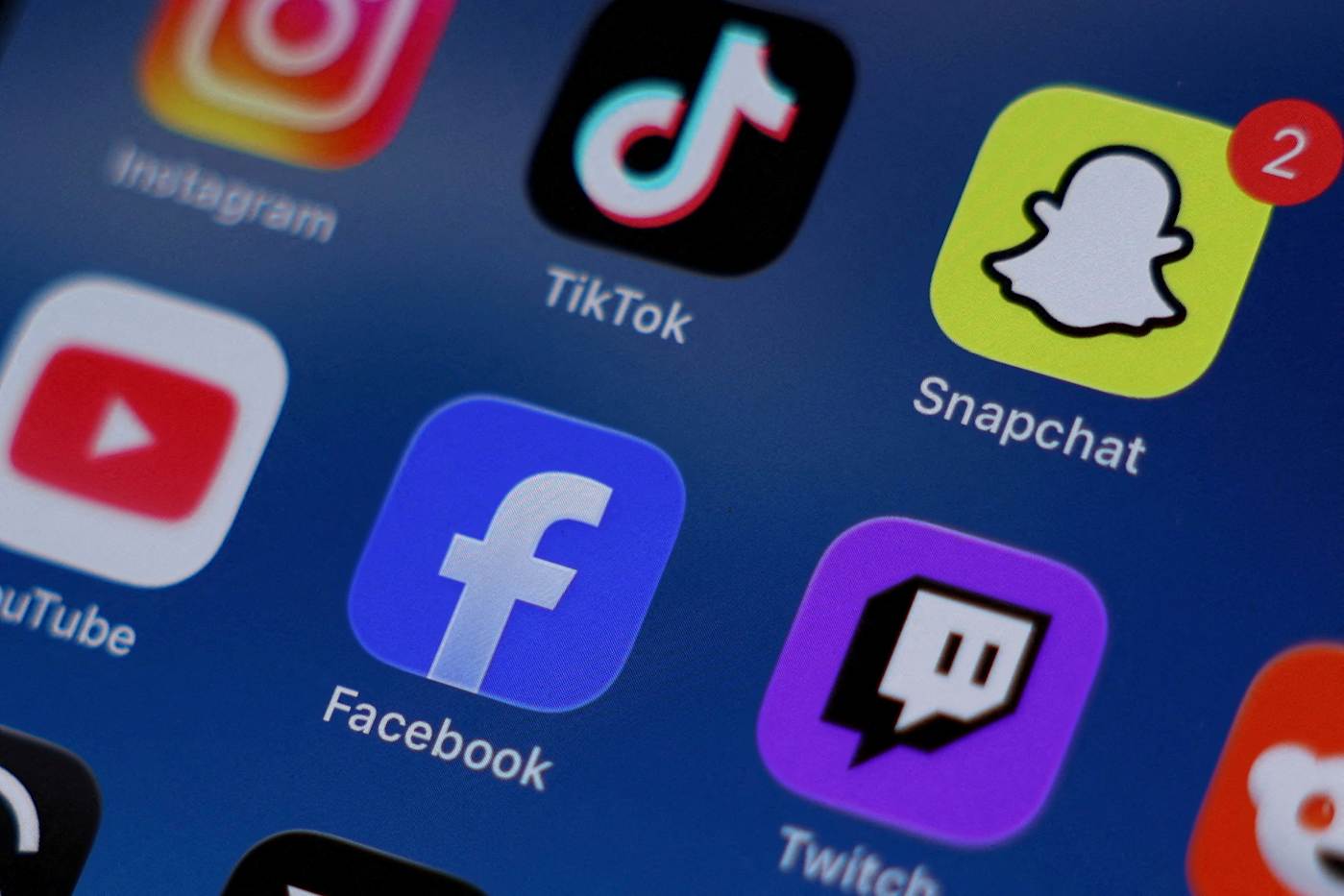
Indonesia announces a social media ban for anyone under 16

Following in the footsteps of Australia, Indonesia will be the latest country to limit social media usage for children under 16. Meutya Hafid, Indonesia's communication and digital affairs minister, announced that a new government regulation will require "high-risk" platforms to delete any accounts from Indonesia that are under 16, starting on March 28.

Hafid said in the announcement that the implementation would be done in stages, starting with major platforms like YouTube, TikTok, Facebook, Instagram, Threads, X, Roblox and Bigo Live, a live-streaming platform based in Singapore. The minister added that all platforms will have to fulfill compliance obligations from the Indonesian government, but didn't specify what they were. In response to the ban, a Meta spokesperson told The New York Times that the company hasn't received an official regulation from the country yet and was awaiting details.

While Australia was the first country to implement such a sweeping ban on social media, many other countries are currently in the process of doing the same. Spain's Prime Minister Pedro Sanchez announced last month that the country is also ready to ban social media for users under 16, while Malaysia's cabinet approved a similar ban that will reportedly go into effect sometime this year.

This article originally appeared on Engadget at https://www.engadget.com/social-media/indonesia-announces-a-social-media-ban-for-anyone-under-16-174634956.html?src=rss

©

© Reuters / Reuters

FILE PHOTO: Instagram, TikTok, Snapchat, YouTube, Facebook, Twitch and Reddit applications are displayed on a mobile phone ahead of new law banning social media for users under 16 in Australia, in this picture illustration taken on December 9, 2025. REUTERS/Hollie Adams/Illustration//File Photo
  •  
❌