❌

Normale Ansicht

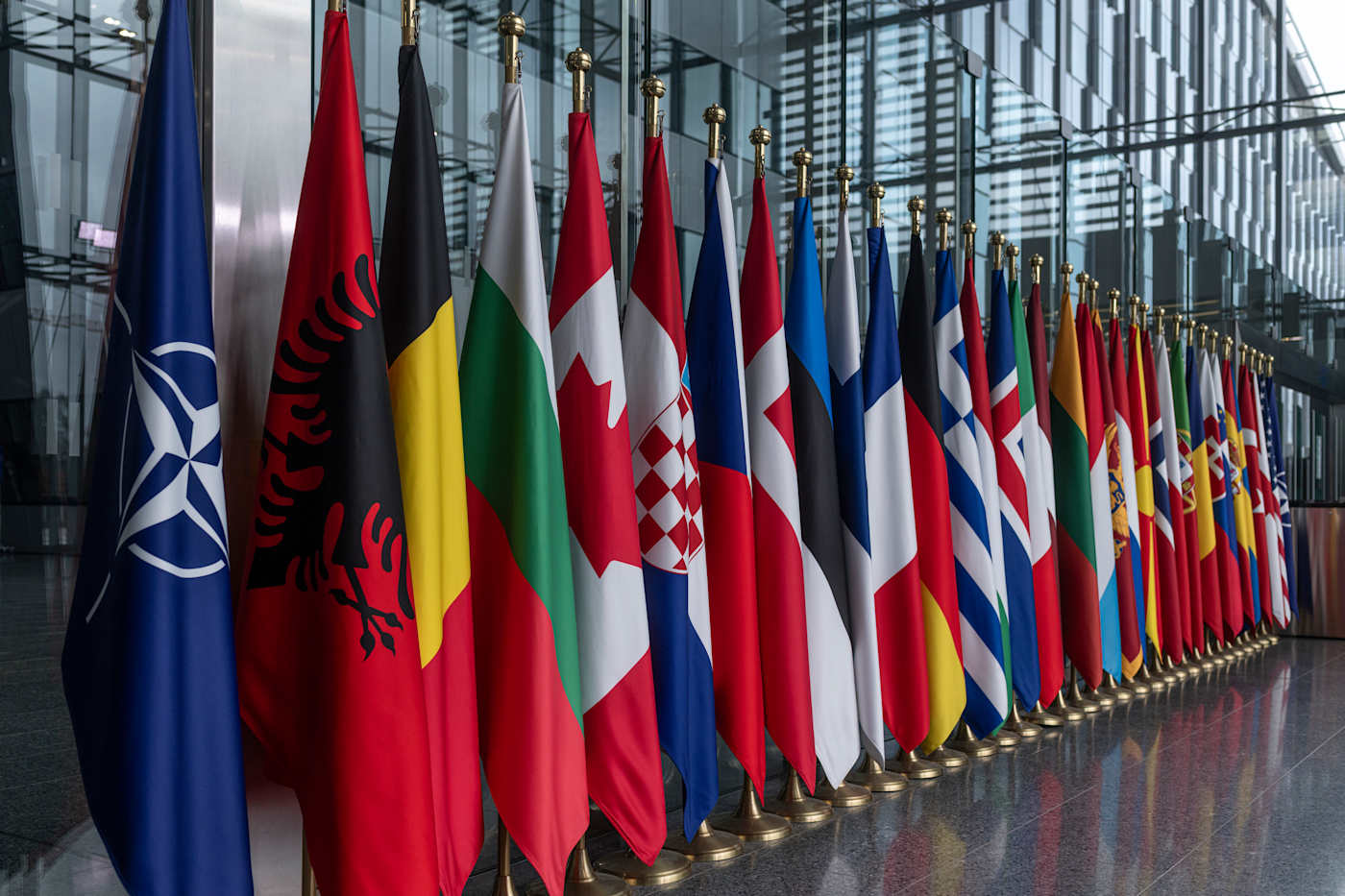
NATO approves the iPhone and iPad for classified use

Apple's mobile devices are secure enough for NATO. Following extensive testing by the German government, the iPhone and iPad are now considered secure enough for the NATO-restricted classified level.

Germany's Federal Office for Information Security (Bundesamt für Sicherheit in der Informationstechnik, or BSI) tested the devices. BSI first approved the iPhone and iPad for governmental use by German authorities in 2022. To take the additional step of NATO approval, Apple says BSI conducted exhaustive technical assessments, comprehensive testing and deep security analysis.

Unless you work for NATO, this won't mean a thing to you. But at least it appears to bolster some of Apple's marketing claims about security. (As for its privacy claims, well, that depends on which kind you mean.) Apple's press release emphasized that these are the first consumer devices to receive the certification, and they did so without any special software or settings. It applies to iPhones and iPads running iOS 26.

"Secure digital transformation is only successful if information security is considered from the beginning in the development of mobile products," BSI president Claudia Plattner is quoted as saying in Apple's press release. "Expanding on BSI's rigorous audit of iOS and iPadOS platform and device security for use in classified German information environments, we are pleased to confirm the compliance under NATO nations' assurance requirements."

This article originally appeared on Engadget at https://www.engadget.com/mobile/nato-approves-the-iphone-and-ipad-for-classified-use-200857276.html?src=rss

©

  •  

Burger King will use AI to monitor employee 'friendliness'

Burger King, the chain that leans into creepy when others don't dare, is at it again. The Verge reported on Thursday that the company is rolling out a new voice-controlled AI chatbot for its workers. That may sound like business as usual in 2026, but this assistant doesn't just help with meal prep and monitor inventory. It also has an unsettling habit of surveilling employees' voices for "friendliness."

The voice-controlled chatbot will live inside employees' headsets. The company said the AI is trained to recognize when its low-paid workers utter phrases like "welcome to Burger King," "please" and "thank you." Managers can then keep tabs on their location's "friendliness" performance.

"This is meant to be a coaching tool," Thibault Roux, Burger King's chief digital officer, told The Verge. However, he added that the company is also "iterating" the system to detect tone in conversations. Is there a chatbot that can warn Burger King executives about off-putting ideas?

The Creepy King BK mascot standing outside a person's window, staring at them silently.
Burger King retired its Creepy King mascot in 2025.
Burger King / YouTube (Commercial Ads)

The OpenAI-powered assistant's other duties sound potentially useful (and decidedly less creepy). It can answer workers' meal prep questions, like how many strips of bacon to put on burgers or instructions for cleaning the shake machine. It's also integrated into the chain's point-of-sale system, so it can tell managers when items are out of stock or machines are down.

The "Patty" chatbot is part of a broader BK Assistant platform the company is launching. It will roll out to all US locations by the end of 2026. Meanwhile, its "restaurant maintenance with a side of mass surveillance" chatbot is currently being piloted in 500 restaurants.

This article originally appeared on Engadget at https://www.engadget.com/ai/burger-king-will-use-ai-to-monitor-employee-friendliness-173349148.html?src=rss

©

  •  
❌