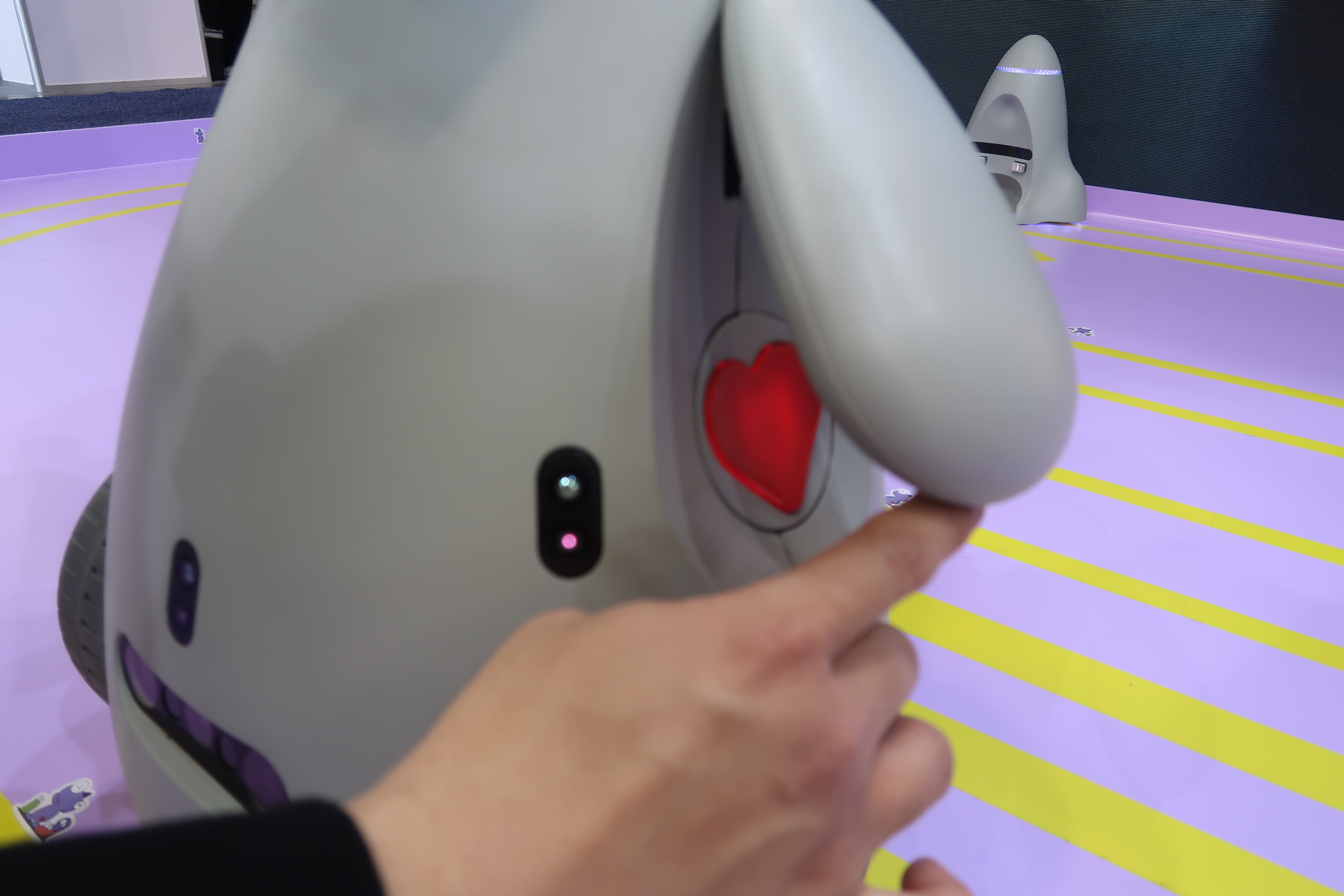
Cute, alien-inspired companion robots are a fixture at CES, but have I ever seen one with a furry telescoping neck that's also warm to the touch? No, I can't say I have before this year. OlloBot — which had possibly the cutest booth at CES 2026 — is a home robot and "cyber pet" that looks something like if you put ET's head on a penguin's body, plus a splash of fur and color.
Its face is essentially a large tablet that displays its expressions, pictures and videos, and allows it to communicate with people in the home. OlloBot speaks its own language, but will put text on the screen when it has a message that's meant to actually be understood. There's also a companion app where family members can message with the robot, see its diary updates and play games. Like other family-oriented robots, OlloBot is designed to capture special moments and "grow" with the people using it.
Based on the interactions, it will over time develop a personality based on the Meyers-Briggs personality types. The robot responds to voice and touch, and can do tasks like make calls and help find lost objects. It will be able to control Matter-compatible smart home devices, too. All data is stored locally in a heart-shaped removable module underneath one of its flapping arms. Not only is that intended to be a privacy move, but if the robot ever breaks, the family's cyber pet (along with its "memories") can be restored by putting the old heart into a new body.
OlloBot's heart
Cheyenne MacDonald for Engadget
According to a member of the OlloBot team, a Kickstarter campaign to fund the robot's production is planned for this summer. There will be two versions of OlloBot to choose from: a small one with a fixed, short neck that will cost around $1,000 and a more advanced model that can extend its neck by two feet or so (just eyeballing it) to see from different vantage points, which will run you about $2,000. At the booth, the team also showed off several outfits for OlloBot, including a plush giraffe suit and a sort of cottagecore apple and gingham outfit.
This article originally appeared on Engadget at https://www.engadget.com/home/smart-home/i-cant-get-over-this-goofy-long-necked-cyber-pet-robot-at-ces-175900062.html?src=rss
CES 2026’s second day was all about hands on time with new tech. From Lego’s most ambitious play experiment yet to assistive mobility tech, smart home ideas that actually feel affordable and robots that might one day fold your laundry, here’s what stood out most on January 7.
Lego Smart Play
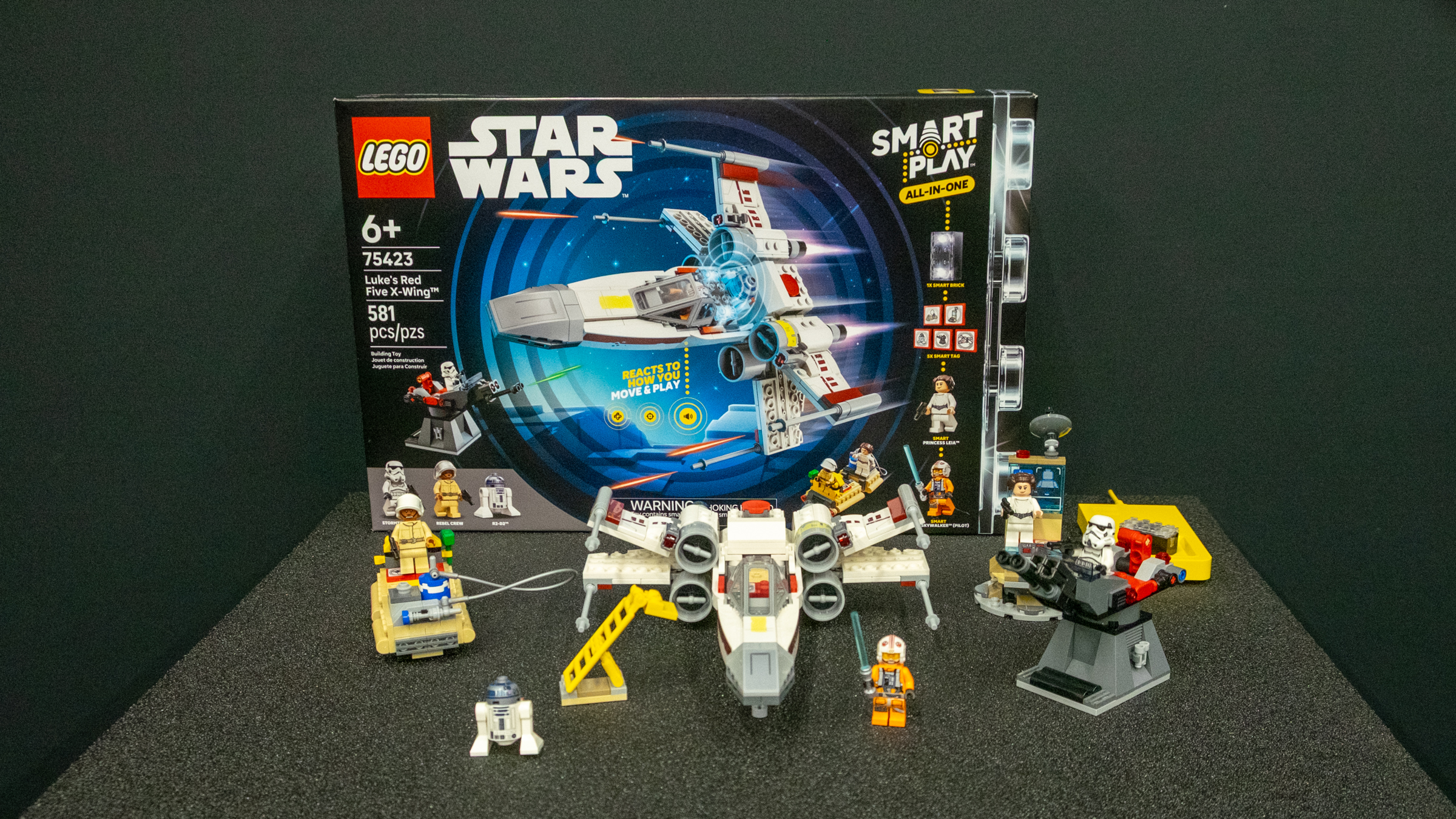
Lego Star Wars Smart Play: Luke's Red Five X-Wing
Nathan Ingraham for Engadget
LEGO’s new Smart Play system feels far more compelling in person than it did on stage. The Smart Brick, combined with Smart Tags and Smart Minifigures, responds dynamically to movement, proximity and context, triggering sounds and interactions without screens or apps. Seeing kids physically act out Star Wars battles while the bricks reacted in real time made it clear this is designed first and foremost for active social play, not digital distraction.
WheelMove
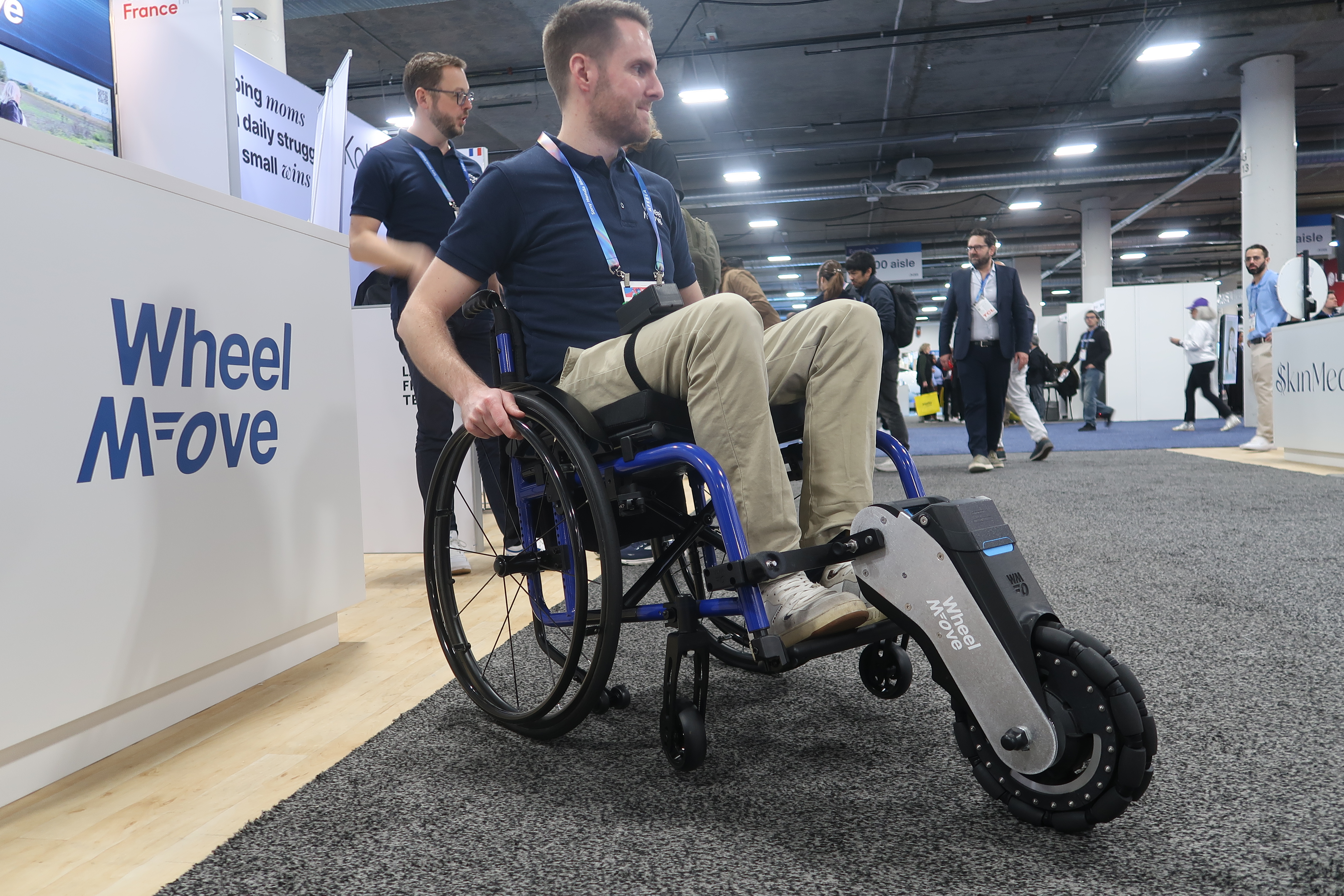
A man sits in a manual wheelchair with an add-on attached that gives it a large central front wheel and raises the casters off the ground
Cheyenne MacDonald for Engadget
WheelMove’s motorized wheelchair attachment is compact, surprisingly quick to install and genuinely empowering in action. The add-on lifts a chair’s front wheels and adds powered assistance, making grass, cobblestones and slopes far easier to navigate. After seeing it demonstrated on uneven surfaces, it’s easy to imagine this opening up spaces that would otherwise be exhausting or inaccessible for manual wheelchair users.
Throne
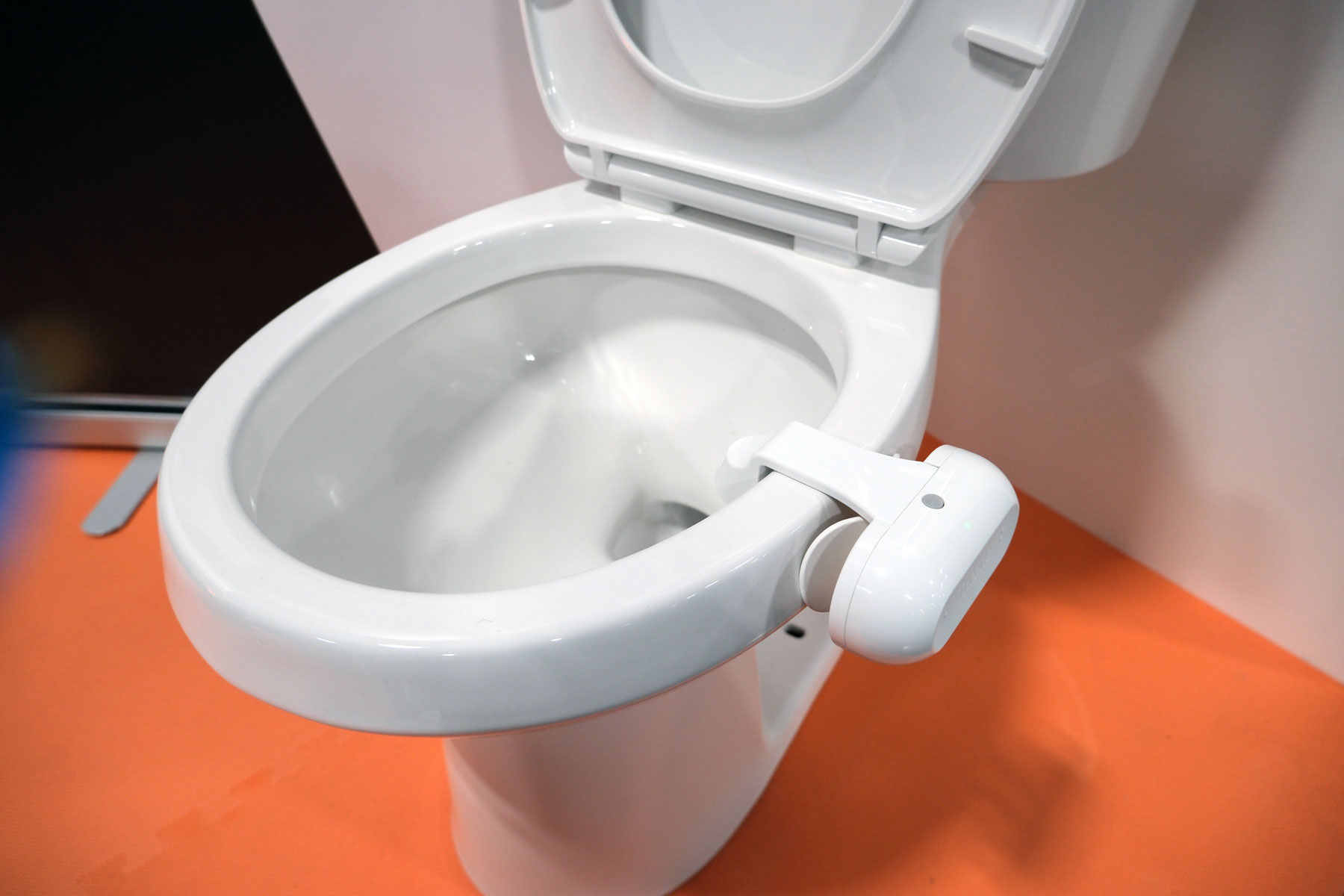
Image of the Throne Toilet Computer perched on the side of a toilet.
Daniel Cooper for Engadget
Throne’s toilet-mounted health tracker is exactly as strange as it sounds, but it’s also thoughtfully designed. Using computer vision to analyze bowel movements and urination, the device aims to establish a personal baseline and flag changes over time, with gut health and GLP-1 users firmly in mind. It’s too early to judge accuracy, but seeing it in person made it feel less gimmicky and more like a niche wellness tool worth testing.
IKEA smart home gear
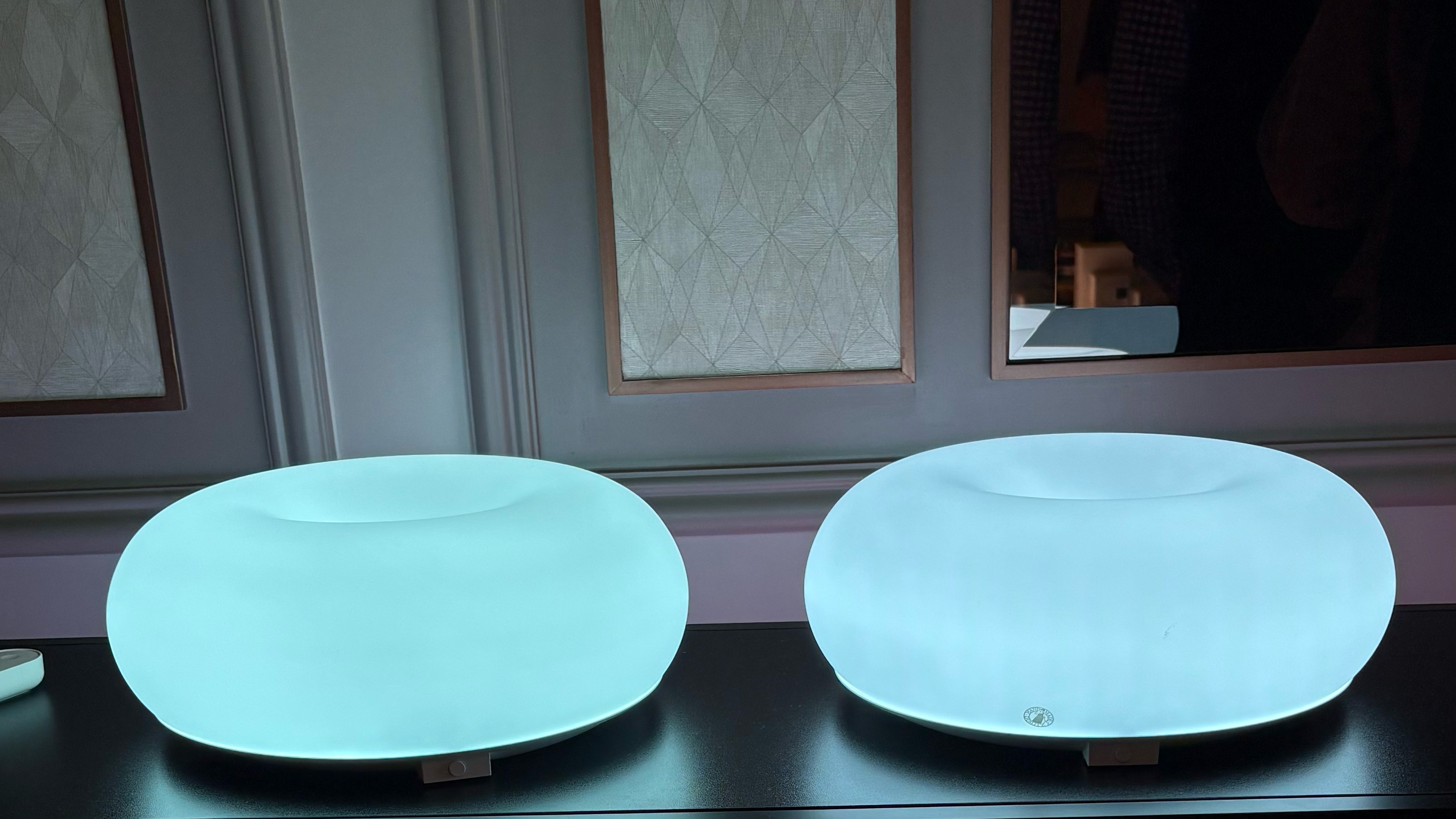
The popular VARMBLIXT donut lamp is now smart.
Amy Skorheim for Engadget
IKEA’s first CES appearance leaned heavily into what it does best: simple, affordable design. The new Matter-compatible smart home range includes bulbs, plugs, remotes and sensors priced low enough to make smart homes feel accessible again. Standouts like the magnetically mounted BILREA remote and playful TEKLAN lamps showed that IKEA hasn’t sacrificed charm in its push toward interoperability.
SwitchBot
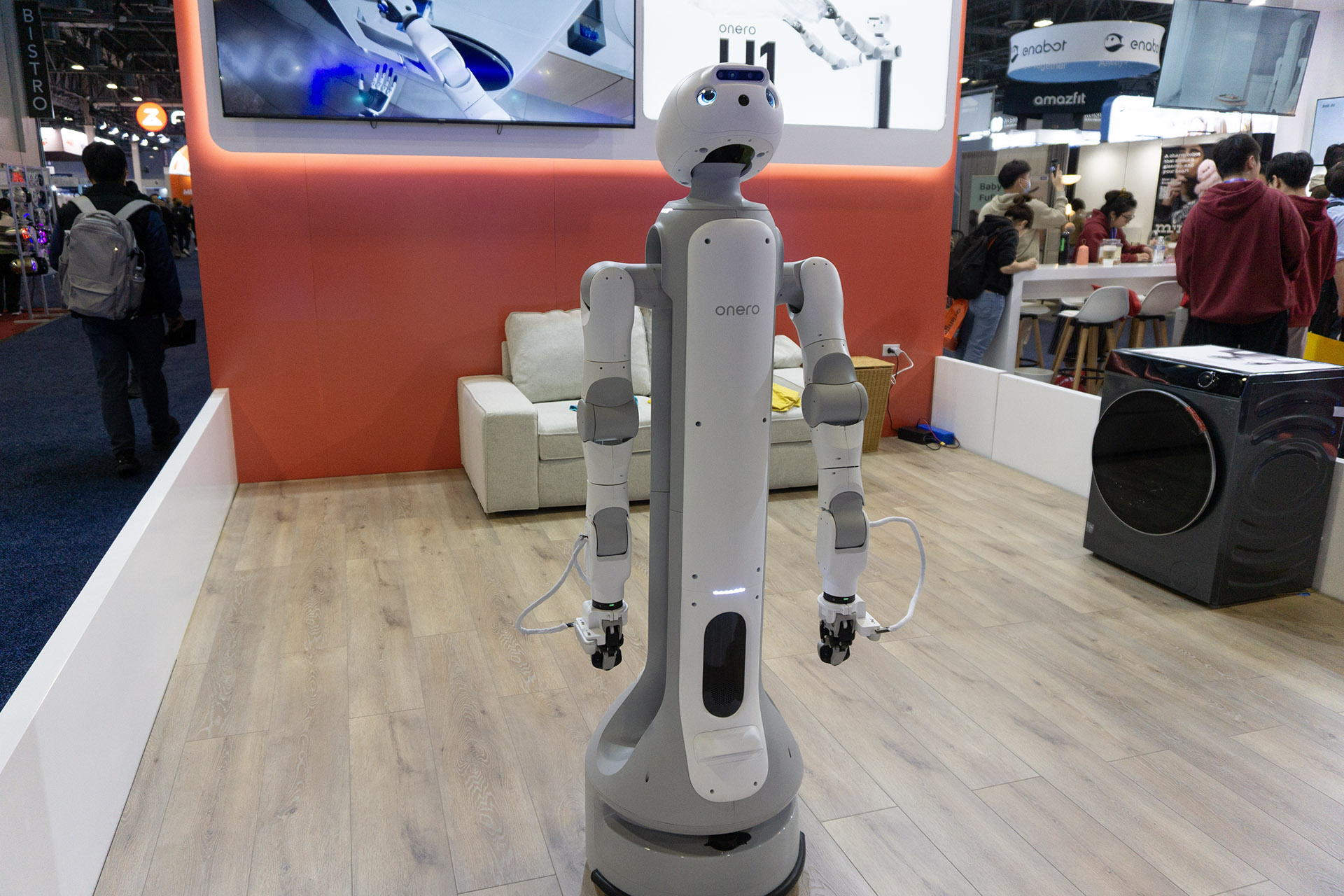
Switchbot's Onero H1.
Karissa Bell for Engadget
SwitchBot’s Onero H1 was one of the most intriguing robots on the show floor because it’s meant to ship this year. The wheeled humanoid robot uses articulated arms and onboard AI to perform household chores, like loading a washing machine, albeit at a deliberate pace. Watching it work made the case that speed matters less than reliability when a robot can handle tasks while you’re not home.
Eyebot vision testing
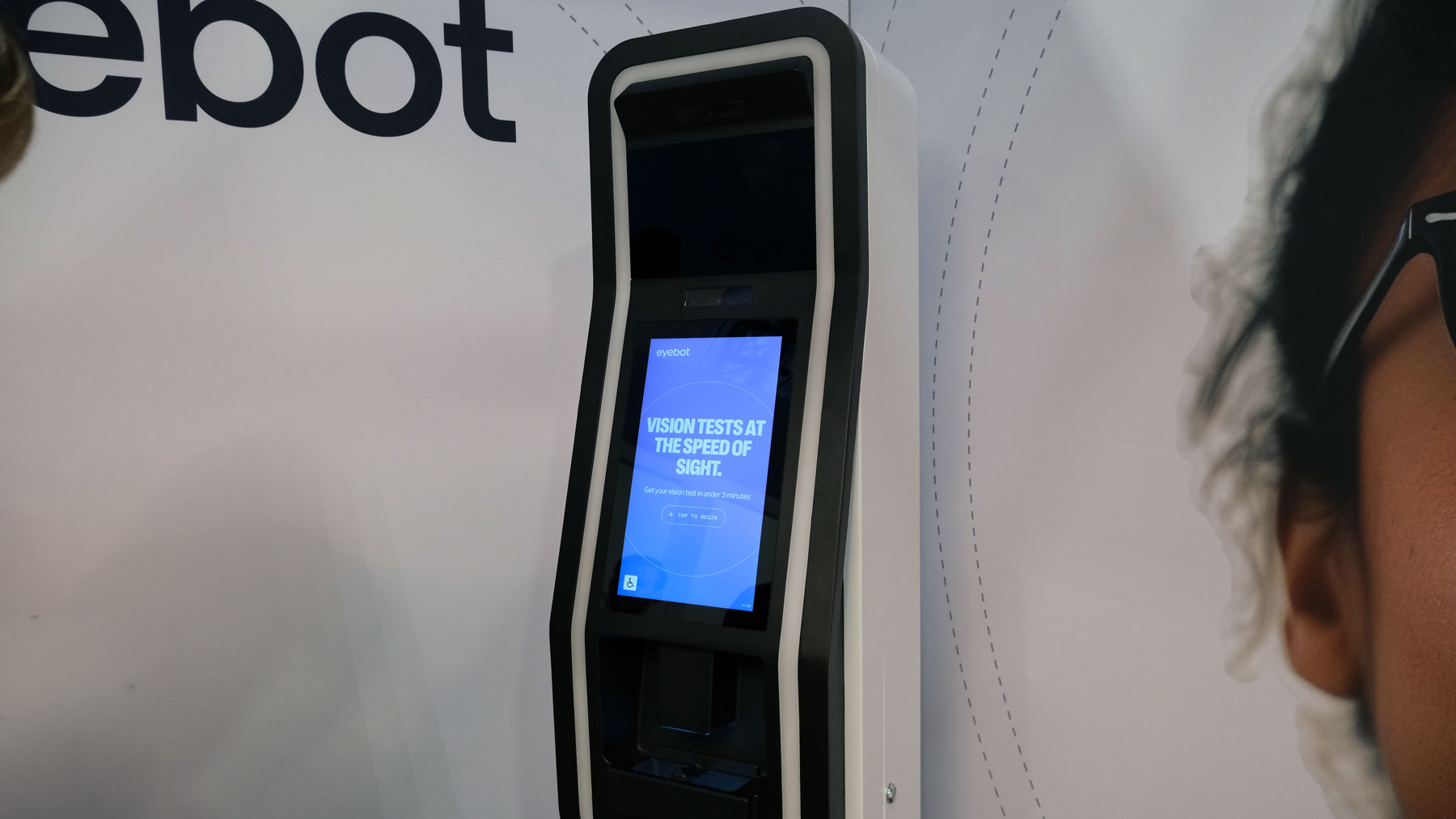
Image of the Eyebot Kiosk
Daniel Cooper for Engadget
Eyebot’s self-service vision testing kiosk turns a 20-minute optometrist visit into a process that takes just a few minutes. The test is guided by a large touchscreen and reviewed remotely by a licensed eye doctor, striking a balance between automation and oversight. After comparing results with a recent traditional exam, the accuracy felt reassuring, even if it doesn’t replace full eye health screenings.
Dephy Sidekick sneakers
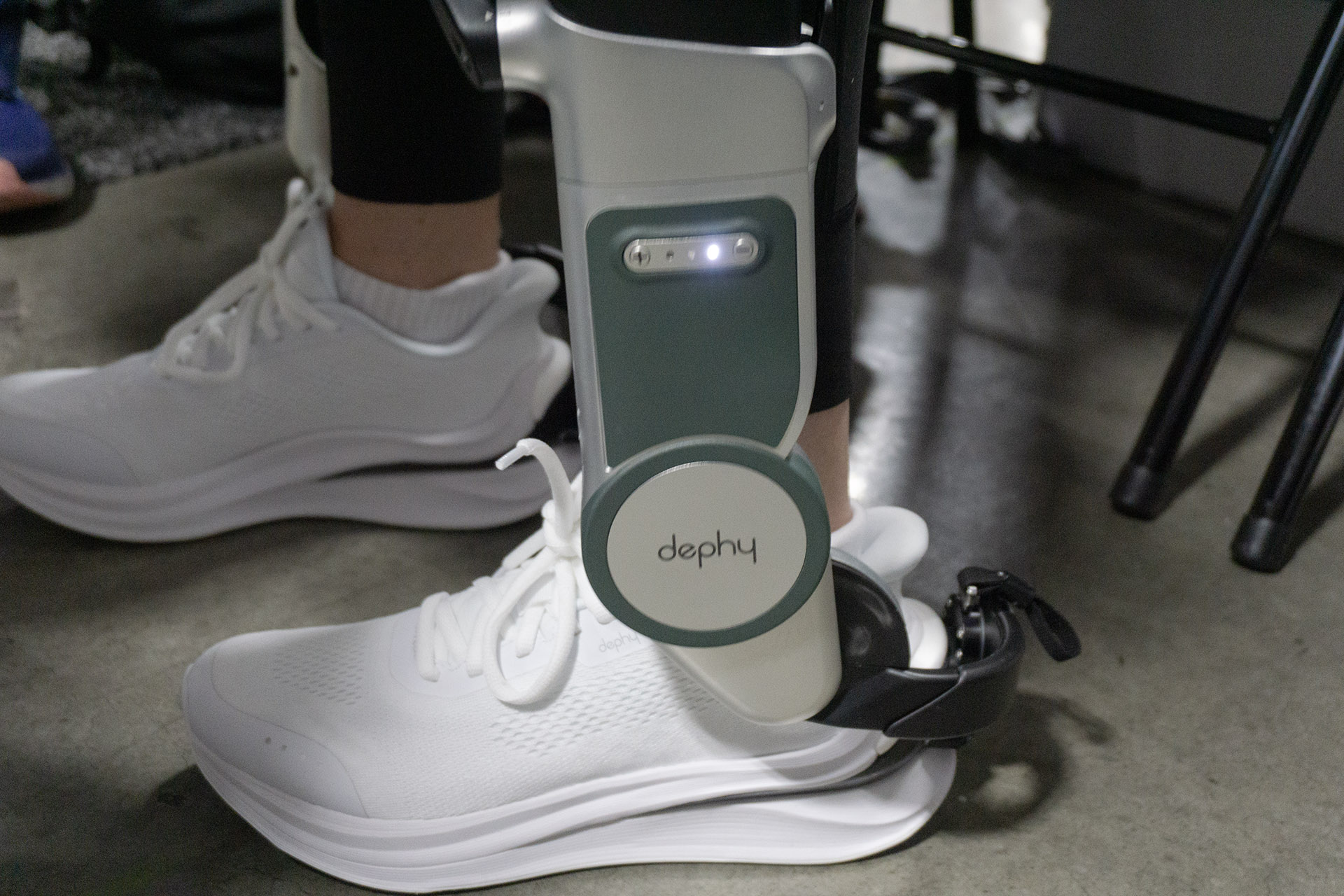
Dephy's Sidekick, which the company describes as "footwear."
Karissa Bell for Engadget
Dephy’s Sidekick robotic sneakers deliver a subtle but noticeable boost with each step. The ankle-mounted exoskeleton adapts to your gait, and walking with it feels bouncy rather than overpowering, especially at lower assist levels. It’s not for everyone, but after hours on the CES floor, the idea of powered help for people with limited mobility started to make a lot of sense.
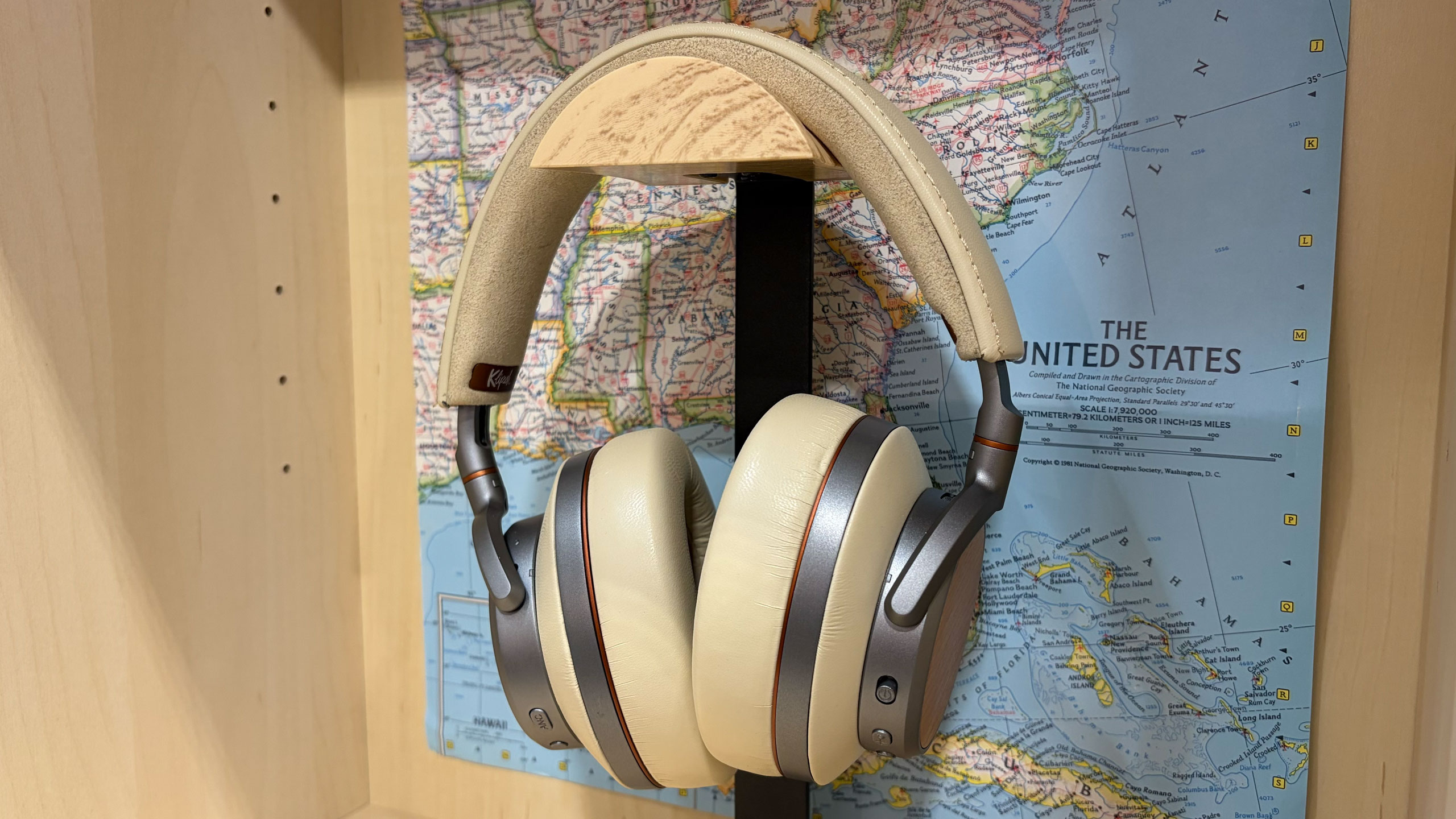
Klipsch headphones
Klipsch Atlas HP-1
Billy Steele for Engadget
Klipsch’s return to headphones starts strong with the Atlas HP-1. The wireless ANC model looks premium, borrows familiar design cues and delivers the brand’s warm, balanced sound in early demos. Pricing is still unknown, but based on build quality and audio alone, these feel positioned firmly at the high end.
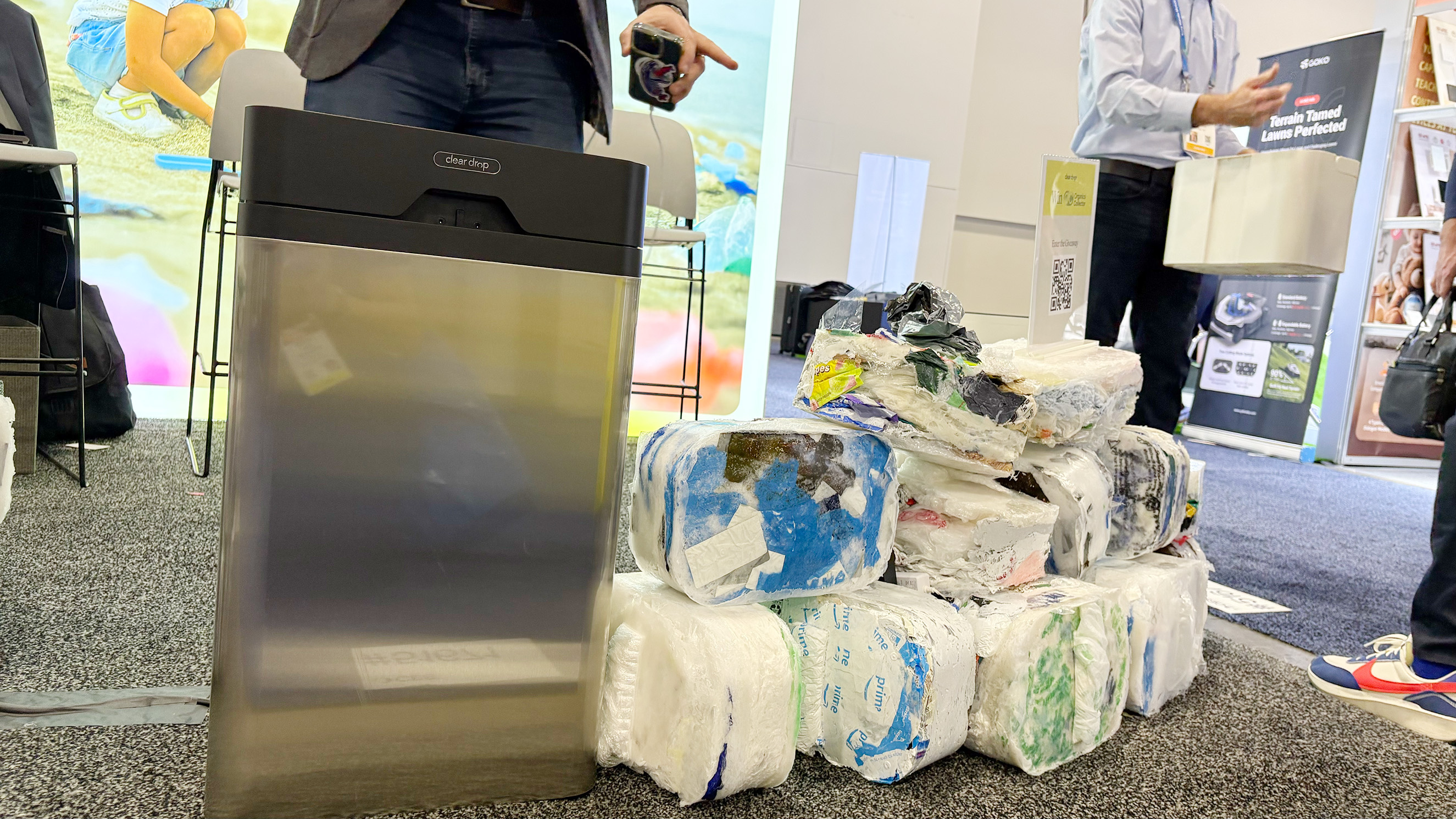
Clear Drop
The Clear Drop soft plastics compactor next to a pile of the bricks it produces.
Amy Skorheim for Engadget
Clear Drop’s home plastic compactor tackles a real recycling problem most households face. The machine takes bags and wraps them into dense bricks that can be shipped to partner recycling facilities, and watching it swallow soft plastics was oddly satisfying. It’s expensive and not perfect, but it’s one of the more practical attempts at dealing with waste outside municipal systems.
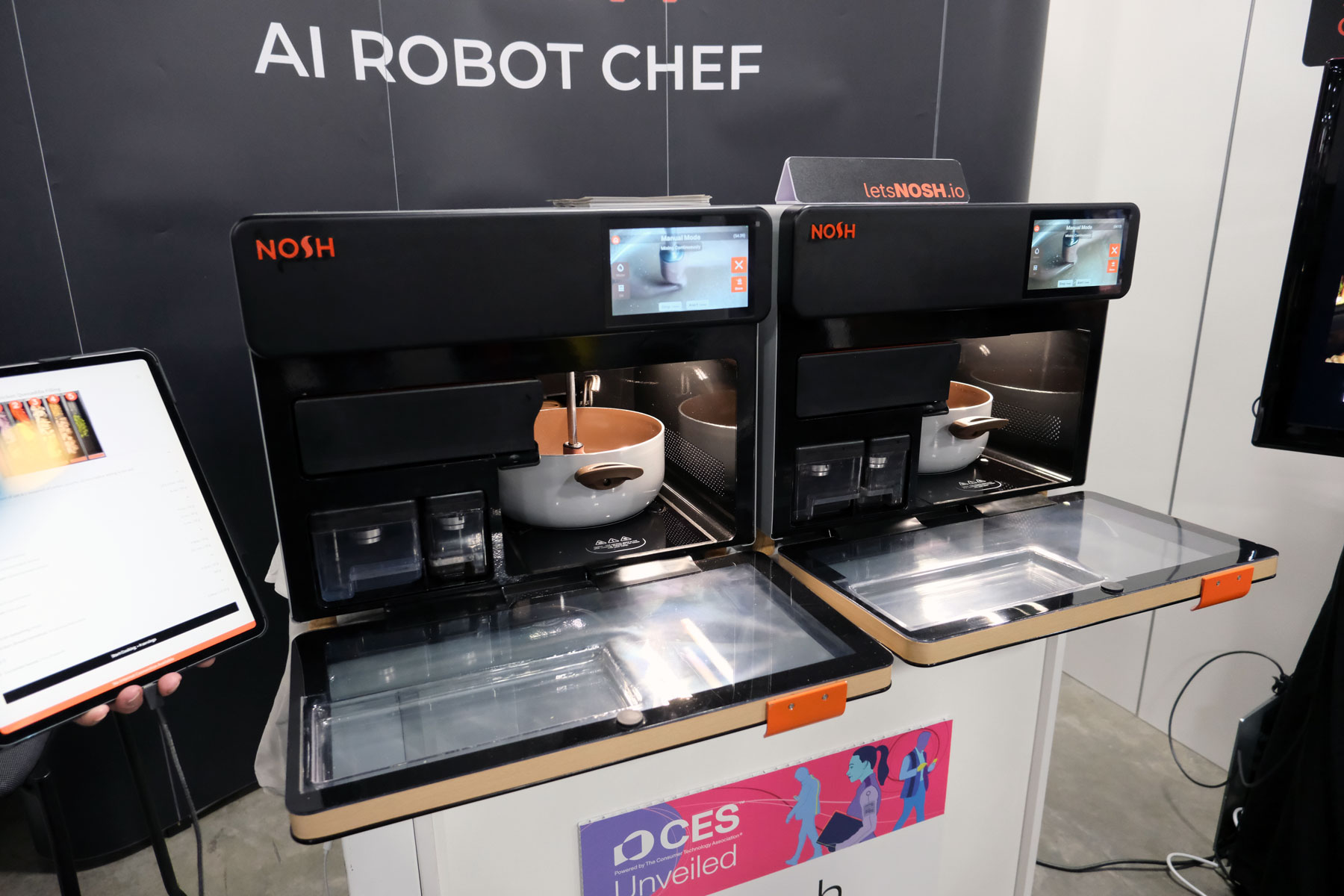
Nosh cooking robot
Nosh
Daniel Cooper for Engadget
Nosh is an AI cooking robot designed for low-effort, sauce-heavy meals like soups, curries and pasta. Multiple ingredient trays allow you to prep meals ahead of time, then slide them in when you’re ready to eat. It’s not replacing real cooking anytime soon, but as an alternative to microwaved meals, it’s more appealing than expected.
Day two leaned heavily toward tech you could physically interact with, whether that meant flying Lego ships through the air, watching a robot load laundry or testing a vision exam in a kiosk. With more show-floor time still ahead, we’ll be back with additional hands-ons, impressions and daily recaps as CES 2026 continues.
This article originally appeared on Engadget at https://www.engadget.com/big-tech/ces-2026-day-2-all-of-the-coolest-tech-we-saw-on-the-show-floor-during-the-second-day-134608348.html?src=rss
For years, we’ve been wondering when Samsung would actually bring Ballie, its cute household companion robot, to market and now we finally have our answer: it won’t. After the planned summer 2025 release window came and went, the company has opted not to release the gizmo as a consumer product, at least not for the foreseeable future.
According to Bloomberg, Samsung has "indefinitely shelved" the robot. A spokesperson told the publication that the company will keep Ballie around as an "active innovation platform" internally. "After multiple years of real-world testing, it continues to inform how Samsung designs spatially aware, context-driven experiences, particularly in areas like smart home intelligence, ambient AI and privacy-by-design," the spokesperson added.
There’s a sliver of a chance that Samsung will eventually bring Ballie to market, but that seems unlikely as things stand. So, six years after we first clapped eyes on the robot at CES 2020, (and two years after a redesigned larger version debuted), it appears to be doomed as a consumer device.
It’s a bit of a shame, as Ballie seemed like a fun gadget. In fairness to Samsung, companies are now likely having to be more judicious about what products — especially more experimental ones — go into full production amid rising costs of things like RAM.
This article originally appeared on Engadget at https://www.engadget.com/home/smart-home/you-wont-be-able-to-buy-samsungs-household-ballie-robot-after-all-104529942.html?src=rss
A startup called ReviMo has developed a robotic system that provides a way for people with limited mobility to lift and transfer themselves — like from a bed to a wheelchair, or to the toilet — without the assistance of a caregiver. ReviMo's Niko has two sets of arms: one that forms a "scooping seat" that slides underneath the person to lift them up, and the other encircling their torso and providing a backrest. It can be operated both by remote and using the controls on its dashboard. Niko in its current iteration can carry up to 250 pounds, but the team says it's working on a version that can support up to 400 pounds.
In addition to aiding in transfers, Niko can lift the rider to a standing level and offers retractable handlebars for support. It also has the potential to be a big help to caregivers, who in many cases assist with multiple transfers every day. Even in a situation where a person isn't able to operate it by themselves, Niko facilitates a transfer that requires much less physical exertion than today's common methods, like sling-based mechanical lift systems. At CES, founder Aleksandr Malaschenko gave a demonstration of its lifting capabilities, using it to scoop him up from a chair and bring him out into the aisle.
Niko is designed to work with most wheelchairs and be compact enough to navigate small bathrooms. It can position a person right above a toilet, and there are disposable seat covers. The goal is to help people with limited ability achieve more independence.
It is the kind of device that, if it delivers on its promises, could be a game-changer for people with limited mobility and paralysis, and their loved ones. My dad was diagnosed with ALS when I was a kid, and I learned how to operate a Hoyer lift by the time I was in middle school. This strikes me as something we would have really appreciated having around. Malaschenko has said the inspiration for the robotic system came from being a caregiver for his grandfather following a stroke.
Niko will cost about $15,000, though the team said it's working to get it covered by insurance. The company is also offering lower prices for customers who sign up for one of its premium waitlists, and there are options to rent it for those who would only need a lift and transfer system temporarily.
This article originally appeared on Engadget at https://www.engadget.com/transportation/niko-is-a-robotic-lift-for-people-with-limited-mobility-that-doesnt-require-a-caregivers-help-184500703.html?src=rss
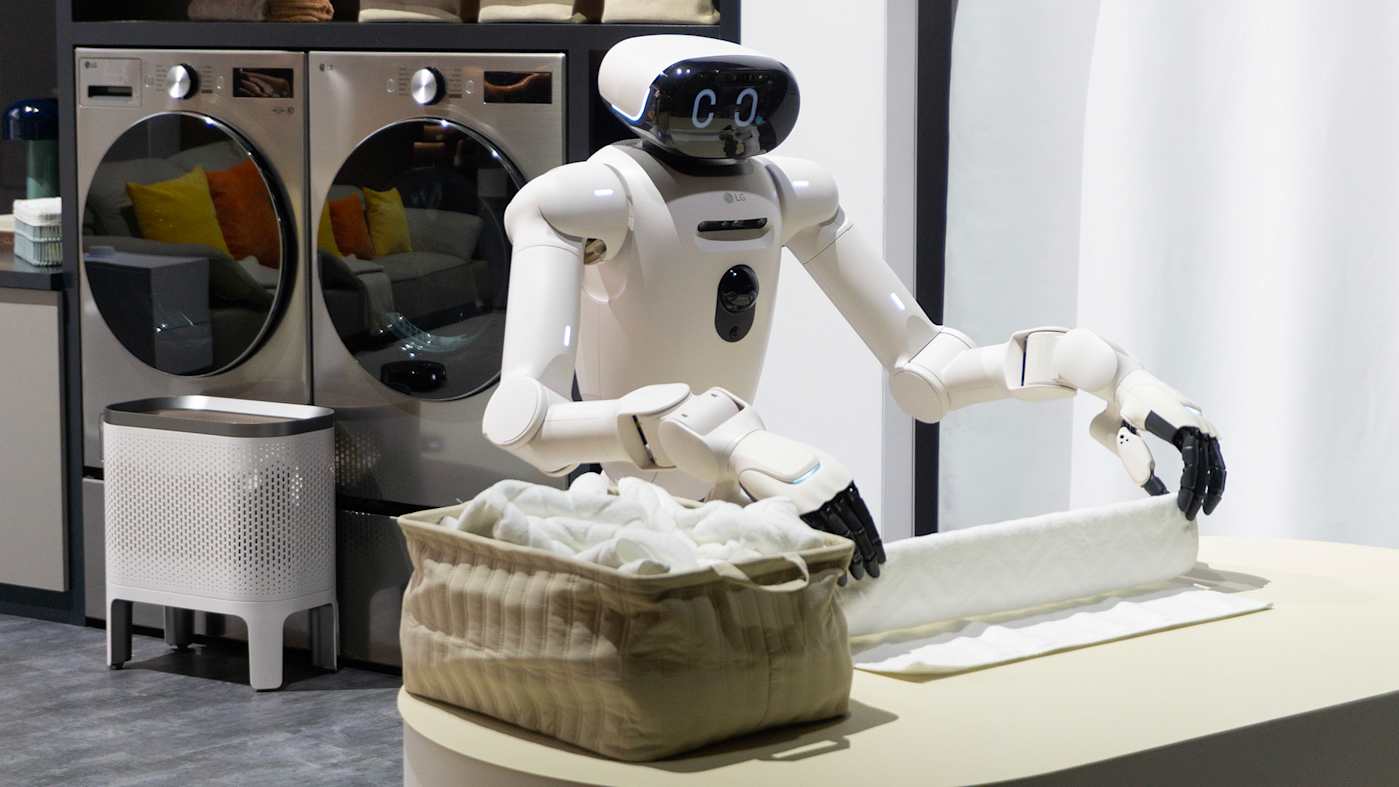
When LG announced that it would demo a laundry-folding, chore-doing robot at CES 2026, I was immediately intrigued. For years, I've wandered the Las Vegas Convention Center halls and wondered when someone might create a robot that can tackle the mundane but useful tasks I despise like folding laundry. With CLOiD (pronounced like "Floyd"), LG has proven that this is theoretically possible, but probably not likely to happen any time soon.
I went to the company's CES booth to watch its demonstration of CLOiD's abilities, which also include serving food, fetching objects and fitness coaching. During a very carefully choreographed 15-minute presentation, I watched CLOiD grab a carton of milk out of the fridge, put a croissant in an oven, sort and fold some laundry and grab a set of keys off a couch and hand them to the human presenter.
Throughout the demonstration, LG showed off how its own appliances can play along with the robot. When it rolled over to the fridge, the door automatically opened, as did the oven. When the LG-branded robot vacuum needed to move around a hamper, CLOiD helpfully cleared the path. But the robot also moved very slowly, which you can see in the highlight video below.
The appliance maker is selling the setup as a part of its vision for a "zero labor home" where its appliances and, I guess, robotics technology can come together to take care of all your chores and household upkeep. Maybe I'm jaded from a decade of watching CES vaporware, but I left the slick demo thinking the concept is unlikely to amount to much anytime soon.
On one hand, it is exciting to see robots competently performing tasks that would actually be useful to most people. But this technology is still far from accessible. Even LG isn't making any firm commitments about CLOiD's future as anything more than a CES demo. The company has instead said that CLOiD is a signal of its interest in creating "home robots with practical functions" and "robotized appliances," like fridges with doors that can open automatically.
That may be a more reasonable target for the company (and yet another way for LG to sell us more appliance upgrades). But it's still pretty far from anything approaching the fantasy of a "zero labor home."
This article originally appeared on Engadget at https://www.engadget.com/home/smart-home/lgs-cloid-robot-can-fold-laundry-and-serve-food-very-slowly-181902306.html?src=rss

 Anmelden