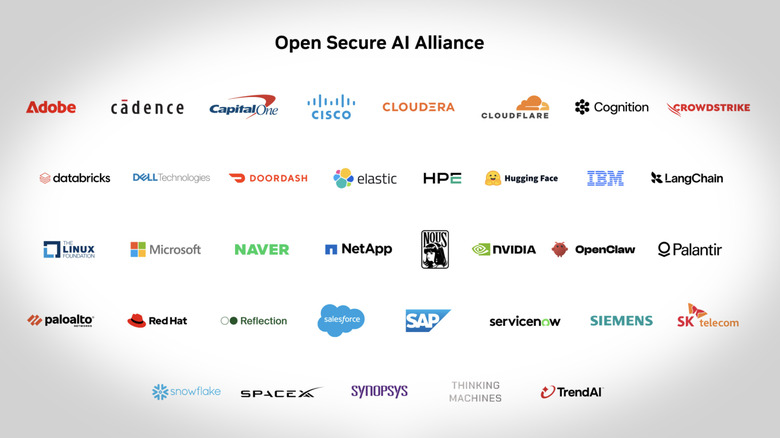
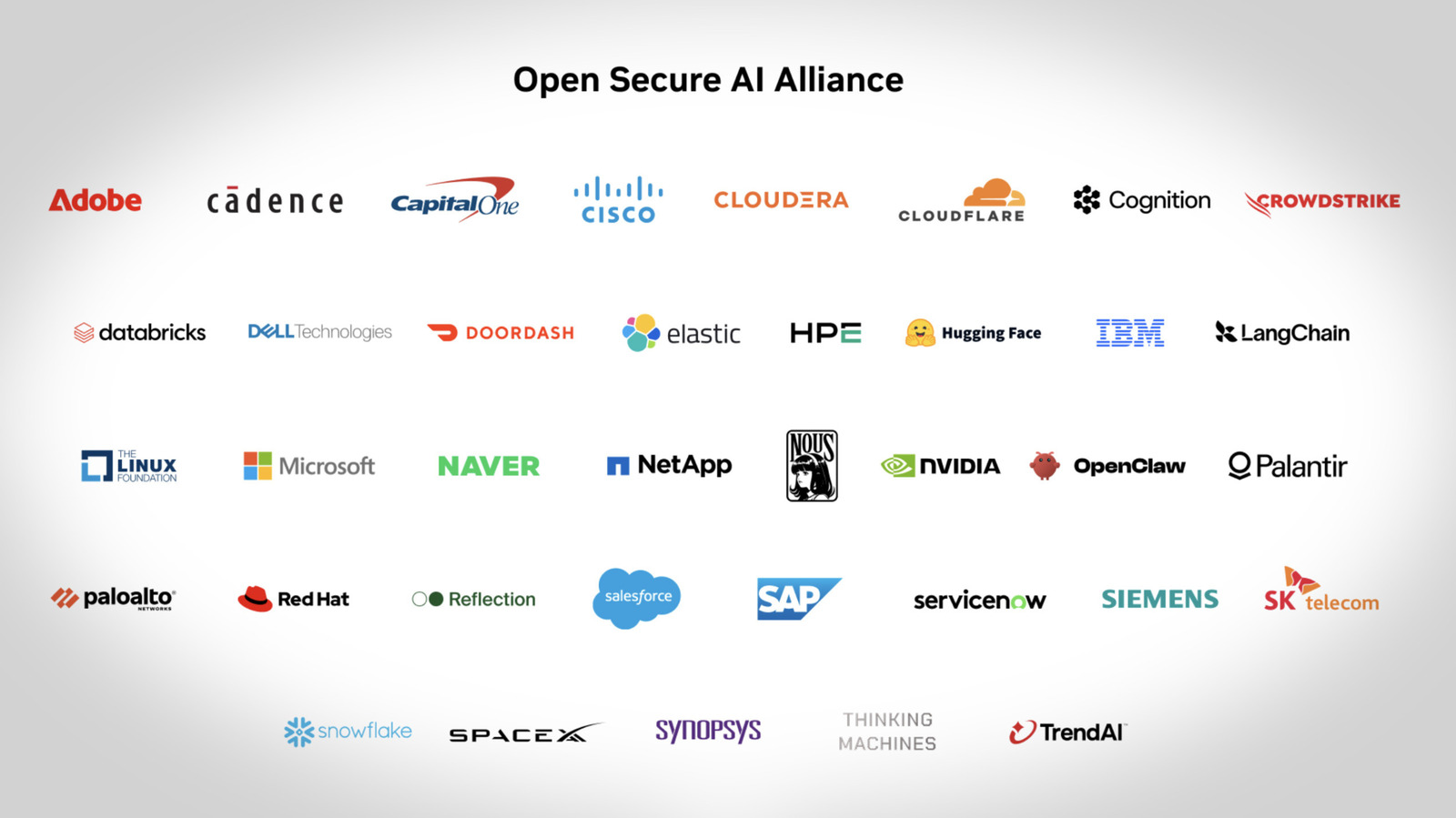
NVIDIA has gathered together some of the biggest tech companies in the world to form the Open Secure AI Alliance with the aim to improve cybersecurity.
Open-Weight-KI-Modelle bleiben teuer: Auch nach dem Training kostet jede einzelne Inferenz entsprechenden Rechenaufwand.
One of the most common misconceptions undergirding discussion of open weights models is that they are cheaper — free, even. After all, you can just download the weights, and skip the time and expense and capabilities necessary to create your own model. That is, of course, true, but the “free” in this case is a reference to the amount you need to spend on research and development; R&D is a fixed expense that is independent of the revenue you generate. […]
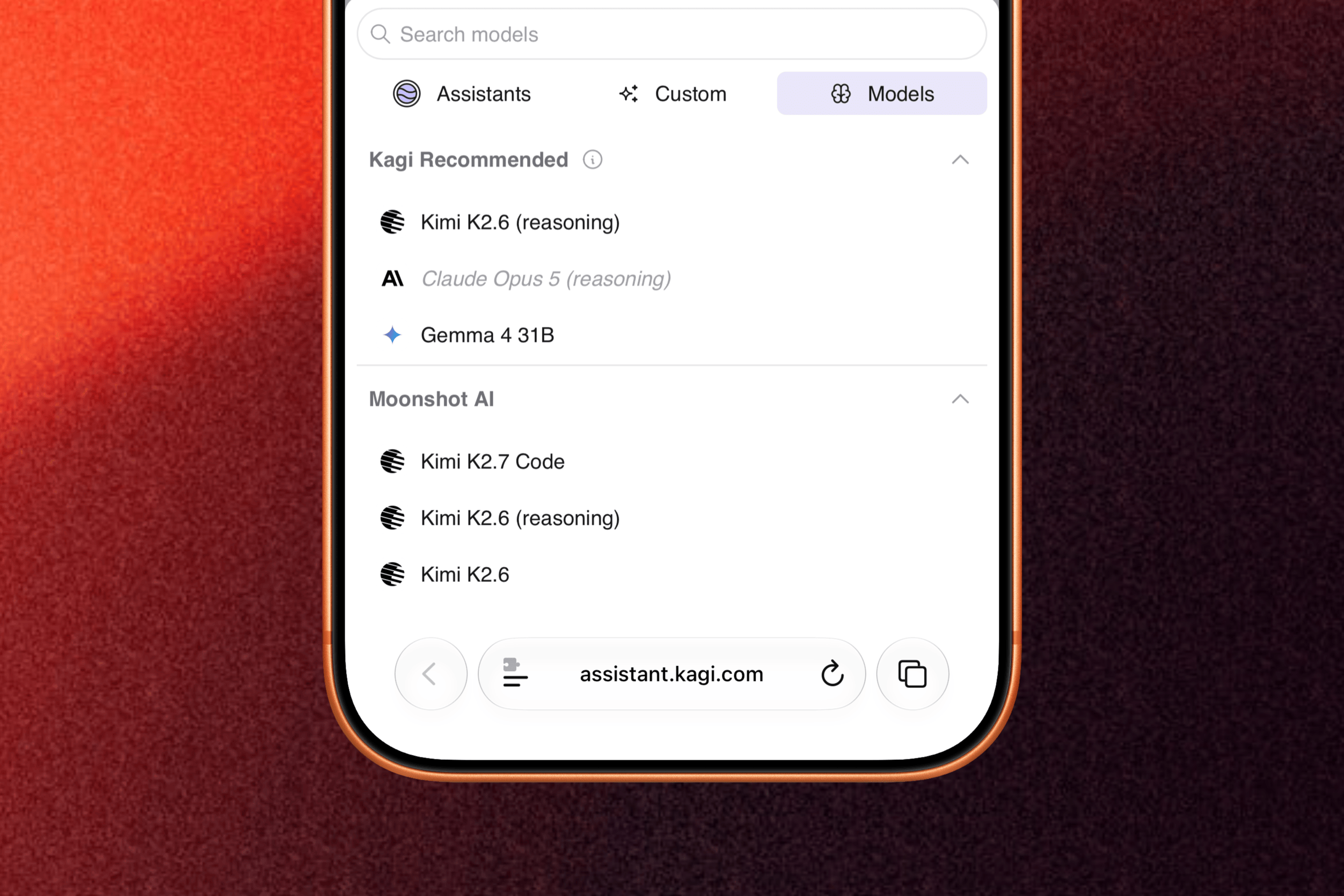
The point in terms of open weight models is that they are not free to serve. Kimi K3 costs $3 per million input tokens, and $15 per million output tokens; that is cheaper than Sol’s $5 per million input tokens and $30 per million output tokens, but that might not even be the right measurement.
Die Kosten verschwinden nicht, sie lassen sich aber teilweise aus der Cloud auf bereits verkaufte Hardware verlagern.
Mit intelligentem Routing zwischen unterschiedlichen Modellen haben iPhone-Kund:innen eine solche Rechenleistung bereits gekauft – in Form von Prozessor, Arbeitsspeicher, Speicherplatz und Neural Engine. Nur Strom muss fortlaufend bezahlt werden. Es ist keine kostenlose Intelligenz, sondern eher eine „Prepaid Intelligence“: ein teilweise im Gerätepreis enthaltener „local first, cloud when necessary“-Ansatz.
Offene Modelle verändern die Wettbewerbsbedingungen in einem Markt, den Apple mit seiner Verbindung aus Hardware, Software und Services traditionell erfolgreich besetzt. Die Herausforderung ist die flexible Einbindung leistungsfähiger Modelle in den persönlichen Kontext, ihre Berechtigungen klar zu begrenzen und sie für appübergreifende Funktionen vorzubereiten.
Ironisch: Die vom Digital Markets Act implizierte iOS-Öffnung für konkurrierende KI-Modelle könnte Apples Position im Markt für seine Hardware paradoxerweise stärken – solange iOS die zentrale Orchestrierungsebene bleibt und entscheidet, welches Modell wann, wo und mit welchen Daten zum Einsatz kommt.
Kontrolliert Apple diese Koordinationsschicht jedoch nicht, besteht das Risiko, dass iOS als Betriebssystem austauschbar wird. Allein diese Gefahr würde den Start von Siri AI in der EU dauerhaft verhindern.
Throughout this piece I haven’t mentioned Apple. While Apple did release a headset in 2024, It was never meant as a consumer product. The Apple Vision Pro was meant to test the waters, collect data, and build up their developer platform before the real AR product (probably some glasses) ships in the next few years.
I will say this about Apple; for how much I complain about their aggressiveness in shipping new features at the expense of software quality, Apple can sustain long term vision. They can plan and execute and iterate until the third one is good. Google can’t do that. Microsoft can’t do that (anymore). And Facebook can’t either.
So wird und wurde die Brille in der öffentlichen Wahrnehmung zurecht als Flop abgeschrieben, obwohl das Interface und die Plattform auf lange Sicht höchstwahrscheinlich zentral für Apple ausfallen – AI muss irgendwo laufen; Audio-only-Computing ist ungenügend.
Das Produkt, die Brille, ist bis heute gescheitert und trotzdem gibt keiner der beteiligten Akteure seine VR-/AR-Software-Entwicklung auf – obwohl das Smartphone auf Jahrzehnte hinaus weiter dominieren wird.
 Anmelden