❌

Normale Ansicht

Twitter turned 20 and I feel nothing

Twitter is officially 20 years old. In another reality, that might make me kind of nostalgic. I've been lurking and scrolling and tweeting for 16 years; most of my adult life. There was a time when Twitter was a place where some internet strangers became my IRL friends, when I was excited to "live-tweet". When my infinitely more well-adjusted friends would send me memes, I would smugly say "I saw that on Twitter days ago."

Twitter stopped being that place a long time ago, but I don't have any nostalgia for it. I don't really feel anything at all, actually. 

Because I can already hear the comments: Yes, I'm still on X. I don't spend as much time there as I did a decade ago, but it's still quite a lot of time, an unhealthy amount, if I'm being honest. My job is to report on social media companies, so I keep (doom)scrolling. That's what I tell myself anyway.

A few of my favorite posters are still around. Dril's still got it. The memes are still, occasionally, good, even though X's recommendation algorithm seems to prefer pointing me toward endless AI slop, boring hot takes from thirsty mid-tier tech execs and blatant engagement bait. X's algorithm — what little we can learn about it, anyway — now relies on Grok's predictions about what you'll like.The same Holocaust-loving Grok that has spewed racism and referred to itself as MechaHitler and declared Elon Musk "the single greatest person in modern history." The same Grok that allegedly generated thousands of images of child abuse material. Hey @grok is that true? 

X is not Twitter but it's also not not-Twitter. Last year, an online marketplace startup bought the 560-pound Twitter bird that once adorned the company's San Francisco office and blew it up in a Nevada desert surrounded by Tesla CyberTrucks as part of an elaborate publicity stunt. Dumb? Yes. But also a somehow fitting adieu for "Larry."

just setting up my twttr

— jack (@jack) March 21, 2006

It's been 20 years since Jack Dorsey sent the first-ever tweet, which was never even a good tweet anyway. It's been five years, by the way, since he turned that tweet into an NFT (remember NFTs??) and auctioned it for nearly $3 million. It's now functionally worthless. Another chapter in Dorsey's confusing, complicated legacy.


This article originally appeared on Engadget at https://www.engadget.com/social-media/twitter-turned-20-and-i-feel-nothing-140000602.html?src=rss

©

  •  

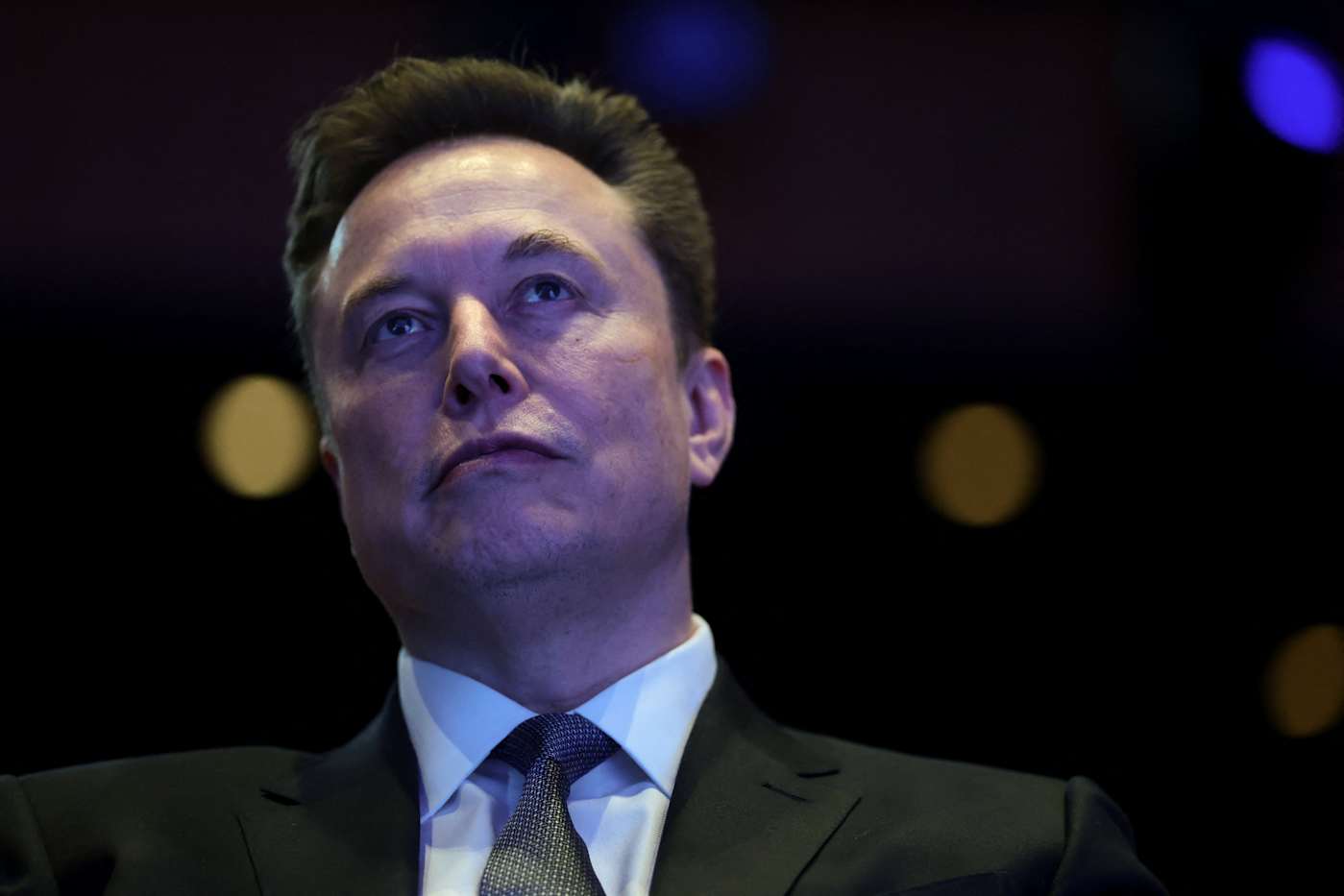
Elon Musk misled investors during his Twitter takeover, jury finds

A group of former Twitter investors have prevailed at a federal civil trial over Elon Musk's actions amid his $44 billion acquisition of the social platform in 2022. A jury in San Francisco found Friday that tweets made by Musk about fake accounts on the platform had defrauded investors in the company. The jury sided with Musk on other allegations in the case. 

It's not yet clear how much Musk will owe in damages as a result of the case but, as the Associated Press reports, it could amount to billions of dollars. Jurors calculated that shareholders should get "between about $3 and $8 per stock per day." 

The class action lawsuit, one of several brought against Musk in the months following his takeover of the company, cited Musk’s tweets about fake accounts on the platform. Facing a sinking Tesla share price in the days after announcing he would buy Twitter for $54.20 a share, the suit said Musk made tweets and statements that were intentionally meant to drive down Twitter's share price in an attempt to renegotiate or exit the deal. 

The suit called out Musk's May 13, 2022, tweet that claimed the Twitter deal was "temporarily on hold" due to the number of fake accounts and bots on the platform, as well as one a few days later that suggested fake accounts might account for more than 20 percent of users. Twitter's stock dropped significantly following the May 13 tweet.

During the trial, Musk said the tweets were him "speaking his mind" and maintained that Twitter executives had "lied" about the number of bots on the platform, according to KQED. Former Twitter shareholders, on the other hand, said "they sold shares at deflated prices amid Musk’s public waffling." 

Musk faced several lawsuits during and after his $44 billion takeover of the company. That includes other shareholder lawsuits related to his delay in disclosing his stake in the company, as well as one from former executives related to unpaid severance benefits (Musk later settled those claims). He also narrowly avoided a trial over his attempts to back out of the deal. 


This article originally appeared on Engadget at https://www.engadget.com/social-media/elon-musk-misled-investors-during-his-twitter-takeover-jury-finds-232033028.html?src=rss

©

  •  

Pinterest CEO says teens under 16 should be banned from social media (but not Pinterest)

Pinterest's CEO has thrown his support behind an Australia measure banning social media for younger teens and is calling for governments around the world to implement similar bans. "Social media, as it’s configured today, is not safe for young people under 16," Ready writes in a piece published by Time. "We need a clear standard: no social media for teens under 16, backed by real enforcement, and accountability for mobile phone operating systems and the apps that run on them."

Ready is one of the highest-profile tech CEOs to come out in favor of a broad ban on social media for teens. That may also seem like a bold stance for someone who runs a platform with a user base that's more than 50 percent Gen Z, but Ready doesn't think that ban should apply to Pinterest. Pinterest, as he notes, already bars teens under 16 from accessing messaging features and other social features. It also makes teen accounts private by default. 

A spokesperson for Pinterest confirmed the company has no plans to change its own policies regarding users under 16, and said Pinterest considers itself a "visual search platform" not social media. Pinterest, like most social media and social media-adjacent companies, doesn't allow users under 13 to sign up. 

Social media or not, Pinterest has encountered child safety-related issues in the past. In 2023, NBC News reported that Pinterest's recommendation algorithm was surfacing photos and videos of young girls to adults who were "seeking" such content. Some of those users had created Pinterest boards featuring images of young girls with titles like "sexy little girls," their investigation found. The company made profiles for teens under 16 private and "not discoverable" six months later. 

According to Ready, Pinterest's popularity with younger users is proof its policies are also good for the company's business. "Our experience shows that prioritizing safety and well-being doesn’t push young people away; it builds trust," he writes.

This article originally appeared on Engadget at https://www.engadget.com/social-media/pinterest-ceo-says-teens-under-16-should-be-banned-from-social-media-but-not-pinterest-211630443.html?src=rss

©

  •  

Meta will move away from human content moderators in favor of more AI

A little more than a year after ditching third-party fact checkers and rolling back much of its proactive content moderation, the company says it will further "transform" its approach by drastically reducing the number of human moderators in favor of AI-based systems. The company says the change will happen "over the next few years," and will allow the company to catch more issues faster than its current approach. 

Meta didn't say how much of its contract workforce might be cut as it makes this transition. The company employs thousands of contractors around the world to review content flagged by its AI systems and user reports among other tasks. The company said that as it shifts its approach humans will "play a key role" in "critical decisions" and aid in training and other tasks.

"Experts will design, train, oversee, and evaluate our AI systems, measuring performance and making the most complex, high‑impact decisions," Meta said in an update. "For example, people will continue to play a key role in how we make the highest risk and most critical decisions, such as appeals of account disablement or reports to law enforcement."

The company has been testing LLM-based systems for content moderation for a while and says that early tests have had "promising" results. Another advantage is that its AI can handle languages used by "98% of people online," compared with the 80 languages currently supported by its moderation capabilities. 

While Meta says its underlying rules aren't changing, the new approach could dramatically change users' perception of how Meta enforces its policies. The company already relies heavily on AI for certain rules, and many users believe that these systems make too many mistakes and make it difficult for their appeals to reach a set of human eyes. On the other hand, Meta, which stands to save a lot of money if it significantly downsizes its contract workforce, says its new systems make "fewer over-enforcement mistakes" and catch more of the most "severe" violations. 

In the nearer term, Meta is introducing an AI powered "support assistant" that will help users with certain types of account issues. The chatbot, which is rolling out now in the Facebook and Instagram app, will be able to help users report content and manage appeals, reset passwords and manage other account settings. It will also be able to help people who get locked out of their accounts "starting with select cases in the US and Canada."


This article originally appeared on Engadget at https://www.engadget.com/social-media/meta-will-move-away-from-human-content-moderators-in-favor-of-more-ai-183000435.html?src=rss

©

  •  

Meta's latest creator push comes with $3,000 bonuses for posting on Facebook

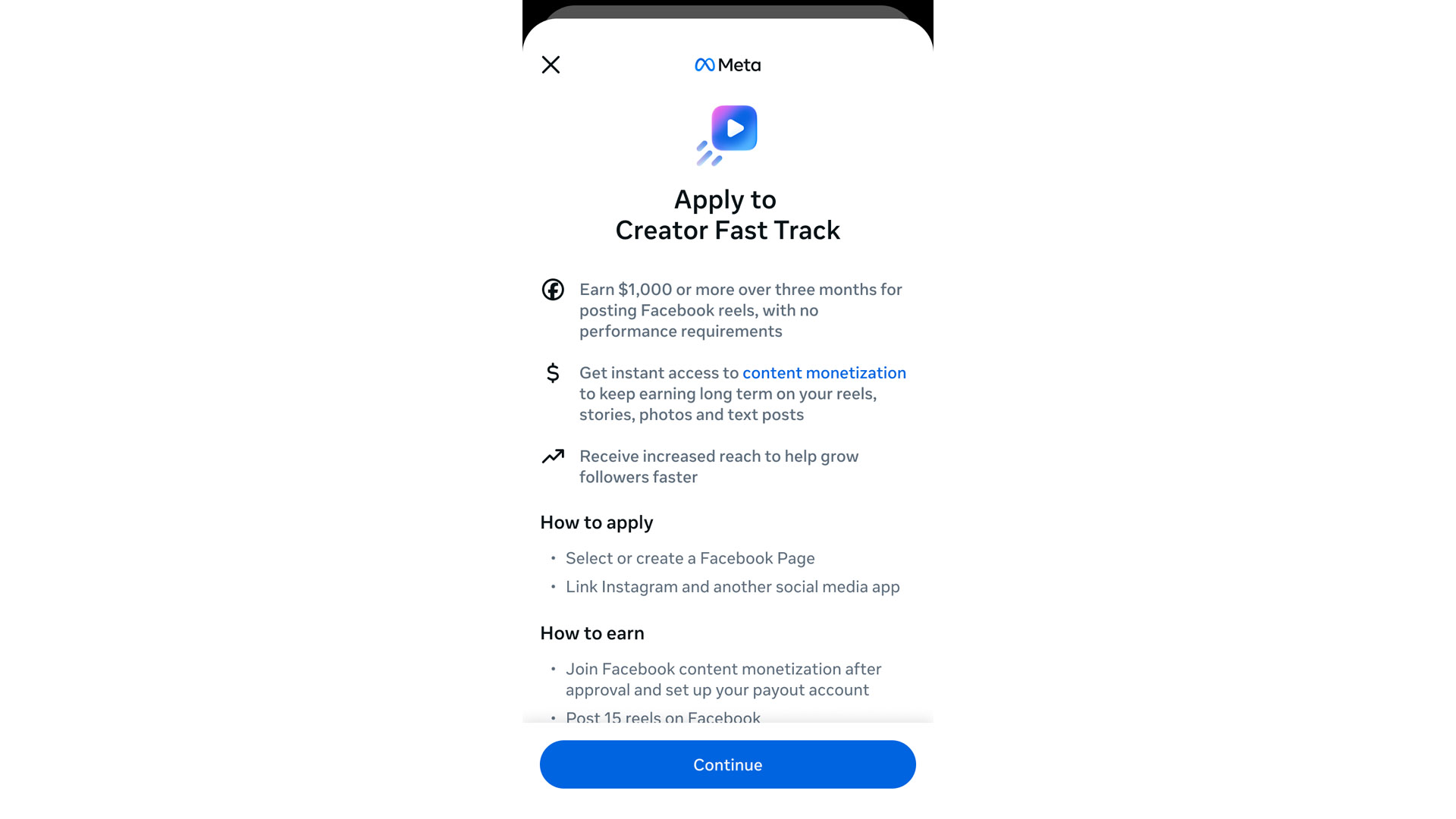
Stop me if you've heard this before: Meta has a new program to lure top creator talent to Facebook and it comes with hefty bonus payments. The company is launching a new initiative aimed at popular creators who already have large followings on TikTok, YouTube or Instagram and offering them bonuses up to $3,000 a month just for posting on Facebook.

Meta's goal is to draw more top talent to its Content Monetization program, which pays creators based on views and other engagement metrics across Stories, Reels and posts. The new bonuses will be part of an initiative Meta has dubbed "Creator Fast Track," which is meant to make the onboarding process easier — and more enticing — to Facebook newcomers.

Under the new "Fast Track" program, Meta is offering monthly bonuses of $1,000 to creators who have at least 100,000 followers on another platform and $3,000 for those that have a million or more. Creators who join will need to post a minimum number of Reels per month to earn the bonuses, but aren't required to meet engagement targets or post exclusive content to earn. They also aren't limited to video content as Facebook also rewards text and photo posts, as well as Stories. 

That may sound like a pretty good deal (it is), but it's also a limited one. The fast track bonuses will only last for three months. Creators should think of the bonuses as payment "for the hassle of starting on a new platform," not the central part of the program, Meta's VP of Product for Creators, Yair Livne, tells Engadget. "Our hope is that within a few months … the earnings that you see from Facebook Content Monetization will become the more important thing." He also notes that Meta will boost the reach of creators it fast-tracks, which should help them speed up their earning potential. 

Creators can apply for the new program in Facebook's app.
Meta

It's far from the first time Facebook has sought to lure big names with big checks. It promised publishers big payouts when it launched Facebook Watch nearly a decade ago. It once courted game streamers for its (now defunct) Twitch competitor. A year after launching Reels to take on TikTok, it invested $1 billion in a bonus program that offered creators as much as $35,000 a month only to pull the plug in 2023.  

Livne acknowledged that it "took us a long time to find our path" to a more sustainable creator program. "We don't have a pool structure so you're not competing with other creators for dollars. It really is based on your performance." 

There are already signs that the Facebook Content Monetization program, which it introduced in the fall of 2024, is working — at least for some. Meta says it paid Facebook creators nearly $3 billion in 2025, a new high for the social network. Creators have also reported that the new streamlined program is paying off. 

One political news creator told the newsletter Chaotic Era that they made $250,000 from Facebook in January alone. Publishers told Digiday last year that they expected to make "between six and seven figures" in 2025 thanks to the program. There are numerous recent posts in Reddit's r/passiveincome forum where users report making five figures a month from the program, which is still invitation only. 

Livne agrees that Facebook's monetization program has been something of a "well kept secret" in the creator community. "We're trying to make it less well kept and less of a secret." 

Are you in Facebook's Content Monetization Program, Creator Fast Track or another creator program at Meta? You can reach Karissa by email, on X, Bluesky, Threads, or send a message to @karissabe.51 to chat confidentially on Signal.


This article originally appeared on Engadget at https://www.engadget.com/social-media/metas-latest-creator-push-comes-with-3000-bonuses-for-posting-on-facebook-160000283.html?src=rss

©

  •  

Spotify’s new Taste Profile feature lets users fine-tune their algorithm’s recommendations

You're responsible for your own Spotify algorithm now. On stage at SXSW, Spotify's co-CEO, Gustav Söderström, announced the Taste Profile feature, which allows users to personally customize exactly what they want to listen to, whether it's music, audiobooks or podcasts. This AI-powered feature is still in beta, and it will be available to Premium users in New Zealand in the coming weeks.

From its short video demo, Spotify's Taste Profile feature will show you a summary of your listening habits and offer a "Tell us more" prompt at the bottom. With the new prompt, users can inform the AI what they want to see more of or if they want to get rid of a genre that keeps popping up in their algorithm. Spotify said that the Taste Profile will take into consideration more ambiguous prompts, too, like if you're training for a marathon and want upbeat music or want to listen to news podcasts during your commute to work. Spotify added that Taste Profile is an optional feature, and unwilling users can "leave it and enjoy Spotify as usual."

With Taste Profile, Spotify is continuing its momentum of offering AI features, like the Prompted Playlist feature that was made available last month. Unlike the existing AI Playlist feature, Prompted Playlist lets you put in specific requests to generate a playlist, like only including songs from a specific TV show. Like Taste Profile, the Prompted Playlist feature saw beta testing in New Zealand first, before expanding to US and Canadian users a month later.

This article originally appeared on Engadget at https://www.engadget.com/entertainment/music/spotifys-new-taste-profile-feature-lets-users-fine-tune-their-algorithms-recommendations-191104626.html?src=rss

©

© Spotify

Spotify will let users edit their listening preferences for music, podcasts and audiobooks with the Taste Profile feature.
  •  

Meta is buying Moltbook, the ridiculous social network populated by AI bots

Meta is snapping up Moltbook, a Reddit-like social network for AI agents that has been around since January and remains completely ridiculous. The company hasn't disclosed the terms of the deal.

Moltbook and its creators Matt Schlicht and Ben Parr will be joining Meta Superintelligence Labs (MSL) when the deal closes. That's expected to happen in the coming days, according to Axios.

“The Moltbook team joining MSL opens up new ways for AI agents to work for people and businesses," a Meta spokesperson told TechCrunch. "Their approach to connecting agents through an always-on directory is a novel step in a rapidly developing space, and we look forward to working together to bring innovative, secure agentic experiences to everyone.”

It seems current Moltbook users will be able to continue interacting with the platform for the time being. Moltbook was built on the back of OpenClaw, a tool that enables people to whip up AI agents that can interact with dozens of different apps. (OpenAI hired the creator of OpenClaw last month.)

Schlicht used OpenClaw to create a bot named “Clawd Clawderberg” and asked it to create a social network for AI agents. And that's how Moltbook came to be.

For what it's worth, Clawd Clawderberg is a play on "Mark Zuckerberg" and Moltbook is a clear riff on "Facebook," so it’s somewhat fitting that Schlicht vibe-coded his way to a job at Meta. It also emerged that it was relatively easy for humans to pose as AI agents and post on Moltbook. Again, all of this is deeply, deeply absurd.

This article originally appeared on Engadget at https://www.engadget.com/ai/meta-is-buying-moltbook-the-ridiculous-social-network-populated-by-ai-bots-152732453.html?src=rss

©

  •  

The 10 best sleep apps and gadgets for a better night's sleep in 2026

Tech has a bad (and deserved) reputation as a sleep killer. Blue light, incessant scrolling and information onslaught conspire to keep us on edge and exiled from dreamland. But a few gadgets and apps out there may actually help us sleep. We’ve tried many such products over the years and have gathered the ones that actually did some good in this list. But first, take the arguably most important step towards good sleep: Use the sleep schedule on your phone (Android, iPhone). Once you’ve done that, check out the best sleep gadgets below and prepare to shuffle off to the land of nod. 

Best sleep apps and gadgets

This article originally appeared on Engadget at https://www.engadget.com/the-10-best-sleep-apps-and-gadgets-for-a-better-nights-sleep-in-2026-114742582.html?src=rss

©

© Hatch / Engadget

Best sleep tech
  •  

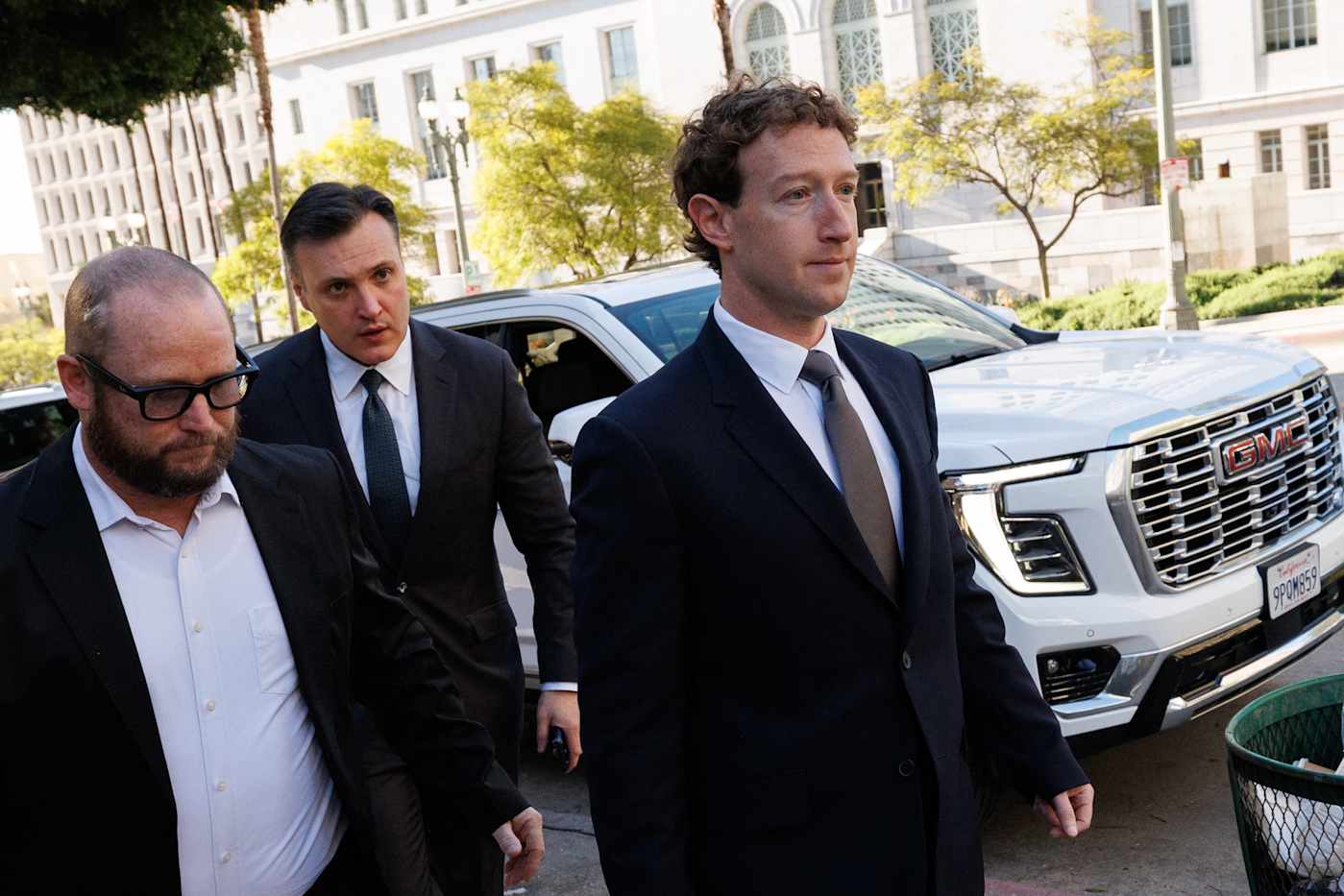
Mark Zuckerberg downplays Meta's own research in New Mexico child safety trial

Jurors in a New Mexico child safety trial heard testimony from Meta CEO Mark Zuckerberg today. During pre-recorded testimony, Zuckerberg was repeatedly asked about the company's understanding of social media addiction and other issues that had been studied by its researchers. 

During the deposition, which was recorded last March, Zuckerberg was asked about numerous findings from researchers at Meta who studied how the company's apps affect users and teens. The CEO downplayed the significance of many of these documents.

Early in the testimony, which was viewed by Engadget on Courtroom View Network, Zuckerberg was questioned about a document on the effect of feedback on Facebook users. The document stated that "contributors on Facebook are likely to learn to associate the act of posting with feedback" which will "lead contributors to seek rewards by visiting the site more often.” Zuckerberg said he wasn’t “sure if that's actually how it works in practice, but I agree that you're summarizing what they appear to be saying.”

Later, the CEO was questioned about a document that graphed the proportion of 11 and 12-year-olds who were monthly active users on Instagram. The chart indicated that at the time, around 20 percent of 11-year-olds were monthly users of the service. "I agree that the graph says that, I am not familiar with what methodology we were using to estimate this," Zuckerberg said. "I assume that if we had direct knowledge that any given person was under the age of 13, that we would have them removed from our services."

New Mexico's attorney general sued the company in 2023 for alleged lapses in child safety, including facilitating predators' access to minors and building features it knew were addictive. In court, Meta's lawyers and executives have disputed the idea that social media should be considered an "addiction." In public statements, the company has said that lawsuits have relied on "cherry-picked quotes and snippets of conversations taken out of context" and that it "has consistently put teen safety ahead of growth for over a decade."

As with his recent testimony in a separate trial over social media addiction in Los Angeles, Zuckerberg repeatedly rejected the "characterization" of questions that were posed to him. And he said that Meta's goal was to make its apps "useful" rather than to increase the amount of time people spend with them. 

Zuckerberg was also questioned about a document written by a company researcher that stated "there is increasing scientific evidence, particularly in the US, … that the average net effect of Facebook on people's well being is slightly negative." The CEO said that "my understanding is that the general consensus view is not that."

It's not the first time a Meta executive has tried to downplay the significance of internal research. The company used a similar strategy in 2021 after former employee turned whistleblower Frances Haugen disclosed documents showing that Facebook's researchers had found that Instagram made some teen girls feel worse about themselves.

Zuckerberg's testimony was played one day after jurors heard recorded testimony from Instagram chief Adam Mosseri. The exec was also asked about Haugen's disclosures and Meta's response to them. Some of those disclosures were based on "problematic research," he said. "Most research is surveys. We run hundreds of surveys every month."

This article originally appeared on Engadget at https://www.engadget.com/social-media/mark-zuckerberg-downplays-metas-own-research-in-new-mexico-child-safety-trial-222924340.html?src=rss

©

  •  

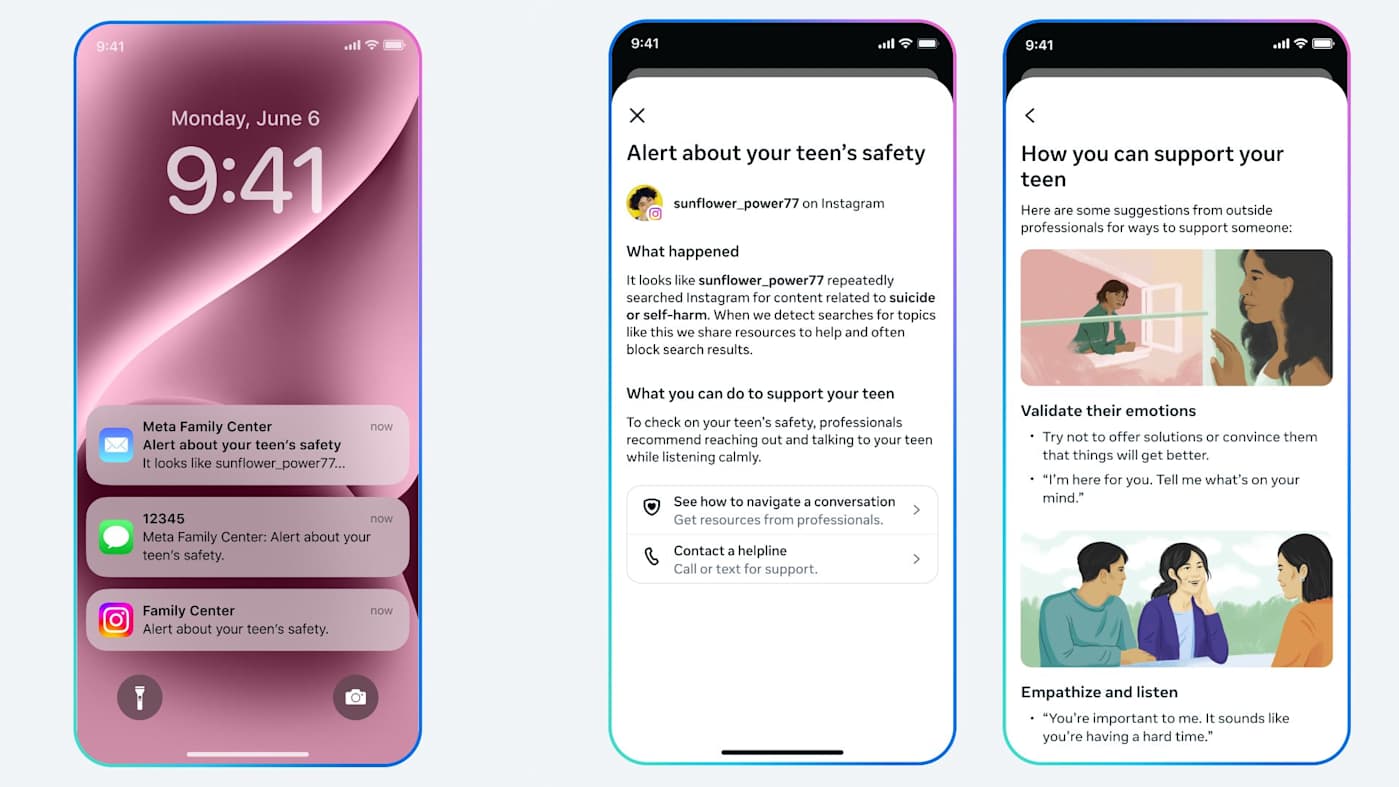
Instagram will alert parents if teens repeatedly search for suicide or self-harm content

Instagram is adding a new alert for the parents of teen users of its social media platform. The network will alert the adult if their child repeatedly searches for terms about suicide or self-harm in a short time frame. From that notification, the parent will optionally be able to access resources for having conversations with their teen about these topics. These alerts will begin rolling out for parental supervision users in the US, UK, Australia and Canada next week, with later regions to be added in the future.

"We chose a threshold that requires a few searches within a short period of time, while still erring on the side of caution," Instagram's blog post explains. "While that means we may sometimes notify parents when there may not be real cause for concern, we feel — and experts agree — that this is the right starting point, and we’ll continue to monitor and listen to feedback to make sure we’re in the right place." 

The platform reiterated that search results for terms connected to suicide and self-harm are blocked for teen younger users, and content about those topics is not shown to them under its current policies. Instagram also noted that a similar parental alert feature is in the works for its AI tools, but news on that isn't expected until later this year.

This article originally appeared on Engadget at https://www.engadget.com/social-media/instagram-will-alert-parents-if-teens-repeatedly-search-for-suicide-or-self-harm-content-120000156.html?src=rss

©

  •  

Snap is hosting its own creator awards show

It seems like any and every industry can have its own awards show these days. And why not? Most of us appreciate a chance to bust out the sequins and satin from time to time. If you can celebrate excellent work or make some extra biz dev bucks at the same time, all the better. Snap is the latest social media company to launch its own take on the glitz and glam. The Snappy Awards Show will be held at the company's headquarters on March 31. Comedian and content creator Matt Friend will host the event.

Snapchat has been adding more tools for influencers to build audiences, most recently launching individual creator subscriptions. An awards show seems to be part of that same agenda, spotlighting popular personalities from many different fields. There will be Snappys handed out for categories such as Spotlight MVP, Best Storyteller and Breakout Creator of the Year, plus awards for collaboration, cultural impact and success in single subjects.

Snapchat isn't the first social media platform to honor the personalities using it. TikTok hosted its inaugural awards show in the US last year.

This article originally appeared on Engadget at https://www.engadget.com/social-media/snap-is-hosting-its-own-creator-awards-show-221859681.html?src=rss

©

  •  

YouTube's Premium Lite tier gets background play and downloads

YouTube is adding new features to its Premium Lite plan. The tier will offer background play and downloads for the mostly ad-free plan. The update comes a year after YouTube first launched the lower-cost plan.

The Premium Lite tier is notable because for $8 per month you get most videos ad-free, emphasis on most. Currently, it still uses ads for YouTube music (along with random other videos), but the new update is bringing more Premium tier features without the $14 per month price tag.

As a Lite user, you will be able to use background play on most videos. Notably, this announcement comes less than a month after Google cracked down on free workarounds to access background play on YouTube. "Background playback is a feature intended to be exclusive for YouTube Premium members. While some non-Premium users may have previously been able to access this through mobile web browsers in certain scenarios, we have updated the experience to ensure consistency across all our platforms," Google told Android Authority. Now, it's for Premium Lite users as well.

YouTube Premium Lite users are also getting access to downloads. They can watch — here it comes again — most videos offline. These new features will roll out starting today and in the coming weeks to Premium Lite subscribers.

This article originally appeared on Engadget at https://www.engadget.com/entertainment/youtubes-premium-lite-tier-gets-background-play-and-downloads-170051755.html?src=rss

©

© YouTube

YouTube logo
  •  

LA County lawsuit accuses Roblox of exposing children to 'grooming and exploitation'

Los Angeles County has sued Roblox for "unfair and deceptive business practices," claiming the platform's moderation and age-verification systems are inadequate. "Roblox portrays its platform as a safe and appropriate place for children to play," the complaint states. "In reality, and as Roblox well knows, the design of its platform makes children easy prey for pedophiles." 

Representatives accused Roblox of failing to implement adequate platform safety features to prevent child endangerment. "Specifically, Roblox has not effectively moderated game content or enforced age-appropriate restrictions and warnings established by the creators, allowing the predatory and inappropriate language and interactions between users to persist," the County stated. It also said the platform failed to disclose any danger to children, including sexual content and the risk of predators. 

Roblox rejected the allegations, saying the platform was built around safety. "We have advanced safeguards that monitor our platform for harmful content and communications, and users cannot send or receive images via chat, avoiding one of the most prevalent opportunities for misuse seen elsewhere online," the company told the AFP. 

The LA county complaint is the latest in a string of lawsuits from US regions including Florida, Texas and Kentucky. The Attorney General in Louisiana also accused the company of having a "lack of safety protocols" that endanger the safety of children in favor of "growth, revenue and profits." That state's lawsuit cited a specific example of a subject arrested last year that used voice-altering tech to mimic a younger feminine voice to lure and sexually exploit young players.

Roblox has said that it has about 144 million daily active users around the world, with over 40 percent of them under the age of 13. However, it has faced repeated accusations that it doesn't do enough to protect young players. In 2024, Roblox banned players under 13 from accessing some types of in-game content and restricted their ability to message with other players outside of specific games. Last year, the company also began asking tens of millions of children to verify their age with a selfie. 

This article originally appeared on Engadget at https://www.engadget.com/gaming/la-county-lawsuit-accuses-roblox-of-exposing-children-to-grooming-and-exploitation-124523028.html?src=rss

©

© Reuters / Reuters

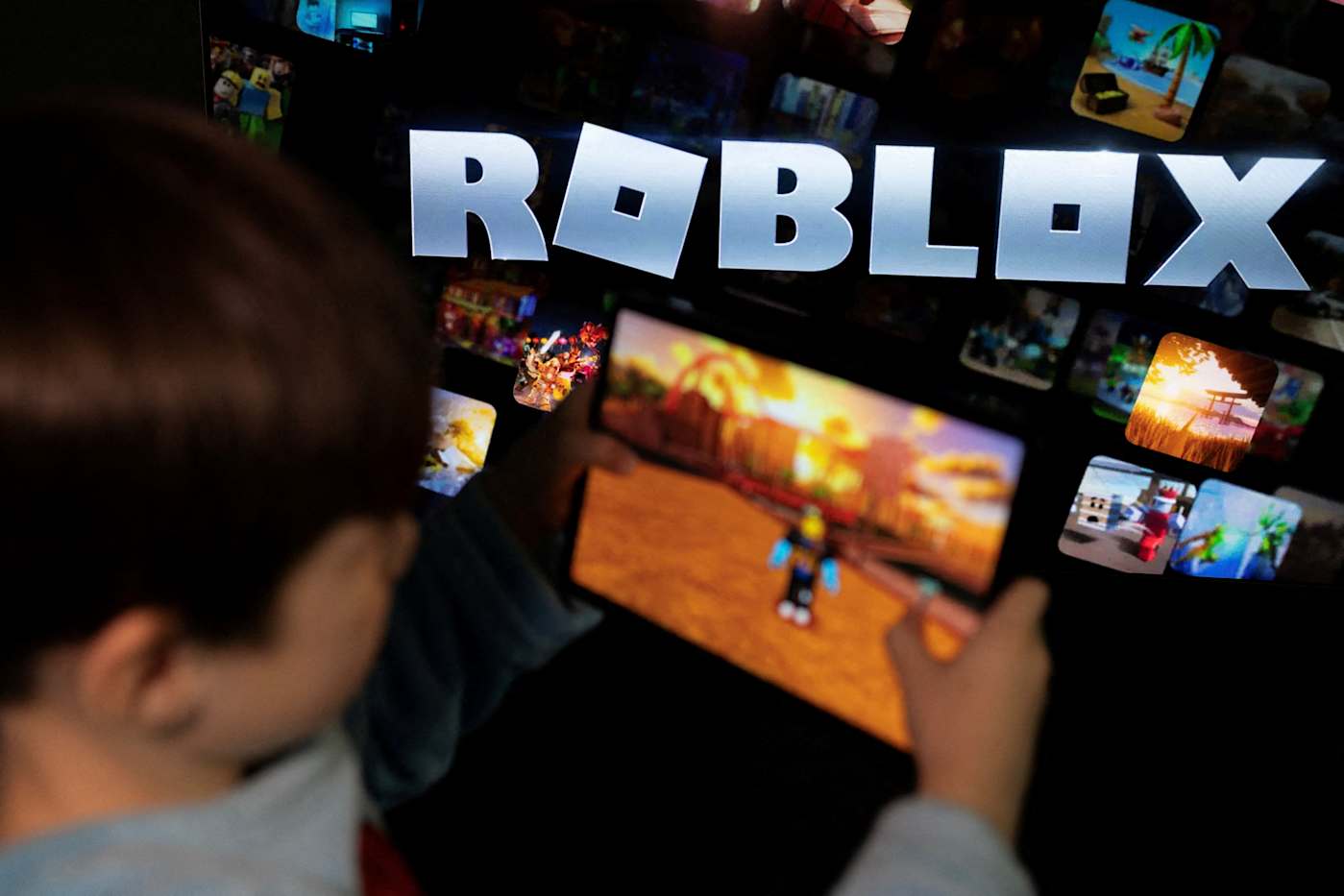
FILE PHOTO: A boy poses for a photo while holding a game pad in front of a screen displaying the logo of the U.S. children's gaming platform Roblox, in this illustration taken December 8, 2025. REUTERS/Ramil Sitdikov/Illustration/File Photo
  •  

Meta is shuttering Messenger’s standalone website, which is a thing that exists

Meta is shutting down the standalone Messenger website, according to a company help page. The website will disappear in April, though web users will still be able to send and receive messages within Facebook.

"After messenger.com goes away, you will be automatically redirected to use facebook.com/messages for messaging on a computer," the help page reads. "You can continue your conversations there or on the Messenger mobile app."

Users will be able to restore their chat history after switching to the app by entering a PIN number. This is the same PIN that was used to initially create a backup on Messenger. It can be reset for those who simply don't have the bandwidth to remember yet another six-digit code.

Many users have expressed discontent over the decision to shut down the standalone website, according to a report by TechCrunch. This is particularly true for those who have deactivated their Facebook accounts but continued to use Messenger.

This comes just a few months after Meta shut down Messenger's standalone desktop apps. At that time, Meta directed existing users to Facebook to continue using the service and not the dedicated Messenger website. In other words, the writing has likely been on the wall since October.

Messenger has had a long and storied history. The platform first launched as Facebook Chat all the way back in 2008. Facebook Messenger became a standalone app in 2011. The company has long-tried to make Messenger a thing outside of Facebook. It removed messaging capabilities from the main Facebook app in 2014 and began directing users to the Messenger app. Meta began reintegrating Messenger back into the Facebook app in 2023 and now here we are.

This article originally appeared on Engadget at https://www.engadget.com/apps/meta-is-shuttering-messengers-standalone-website-which-is-a-thing-that-exists-191808134.html?src=rss

©

© Unsplash / Mariia Shalabaieva

A logo.
  •  

YouTube is bringing the Gemini-powered 'Ask' button to TVs

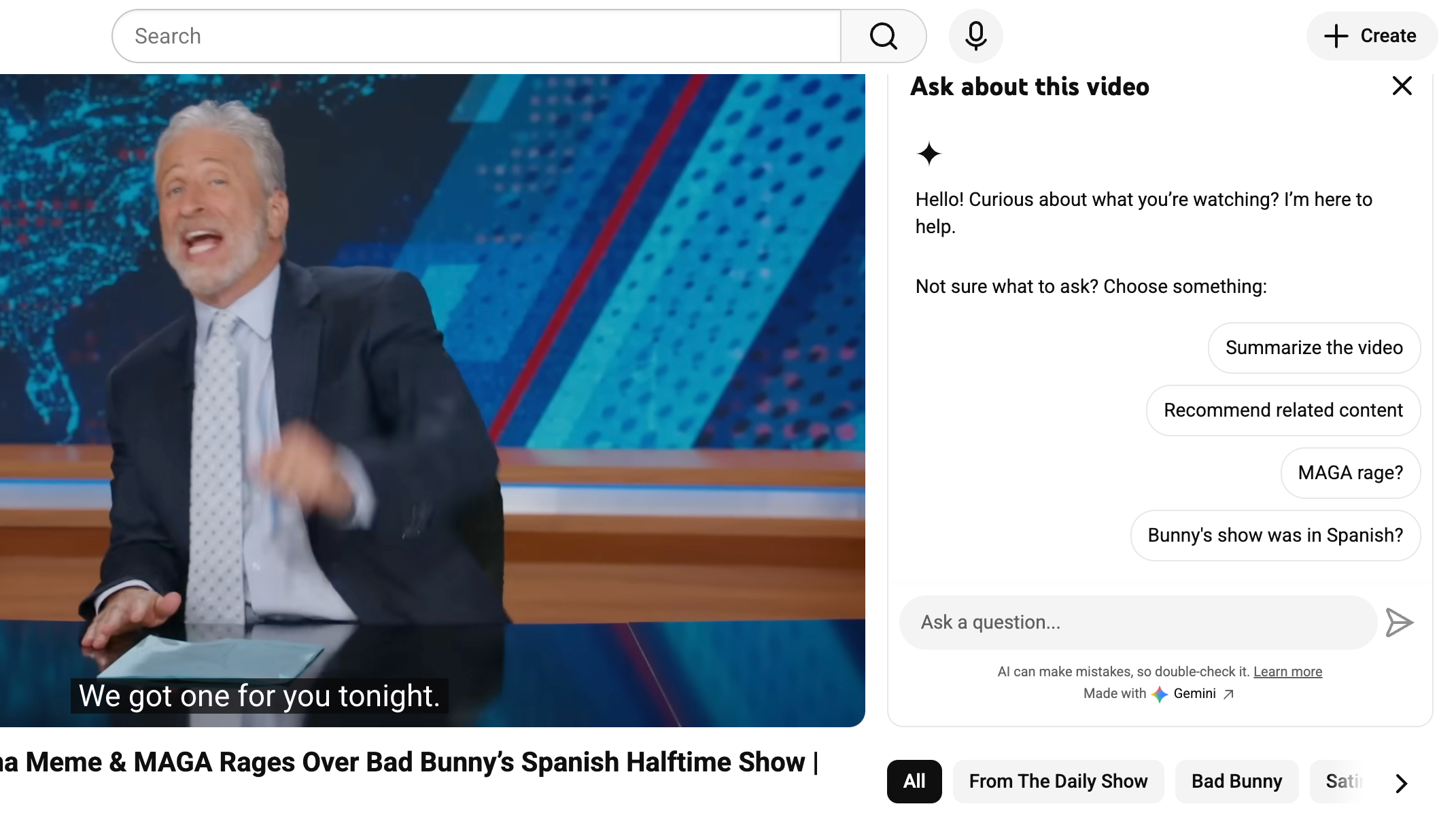
YouTube's "Ask" button is making its way to the living room. The Gemini-powered feature is now rolling out as an experiment on smart TVs, gaming consoles and streaming devices. 9to5Google first spotted a Google support page announcing the change.

Like on mobile devices and desktop, the feature is essentially a Gemini chatbot trained on each video's content. Selecting that "Ask" button will bring up a series of canned prompts related to the content. Alternatively, you can use your microphone to ask questions about it in your own words.

Screenshot of a Daily Show video on YouTube. The "Ask about this video" AI window is active to the right.
The "Ask about this video" feature on desktop
YouTube

Google says your TV remote's microphone button (if it has one) will also activate the “Ask” feature. The company listed sample questions in its announcement, such as "what ingredients are they using for this recipe?" and "what's the story behind this song's lyrics?"

The conversational AI tool is only launching for "a small group of users" at first. Google promises that it will "keep everyone up to speed on any future expansions."

This article originally appeared on Engadget at https://www.engadget.com/ai/youtube-is-bringing-the-gemini-powered-ask-button-to-tvs-173900295.html?src=rss

©

  •  

WordPress adds an AI assistant

Web designers of the world: The Automattic-owned WordPress.com is further embracing AI on its platform. On Tuesday, it expanded its one-off AI site builder into a persistent AI assistant for editing and media creation.

In the site editor, the AI assistant can help with site-wide structure and design choices. For example, you can ask the chatbot to "give me more font options that feel clean and professional or “change my site colors to be brighter and bolder." It also includes image generation and writing assistance, such as "rewrite this to sound more confident." (Who needs learning when you have automation!)

The assistant can also now be integrated into your site's media library. It can generate new images or make prompted edits to your existing ones. Examples include "update this image to be black and white" or "replace this stack of pancakes with waffles." (Just don't fake that if your business sells breakfast food, okay?) WordPress says the assistant understands your website's look and brand and can tailor the media accordingly.

WordPress also added the AI assistant to the platform's team chat, Block Notes. You can summon the chatbot from within your team chat threads.

The tool is available for WordPress.com's Business or Commerce plans. (Or, if you made your site using the AI builder, it's enabled by default, no matter which plan you use.) The feature works best with the platform's block themes; it's much more limited with classic ones. You'll find the toggle to activate the AI assistant in your site settings under the "AI tools" section.

This article originally appeared on Engadget at https://www.engadget.com/ai/wordpress-adds-an-ai-assistant-174719676.html?src=rss

©

  •  

Snapchat is rolling out creator subscriptions

Snapchat is taking a page out of Meta's handbook. The social media platform has announced it will launch creator subscriptions for users. Meta-owned Instagram and Facebook currently offer a similar feature. 

On Snapchat, creator subscriptions will give users access to exclusive content across Snaps and Stories. They will also get priority replies and go ad-free on stories. Snapchat pitches the new feature as great way to give creators "freedom to experiment" and "build a recurring income stream" — all good things for keeping people on your platform. 

Creators can choose exactly how much they want to charge subscribers per month. They can spread these figures out across Snapchat's recommended tiers. 

Snapchat creator subscriptions.
Snap

Starting February 23, select US-based Snapchat creators will be able to offer subscriptions. In the US, iOS users should then be able to subscribe to their accounts. The feature should expand to Canada, France, and the UK in the coming weeks. 

This article originally appeared on Engadget at https://www.engadget.com/social-media/snapchat-is-rolling-out-creator-subscriptions-152114731.html?src=rss

©

© ASSOCIATED PRESS

The icon for instant messaging app Snapchat is seen on a smartphone, Tuesday, Feb. 28, 2023, in Marple Township, Pa. (AP Photo/Matt Slocum)
  •  

Meta really wants you to believe social media addiction is 'not a real thing'

Meta went to court this week in two major trials over alleged harms facilitated by its platform. In New Mexico, the state's attorney general has accused the company of facilitating child exploitation and harming children through addictive features. In a separate case in Los Angeles, a California woman sued the company over mental health harms she says she suffered as the result of addictive design choices from Meta and others.

In both cases, Meta has disputed the idea that social media should be considered an "addiction." On the stand this week, Instagram chief Adam Mosseri said that social media isn't "clinically addictive," comparing it to being "addicted" to a Netflix show.

In opening statements in the New Mexico trial, Meta's lawyer Kevin Huff went further. He told the jury that "social media addiction is not a thing" because it's not in the Diagnostic and Statistical Manual of Mental Disorders (DSM), the handbook used by mental health professionals in the US.

"According to the American Psychiatric Association, they don't recognize the concept of social media addiction in the same way as addiction to drugs and alcohol," Huff said during opening arguments that were broadcast by Courtroom View Network. "What you see on the screen is what's called the DSM, which is basically the official manual for recognized mental disorders. The American Psychiatric Association studied this and decided that social media addiction is not a thing."

But the American Psychiatric Association (APA) has never said that social media addiction doesn't exist. The organization provides information and resources about social media addiction on its website. "Social media addiction is not currently listed as a diagnosis in the DSM-5-TR—but that does not mean it doesn’t exist," the APA said in a statement to Engadget.

Dr. Tania Moretta, a clinical pyschophysiology researcher who has studied social media addiction, agrees. "The absence of a DSM classification does not mean that a behavior cannot be addictive, maladaptive or clinically significant," she told Engadget. That argument, she said, "reflects a misunderstanding" of how psychiatry professionals define and classify conditions. "Diagnostic manuals formalize scientific consensus; they do not define the boundaries of legitimate scientific inquiry. Many maladaptive behaviors and clinically significant symptom patterns are studied and treated well before receiving official classification."

Meta's critics have long claimed that the company has profited from addictive features that hook children and teens. The trials in Los Angeles and New Mexico are just the start of several court battles over the issue. The social media company is also facing a high-profile trial with school districts in June, and lawsuits from 41 state attorneys general. 

Moretta said that social media addiction is a field that requires more study, but that there is already evidence that it can have harmful effects on some people. "At present, from a scientific perspective, there is documented evidence that social media use disorder is associated with both psychophysiological alterations, including changes in reward/motivational and inhibitory/regulatory systems, and clinically significant negative impacts on functioning (e.g., sleep disturbances, psychological distress, impairment in social, academic, or occupational domains)," she said. "The key question is not whether all social media use is addictive, but whether a subset of users exhibits patterns consistent with behavioral addiction models and whether specific platform design features may exacerbate vulnerability in predisposed individuals."

Both trials are ongoing and expected to last the next several weeks. In New Mexico, jurors have already heard from former employee turned whistleblower Arturo Bejar and former exec Brian Boland, both of whom have publicly criticized the company for not prioritizing safety. In Los Angeles, Mosseri's testimony has wrapped up, but Meta CEO Mark Zuckerberg is expected to testify next week. The trials will also feature extensive internal documents from Meta, including details about the company's own research into the mental health impacts of its platform on young people.

This article originally appeared on Engadget at https://www.engadget.com/social-media/meta-really-wants-you-to-believe-social-media-addiction-is-not-a-real-thing-130000257.html?src=rss

©

  •  

Meta turned Threads algorithm complaints into an official feature

Threads users have been complaining about its recommendation algorithm pretty much since the beginning of the platform. At some point, this turned into a meme, with users writing posts jokingly addressed to the algorithm in which they requested to see more posts about the topics they're actually interested in.

Now, Meta is turning those "Dear algorithm" posts into an official feature that it says will allow Threads users to tune their recommendations in real time. With the change, users can write a post that begins with "dear algo" to adjust their preferences. For example, you could write "dear algo, show me more posts about cute cats." You can also ask to see fewer posts about topics you don't want to see, like "dear algo, stop showing me posts about sick pets."

You can track your requests to the algorithm in the app's settings in order to revisit them or remove them. You can also retweet other users' "dear algo" posts to have those topics reflected in your feed. Importantly, "dear algo" requests are temporary and only last for three days at a time, which Meta says is meant to keep the algorithm feel fresher and more flexible.  

The rollout of the feature follows a limited test late last year. Now, "dear algo" posts will work for Threads users in the US, UK, Australia and New Zealand with more countries coming "soon."

This article originally appeared on Engadget at https://www.engadget.com/social-media/meta-turned-threads-algorithm-complaints-into-an-official-feature-180000236.html?src=rss

©

  •  

YouTube Music starts limiting lyrics for free users

YouTube Music has started putting lyrics — a previously free feature introduced in 2020 — behind a paywall, according to multiple users and 9to5Google. In the latest update, the “Lyrics” tab in the Now Playing screen displays a warning message: “You have [x] views remaining. Unlock lyrics with Premium.” Free users get lyrics for five songs, then after that, will only see a few lines before the rest of the song is blurred.

Google has been testing the feature since at least September with a limited number of users, according to previous reports. It’s been speculated that YouTube may have made the change to recuperate costs spent with lyric aggregators like Musixmatch. Spotify also put lyrics behind its Premium paywall in 2024, but a user backlash forced it to reinstate the feature for free users.

Google has yet to confirm the change, and while it appears to be a larger rollout, the feature change could still be in testing. YouTube Music’s Premium subscription costs $10.99 in the US with ad-free playback, offline downloads, AI features and more — the same as its main rivals Spotify, Apple Music and Amazon Music.

This article originally appeared on Engadget at https://www.engadget.com/entertainment/music/youtube-music-starts-limiting-lyrics-for-free-users-101258311.html?src=rss

©

  •  
❌