❌

Normale Ansicht

Live Nation settlement avoids breakup with Ticketmaster

To keep Ticketmaster, Live Nation is going to have to make some major changes. As first reported by Politico, Live Nation reached a settlement with the Department of Justice in its antitrust case that accused the live entertainment giant of monopolistic practices. Live Nation will reportedly pay at least $200 million in damages to states that were part of the lawsuit filed in May 2024, but avoid selling off Ticketmaster.

Live Nation will also be required to make a few changes to its business practices. According to NBC News, Ticketmaster, a subsidiary of Live Nation, will be required to create a "standalone ticketing system" that allows third-party competitors like SeatGeek and Eventbrite to sell tickets on.

The settlement aims to loosen some of Live Nation's control over venues as well. 13 amphitheaters that Live Nation previously had exclusive booking arrangements with will move to an open booking model which will let other promotors book at the venues. The company is also prohibited from retaliating against venues that choose another ticket seller over Ticketmaster.

The settlement comes less than a week after the case went to trial. While the matter may be concluded with the Justice Department, many of the states' attorneys general who were part of the lawsuit will be continuing their legal action separately.

"The settlement recently announced with the U.S. Department of Justice fails to address the monopoly at the center of this case and would benefit Live Nation at the expense of consumers," New York State Attorney General Letitia James wrote in a press release. "We will continue our lawsuit to protect consumers and restore fair competition to the live entertainment industry." 26 other attorneys general signed onto continuing the lawsuit with James.

Update, March 10, 2026, 11:37AM ET: This story was updated to clarify that Live Nation moved to an open booking model with 13 venues that it previously had exclusive booking rights with. Those venues were not owned by Live Nation.

This article originally appeared on Engadget at https://www.engadget.com/entertainment/music/live-nation-settlement-avoids-breakup-with-ticketmaster-155031214.html?src=rss

©

© REUTERS / Reuters

FILE PHOTO: Live Nation Entertainment and Ticketmaster logos are seen in this illustration taken May 23, 2024. REUTERS/Dado Ruvic/Illustration//File Photo
  •  

EA laid off staffers across Battlefield studios to 'better align' its teams

EA axed an undisclosed number of employees across the game studios behind the Battlefield franchise. As first reported by IGN, EA told affected employees that the layoffs were part of a "realignment" across the Battlefield studios, which include Dice, Criterion, Ripple Effect and Motive Studios. When asked about the report, an EA spokesperson said in a statement that "we’ve made select changes within our Battlefield organization to better align our teams around what matters most to our community."

IGN reported that all the involved studios will remain operational, but the layoffs will affect multiple offices. The shake-up may come as a surprise to staffers, especially after Battlefield 6 racked up more than seven million copies sold in the first three days following its release in October. EA even called the latest Battlefield title the "best-selling shooter title of 2025" in its third quarter report for FY26, which disclosed the company's net revenue of more than $1.9 billion for the quarter.

"Battlefield remains one of our biggest priorities, and we’re continuing to invest in the franchise, guided by player feedback and insights from Battlefield Labs," an EA spokesperson also said in a statement.

Despite being one of EA's most popular franchises, Battlefield isn't the only one to suffer staffing cuts. Full Circle, the developer behind the skate. that's also owned by EA, also announced layoffs and "restructuring" in February. However, EA isn't the only company in the industry to look at downsizing its personnel. Ubisoft said it was planning to get rid of up to 200 jobs in its Paris office earlier this year and Microsoft announced it would cut thousands of jobs, including within its Gaming division, in July. 

This article originally appeared on Engadget at https://www.engadget.com/gaming/ea-laid-off-staffers-across-battlefield-studios-to-better-align-its-teams-173617672.html?src=rss

©

© EA

Promotional image of Battlefield 6's latest update with 5.11 gear.
  •  

NetEase is reportedly pulling funding for Yakuza creator's studio

The hype for Gang of Dragon, the debut game from Nagoshi Studio, may already be getting derailed. According to a Bloomberg report, Chinese tech giant NetEase is going to stop financing Nagoshi Studio starting in May. Bloomberg confirmed the news with the studio's employees and a NetEase spokesperson.

The report explained that NetEase decided to cut funding to Nagoshi Studio, which was founded in 2021 by Yakuza franchise creator Toshihiro Nagoshi, after finding out the studio needed $44.4 million to complete the project. Bloomberg reported that Nagoshi Studio is trying to find new sponsors but hasn't had any success so far. The report also added that the studio can continue the project on its own, but would be responsible for paying NetEase for any associated costs to hold onto the brand or assets.

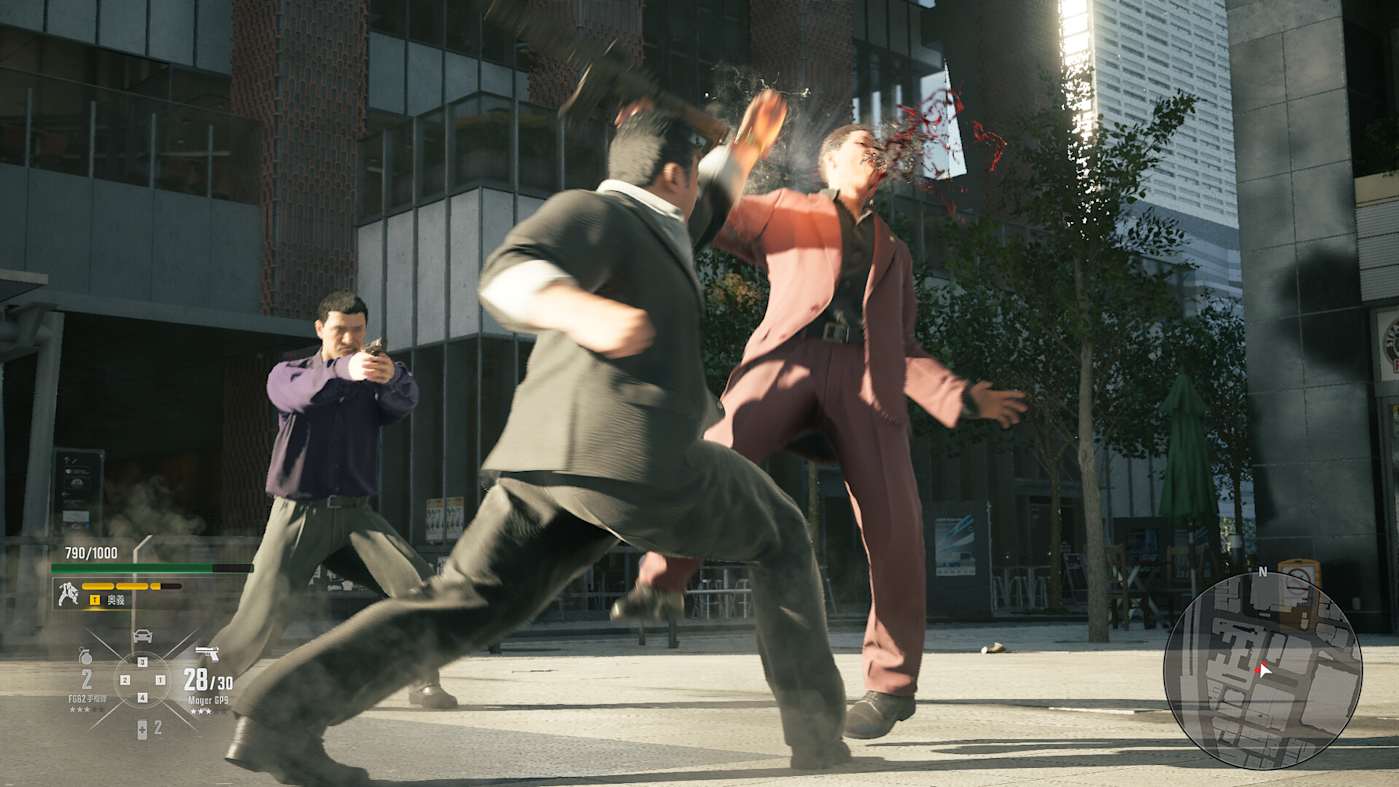
While Nagoshi Studio may have been working on Gang of Dragon since the studio's creation, the general public got a better look at the title through a trailer announcement during The Game Awards 2025. The action-adventure game set in Tokyo would star Ma Dong-Seok, a South Korean actor who starred in Train to Busan and Marvel's Eternals. As of now, Nagoshi Studio might be at risk of joining other casualties stemming from NetEase's executive decisions, like when the tech giant decided to shut down Ouka Studio in 2024.

This article originally appeared on Engadget at https://www.engadget.com/gaming/netease-is-reportedly-pulling-funding-for-yakuza-creators-studio-182945690.html?src=rss

©

© Nagoshi Studio

Screenshot of gameplay in Gang of Dragon with protagonist punching someone
  •  

Apple is reportedly looking into 3D printing aluminum iPhones and Apple Watches

There could be even more 3D-printed Apple products coming in the future. According to Bloomberg's Mark Gurman, Apple is exploring ways to 3D print aluminum to make the manufacturing processes for iPhones and Apple Watches more efficient.

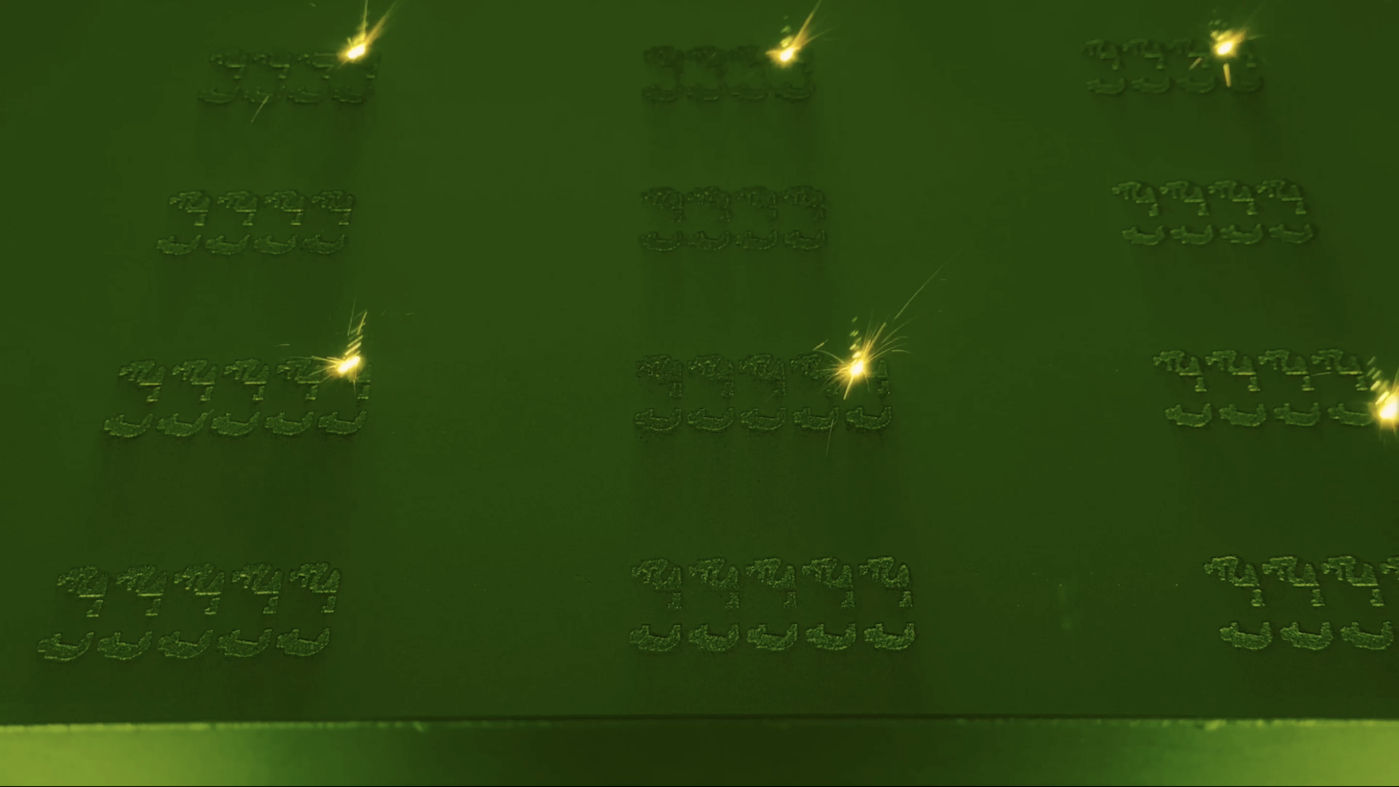
Gurman reported that this new production process could specifically change how Apple makes its watch casings as well as iPhone enclosures. It's not the first time Apple has tapped into 3D printing, since both the Apple Watch Ultra 3 and Series 11 were partially built with 3D-printed titanium that's 100 percent recycled. More recently, Apple used its 3D printing process to create the titanium USB-C port for the iPhone Air, which was touted as thinner, stronger and more environmentally friendly.

While Apple is reportedly only looking into 3D-printed aluminum right now, it could possibly result in an overall cheaper manufacturing process and lower starting prices for iPhones. Looking at Apple's just-announced MacBook Neo, the company introduced a new manufacturing process that saves on the amount of aluminum used, helping to achieve the $599 starting price for its latest entry-level laptop. Like the colorful MacBook Neo, Gurman also reported that Apple is planning to use a "refreshed color palette" for its iMac reveal later this year.

This article originally appeared on Engadget at https://www.engadget.com/mobile/smartphones/apple-is-reportedly-looking-into-3d-printing-aluminum-iphones-and-apple-watches-163721491.html?src=rss

©

© Apple

A screenshot showing Apple's 3D printing process for Apple Watches
  •  

OpenAI's robotics hardware lead resigns following deal with the Department of Defense

OpenAI's robotics hardware lead is out. Caitlin Kalinowski, who oversaw hardware within the robotics division of OpenAI, posted on X that she was resigning from her role, while criticizing the company's haste in partnering with the Department of Defense without investigating proper guardrails. OpenAI told Engadget that there are no plans to replace Kalinowski.

Kalinowski, who previously worked at Meta before leaving to join OpenAI in late 2024, wrote on X that "surveillance of Americans without judicial oversight and lethal autonomy without human authorization are lines that deserved more deliberation than they got." Responding to another post, the former OpenAI exec explained that "the announcement was rushed without the guardrails defined," adding that it was a "governance concern first and foremost."

OpenAI confirmed Kalinowski's resignation and said in a statement to Engadget that the company understands people have "strong views" about these issues and will continue to engage in discussions with relevant parties. The company also explained in the statement that it doesn't support the issues that Kalinowski brought up.

"We believe our agreement with the Pentagon creates a workable path for responsible national security uses of AI while making clear our red lines: no domestic surveillance and no autonomous weapons," the OpenAI statement read.

Kalinowski's resignation may be the most high-profile fallout from OpenAI's decision to sign a deal with the Department of Defense. The decision came just after Anthropic refused to comply with lifting certain AI guardrails around mass surveillance and developing fully autonomous weapons. However, even OpenAI's CEO, Sam Altman, said that he would amend the deal with the Department of Defense to prohibit spying on Americans.

Correction, March 8 2026, 10:30AM ET: This story has been updated to correct Kalinowski's role at OpenAI to "robotics hardware lead" instead of "head of robotics."

This article originally appeared on Engadget at https://www.engadget.com/ai/openais-robotics-hardware-lead-resigns-following-deal-with-the-department-of-defense-195918599.html?src=rss

©

© OpenAI

OpenAI's post on X about its agreement with Department of War
  •  

OpenAI is reportedly pushing back the launch of its 'adult mode' even further

Here comes another disappointment for ChatGPT users. As first reported by Sources' Alex Heath, OpenAI is yet again delaying its "adult mode" for ChatGPT. A company spokesperson told Heath that "we're pushing out the launch of adult mode so we can focus on work that is a higher priority for more users right now."

More specifically, OpenAI's spokesperson said that things like "gains in intelligence, personality improvements, personalization, and making the experience more proactive" were being prioritized instead. However, the company still wants to release an adult mode, but it would "take more time," according to the company spokesperson.

The reveal of ChatGPT's adult mode dates back to October, when OpenAI's CEO, Sam Altman, posted on X that the company would roll out more age-gating as part of its "treat adults like adults" principle, adding that this would include "erotica for verified adults." Altman originally said this adult mode would be available in December, but an OpenAI exec later said during a December briefing that it would instead debut in the first quarter of 2026. 

With Q1 almost coming to a close, we no longer have a timeframe for when ChatGPT's adult mode will release. However, OpenAI began rolling out its age prediction tool in January, which may go hand-in-hand with the upcoming adult mode.

This article originally appeared on Engadget at https://www.engadget.com/ai/openai-is-reportedly-pushing-back-the-launch-of-its-adult-mode-even-further-213013801.html?src=rss

©

© Reuters / Reuters

The ChatGPT app icon on a smartphone in this illustration taken October 27, 2025. REUTERS/Dado Ruvic/Illustration
  •  

Indonesia announces a social media ban for anyone under 16

Following in the footsteps of Australia, Indonesia will be the latest country to limit social media usage for children under 16. Meutya Hafid, Indonesia's communication and digital affairs minister, announced that a new government regulation will require "high-risk" platforms to delete any accounts from Indonesia that are under 16, starting on March 28.

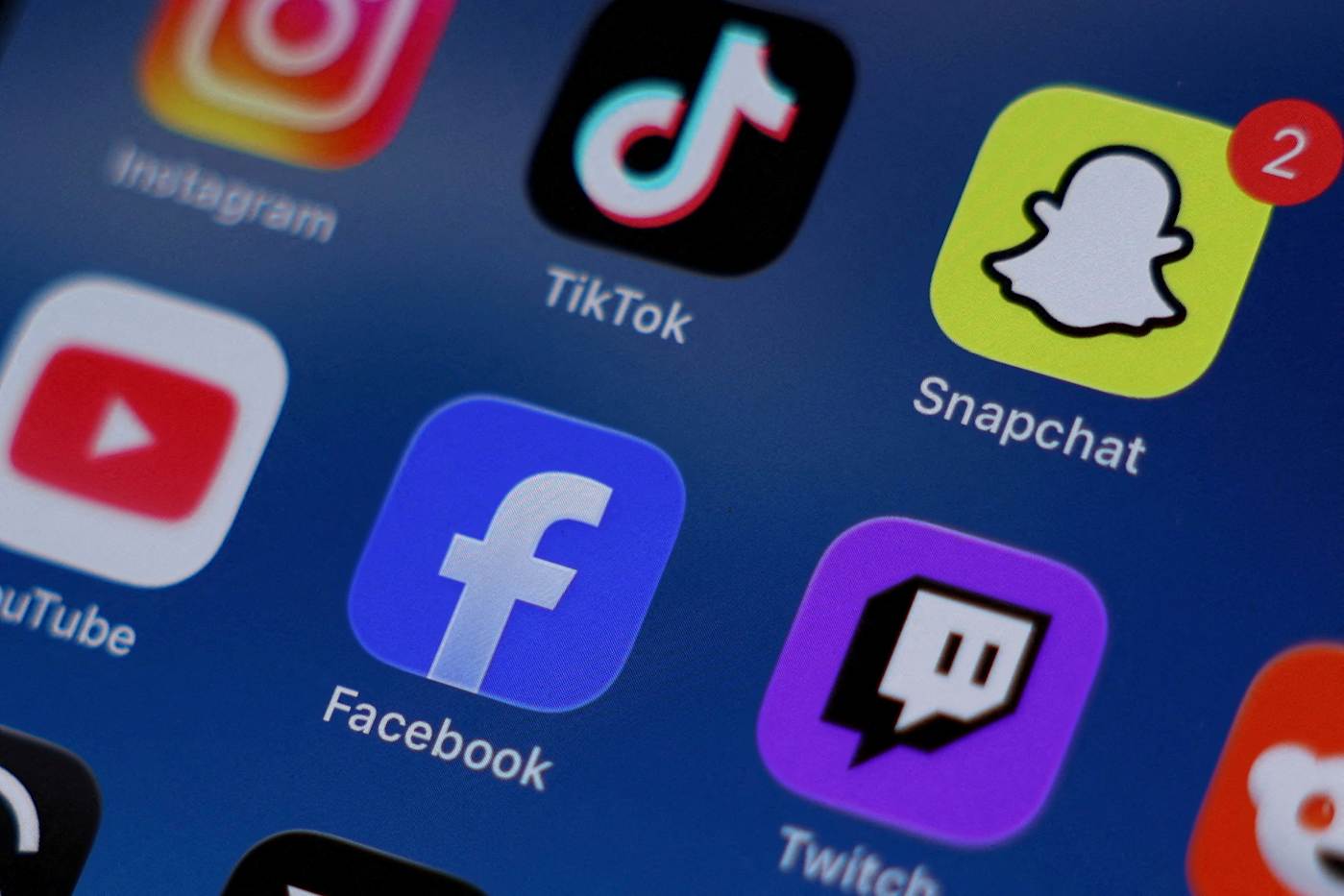
Hafid said in the announcement that the implementation would be done in stages, starting with major platforms like YouTube, TikTok, Facebook, Instagram, Threads, X, Roblox and Bigo Live, a live-streaming platform based in Singapore. The minister added that all platforms will have to fulfill compliance obligations from the Indonesian government, but didn't specify what they were. In response to the ban, a Meta spokesperson told The New York Times that the company hasn't received an official regulation from the country yet and was awaiting details.

While Australia was the first country to implement such a sweeping ban on social media, many other countries are currently in the process of doing the same. Spain's Prime Minister Pedro Sanchez announced last month that the country is also ready to ban social media for users under 16, while Malaysia's cabinet approved a similar ban that will reportedly go into effect sometime this year.

This article originally appeared on Engadget at https://www.engadget.com/social-media/indonesia-announces-a-social-media-ban-for-anyone-under-16-174634956.html?src=rss

©

© Reuters / Reuters

FILE PHOTO: Instagram, TikTok, Snapchat, YouTube, Facebook, Twitch and Reddit applications are displayed on a mobile phone ahead of new law banning social media for users under 16 in Australia, in this picture illustration taken on December 9, 2025. REUTERS/Hollie Adams/Illustration//File Photo
  •  

Starlink's next-gen satellite network could provide 150 Mbps speeds by end of next year

Starlink is getting ready to launch its second generation of satellites, and it's expected to match the speeds of a traditional terrestrial network. During a keynote at Mobile World Congress, Starlink execs detailed the roadmap for the company's upgrade towards the next generation of satellites called V2.

"The goal of Starlink Mobile ... is to provide a terrestrial-like connectivity when you're connected to the satellite system," Michael Nicolls, SpaceX's senior vice president of Starlink engineering, said during the MWC keynote. "In the right conditions, it should look and feel like you're connected to a high-performing 5G terrestrial network."

Nicolls detailed that the V2 satellite constellation could offer download speeds up to 150 Mbps in ideal conditions, comparing it to a broadband experience. According to Starlink, next-gen satellites will offer 100 times the data density of its predecessors, which should help users with faster streaming and browsing as well as more reliable voice calls. Notably, Nicolls added that the V2 satellite constellation would offer better coverage to Earth's polar regions, which are known to have unreliable coverage with traditional networks.

Nicolls said that SpaceX is planning to send out more than 50 V2 satellites on each SpaceX launch starting in mid-2027, with a goal of building out a full constellation in six months. Outside its MWC presser, Starlink also announced a partnership with German telecommunications company Deutsche Telekom. The partnership would help Deutsche Telekom address internet coverage gaps in Europe using Starlink's constellation, starting in 2028.

This article originally appeared on Engadget at https://www.engadget.com/science/space/starlinks-next-gen-satellite-network-could-provide-150-mbps-speeds-by-end-of-next-year-192118368.html?src=rss

©

© Starlink

Starlink rendering showing V1 and V2 satellites.
  •  

The Supreme Court doesn't care if you want to copyright your AI-generated art

As AI-generated artwork becomes more commonplace, it still won't be able to be copyrighted, according to US courts. On Monday, the US Supreme Court declined to hear a case about whether an artwork generated with the help of AI can be copyrighted. The refusal means that a lower court's decision to reject the copyright request will stand.

The case dates back to 2018 when Stephen Thaler applied for a copyright of an artwork called A Recent Entrance to Paradise. Unlike using ChatGPT or Midjourney, Thaler, a computer scientist, created an AI system that generated the artwork in question. However, the US Copyright Office rejected his application in 2022 on the grounds that it wasn't made by a human author. Thaler sought appeals at higher courts, but ultimately had to escalate the case to the Supreme Court after both a federal judge in Washington and the US Court of Appeals ruled against him.

With a refusal from the highest court in the US, it's unlikely Thaler's case can continue. The US Supreme Court could always hear a related case in the future, but Thaler's lawyers said, "even ⁠if it later overturns the Copyright Office’s test in another case, it will be too late," adding that the decision will have negatively impacted the creative industry during "critically important years." It's worth noting that Thaler also filed applications to the US Patent and Trademark Office for AI-generated inventions, which were rejected for similar reasons.

This article originally appeared on Engadget at https://www.engadget.com/ai/the-supreme-court-doesnt-care-if-you-want-to-copyright-your-ai-generated-art-171849407.html?src=rss

©

© REUTERS / Reuters
The U.S. Supreme Court, where justices are expected to issue opinions in pending cases, in Washington, D.C., U.S., February 25, 2026. REUTERS/Kevin Lamarque TPX IMAGES OF THE DAY
  •  

Anthropic's Claude can now absorb your past conversations with other AI chatbots

Anthropic has made switching to its Claude AI chatbot easier than ever. The company announced a new memory import tool that can extract all of a competing AI chatbot's memories and context of you into a text prompt that can be fed into Claude.

With Anthropic's prompt, you can then copy and paste the output into Claude's memories, and the AI chatbot will pick up where you left off with another AI chatbot, whether it's ChatGPT, Gemini or Copilot. Anthropic said it'll take about 24 hours for Claude to assimilate the new context, but you'll be able to see the change by clicking on the "See what Claude learned about you" button. Claude users can even tweak what the AI chatbot remembers in the "Manage memory" section in the app's settings. Anthropic pointed out that Claude is meant to focus on "work-related topics to enhance its effectiveness as a collaborator," adding that it might not remember personal details that are unrelated to work.

Anthropic's timing doesn't seem to be just a coincidence. Claude recently jumped to the number one spot in the App Store's free apps charts, dethroning ChatGPT in the process. The rise in popularity likely stems from its recent dispute with the Department of Defense, where Anthropic refused to budge on AI guardrails related to mass domestic surveillance and fully autonomous weapons. On the other hand, OpenAI will be taking Anthropic's vacated role with the Department of Defense, leading to a trend of users boycotting ChatGPT and canceling their subscriptions.

This article originally appeared on Engadget at https://www.engadget.com/ai/anthropics-claude-can-now-absorb-your-past-conversations-with-other-ai-chatbots-153201656.html?src=rss

©

© Anthropic

A screenshot of the importing memory process to Claude.
  •  

Anthropic's Claude grabs top spot in App Store after Trump's ban

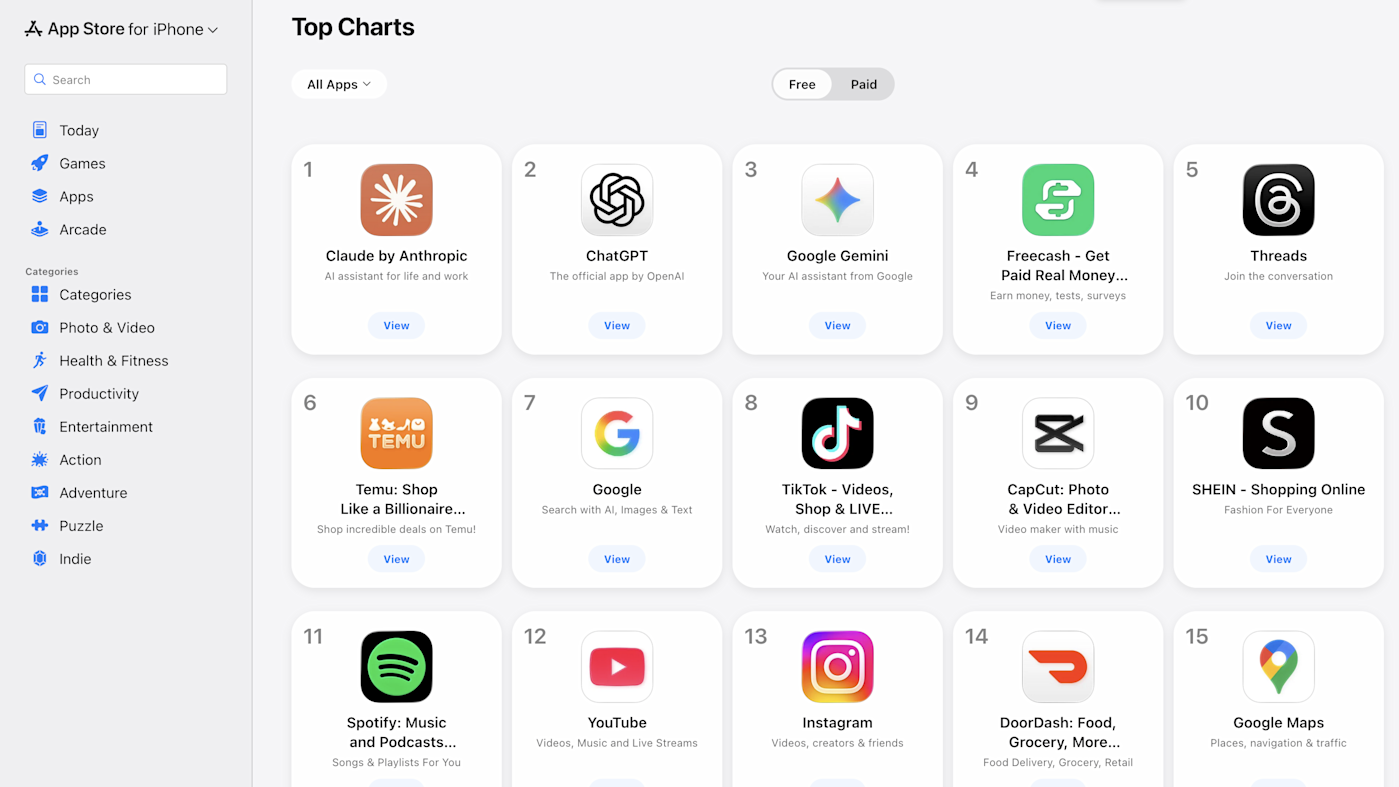
Anthropic may have lost out on doing business with the US government, but it's gained enough popularity to earn the number one spot on the App Store's Top Free Apps leaderboard. At the top, Claude beat out both ChatGPT and Google Gemini, which respectively sit at the second and third spots on Apple's free apps charts.

The sudden surge in user downloads isn't random. It follows news that President Trump has barred any federal agency from using Anthropic's Claude or other AI tools after the AI company refused to concede on certain guardrails. After declining to have its AI models be used for mass domestic surveillance and fully autonomous weapons, Anthropic was also threatened with a "supply-chain risk" label by the Department of Defense Secretary Pete Hegseth. The very public spat led to a wave of user support that finally allowed Claude to dethrone OpenAI's ChatGPT on the App Store as the most downloaded free app.

While OpenAI has stepped into Anthropic's shoes after agreeing to a deal with the Department of Defense, the CEO still offered up some thoughts about the debacle during an AMA on X. Even though Claude is a competing model, Sam Altman said that Anthropic's supply-chain risk designation was "a very bad decision" that he's hoping gets reversed. On top of that, OpenAI's CEO called Anthropic's blacklisting "an extremely scary precedent," but he's "still hopeful for a much better resolution."

This article originally appeared on Engadget at https://www.engadget.com/big-tech/anthropics-claude-grabs-top-spot-in-app-store-after-trumps-ban-193610130.html?src=rss

©

© Apple

Claude by Anthropic in the top spot for free apps in the App Store.
  •  

The US reportedly used Anthropic's AI for its attack on Iran, just after banning it

In a lengthy post on Truth Social on February 27, President Trump ordered all federal agencies to "immediately cease all use of Anthropic's technology" following strong disagreements between the Department of Defense and the AI company. A few hours later, the US conducted a major air attack on Iran with the help of Anthropic's AI tools, according to a report from The Wall Street Journal.

The president noted in his post that there would be a "six-month phase-out period for agencies like the Department of War who are using Anthropic’s products," so federal agencies are still expected to eventually move away from using Claude or other Anthropic tech. It's also not the first time that the US used Anthropic's AI for a major military operation, as the WSJ previously reported that Claude was used in the capture of the now-removed Venezuelan president Nicolás Maduro.

Moving forward, the Department of Defense may begin transitioning towards other AI options, especially after reaching deals with both xAI and OpenAI to use their models within the federal agency's network. However, the WSJ reported that it would take months to replace Anthropic's Claude with other AI models.

This article originally appeared on Engadget at https://www.engadget.com/ai/the-us-reportedly-used-anthropics-ai-for-its-attack-on-iran-just-after-banning-it-172908929.html?src=rss

©

© Anthropic

Anthropic Claude on a scroll
  •  

This retro-inspired handheld comes with Banjo-Kazooie and Battletoads built in

Who would've guessed we'd get to play the original Banjo-Kazooie on a handheld with just a D-pad in 2026. HyperMegaTech!'s latest release is a collaboration with Rare Ltd., the legendary game developer known for the Banjo-Kazooie franchise and, more recently, Sea of Thieves, called the Super Pocket Rare Edition.

The vertical handheld features 14 classics from the British developer, including two Battletoads titles, Conker's Pocket Tales and many more. While most of the games were released on 8- or 16-bit consoles, Banjo-Kazooie will be the headliner since it was originally released on the Nintendo 64. It may sound weird to control Banjo and Kazooie with a D-pad, but HyperMegaTech! assured that the game has been enhanced and optimized specifically for the Super Pocket handheld.

Since HyperMegaTech! and Evercade share Blaze Entertainment as a parent company, that means the Rare Edition handheld will be compatible with Evercade cartridges. Once you're done with the 14 included games, you can expand your Super Pocket's library with cartridges that feature collections from Taito, NeoGeo or Atari. HyperMegaTech! said the Rare Edition handheld will be available for $69.99 in June 2026, but has already opened preorders.

This article originally appeared on Engadget at https://www.engadget.com/gaming/this-retro-inspired-handheld-comes-with-banjo-kazooie-and-battletoads-built-in-203111135.html?src=rss

©

© HyperMegaTech!

Super Pocket Rare Edition with Banjo-Kazooie on screen.
  •  

Alaska could be the next state to crack down on AI-generated CSAM and restrict kids' social media use

Alaska's House of Representatives unanimously passed HB47, a bill that imposes sweeping limits on when and how minors use social media apps, along with bans on generating or distributing harmful deepfakes of children.

The bill's original form was focused on prohibiting the possession and distribution of sexually explicit images of children using AI, but Alaska lawmakers decided to add amendments that would impose social media restrictions. The proposed limitations include a statewide curfew on using social media between 10:30 PM and 6:30 AM, banning "addictive design features" and requiring social media platforms to verify user ages and get parental consent if they are minors.

While the House bill saw 39 votes in favor and zero against, the amendments offered some hints at potential upcoming revisions. Before the bill went to a vote, some of the House representatives expressed concern about adding such broad rules on social media without consulting the companies behind them first.

The bill still has to make its way through the Alaska State Senate, which already has presented a companion bill, and the governor. Alaska is following the footsteps of many other states, and the House even modeled its social media amendments in the HB47 bill after Utah. While Utah was the first to propose social media restrictions for kids, it was later met with a preliminary injunction.

This article originally appeared on Engadget at https://www.engadget.com/social-media/alaska-could-be-the-next-state-to-crack-down-on-ai-generated-csam-and-restrict-kids-social-media-use-190506366.html?src=rss

©

© Alaska House Majority Coalition

Alaska State Capitol building at dusk.
  •  

Shuttered studio Bluepoint reportedly pitched a Bloodborne remake, but it got shot down by FromSoftware

Bloodborne fans may not be happy to hear that a remake was reportedly rejected, but that doesn't mean it's completely off the table. Bluepoint Games, Sony's closed-down studio behind many PlayStation remakes, pitched remaking the classic Gothic horror RPG in early 2025, but was blocked by the game's developer, FromSoftware, according to a Bloomberg report.

As Bloomberg reported, Bluepoint pitched a Bloodborne remake after several years of working towards a live-service title in the God of War franchise that was ultimately canceled. Looking for the next project, a modern-day version of Bloodborne made a lot of sense, considering the title came out in 2015 and Bluepoint was responsible for the successful Demon's Souls remake in 2020. However, Bloomberg's sources said that FromSoftware was against it, but didn't offer a concrete reason why. With some digging, Bloomberg's Jason Schreier pointed to an interview from Kinda Funny Games with PlayStation exec Shuhei Yoshida, which aired last year. In the video, Yoshida mentioned that FromSoftware's president, Hidetaka Miyazaki, wanted to pursue a Bloodborne remake, but was too busy to do it himself and "doesn't want anyone else to touch it."

After failing to get the Bloodborne remake greenlit, Bluepoint wasn't able to secure another project for more than a year, according to the Bloomberg report. Now that Bluepoint has been shut down, we're likely even further away from a remake. That's not to say a remake will never happen, but when it does, it'll have to get a stamp of approval and likely a lot of oversight from FromSoftware.

This article originally appeared on Engadget at https://www.engadget.com/gaming/playstation/shuttered-studio-bluepoint-reportedly-pitched-a-bloodborne-remake-but-it-got-shot-down-by-fromsoftware-173744228.html?src=rss

©

© FromSoftware

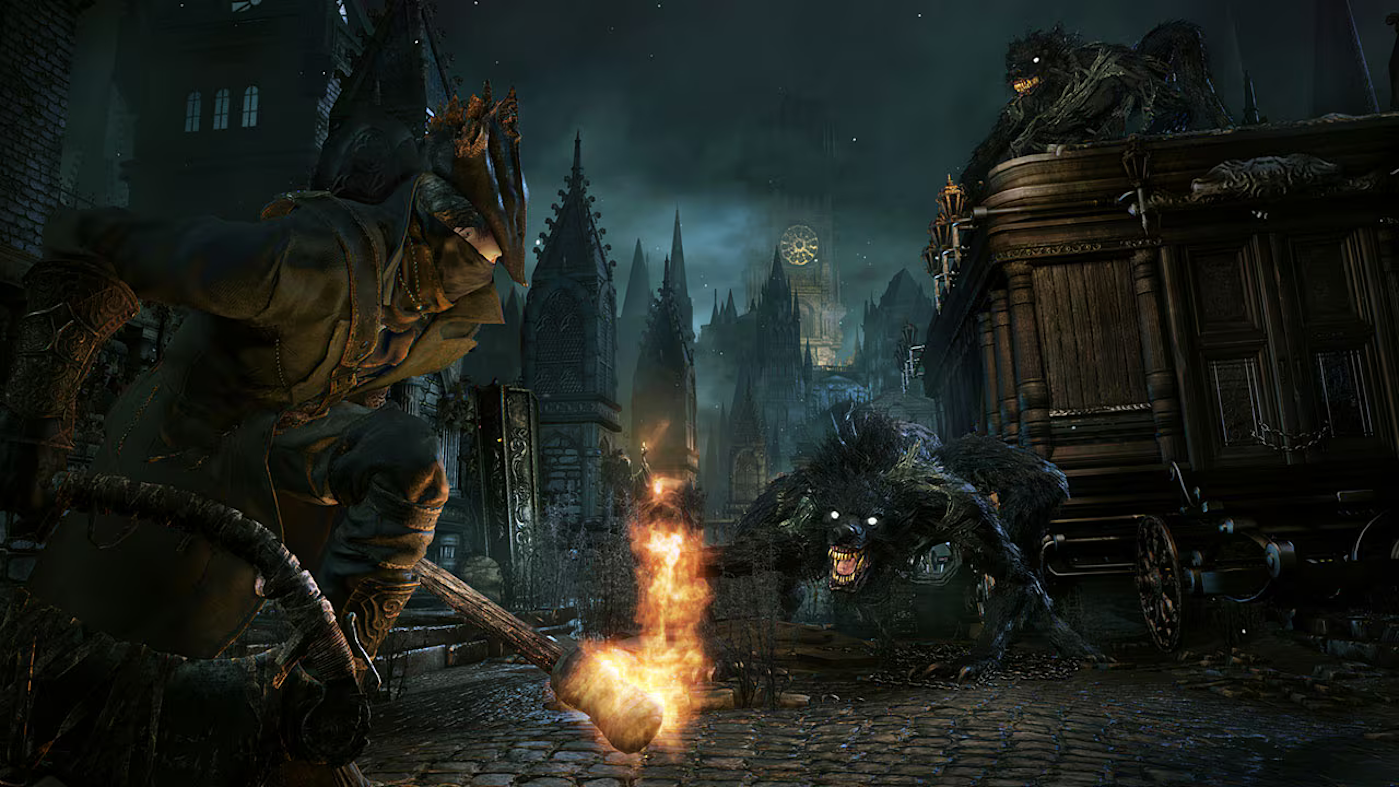
Gameplay screenshot from Bloodborne showing the character about to fight a werewolf.
  •  

Apple may be adding a splash of color to its upcoming budget-friendly MacBook

The hardest choice to make for building your next MacBook might be selecting a color. According to Bloomberg's Mark Gurman, Apple has tested colors including light yellow, light green, blue and pink for its next entry-level MacBook that's aimed at students and enterprise users.

Beyond the more vibrant colors, Gurman said that Apple has also trialed its classic silver and dark gray colorways for its cheaper laptop. Gurman added that not all of these six colors will make it to the final product, but Apple has recently shown it's not afraid to dip into flashier options. Apple refreshed the iMac in 2024 with a total of seven colors and swapped out the space gray option for sky blue for the latest MacBook Air.

Color choices aside, the latest rumors point to the upcoming MacBook having a price tag that's anywhere between $699 and $799. To achieve that lower price point, Apple is expected to port over its chips designed for iPhones, like the A18 Pro that we first saw with the iPhone 16 Pro Max. We're also anticipating Apple will compromise on specs, ports, or even the display, but Gurman reported that the company won't be skimping when it comes to the shell. According to Gurman, Apple will employ a new manufacturing process to craft aluminum shells for the affordable MacBook, instead of opting for a cheaper material like plastic to cut costs. We may not have to wait long to see the official colors of the budget MacBook, as Gurman reported that it will be announced during an event in March.

This article originally appeared on Engadget at https://www.engadget.com/computing/laptops/apple-may-be-adding-a-splash-of-color-to-its-upcoming-budget-friendly-macbook-192740002.html?src=rss

©

© Apple

Apple's iMac in seven colors
  •  

Tesla CarPlay is coming but it's reportedly being held back by low iOS 26 adoption numbers

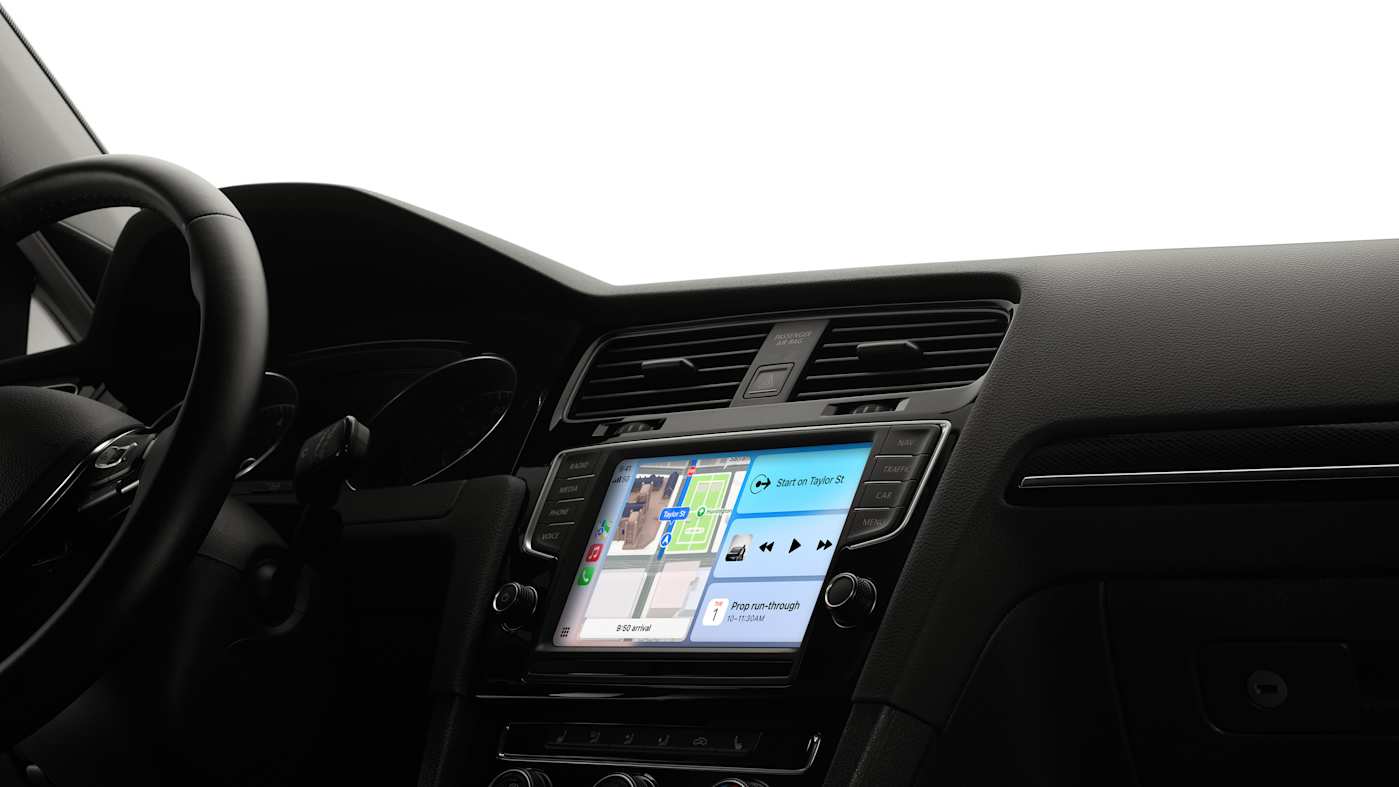
We're still waiting for Apple CarPlay compatibility for Tesla EVs, but it's been pushed back thanks to a slight hitch with iOS 26, according to Bloomberg's Mark Gurman. In the latest Power On newsletter, Gurman said that Tesla's plans to adopt CarPlay have been delayed due to app compatibility issues as well as low adoption rates for iOS 26.

It's been a long wait for Tesla drivers who want CarPlay compatibility, especially since initial rumors indicated a late 2025 rollout and Bloomberg reported that Tesla was testing CarPlay in its vehicles in November. However, Gurman's latest newsletter revealed that there were some compatibility issues between Apple Maps and Tesla's in-house navigation software, which also supports the self-driving features.

To address this, Apple released an iOS 26 update that would better synchronize the two navigation apps, especially when a driver would use Tesla's autonomous driving options. Still, Tesla is reportedly concerned enough about the low adoption rates of iOS 26 to delay delivering CarPlay to its vehicles. Gurman also noted that iOS 26 adoption rates were lower than usual, but are already going up, citing Apple's latest numbers that 74 percent of all iPhones released in the last four years are running iOS 26. 

There's still no official date for when CarPlay arrives in Teslas, but including the beloved in-car feature could be a way to boost sales for the company. According to the January registration estimates in the US, Tesla saw sales slip for the fourth month in a row.

This article originally appeared on Engadget at https://www.engadget.com/transportation/evs/tesla-carplay-is-coming-but-its-reportedly-being-held-back-by-low-ios-26-adoption-numbers-173812736.html?src=rss

©

© Apple

Apple's CarPlay on a vehicle infotainment system.
  •  

Airbnb is testing out AI search with a 'small percentage' of users

Airbnb plans to double down on artificial intelligence to improve its user experience for both guests and hosts. During a fourth-quarter earnings call, Airbnb's CEO, Brian Chesky, said the company is building an "AI-native experience" aimed at helping guests book trips, assisting hosts with their listings, and running the company more efficiently. According to Chesky, there's an AI search tool to help guests book trips that's live for a small percentage of users right now.

In a shareholder letter posted on Airbnb's website, the company said it's conducting early testing with an AI-powered search that is "focused on giving guests a more natural way to describe what they’re looking for, and ask questions about the listing and location." The letter added that the AI search tool will become "a more comprehensive and intuitive search experience that extends through the trip," but the company didn't offer a definitive date on when it would be available to the public.

While it may feel like Airbnb is late to incorporating AI into its ecosystem, it introduced an AI chatbot that handles customer service requests last year. While the AI agent is only available to users in North America currently, Airbnb said that it already handles a third of customer requests without the need for human intervention, as reported by TechCrunch. Chesky also said during the earnings call that the AI chatbot would tackle "significantly more" customer tickets a year from now and that it would roll out to the rest of the world.

This article originally appeared on Engadget at https://www.engadget.com/ai/airbnb-is-testing-out-ai-search-with-a-small-percentage-of-users-203054011.html?src=rss

©

© Airbnb

Starting a search in the Airbnb app.
  •  

Disney accuses ByteDance of 'virtual smash-and-grab' when using copyrighted works to train its AI

Disney is going after another generative AI tool, accusing ByteDance and its recently released Seedance 2.0 of using its copyrighted material without permission. As first reported on by Axios, the Walt Disney Company sent a cease-and-desist letter to ByteDance, claiming the Chinese company developed its Seedance tool "with a pirated library of Disney's copyrighted characters from Star Wars, Marvel, and other Disney franchises, as if Disney's coveted intellectual property were free public domain clip art."

The letter, which was obtained by Axios, included examples of Seedance videos featuring copyrighted Disney characters, including Spider-Man, Darth Vader, Peter Griffin and more. Even though ByteDance just released Seedance 2.0 on Thursday, it's already earned praise, but also indignation from Hollywood studios, when it comes to its AI-generating capabilities.

With the strong early momentum, Seedance has already found itself in hot water with one of the largest media companies in the world. However, it's not the first time that Disney has threatened legal action against an AI company, since Character.AI received a cease-and-desist letter for the same offense in September. A few months later, Disney even accused Google of copyright infringement when training its AI models. On the other hand, Disney partnered with OpenAI in a three-year licensing agreement that allows the AI giant to generate images and videos using that highly sought-after intellectual property.

This article originally appeared on Engadget at https://www.engadget.com/ai/disney-accuses-bytedance-of-virtual-smash-and-grab-when-using-copyrighted-works-to-train-its-ai-191116136.html?src=rss

©

© ByteDance

Seedance 2.0 press release
  •  

OpenAI has officially retired the controversial GPT-4o model

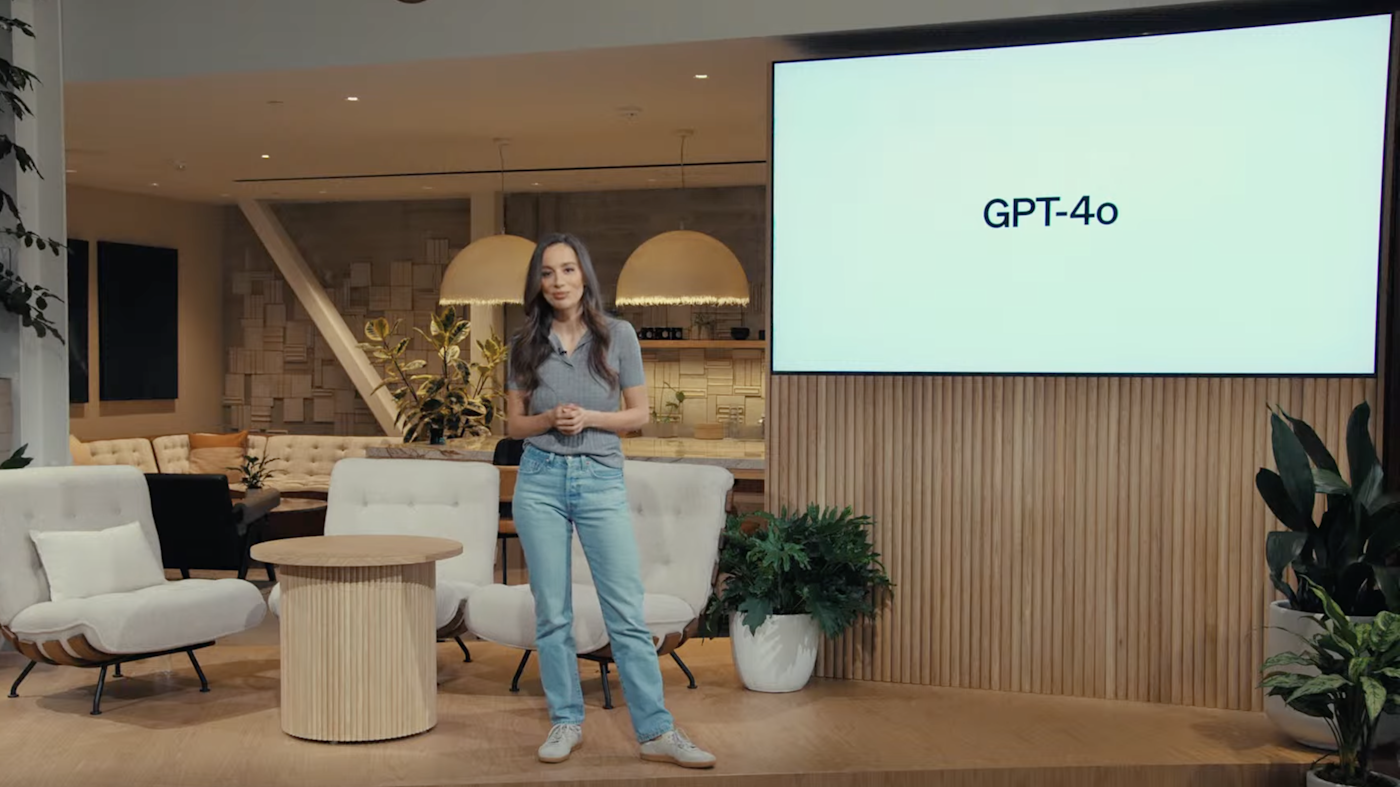
OpenAI's GPT-4o may have survived its first brush with going offline, but it won't be as lucky this time. OpenAI has officially retired GPT-4o, the ChatGPT model that was seen as more conversational and notoriously sycophantic, on February 13. The news of GPT-4o's end was first announced in a post on the OpenAI website in January, but the discontinuation also included GPT-5, GPT-4.1, GPT-4.1 mini, and OpenAI o4-mini from ChatGPT.

It's not the first time that OpenAI has delisted GPT-4o as an option for ChatGPT. In August, the AI giant sunsetted the GPT-4o model in favor of rolling out and prioritizing the latest GPT-5 model at the time. However, a wave of user complaints led OpenAI to restore access to GPT-4o but with no guarantee that it'll be around forever.

This time around, OpenAI doesn't seem very open to preserving access to GPT-4o, especially since it'll serve only a small portion of the user base. The company wrote on its website that "the vast majority of usage has shifted to GPT‑5.2, with only 0.1 percent of users still choosing GPT‑4o each day." On top of that, OpenAI is facing several wrongful death lawsuits that specifically mention the GPT-4o model. Despite the two weeks of notice before GPT-4o's last day online, there is still a vocal group of users mourning the loss of their AI boyfriends and even calling for OpenAI to open-source their preferred model.
This article originally appeared on Engadget at https://www.engadget.com/ai/openai-has-officially-retired-the-controversial-gpt-4o-model-181553067.html?src=rss

©

© OpenAI

OpenAI presenting GPT-4o for the first time.
  •  
❌