❌

Normale Ansicht

Google Pixel 10a review: Small changes, but still great value

Over the past few years, Google's A-series Pixel phones have consistently been some of the best midrange phones you can buy. But with the AI boom causing memory shortages and the price of consumer electronics to rise, including smartphones, affordable devices like the Pixel 10a are more important than ever. Thankfully, Google's new phone still represents great value, even if it doesn't come with many upgrades. 

Design and display 
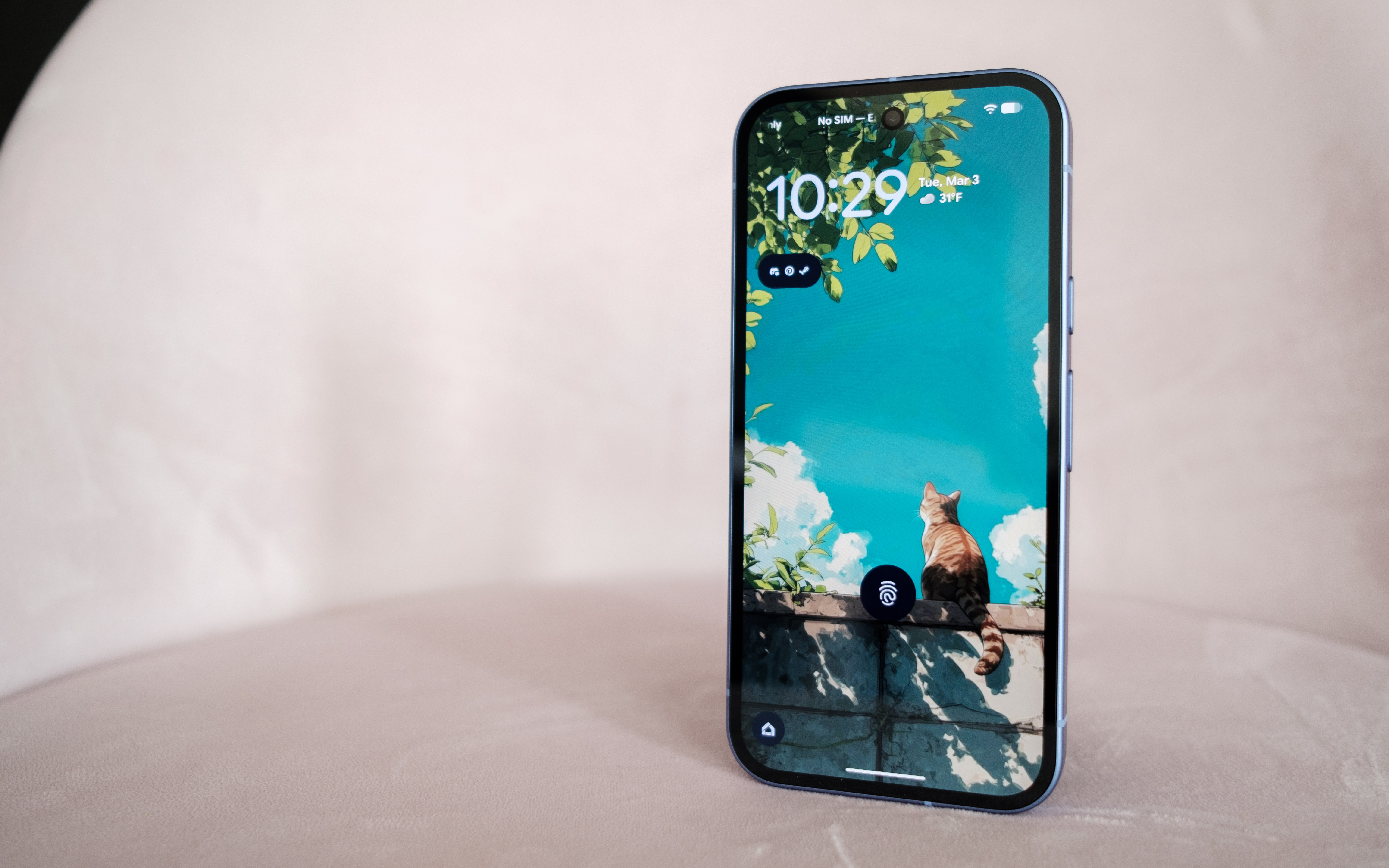
As before, the Pixel 10a has a 6.3-inch 120Hz P-OLED display.
Igor Bonifacic for Engadget

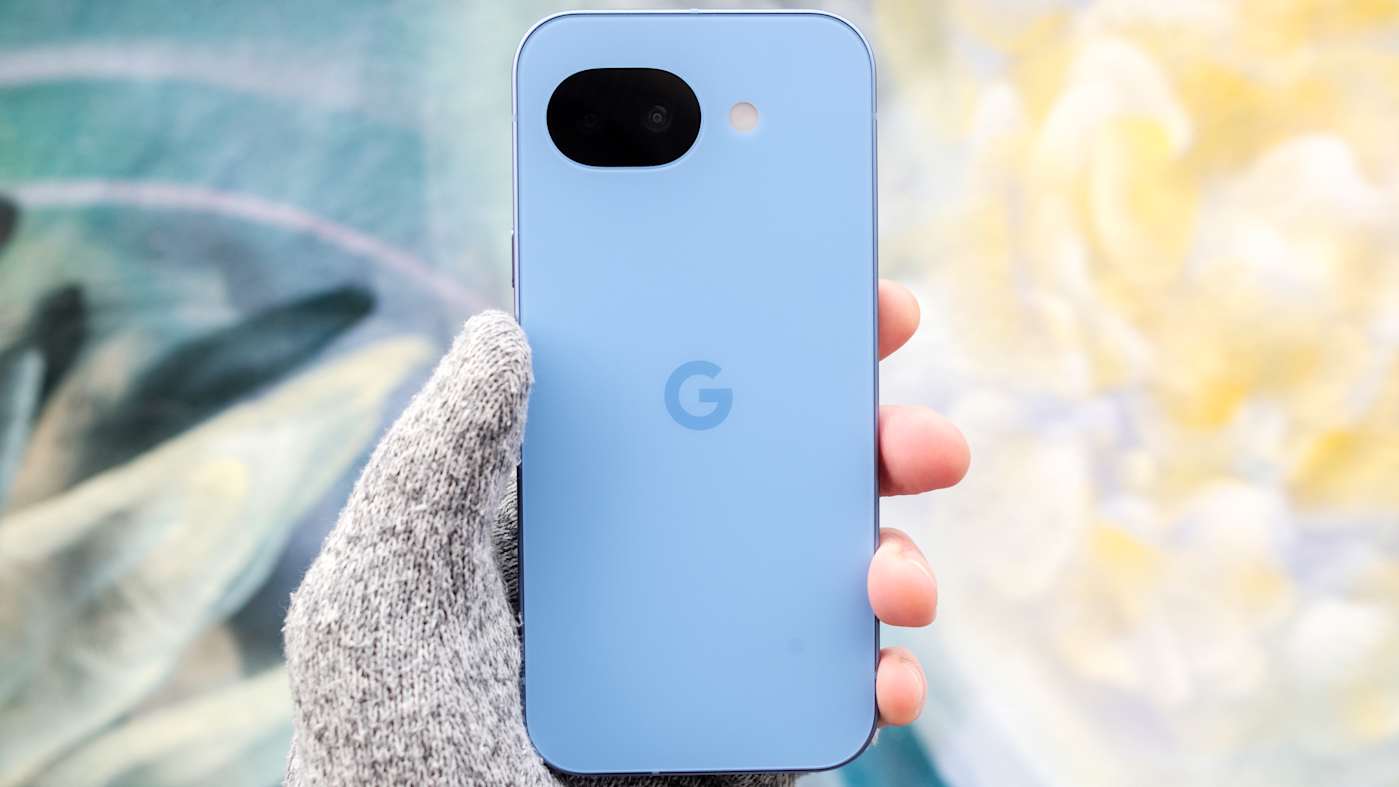
The story of the Pixel 10a is one of small changes, so let’s start with the outside. The phone is available in four colors: lavender (pictured), berry, fog and obsidian. Photos don't do the lavender color justice. In person, the light refracts beautifully off the surface of the aluminum frame and composite back. The back of the phone also has a pleasing matte finish that made the 10a feel secure in my hand. Another nice touch is that Google shaved down the camera module further, so that the 10a can now lie completely flat. As before, the entire phone is rated IP68-certified against dust and water. For DIY enthusiasts, Google has said it redesigned the 10a's internals to make it easier to repair. Hooray for that.    

Beyond those changes, the 10a has a brighter 120Hz P-OLED screen that offers up to 3,000 nits of brightness, up from 2,700 on the 9a. The display also offers better protection against scratches and drops thanks to Google's decision to switch to Gorilla Glass 7i for the screen coating. Despite the minimal changes, there's not much to complain about here. The 10a's screen is fast, responsive and vibrant. The on-screen fingerprint sensor is also in an easy-to-reach spot toward the middle of the phone. After reviewing several big phones in recent months, it was also nice to go back to a handset with a sensible 6.3-inch footprint. 

Performance and battery
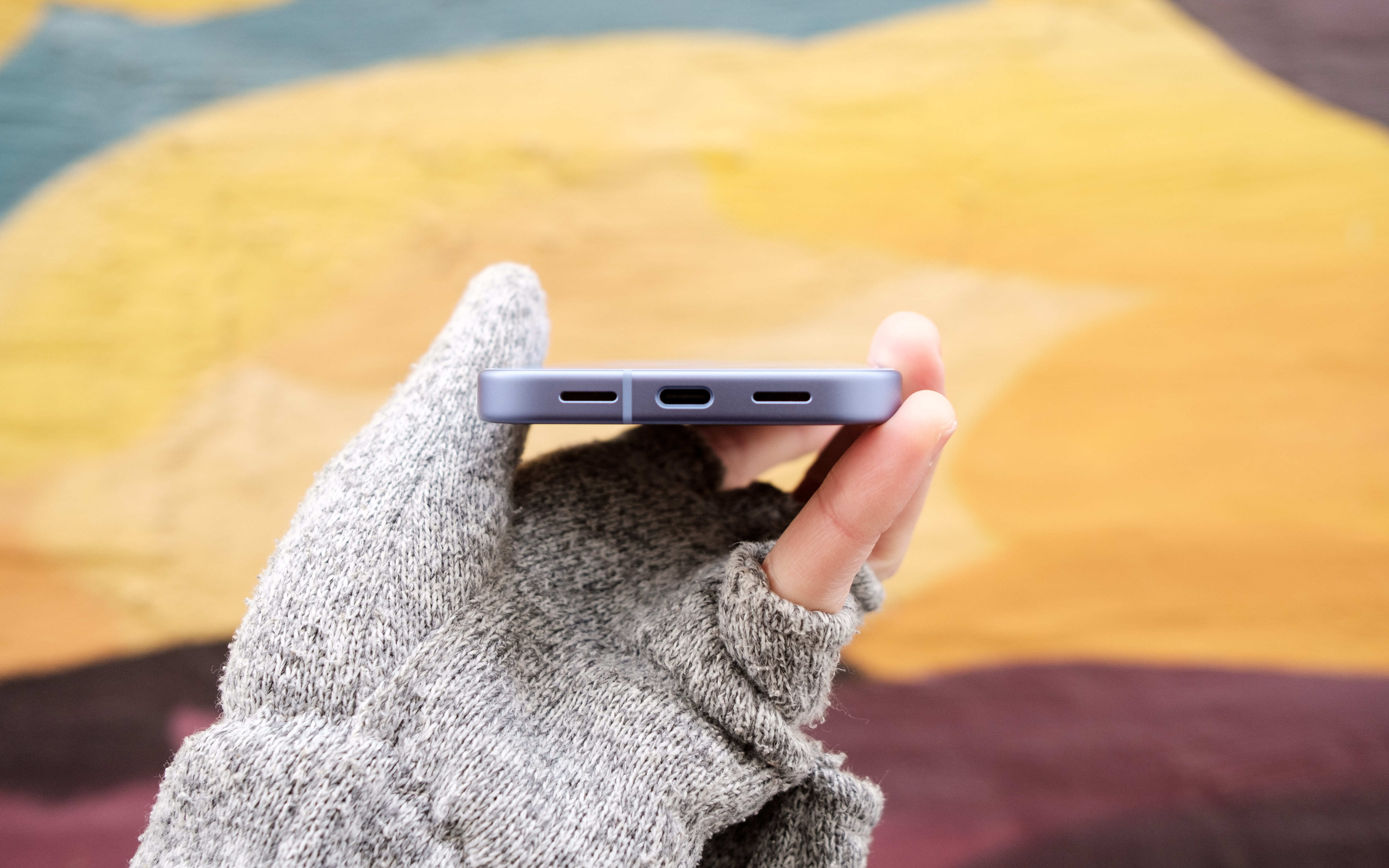
The speakers on the Pixel 10a could be stronger and more defined.
Igor Bonifacic for Engadget

I've been spoiled recently by phones like the OnePlus 15R, which offers a 7,400mAh battery and 55 watt charging out of the box. By that metric, the Pixel 10a, with its 5,100mAh battery, leaves something to be desired. Putting the phone through Engadget's video rundown test, it ran for 28 hours before the battery died, which is exactly where the Pixel 9a landed last year. However, that score means the 10a is thoroughly middle of the pack when it comes to battery life. I can also see battery life becoming a concern as the phone ages. While that's true of every phone, the 10a's smaller battery makes that more of a pressing concern since you'll be charging the phone more often and therefore degrading the battery faster. 

Google has improved wired charging speeds, with the new phone capable of charging at 30 watts, up from 23-watts with the 9a. You'll need to provide a compatible power adapter though; the Pixel 10a doesn't come with one inside the box. With a 30 watt charger, the 10a's battery went from dead to about 50 percent in under 45 minutes. A full charge takes approximately an hour and 45 minutes. Again, not great, but serviceable. 

Another disappointment is that the Pixel 10a doesn't support Google's new Pixelsnap standard. Wireless charging is faster on the new phone (it's now rated at 10 watts, up from five), but without a compatible third-party case, a charging puck won't magnetically align with the back of the 10a. It's not a dealbreaker, but Pixelsnap would have been a great addition.    

The 10a has the same chipset Google used on the Pixel 9a, the Tensor G4, and the company has once again gone with 8GB of RAM. Other midrange phones like Samsung Galaxy S25 FE offer faster chips, but they also cost more. Moreover, I didn't feel like the 10a was worse for running on old silicon. The new 120Hz display does a lot to make the new phone feel snappy, and Google's in-house Android skin feels responsive as ever. 

The 10a also does a commendable job of keeping heat in check. I sat down to play Diablo Immortal and even after an hour of playtime, the phone was still cool to the touch despite running the game at high settings and 60 frames per second.               

Cameras
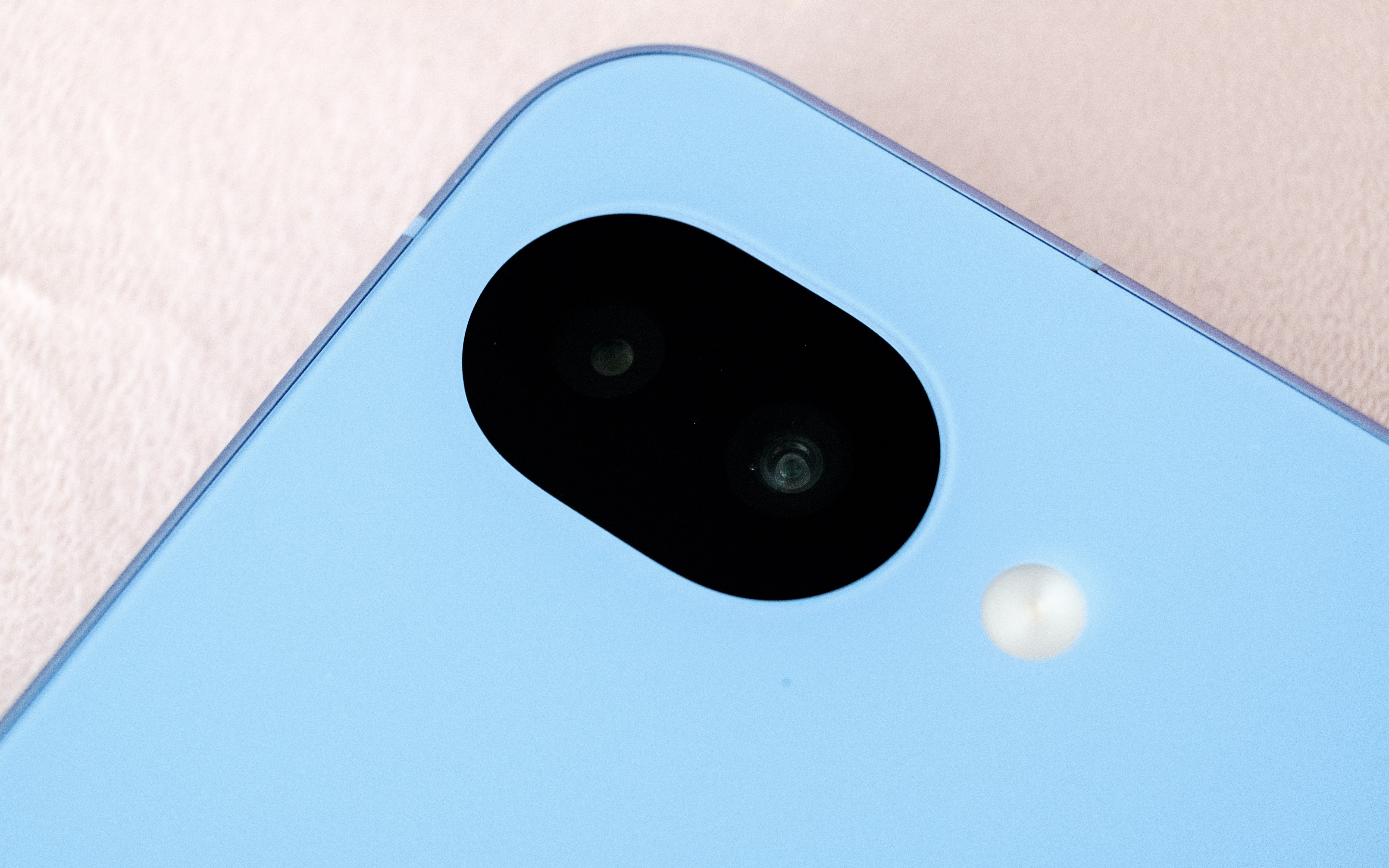
This time around, the Pixel 10a has a camera module that's flush with its body.
Igor Bonifacic for Engadget

The 10a comes with the same camera package as its predecessor. On the back, you get a 48-megapixel main camera with an f/1.7 lens that offers optical image stabilization and phase detection autofocus. Complementing it is a 13MP ultrawide with a 120-degree field of view. For selfies, you get a 13MP camera with an f/2.2 lens. As ever, Google's software is doing most of the heavy lifting here. That includes a pair of new features, Camera Coach and Auto Best Take, that debuted with the Pixel 10 series. 

Camera Coach, like the name suggests, uses AI to analyze the scene you're about to capture, and offers tips on how to best compose and light the shot. It will also suggest the best camera mode for the job. While I can see how this tool could be useful, I found the fact it relies on a cloud model made it too slow for some situations. For example, when I used Camera Coach to help me snap a photo of my cat, a sassy tortoiseshell, she walked away by the time the 10a got a response from Google's servers. In more static scenes, Camera Coach is more useful, but much of photography is about capturing a fleeting moment in time, so its utility is limited. 

Auto Best Take solves a problem I'm sure we've all experienced. You go to take a group portrait, and snap multiple frames to ensure everyone looks good, only to end up without a single usable shot. With Auto Best Take, Google promises to combine similar group photos so that everyone looks their best. This feature works as advertised. 

Outside of those features, the 10a offers a predictably great camera experience. The phone consistently produces photos that are sharp with great natural colors. That said, I did miss having a telephoto camera, as you can see from the photos I shot during a recent Cat Power concert in Toronto. Given the 10a only costs $500, it's hard to fault Google for not including one.  

Software
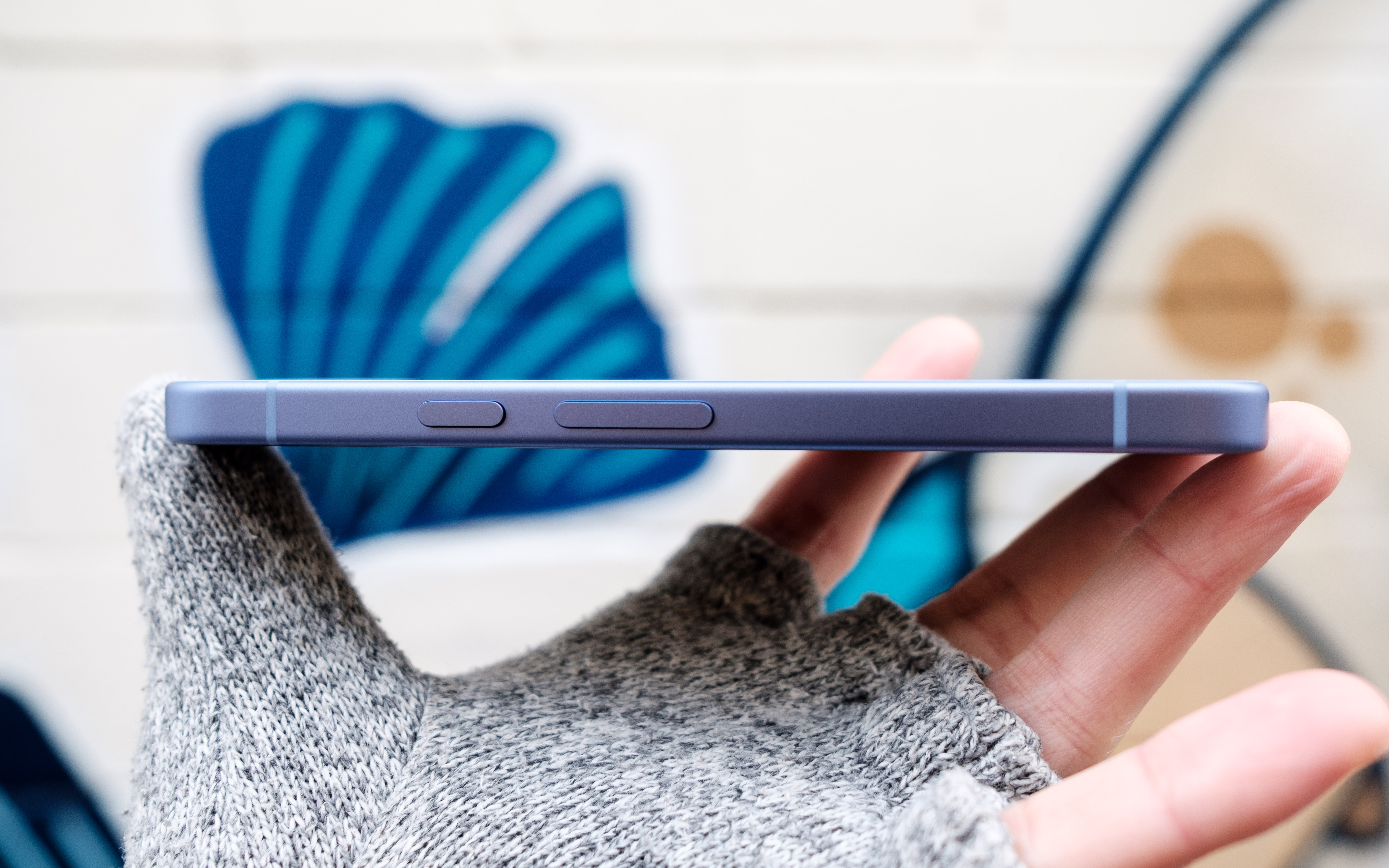
The Pixel 10a's side button can both activate Gemini and the phone's camera.
Igor Bonifacic for Engadget

Out of the box, the 10a comes with Android 16. Like all of Google's recent Pixel devices, the company has promised to support the 10a for an industry-leading seven years with software updates and security patches. The company's pledge includes Pixel Drops, which often bring new software features. One feature Google has brought over from the more expensive Pixel 10 line is Satellite SOS, which allows you to call for help during emergencies, even when your phone can't connect to a cellular network. Outside of a demo designed to make users  aware of the feature, I wasn't able to test Satellite SOS (thankfully).   

Notably, the 10a is still missing Google's Screenshots app. That's unfortunate since it's one of the more useful Pixel exclusives, making it easier to organize all your online clippings. Other AI features such as Gemini Live and Circle to Search are accounted for, and as useful ever.   

Wrap-up
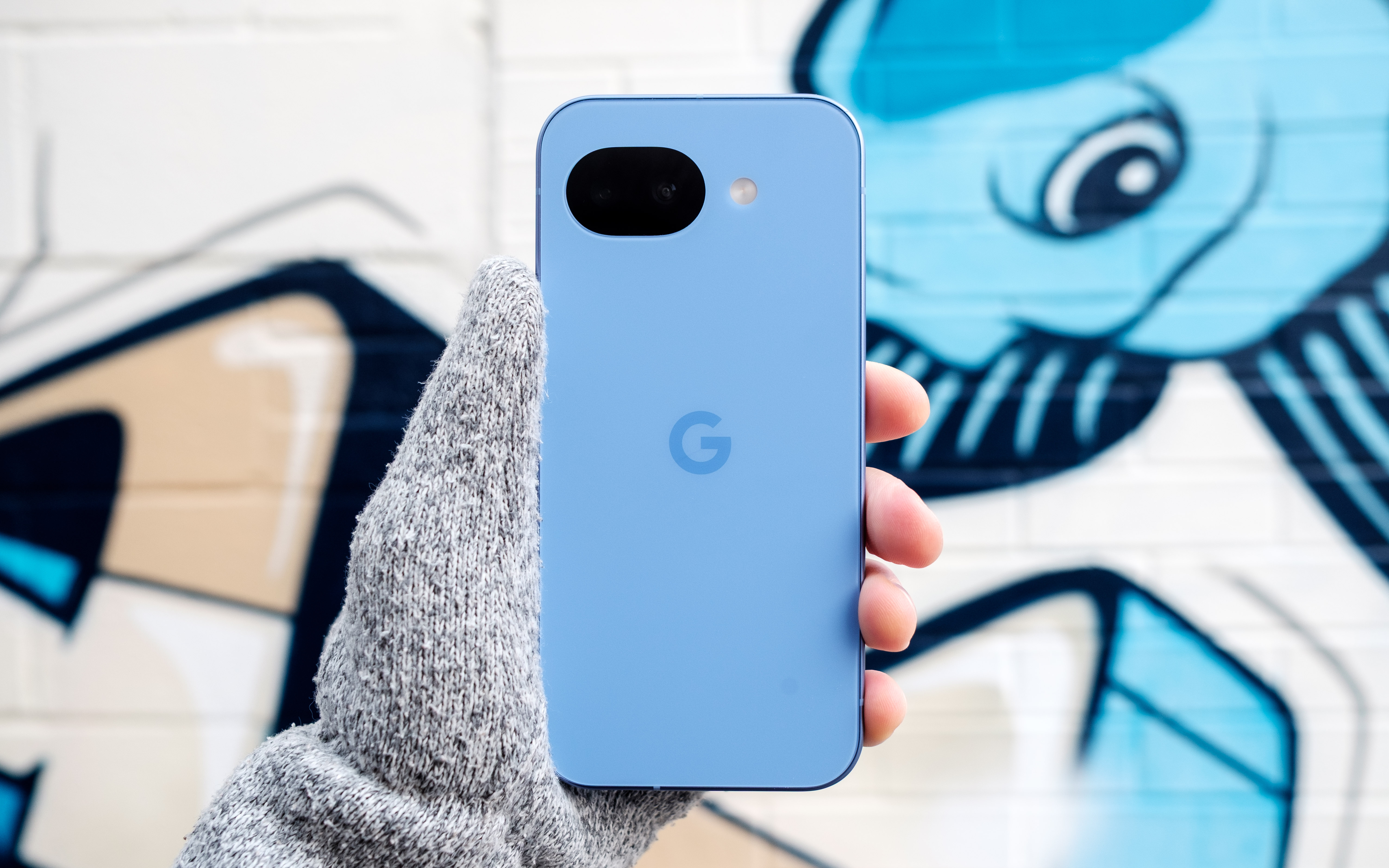
Overall, the Pixel 10a is a great phone, though I would have loved to see more year-over-year upgrades.
Igor Bonifacic for Engadget

The Pixel 10a is a tricky phone to grade. On the one hand, part of me wants to dock points because Google has added so few updates. On the other, the 10a is still a great phone for $500, and at a time when consumer electronics are becoming more expensive by the day, the fact it hasn't gone up in price is a small miracle. Even if Google is partly responsible for the current memory crunch, the company's hardware division has delivered an affordable device that’s still worth recommending. The Pixel 10a is still the phone to beat in the $500 range.

This article originally appeared on Engadget at https://www.engadget.com/mobile/smartphones/google-pixel-10a-review-small-changes-but-still-great-value-173026779.html?src=rss

©

  •  

Well, there goes any reason to buy an iPad Air

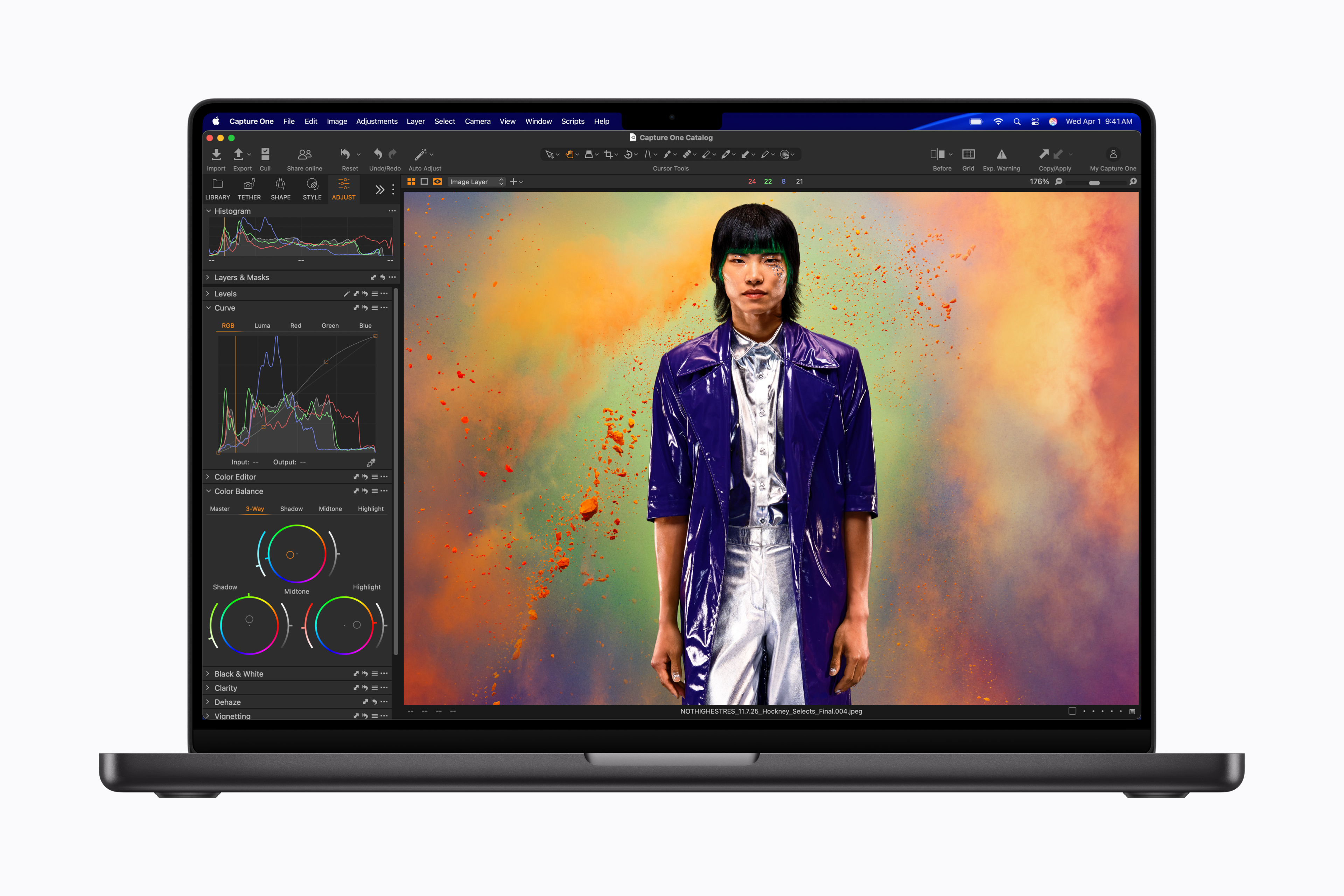
Apple just announced the MacBook Neo, a 13-inch laptop offering the full macOS experience for just $599. It is the machine, I’m sure, plenty of the company’s fans have been clamoring for since the dawn of the netbook. I’m equally sure its specs have enough drawbacks to ensure there are still plenty of customers for the more expensive Macbooks; the same cannot be said of the iPad Air. 

If you’re looking for a machine that you can actually use meaningfully, the Neo has the Air beat. It has two USB-C ports, 16-hour battery life, a real keyboard, trackpad and the ability to run macOS with proper multitasking. $599 won’t even get you an iPad Air with a keyboard and trackpad, which costs you an extra $270.

Of course, the MacBook Neo is sandbagged in all of the ways Apple will always sandbag a cheaper product. But I do think the company has been smart enough to ensure the base model, which I’m sure will sell a crazy amount, is enough of a computer to matter. The A18 Pro chip will run a lot slower than Apple’s M-Series silicon but raw performance isn’t the big issue. After all, if you're buying this machine as Apple's version of a Chromebook, you’re not going to be compressing 55GB Final Cut Pro files here. This is a machine for light work, the sort of stuff the iPad was always meant to enable, but has never quite been able to.

Apple knows how its A-series chip stack up against low-end laptop CPUs. Given the differences in OS, it’s impossible to make a real comparison yet, but in synthetic benchmarks the A18 Pro outperformed the Intel Core i3-1315U found in plenty of low-end laptops, including the Framework 12. And the A18 Pro only needs 8W to run, compared to the 15W Intel requires, which helps maintain that lovely long battery life. Even with just 8GB RAM, if it can run macOS and its applications at an acceptable level, then you know it’ll go down beautifully with its intended audience.

As an aside, it’s worth saying the Neo’s intended audience is decidedly not the sort of folks who will quibble about the limited USB bandwidth the machine offers. As Devindra Hardawar said last week, the target market for this machine is the same people who bought Walmart’s MacBook Air M1. He also made the point — rightly — that macOS remains unburdened with all of the awful AI features which are making Windows use an increasingly less enjoyable experience. Even so, if you are quibbling about such specs, it’s not as if the iPad Air, with its one USB-C port, offers a meaningful improvement.

I've always hoped and wished the iPad would mature enough to bridge the gap between the tablet and the laptop, but it never did. What Apple did to solve the issue in the end was to just make a laptop as affordable as a tablet.

This article originally appeared on Engadget at https://www.engadget.com/computing/laptops/well-there-goes-any-reason-to-buy-an-ipad-air-165754581.html?src=rss

©

© Devindra Hardawar for Engadget

Image of the blue MacBook Neo sat on a table.
  •  

iPhone 17e hands-on: Pretty in pink, with portraits enabled

The iPhone 17e was announced on Monday through a press release, so there was no real chance to immediately get a hands-on with it. But at Apple’s event in New York today, the phone was on display alongside the new MacBook Neo, iPad Air M4, MacBook Pro M5 and Studio Display XDR. I managed to take it for a quick spin to see if it is truly as similar to the iPhone 16e as it appeared from pictures. Spoiler: It mostly is.

One of the most noteworthy changes to the iPhone 17e is the addition of MagSafe support, and aside from confirming whether that works, I don’t really have any impressions to add. I also can’t tell you at the moment whether the increased wireless charging speed makes a difference, although mathematically I have to imagine it would.

I did get a chance to try out the new Portrait photography here. I brought my iPhone 16e and tried taking portraits with both devices. I could immediately see that the iPhone 17e allowed me to apply an artificial background blur to pictures I was framing up of the new MacBook Air M5, whereas my iPhone 16e just said “No person detected.” In the Photos app, I was able to adjust the level of blur and adjust the focal point to bring a different group of flowers in focus, too.

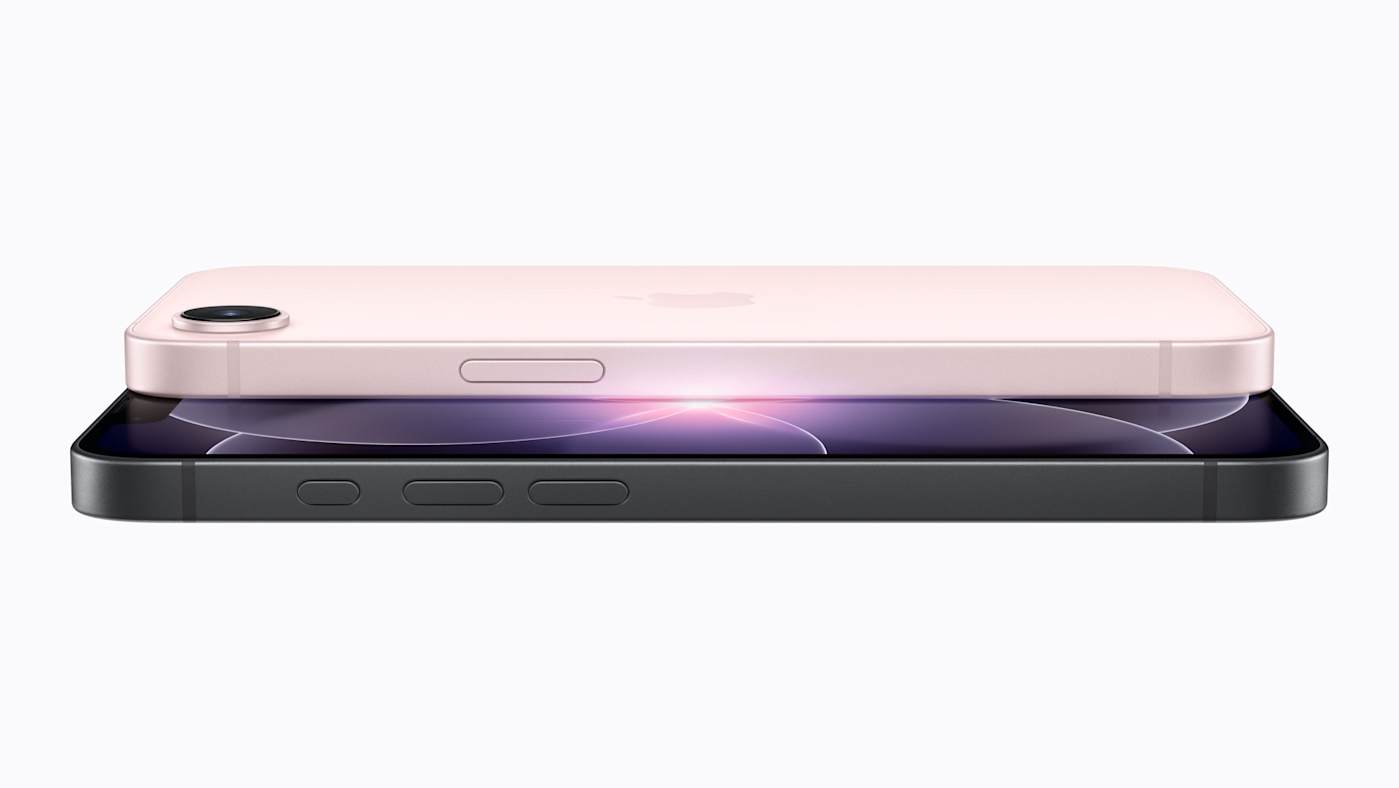
The other thing I can tell from seeing the iPhone 17e in person is that this new pink color option is absolutely delightful. I won’t go as far as to call it stunning or vibrant — it’s too subtle to be either of those things. It’s almost the same shade of pink as the Pixel 3, except a bit rosier. I do really like this color, it’s understated and elegant.

Other changes include the stronger Ceramic Shield 2 covering the iPhone 17e’s screen, which is a step up from the Ceramic Shield on the iPhone 16e. Obviously I didn’t attempt to throw the new phone around at this event, and would not have been allowed to, so we’ll have to wait till I spend more time with a unit in the real world to better gauge its durability.

I’ll also work on testing things like battery life, charge time and performance improvements with the A19 chip in my full review. For now, my early look at the iPhone 17e tells me everything I expected is largely true, and that pink is a surprising scene stealer. The iPhone 17e retails for $599 and is available for pre-order now, with in-store and shipping arrivals slated for March 11.

This article originally appeared on Engadget at https://www.engadget.com/mobile/smartphones/iphone-17e-hands-on-pretty-in-pink-with-portraits-enabled-163946647.html?src=rss

©

  •  

The Morning After: Apple’s big week starts with the iPhone 17e

We’re at the start of another one of those weeks where Apple announces one or two of its lesser products each day. The first pair to break cover is the iPhone 17e and iPad Air M4, with more due to drop as the calendar rolls forward. The iPhone 17e is by far the more interesting gadget, especially as the price remained the same as for the iPhone 16e. Apple is charging $599 for the 17e, even though the base model storage has doubled to a very welcome 256GB.

The 17e also gains several features that were held back from the equivalent budget handset last year. The most notable is perhaps the addition of MagSafe at Qi2 speeds, enabling users to wirelessly charge their device at 15W. Keen-eyed spec-list nerds will also spot Apple’s C1X proprietary wireless chip, which offers comparable speed to the Qualcomm models it will eventually replace, but with far better power efficiency.

The iPad Air, by comparison, is the very model of a modern major iterative spec revision to keep it up to date. The M3 has been upgraded to an M4, and it’ll get the same home grown wireless chips (N1 and C1X), blessing it with Wi-Fi 7 compatibility. Apple is also adding some more RAM to the iPad Air, boosting it from 8GB to 12GB, but without adding any more digits to the price.

As someone who’s still clinging on to an iPhone 14, the generous storage and low cost of the iPhone 17e is intriguing. And it’s a far more attractive package than whatever Apple was trying to offer with the iPhone Air.

— Dan Cooper

The other big stories this morning

The Lenovo Modular AI PC concept is a remixed dual-screen laptop with hot swappable ports

Modularity! For! Some! Reason!

Image of the components of Lenovo's modular AI PC on a table.
Sam Rutherford for Engadget

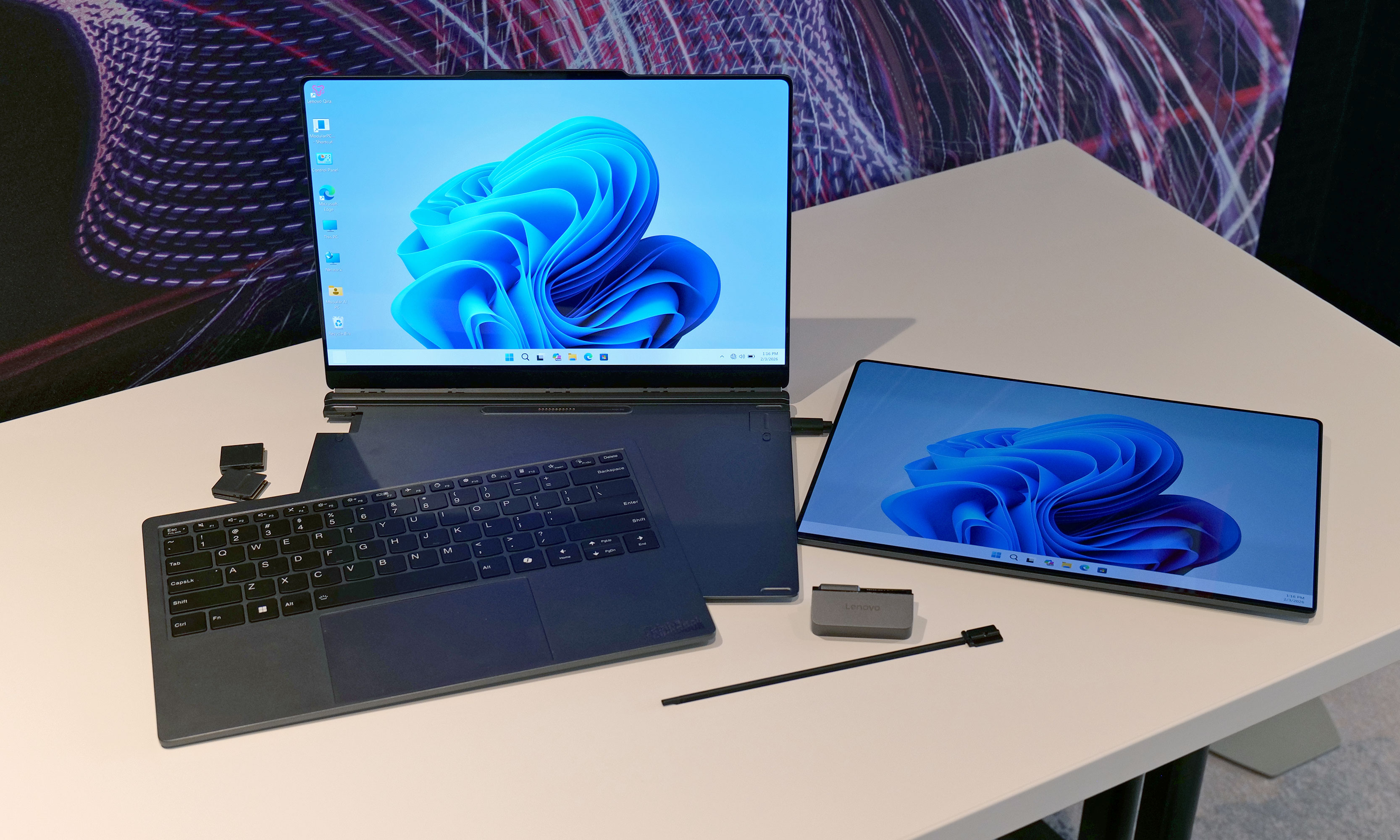
Lenovo rocked up to MWC to show off a concept laptop with hot-swappable components, letting users push around their keyboard and displays at will. The company says you can set up the hardware on your desk to suit your needs at any given time. So, if you need a standard laptop, you can do that, or you can put a second display where your keyboard should go and use your keyboard wirelessly. Sadly, it’s a concept, so while you can purr at Lenovo’s engineering prowess you can’t hand it any of your cash to properly own this thing.

Continue Reading.

A closer look at Honor’s Robot Phone

Sources describe the unit as ‘adorable.’

Image of Honor's Robot Phone
Mat Smith for Engadget

Honor made its usual full-court press at MWC, but the star of its own show was the Robot Phone, due to launch later this year. It’s a smartphone with its own articulating camera gimbal which can move around in response to its user’s commands. The Morning After’s own Mat Smith says it’s able to shake and nod its, uh, “head,” and can even dance along to music. And that’s before you get to its real function to, you know, take photos and stuff.

Continue Reading.

Paramount+ and HBO Max could be merging into a single streaming service

The combined ParaSkyWarDisco would serve 200 million subscribers.

Paramount Sky CEO David Ellison has outlined his vision for his latest toy, Warner Brothers Discovery. He told investors both companies would merge their streaming services, giving it a global audience of around 200 million subscribers. Ellison also pledged to give HBO operational independence, hopefully meaning it won’t be staffed entirely by patronage appointees.

Continue Reading.

Everything announced at MWC 2026: Lenovo's wild foldable gaming handheld, Honor's Robot Phone, and more

Far too many things for one newsletter.

Image of the Leitzphone held in a hand
Mat Smith for Engadget

MWC is such a big show it would be impossible to cover everything we’ve reported on in a single newsletter. But, thankfully, we’ve built a roundup of the most important things for you to peruse, especially all of the biggest phones that you aren’t as likely to see on store shelves in the US.

Continue Reading.

This article originally appeared on Engadget at https://www.engadget.com/general/the-morning-after-engadget-newsletter-121540093.html?src=rss

©

© Apple

Image of the back of the iPhone 17e, complete with MagSafe
  •  

iPad Air M4 vs. iPad Air M3: The few new things in Apple's midrange tablet

The iPad Air, the middle child in Apple’s tablet lineup, has been upgraded to the M4 chip with increased RAM and… Well, there’s not a whole lot else if I’m being honest. At the very least, the new iPad Air M4 models remain at the same price as the iPad Air M3, with the 11-inch version starting at $599 and the 13-inch at $799. I would give Apple more credit if it had increased the starting storage or added literally anything else.

If you put them side by side, you might not be able to tell the difference, but this upgrade would benefit creatives and professionals more than anything. There’s a significant performance bump from the M3 to the M4, and the increased RAM is doing a lot of work, especially if you’re taking advantage of Apple Intelligence.

If you’re using an M1-powered iPad Air or something even older, though, the new iPad Air M4 should be a compelling upgrade. Pre-orders start at 9:15AM ET on March 4, with the units arriving a week later. We expect full reviews will be published by then. But in the meantime, let’s dive into what the performance gains might look like and what we’re missing out on in this year’s iteration of the iPad Air.

iPad Air M4 vs. iPad Air M3: Performance and battery life

The most significant difference between the two iPad Air generations is their chipsets. The latest iPad Air launches with the M4 chip versus its predecessor’s M3 chip, and it gets a bump in RAM from 8GB to 12GB.

I don’t give much fanfare to incremental chip increases because the performance gain is usually minimal. However, the M4 is up to 30 percent faster than the M3, according to Apple. That might be noticeable to even casual users, especially as the years go on and iPadOS becomes more demanding. For power users, it’ll mean more demanding work like video editing will be noticeably quicker.

For those in need of the fastest internet speeds, the new iPad Air is also equipped with Apple’s N1 chip, which enables Wi-Fi 7 and Bluetooth 6, the latest connectivity technology. However, I really don’t imagine the average user needing up to 46 gigabits per second of internet speed compared to the iPad M3’s 9.6 Gbps on Wi-Fi 6. If you do, you’re in the tax bracket for an iPad Pro.

Now, despite the increase in speeds, the battery life between the M4 and M3 models remains the same. Apple claims all four models get up to 10 hours of battery life surfing the web on Wi-Fi or watching video (up to 9 hours on cellular). No complaints here.

iPad Air M4 vs. iPad Air M3: Design, display, audio and cameras

For better or worse, we’re not getting any changes in any of these departments, which is why I’m lumping them together.

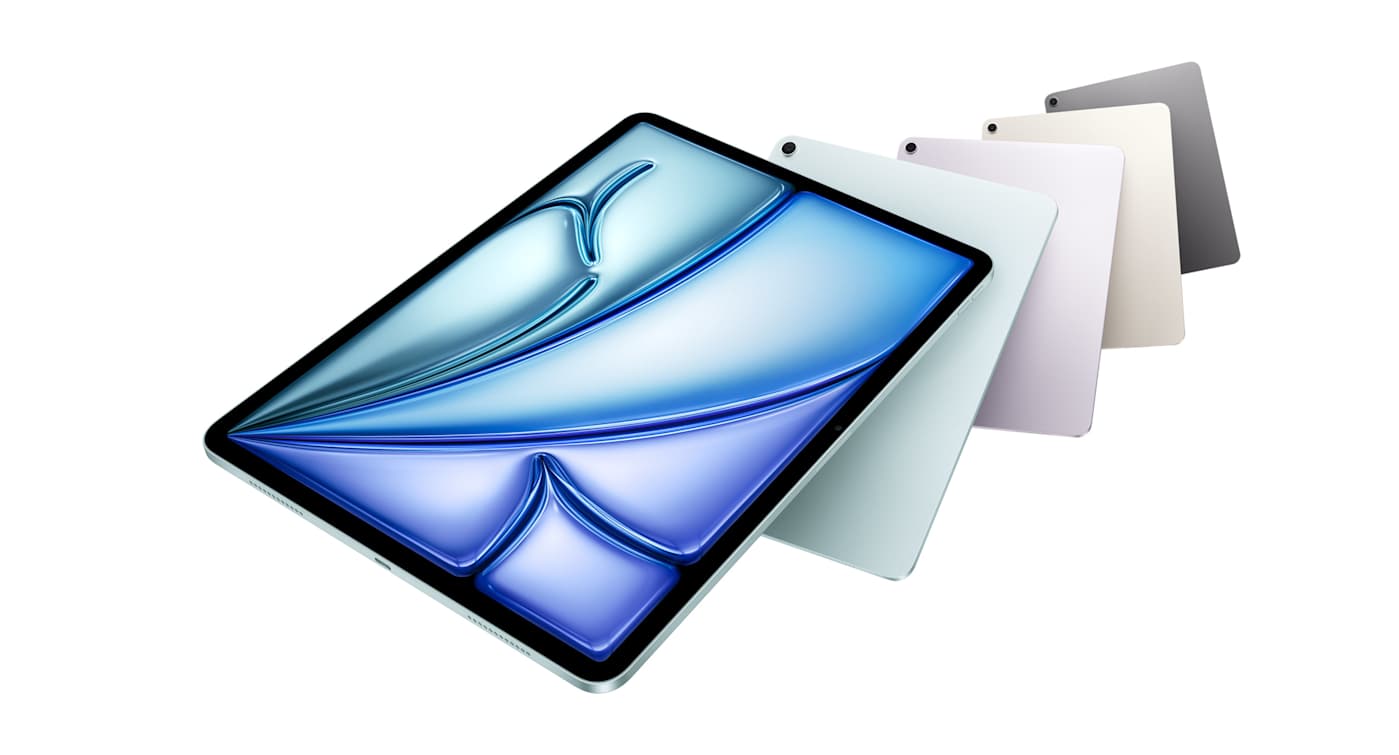
The iPad Air comes in blue, purple, beige and gray. The 11-inch option measures 9.74 x 7.02 x 0.24 inches and the 13 comes in at 11.04 x 8.46 x 0.24 inches. As their names suggest, they’re both rather light, at 1.01 pounds (1.02 pounds for M4) and 1.36 pounds, respectively. My only wish was that we got new colors that popped a bit more.

Then there’s the displays. All four versions of the iPad Airs sport a Liquid Retina LED display at 264 ppi. The 11-inch supports a 2,360 x 1,640 resolution with a peak brightness of 500 nits, while the 13-inch offers a 2,732 x 2,048 resolution at 600 nits. It would’ve been nice to see an OLED or even Mini-LED panel make its way to the iPad Air, which could’ve made the screen more vivid and vibrant. But it’s more disappointing that we’re stuck at 60Hz unlike the Pro models that offer 120Hz, making their visual experience smoother.

Both products feature landscape stereo speakers. The iPad Air M3’s audio quality couldn’t live up to the iPad Pro, so I doubt the M4 model will.

You won’t catch me taking photos with an iPad, but for those of you who do, the iPad Air M4 features the same 12MP cameras on the front and back as its predecessor.

iPadOS 26, Apple Intelligence and Apple accessories

Nothing huge is happening to iPadOS or the Apple accessories in the iPad Air refresh. The revamped Magic Keyboard from last year still works with these new models, as does the Apple Pencil Pro. iPadOS 26, released last fall, was a major update but will still be familiar enough to anyone who has used an iPad before. The new iPad Air M4 is getting a significant boost in AI processing speeds, though, thanks to its new chip and 50 percent increase in RAM. However, unless you’re an AI power user, you probably won’t notice a difference there.

All that said, if your love language is spreadsheets, the full specs are helpfully laid out below:

iPad Air M4 vs. iPad Air M3: Specs at a glance

Spec

iPad Air M4

iPad Air M3

Price

$599 (11-inch), $799 (13-inch)

$599 (11-inch), $799 (13-inch)

Processor

M4

M3

Display

11-inch: Liquid Retina, 2,360 x 1,640, LED display at 264 ppi

13-inch: Liquid Retina, 2,732 x 2,048, LED display at 264 ppi

11-inch: Liquid Retina, 2,360 x 1,640, LED display at 264 ppi

13-inch: Liquid Retina, 2,732 x 2,048, LED display at 264 ppi

RAM

12GB

8GB

Storage

128GB, 256GB, 512GB, 1TB

128GB, 256GB, 512GB, 1TB

Battery

Up to 10 hours (Wi-Fi), 9 hours (Cellular model)

Up to 10 hours (Wi-Fi), 9 hours (Cellular model)

Cameras

12MP Wide (rear), 12MP Center Stage (front)

12MP Wide (rear), 12MP Center Stage (front)

Apple accessories

Apple Pencil Pro, Apple Pencil, Magic Keyboard Folio

Apple Pencil Pro, Apple Pencil, Magic Keyboard Folio

Dimensions

11-inch: 9.74 x 7.02 x 0.24 inches

13-inch: 11.04 x 8.46 x 0.24 inches

11-inch: 9.74 x 7.02 x 0.24 inches

13-inch: 11.04 x 8.46 x 0.24 inches

Weight

11-inch: 1.02 pounds

13-inch: 1.36 pounds

11-inch: 1.01 pounds

13-inch: 1.36 pounds

This article originally appeared on Engadget at https://www.engadget.com/mobile/tablets/ipad-air-m4-vs-ipad-air-m3-the-few-new-things-in-apples-midrange-tablet-182701520.html?src=rss

©

  •  

iPhone 17e vs. iPhone 16e: What's new on Apple's latest $599 handset

Apple’s most affordable iPhone just got an upgrade, but how does the new iPhone 17e compare to the iPhone 16e? Well, thankfully the price remains the same at $599, which is good news in our current economic climate. An immediate difference you might notice is that one of them now comes in a third color: pink. That’s at least one win for me because I am all for putting more color into tech.

There are a few differences under the hood as well, namely that the iPhone 17e is arriving with the A19 chip and double the storage. We’ve already seen what’s possible with an A19 chip in the standard iPhone 17 — it’s not a super exciting upgrade, but it is a boost nonetheless.

Pre-orders start at 9:15AM ET on March 4, and while we work on a full review, let’s take a deeper dive into what has changed on this year’s model and what that might mean in the real world.

iPhone 17e vs. iPhone 16e: Design and display

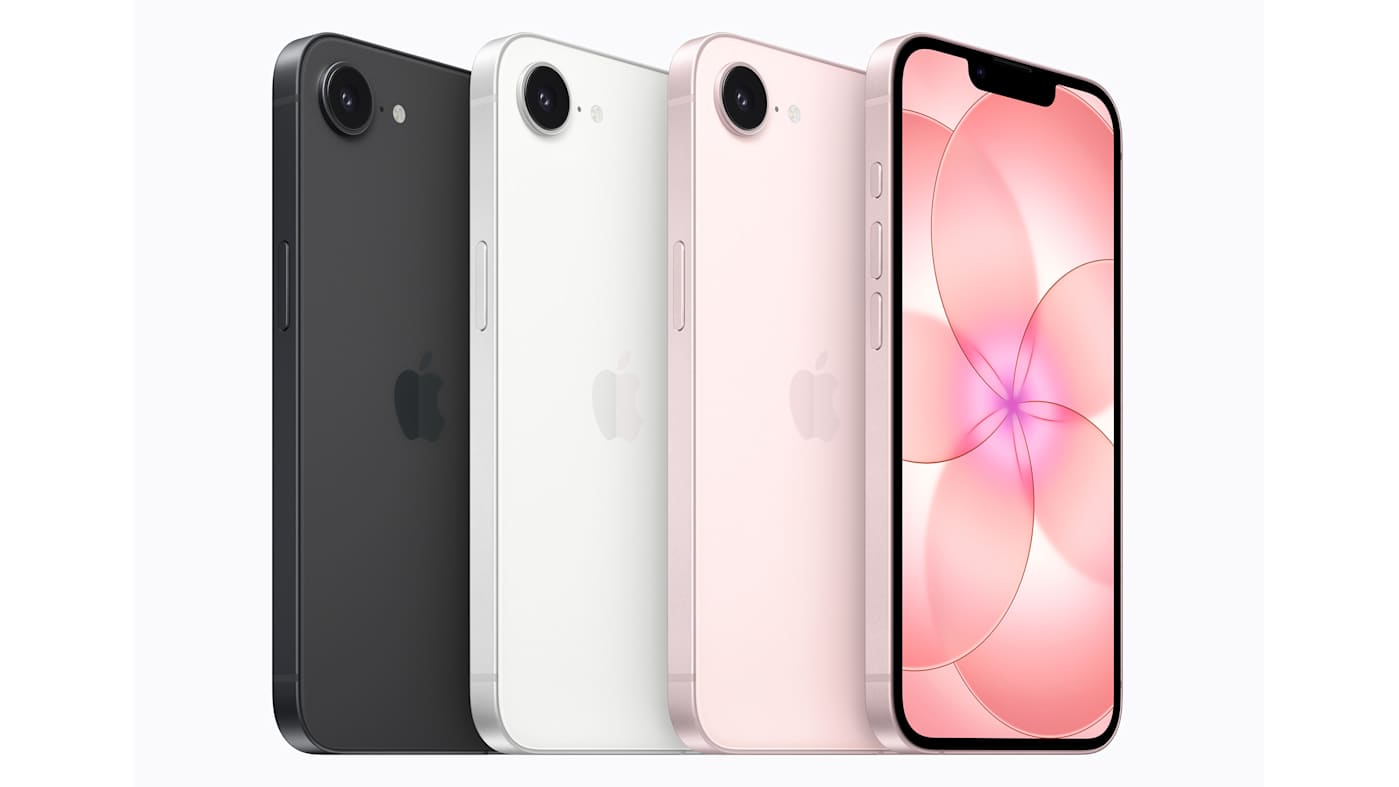
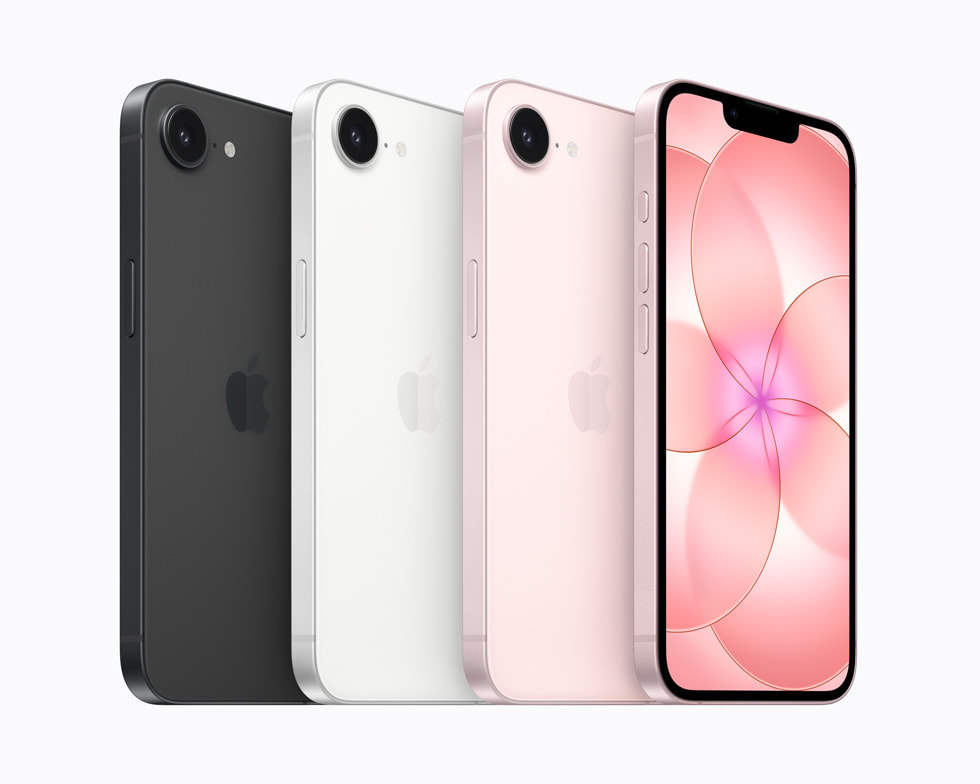
Of course, the biggest difference in the design for the iPhone 17e is the shiny new pink color. I’ve long complained about how many major tech companies stick to the safety of black, white or gray colorways. Thankfully, the iPhone 17e’s pink hue is a departure from that approach. It’s also an understated shade that’s elegant, compared to the typically brighter and louder tones reserved for cheap(er) phones.

Both the iPhone 17e and iPhone 16e measure 5.78 x 2.82 x 0.31 inches. However, the iPhone 17e did get a bit heavier at 5.96 ounces compared to the iPhone 16e’s 5.88 ounces. It’s very unlikely you’ll notice the 0.08 ounce difference, though. (And if you do, you have a gift.)

In terms of durability, the iPhone 17e is outfitted with Ceramic Shield 2, which is a glass face that Apple said is three times more scratch-resistant than the iPhone 16e’s original Ceramic Shield. Ideally, it’ll survive falls to the ground (within reason) and spare you a scratched up display from casual wear and tear.

There doesn’t seem to be any change in the display — whether that be in its brightness or color rendering capability — but that isn’t too shocking. Both the iPhone 17e and iPhone 16e feature a 6.1-inch Super Retina XDR OLED panel with a 1,200-nit peak brightness. That’s bright enough to combat the ambient glare from the sun, so you should be able to read it outside relatively easily. They’re also specced out with a 2,532 x 1,170 resolution at 460 ppi — meaning text and lines will be clean and sharp.

iPhone 17e vs. iPhone 16e: Cameras

I didn’t expect a huge bump in camera technology, especially if Apple intended to keep the price the same. We’ve got upgrades in other categories for sure, but it would’ve been nice to see an extra camera on the back. Like the iPhone 16e, the iPhone 17e is kitted out with Apple’s 48-megapixel Fusion 2-in-1 camera with a 12MP 2x Telephoto setting. You also get digital zoom up to 10x. Take a look at our iPhone 16e review to see exactly what that looks like in practice, but to sum up our experience: it’s solid.

There’s a great level of detail and vibrancy, but like I said, it’s limited. Without a potential ultrawide camera, you cannot capture as much of your surroundings because you’re not getting that 0.5x zoom option. 

One major upgrade, however, is that the iPhone 17e is now capable of recognizing dogs and cats in Portrait mode. It also saves depth information so you can turn regularly captured photos into portraits after the fact. This might be a noteworthy upgrade, considering the iPhone 16e struggled in Portrait mode, incapable of capturing non-human faces and objects.

There’s also the 12MP TrueDepth camera on the front, which we didn’t have many complaints about, and don’t expect to disappoint on the iPhone 17e.

iPhone 17e vs. iPhone 16e: Processor, battery life and charging

Apart from the color, the biggest differences between the iPhone 17e and iPhone 16e is their starting storage and overall performance. The new iPhone is packed with an A19 chip, while the latter comes with an A18 chip.

Yes, you’re getting a performance bump with the A19 chip, but casual users are unlikely to feel the difference. If you’re a power user trying to get the most out of an affordable iPhone and want to get crunchy about it, there’s roughly a 5 percent difference in CPU speed and over 10 percent in GPU performance (according to CPU Monkey).

Despite that bump, the battery life hasn’t changed. With both devices, Apple says you’re getting up to 26 hours of video playback and up to 21 hours streamed. The company doesn’t typically share specifics on battery sizes, but GSMArena is reporting that both models come with a 4,005mAh battery. What has changed, however, is being able to receive double the wattage from wireless charging. The iPhone 17e can now take up to 15W for Qi2 fast wireless charging — compared to 7.5W from the Qi support on the iPhone 16e.

iOS 26 and Apple Intelligence

At a glance, there does not seem to be any difference in what the iPhone 16e and iPhone 17e offer in terms of iOS and Apple Intelligence capability. However, it’s relevant to note that you will likely get better performance out of the iPhone 17e with regards to AI features because of its superior A19 chip.

In case you wanted to do the numbers comparison yourself, we’ve compiled a nifty table here so you can eyeball them with ease. But for a sense of how the iPhone 17e holds up in the real world and whether it’s worth the money, stay tuned for our full review.

iPhone 17e vs. iPhone 16e: Specs at a glance

Spec

iPhone 17e

iPhone 16e

Price

$599

$599

Processor

A19 chip

A18 chip

Display

Super Retina XDR, 6.1‑inch, 2,532 x 1,170, OLED display at 460 ppi

Super Retina XDR, 6.1‑inch, 2,532 x 1,170, OLED display at 460 ppi

RAM

8GB

8GB

Storage

256GB, 512GB

128GB, 256GB, 512GB

Wireless charging

Up to 15W

Up to 7.5W

Rear camera

2-in-1 camera — 48MP Fusion main, 12MP 2x Telephoto, digital zoom up to 10x

2-in-1 camera — 48MP Fusion main, 12MP 2x Telephoto, digital zoom up to 10x

Front camera

12MP selfie cam

12MP selfie cam

SIM

Dual SIM (two active eSIMs)

Dual SIM (two active eSIMs)

Connectivity

Wi-Fi 6E, Bluetooth v5.3, NFC

Wi-Fi 6E, Bluetooth v5.3, NFC

OS

Launched with iOS 26

Launched with iOS 18

This article originally appeared on Engadget at https://www.engadget.com/mobile/iphone-17e-vs-iphone-16e-whats-new-on-apples-latest-599-handset-162009364.html?src=rss

©

  •  

Everything Apple announced this week: MacBook Neo, iPhone 17e and more

Apple had promised a “big week” for the company as rumors swirled that it had a number of product announcements lined up. True enough, it unveiled a half-dozen new and refreshed devices over the last few days, along with more powerful chips for MacBook Pros.

The news started on Monday with the announcements of the iPhone 17e and M4-powered iPad Air. The company followed up on Tuesday with the reveal of the M5 MacBook Air, the M5 Pro and M5 Max chips, MacBook Pro models that use said chips, a refreshed Studio Display and a brand-new 27-inch Studio Display XDR.

In addition, ahead of the official announcement, Apple leaked news of a cheaper MacBook called the MacBook Neo. Whoops! The company confirmed the existence of that system on Wednesday. It starts at $599, making it Apple’s most affordable laptop to date.

Here’s our recap of everything Apple announced this week:

iPhone 17e

iPhone 17e in black, white and pink
Apple

Apple has spruced up this year’s entry-level iPhone with some pretty solid upgrades, though it's keeping the starting price at $599. The iPhone 17e has double the base storage of the iPhone 16e at 256GB. It also has MagSafe support with Qi2 wireless charging speeds of up to 15W, double that of the iPhone 16e.

Design-wise, Apple hasn't exactly rocked the boat. The iPhone 17e looks pretty much identical to its predecessor. It appears that Apple is sticking with the same 48MP Fusion camera system as it used in the iPhone 16e too.

That said, the 6.1-inch Super Retina display has Ceramic Shield 2. According to Apple, this provides “3x better scratch resistance than the previous generation and reduced glare.” The company slotted its C1X cellular modem into the iPhone 17e as well. It says this is up to two times faster than the C1 that was in the iPhone 16e. The device has the same A19 chip as the iPhone 17, so it supports Apple Intelligence AI tools, and it runs iOS 26.

In addition, the iPhone 17e has an IP68 rating for water and dust resistance, as well as the promise of "all-day battery life." It also supports satellite-powered features including Emergency SOS, Roadside Assistance, Messages and Find My.

Pre-orders for the iPhone 17e are now open. It’s available in black, white and soft pink. The device will hit shelves in more than 70 countries and regions on March 11.

iPad Air M4

iPad Air M4
Apple

The latest iPad Air boasts Apple’s M4 chip. That means the mid-range iPad is effectively remaining a year behind the iPad Pro. The M4 is almost two years old at this point, while the top-end model has the newer M5 chip. Still, if you only use an iPad for casual tasks like watching shows, web browsing, email and so on, the M4 will be more than powerful enough. It will be more adept at handling resource-intensive tasks like video editing than previous iPad Air models too.

Apple has also bumped up the RAM from 8GB from the last-gen model to 12GB. Given the sharp increase in RAM prices in recent months, it’s slightly surprising that Apple is sticking to the same prices for the iPad Air. The 11-inch M4 iPad Air starts at $599 while the 13-inch version starts at $799, each with 128GB of storage. There's a $50 discount for those buying it for educational use.

Apple claims the M4 delivers up to 2.3 times faster performance compared with the M1 iPad Air and "over 4x faster 3D pro rendering with ray tracing performance." Of course, the new iPad Air runs iPadOS 26.

Apple gave the iPad Air other internal upgrades by including its N1 and C1X connectivity chips. As such, this is the first iPad Air with Wi-Fi 7 support. As you might expect, 5G cellular connectivity is available as well.

The design of the M4 iPad Air doesn't seem to have changed, as it appears to have the same LCD display Apple used in the last two iterations of the tablet. The company has stuck with the same rear-facing camera and dual-speaker setup as well.

Pre-orders for the M4 iPad Air are now open. The tablet will hit retailers in 35 countries and regions on March 11. It will be available in blue, purple, starlight and space gray.

Apple MacBook Pro with M5 Pro and Max

MacBook Pro M5 Pro and Max
Apple

Apple’s most powerful laptop line finally got the chip upgrades that we’d long been expecting. Along with announcing the M5 Pro and M5 Max, the company is offering versions of the MacBook Pro with those chipsets. However, there are price increases to go along with the upgrades.

The new 14-inch MacBook Pro with an M5 Pro chipset (with 15 CPU cores and 16 GPU cores), 24GB of RAM and 1TB of storage starts at $2,199. That's a $200 increase compared with the base M4 Pro-powered system from late 2024, though Apple has doubled the base storage, which is a welcome touch. If you prefer, you can have a 14-inch MBP with a more powerful M5 Pro (with up to 18 CPU cores and 20 GPU cores) or M5 Max (with 18 CPU cores and 32 or 40 GPU cores). You can double the RAM to 48GB as well.

The 16-inch MacBook Pro has an M5 Pro chipset with 18 CPU cores and 20 GPU cores as standard. Of course, you can swap that out for an M5 Max if you'd rather. The 16-inch model starts at $2,699, a $200 increase from the base M4-powered system. It also starts with 24GB of RAM and 1TB of storage. For what it’s worth, Apple says both the memory and SSD are faster than in previous models.

Apple hasn’t changed the Liquid Retina XDR display and 12MP Center Stage front-facing camera for these models. However, the company has installed its N1 chip to power Wi-Fi 7 and Bluetooth 6 connectivity.

Pre-orders are now open, with general availability to follow on March 11.

Apple said the M5 Pro and M5 Max are built using new “Fusion Architecture” that “combines two dies into a single system on a chip (SoC).” As ever, the goal is to deliver more power and efficiency. We’ll find out for ourselves whether Apple’s performance claims hold up when we’re able to test the chips.

Meanwhile, the base 14-inch MacBook Pro with an M5 chipset also got a $100 price increase to $1,699. To take the sting out of that a bit, Apple doubled the base storage of that model to 1TB as well. Given that Apple usually charges a premium for storage increases, that’s not a terrible tradeoff.

M5 MacBook Air

MacBook Air M5
Apple

A year after Apple upgraded the MacBook Air with an M4 chipset, the company pulled the same trick by swapping in an M5 chip. The company also boosted the base storage from 256GB to 512GB, with an SSD that it claimed can provide “2x faster read/write performance compared to the previous generation.”

While the MBA still has 16GB or RAM as standard, Apple also upgraded the memory to have 153GB/s of bandwidth — the company said that’s a 28 percent improvement over what the M4 MBA offered. Meanwhile, Apple has slapped in the N1 chip to deliver Wi-Fi 7 and Bluetooth 6 connectivity.

Alas, with those upgrades comes a tradeoff. Apple has bumped the starting price of the latest MacBook Air back up to $1,099 after cutting it to $999 for the M4 model. That’s for the 13-inch variant. The 15-inch M5 MacBook Air starts at $1,299.

The latest MacBook Air is available in sky blue, midnight, starlight and silver. You can pre-order one now. It will hit stores in 33 countries and regions on March 11.

MacBook Neo

Apple expanded its laptop lineup even further on Wednesday with the announcement of the MacBook Neo. This is a new entry-level model that starts well below the latest $1,099 MacBook Air at a very reasonable $599 ($499 for educational use). It’s Apple’s least expensive laptop to date, and a clear attempt by the company to wade into a market that’s saturated with cheap Windows laptops and Chromebooks.

As expected, the laptop runs on an A18 Pro chip, which first appeared in the iPhone 16 Pro and iPhone 16 Pro Max. The chipset has a 6-core CPU, 5-core GPU and 16-core Neural Engine, along with 8GB of unified memory. That’s enough for the MacBook Neo to power Apple Intelligence features (of course, it’s a macOS Tahoe machine). Apple also said that the MacBook Neo will run for up to 16 hours on a single charge.

The MacBook Neo has a 13-inch Liquid Retina Display (with 500 nits of brightness and support for 1 billion colors), one USB-C 3 port, a USB-C 2 port and a headphone jack, but no MagSafe connector. There’s a 1080p front-facing FaceTime HD camera, dual mics and side-firing speakers that support Spatial Audio and Dolby Atmos.

The system has a Magic Keyboard with a multi-touch trackpad. However, if you want a TouchID sensor, you’ll need to pay $100 more for it. Ponying up the extra cash will also double the storage from 256GB to 512GB.

Apple claimed that the MacBook Neo is up to 50 percent faster at everyday tasks than “the bestselling PC with the latest shipping Intel Core Ultra 5” with 8GB or RAM and a 256GB SSD. The company also contended that its new laptop is up to three times faster than that Windows system “when running on-device AI workloads like applying advanced effects to photos.”

The MacBook Neo is available in four colors: silver, blush (a light pink), citrus (light yellow) and indigo. It was previously reported that Apple would offer the budget-friendly laptop in some lively iMac-esque colorways. Moreover, Apple says the laptop is “made with a durable recycled aluminum enclosure that helps it reach 60 percent recycled content by weight,” which is said to be the most of any Apple device.

As with the rest of the new devices, pre-orders are open now and the MacBook Neo will be available in stores in 30 countries and regions on March 11.

We’ve already had a chance to go hands-on with the MacBook Neo. Engadget senior editor Devindra Hardawar had generally positive first impressions of the laptop, but felt that the keyboard and touchpad didn’t feel quite as sturdy as those on Apple’s higher-end systems.

Studio Display and Studio Display XDR

undefined

I don’t think many people had Studio Displays on their Apple announcements bingo card for this week, but here they are. The Studio Display XDR is completely new.

This is a 27-inch monitor with a 5K Retina XDR screen. It has a mini-LED display with more than 2,000 dimming zones and peak HDR brightness of 2,000 nuts, along with a wider color gamut. The Studio Display XDR boasts a 120Hz refresh rate (an improvement over the 60Hz that previous models were limited to) and a tilt- and height-adjustable stand as standard. 

The monitor also has a 12MP Center Stage camera with support for Desk View, a feature that — weirdly enough — lets you show both your face and what's on your desk. Thunderbolt 5 connectivity allows you to hook up more displays by daisy chaining them. The Studio Display XDR is also a Thunderbolt hub with support for up to 140W of charging power. As such, you'll be able to fast charge a 16-inch MacBook Pro using the included Thunderbolt 5 Pro cable.

The Studio Display XDR starts at $3,299. A version with nano-texture glass, which is said to further reduce reflectivity, costs $3,599.

Meanwhile, the refreshed Studio Display has an upgraded 12MP Center Stage camera with Desk View. There's also a "studio-quality" three-microphone array and six-speaker sound system with Spatial Audio. The latest model has Thunderbolt 5 support with the option to daisy-chain displays. The Studio Display can deliver 96W charging as well.

The base monitor is $1,599. It still has a 27-inch 5K Retina display with up to 600 nits of brightness and P3 wide color. It comes with standard glass or, for an extra $300, nano-texture glass. The Studio Display has a tilt-adjustable stand as standard. If you'd prefer to have one that's height adjustable as well, you'll need to shell out another $400. 

Again, pre-orders for the displays are now open ahead of broader availability on March 11.

This article originally appeared on Engadget at https://www.engadget.com/computing/laptops/everything-apple-announced-this-week-macbook-neo-iphone-17e-and-more-155617129.html?src=rss

©

  •  

The Samsung Wallet can now hold your house keys

Samsung's newest feature turns your phone into your house keys. The company has created the Digital Home Key, a feature inside of the Samsung Wallet that should let you unlock any compatible smart door with your phone. The Samsung Wallet already offered digital car keys. 

"As we continue to evolve Samsung Wallet, delivering trusted mobile experiences remains at the core of our innovation," Woncheol Chai, EVP and head of Digital Wallet Team, Mobile eXperience (MX) Business at Samsung Electronics, said in a statement. "Through close collaboration with our partners and in alignment with the Aliro standard, Digital Home Key brings the same level of security and ease Samsung Galaxy users expect from Samsung Wallet to their homes."

Created by the Connectivity Standards Alliance (CSA), Samsung calls Aliro an "industry-standardized communication protocol." The Digital Home Key will also get support from smart lock brands like Nuki and Schlage. It's also designed to meet EAL6+ security certification. 

According to Samsung, you'll also need biometrics or a PIN to use the Digital Home Key. You should be able to remotely manage or remove the tool through Samsung Find if you lose your phone.

Samsung is rolling out the Digital Home Key in select regions starting this month. It plans to expand its range as compatible smart lock brands become available in more locations. 

This article originally appeared on Engadget at https://www.engadget.com/home/smart-home/the-samsung-wallet-can-now-hold-your-house-keys-142944132.html?src=rss

©

© Samsung

Samsung Digital Home Key.
  •  

Apple introduces the $599 iPhone 17e with MagSafe and twice the storage

Apple has just announced the addition of the iPhone 17e to its smartphone lineup. This model is kitted with the same A19 chip that powers the base iPhone 17, and it will support the Apple Intelligence suite of AI tools. As the rumors suggested, the iPhone 17e will indeed be priced at $599, same as last year’s iPhone 16e. The base model will come with 256GB of storage, and also be available in a new pink color.

The iPhone 16e was missing a few elements that are now being added to the 17e, most notably MagSafe charging at Qi2 speeds. This means it can charge wirelessly at 15W compared to the 7.5W on last year’s model.

Apple also gave the iPhone 17e its C1X cellular modem, which it said is “up to 2x faster than C1 in iPhone 16e.” This year’s entry-level iPhone also has Ceramic Shield 2 on its 6.1-inch Super Retina display, which Apple says offers “3x better scratch resistance than the previous generation and reduced glare.”

Most of the other specs appear similar to the iPhone 16e, including the 48-megapixel Fusion camera that uses one single hardware sensor to provide two dedicated camera pipelines. It’s not yet clear whether there are specific changes here, but to use Apple’s words in its press release, “[The Fusion camera] also enables an optical-quality 2x Telephoto — like having two cameras in one.”

The iPhone 17e is rated IP68 for dust and water resistance, and will also support Emergency SOS, Roadside Assistance, Messages and Find My via satellite. From the outside, the device looks very similar to its predecessor, with the same shape, notch and buttons as before. We’ll of course have to wait for a review unit and more information to know for sure, but Apple continues to state that the iPhone 17e delivers “all-day battery life,” though adding this time it’s aided by the C1X modem “and the advanced power management of iOS 26.”

Apple unveiled most of its iPhone 17 roster back in September, but its budget models usually are introduced a few months later. We're also still waiting on the official news of what’s colloquially being calling the iPhone Fold, which is rumored to arrive in the back half of this year.

The iPhone 17e will be available for pre-order on March 4, and will start arriving in stores on March 11.

This article originally appeared on Engadget at https://www.engadget.com/mobile/smartphones/apple-introduces-the-599-iphone-17e-with-magsafe-and-twice-the-storage-140612085.html?src=rss

©

  •  

Apple updates the iPad Air with an M4 chip

Apple is kicking off multiple days of product announcements this morning with a new iPad Air. Unsurprisingly, it’s more or less like the iPad Air Apple announced one year ago, except it now has an M4 chip instead of last year’s M3.

Apple is also including its in-house networking chips, the N1 and C1X, which will cover Wi-Fi, Bluetooth, Thread and cellular connectivity. This means the iPad Air supports the Wi-Fi 7 standard for the first time. The Air also now has 12GB of RAM standard, up from 8GB in the prior model.

The rest of the iPad Air appears unchanged at this point. It has the same display that the 2023 and 2024 models sported — either an 11- or 13-inch LCD that tops out at 500 nits of brightness and a 60Hz refresh rate. Storage options start at 128GB and go up to 1TB, same as last year. The dual stereo speaker configuration and both front- and rear-facing cameras are unchanged, as well.

For those keeping track, it’s been less than two years since Apple redesigned the iPad Air, adding a 13-inch model that had an M2 chip. I remain surprised the company is committed to releasing chip updates for the Air so frequently — even the M2 model is more than powerful enough for the target audience. But, getting a faster chip for the same money is hard to complain about.

Naturally, the iPad Air M4 is running iPadOS 26, which was released last fall. It was, without a doubt, the biggest iPadOS update we’ve seen, bringing a far more robust multitasking system than the iPad has ever had before. It’s most noticeable and useful on the larger 13-inch screen, but having greater freedom with window management and more robust background tasks is a huge step forward — even if the Liquid Glass visual redesign is a bit divisive.

Pre-orders for the new iPad Air M4 open on Wednesday, March 4, and the tablet will be fully available on March 11. As before, pricing starts at $599 for the 11-inch model and $799 for a 13-inch display.

This article originally appeared on Engadget at https://www.engadget.com/mobile/tablets/apple-updates-the-ipad-air-with-an-m4-chip-141117569.html?src=rss

©

  •  

At MWC, Tecno’s super-thin modular concept phone doesn't even have a wired charging port

On its own, at 4.9mm thin, Tecno's modular phone concept barely feels like a smartphone. It has a screen, a basic camera module, four low-profile pogo-pin connectors and that's about it. From there, you can seemingly build your conceptual phone however you want.

At its booth at MWC 2026, Tecno had two families of modular components in two different colorways, which is surprising at this concept stage. The chunky telephoto lens and housing must weigh over three times as much as the base phone, adding up to 20x zoom capabilities, even if it was a little glitchy during my hands-on. The barrel also offers manual focus, which is always a nice touch. The lens itself is huge, though, making even Vivo's latest 400mm telephoto lens peripheral look reasonable by comparison.

Tecno's modular concept phone at MWC 2026
Image by Mat Smith for Engadget

There are more subtle camera modules, including ultrawide options and a more streamlined periscope telephoto. There's even an action cam that can attach through Wi-Fi and be used on its own. Depending on the module, transmission is also done through Bluetooth and even mmWave. One module has an antenna that folds out, turning the phone into a walkie-talkie messenger… thing that can communicate without cell service or Wi-Fi. There were also lanyard connectors, grip clips, and several that I may have forgotten. Sadly, the game controller mod wasn't on the stand, though I'm not sure how you'd use it blindly on the back. 

It's a lot of fun to swap out and even stack the modules, most of which were functionally working. There are plenty of questions left to answer, and I'm concerned about how rigid the magnetic connection would be when pulling this kind of phone out of your pocket repeatedly. Also, who's going to carry around an attaché case filled with all these things? 

Tecno's modular concept phone at MWC 2026
Who doesn't love an aerial?
Image by Mat Smith for Engadget

Naturally, due to its thickness, the phone has a tiny battery cell (I don't know the capacity), but you can add 3,000mAh battery packs to the back. And another. And even another, topping out at around 10,000mAh, beating the capacity of most mainstream smartphones. It was only then that I realized it lacked any traditional USB-C charging port. Instead, a charging module can be attached to either of the two pairs of connectors. (And you can add further modules on top of that.)

Tecno often has thrilling concepts and one-off devices at trade shows, so we can't vouch that this will eventually make its way to consumers. Modular phones are a tricky sell, as they can often lose the efficiencies that come from unified components. Google ended its Project Ara modular concept over 10 years ago, while Motorola's Moto Mods just weren't very good and even I struggle to remember LG's G5 modules.

Adding to that, the company also rarely sells its phones in Western Europe and the US. Judging by the moves being made by other Chinese phone manufacturers in the last year, that could change.

This article originally appeared on Engadget at https://www.engadget.com/mobile/smartphones/at-mwc-tecnos-super-thin-modular-concept-phone-doesnt-even-have-a-wired-charging-port-123129135.html?src=rss

©

© Image by Mat Smith for Engadget

Tecno's modular concept phone at MWC 2026
  •  

Vivo's X300 Ultra goes global and gets a huge 400mm Zeiss telephoto lens

Vivo barely has a presence outside of China but that seems to be changing with the company's next flagship phone. At Mobile World Conference 2026, the company unveiled the X300 Ultra smartphone that comes with a 200MP telephoto sensor, along with multiple accessories designed for pro photographers and content creators, including a SmallRig video cage and 400mm Zeiss telephoto extender lens.

Vivo didn't go into detail about the phone's specs, but you can likely expect a high-end processor, screen, battery and other internal components when it's fully unveiled later on. Vivo did say that like the X300 Pro, the X300 Ultra will have an impressive 200MP telephoto sensor, and is likely to offer features like 4K 120fps Dolby Vision HDR recording. Vivo's Daniel Goetz said it couldn't yet reveal the specs for its primary camera sensor — which will likely be deeply involved with the new device's push into video.

Vivo's X300 Ultra will launch globally with pro camera accessories
Mat Smith for Engadget

Another thing Vivo revealed is that you'll be able to get the Vivo X300 Ultra with a 400mm equivalent lens accessory called the Vivo Zeiss Telephoto Extender Gen 2 Ultra. That will allow about an 8x zoom compared to the native field-of-view, plus much more when combined with the high-quality digital zoom. It will also offer "gimbal-grade" optical image stabilization and motion-tracking focus technology, Vivo says. 

The device's camera mount is part of an ecosystem that remains consistent with the X200 Pro, so the camera automatically reads the connected lens. This means the first-gen telephoto extender will also work with Vivo's newest flagship. The large 1/1.4-inch telephoto sensor and high megapixel count allow shooting up to 30x zoom (roughly 800mm) while retaining high levels of detail, according to Vivo.

Along with the lens, Vivo is introducing a "pro-grade camera cage" designed by the well-known accessory company SmallRig. It's expandable and offers multiple cold shoe mounts and quick-release ports so you can easily add things like handles, lights and microphones. It also comes with dedicated physical buttons for tactile shutter and zoom adjustment, plus a multi-level piezo cooling fan to keep the phone running cool. You also get an "External Lens Expansion Frame" to accommodate the X300 Ultra Telephoto Extender. Other SmallRig collaborations include Bluetooth connected gri controllers, which you can see above, mounted on the X300 Pro. 

During a brief teaser presentation, we learned a few more details. The telephoto camera will include three degrees of optical image stabilization, and you'll be able to shoot video in Log with your favorite LUT active in the X300 Ultra's preview view. The video you record, however, will still be an unedited Log file. Color grading will also be available inside the device. 

For videographers, it will also natively support ACES (Academy Color Science), making it easier to fit into professional workflows in DaVinci Resolve or Final Cut Pro without requiring specific color conversion. 

Vivo's X300 Ultra will launch globally with pro camera accessories
Mat Smith for Engadget

Vivo showed off the phone at MWC 2026 in Barcelona to a fair amount of enthusiasm. The company emphasized that the X300 Ultra will be the first device in the series to reach international markets, including all European regions in which it already does business. It didn't specify the price. The X300 Pro costs about €1,400 in Europe. Availability in the US is still TBC.

The move, Vivo said, "signals Vivo's more proactive and confident approach to expanding its presence in the global premium smartphone segment." Given the likely price, though, it's debatable if pro creators will want to buy this instead of, say, a pretty nice mirrorless camera and lens. 

This article originally appeared on Engadget at https://www.engadget.com/mobile/smartphones/vivos-x300-ultra-goes-global-and-gets-a-huge-400mm-zeiss-telephoto-lens-105058478.html?src=rss

©

© Mat Smith for Engadget

Vivo's X300 Ultra will launch globally with pro camera accessories
  •  

Motorola Razr Fold hands-on at MWC 2026: Bright screens, inside and out

After briefly announcing its new foldable at CES, Motorola is now ready to debut its first book-style foldable in full at MWC 2026. There are several features we already knew, including support for Motorola’s new Pen Ultra stylus and no fewer than five cameras. However, many specs were still unknown. There are some pleasant surprises.

Motorola decided to make both screens brighter than any of its rivals by quite a margin. The main 8.1-inch foldable display of the Razr Fold has a peak brightness of 6200 nits, while the external screen almost matches it with 6000 nits. For comparison, both screens on the Pixel 10 Fold Pro have a peak brightness of 3000 nits and other foldables’ internal screens typically have substantially lower brightness levels. Inside Motorola's demo room, filled with windows and Barcelona sun, I had no trouble reading either screen.

The main display is a 2K (2,484 x 2,232) LTPO display that can reach a peak refresh rate of 120Hz, while the external display has a 2,520 x 1,080 resolution and peaks at 165Hz. Both screens also support Dolby Vision.

Motorola Razr Fold at MWC 2026
Image by Mat Smith for Engadget

With those high-brightness levels, Motorola has opted for a silicon-carbon 6,000mAh battery, another leading specification among foldables at the time of writing. It’ll be interesting to see how battery life fares, powering those big, bright screens. The Razr Fold also supports fast charging at up to 80W with the company’s own (sold separately) TurboPower charger and up to 50W wireless charging.

With a silicon-carbon battery that offers higher energy density, Motorola’s biggest foldable yet remains surprisingly svelte, despite its huge battery. The Razr Fold is 4.6mm (0.181 inches) thin when open and 9.9mm (0.39 inches) when closed. Yes, Samsung’s latest Z Fold is thinner (4.2 mm; 8.9 mm), but it has a substantially smaller 4,400mAh battery.

Motorola Razr Fold at MWC 2026
Image by Mat Smith for Engadget

The Razr Fold’s hardware continues with many of the design touches found on recent Razr phones. I spent most of my time with the Blackened Blue iteration of the Razr Fold, with a woven piqué design that felt both easy to hold and didn’t seem to hold onto fingerprints. There will also be a Lily White color that doesn’t have the piqué design, but a more satin finish.

The Razr Fold has a Snapdragon 8 Gen 5 processor, the de facto flagship Android processor at this point. The foldable also has its own liquid-cooling system to maintain consistent performance during tougher tasks and gaming sessions.

The Razr Fold’s cameras will have to do more than what we’re used to seeing on the flip-style Razr smartphones, which have underwhelmed in the past. Fortunately, it looks like it could be a very capable smartphone camera. The main 50-megapixel sensor has a f/1.6 lens and 3.5 degrees of optical image stabilization. It’ll also work alongside a multi-spectral 3-in-1 light sensor to improve color accuracy. The Razr Fold’s ultrawide camera has a 50MP sensor, a 122-degree field of view, and support for macro photography. The 50MP periscope telephoto camera can reach up to 3x optical zoom and 100x SuperZoom, through image cropping and AI-boosted image processing. And finally, there are two selfie cameras: a 32MP internal camera that can record up to 4K video and a 20MP external selfie cam, both with a f/2.4 lens.

Motorola Razr Fold at MWC 2026
Image by Mat Smith for Engadget

Motorola is already claiming this is the best camera on a foldable smartphone, with the highest DXOMARK score among foldables. If you haven’t heard of DXOMARK before, it’s a benchmarking website and lab in France that offers professional image quality testing for smartphones, camera lenses and cameras. It also offers a consultancy service to help manufacturers improve their devices’ camera performance.

It’s too early to tell whether this is objectively a better cameraphone than Samsung’s Z Fold 7, but I was particularly impressed by the Razr Fold’s telephoto camera results. Similarly, I’m intrigued by Motorola’s decision to support its newest stylus, the Moto Pen Ultra. It warrants further testing when the foldable lands for review.

Motorola hasn’t announced pricing and availability for the Razr Fold. It’ll be coming to North America “in the coming months.”

This article originally appeared on Engadget at https://www.engadget.com/mobile/smartphones/motorola-razr-fold-hands-on-mwc-2026-050027092.html?src=rss

©

© Image by Mat Smith for Engadget

Motorola Razr Fold at MWC 2026
  •  

Everything announced at MWC 2026: Lenovo's wild foldable gaming handheld, Honor's Robot Phone, and more

MWC 2026 kicks off today, running from March 2 through March 5, but announcements were pouring in all weekend in the lead-up to its official start. We can always count on the annual tech event to bring tons of new phones, laptops and tablets, and we're expecting to see some robots and other gadgets too — plus plenty of AI news, of course. In addition to the announcements, MWC is our chance to get hands-on time with some of the most interesting new devices, like the Xiaomi 17 Ultra and Honor's Robot Phone, and concepts like the Legion Go Fold.

Engadget’s Mat Smith is on the ground in Barcelona, and we'll be updating this story as the week goes on to keep you in the loop on everything that caught our attention. Keep checking back here for the latest MWC news. 

Lenovo

How silly does this look when its flexible display is fully extended in portrait mode?
Sam Rutherford for Engadget

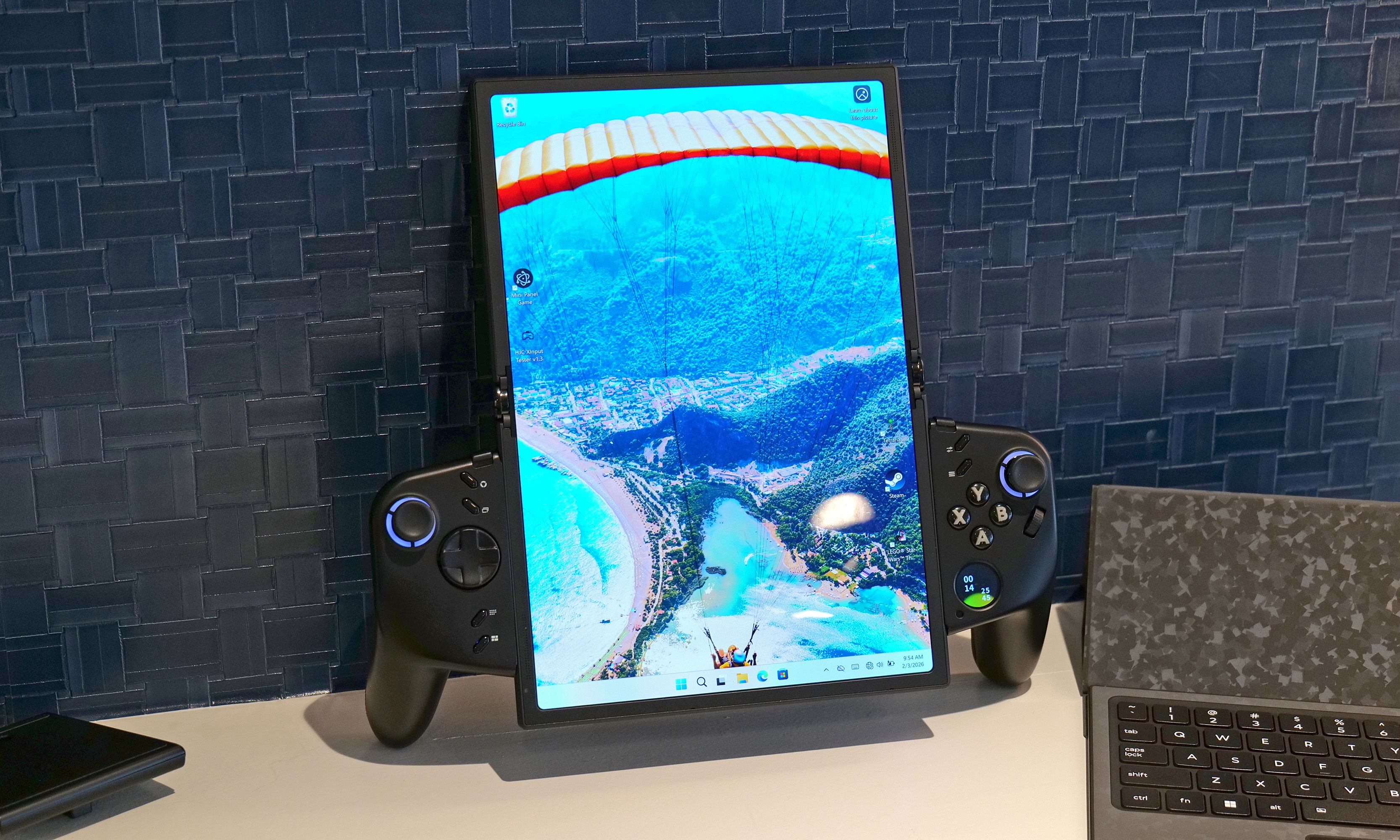
Lenovo pulled up to MWC with a bunch of new products and concepts, but if there's one thing everyone's going to be talking about, it's the Legion Go Fold. (Check out Sam Rutherford's coverage of the Legion Go Fold here). In short, the Legion Go Fold is a concept foldable gaming handheld with a flexible display that can unfurl to a massive 11.6 inches. Or, it can be folded in half to become a 7.7-inch display. It has detachable controllers, and there are multiple mounting points along the tablet so you can switch things up between landscape and portrait mode. The left and right gamepads can also be combined into one controller with an accessory, and the display can be propped up kickstand-style with the folio cover. 

You think we're done here? We're not. The Legion Go Fold can go laptop mode too, with a strip of pogo pins where a wireless keyboard can be connected. Its right gamepad can serve as a mouse, thanks to the inclusion of a little scroll wheel and a hidden sensor. That gamepad also features a tiny circular OLED display below the buttons, which can both show widgets such as the time and be used as a touchpad. 

It is a concept, though, so don't get your hopes up too much about this one going into production. And if it does ever become a real, buyable product, it'll no doubt be expensive. 

The Lenovo Modular AI PC concept is an ambitious mashup between a traditional clamshell and a dual-screen notebook with hot swappable ports.
Sam Rutherford for Engadget

Lenovo also announced its Modular AI PC concept — a laptop with two displays and a detachable keyboard. As Sam Rutherford, who got a chance to check it out in person, explained, "This allows you to move its keyboard and secondary display around at will, so the system can better adjust to its environment or workload." Perhaps even more exciting is that it has hot swappable ports. Lenovo demonstrated it with USB-C, USB-A and HDMI connectors, but said others could be possible too. 

Still, while everything looked pretty polished in the demo, Lenovo says this one will remain a concept.

The Lenovo Yoga 9i 2-in-1 Aura Edition Gen 11
Lenovo

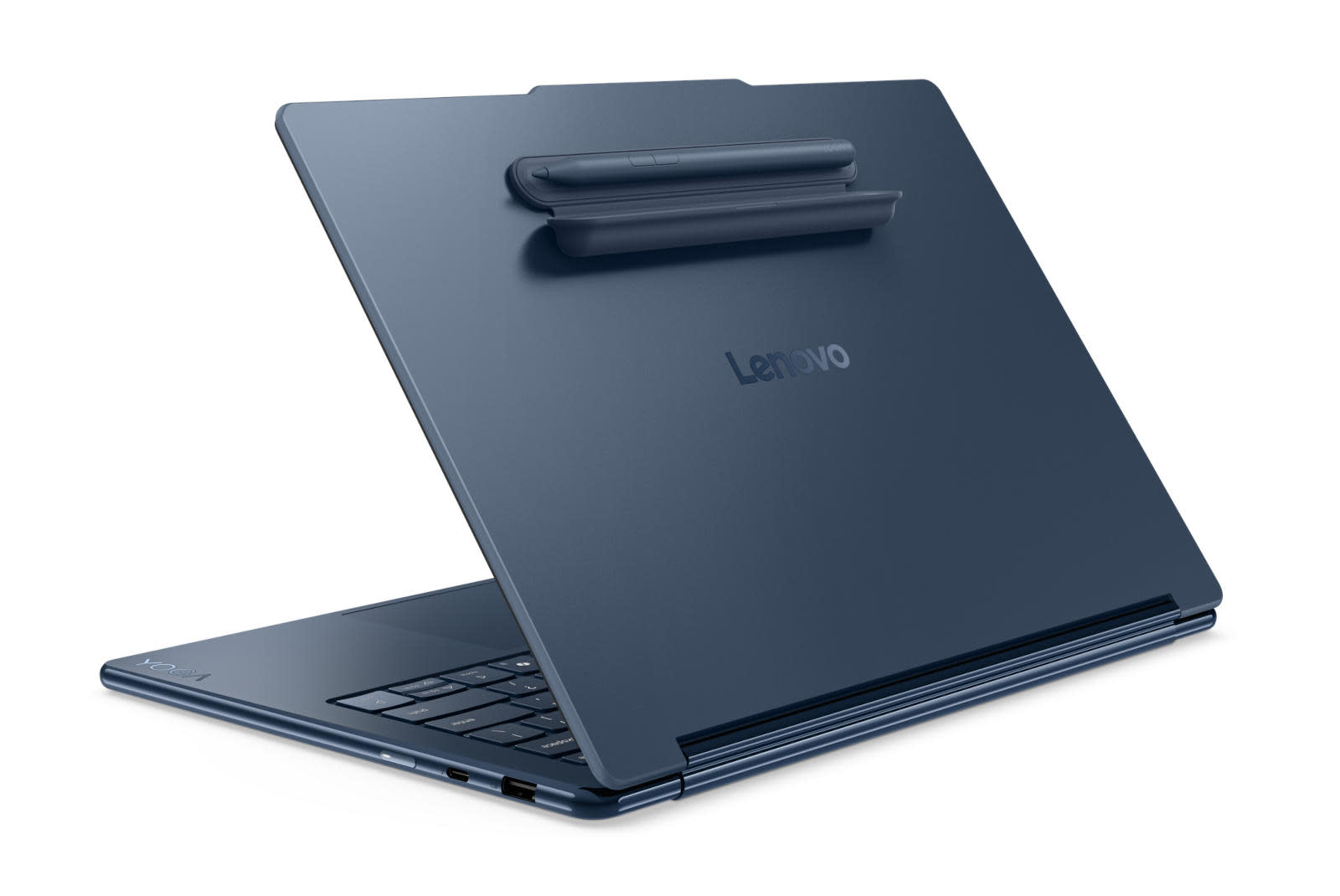
It hasn't all been concepts at MWC. Lenovo also refreshed some of its existing tablet and laptop lineups for 2026. The company introduced the Yoga 9i 2-in-1 Aura Edition Gen 11 (with the new Canvas Mode configuration), starting at $1,949, and the new 15.3-inch Yoga Pro 7a, which starts at $2,099. It's updated its more affordable IdeaPad Slim 5i Ultra laptop ($799) as well. All of those new laptops come with Copilot+ features. For students, Lenovo is launching the 13-inch Idea Tab Pro Gen 2, starting at $419, with its Quira AI assistant and AI tools. You can find all the specs and release dates for those here. 

Upgrades are here for Lenovo's ThinkPads too, along with the Yoga-like ThinkBook 2-in-1. And, Lenovo announced a $499 industrial tablet, the ThinkPad X11. 

Lenovo's 8.8-inch gaming tablet is getting a spec boost with the latest version announced at MWC 2026, the $849 Legion Tab Gen 5. The tablet has a Snapdragon 8 Gen 5 chipset, 16GB of RAM and up to 512GB storage. It also has a 9,000mAh battery to support longer gaming sessions, and two USB-C ports. The Legion Tab Gen 5 comes in three colors: Eclipse Black, Glacier White and the lime-green Surge. It launches in May. That'll be followed shortly after in July by the launch of the new 15-inch Legion 7a Gen 11 gaming laptop, starting at $2,299. 

Lenovo AI Workmate Concept at MWC 2026
Image by Mat Smith for Engadget

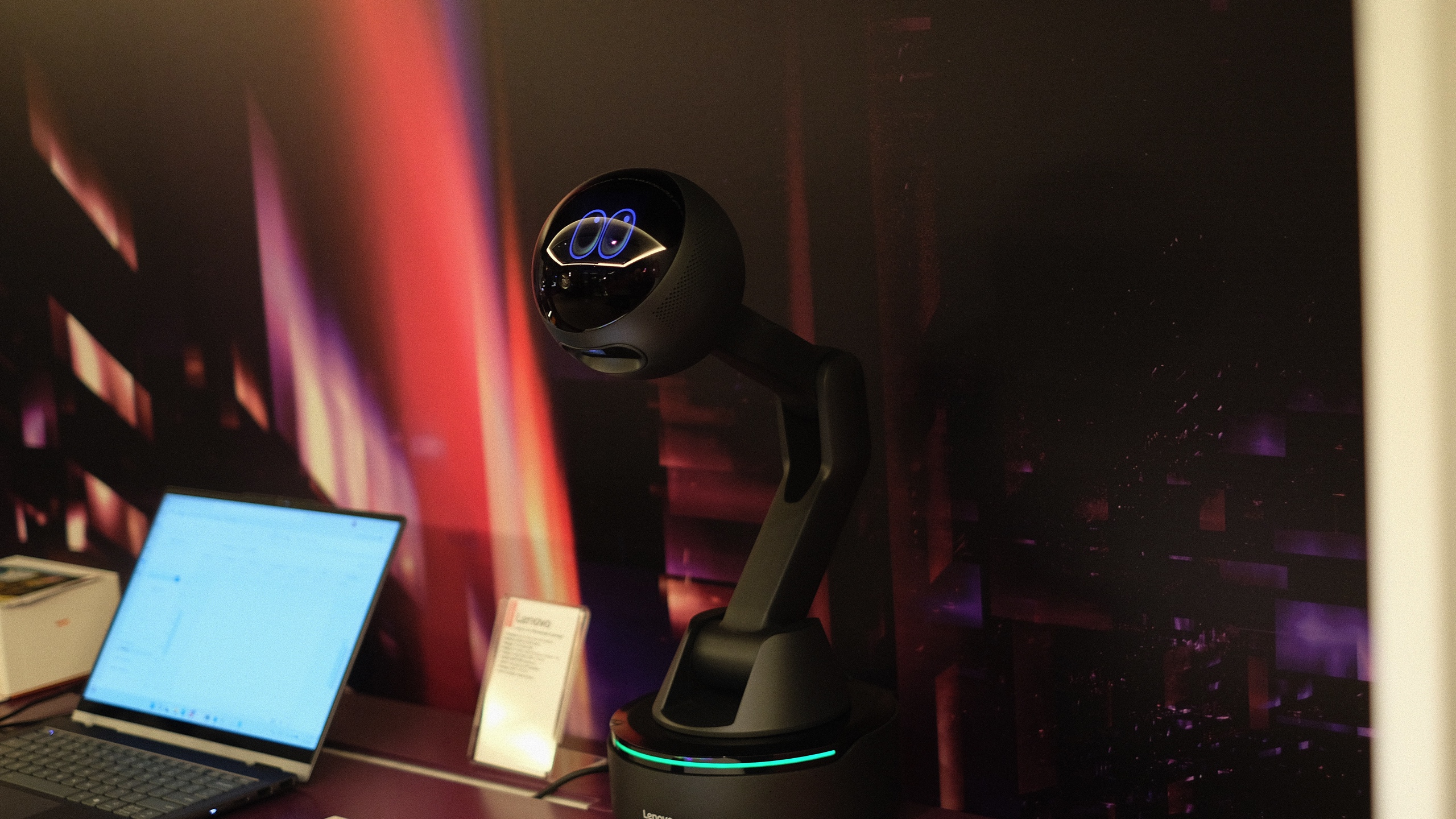
And we're back to the concepts. Lenovo showed off two work-oriented AI devices: the AI Workmate Concept, a desktop robot, and the AI Work Companion Concept, a clock/display that can sync tasks across devices and organize them into a daily plan. The robot has a cute little face, and its head doubles as a projector that can display images and documents on nearby surfaces. 

Honor

Honor's Robot Phone, a smartphone with a gimbal-mounted camera that folds out to sit on top of it, is shown on a stand at MWC displaying a live image of the reporters photographing it
The Robot Phone. (Image by Mat Smith for Engadget)

Honor teased its Robot Phone this past fall and we just finally got a proper look at it at MWC. And it's pretty freakin' cute. The phone is equipped with a camera that's mounted on a highly mobile 4-degrees-of-freedom gimbal, which tucks away into a compartment on the back when it's not in use (making for a pretty beefy camera bump). In a demo at MWC, the camera, which behaves like a little robot head, bobbed along to music and showed off some of its gesture skills, like cocking its “head” and nodding in agreement. 

Honor didn't reveal too much spec-wise, but the company says the primary camera uses a 200-megapixel sensor. The gimbal will offer three-axis stabilization, which will be coupled with camera modes such as Super Steady Video and AI Object Tracking. The Robot Phone isn't quite ready for release at the moment, but the company says it will launch later this year. 

Be sure to check out Mat Smith's writeup on the Robot Phone for a more in-depth look.

Honor's humanoid robot is shown shaking hands with CEO James Li on stage at MWC
Honor's humanoid robot. (Image by Mat Smith for Engadget)
Image by Mat Smith

It's not a humanoid robot reveal without some backflips and a choreographed dance performance. Honor introduced its robot at MWC with all the spectacle we've come to expect (though the bot didn't do any talking).  It’s simply called the Honor Robot, and the company has plans for it to be used in both industrial and domestic settings.

Honor Magic V6 in red pictured closed, showing the back camera (left) and open book-style, with the front display and back camera facing the viewer (right)
Honor Magic V6 (Honor)

The Robot Phone isn't the only phone Honor showed off at MWC. The company also announced its Magic V6 smartphone, which it says is the thinnest phone in its category, measuring 8.75mm folded and 4.0mm open in the white colorway. The other three colors — black, gold and red — are slightly thicker, at 9mm folded and 4.1mm open.

Not too much has changed from the V5, though, which only came out in August 2025. It does however have the Snapdragon 8 Elite Gen 5, with 16GB RAM and 512 GB storage. As for the cameras, there are two 50-megapixel lenses and a 64-megapixel telephoto, plus a 20-megapixel f/2.2 selfie lens on the cover and internal display. 

The international version of the Magic V6 will have a 6,660mAh battery with 25 percent silicon content, while the version sold only in China will boast a battery with a rated capacity of more than 7,000mAh and 32 percent silicon content. Honor hasn't yet shared details about pricing and availability.  

Honor MagicPad 4
Honor MagicPad
Honor

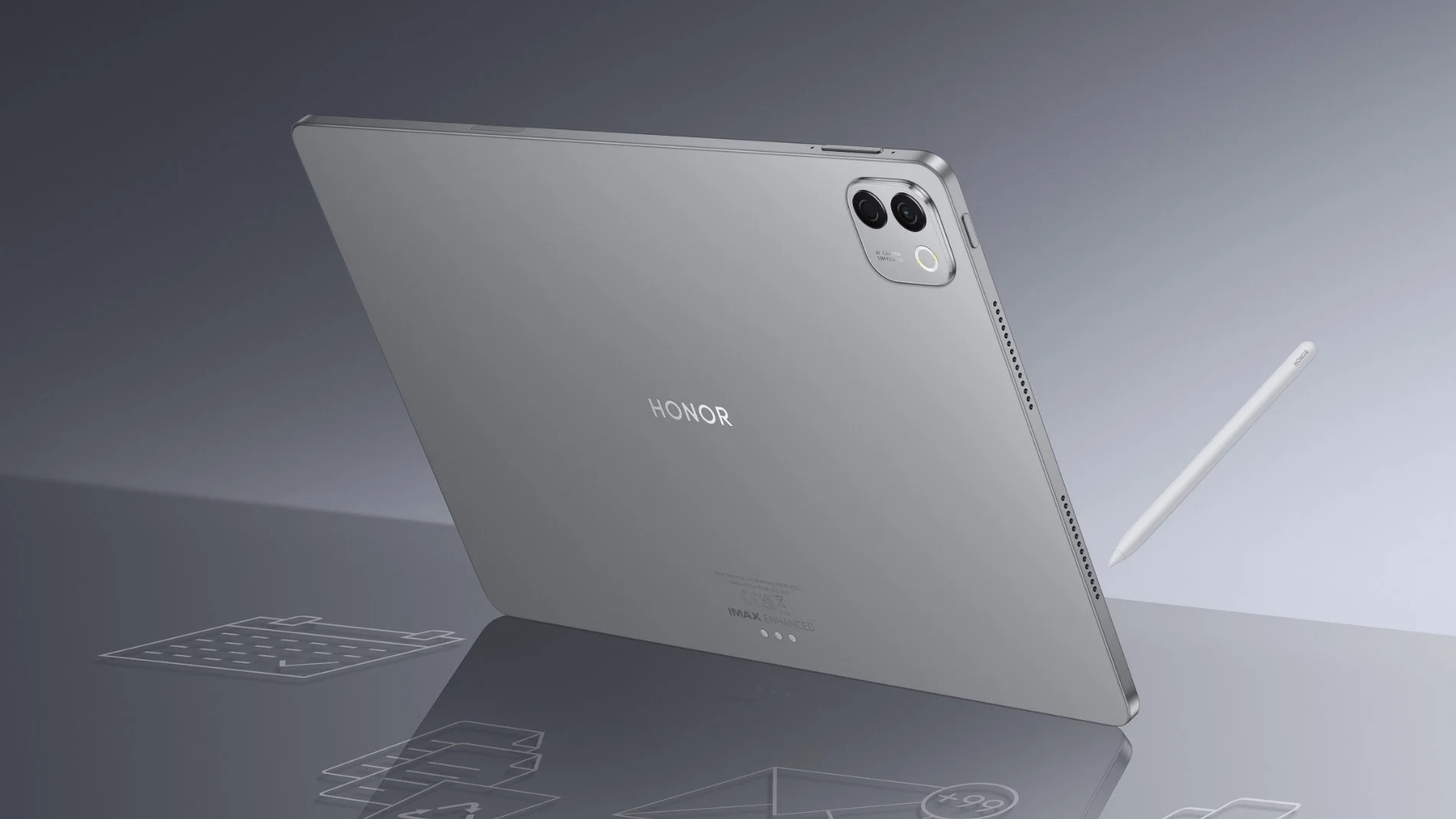
Ahead of MWC, Honor also announced what it claims is the thinnest Android tablet in the world: the 4.8mm thick MagicPad 4. We're expecting to hear more about this at Honor's press conference on Sunday, but so far we know it features a 12.3-inch 165Hz OLED display and weighs just 450g. It comes with up to 16GB of RAM and 512GB of storage, and is powered by Qualcomm's Snapdragon 8 Gen 5 chipset. The thinness doesn't count the camera bump, Honor notes. The MagicPad 4 has 13MP rear and 9MP front cameras. It also boasts spatial audio, with eight speakers.

Just as the display is slightly smaller than the previous MagicPad, the MagicPad 4 has a smaller battery at 10,100 mAh. It comes with a 66W fast charger. The MagicPad 4 will run Honor's MagicOS 10. We don't yet know how much it will cost, but we'll update this after Honor's press conference (where we're also expecting to see the company's robot) with any new details.  

Xiaomi x Leica

Mat Smith for Engadget

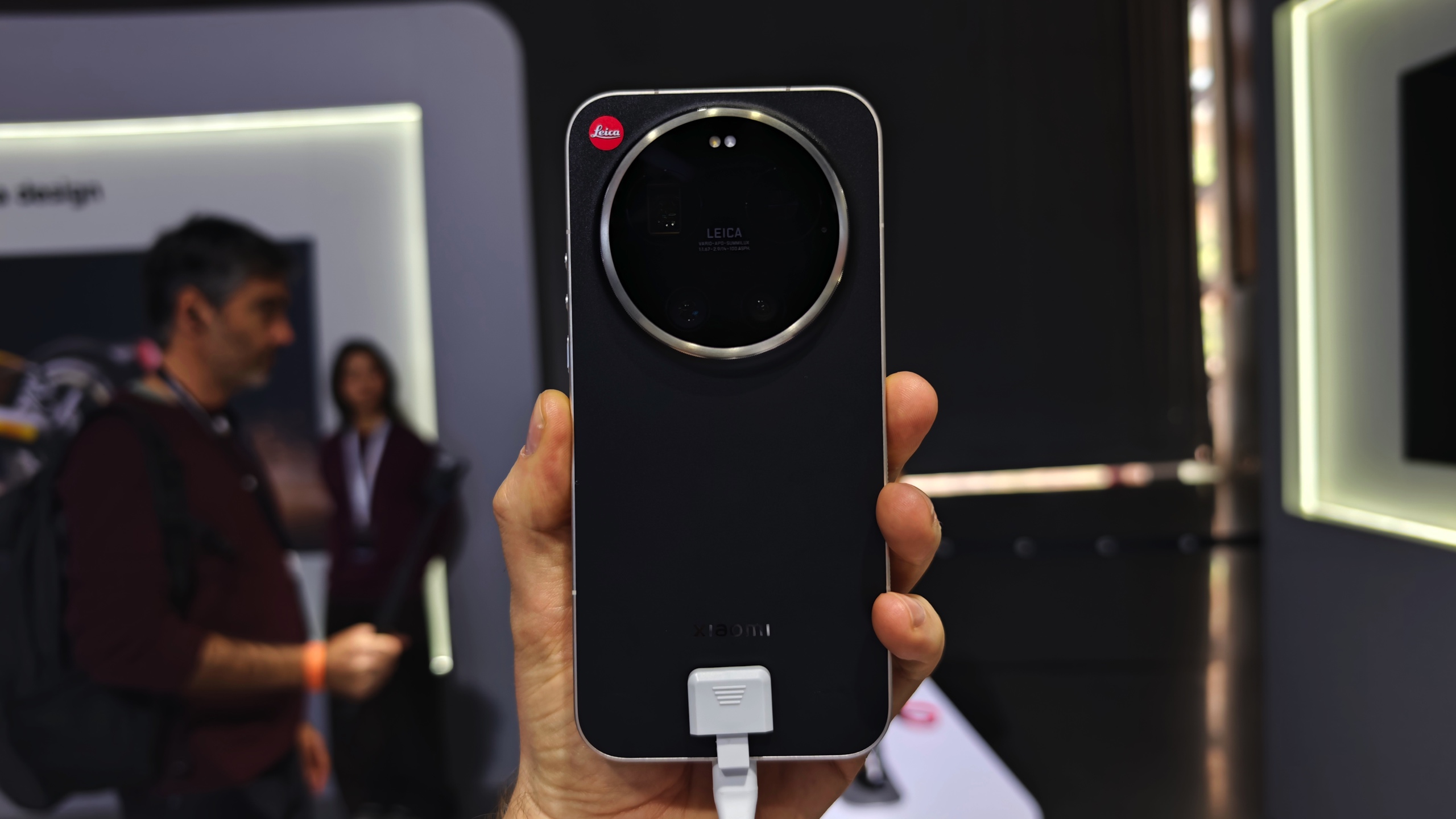
Xiaomi kicked off MWC this year by announcing the global launch of its 17 Ultra smartphone, which debuted first in China back in December. It's unclear if the phone will ever come to the US, but it's now rolling out in Europe. Xiaomi teamed up again with Leica to make a photography-focused smartphone, and the 17 Ultra sports a 1-inch 50-megapixel camera sensor with a f/1.67 lens, a telephoto setup with a 200MP 1/1.4-inch sensor, and a 50MP ultrawide camera. There's also a manual zoom ring around the camera. 

Check out our hands on for our first impressions of what it's like shooting with the Xiaomi 17 Ultra. And there's more to it than just the camera. The 17 Ultra has a 6.9-inch OLED 120 Hz display that peaks at 3,500 nits of brightness, and a 6,000mAh silicon-carbon battery. The Xiaomi 17 Ultra starts at £1,299 (roughly $1,750).

Leica also announced a new phone made in partnership with Xiaomi at MWC. It looks a whole lot like Xiaomi's 17 Ultra, but isn't the 17 Ultra, exactly.

Leica Leitzphone by Xiaomi hands-on at MWC 2026§
Leica Leitzphone by Xiaomi hands-on at MWC 2026
Image by Mat Smith for Engadget

Like the 17 Ultra, Leica's Leitzphone by Xiaomi has a 1-inch camera sensor and physical controls for zoom and other settings, using a mechanical ring around the camera unit. It features a Leica-designed intuitive camera interface with the option to show just the essentials when you're shooting, hiding all the modes and labels. There's a monochrome shooting mode and Leica filters. 

The Leica branding is splashed all over it in design and wallpapers, but it's otherwise pretty similar to the 17 Ultra, with the same specs. Like the 17 Ultra, it has a Snapdragon 8 Elite Gen 5 chip and a 6.9-inch 120Hz display. This one's priced at €1,999 (roughly $2,362).

The Xiaomi Pad 8 Pro
Xiaomi

In addition to the 17 Ultra, Xiaomi announced two new tablets at MWC this year: the Xiaomi Pad 8 and Xiaomi Pad 8 Pro. There's nothing revolutionary here, but they're lightweight and thin, with both being 5.75mm thick and weighing 485g, and have a 9,200mAh battery. The Pro model is powered by a Snapdragon 8 Elite chip, while the regular Pad 8 uses the Snapdragon 8s Gen 4 chipset. 

Xiaomi also unveiled a new 5,000mAh powerbank, the UltraThin Magnetic Power Bank 5000 15W. The 6mm thick power bank comes in three colors with an aluminum alloy shell: orange, silver and charcoal gray. Along with that, the company introduced the Xiaomi Tag, its own take on the Bluetooth item tracker. The Xiaomi Tag has a built-in hanging loop so it can be attached directly to a keyring, and the company says it will work with both Apple Find My and Google's Find Hub for Android.

Tecno

Tecno

We can always expect to see some wild phone concepts at MWC, and this year we're starting with one from Tecno. The company unveiled a modular concept smartphone design that can be as thin as 4.9mm in its base configuration. There’d be 10 modules to choose from based on the announcement, including various camera lenses, a gaming attachment and a power bank, relying on magnets to keep it all together — or Modular Magnetic Interconnection Technology, as Tecno is calling it. 

This article originally appeared on Engadget at https://www.engadget.com/mobile/everything-announced-at-mwc-2026-lenovos-wild-foldable-gaming-handheld-honors-robot-phone-and-more-172442814.html?src=rss

©

  •  

Xiaomi 17 Ultra hands-on: Incredible cameras, but maybe hard to get

China’s biggest phone makers continue to relentlessly forge ahead with high-spec phones that you may never see in the US. With the Xiaomi 17 Ultra this year, the company has continued its pattern from previous iterations by focusing on powerful camera sensors, huge batteries and… being selective about global availability.

Xiaomi’s 17 series is launching across multiple European territories months after its Asia debut, but at the time of writing, no word yet on US availability. Another logistical point of interest? When we last checked out Xiaomi’s devices, it was the 15 series, and the company has decided to skip 16 and leap straight to 17, conveniently matching Apple’s latest number.

Storied camera brand Leica has been involved with Xiaomi’s phones for a few years and its newest flagship doesn’t disappoint in that regard, because this is another Xiaomi device dedicated to photography.

Xiaomi 17 Ultra hands-on at MWC 2026
Image by Mat Smith for Engadget

The 17 Ultra has a huge 1-inch 50-megapixel main camera sensor with a f/1.67 lens, and a telephoto setup with a 200MP 1/1.4-inch sensor and going up to 4.3x optical zoom. Xiaomi claims it’s capable of up to 17x “optical-level zoom,” but quality doesn’t measure up to, say, the Oppo Find X9, with its dedicated telescopic lens add-on. There’s also a 50MP ultrawide camera to round things out.

The main camera is very impressive, delivering plenty of detail and performing incredibly well in low light, seemingly before any computational photography kicks in. A new Light Fusion 1050L sensor features LOFIC HDR technology, delivering stronger control over highlights and more detail in darker areas of your shots. I've been impressed by the balanced color tone and contrast, without having to edit or add one of the (many) Leica camera filters.

If anything, the slightly heavy-handed algorithms can sometimes ruin parts of a shot. For instance, by scrambling lettering or capturing blurry, AI-mutated faces where computational photography takes a swing (and a miss) at people in the distance.

Xiaomi 17 Ultra hands-on photo samples
Mat Smith for Engadget

The telephoto camera alone is also technically interesting in a few ways. It offers continual optical zoom across the 75-100mm range without in-sensor cropping. This means the lenses physically move to deliver lossless zoom across a range of distances, without jarring leaps between camera sensors and crops. This doesn’t run across the full gamut, but it does roughly cover the 3-4x optical zoom range, which is often used in portrait photography.

The APO (apochromatic) lens design on the telephoto is more immediately useful and effective. An APO lens significantly reduces chromatic aberration by focusing three wavelengths of light (red, green and blue) onto the same focal plane. This lens design means it can correct color fringing and improve image sharpness.

Xiaomi 17 Ultra hands-on photo samples
At full optical zoom, this light fitting at Soho Theatre Walthamstow doesn't bloom or fringe to the extent that most smartphone zooms suffer from.
Mat Smith for Engadget

At higher zoom levels, fringing and lighting bloom often hamper telephoto photos on smartphones, and Xiaomi’s solution has some appeal. I noticed less fringing than on other zoom-capable Android phones from Samsung, Oppo and Google. It also supports macro photography, but is hindered this time by a minimum focal distance of 30cm (11.8 inches). Most smartphone cameras’ macro modes let you get much closer.

The 17 Ultra can capture up to 8K video (at 30 fps), 4K Dolby Vision up to 120 fps, and 4K 120 fps Log video, ensuring you can make the most of that huge 1-inch sensor in video, too. That said, it seems to struggle with stabilization at times, while its low-light performance doesn’t match its prowess in still photography, lagging behind flagship phones from Apple, Google and Samsung.

There's also a special Leica edition of the 17 Ultra, which is largely the same, specification-wise, but with a manual zoom ring around the camera unit. It's a cool gimmick, but felt oddly loose on a few devices I've handled. 

Xiaomi made a few design changes to its Ultra line this year, with a new, entirely flat display, and flattened edges that look like a certain family of devices. In fairness, it’s not the only company using imitation as flattery. There’s also IP68 protection against dust and water.

While cameras may be the highlight, this is a flagship device by any specification metric. With a 6.9-inch display, this expansive OLED display has variable refresh rates (1-120Hz) and peaks at 3,500 nits of brightness.

At that size, the Xiaomi 17 Ultra is in the territory of devices like the iPhone 17 Pro Max and S26 Ultra. A phone this size isn’t for everyone, but it is the thinnest Ultra phone from Xiaomi to date, with a profile measuring 8.29mm. Xiaomi has also reduced the camera unit’s diameter and raised it on the device, making it easier to use and helping keep fingers out of your shots.

Xiaomi 17 Ultra hands-on at MWC 2026
Image by Mat Smith for Engadget

Also, I’d be remiss if I didn’t mention the huge 6,000mAh silicon-carbon battery, with support for Xiaomi’s 90W HyperCharge (if you have the right charger) and 50W wireless HyperCharge (which also requires Xiaomi’s own dock) speeds. Other phone makers: Please put a battery this huge in your flagship.

At MWC 2026, the company announced the global launch and rollout of the device across Europe, including the UK where the Ultra will start priced at £1,299 (roughly $1,750). We're still waiting to confirm US availability and pricing.

While the specs are powerful, “launching” a flagship device that’s already been in the wild for a few months — even if elsewhere in the world — reduces the spectacle.

This article originally appeared on Engadget at https://www.engadget.com/mobile/smartphones/xiaomi-17-ultra-global-launch-hands-on-leica-camera-143006810.html?src=rss

©

© Image by Mat Smith for Engadget

Xiaomi 17 Ultra hands-on at MWC 2026
  •  

Tim Cook confirms a week of Apple product reveals

Apple CEO Tim Cook has teased “a big week ahead" for Apple, starting on the morning of Monday, March 2. The company had already announced an in-person event for media and creators on March 4, while rumors had pointed toward Apple revealing at least five products over three days next week, so it looks like the stars are aligning for that to actually be the case. 

Cook all but confirmed that Apple is about to reveal its newest MacBooks in the coming days. His tweet features a short video of someone shaping an Apple logo on a surface that appears to have the company’s classic space gray colorway.

A big week ahead. It all starts Monday morning! #AppleLaunch pic.twitter.com/PQ9gM2Gl2r

— Tim Cook (@tim_cook) February 26, 2026

We’re expecting to see a new MacBook Air next week, along with updated 14- and 16-inch MacBook Pros. It's believed that the M5 Pro and M5 Max will debut in the higher-end devices. Apple may also be cooking up an entry-level MacBook that'll be available in an iMac-style array of bright colorways. New iPads and the iPhone 17e could well be in the hopper too.


This article originally appeared on Engadget at https://www.engadget.com/computing/laptops/tim-cook-confirms-a-week-of-apple-product-reveals-144758464.html?src=rss

©

  •  

Tecno just unveiled a ridiculously thin modular smartphone concept design

Tecno just unveiled a rather intriguing modular smartphone concept design at MWC 2026. The standout feature here is likely the size. Most modular smartphone concepts start bulky and only get bulkier once attaching accessories. Tecno's base smartphone is just 4.9mm thin, which is significantly thinner than a pencil and the iPhone Air.

Of course, the size increases with each attached module. However, snapping on the power bank module makes the thickness comparable to a standard modern smartphone. Another key feature here is how these various modular components stick together. Tecno has developed new interconnection technology that uses both magnets and pin connectors. This should make it easy to both attach and remove components.

The company says this phone has been designed to grow with the user through hardware expansion. To that end, Tecno has developed 10 modules. There are various camera lenses and something that looks like a dedicated gaming controller.

People holding phones.
Tecno

While the magnets are for attaching, the pin connectors assist with power delivery. Data transmission between the phone and the modules is handled wirelessly, with the ability to switch between Wi-Fi, Bluetooth and mmWave depending on where the user is located.

There are two colorways for both the phone and the ecosystem of accessories. There's a silver-aluminum edition and a nifty-looking grey version. This doesn't matter to actual consumers because, well, it's just a concept design. It does look like the company's magnetic attachment technology could make it to some actual products down the line.

Tecno has always been a company that marched to the beat of its own drummer. It has developed a surprisingly affordable foldable phone, a model with a pop-out portrait lens and a foldable with a novel circular display on the exterior.

The industry hasn't quite embraced modular smartphones just yet, even though there have been some nifty concept designs. Google's Project Ara prototype goes back more than a decade, and the same can be said of other concept designs that never saw the light of day.

There have been some modular phones released to the real world, but they weren't nearly as ambitious as Tecno's concept. LG launched a semi-modular phone called the G5 back in 2016, but it didn't move too many units. Moto has also released a couple of semi-modular smartphones, but they didn't set the world on fire.

This article originally appeared on Engadget at https://www.engadget.com/mobile/smartphones/tecno-just-unveiled-a-ridiculously-thin-modular-smartphone-concept-design-194741776.html?src=rss

©

© Tecno

An ad for this thing.
  •  

Samsung Galaxy S26 vs. Galaxy S25: What’s changed and which one should you buy?

Following Samsung’s Unpacked event, the Samsung Galaxy S26 is available for pre-order, and it looks very familiar. That is not necessarily a bad thing. Like recent updates in the Galaxy S line, Samsung is refining its flagship rather than dramatically reinventing it.

Both phones share a lot of core DNA, including compact designs, high-refresh AMOLED displays and similar camera hardware. The S26 does introduce a handful of meaningful updates, however, including a slightly larger battery and newer software out of the box. Those changes also come with a higher starting price: the Galaxy S26 begins at $899.99 compared to the S25’s $799.99 launch price. The entry model now includes 256GB of storage instead of the S25’s base 128GB. Here's how the Galaxy S26 compares with last year’s Galaxy S25 on paper and whether the newer model is worth your attention.

Galaxy S26 vs. Galaxy S25: Design, display and performance

Physically, the Galaxy S26 stays very close to the design Samsung established with the S25. You still get a compact handset with flat edges, an aluminum frame and IP68 water and dust resistance. The overall look and feel should be immediately familiar to anyone who used last year’s phone.

The display story is similarly steady. Both phones use Samsung’s Dynamic AMOLED 2X panels with adaptive refresh rates up to 120Hz, and the S25 is rated for peak brightness of up to 2,600 nits. In everyday use, whether you are scrolling, gaming or watching video, the viewing experience should feel broadly similar between the two devices.

Under the hood, the Galaxy S25 is powered globally by Qualcomm’s Snapdragon 8 Elite for Galaxy chipset paired with 12GB of RAM. The Galaxy S26 continues to target flagship-class performance. While Samsung has made internal refinements, overall speed should remain firmly in high-end territory for routine tasks, multitasking and mobile gaming.

On the software front, the S25 launched with Android 15 and One UI 7, while the Galaxy S26 ships with a newer version of Samsung’s software out of the box. As usual, the older model is expected to receive updates over time, which may narrow the long-term software gap.

Galaxy S26 vs. Galaxy S25: Cameras

Samsung has not dramatically reshuffled the base Galaxy camera hardware. The Galaxy S25 features a triple-camera setup built around a 50-megapixel main sensor, a 12MP ultrawide and a 10MP telephoto with 3x optical zoom, along with a 12MP front camera.

The Galaxy S26 largely sticks with the same proven approach, which suggests image quality should remain broadly consistent in good lighting. As is often the case with Samsung’s year-to-year updates, any meaningful gains are likely to come from image processing improvements rather than brand-new sensors.

For most people, that means the S26 should deliver the punchy, reliable photos Samsung flagships are known for, but Galaxy S25 owners should not expect a dramatic leap in camera hardware.

Galaxy S26 vs. Galaxy S25: Battery life and charging

Battery capacity is one area where the Galaxy S26 makes a measurable change. The Galaxy S25 uses a 4,000mAh battery, while the Galaxy S26 increases that to 4,300mAh. That modest bump should translate into slightly longer endurance in day-to-day use, though real-world gains will depend on efficiency improvements and individual usage patterns.

Charging speeds remain largely unchanged. The Galaxy S25 supports up to 25W wired charging, up to 15W wireless charging and 4.5W reverse wireless charging, and the Galaxy S26 stays in the same general range.

Galaxy S26 vs. Galaxy S25: Software and AI

This year, Samsung is putting more emphasis on Galaxy AI, even on the base Galaxy S26. While many of the headline features are aimed at the Ultra and Plus models, the standard S26 still picks up several practical upgrades.

One of the more useful additions is Document Scan, which uses AI to clean up scans by automatically removing distortions, fingers and creases. It can also bundle multiple images into a single PDF, making it easier to digitize receipts, notes or forms without extra editing.

Samsung is also expanding its proactive assistant features. Now Brief becomes more personalized on the S26, surfacing reminders and updates based on your activity throughout the day, while the new Now Nudge system can suggest relevant content at the right moment. For example, if someone asks for photos from a recent trip, the phone can proactively surface matching images from your gallery instead of making you search manually.

Search is getting smarter as well. Circle to Search with Google now supports enhanced multi-object recognition, allowing you to identify several items in an image at once. Samsung is also upgrading Bixby into a more conversational assistant, and the S26 supports third-party agents such as Gemini and Perplexity for handling more complex, multi-step tasks through voice commands.

Security and privacy features are expanding in the background too. The Galaxy S26 introduces AI-powered Call Screening to summarize unknown callers, along with new Privacy Alerts that warn when apps request sensitive permissions. Samsung is also extending its post-quantum cryptography protections deeper into the system, backed by the company’s Knox security platform and seven years of promised security updates.

Galaxy S26 vs. Galaxy S25: How to choose

If you already own a Galaxy S25, the Galaxy S26 looks like a fairly iterative update. The core experience, including performance, display quality and camera hardware, remains very similar.

The main tangible upgrade is the slightly larger battery, along with newer software out of the box. For most S25 owners, that alone probably is not a compelling reason to upgrade. However, if you are coming from an older Galaxy phone or buying fresh, the Galaxy S26 is the more future-proof pick simply because it starts one generation ahead in Samsung’s update cycle and packs the larger battery.

As usual with Samsung’s yearly refreshes, the real decision may come down to pricing and discounts. If the Galaxy S25 sees significant price cuts, it could remain the better value. But at similar prices, the Galaxy S26 is the safer long-term buy.

Galaxy S26 vs. Galaxy S25: Specs at a glance

Specs

Samsung Galaxy S26

Samsung Galaxy S25

Price (MSRP)

$899.99

$799.99 (128GB), $859.99 (256GB)

Dimensions

5.88 x 2.82 x 0.28 inches

5.78 x 2.78 x 0.28 inches

Weight

5.9 ounces

5.7 ounces

Screen size

6.3 inches (FHD+)

6.2 inches (FHD+)

Screen resolution

2,340 x 1,080

2,340 x 1,080

Screen type

Dynamic AMOLED 2X, 120Hz adaptive refresh (1–120Hz), Up to 2,600 nits peak brightness, Corning Gorilla Glass Victus 3

Dynamic AMOLED 2X, 120Hz adaptive refresh (1–120Hz), Up to 2,600 nits peak brightness, Corning Gorilla Glass Victus 2

SoC

Snapdragon 8 Elite Gen 5 for Galaxy

Snapdragon 8 Elite for Galaxy

RAM

12GB

12GB

Battery

4,300mAh

4,000mAh

Charging

Up to 25W (wired), 15W (wireless)

Up to 25W (wired), 15W (wireless)

Storage

256GB, 512GB

128GB, 256GB

Rear camera

50MP main, 12MP ultrawide, 10MP 3x telephoto

50MP main, 12MP ultrawide, 10MP 3x telephoto

Front camera

12MP

12MP

Video capture

Up to 4K 60fps, 8K 30fps

Up to 4K 60fps, 8K 30fps

Water and dust resistance rating

IP68

IP68

Wi-Fi

Wi-Fi 7

Wi-Fi 7

Bluetooth

Bluetooth 6.0

Bluetooth 5.4

OS

Android 16 with One UI 8.5

Android 15 with One UI 7

Colors and finish

Cobalt Violet, White, Black, Sky Blue, Pink Gold*, Silver Shadow* (*Samsung.com exclusive)

Navy, Icyblue, Mint, Silver Shadow, Blueblack*, Coralred*, Pinkgold* (*Samsung.com exclusive)

This article originally appeared on Engadget at https://www.engadget.com/mobile/smartphones/samsung-galaxy-s26-vs-galaxy-s25-whats-changed-and-which-one-should-you-buy-181515367.html?src=rss

©

© Sam Rutherford for Engadget

Samsung Galaxy S26
  •  

Samsung Galaxy S26 vs. S26+ vs. S26 Ultra: Comparing the three new phones

Samsung has officially unveiled the Galaxy S26, Galaxy S26+ and Galaxy S26 Ultra, and the company is once again leaning heavily on AI, camera upgrades and refined hardware to move the lineup forward. While the overall design remains familiar, there are some meaningful differences between the three models, particularly when it comes to display tech, charging speeds and camera hardware.

Across the board, the S26 family is powered by Qualcomm’s Snapdragon 8 Elite Gen 5 for Galaxy chip and runs Android 16 with One UI 8.5. Samsung is also doubling down on Galaxy AI features like Now Brief, Now Nudge and upgraded Circle to Search, positioning the new phones as more proactive assistants than before.

As usual, though, the Ultra model is where Samsung is pushing the envelope the furthest. It gains the most advanced camera system, faster wired and wireless charging and the company’s new built-in Privacy Display tech. Pre-orders are available now, with official sales starting on March 11. If you’re trying to decide which model makes the most sense for your needs (and budget), here’s how the three devices stack up on paper.

Samsung Galaxy S26 vs. S26+ vs. S26 Ultra: Specs compared

Specs

Samsung Galaxy S26

Samsung Galaxy S26+

Samsung Galaxy S26 Ultra

Price (MSRP)

$899.99

$1,099.99

$1,299.99

Dimensions

71.7 x 149.6 x 7.2 mm

71.7 x 149.6 x 7.2 mm

78.1 x 163.6 x 7.9 mm

Weight

167g

190g

214g

Screen size

6.3 inches (FHD+)

6.7 inches (QHD+)

6.9 inches (QHD+)

Screen resolution

2340 x 1080

3120 x 1440

3120 x 1440

Screen type

Dynamic AMOLED 2X, 120Hz adaptive refresh (1–120Hz), Up to 2,600 nits peak brightness

Dynamic AMOLED 2X, 120Hz adaptive refresh (1–120Hz), Up to 2,600 nits peak brightness

Dynamic AMOLED 2X, 120Hz adaptive refresh (1–120Hz), Up to 2,600 nits peak brightness

SoC

Snapdragon 8 Elite Gen 5 for Galaxy

Snapdragon 8 Elite Gen 5 for Galaxy

Snapdragon 8 Elite Gen 5 for Galaxy

RAM

12GB

12GB

12GB or 16GB

Battery

4,300 mAh

4,300 mAh

5,000 mAh

Charging

25W (wired), 15W (wireless)

45W (wired), 20W (wireless)

60W (wired), 25W (wireless)

Storage

256/512GB

256/512GB

256/512GB, 1TB

Rear camera

50MP main, 12MP ultrawide, 10MP 3x telephoto

50MP main, 12MP ultrawide, 10MP 3x telephoto

200MP main, 50MP ultrawide, 10MP 3x telephoto, 50MP 5x periscope telephoto

Front camera

12MP

12MP

12MP

Video capture

Up to 4K 60fps, 8K 30fps

Up to 4K 60fps, 8K 30fps

Up to 4K 120fps, 8K 30fps

Water and dust resistance rating

IP68

IP68

IP68

Wi-Fi

Wi-Fi 7

Wi-Fi 7

Wi-Fi 7

Bluetooth

Bluetooth 6.0

Bluetooth 6.0

Bluetooth 6.0

OS

Android 16 with One UI 8.5

Android 16 with One UI 8.5

Android 16 with One UI 8.5

Colors and finish

Cobalt Violet, White, Black, and Sky Blue / Pink Gold and Silver Shadow (Samsung exclusive)

Cobalt Violet, White, Black, and Sky Blue / Pink Gold and Silver Shadow (Samsung exclusive)

Cobalt Violet, White, Black, and Sky Blue / Pink Gold and Silver Shadow (Samsung exclusive)

This article originally appeared on Engadget at https://www.engadget.com/mobile/smartphones/samsung-galaxy-s26-vs-s26-vs-s26-ultra-comparing-the-three-new-phones-181047172.html?src=rss

©

© Sam Rutherford for Engadget

Samsung Galaxy S26 series smartphones
  •  

How to pre-order the Samsung Galaxy S26 phones and Galaxy Buds 4

During its Unpacked event today, Samsung announced three new Galaxy S-series phones as well as the latest generation of its earbuds, the Galaxy Buds 4 and Galaxy Buds 4 Pro. Pre-orders are now open and the new devices are set to ship March 11. As expected, this year’s models aren’t drastically different from last year’s, but all the phones are equipped to better handle the Galaxy AI experiences such as Now Nudge that offers suggestions based on your activities and a more conversational assitant in Bixby (or Gemini or Perplexity depending on your preferance).

Engadget’s own Sam Rutherford is on-site in San Francisco for the new hardware launch and will have hands-on impressions. We’ll follow that up with official reviews in the next week. But if you can’t wait for our final verdict, here’s how to pre-order Samsung’s Galaxy S26 phones and the Galaxy Buds 4 today.

This article originally appeared on Engadget at https://www.engadget.com/mobile/smartphones/how-to-pre-order-the-samsung-galaxy-s26-phones-and-galaxy-buds-4-180500976.html?src=rss

©

  •  
❌