❌

Normale Ansicht

Lenovo's ThinkPads get a spec bump at MWC 2026

Lenovo is updating its business-focused laptop lineup at MWC 2026. The best-selling ThinkPad T-series is getting a full refresh, and there's an updated ThinkBook 2-in-1 and an all-new Android tablet.

The ThinkPad T-Series, the backbone of Lenovo's business PC lineup, now (optionally) ships with a 5MP camera that supports computer vision and vHDR. The 2026 versions of the laptops have larger speakers and a new color (“cosmic blue”) on some models.

The ThinkPad T14 Gen 7 and ThinkPad T16 Gen 5 (each starting at $1,799) are the all-around workhorses of the ThinkPad lineup. Lenovo touts the 2026 models' 10/10 iFixit repairability score. They ship with either an Intel Core Ultra Series 3 (with Intel vPro) or an AMD Ryzen AI Pro 400 Series processor.

The ThinkPad T14s Gen 7 laptop against a colorful gradient
ThinkPad T14s Gen 7
Lenovo

Meanwhile, the T14s Gen 7 ($1,899+) is an even lighter version of Lenovo's slim ThinkPad variant. The 2026 model weighs 2.45 lbs (1.1kg), making it the lightest T-series model to date. The T14s Gen 7 is powered by Intel Core Ultra Series 3 (with Intel vPro) or AMD Ryzen AI Pro 400 Series processors.

Rounding out the T-Series is the second-generation of the 360-degree-folding ThinkPad T14s 2-in-1. The 2026 model ($1,849+) is ever-so-slightly lighter than its predecessor, now weighing in at 3.06lbs (1.39kg). The new version includes a garaged pen, with its storage slot living above the screen.

The ThinkPad X13 Detachable against a colorful gradient
ThinkPad X13 Detachable
Lenovo

The ThinkPad X13 Detachable is the lineup's take on the Surface Pro. The tablet has Intel Core Ultra Series 3 processors and up to 64GB of RAM. Its 13-inch display supports up to 500 nits of brightness. It has a pair of Thunderbolt 4 ports, and its keyboard has full-sized keys with 1.5mm of travel. It ships with a "full-size ergonomic pen" that you can stash (and charge!) in a dedicated slot on the keyboard. The X13 Detachable starts at $1,999.

The $499 ThinkPad X11 is a rugged Android tablet for industrial environments. Powered by the Snapdragon 7s Gen 3 Mobile Platform, it has a 10.95-inch display with 2,560 x 1,600 resolution and 600 nits of brightness. It's MIL-STD-810H certified, meaning it passes stringent military testing for durability.

A person in an automotive factory, using the ThinkTab X11 tablet to look at graphs
ThinkTab X11
Lenovo

Finally, there's the ThinkBook 14 2-in-1 Gen 6 ($1,754+). This Yoga-like folding device has a 14-inch WUXGA touch display. It runs on an Intel Core Ultra 7 (Series 3) processor and supports up to 32GB of RAM.

Most of the devices start shipping in Q2 2026. (That includes the ThinkPad T14, T16, T14s, T14s 2-in-1, ThinkTab X11 and ThinkBook 14 2-in-1.) The lone exception is the ThinkPad X13 Detachable, which is slated for Q3 2026. You can learn more about the new business-focused devices on Lenovo's website.

This article originally appeared on Engadget at https://www.engadget.com/computing/laptops/lenovos-thinkpads-get-a-spec-bump-at-mwc-2026-230100419.html?src=rss

©
  •  

NATO approves the iPhone and iPad for classified use

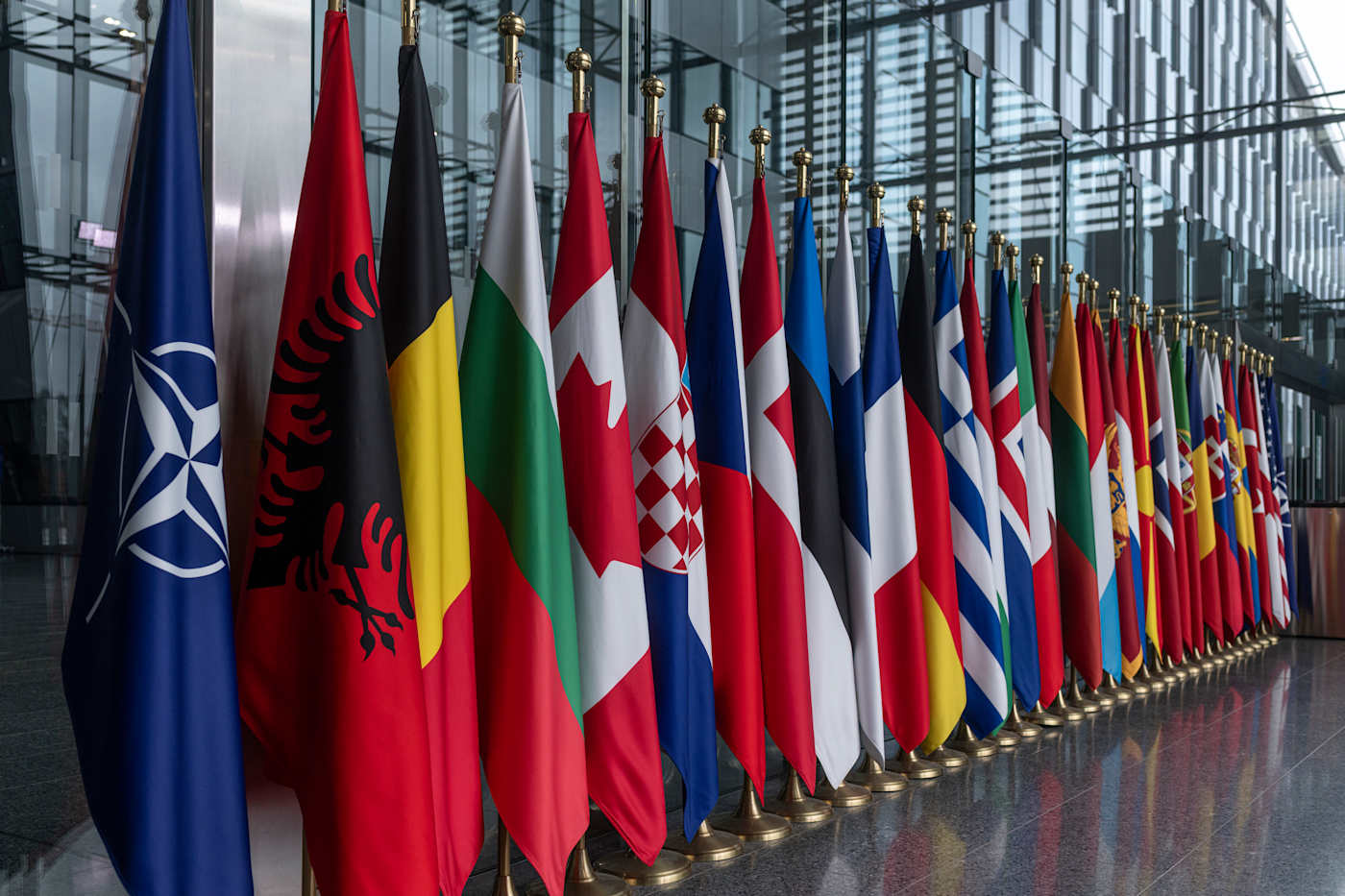
Apple's mobile devices are secure enough for NATO. Following extensive testing by the German government, the iPhone and iPad are now considered secure enough for the NATO-restricted classified level.

Germany's Federal Office for Information Security (Bundesamt für Sicherheit in der Informationstechnik, or BSI) tested the devices. BSI first approved the iPhone and iPad for governmental use by German authorities in 2022. To take the additional step of NATO approval, Apple says BSI conducted exhaustive technical assessments, comprehensive testing and deep security analysis.

Unless you work for NATO, this won't mean a thing to you. But at least it appears to bolster some of Apple's marketing claims about security. (As for its privacy claims, well, that depends on which kind you mean.) Apple's press release emphasized that these are the first consumer devices to receive the certification, and they did so without any special software or settings. It applies to iPhones and iPads running iOS 26.

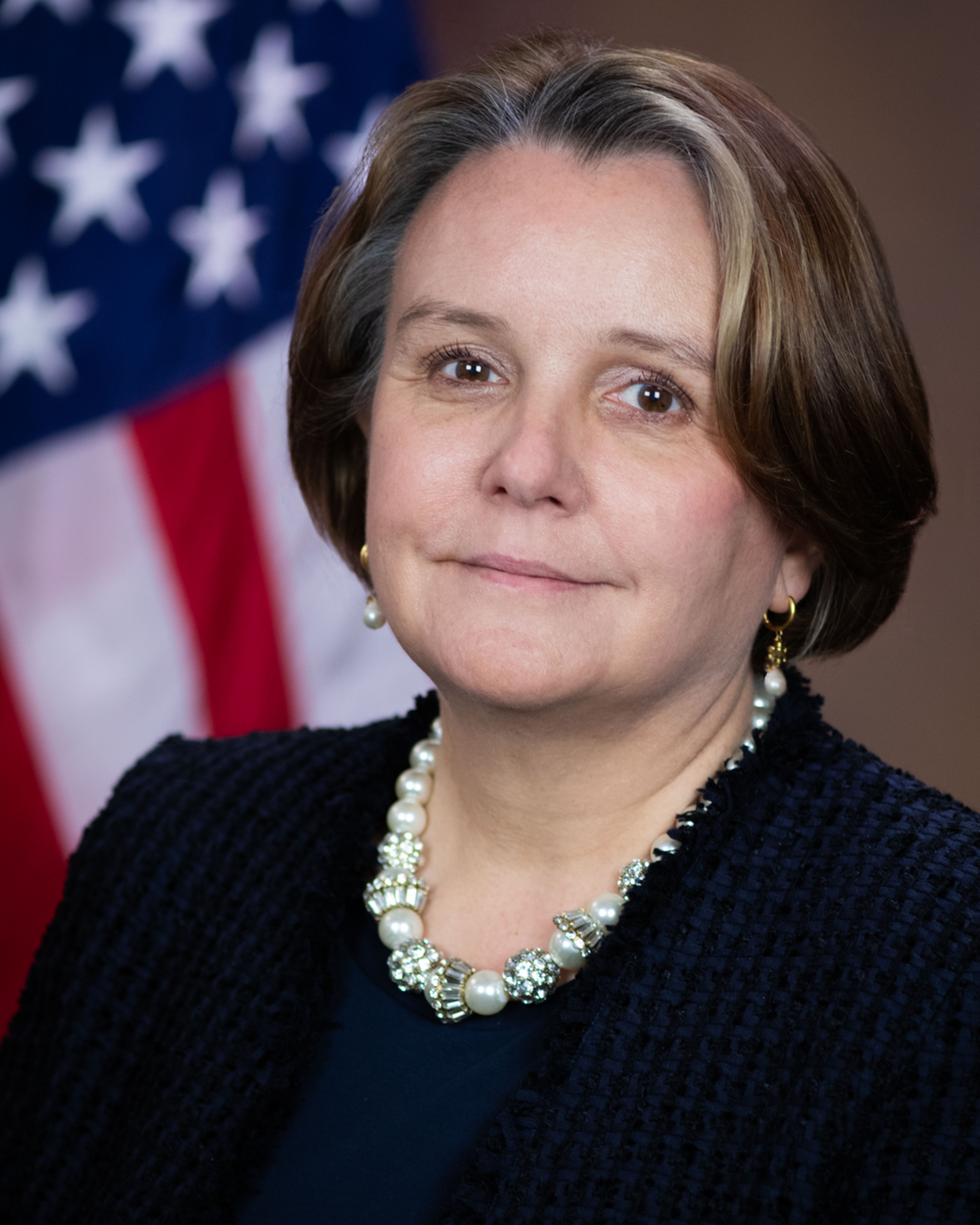
"Secure digital transformation is only successful if information security is considered from the beginning in the development of mobile products," BSI president Claudia Plattner is quoted as saying in Apple's press release. "Expanding on BSI's rigorous audit of iOS and iPadOS platform and device security for use in classified German information environments, we are pleased to confirm the compliance under NATO nations' assurance requirements."

This article originally appeared on Engadget at https://www.engadget.com/mobile/nato-approves-the-iphone-and-ipad-for-classified-use-200857276.html?src=rss

©

  •  

Burger King will use AI to monitor employee 'friendliness'

Burger King, the chain that leans into creepy when others don't dare, is at it again. The Verge reported on Thursday that the company is rolling out a new voice-controlled AI chatbot for its workers. That may sound like business as usual in 2026, but this assistant doesn't just help with meal prep and monitor inventory. It also has an unsettling habit of surveilling employees' voices for "friendliness."

The voice-controlled chatbot will live inside employees' headsets. The company said the AI is trained to recognize when its low-paid workers utter phrases like "welcome to Burger King," "please" and "thank you." Managers can then keep tabs on their location's "friendliness" performance.

"This is meant to be a coaching tool," Thibault Roux, Burger King's chief digital officer, told The Verge. However, he added that the company is also "iterating" the system to detect tone in conversations. Is there a chatbot that can warn Burger King executives about off-putting ideas?

The Creepy King BK mascot standing outside a person's window, staring at them silently.
Burger King retired its Creepy King mascot in 2025.
Burger King / YouTube (Commercial Ads)

The OpenAI-powered assistant's other duties sound potentially useful (and decidedly less creepy). It can answer workers' meal prep questions, like how many strips of bacon to put on burgers or instructions for cleaning the shake machine. It's also integrated into the chain's point-of-sale system, so it can tell managers when items are out of stock or machines are down.

The "Patty" chatbot is part of a broader BK Assistant platform the company is launching. It will roll out to all US locations by the end of 2026. Meanwhile, its "restaurant maintenance with a side of mass surveillance" chatbot is currently being piloted in 500 restaurants.

This article originally appeared on Engadget at https://www.engadget.com/ai/burger-king-will-use-ai-to-monitor-employee-friendliness-173349148.html?src=rss

©

  •  

The next Assassin's Creed game loses its creative director

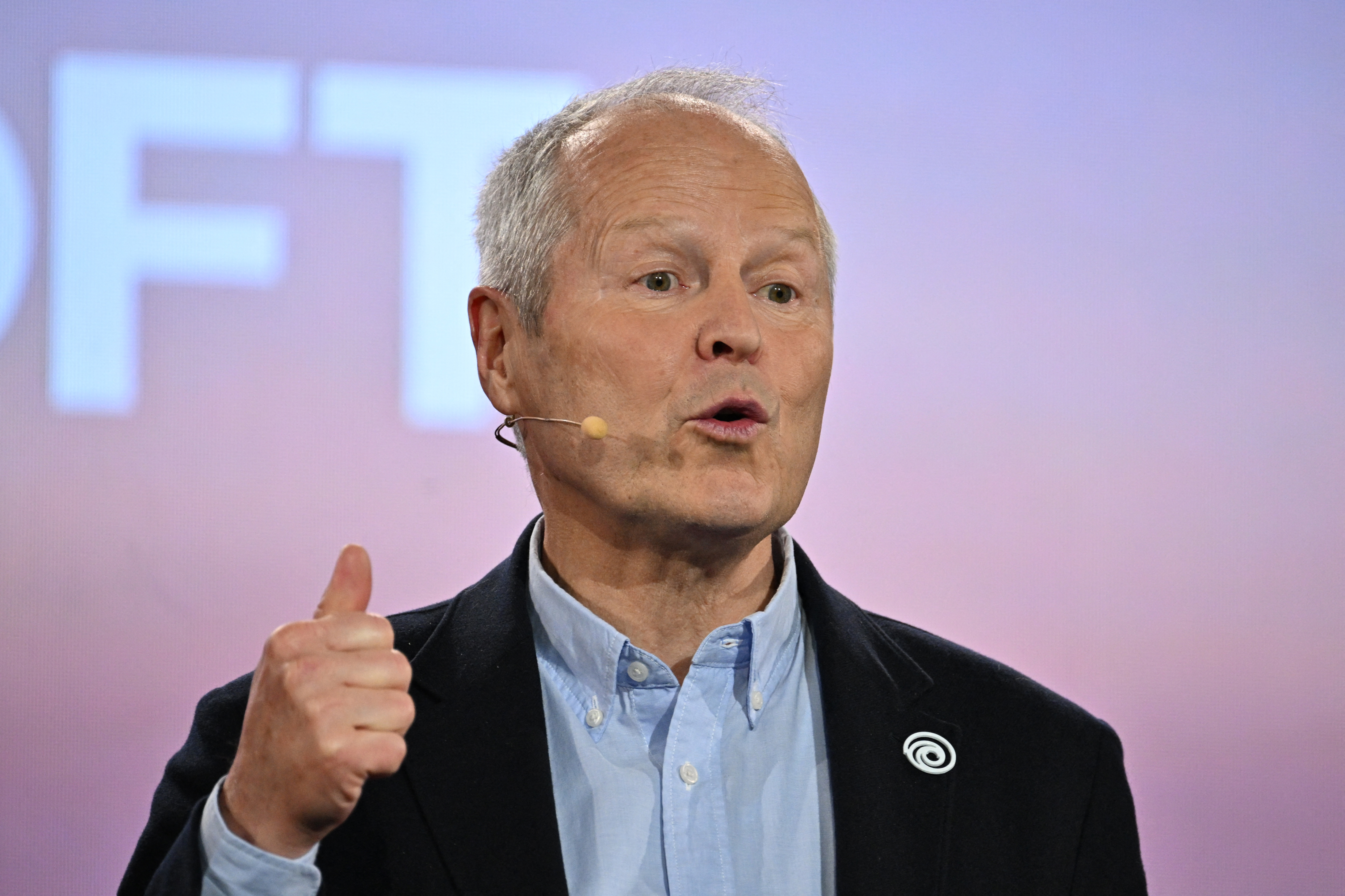
Ubisoft's shakeups continue unabated. The creative director of the next Assassin's Creed game, codenamed Hexe, has left the company. The departure of Clint Hocking, a 20-year veteran of the company over two stints, was reportedly announced in a staff meeting this week.

Hocking's resume at Ubisoft included serving as creative director on Splinter Cell: Chaos Theory, Far Cry 2 and Watch Dogs: Legion. The details of why he's leaving the company haven't been reported.

Ubisoft told VGC, which first reported on Hocking's exit, that development on Hexe will continue. Jean Guedson, one of three new leaders of the Assassin's Creed franchise, will take over as the upcoming title's new creative director. Guedson had the same role for Assassin's Creed Origins and Black Flag, two of the franchise's most well-received entries.

To say sailing hasn't been smooth of late at Ubisoft would be an understatement. Last year, the company reorganized its corporate structure under a system of "creative houses." The first, Vantage Studios, is partly owned by Tencent and now oversees Assassin's Creed. Then in October, franchise head Marc-Alexis Côté left the company. He later claimed he was "asked to step aside" and is suing his former employer.

All of these changes came in the wake of layoffs, big-name flops, more layoffs, studio closures, even more layoffs, strikes and (yep) layoffs again. Earlier this month, Ubisoft even fired an employee who criticized the company’s return-to-office mandate.

But have no fear; some aspects of the company are doing quite well. Take, for example, nepotism. The future is looking bright indeed for a rising company star who is now co-CEO of Vantage Studios. That title belongs to Charlie Guillemot, the son of Ubisoft CEO Yves Guillemot.

This article originally appeared on Engadget at https://www.engadget.com/gaming/the-next-assassins-creed-game-loses-its-creative-director-210119005.html?src=rss

©

  •  

Anthropic weakens its safety pledge in the wake of the Pentagon's pressure campaign

Two stories about the Claude maker Anthropic broke on Tuesday that, when combined, arguably paint a chilling picture. First, US Defense Secretary Pete Hegseth is reportedly pressuring Anthropic to yield its AI safeguards and give the military unrestrained access to its Claude AI chatbot. The company then chose the same day that the Hegseth news broke to drop its centerpiece safety pledge.

On Tuesday, Anthropic said it was modifying its Responsible Scaling Policy (RSP) to lower safety guardrails. Up until now, the company's core pledge has been to stop training new AI models unless specific safety guidelines can be guaranteed in advance. This policy, which set hard tripwires to halt development, was a big part of Anthropic's pitch to businesses and consumers.

“Two and a half years later, our honest assessment is that some parts of this theory of change have played out as we hoped, but others have not,” Anthropic wrote. Now, its updated policy approaches safety relatively, rather than with strict red lines.

Anthropic's quotes in an interview with Time sound reasonable enough in a vacuum. "We felt that it wouldn't actually help anyone for us to stop training AI models," Jared Kaplan, Anthropic's chief science officer, told Time. "We didn't really feel, with the rapid advance of AI, that it made sense for us to make unilateral commitments… if competitors are blazing ahead."

NEW YORK, NEW YORK - DECEMBER 03: (L-R) Andrew Ross Sorkin and Dario Amodei speak onstage during The New York Times DealBook Summit 2025 at Jazz at Lincoln Center on December 03, 2025 in New York City.  (Photo by David Dee Delgado/Getty Images for The New York Times)
Anthropic CEO Dario Amodei (Photo by David Dee Delgado/Getty Images for The New York Times)
David Dee Delgado via Getty Images

But you could also read those quotes as the latest example of a hot startup’s ethics becoming grayer as its valuation rises. (Remember Google’s old “Don’t be evil” mantra that it later removed from its code of conduct?) The latest versions of Claude have drawn widespread praise, especially in coding. In February, Anthropic raised $30 billion in new investments. It now has a valuation of $380 billion. (Speaking of the competition Kaplan referred to, rival OpenAI is currently valued at over $850 billion.)

In place of Anthropic's previous tripwires, it will implement new "Risk Reports" and "Frontier Safety Roadmaps." These disclosure models are designed to provide transparency to the public in place of those hard lines in the sand.

Anthropic says the change was motivated by a "collective action problem" stemming from the competitive AI landscape and the US's anti-regulatory approach. "If one AI developer paused development to implement safety measures while others moved forward training and deploying AI systems without strong mitigations, that could result in a world that is less safe," the new RSP reads. "The developers with the weakest protections would set the pace, and responsible developers would lose their ability to do safety research and advance the public benefit."

LOUISVILLE , CO - FEBRUARY 23: United States Secretary of War Pete Hegseth speaks during a visit to Sierra Space in Louisville, Colorado on Monday, February 23, 2026. (Photo by AAron Ontiveroz/The Denver Post)
Defense Secretary Pete Hegseth (Photo by AAron Ontiveroz/The Denver Post)
AAron Ontiveroz via Getty Images

Neither Anthropic's announcement nor the Time exclusive mentions the elephant in the room: the Pentagon's pressure campaign. On Tuesday, Axios reported that Hegseth told Anthropic CEO Dario Amodei that the company has until Friday to give the military unfettered access to its AI model or face penalties. The company has reportedly offered to adopt its usage policies for the Pentagon. However, it wouldn't allow its model to be used for the mass surveillance of Americans or weapons that fire without human involvement.

If Anthropic doesn't relent, experts say its best bet would be legal action. But will the Pentagon's proposed penalties be enough to scare a profit-driven startup into compliance? Hegseths' threats reportedly include invoking the Defense Production Act, which gives the president authority to direct private companies prioritize certain contracts in the name of national defense. The military could also sever its contract with Anthropic and designate it as a supply chain risk. That would force other companies working with the Pentagon to certify that Claude isn't included in their workflows.

Claude is the only AI model currently used for the military's most sensitive work. "The only reason we're still talking to these people is we need them and we need them now,” a defense official told Axios. “The problem for these guys is they are that good." Claude was reportedly used in the Maduro raid in Venezuela, a topic Amodei is said to have raised with its partner Palantir.

Time's story about the new RSP included reactions from a nonprofit director focused on AI risks. Chris Painter, director of METR, described the changes as both understandable and perhaps an ill omen. "I like the emphasis on transparent risk reporting and publicly verifiable safety roadmaps," he said. However, he also raised concerns that the more flexible RSP could lead to a "frog-boiling" effect. In other words, when safety becomes a gray area, a seemingly never-ending series of rationalizations could take the company down the very dark path it once condemned.

Painter said the new RSP shows that Anthropic "believes it needs to shift into triage mode with its safety plans, because methods to assess and mitigate risk are not keeping up with the pace of capabilities. This is more evidence that society is not prepared for the potential catastrophic risks posed by AI."

This article originally appeared on Engadget at https://www.engadget.com/ai/anthropic-weakens-its-safety-pledge-in-the-wake-of-the-pentagons-pressure-campaign-183436413.html?src=rss

©

  •  

Uber previews its Dubai air taxi service

Uber is one step closer to going airborne. On Wednesday, the company previewed its air taxi booking service ahead of an expected launch in Dubai later this year. The inaugural Uber Air program will let travelers book Joby Aviation's electric air taxis through a familiar process in the Uber app.

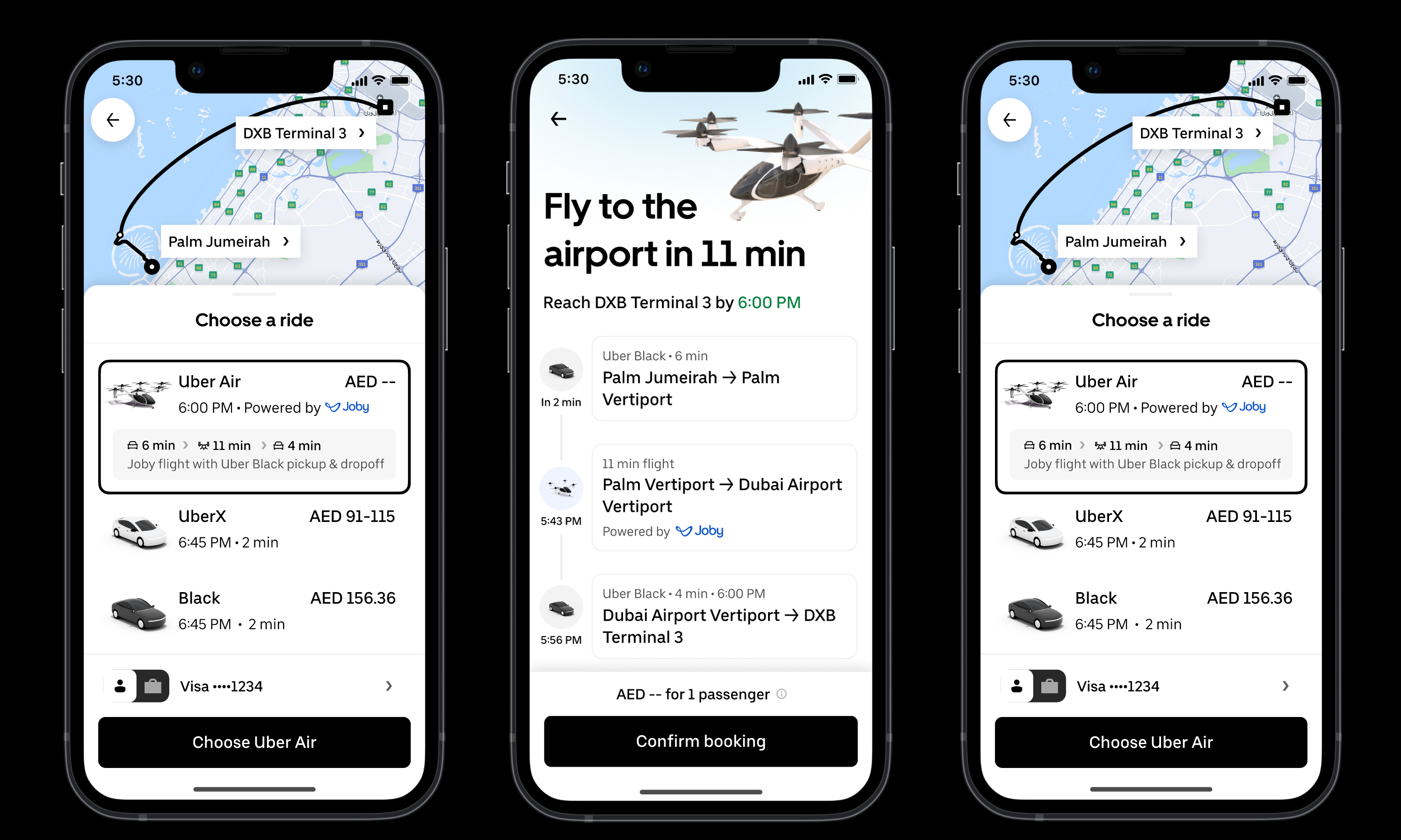
The experience of booking an air taxi will be much like reserving a four-wheeled Uber. In the app, after entering your destination, Uber Air will appear as an option for eligible routes. The Uber app will book a flight and an Uber Black to pick you up and drop you off at a Joby "vertiport."

Three phone screens, showing the process of booking an air taxi in the Uber app
The process of booking a flying taxi will be instantly familiar.
Uber

Joby's air taxis, built exclusively for city travel, can accommodate up to four passengers and luggage. (Uber says size and weight guidelines will be announced closer to launch.) The interior is about the size of an SUV and has "comfortable seating" with panoramic windows. They can travel up to 200 mph and have a range of up to 100 miles. Four battery packs and a triple-redundant flight computer are onboard for safety purposes.

The air taxis aren't (yet) autonomous and will each have a human pilot onboard. That would at least suggest high prices. After all, pilots aren't nearly as cheap as Uber's legion of independent-contractor drivers. But the company insists its air taxi rides will somehow be around as expensive as an Uber Black trip.

A person looks out the window of an air taxi, viewing the city below.
Joby's air taxis have "panoramic" windows with a view of the city below.
Joby

Dubai is only the beginning of the companies’ plans. The US-based Joby says it's in the final stage of FAA type certification and hopes to launch service in New York and Los Angeles. Globally, it's targeting the UK and Japan as well.

As for how realistic a US launch is anytime soon, well, that's up for debate. On one hand, President Trump signed executive orders last year that would create a pilot program to test such aircraft. But safety and cost considerations may require a grounding of expectations.

View from above of a Joby air taxi sitting on the ground
The aircraft requires a human pilot, at least in these early stages.
Joby

In November, Robert Ditchey, a Los Angeles-based aviation expert and test pilot, told NBC News that he didn't think air taxi service "was ever going to happen" in American cities. "They're dangerous," he warned. "We have had helicopters fail and crash on top of buildings in Los Angeles. We've had helicopters fail at takeoff and landing in airports. They're dangerous not from a fire point of view but in terms of landing on top of people and buildings." In addition, he warned that air taxis can't be developed in sufficient numbers to make them economically viable "unless they are subsidized by a government."

Uber and Joby have partnered since 2019. In 2021, Joby bought the Uber Elevate ride-hailing division, which essentially integrated the companies’ services. Last year, Joby acquired Blade Air Mobility's passenger business, which could open the door to eventually electrifying Blade's routes.

The video below shows one of Joby’s air taxis taking a test flight in Dubai.

This article originally appeared on Engadget at https://www.engadget.com/transportation/uber-previews-its-dubai-air-taxi-service-130000603.html?src=rss

©

  •  

Reddit fined $19.6 million over age verification checks in the UK

A common theme in online age verification laws is the tension between user privacy and preventing children from accessing harmful or inappropriate content. Now the UK is sending a not-so-subtle message to Reddit on the subject, to the tune of £14.5m ($19.6 million). The nation's Information Commissioner's Office (ICO) accused the company of using children’s data and potentially exposing them to inappropriate content.

“Children under 13 had their personal information collected and used in ways they could not understand, consent to or control,” UK Information Commissioner John Edwards wrote in a statement. “That left them potentially exposed to content they should not have seen. This is unacceptable and has resulted in today’s fine.”

In July 2025, Reddit began requiring age verification to access adult content in the UK, in compliance with the Online Safety Act. However, that's only used to block under-18 users from sexually explicit, violent or other mature posts. The platform also prohibits users under 13 from accessing it altogether — and enforcement of that policy is lax. It merely requires users to declare, when signing up, that they're over 13. The ICO (accurately) described the method as "easy to bypass."

In its defense, Reddit told the BBC that it "didn't require users to share information about their identities, regardless of age, because we are deeply committed to their privacy and safety." The company said it would appeal the decision. "The ICO's insistence that we collect more private information on every UK user is counterintuitive and at odds with our strong belief in our users' online privacy and safety," the spokesperson added.

"It's concerning that a company the size of Reddit failed in its legal duty to protect the personal information of UK children," Edwards said. "Companies operating online services likely to be accessed by children have a responsibility to protect those children by ensuring they’re not exposed to risks through the way their data is used. To do this, they need to be confident they know the age of their users and have appropriate, effective age assurance measures in place.”

“Reddit failed to meet these expectations,” he added. “They must do better, and we are continuing to consider the age assurance controls now implemented by the platform.” The ICO also accused Reddit of failing to conduct a data protection impact assessment by January 2025.

The Guardian notes that the £14.5m fine is the third-largest handed down by the ICO. It trails only a £20m fine for British Airways involving a data breach disclosure and an £18.4m penalty for Marriott Hotels for exposing over 300 million customer records in a hack.

This article originally appeared on Engadget at https://www.engadget.com/social-media/reddit-fined-196-million-over-age-verification-checks-in-the-uk-173705048.html?src=rss

©

  •  

YouTube is bringing the Gemini-powered 'Ask' button to TVs

YouTube's "Ask" button is making its way to the living room. The Gemini-powered feature is now rolling out as an experiment on smart TVs, gaming consoles and streaming devices. 9to5Google first spotted a Google support page announcing the change.

Like on mobile devices and desktop, the feature is essentially a Gemini chatbot trained on each video's content. Selecting that "Ask" button will bring up a series of canned prompts related to the content. Alternatively, you can use your microphone to ask questions about it in your own words.

Screenshot of a Daily Show video on YouTube. The "Ask about this video" AI window is active to the right.
The "Ask about this video" feature on desktop
YouTube

Google says your TV remote's microphone button (if it has one) will also activate the “Ask” feature. The company listed sample questions in its announcement, such as "what ingredients are they using for this recipe?" and "what's the story behind this song's lyrics?"

The conversational AI tool is only launching for "a small group of users" at first. Google promises that it will "keep everyone up to speed on any future expansions."

This article originally appeared on Engadget at https://www.engadget.com/ai/youtube-is-bringing-the-gemini-powered-ask-button-to-tvs-173900295.html?src=rss

©

  •  

Nevada sues Kalshi for operating a sports gambling market without a license

Nevada is taking action against the rapidly growing Wild West of prediction markets. The state's gambling regulators and attorney general sued Kalshi on Tuesday. They accuse the company of bypassing Nevada law by operating a sports gambling market without proper licenses. In addition, they say Kalshi provides services to individuals under 21, which violates state law.

The lawsuit follows a federal appeals court’s rejection of Kalshi's request to prevent the state from pursuing legal action. And it comes a day after the Trump administration claimed that only the federal government has the right to enforce the industry.

Prediction markets, which allow users to bet on events such as sports, political outcomes and wars, have exploded in popularity. Business Insider reports that Kalshi did 27 times as much business during this year's Super Bowl as last year's. Some of that growth has been at the expense of regulated gambling; Nevada's gambling operations did less business during this year's game.

"Kalshi has continued to dramatically expand its business, rather than attempting to maintain any kind of status quo," Nevada regulators wrote in a letter this month.

Kalshi and rival Polymarket insist that their businesses are "event contracts" and should be regulated as financial investments rather than gambling. The Trump administration, rife with conflicts of interest in this area, agrees. The Chair of the Commodity Futures Trading Commission (CFTC) filed an amicus brief on Tuesday, claiming that it alone has the authority to enforce the prediction market.

"The CFTC will no longer sit idly by while overzealous state governments undermine the agency's exclusive jurisdiction over these markets by seeking to establish statewide prohibitions on these exciting products," CFTC Chair Michael Selig wrote in a Wall Street Journal op-ed.

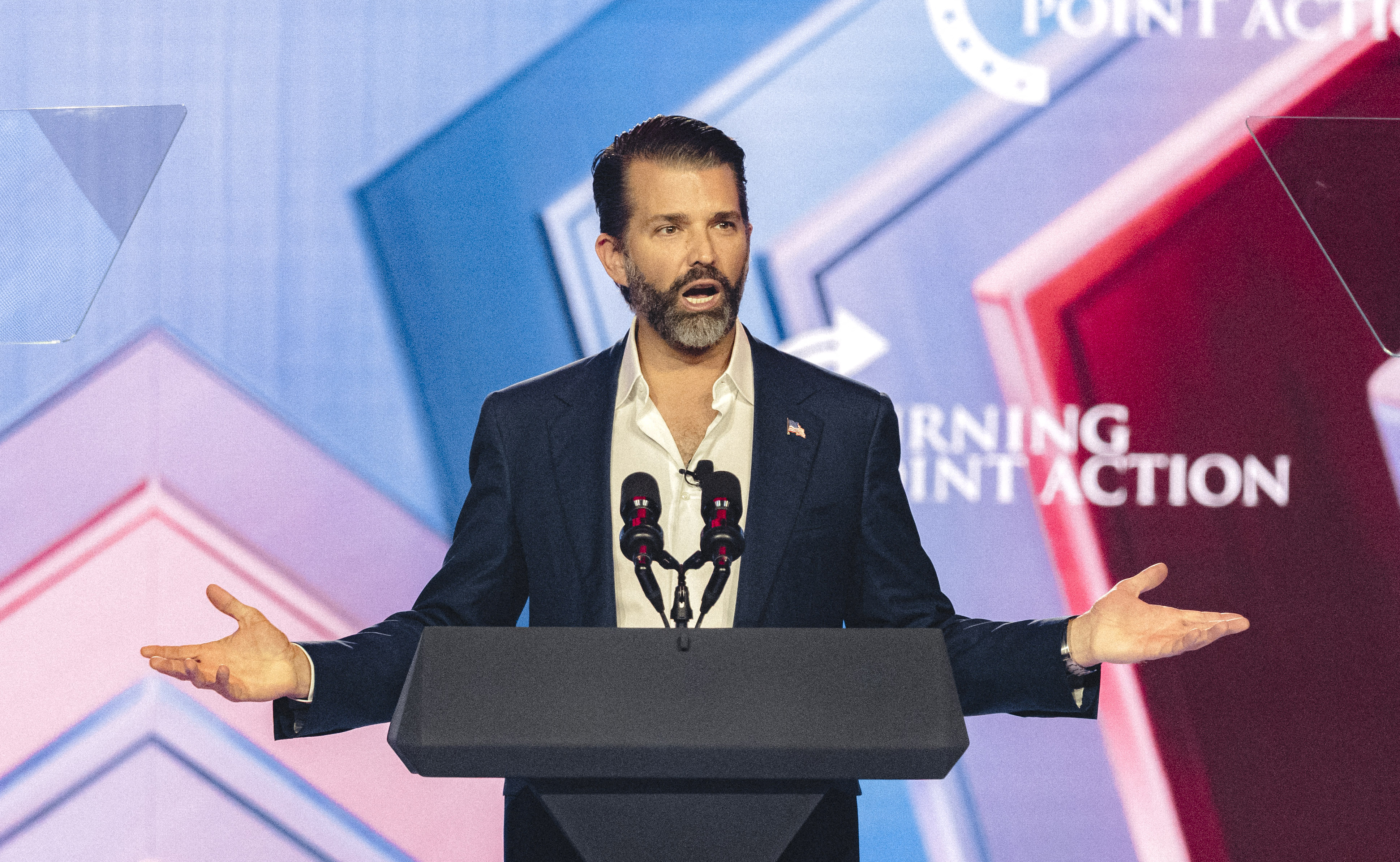
Donald Trump Jr. speaks on stage during Turning Point's annual AmericaFest conference in Phoenix, Arizona on December 21, 2025. This year's conference commemorates the late right-wing activist Charlie Kirk, who was fatally shot on a Utah college campus in September, sparking an outpouring of grief among conservatives and prompting President Donald Trump to threaten a crackdown on the "radical left." (Photo by Olivier Touron / AFP via Getty Images)
Donald Trump Jr. (Photo by Olivier Touron / AFP via Getty Images)
OLIVIER TOURON via Getty Images

Not coincidentally, prediction markets are a growing part of the Trump family business. Donald Trump Jr. is a paid adviser to Kalshi. He's also an investor in and unpaid adviser to Polymarket. In January, his family's social media business said it would launch its own prediction market platform.

Prediction markets have the potential to be a hotbed of insider trading. According to blockchain analyst DeFi Oasis, fewer than 0.04 percent of Polymarket accounts have captured over 70 percent of the platform's total profits, totaling over $3.7 billion.

Last month, The Guardian highlighted the case of a Polymarket user who bet tens of thousands of dollars on "yes" to the question, "Israel's military action against Iran by Friday?" Within 24 hours, Israel bombed Iran, leaving hundreds dead. The user made $128,000 on that bet. The Guardian traced the blockchain data to a wallet associated with an X account. Its location on the social platform was set to Beit Ha'shita, a northern Israeli settlement. The user later transferred their bets to two other accounts, apparently to avoid detection. In January, the accounts held 10 live bets on Israeli military strategy.

Another anonymous user made over $400,000 by betting that Nicolás Maduro would be ousted by the end of January. The bets were placed in the hours and days leading up to the US strikes on Venezuela. In another case, eight jointly owned accounts collectively generated over $161,000 by betting on the country's María Corina Machado Parisca winning the Nobel Peace Prize. The accounts' handles used names such as "fmaduro," "madurowilllose," "striketheboats" and "trumpdeservesit".

This article originally appeared on Engadget at https://www.engadget.com/big-tech/nevada-sues-kalshi-for-operating-a-sports-gambling-market-without-a-license-175721982.html?src=rss

©

  •  

WordPress adds an AI assistant

Web designers of the world: The Automattic-owned WordPress.com is further embracing AI on its platform. On Tuesday, it expanded its one-off AI site builder into a persistent AI assistant for editing and media creation.

In the site editor, the AI assistant can help with site-wide structure and design choices. For example, you can ask the chatbot to "give me more font options that feel clean and professional or “change my site colors to be brighter and bolder." It also includes image generation and writing assistance, such as "rewrite this to sound more confident." (Who needs learning when you have automation!)

The assistant can also now be integrated into your site's media library. It can generate new images or make prompted edits to your existing ones. Examples include "update this image to be black and white" or "replace this stack of pancakes with waffles." (Just don't fake that if your business sells breakfast food, okay?) WordPress says the assistant understands your website's look and brand and can tailor the media accordingly.

WordPress also added the AI assistant to the platform's team chat, Block Notes. You can summon the chatbot from within your team chat threads.

The tool is available for WordPress.com's Business or Commerce plans. (Or, if you made your site using the AI builder, it's enabled by default, no matter which plan you use.) The feature works best with the platform's block themes; it's much more limited with classic ones. You'll find the toggle to activate the AI assistant in your site settings under the "AI tools" section.

This article originally appeared on Engadget at https://www.engadget.com/ai/wordpress-adds-an-ai-assistant-174719676.html?src=rss

©

  •  

Antitrust head overseeing Netflix-Warner merger resigns

The head of the antitrust division is out at the US Department of Justice. Gail Slater, a former JD Vance adviser and Fox Corp VP, reportedly clashed with Attorney General Pam Bondi. Their longstanding feud is said to have centered around Slater's skepticism of corporate mergers.

"It is with great sadness and abiding hope that I leave my role as [Assistant Attorney General] for Antitrust today," Slater posted on X. "It was indeed the honor of a lifetime to serve in this role."

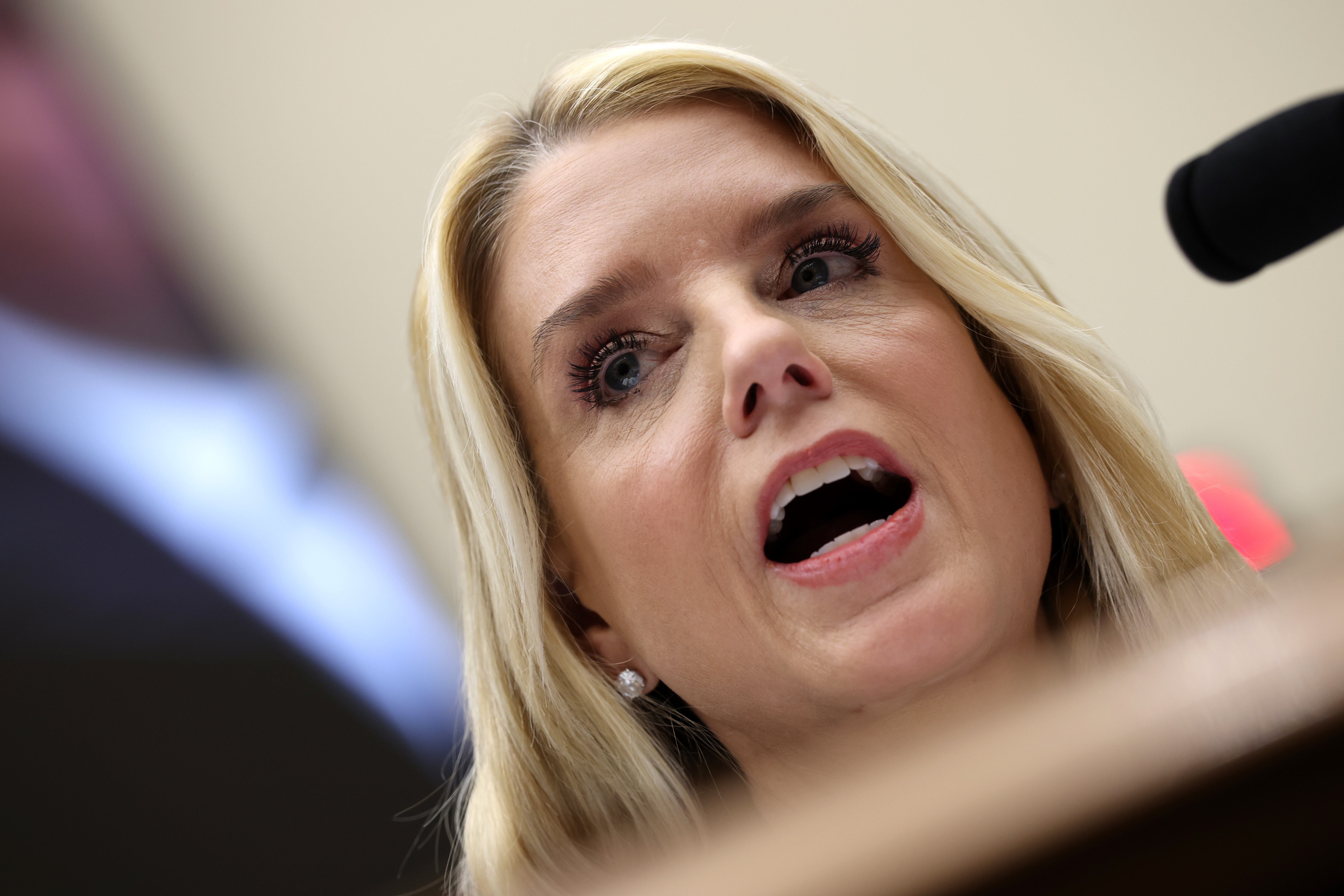
Although Slater technically resigned, The Guardian reports that she was forced out. The fallout was said to be over her differences with Bondi (who just yesterday yelled, insulted and deflected her way through a hearing over the DOJ's stonewalling of the Epstein files). In recent weeks, Bondi reportedly reiterated to the White House that Slater's views on the antitrust division's direction made the pair's relationship irreconcilable.

WASHINGTON, DC - FEBRUARY 11: U.S. Attorney General Pam Bondi testifies before the House Judiciary Committee in the Rayburn House Office Building on February 11, 2026 in Washington, DC. Bondi is expected to face questions on her department’s handling of the files related to the convicted sex offender Jeffrey Epstein, President Trump’s investigations into political foes and the handing of the two fatal ICE shootings of U.S. citizens. (Photo by Win McNamee/Getty Images)
Attorney General Pam Bondi (Photo by Win McNamee/Getty Images)
Win McNamee via Getty Images

The tensions reportedly began simmering last summer, when Slater sought to block the merger between Hewlett-Packard Enterprise and Juniper Networks. She opposed the deal out of concerns that it would create a duopoly in cloud computing and wireless networking. In addition, Slater reportedly told Bondi that US intelligence hadn't raised any concerns about blocking the merger. However, CIA Director John Ratcliffe later claimed that blocking it would pose national security risks because it could lead to the loss of business to China. The Trump administration's merger-friendly DOJ ultimately approved the deal.

Alongside Bondi, Slater was overseeing the DOJ's review of Netflix's proposed acquisition of Warner Bros. Discovery. In December, Trump said he would be involved in the regulatory review. That followed intense lobbying by Netflix and Paramount, the latter of which launched a hostile takeover bid. Earlier this month, The Wall Street Journal reported that the department was investigating whether Netflix was involved in anticompetitive practices during the process.

Slater's ousting also comes weeks ahead of the DOJ's antitrust trial against Ticketmaster owner Live Nation. The department's lawsuit was filed during the Biden administration. It claims that Live Nation is operating as a monopoly, harming competition, fans, industry promoters and artists.

This article originally appeared on Engadget at https://www.engadget.com/big-tech/antitrust-head-overseeing-netflix-warner-merger-resigns-192854114.html?src=rss

©

  •  

Anthropic beefs up Claude's free tier as OpenAI prepares to stuff ads into ChatGPT's

Anthropic is upgrading Claude's free tier, apparently to capitalize on OpenAI's planned integration of ads into ChatGPT. On Wednesday, Anthropic said free Claude users can now create files, connect to external services, use skills and more.

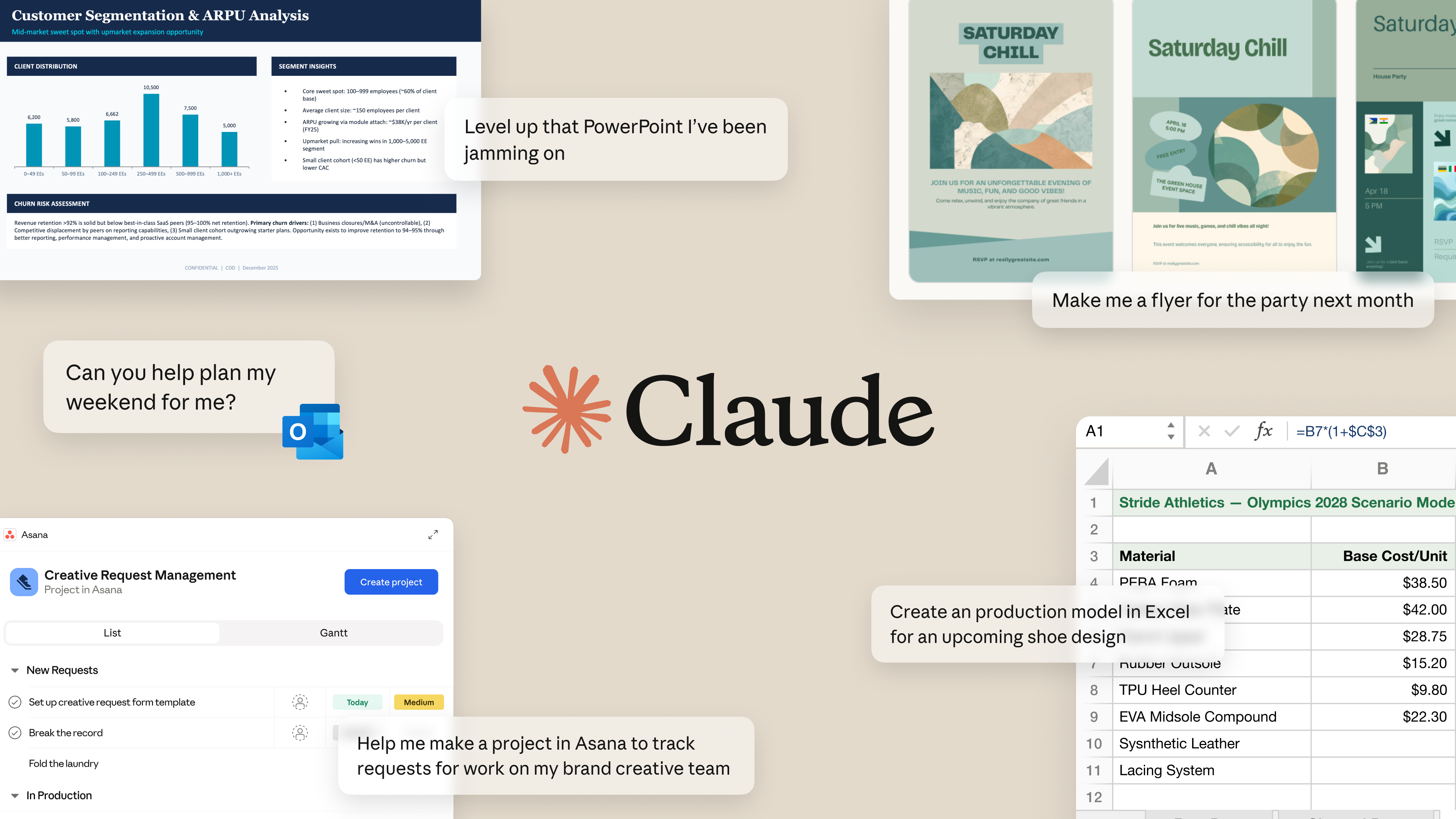
Anthropic added the ability for paid users to create files in September. Starting today, free users of the chatbot can also create and edit Excel spreadsheets, PowerPoint presentations, Word docs and PDFs. Claude's file creation abilities are powered by Sonnet 4.5.

Visual showing various upgrades to the free tier of Claude
Free users can now create and edit Excel spreadsheets, PowerPoint presentations, Word docs, and PDFs.
Anthropic

Meanwhile, Connectors allow free users to link Claude to third-party services. There's a long list of available ones, including Canva, Slack, Notion, Zapier and PayPal.

Skills, on the other hand, let you teach Claude to "complete specific tasks in repeatable ways." In short, the chatbot loads folders of instructions, scripts and other resources when performing relevant tasks. Other upgrades to the free tier include longer conversations, interactive responses and improved voice and image search.

Claude's free-tier upgrades appear to be a direct response to ChatGPT's planned introduction of ads for its free users. Anthropic's announcement today ended with the tag line, "No ads in sight." This follows the company's promise last week that Claude will remain ad-free. Anthropic even poked fun at OpenAI's cash-seeking move in a Super Bowl ad (below), which also took a swipe at GPT-4o's penchant for kissing ass.

This article originally appeared on Engadget at https://www.engadget.com/ai/anthropic-beefs-up-claudes-free-tier-as-openai-prepares-to-stuff-ads-into-chatgpts-194100939.html?src=rss

©

  •  

Fitbit founders launch Luffu, a way to integrate your family's health data

Fitbit's founders have a new startup. Two years after leaving Google, James Park and Eric Friedman announced a new platform that shifts the focus from the individual to the family. They say the Luffu mobile app "uses AI quietly in the background" to collect and organize family health information.

"At Fitbit, we focused on personal health — but after Fitbit, health for me became bigger than just thinking about myself," Park said in a press release. The app is particularly focused on the "CEO of the family" — the person who manages appointments, prescriptions and other health-related tasks.

But the definition of family isn't limited to parents raising children. The company sees its tool as especially valuable for caregivers in their 40s and 50s who may be managing the needs of both aging parents and kids. It even tracks pets' health habits.

"We're managing care across three generations — kids at home, busy parents in the middle, and my dad in his 80s who's living with diabetes and still wants to stay fiercely independent," Friedman wrote. "And the moments that matter most are often the most chaotic: a late-night fever, a sudden urgent care visit, a doctor asking questions you can't answer quickly because the details are scattered."

Screenshot from the Luffu app. "Family morning brief" summarizes everyone's health habits.
The app's AI includes a Morning Brief that recaps everyone's health.
Luffu

The company claims the app's AI "isn't a chatbot layer." Rather, it serves as a "guardian" — proactively monitoring for changes silently in the background. The AI then provides insights and triggers alerts when something is out of whack. You can also ask the app health data questions using plain language (so, there is some kind of chatbot) and share data with family members.

The company clearly wants to make entering data as easy as possible. Luffu allows family members to log info using voice, text or photos. It integrates with health platforms such as Apple Health and Fitbit. And the company eventually wants to expand into a hardware ecosystem — presumably, devices that make health data collection even easier.

Speaking of data collection, Luffu says, "Users are always in control of exactly what is shared, with whom, and privacy and security are paramount for all family data." In addition, the company told Axios that users can choose whether their data is used to train its AI. On the other hand, Big Tech has repeatedly shown that its most egregious data-collection practices are always wrapped in comforting language. So, at the very least, I'd take their pitch with grains of salt and, most importantly, make sure each family member knows exactly what they're consenting to. After all, this is a for-profit company, and we don’t yet know its monetization strategy.

Luffu is currently taking waitlist sign-ups for a forthcoming limited public beta. You can learn more and sign up for the waitlist on the company website.

Update, February 3, 2026, 1:14PM ET: This story has been updated to note that the Luffu public beta hasn’t started yet, but you can sign up for a waitlist to eventually get access when it starts.

This article originally appeared on Engadget at https://www.engadget.com/mobile/fitbit-founders-launch-luffu-a-way-to-integrate-your-familys-health-data-173251994.html?src=rss

©

  •  

Rivian made an electric ambulance for Grey's Anatomy

America’s once-promising EV transition may have taken a U-turn, but at least some in Hollywood are trying to do their part. Rivian partnered with Grey’s Anatomy to make a custom electric ambulance for the long-running series.

The ambulance is a modified version of Rivian’s Commercial Van. The custom “vanbulance” serves a dual purpose: preventing on-set exhaust fumes (which could harm the cast and crew) and integrating a green storyline. “As an added benefit, the elimination of engine noise brought a welcome quiet while cameras were rolling,” Rivan wrote in a blog post.

View of an ambulance interior for a Hollywood set
Among other modifications, it has rear double doors instead of a roll-up one.
Rivian

The vehicle includes some production-specific touches. Its walls and roof panels are removable, allowing cameras to reach angles required for interior shots. In addition, Rivian replaced the standard van’s rear roll-up door with double doors while adding a side entry to the cargo area. The company also added custom lighting and an exterior wrap reading “Seattle Emergency Response Services.”

The team consulted with the Huntington Beach Fire Department and the Los Angeles Fire Department to inform the interior layout. “Their feedback was invaluable to understand how first responders actually use their vehicles,” Rivian wrote.

An electric ambulance used on a Hollywood set
At least Hollywood's fictional worlds are transitioning to electric.
Rivian

The Hollywood Reporter notes that the electric ambulance debuted in the November 13, 2025, episode of Grey’s Anatomy. However, it was featured more prominently in Thursday’s episode — hence Rivian choosing this week to highlight it.

This article originally appeared on Engadget at https://www.engadget.com/transportation/evs/rivian-made-an-electric-ambulance-for-greys-anatomy-194358967.html?src=rss

©

  •  

Sonos soundbars and home theater gear are up to 20 percent off right now

It's big-game season, which means it's a good time to look for home theater gear on sale ahead of Super Bowl 2026. There are plenty of Super Bowl TV deals to consider, but if you have arguably the most important piece of the puzzle down, you may want to upgrade your sound system instead. Sonos' latest sale may have just what you need; a bunch of the company's home theater gear is up to 20 percent off right now. You can save $130 on the Beam (Gen 2) soundbar, bringing its price down to $369, and you'll also find deals on the flagship Arc Ultra soundbar, subwoofers, and more.

The Sonos Beam is the company's sub-$500 soundbar. Engadget's pick for the best midrange model, the compact speaker has impressive sound for its size. Part of that is its Dolby Atmos support. Although the soundbar lacks upward-firing speakers, it uses software tricks to compensate. Audio timing and frequency adjustments make sound seem to come from the side or slightly above.

One of the biggest drawbacks is that the Beam only has one HDMI port. Regardless, that compromise may be easier to accept at Beam's current $369 than at its usual $499.

Several more home theater speakers are included in Sonos's sale. If you have a loftier budget for a soundbar, there's the Arc Ultra. Typically $1,099, it's now $899. The company's pair of subwoofers is included as well. You can get the Sub Mini for $399 (down from $499) or the Sub 4 for $759 (from $899).

Although they aren't explicitly sold as home theater products, the Era 100 ($179) and Era 300 ($379) are also included in the sale. The portable Move 2 isn't discounted individually, but you will find it in a couple of bundles. You can check out the sale page for the complete list.

Follow @EngadgetDeals on X for the latest tech deals and buying advice.

This article originally appeared on Engadget at https://www.engadget.com/deals/sonos-soundbars-and-home-theater-gear-is-up-to-20-percent-off-right-now-174053415.html?src=rss

©

© Devindra Hardawar for Engadget

The Sonos Beam (Gen 2) sitting on an entertainment center at the base of a TV
  •  

Elon Musk’s SpaceX and xAI are reportedly holding merger talks

Two Elon Musk companies are reportedly planning to merge. On Thursday, Reuters reported that SpaceX and xAI are holding merger talks ahead of a planned IPO. Part of their plan is to launch AI data centers into space (but unfortunately, only as far as Earth's orbit).

Last week, it was reported that Musk planned to take SpaceX public despite having once said it wouldn’t happen until the company had a presence on Mars. Now, the IPO could happen as early as this year. Shares of xAI would reportedly be exchanged for shares in SpaceX under the merger. Reuters reports that two entities were set up in Nevada on January 21 to facilitate the deal.

If the idea of two Musk companies becoming one sounds familiar, that's because it happened less than a year ago. In March 2025, xAI bought X, putting Grok (known for nonconsensual "nudifying" images) and X (infamous for being a far-right hellscape) together under one unholy roof.

The latest idea Musk is pitching is blasting AI data centers off into space. At last week's gathering of the rich and powerful in Davos, Switzerland, he said, "The lowest cost place to put AI will be in space. And that will be true within two years, maybe three at the latest." The idea is that data centers in orbit could harness solar power and reduce cooling costs. However, industry analysts and executives consider it a risky bet, questioning whether the savings would warrant the massive investment. If or when the AI bubble bursts, the plan could go down in flames — if not literally, then figuratively.

This article originally appeared on Engadget at https://www.engadget.com/big-tech/elon-musks-spacex-and-xai-are-reportedly-holding-merger-talks-211740150.html?src=rss

©

  •  

Waymo begins service at San Francisco International Airport

As fans and media prepare to descend on the Bay Area for Super Bowl LX, what does a high-tech city like San Francisco do? Why, call in the robotaxis, of course. On Thursday, Alphabet's Waymo began offering fully autonomous rides at San Francisco International Airport (SFO).

There are some limits. For now, SFO access is restricted to "a select number of riders." However, access will gradually expand over the coming months. The service is also limited to the SFO Rental Car Center (pickups and drop-offs) at launch. Waymo says it will expand to other airport locations, including terminals, "in the future."

The San Francisco Standard notes that SFO is now the third airport in Waymo's repertoire. The San Francisco launch follows the company's service at Phoenix Sky Harbor and San Jose Mineta. As for the Bay Area, Waymo now serves more than 260 square miles in the region.

Unfortunately, this isn't Waymo's only appearance in the news this week. On Wednesday, the company said one of its robotaxis struck a child, who sustained minor injuries. The incident took place on January 23 in Santa Monica. The National Highway Traffic Safety Administration (NHTSA) has opened an investigation.

This article originally appeared on Engadget at https://www.engadget.com/transportation/evs/waymo-begins-service-at-san-francisco-international-airport-192913050.html?src=rss

©

  •  

Maingear's latest retro gaming desktop takes you back to the Quake era

Maingear is back with another nostalgia-fueled gaming PC. The Retro98 may look like it's made for playing Quake while you wait for The Phantom Menace trailer to drop. But on the inside, the beige box is powerful enough to slay today's most demanding AAA games. "You're not going to find this PC at your local Radio Shack," Maingear promises.

If you're at least middle-aged, the Retro98's exterior is instantly familiar. The hand-built tower includes an LED fan-speed display, a working turbo button and a power-lockout key. Sticking with the nostalgic motif, its front I/O is hidden behind the Maingear logo. I can already hear The Beastie Boys' “Intergalactic” playing in the background.

Fortunately, you won't be limited to 1998 games. (Dope as they are.) It has up to a Ryzen 9 9950X3D processor, GeForce RTX 5090 graphics, 64GB Kingston Fury RAM and 4TB Kingston FURY Renegade NVMe Gen5 SSD. The maxed-out version (described by Maingear as "unapologetically overkill") even includes open-loop liquid cooling.

Two beige-tower PCs that look like they were ripped from 1998. One is opened, revealing modern components inside.
The Retro98 starts at $2,500 and goes all the way up to $9,799.
Maingear

Now for the bad news. As you might expect from a retro novelty PC like this, you'll have to pay a pretty penny. The base model (Intel Core Ultra 7 265K / NVIDIA GeForce RTX 5070) costs $2,499. There are two other standard tiers, priced at $3,499 and $4,999. Finally, the open-loop-cooled "Alpha" build is a whopping $9,799. Hey, those aren't 1998 prices!

The Retro98 also has an extremely limited run. Maingear is producing only 32 standard units and six alpha units. The company says it won't bring this build back once those sell out. However, there is a workaround for tinkerers: Since it's based on the SilverStone FLP02 tower PC case, you could grab one of those and build your own.

Those wealthy and nostalgic enough to take the plunge can order the Retro98 today from Maingear’s website.

This article originally appeared on Engadget at https://www.engadget.com/gaming/pc/maingears-latest-retro-gaming-desktop-takes-you-back-to-the-quake-era-174958445.html?src=rss

©

  •  

Patreon creators have to switch to subscription billing by November, thanks to Apple

Patreon creators will need to make some changes soon, thanks to Apple. On Wednesday, Patreon said Apple has renewed its requirement that all Patreon creators must move to subscription billing. The deadline to do so is November 1, 2026.

Patreon's blog post announcing the change made it clear that it had no other choice. "We strongly disagree with this decision," the company wrote. "Creators need consistency and clarity in order to build healthy, long-term businesses. Instead, creators using legacy billing will now have to endure the whiplash of another policy reversal — the third such change from Apple in the past 18 months."

Up to this point, Patreon’s billing model has operated in a gray area, allowing its creators to charge fans outside the App Store without paying Apple’s fees. When the issue first surfaced, TechCrunch described it as stemming from how paid content was accessed (only some creators offered content that could be consumed in-app). On Wednesday, a Patreon representative described the gray area as being “because Apple’s In-App Purchase system doesn’t support some of Patreon’s longstanding billing models.”

But now Apple has reimposed its subscription mandate, eliminating the gray area. "We know that Apple is serious about enforcing this mandate," Patreon wrote. "Late last year, they blocked a Patreon app update and made it clear that in order to remain in the App Store, we have to comply with their billing requirement. Because millions of fans use iOS as their primary way to access Patreon and connect with creators, having our app blocked — or not available in the App Store at all — isn't an option."

Patreon’s "whiplash" description isn't hyperbole. Apple first announced the mandate in 2024. At that time, the deadline for all Patreon creators to make the switch was set to November 2025 — one that Patreon grudgingly accepted. But according to the company, Apple told it last May that the original 2025 deadline was no longer in effect. Now, it appears to have reversed that again.

If there's a silver lining, TechCrunch notes that only 4 percent of Patreon creators are using the affected (legacy) billing models. And fans can still bypass Apple's fees on iOS by joining via their iPhone's web browser. Patreon has much more detail for creators in its announcement post.

DAVOS, SWITZERLAND - JANUARY 21: U.S. President Donald Trump (R) speaks to Apple CEO Tim Cook (L) as he attends a reception for business leaders at the World Economic Forum (WEF) Annual Meeting on January 21, 2026 in Davos, Switzerland. The annual meeting of political and business leaders comes amid rising tensions between the United States and Europe over a range of issues, including Trump's vow to acquire Greenland, a semi-autonomous Danish territory. (Photo by Chip Somodevilla/Getty Images)
DAVOS, SWITZERLAND - JANUARY 21: U.S. President Donald Trump (R) speaks to Apple CEO Tim Cook (L) as he attends a reception for business leaders (Photo by Chip Somodevilla/Getty Images)
Chip Somodevilla via Getty Images

As for Apple, well, this familiar role of "Big, Bad App Store Taxman" pales in comparison to some of its other recent headlines. For starters, there was its removal of the ICEBlock app (and another that logged ICE arrest recordings) in October. At least as concerning is an app category that the “Privacy is a human right” company won't remove. Grok, X and (reportedly) dozens of other apps now allow iPhone owners to "digitally undress" real people, including children. 28 advocacy groups even called on the company to remove them, to no avail.

To top it all off, Tim Cook decided that Saturday — the day Alex Pretti was shot and killed by federal agents — would be a good time to attend the screening of Melania at the White House. He even posed for a selfie with accused rapist Brett Ratner, the film’s director.

Update, January 28, 2026, 5:22 PM ET: This story has been updated to clarify how the Patreon app operated in a gray area before Apple’s changes.

This article originally appeared on Engadget at https://www.engadget.com/big-tech/patreon-creators-have-to-switch-to-subscription-billing-by-november-thanks-to-apple-203759852.html?src=rss

©

  •  

French Ubisoft workers vote to strike

When deciding which video game to buy, "Is it fun?" is no longer the only consideration. Given the state of the industry, "Do I want to support this company?" is arguably more important. Take, for example, Ubisoft, where things seem to unravel more each day. After the floundering publisher floated even more layoffs this week, workers at its Paris headquarters said, "Enough is enough." They're now calling for a three-day strike.

Unions representing Ubisoft employees plan to strike from February 10 to 12. "With management being stubbornly entrenched in its authoritarian ways, we are calling Ubisoft employees across France to join this strike, along with the five unions present within the company," The Syndicat des Travailleureuses du Jeu Vidéo (Video Game Worker's Union) wrote in a statement.

The strike follows a series of heavy-handed cost-cutting moves at Ubisoft. It recently shut down its Halifax studio just 16 days after employees unionized. Last week, it closed its Stockholm studio and announced additional restructuring efforts worldwide. It also canceled six games and delayed seven others.

Then, earlier this week, the Assassin's Creed publisher proposed cutting 200 jobs at its Paris headquarters. Under French labor law, the company would organize the cuts through the nation's Rupture Conventionnelle Collective (RCC) process. It would require a mutual agreement between the company and the labor union.

Yves Guillemot, CEO and co-founder of Ubisoft, speaks at the Ubisoft Forward livestream event in Los Angeles, California, on June 12, 2023. The event features a look at upcoming Ubisoft games. (Photo by Robyn Beck / AFP) (Photo by ROBYN BECK/AFP via Getty Images)
Ubisoft CEO Yves Guillemot
ROBYN BECK via Getty Images

Adding even more fuel to the fire, Ubisoft will now require workers to return to the office five days each week. (The company had previously agreed to two work-from-home days per week.) Although Ubisoft framed the mandate as being about efficiency and collaboration, it's easy to view this as a cudgel to further reduce its headcount. One Ubisoft developer, who hinted as much while voicing his opposition to the mandate on LinkedIn, said he was suspended without pay for three days as a punitive measure.

The workers' union saw all of this and decided it was time to act. "We're calling for a HALT to management's obsession with penny-pinching and worsening our working conditions," the Syndicat des Travailleureuses du Jeu Vidéo wrote. "It's time for a real accountability from company executives, starting from the top! Without the workers, and generous public funding, Ubisoft would never have been able to grow this much. WE are Ubisoft, and WE are shutting it down February 10th to 12th!"

This article originally appeared on Engadget at https://www.engadget.com/gaming/ubisoft-173241918.html?src=rss

©

  •  
❌