Our reviews team is rested up after the CES grind and we’re back to business. This week we reviewed the latest devices from Valerion, Canon, Samsung and Sony, covering a wide range of product categories in the process. Grab yourself a beverage and cozy up with all the reviews you might’ve missed.
Valerion VisionMaster Max
The weeks leading up to the Super Bowl are a popular time to upgrade home theater setups before the big game. One way to do that is Valerion’s VisionMaster Max — if you’re willing to splurge. “The Valerion VisionMaster Max is a highly capable indoor projector that offers the best image quality I’ve seen thanks to the dynamic iris and Enhanced Black Level features,” contributing reporter Steve Dent discovered. “However, it’s also a lot more expensive than rival models at $5,000. It’s pretty hard to justify that extra money, unless you’re really fussy about picture accuracy and gaming performance, or need other features like the 1Gbps ethernet port.”
Canon EOS R6 III
If you’re primarily shooting video these days, contributing reporter Steve Dent just wrapped up testing with the Canon EOS R6 III. While he said it’s great for video, the photo quality isn’t the absolute best you can get right now. “If it’s mainly photography you’re interested in, though, Sony’s $2,900 A7 V is a better choice,” he said. “It matches the R6 III’s resolution, price and autofocus but offers superior dynamic range and lower rolling shutter distortion.”
Samsung Bespoke Fridge with AI
We don’t often review appliances here at Engadget, but Samsung’s AI-infused refrigerator caught the attention of senior reporter Sam Rutherford. You may not think you need a 32-inch display in your kitchen or cameras in your fridge, but Sam argues once you try them you may never go back. “You may not agree or want to pay this much for features like this just yet, but Samsung's Bespoke AI 4-Door French Door refrigerator has convinced me there's a happy home for smarter iceboxes,” he concluded.
Sony LinkBuds Clip
Clip-on earbuds have been constantly popping up over the last few years. Many of the key players in headphones have tried their hand at the open-wear form factor with Sony being the latest to jump on board. While the company embraces the inherent perks of these designs, the LinkBuds Clip doesn’t do enough to rise above the competition. “Subpar bass performance and the omission of some of Sony’s more attractive features (and even some basic ones) mean the company hasn’t done enough to distinguish the Clip from the competition in an obvious way,” I wrote.
This article originally appeared on Engadget at https://www.engadget.com/engadget-review-recap-valerion-visionmaster-max-canon-eos-r6-iii-and-samsung-bespoke-fridge-123000849.html?src=rss
I vividly remember when Bose announced the Ultra Open Earbuds. While I applauded the company for trying something different, I wasn’t sure if the clip-on design would take hold. Well, here we are almost two years later and most earbud makers now have something akin to Bose’s fashion experiment. You can now count Sony among those as the company revealed its LinkBuds Clip ($230) open-fit earbuds today.
These aren’t the first open-wear earbuds in Sony’s LinkBuds lineup. The company has two generations of the LinkBuds Open (originally called just LinkBuds) under its belt, giving users a more traditional earbud fit with donut-shaped drivers that let ambient sounds in. Now Sony is taking a cue from Bose and others with a clip-on design that attaches securely and comfortably to the ear while leaving the ear canal unobstructed. It’s clear companies believe customers like this type of earbuds, but Sony’s challenge is to make the LinkBuds Clip unique among the growing list of alternatives.
Design and fit
Sony isn’t offering anything distinctive in terms of design here, but that’s okay. To be fair, I haven’t seen too much innovation in terms of aesthetics in these clip-on-style earbuds. For the most part, they all have similar shapes: two cylindrical cases connected by short, flexible cable. True to its predecessors, Sony put the drivers in a squatty housing while the bulk of the components are in a larger one that sits behind your ear lobe.
Sony kept the weight of the LinkBuds Clip low, and it avoided the bulk of the Ultra Open Earbuds. Both of these factors contribute to a very comfortable fit, so the IPX4-rated earbuds can be easily worn all day without becoming a burden. And while I didn’t need them, Sony includes a pair of flexible silicone “fitting cushions” in the box. These clip on to the short, flat cable of the newest LinkBuds for a more secure fit. During my tests, the LinkBuds Clip stayed in place just fine without them, but there also wasn’t any decreased comfort when I did install them.
The last design-related item I’ll mention is the touch controls. On the LinkBuds Clip, the flat connector between the two housings accepts taps for playback controls, volume changes, cycling through sound modes and more. You can tap along this area to make an adjustment, and you don’t have to do so right in the center. The LinkBuds Clip were pleasantly responsive during this review, quickly completing the task without delay or repeated taps. That is, except for volume, because you have to keep tapping for that change to happen.
LinkBuds Clip features
Controls are situated along the connector between the two cylindrical housings
Billy Steele for Engadget
Sony typically throws a whole host of features at its earbuds. Even though they’re technically the company’s midrange line, the LinkBuds family has a robust set of conveniences that make them well suited for both productivity and leisure. Unfortunately, the LinkBuds Clip doesn’t have as much to offer here. The company gives you the basics, like the ability to fine-tune the tap controls or customize the EQ, and there’s even the Adaptive Audio tool that lets you customize settings based on activity or location (Sony calls them “scenes”). But there are some handy features I’ve come to expect from Sony that are notably absent.
The LinkBuds Clip doesn’t support speak-to-chat, Sony’s voice recognition feature that pauses audio and activates ambient sound when you start talking. Quick attention mode, the tool that lowers the volume and lets in ambient sound for brief chats, isn’t here either. These earbuds don’t even have wear detection, and you have to settle for regular ol’ DSEE audio upscaling instead of an enhanced version of that tech.
Sony did equip the LinkBuds Clip with unique listening modes meant to enhance the audio performance in two scenarios. First, Voice Boost increases the volume of voices when you’re on a call or listening to podcasts or audiobooks. The company says this is designed for noisy environments where the ambient sound is overly raucous. During my testing, I found the setting to be an extreme treble boost and volume increase — something that’s definitely not well-suited for music.
Next, Sound Leakage Reduction dials back high-pitched tones to avoid annoying your neighbors in the office or coffee shop. To me, this is the opposite of Voice Boost, removing the highs for a more mid- and bass-heavy tuning, but it doesn’t sound very good compared to the default setting. Plus, my family wasn’t really able to hear any leakage on the LinkBuds Clip anyway, unless I had the volume cranked uncomfortably high. I’ll also note that any EQ customization/presets and DSEE upscaling are only available in Standard (default) listening mode.
Sound and call quality
The LinkBuds Clip have both noise reduction and bone conduction tech for calls
Billy Steele for Engadget
Open-fit earbuds typically struggle to muster adequate low-end tone, and the LinkBuds Clip meets the same fate. However, it’s not all bad in the audio department as these earbuds have great clarity and provide a solid soundstage so overall quality doesn’t suffer to the point of being unpleasant. The lack of bass is most apparent in booming genres, like hip-hop and synth-heavy electronic tunes.
The LinkBuds Clip doesn’t fare much better with more chaotic music styles like rock and metal. Spiritbox’s “Holy Roller” doesn’t have the depth that it does on closed-fit earbuds like the AirPods Pro 3 or over-ear headphones like Sony’s WH-1000XM6. As such, the band’s songs aren’t nearly as immersive or impactful without adequate amounts of bass. So if pristine, enveloping sound quality is your primary aim, you’ll want to look elsewhere, and you’ll want to tread carefully with any other open-type earbuds.
The open nature of the LinkBuds Clip makes them well-suited for calls. Since your ears aren’t plugged, you can clearly hear your own voice so you never feel like you need to shout. Sony says these earbuds have AI noise reduction and a bone conduction sensor for voice pickup, both of which are supposed to keep you sounding good. During the course of this review, I found the background noise reduction worked well without making me sound overly processed. However, the overall voice quality is average at best, which means you can get by with using these for calls, but there are better options if you really value clarity here.
Battery life on the LinkBuds Clip
When it comes to battery life, Sony says you can expect up to nine hours of use on a charge with up to 37 hours when you factor in the case. That means the LinkBuds Clip alone is enough to get you through a full workday, especially if you’re pausing for the occasional office chat or in-person meeting. And you’ll get more if you’re docking the earbuds in their case once or twice a day. If you do find yourself with a depleted battery though, a three-minute charge will give you an hour of play time.
In multiple attempts at a full, nine-hour run down, I wasn’t able to hit Sony’s stated figure. In Standard mode with DSEE upscaling set to automatic and volume at about 60-70 percent, the LinkBuds Clip lasted just over six hours. This timeframe included a mix of music, podcasts and calls — typical work day activities.
The competition
The including "fitting cushion" (left) can help with a secure fit
Billy Steele for Engadget
Based on my testing, the Bose Ultra Open Earbuds are still the best in this emerging clip-on category. However, they’re the bulkiest and the most expensive at $299. While they offer all the perks of open wear, sound quality can vary based on how they fit your ears and the lack of multipoint Bluetooth could be a deal breaker for some.
If you’re hoping to pay less than either Bose or Sony, Anker’s Soundcore line offers the AeroClip for $170. Or if you’re truly ballin’ on a budget, JLab has the Flex Open Earbuds that are now just $40. JBL just announced a new $150 set during CES too, but those won’t be available until March. I’ve only given these two a casual listen without any in-depth testing, so I won’t make a definitive call on which one stacks up best against the LinkBuds Clip. But they’re also just three of currently available options, and there are many more if none of these seem compelling.
Wrap-up
The LinkBuds Clip expands Sony’s midrange lineup with a completely different design that comes with inherent perks. They’re plenty comfortable and exploit the benefits of open-type designs while doing basic earbud functionality well. Subpar bass performance and the omission of some of Sony’s more attractive features (and even some basic ones) mean the company hasn’t done enough to distinguish the Clip from the competition in an obvious way. Sure, these earbuds work as intended without being flashy or overly complicated, but there are plenty of other options that do that too.
Update, January 21 2026, 4:45PM ET: After conducting additional battery testing, I still wasn’t able to meet the nine hour figure Sony promises. Due to this, I’ve adjusted the score from a 72 to a 70 to reflect the performance in this area. I’ve also updated the battery life section with more detailed impressions.
This article originally appeared on Engadget at https://www.engadget.com/audio/headphones/sony-linkbuds-clip-review-open-fit-benefits-arent-enough-to-stand-out-160000140.html?src=rss
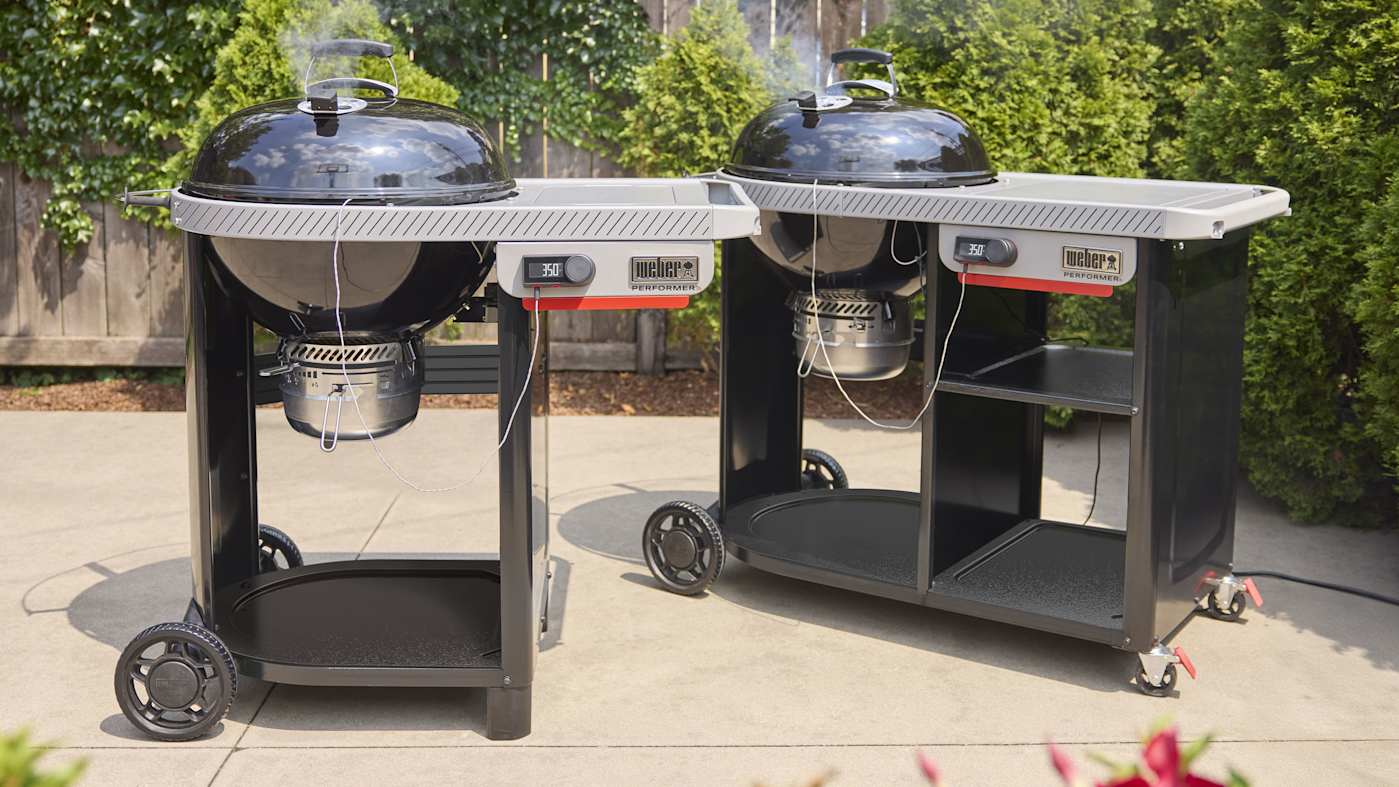
Weber has been in the smart grilling game since 2020, dabbling in Wi-Fi connectivity for gas and pellet grills. It has also offered grillers a standalone option for its Weber Connect platform. For 2026, the company is expanding its smart grilling lineup to its original fuel source: charcoal. Today, Weber announced the Performer Smart Charcoal Grill and Kettle Smart Ring, both of which bring Weber Connect control and cooking guidance to charcoal grilling in a more integrated way.
The 22-inch Performer Smart Charcoal Grill has a Wi-Fi-enabled LCD controller that regulates grill temperature by adjusting the airflow to lit charcoal. Weber says this grill is well-suited for overnight smoking and longer cooks thanks to this bit of automation. The new Performer also has a so-called Rapidfire Assist mode to get those coals lit faster. The grill can be controlled remotely with the Weber Connect app, which can also keep tabs on any connected food probes.
The new Performer is essentially an upgraded version of the Performer Premium, Deluxe and base options that currently exist. You still get the porcelain-enamel finish, adjustable dampers for manual temperature controls and the One-Touch cleaning system for ash removal. The other upgrade is a Weber Works side table and side rail that accommodate the company’s line of accessories. A premium version comes with a cart with storage shelves for $799 while an option with a more basic cart will be $599. Weber also plans to sell non-smart versions for $649 and $449, respectively. The company says the base models will arrive this spring while the premium trims will be available this summer.
Weber Kettle Smart Ring
Weber Blackstone
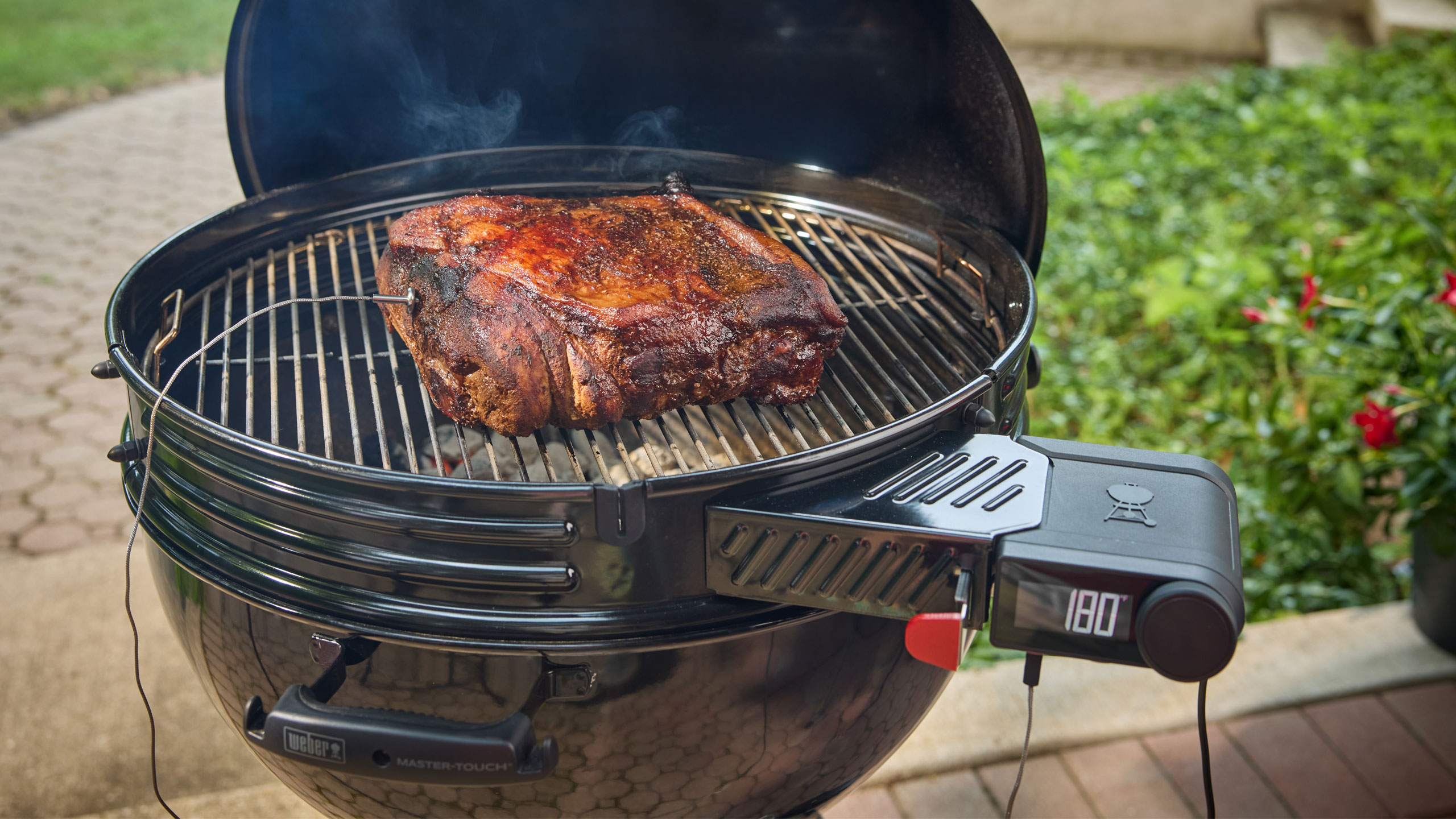
If you already have a Weber Kettle and are looking to add a bit of automation to your setup, the Kettle Smart Ring brings temperature control and smart connectivity for $280 this spring. This accessory fits the company’s 22-inch grills and is equipped with an LCD display and knob-based controls. Of course, it also syncs with the Weber Connect app and offers two slots for wired food probes.
Another key smart grilling area Weber lags behind its competition is wireless temperature probes, but that changes this spring. The company will debut a $70 Smart Wireless Probe and a $115 version with range booster and charger. These new probes sync with any Weber smart grill, the Weber Connect app or the new Smart Hub Display and Booster ($90) that works on any grill. Weber also built a retractable wired Smart Probe ($40) that can be used to monitor the temperature at the grates.
And if you’re loyal to propane, Weber has new options for you too. Updated Genesis Smart Gas Grills have a Sear Zone that can hit temperatures of up to 750 degrees Fahrenheit and a side table that now accommodates Weber Works accessories. It will be available in both propane and natural gas versions — in both three- and four-burner configurations — this spring starting at $999. More affordable Spirit Smart Gas Grills will start at $599 and will also come in three- and four-burner options. Both the Genesis and Spirit smart models work with the Weber Connect app like the rest of the company’s Wi-Fi grills and accessories.
This article originally appeared on Engadget at https://www.engadget.com/home/kitchen-tech/webers-2026-smart-grill-lineup-includes-the-companys-first-wi-fi-equipped-charcoal-grill-150000097.html?src=rss
Dolby may have announced Dolby Vision 2 a few months ago, but the company gave the new platform its first big reveal at CES 2026. I got the chance to see the improvements in person for the first time, thanks to a variety of demos and Q&A sessions. Dolby Vision 2 will be available this year, but initially, it will be limited. As such, I’ve compiled the info on where the image engine will be available first, and what’s likely to come next in terms of where and how you can use it. But first, let’s quickly summarize what Dolby Vision 2 will even do for your TV.
What is Dolby Vision 2?
Dolby Vision 2 is Dolby’s next-generation image engine that the company announced in September. The new standard will do several things to improve picture quality on your TV, including content recognition that optimizes your TV based on what and where you’re watching. This first element will improve scenes that many viewers complain are too dark, compensate for ambient lighting and apply motion adjustments for live sports and gaming.
Dolby Vision 2 will also deliver new tone mapping for improved color reproduction. I witnessed this first hand in various demos at CES, and this is the biggest difference between the current Dolby Vision and DV2 for me.
There’s also a new Authentic Motion feature that will provide the optimal amount of smoothing so that content appears more “authentically cinematic,” according to Dolby. This means getting rid of unwanted judder, but stopping short of the so-called soap opera effect.
Essentially, Dolby is taking advantage of all of the capabilities of today’s TVs, harnessing the improvements to display quality and processing power that companies have developed in the decade since Dolby Vision first arrived.
What TVs will support Dolby Vision 2?
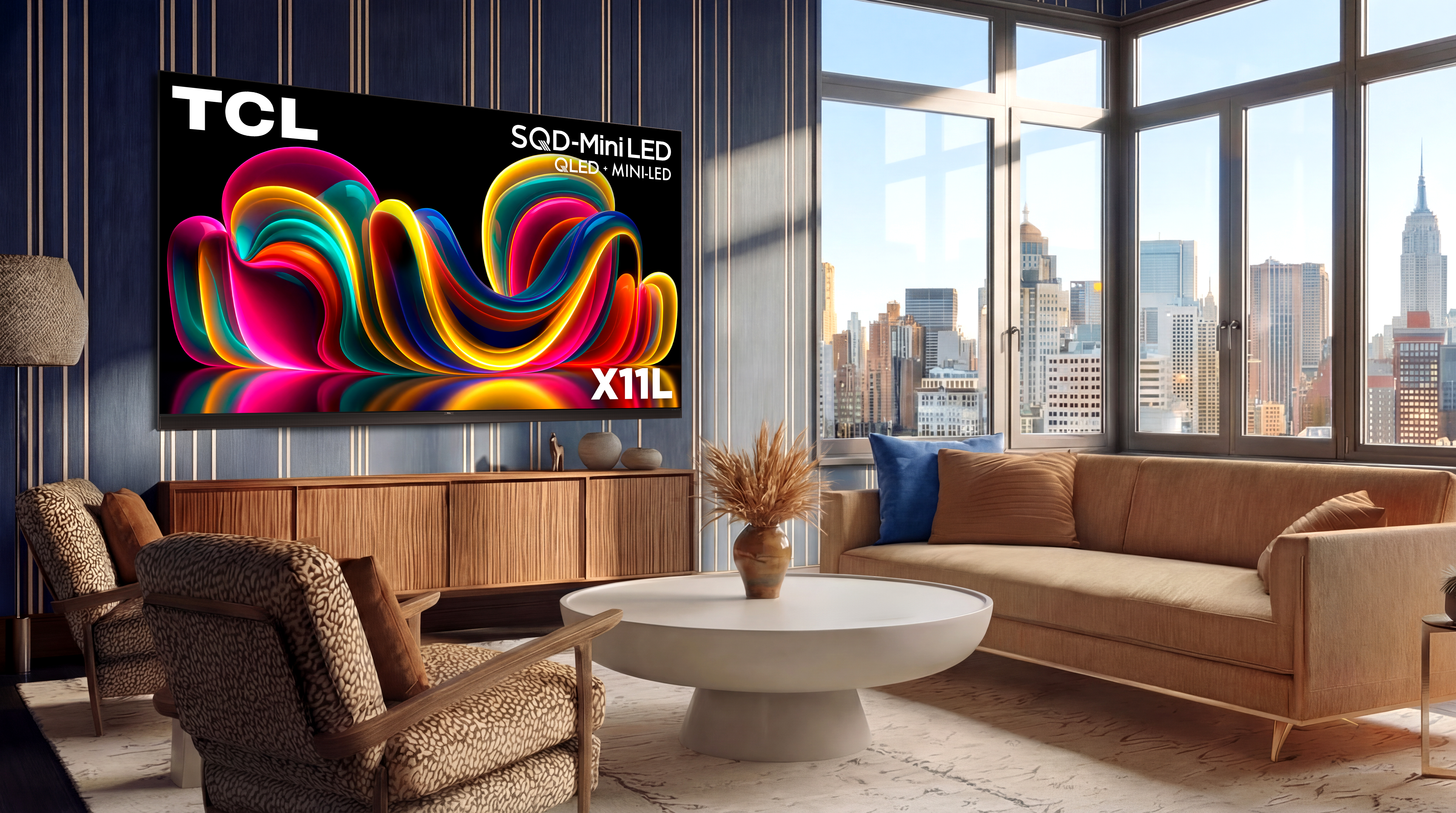
Lifestyle photo of the TCL X11L SQD-Mini LED Series
TCL
The biggest Dolby Vision 2 news at CES was the first three TV makers that have pledged support for the new standard. Hisense is bringing it to its 2026 RGB MiniLED TVs — including UX, UR9 and UR8. The company also plans to add it to more MiniLED TVs with an OTA update. TCL's 2026 X QD-Mini LED TV Series and C Series will support Dolby Vision 2 via a future update. It will be available on TP Vision’s Philips’ 2026 OLED TVs, including the 2026 Philips OLED811, and OLED911 series as well as the flagship OLED951.
There are sure to be other companies that announce Dolby Vision 2 support in 2026. Sony doesn’t announce its new TVs at CES anymore, so that’s just one of the bigger names that’s yet to reveal its hand. Any upcoming TVs that seek to leverage the full suite of tools that Dolby Vision 2 offers will need to have an ambient light sensor as that’s one of the key facets of Dolby’s upgrade.
What content will be available in Dolby Vision 2?
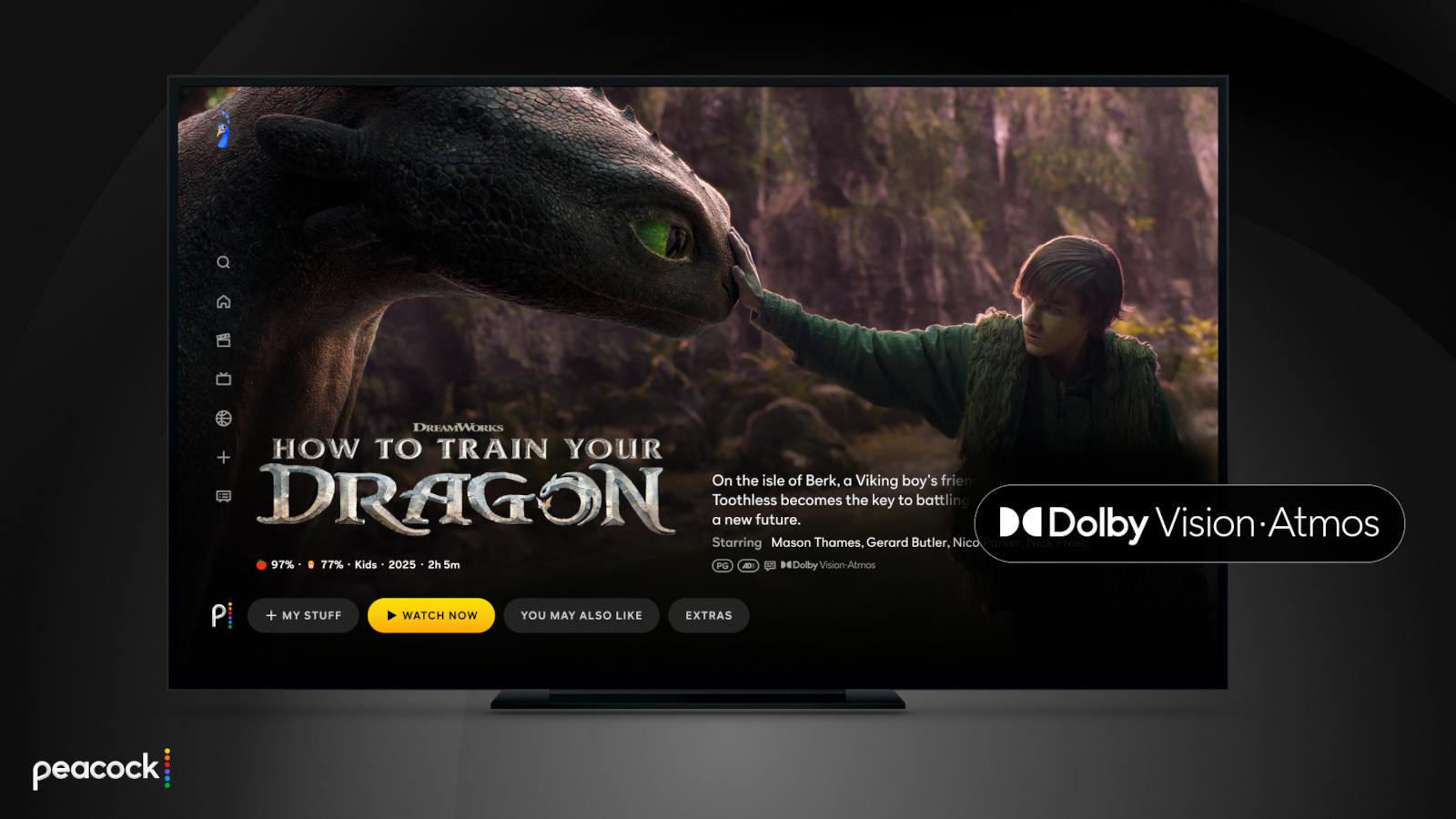
Peacock is bringing Dolby Vision and Atmos support to more live sports offerings.
Peacock
The other big piece of Dolby Vision 2 news at CES 2026 was the first streaming service that will support the platform. Peacock grabbed that honor, and so far it’s the only streamer to pledge support. However, several services support the current version of Dolby Vision, including Netflix, Disney+, Apple TV+, Amazon Prime Video, HBO Max and Paramount+. Like the additional TV support that’s sure to be announced throughout the year, I expect more streaming services will jump on board soon as well.
This article originally appeared on Engadget at https://www.engadget.com/home/home-theater/dolby-vision-2-is-coming-this-year-heres-what-you-need-to-know-140000034.html?src=rss
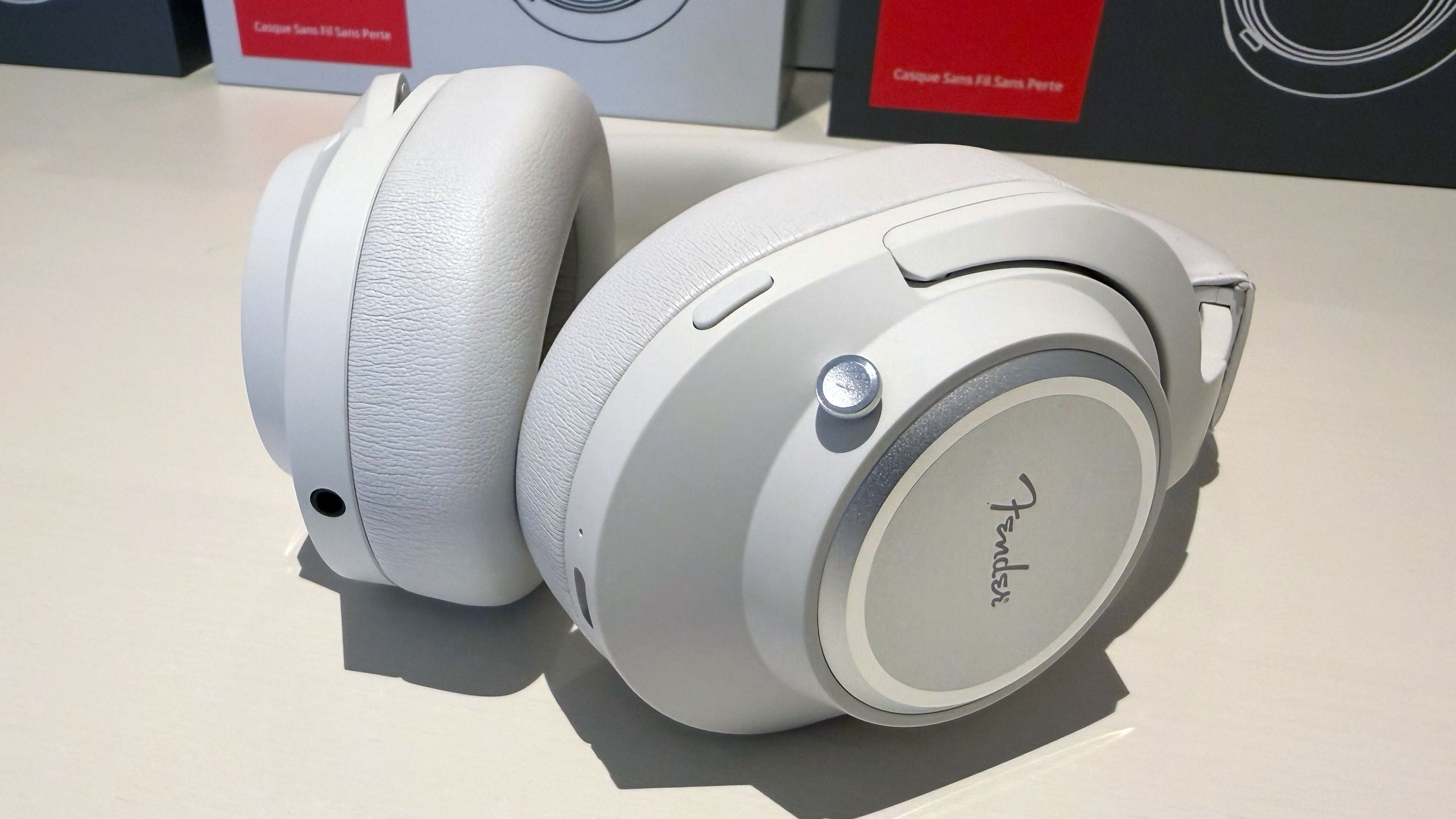
Fender Audio may have announced its new headphones and speakers right before CES, but Las Vegas afforded us the first opportunity to see the brand’s new lineup in person. Fender Audio is a Fender-owned brand from Riffsound that’s designing and making new devices after licensing the name. It’s been a while since the guitar and amplifier company made any general-use speakers of its own, and this new arrangement is similar to what Zound was doing with Marshall for a spell.
Logistics out of the way, let’s get down to what the Mix and Ellie are like in the flesh. First, the Mix headphones offer a modular construction that allows you to replace nearly every piece as needed. The ear cups detach from the headband and the ear pads are replaceable. You can also swap out the battery, thanks to an easy-to-access slot behind one ear pad. And on the other side, a USB-C dongle for wireless lossless audio is stowed for safe keeping (wired lossless audio over USB-C is also available).
Fender Audio Mix headphones
Billy Steele for Engadget
Fender Audio kept the controls simple on the Mix, opting for a single joystick for volume and playback changes. The joystick also serves as the power and pairing control as the only other button cycles through active noise cancellation (ANC) modes. In terms of sound, the Mix will satisfy listeners who crave deep bass, and vocals cut through clearly. In my brief demo, I would’ve liked more mid-range, but I’ll wait until I get a review unit for a full assessment there. I should mention the other standout feature is battery life: the Mix will offer up to 52 hours of use with ANC enabled (up to 100 hours with it off).
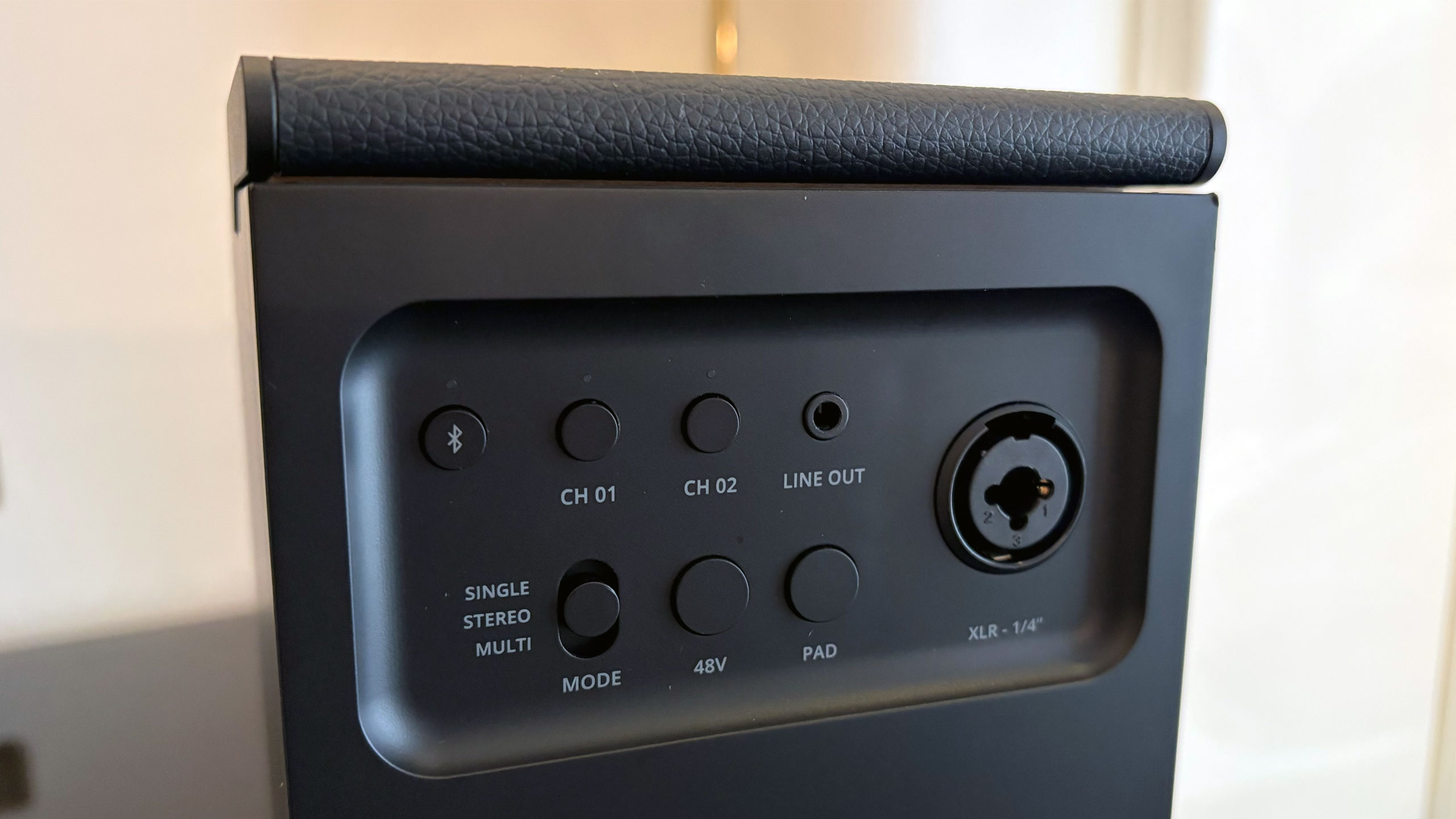
Then there are the Elie speakers. Both offer a similar set of features, which includes two wireless inputs for microphones (the company is working on its own model) and a combination XLR and 1/4-inch input for instruments. The Elie 06 is the smaller unit, housing a tweeter, full-range driver and subwoofer with 60 watts of output. The larger Elie 12 doubles all of that, serving as a more robust but still very portable option.
Fender Audio Ellie speakers
Billy Steele for Engadget
Both Elie units can be used in a single configuration or as a stereo pair. You can also connect up to 100 of the speakers via a Multi mode. Fender Audio has done a nice job here of checking all of the usual Bluetooth speaker boxes while offering something unique in terms all of those inputs. It’s like the company combined “regular” portable speakers with larger party boxes, offering something for customers who don’t want a massive device or any of the flashing lights.
Of course, none of these specs matter if the company didn’t ace the sound quality. While I’ll wait until I can spend several hours with some review units before I make any final judgement on these, I can tell you that both Elie speakers made a great first impression. There’s ample bass in the tuning for both, but obviously the larger Elie 12 offers more thump. Both units also provide excellent vocal clarity and nice details in the highs, as I made sure to select test tracks with lots of subtle sounds — like Bela Fleck’s banjo tunes.
The back of Fender Audio Ellie 06 speaker
Billy Steele for Engadget
Fender Audio says the arrival of the entire new lineup is imminent. Both the headphones and the Elie 6 will cost $299 and the Elie 12 is $399.
This article originally appeared on Engadget at https://www.engadget.com/audio/hands-on-with-fender-audios-headphones-and-speakers-at-ces-2026-203104561.html?src=rss
Every fall, dozens of maple and oak trees in my neighborhood shed their leaves. Thus begins the constant drone of gas-powered leaf blowers every day through early December. The noise is by far the most annoying thing about these yard tools, but I can appreciate it’s a necessary evil — unless you prefer to pick up a blister-inducing rake.
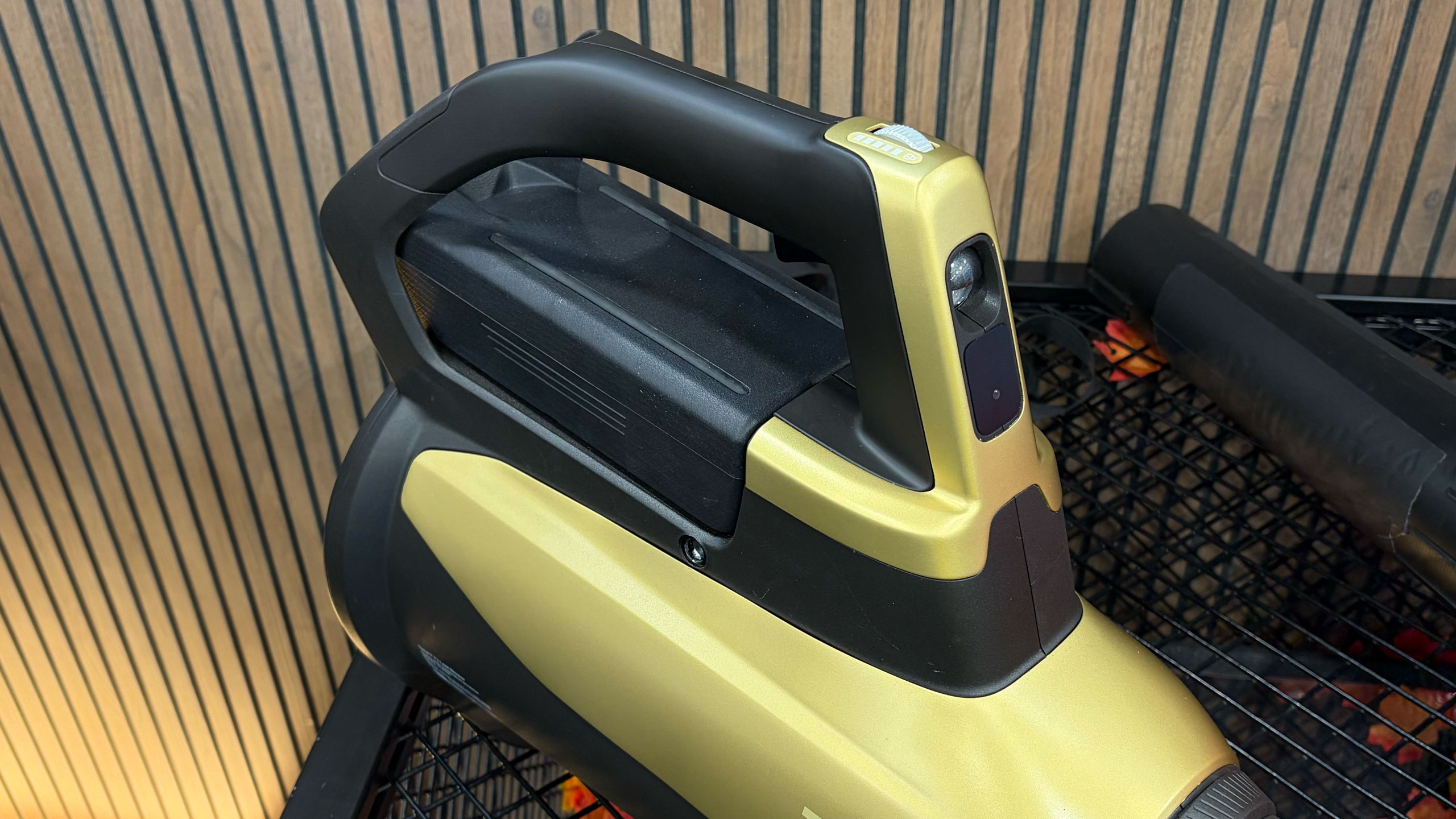
Whisper Aero argues there’s a better way. The company is using aerospace tech to quiet the noisy devices, introducing the T1 leaf blower at CES 2026 under its sub-brand Tone Outdoors. The company promises the T1 is 80 percent quieter and 60 percent more powerful than “leading” handheld gas leaf blowers. More specifically, the T1 has 880 CFM of air flow, which easily surpasses my battery-powered EGO. And at 52 decibels of average noise at peak volume, his model is drastically quieter than any leaf blower I’ve used. I was able to confirm its lower roar on the CES show floor.
Tone says the T1 also offers extended run time of up to 50 minutes on a charge in Eco mode. That too is greater than what I get on my mid-grade EGO. What’s more, the company plans to sell a battery backpack that will extend any clean-up sessions for several hours. The T1 also has a built-in LED “nightlight” so you can still use it after dark. And since it’s quieter than what you have now, you can do so without annoying your neighbors.
Tone Outdoors T1
Billy Steele for Engadget
So, how does Whisper Aero achieve this? The company originally set out to devise a quieter solution for electric aerospace motors. Its engineers discovered that they could dramatically reduce noise and increase overall efficiency by redesigning the fan and motor. They're still pursuing that, but the company discovered its technology had other uses too.
The T1 is already available for preorder for $599 and it’s scheduled to ship in September. If you don’t care for the standard green color, you can spend another $100 for limited edition “Silence Is Golden” version. The battery backpack won’t arrive until Q1 2027 though (price TBD). Tone also says it has additional models in the works and it has a partnership with Stanley Black and Decker that will likely produce additional products with this tech on board.
This article originally appeared on Engadget at https://www.engadget.com/home/ces-2026-the-tone-outdoors-t1-solved-the-biggest-problem-with-leaf-blowers-234309500.html?src=rss

 Anmelden