❌

Normale Ansicht

How to claim Verizon's $20 credit for Wednesday's service outage

Verizon is offering a very small mea culpa after Wednesday's massive outage, which drew more than 1.5 million reports on Downdetector and lasted hours. Initially, the carrier posted on X that it will offer a $20 credit, but customers must redeem it in the myVerizon app. The company then said the credit could be claimed though customer service (via phone or chat), but our editors’ attempts to do so via chat were met with a message to wait for a text with further instructions.

Engadget editors began receiving the texts this morning (Jan 16) with a link to redeem. From there, you need to log into your account and visit the Account Overview section. Up top, there should be a Take Action or Mobile Actions button with a red notification circle. Click that and you’ll see a pop-up about the credit and a Redeem Now button. After you click that, you’re done, and Verizon says you should see the credit in one or two billing cycles. Of course, you’ll want to keep an eye out that it actually happens and contact the company if it doesn’t show up.

"This credit isn’t meant to make up for what happened. No credit really can," the company wrote. "But it’s a way of acknowledging your time and showing that this matters to us." Incensed customers have largely replied with incredulity, both at the miniscule amount, and that it isn't being applied automatically. The entire redemption process takes a few clicks and about a minute to complete, which makes it even more frustrating that it can’t be automatically applied to every customer’s bill.

Update, January 15 2026, 11:57 PM ET: Verizon says the credit can be claimed through customer service via phone, chat and online in addition to the myVerizon app. 

Update, January 16 2026, 10:29 AM ET: This story has been updated with detailed info about the redemption process which Verizon now says is completed with a link that will be texted to customers.

This article originally appeared on Engadget at https://www.engadget.com/mobile/how-to-claim-verizons-20-credit-for-wednesdays-service-outage-171909695.html?src=rss

©

© Unsplash / Marques Thomas

A logo on a phone.
  •  

Dolby Vision 2 is coming this year, here’s what you need to know

Dolby may have announced Dolby Vision 2 a few months ago, but the company gave the new platform its first big reveal at CES 2026. I got the chance to see the improvements in person for the first time, thanks to a variety of demos and Q&A sessions. Dolby Vision 2 will be available this year, but initially, it will be limited. As such, I’ve compiled the info on where the image engine will be available first, and what’s likely to come next in terms of where and how you can use it. But first, let’s quickly summarize what Dolby Vision 2 will even do for your TV. 

What is Dolby Vision 2?

Dolby Vision 2 is Dolby’s next-generation image engine that the company announced in September. The new standard will do several things to improve picture quality on your TV, including content recognition that optimizes your TV based on what and where you’re watching. This first element will improve scenes that many viewers complain are too dark, compensate for ambient lighting and apply motion adjustments for live sports and gaming. 

Dolby Vision 2 will also deliver new tone mapping for improved color reproduction. I witnessed this first hand in various demos at CES, and this is the biggest difference between the current Dolby Vision and DV2 for me. 

There’s also a new Authentic Motion feature that will provide the optimal amount of smoothing so that content appears more “authentically cinematic,” according to Dolby. This means getting rid of unwanted judder, but stopping short of the so-called soap opera effect. 

Essentially, Dolby is taking advantage of all of the capabilities of today’s TVs, harnessing the improvements to display quality and processing power that companies have developed in the decade since Dolby Vision first arrived.

What TVs will support Dolby Vision 2?

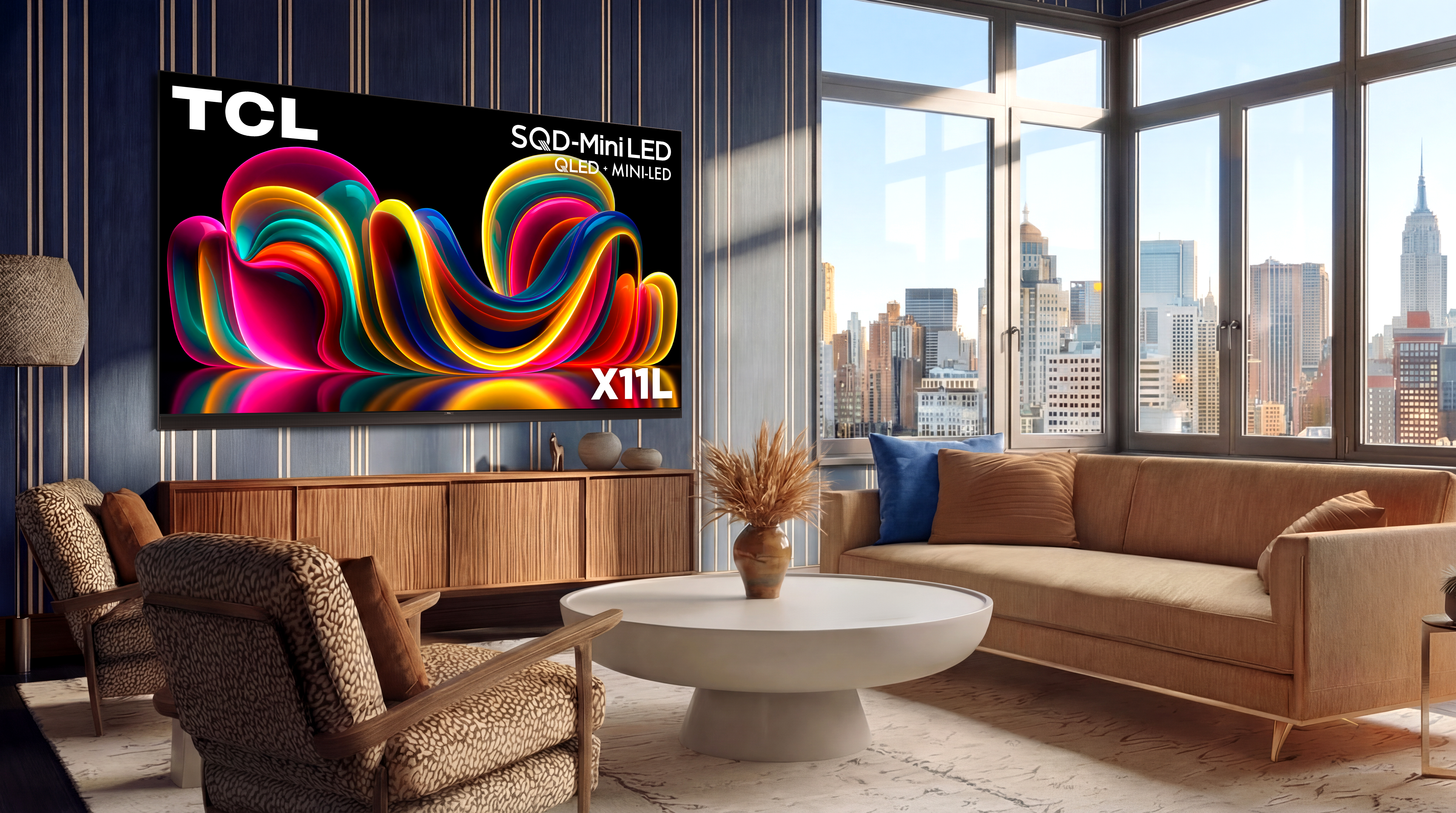
Lifestyle photo of the TCL X11L SQD-Mini LED Series
TCL

The biggest Dolby Vision 2 news at CES was the first three TV makers that have pledged support for the new standard. Hisense is bringing it to its 2026 RGB MiniLED TVs — including UX, UR9 and UR8. The company also plans to add it to more MiniLED TVs with an OTA update. TCL's 2026 X QD-Mini LED TV Series and C Series will support Dolby Vision 2 via a future update. It will be available on TP Vision’s Philips’ 2026 OLED TVs, including the 2026 Philips OLED811, and OLED911 series as well as the flagship OLED951.

There are sure to be other companies that announce Dolby Vision 2 support in 2026. Sony doesn’t announce its new TVs at CES anymore, so that’s just one of the bigger names that’s yet to reveal its hand. Any upcoming TVs that seek to leverage the full suite of tools that Dolby Vision 2 offers will need to have an ambient light sensor as that’s one of the key facets of Dolby’s upgrade.

What content will be available in Dolby Vision 2?

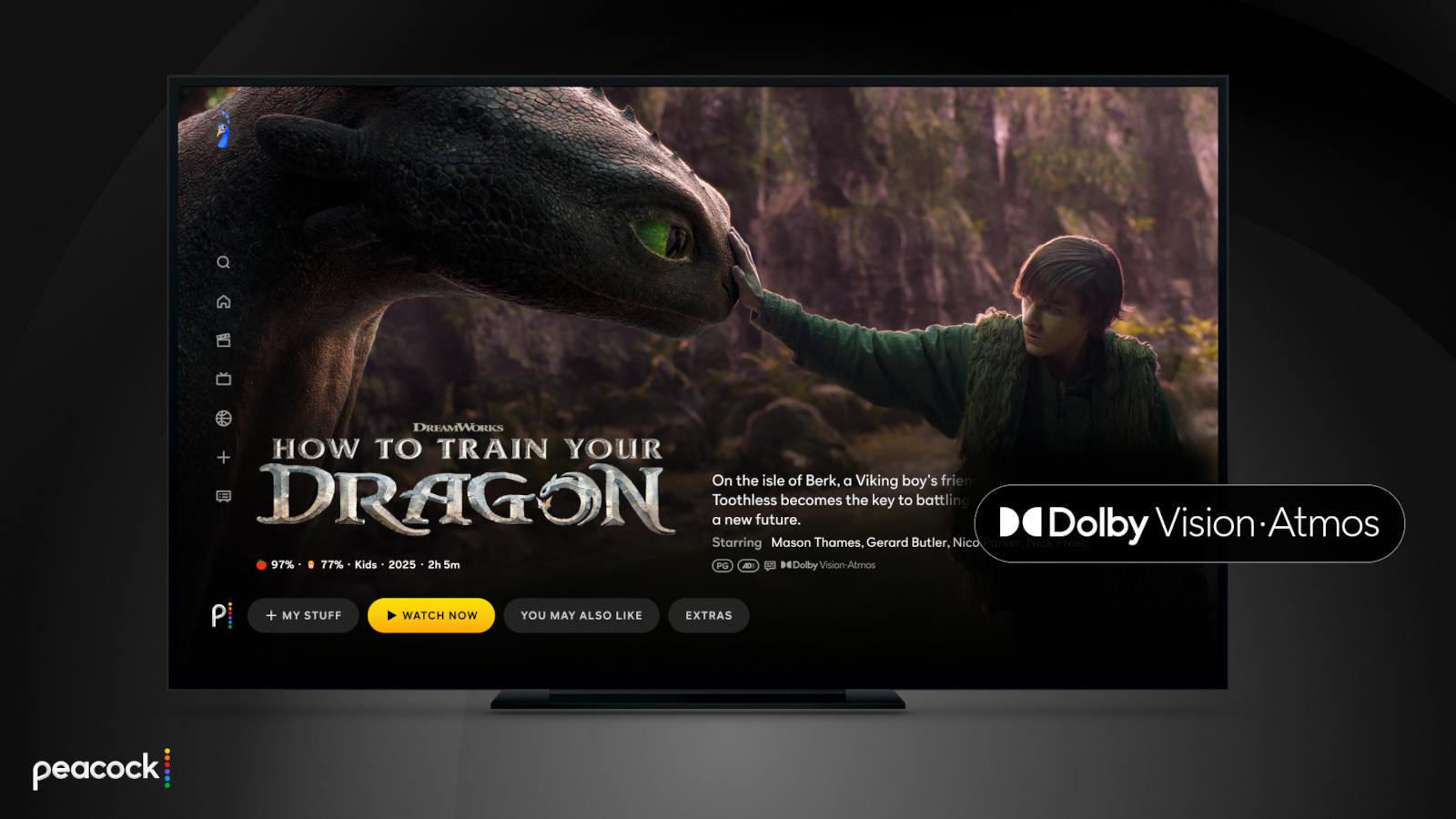
Peacock is bringing Dolby Vision and Atmos support to more live sports offerings.
Peacock

The other big piece of Dolby Vision 2 news at CES 2026 was the first streaming service that will support the platform. Peacock grabbed that honor, and so far it’s the only streamer to pledge support. However, several services support the current version of Dolby Vision, including Netflix, Disney+, Apple TV+, Amazon Prime Video, HBO Max and Paramount+. Like the additional TV support that’s sure to be announced throughout the year, I expect more streaming services will jump on board soon as well.

This article originally appeared on Engadget at https://www.engadget.com/home/home-theater/dolby-vision-2-is-coming-this-year-heres-what-you-need-to-know-140000034.html?src=rss

©

  •  

Hands-on with Fender Audio's headphones and speakers at CES 2026

Fender Audio may have announced its new headphones and speakers right before CES, but Las Vegas afforded us the first opportunity to see the brand’s new lineup in person. Fender Audio is a Fender-owned brand from Riffsound that’s designing and making new devices after licensing the name. It’s been a while since the guitar and amplifier company made any general-use speakers of its own, and this new arrangement is similar to what Zound was doing with Marshall for a spell.

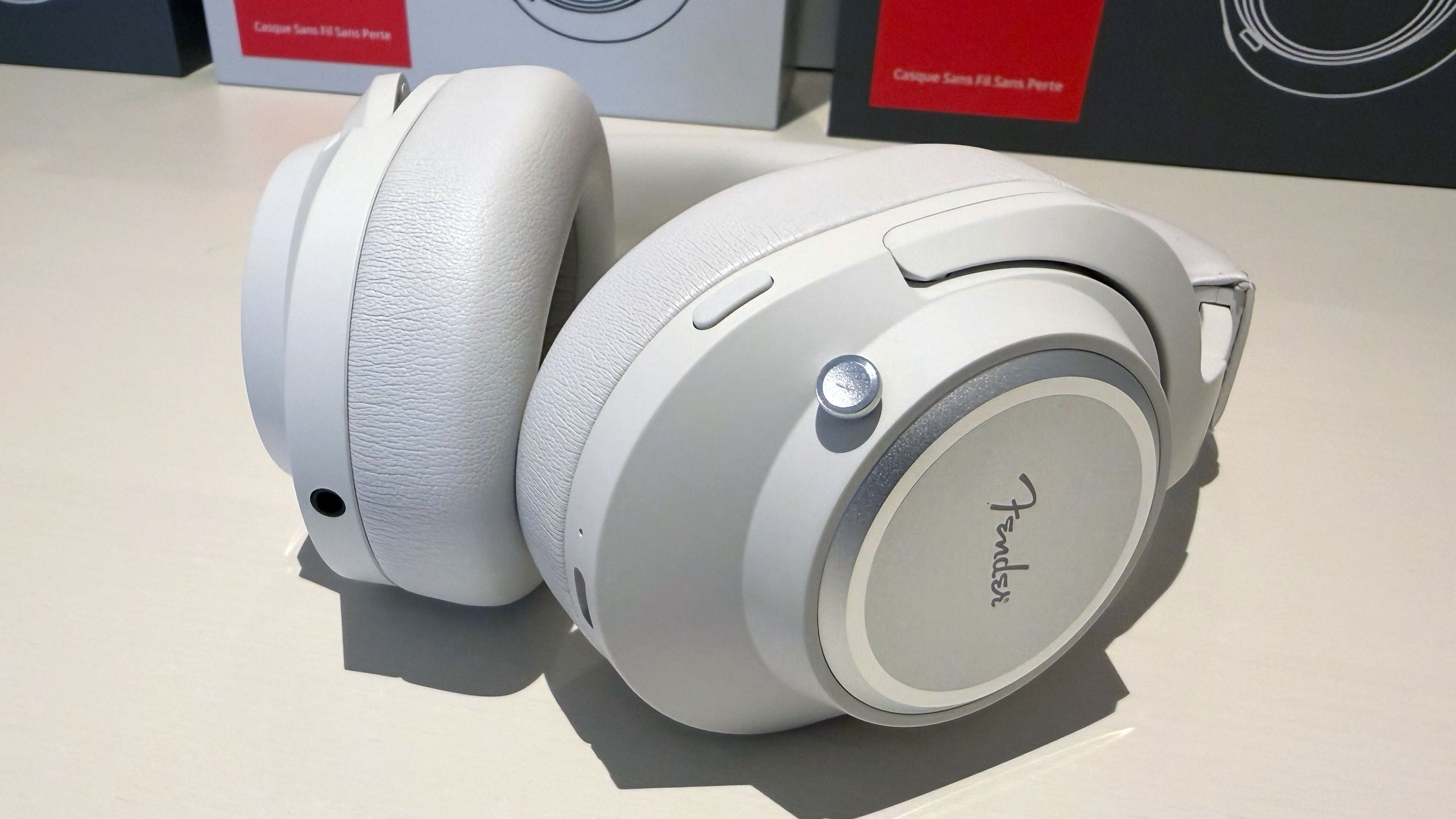
Logistics out of the way, let’s get down to what the Mix and Ellie are like in the flesh. First, the Mix headphones offer a modular construction that allows you to replace nearly every piece as needed. The ear cups detach from the headband and the ear pads are replaceable. You can also swap out the battery, thanks to an easy-to-access slot behind one ear pad. And on the other side, a USB-C dongle for wireless lossless audio is stowed for safe keeping (wired lossless audio over USB-C is also available).

Fender Audio Mix headphones
Billy Steele for Engadget

Fender Audio kept the controls simple on the Mix, opting for a single joystick for volume and playback changes. The joystick also serves as the power and pairing control as the only other button cycles through active noise cancellation (ANC) modes. In terms of sound, the Mix will satisfy listeners who crave deep bass, and vocals cut through clearly. In my brief demo, I would’ve liked more mid-range, but I’ll wait until I get a review unit for a full assessment there. I should mention the other standout feature is battery life: the Mix will offer up to 52 hours of use with ANC enabled (up to 100 hours with it off).

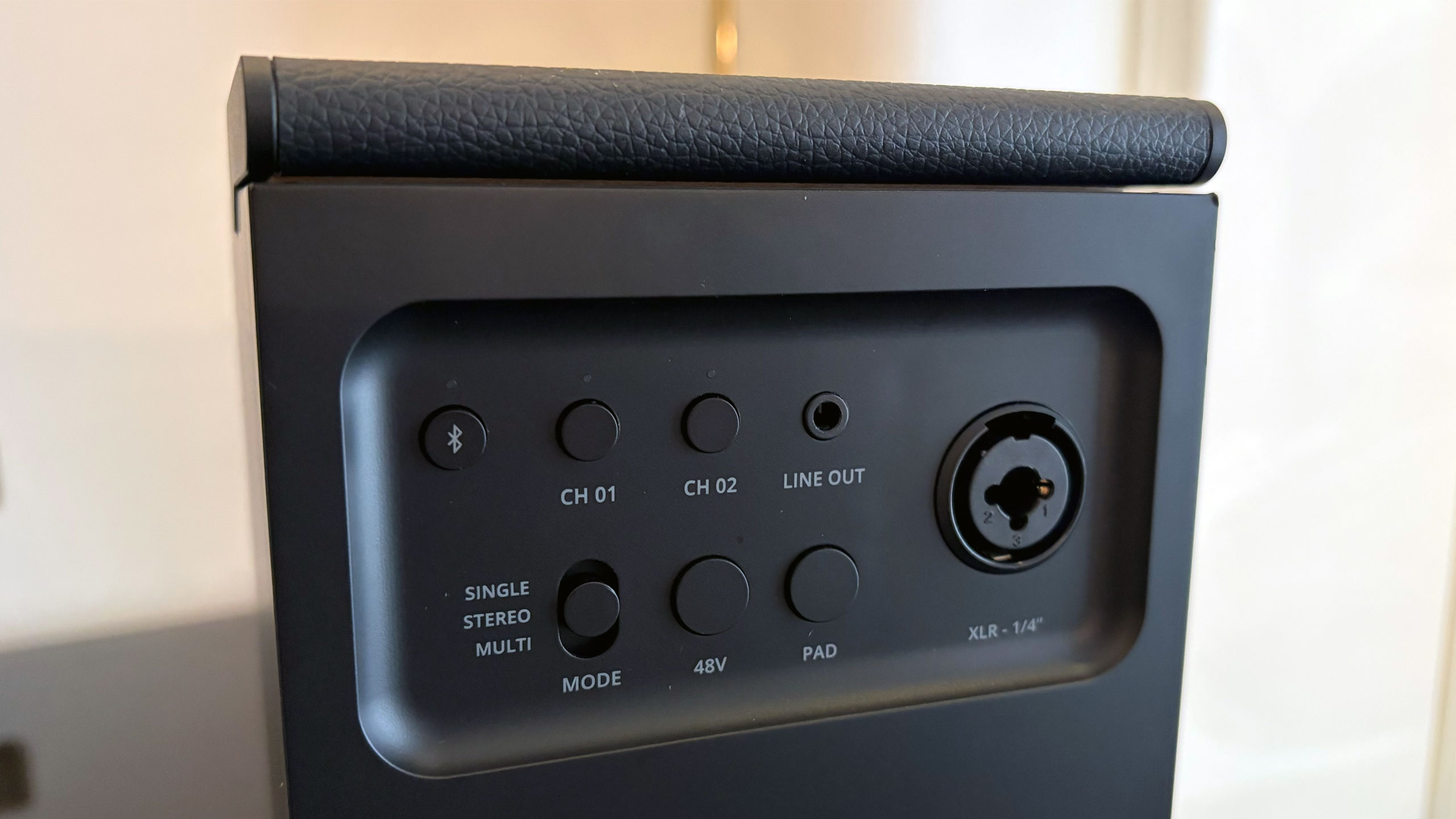
Then there are the Elie speakers. Both offer a similar set of features, which includes two wireless inputs for microphones (the company is working on its own model) and a combination XLR and 1/4-inch input for instruments. The Elie 06 is the smaller unit, housing a tweeter, full-range driver and subwoofer with 60 watts of output. The larger Elie 12 doubles all of that, serving as a more robust but still very portable option.

Fender Audio Ellie speakers
Billy Steele for Engadget

Both Elie units can be used in a single configuration or as a stereo pair. You can also connect up to 100 of the speakers via a Multi mode. Fender Audio has done a nice job here of checking all of the usual Bluetooth speaker boxes while offering something unique in terms all of those inputs. It’s like the company combined “regular” portable speakers with larger party boxes, offering something for customers who don’t want a massive device or any of the flashing lights.

Of course, none of these specs matter if the company didn’t ace the sound quality. While I’ll wait until I can spend several hours with some review units before I make any final judgement on these, I can tell you that both Elie speakers made a great first impression. There’s ample bass in the tuning for both, but obviously the larger Elie 12 offers more thump. Both units also provide excellent vocal clarity and nice details in the highs, as I made sure to select test tracks with lots of subtle sounds — like Bela Fleck’s banjo tunes.

The back of Fender Audio Ellie 06 speaker
Billy Steele for Engadget

Fender Audio says the arrival of the entire new lineup is imminent. Both the headphones and the Elie 6 will cost $299 and the Elie 12 is $399.

This article originally appeared on Engadget at https://www.engadget.com/audio/hands-on-with-fender-audios-headphones-and-speakers-at-ces-2026-203104561.html?src=rss

©

  •  

CES 2026: The Tone Outdoors T1 solved the biggest problem with leaf blowers

Every fall, dozens of maple and oak trees in my neighborhood shed their leaves. Thus begins the constant drone of gas-powered leaf blowers every day through early December. The noise is by far the most annoying thing about these yard tools, but I can appreciate it’s a necessary evil — unless you prefer to pick up a blister-inducing rake.

Whisper Aero argues there’s a better way. The company is using aerospace tech to quiet the noisy devices, introducing the T1 leaf blower at CES 2026 under its sub-brand Tone Outdoors. The company promises the T1 is 80 percent quieter and 60 percent more powerful than “leading” handheld gas leaf blowers. More specifically, the T1 has 880 CFM of air flow, which easily surpasses my battery-powered EGO. And at 52 decibels of average noise at peak volume, his model is drastically quieter than any leaf blower I’ve used. I was able to confirm its lower roar on the CES show floor.

Tone says the T1 also offers extended run time of up to 50 minutes on a charge in Eco mode. That too is greater than what I get on my mid-grade EGO. What’s more, the company plans to sell a battery backpack that will extend any clean-up sessions for several hours. The T1 also has a built-in LED “nightlight” so you can still use it after dark. And since it’s quieter than what you have now, you can do so without annoying your neighbors.

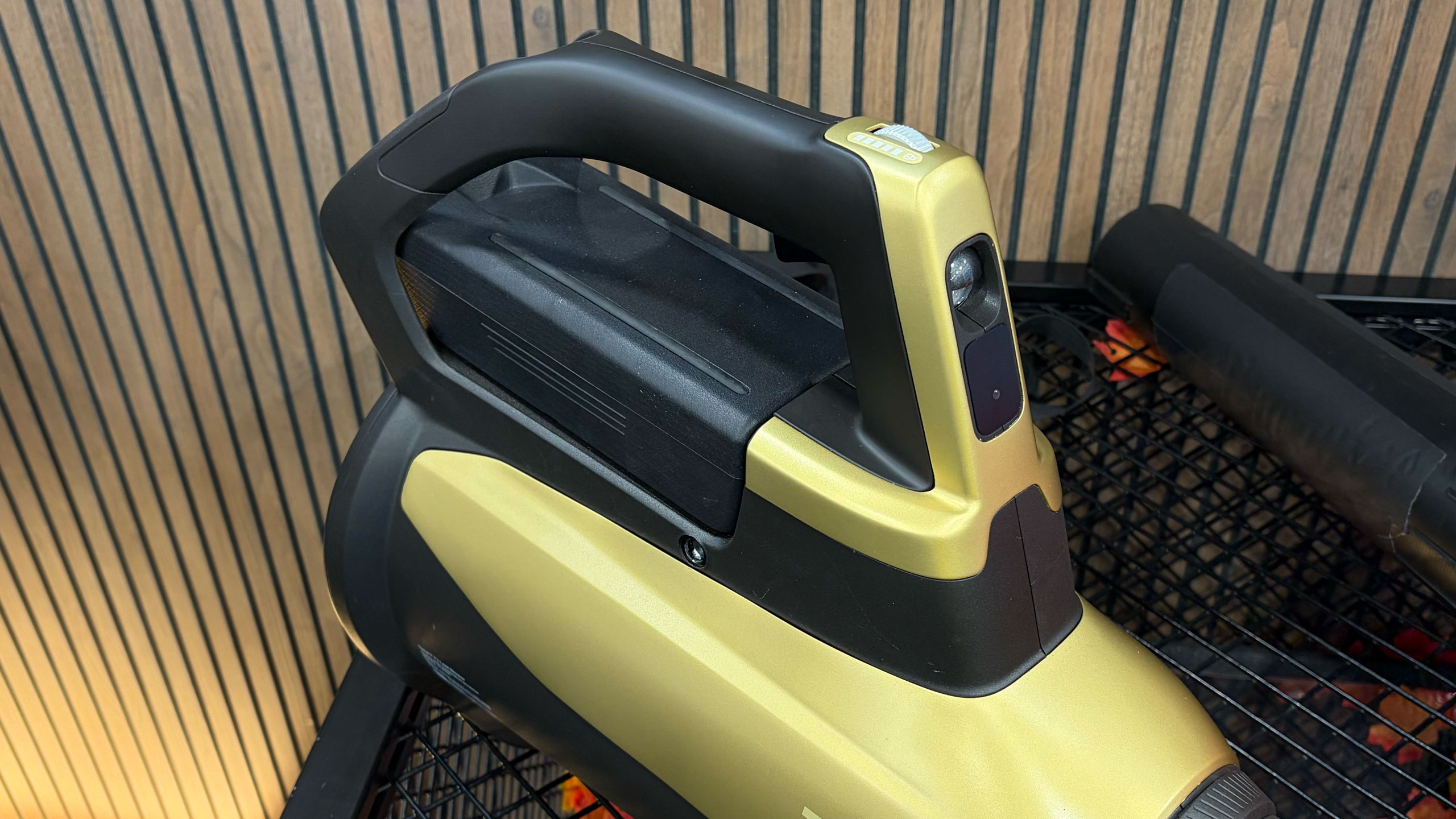
Tone Outdoors T1
Tone Outdoors T1
Billy Steele for Engadget

So, how does Whisper Aero achieve this? The company originally set out to devise a quieter solution for electric aerospace motors. Its engineers discovered that they could dramatically reduce noise and increase overall efficiency by redesigning the fan and motor. They're still pursuing that, but the company discovered its technology had other uses too.

The T1 is already available for preorder for $599 and it’s scheduled to ship in September. If you don’t care for the standard green color, you can spend another $100 for limited edition “Silence Is Golden” version. The battery backpack won’t arrive until Q1 2027 though (price TBD). Tone also says it has additional models in the works and it has a partnership with Stanley Black and Decker that will likely produce additional products with this tech on board.

This article originally appeared on Engadget at https://www.engadget.com/home/ces-2026-the-tone-outdoors-t1-solved-the-biggest-problem-with-leaf-blowers-234309500.html?src=rss

©

  •  
❌