❌

Normale Ansicht

X is fully online after going down for most of the morning

X seems to be working again after struggling with an outage that took the service offline and made it slow to load for much of the morning. According to X’s developer platform page, there is an ongoing incident related to streaming endpoints that’s caused increased errors. The incident started at 7:39AM PT, according to the page.

That roughly coincides with a spike in reports at Down Detector. The issues seemed to be somewhat intermittent. At some points, X’s website loaded partially and only showed older posts. At other times, the app and website failed to load at all.

As of 9:30AM PT, X’s Explore and trending pages were loading, but the “following” tab wasn’t showing posts and instead suggested users “find some people and topic to follow” (as shown in the screenshot below).
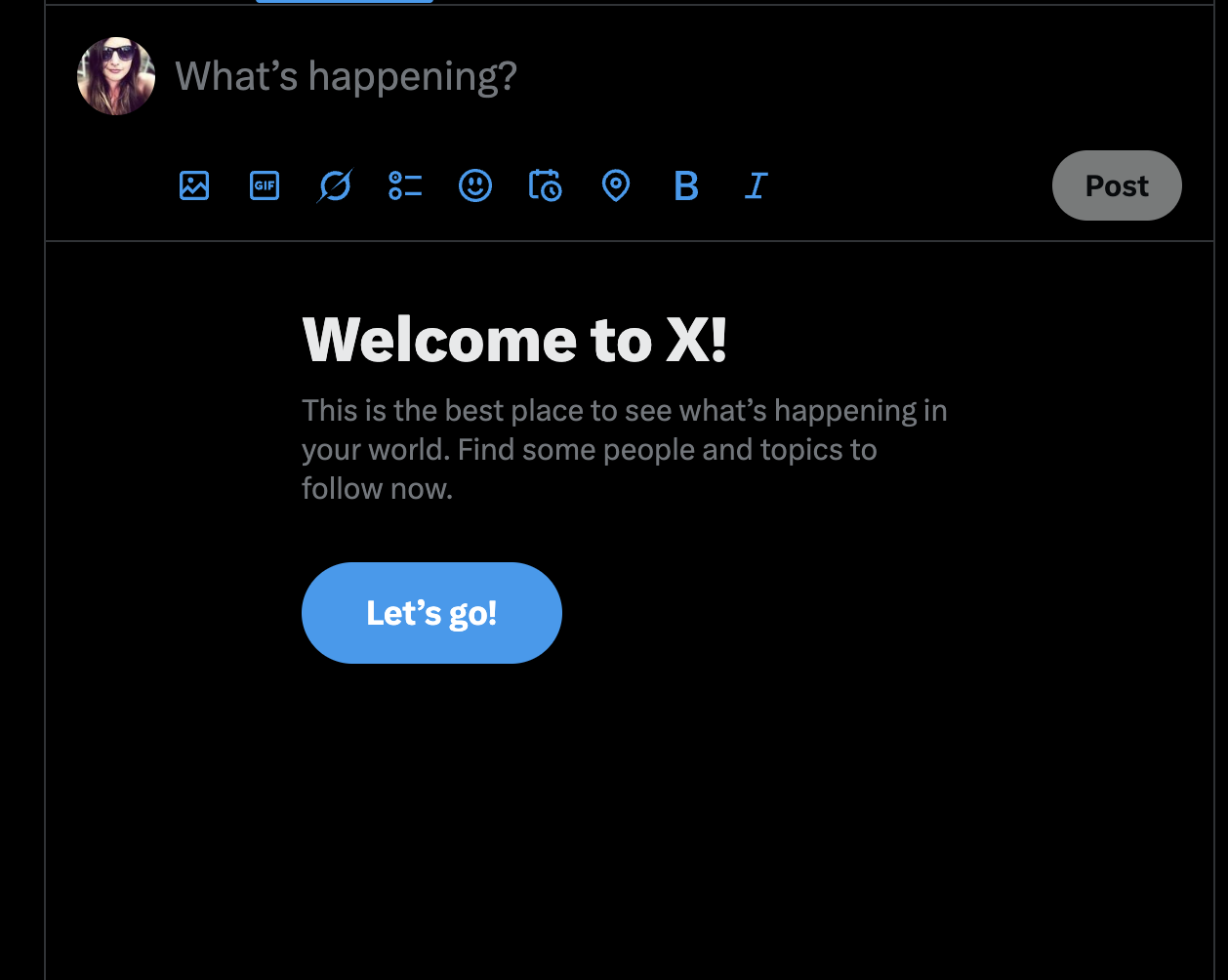
Posts aren't loading.
X

As of 11:15AM PT, X’s developer site was still indicating ongoing issues, so there may still be some lingering problems even though the website seems to be functioning normally again. Reports on Down Detector have also dropped off considerably.

X didn’t immediately respond to a request for comment on the outage. As TechCrunch notes, this is the second time this week that X has experienced significant issues. The service also went down for many users around the world on Tuesday.
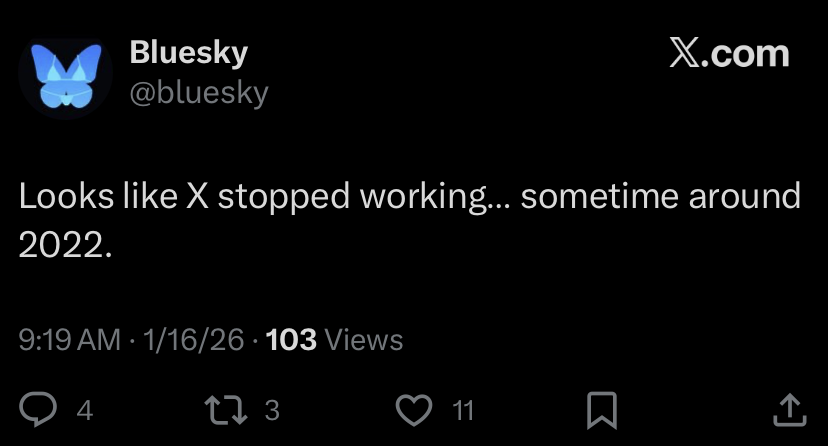
Bluesky changed its profile photo earlier in the week.
X

But while the latest issues were widespread, some posts are were still managing to go through. Rival Bluesky, which earlier in the week changed its profile picture on X to its butterfly logo in a bikini, took the opportunity to throw some shade.

At 1PM PT, X updated its status page to indicate the issue had been resolved after nearly six hours. It didn’t elaborate on the underlying cause.

Update, January 16, 2026, 2:09PM PT: Updated with the latest information from X’s status page.

This article originally appeared on Engadget at https://www.engadget.com/social-media/x-is-fully-online-after-going-down-for-most-of-the-morning-171843711.html?src=rss

©

  •  

OpenAI is bringing ads to ChatGPT

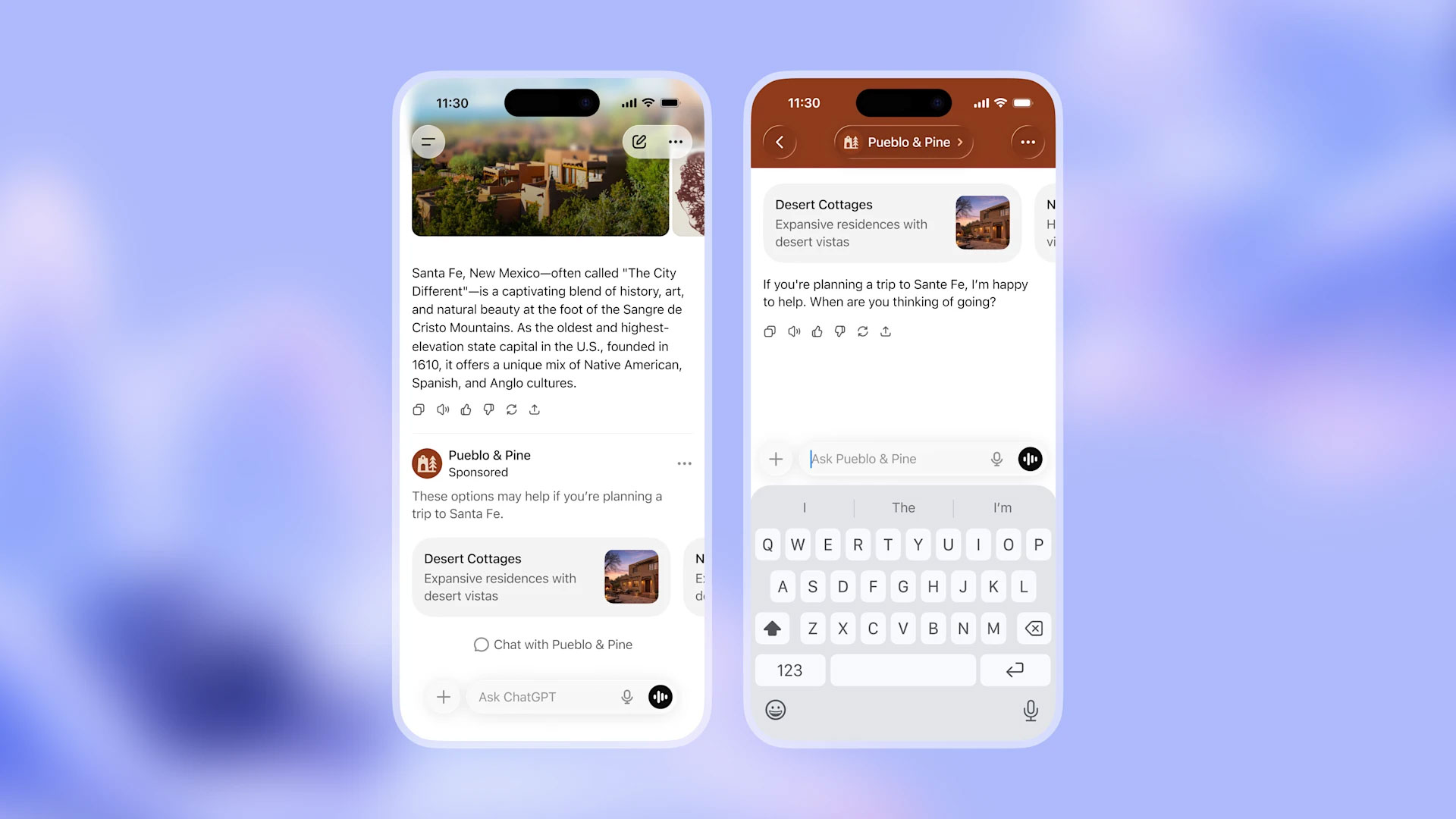
OpenAI plans to start testing ads inside of ChatGPT "in the coming weeks." In a blog post published Friday, the company said adult users in the US of its free and Go tiers (more on the latter in a moment) would start seeing sponsored products and services appear below their conversations with its chatbot. "Ads will be clearly labeled and separated from the organic answer," OpenAI said, adding any sponsored spots would not influence the answers ChatGPT generates. "Answers are optimized based on what's most helpful to you." 

OpenAI says people won't see ads appear when they're talking to ChatGPT about sensitive subjects like their health, mental state of mind or current politics. The company also won't show ads to teens under the age of 18. As for privacy, OpenAI states it won't share or sell your data with advertisers. The company will also give users the option to disable ad personalization and clear the data it uses to generate sponsored responses. "We’ll always offer a way to not see ads in ChatGPT, including a paid tier that’s ad-free," OpenAI adds. Users can dismiss ads, at which point they'll be asked to explain why they didn't engage with it.   

Users will be able to ask follow-up questions about sponsored content.
OpenAI

"Given what AI can do, we're excited to develop new experiences over time that people find more helpful and relevant than any other ads. Conversational interfaces create possibilities for people to go beyond static messages and links," OpenAI said. However, the company was also quick to note its "long-term focus remains on building products that millions of people and businesses find valuable enough to pay for."

To that point, OpenAI said it would also make its ChatGPT Go subscription available to users in the US. The company first launched the tier in India last August, marketing it as a low-cost alternative to its more expensive Plus and Pro offerings. In the US, Go will cost $8 per month — or $12 less than the monthly price of the Plus plan — and offer 10 times higher rate limits for messages, file uploads and image creation than the free tier. The subscription also extends ChatGPT's memory and context window, meaning the chatbot will be better at remembering details from past conversations. That said, you'll see ads at this tier. To go ad-free, you'll need to subscribe to one of OpenAI's more expensive plans. For consumers, that means either the Plus or Pro plans.       

According to reports, OpenAI had been testing ads inside of ChatGPT since at least the end of last year. As companies continue to pay a high cost for model training and inference, all chatbots are likely to feature ads in some form.

This article originally appeared on Engadget at https://www.engadget.com/ai/openai-is-bringing-ads-to-chatgpt-192831449.html?src=rss

©

  •  

The mother of one of Elon Musk's children is suing xAI over nonconsensual deepfake images

Although X removed Grok’s ability to create nonconsensual digitally undressed images on the social platform, the standalone Grok app is another story. It reportedly continues to produce “nudified” deepfakes of real people. And now, Ashley St. Clair, a conservative political strategist and mother of one of Elon Musk’s 14 children, has sued xAI for nonconsensual sexualized images of her that Grok allegedly produced.

In the court filing, St. Clair accused xAI’s Grok chatbot of creating and disseminating deepfakes of her “as a child stripped down to a string bikini, and as an adult in sexually explicit poses, covered in semen, or wearing only bikini floss.” In some cases, the chatbot allegedly produced bikini-clad deepfakes of St. Clair based on a photo of her as a 14-year-old. “People took pictures of me as a child and undressed me. There’s one where they undressed me and bent me over, and in the background is my child’s backpack that he’s wearing right now,” she said.

“I am also seeing images where they add bruises to women, beat them up, tie them up, mutilated,” St. Clair told The Guardian. “These sickos used to have to go to the dark depths of the internet, and now it is on a mainstream social media app.”

St. Clair said that, after she reported the images to X, the social platform replied that the content didn’t violate any policies. In addition, she claims that X left the images posted for up to seven days after she reported them. St. Clair said xAI then retaliated against her by creating more digitally undressed deepfakes of her, therefore “making [St. Clair] the laughingstock of the social media platform.”

She accused the company of then revoking her X Premium subscription, verification checkmark and ability to monetize content on the platform. “xAI further banned [her] from repurchasing Premium,” St. Clair’s court filing states.

On Wednesday, X said it changed its policies so that Grok would no longer generate sexualized images of children or nonconsensual nudity “in those jurisdictions where it’s illegal.” However, the standalone Grok app reportedly continues to undress and sexualize photos when prompted to do so.

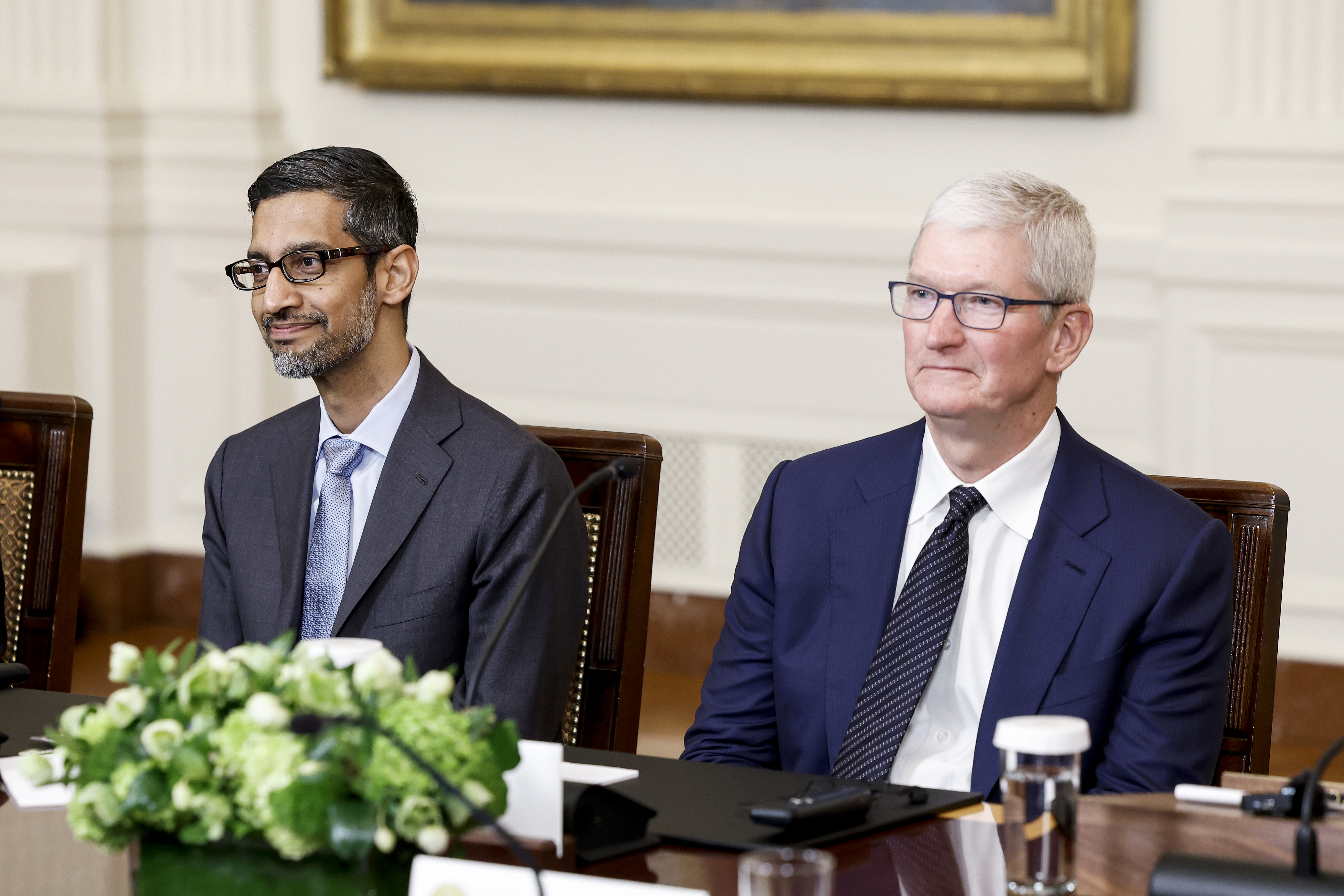
WASHINGTON, DC - JUNE 23: Google CEO Sundar Pichai (L) and Apple CEO Tim Cook (R) listen as U.S. President Joe Biden speaks during a roundtable with American and Indian business leaders in the East Room of the White House on June 23, 2023 in Washington, DC. Biden and Indian Prime Minister Narendra Modi held the meeting to meet with a range of leaders from the tech and business worlds and to discuss topics including innovation and AI. (Photo by Anna Moneymaker/Getty Images)
Neither Apple nor Google has removed the Grok app despite explicit policy violations.
Anna Moneymaker via Getty Images

Apple and Google have thus far done, well, absolutely nothing. Despite the multi-week outrage over the deepfakes — and an open letter from 28 advocacy groups — neither company has removed the X or Grok apps from their app stores. Both the App Store and Play Store have policies that explicitly prohibit apps that generate such content.

Neither Apple nor Google has responded to multiple requests for comment from Engadget. That includes a follow-up email sent on Friday, regarding the Grok app continuing to “nudify” photos of real women and other people.

While Apple and Google fail to act, many governments have done the opposite. On Monday, Malaysia and Indonesia banned Grok. The same day, UK regulator Ofcom opened a formal investigation into X. California opened one on Wednesday. The US Senate even passed the Defiance Act for a second time in the wake of the blowback.

“If you are a woman, you can’t post a picture, and you can’t speak, or you risk this abuse,” St. Clair told The Guardian. “It’s dangerous, and I believe this is by design. You are supposed to feed AI humanity and thoughts, and when you are doing things that particularly impact women, and they don’t want to participate in it because they are being targeted, it means the AI is inherently going to be biased.”

Speaking about Musk and his team, she added that “these people believe they are above the law, because they are. They don’t think they are going to get in trouble, they think they have no consequences.”

This article originally appeared on Engadget at https://www.engadget.com/ai/the-mother-of-one-of-elon-musks-children-is-suing-xai-over-nonconsensual-deepfake-images-191451979.html?src=rss

©

  •  

Bluesky's 'Live Now' badge is available to everyone

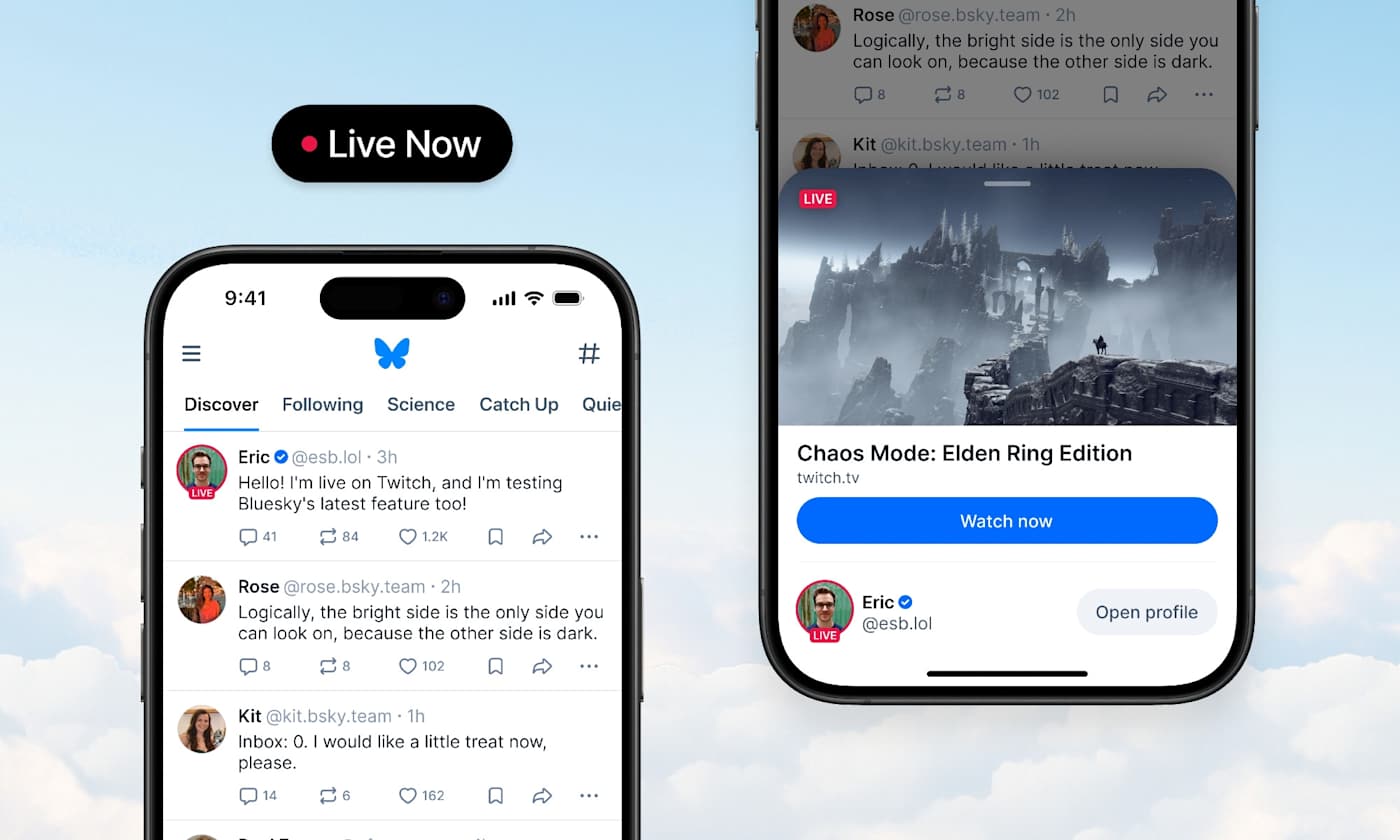
After testing the feature in a limited beta, Bluesky is making its "Live Now" badge for streamers available for everyone on the social network to try. Live Now is included as part of Bluesky's v1.114 update, alongside "cashtags," a separate type of hashtag for collecting conversations about publicly-traded companies.

Bluesky first started testing its Live Now badge in May 2025 with a limited group of accounts, including the official NBA account. The feature lets Twitch streamers with Bluesky profiles append a Live Now badge to their profile picture that links directly to their livestream. Live Now badges are limited to Twitch links for now, but Bluesky says "support for other streaming platforms may follow" as it learns from the beta. Linking to other social platforms shouldn't be a radical concept, but since Bluesky's competitor X has tried to prevent users from posting links in the past, the company has made it a point of trying to do the opposite.

Cashtags are a similar attempt to appeal to a certain type of veteran X user. Originally a feature of pre-Musk Twitter, cashtags work like a hashtag, marking posts in a way that makes them easy to find in a search or by tapping the cashtag itself. On Bluesky, by typing a dollar sign ($) and the stock abbreviation of a company (AAPL for Apple, for example), you can add a cashtag to your post that links it to other posts using the same cashtag. So far, the cultural makeup of Bluesky hasn't seemed as business-oriented as X, but the feature suggests Bluesky wants the option to be available for anyone who jumps ship.

This article originally appeared on Engadget at https://www.engadget.com/social-media/blueskys-live-now-badge-is-available-to-everyone-223335221.html?src=rss

©

  •  

Tesla's Full Self-Driving is switching to a subscription-only service

Tesla will stop selling its $8,000 Full Self-Driving (FSD) option and make it strictly a monthly subscription service after February 14, CEO Elon Musk announced on his X platform. Musk didn't reveal the price or why he's making the switch, though FSD is already available by subscription for $99 per month or $999 per year. 

The shift could be advantageous for buyers, particularly if they decide to dump their new Tesla or trade it in. It will also allow prospective owners to hedge their bets, as Tesla has overpromised on the feature since it was first announced. 

Tesla will stop selling FSD after Feb 14.

FSD will only be available as a monthly subscription thereafter.

— Elon Musk (@elonmusk) January 14, 2026

Full Self-Driving has never done what the name suggests as humans must constantly supervise the system and frequently take control. Because of that, it's more of a "driver assist" system and doesn't even qualify as Level 3 self-driving (conditional automation), let alone as a truly autonomous Level 4 or Level 5 category. Musk has been touting self-driving capabilities on Tesla vehicles since 2015, promising at the time "complete autonomy" by 2018. 

Branding for the system as "Autopilot" and "Full Self-Driving" has been called out as false advertising by consumer watchdogs and government for years, but so far, regulators have yet to take action. A California judge recently ruled that Tesla used "deceptive language to market Autopilot and recommended suspending Tesla's sales in the state for 30 days. However, the company has 90 days to comply and could still avoid punishment.  

This article originally appeared on Engadget at https://www.engadget.com/transportation/evs/teslas-full-self-driving-is-switching-to-a-subscription-only-service-120053137.html?src=rss

©

© Steve Dent for Engadget

Tesla's Full Self-Driving is now available for some Cybertrucks
  •  

Instagram wants you to personalize your Reels algorithm for 2026

Last month, Instagram began rolling out a new set of controls that allowed users to personalize the topics recommended to them by the Reels algorithm. Now, Meta is making that feature available to all English users of the app globally, along with the ability to highlight their top topics for the coming year. 

The feature begins with a selection of topics Meta's AI thinks you're interested in based on your recent activity, and has controls to remove them or add new categories. There's also a separate field for identifying what you want to see less of, and a new "build your 2026 algorithm" that allows you to highlight three topics in particular. 

A screenshot of Instagram reels showing a ski jumper mid-air with a label that says "snowboarding."
Meta's algorithm tagged a skiing clip as "snowboarding."
Screenshot via Instagram

I don't yet have the 2026-specific control yet, but I was able to tweak some of my preferred topics and was surprised at how quickly the algorithm seemed to adjust. I added "snowboarding" as a topic and then later, when I clicked over to Reels, the first clip I saw was tagged "snowboarding." Unfortunately, the video wasn't actually about snowboarding — it featured a clip of a freestyle skiing event — so Meta's systems might still need a little work at classifying the actual content. But given how sensitive the Reels algorithm can be, it's nice to have a way of opting out of interests even if you briefly went down a  rabbit hole. 

The feature won't, however, let you ask to see fewer ads. I tried to add "ads" to my "what you want to see less of" list and received an error. "No results found. Try another topic or interest." I was able to successfully add "sponsored content" and "AI" to my "see less" list, though I'm pretty sure the latter will affect videos about AI rather than those made with the help of it.

This article originally appeared on Engadget at https://www.engadget.com/social-media/instagram-wants-you-to-personalize-your-reels-algorithm-for-2026-215252736.html?src=rss

©

  •  

Meta closes 550,000 accounts to comply with Australia's kids social media ban

To comply with Australia's under-16 social media ban, Meta said on Medium that it has shut down nearly 550,00 accounts. That number includes 330,000 Instagram, 173,000 Facebook and 40,000 Threads accounts deemed to belong to children. "Ongoing compliance with the law will be a multi-layered process that we will continue to refine, though our concerns about determining age online without an industry standard remain," the company wrote. 

Australia's minimum age social media ban, the first of its kind in the world for a democracy, went into effect on December 10. The ten platforms affected, including Facebook, Instagram, TikTok, Snapchat, X, Reddit and Twitch, must bar underage users or face a fine of up to $AUD 49.5 million ($33 million). Platforms are using a variety of means to determine age, including age inference based on activity and selfies.

Some of those platforms aren't taking the ban lying down. Reddit, which launched a lawsuit against the Australian government, argued that it shouldn't have been included in the ban since it isn't a social media site, while adding that it comes with some "serious privacy and political expression issues" for users.

Meta also expressed its opposition to the ban, citing a number of factors. It says taking social media out of the hands of teens can isolate them from getting support from online communities, and that the ban is only driving them to "less regulated parts of the internet." It also sites inconsistent age verification methods and a lack of interest in compliance from teens and parents. 

However, the fact that Meta has removed almost 550,000 accounts just a month after the ban took affect shows that it is also affecting the company's bottom line. And Meta doesn't have a sterling record when it comes to teen safety, having previously downplayed the frequency of harm to children. 

This article originally appeared on Engadget at https://www.engadget.com/social-media/meta-closes-550000-accounts-to-comply-with-australias-kids-social-media-ban-130041356.html?src=rss

©

© SOPA Images via Getty Images

INDIA - 2024/09/21: In this photo illustration, a Meta logo seen displayed on a smartphone with a flag of Australia in the background. (Photo Illustration by Avishek Das/SOPA Images/LightRocket via Getty Images)
  •  

YouTube will let you exclude Shorts from search results

YouTube introduced some new filters to its advanced search tools today. Possibly the most exciting change is that Shorts are now listed as a content type, so the three-minute-or-less videos can be excluded as results in your searches.

This is a welcome update for any of us who have been on the hunt for a long-form explainer only to wade through dozens of ten-second clips before finding anything close to our goal. Especially with the addition of even more AI slop last year thanks to the Google Veo 3 engine, an option to exclude Shorts may look even more appealing.

The other updates include a pair of renamed features within advanced search. The "Sort By" menu will now be called "Prioritize." Likewise, the "View Count" option has been renamed to "Popularity;" this will allow YouTube's algorithms to account for other metrics such as watch time to gauge how much other users are engaging with a particular video. A pair of former filter options have also been removed; there will no longer be choices to search for "Upload Date - Last Hour" and "Sort by Rating."

This article originally appeared on Engadget at https://www.engadget.com/entertainment/youtube/youtube-will-let-you-exclude-shorts-from-search-results-204500097.html?src=rss

©

  •  
❌